
Keystage history

Mary Anning – KQ2 – What did Mary do in her life that was so special?
Pupils move from the sequencing of the major events of Mary’s life to a more sophisticated understanding of which of these events were the most significant. By creating a fortunes…
Read More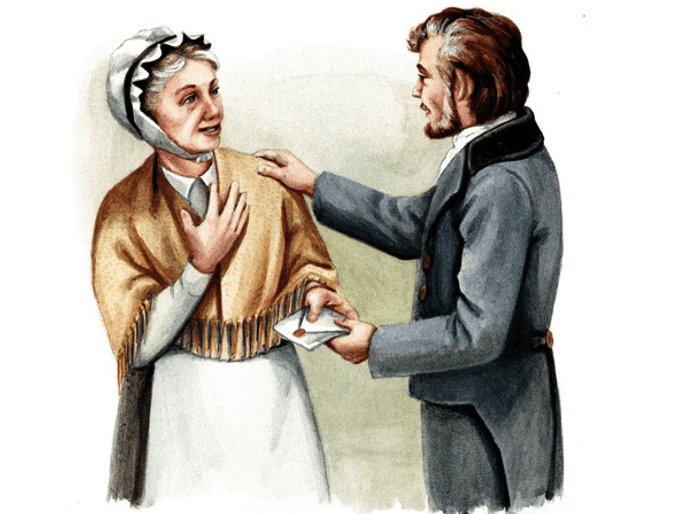
Mary Anning – KQ3 – What sort of person was Mary that helped her to succeed in a man’s world?
This a much shorter enquiry than the others, and comprises just three short activities Step 1 Having recapped the story of Mary’s life, ask pupils to work in small groups…
Read More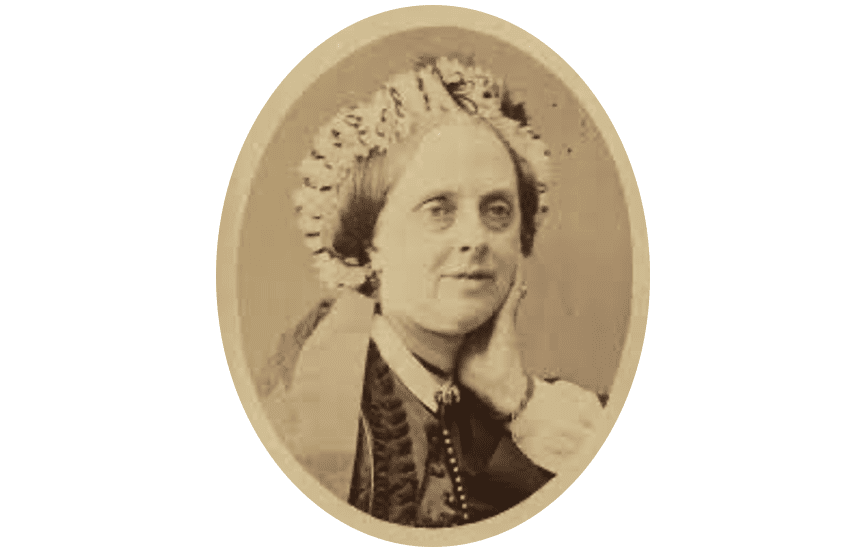
Mary Anning – KQ4 – Which other people were important in Mary’s life and why?
This activity is an interesting way of getting pupils to think about Mary’s life but in a non-narrative way. Instead of re-telling the story in sequence they have to look…
Read More
Mary Anning – KQ5 – How do we know about Mary’s actions which happened so long ago?
The main activity in this session is called Prove it! A number of pieces of evidence from Mary’s time are placed around the room, as if it were an art…
Read More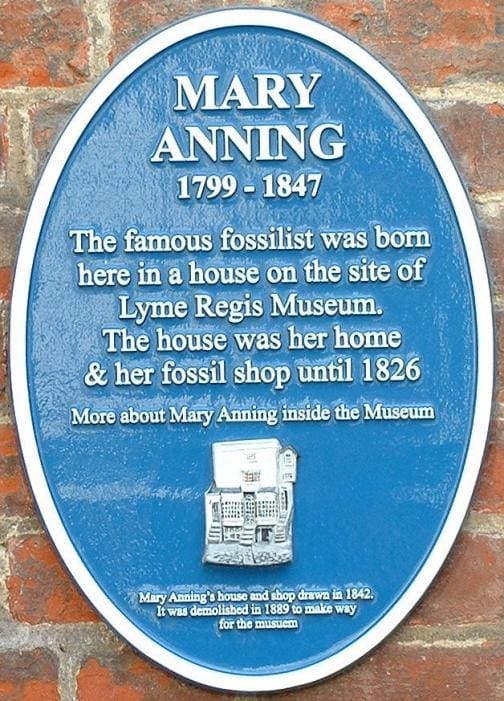
Mary Anning – KQ6 – How and why should Mary Anning be remembered? Have your say.
In Lyme Regis they are going to improve their museum dedicated to Mary Anning. It will cost a lot of money and the Council are not sure she deserves all…
Read More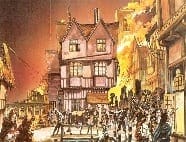
The Great Fire – KQ1 – How can we work out why the Great Fire started?
This innovative session places pupils right from the start of the enquiry in the role of detectives to discover when, where and why the Great Fire of London broke out….
Read More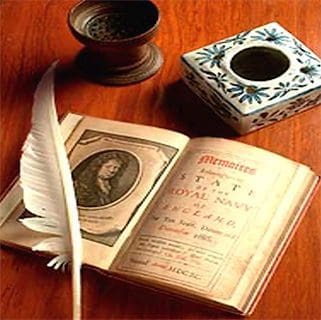
The Great Fire – KQ2 – What happened during the Great Fire and how do we know?
This lesson focuses on the idea of evidence and proof. Can pupils find evidence to back up statements made in books? Can they tell which is the strongest piece of…
Read More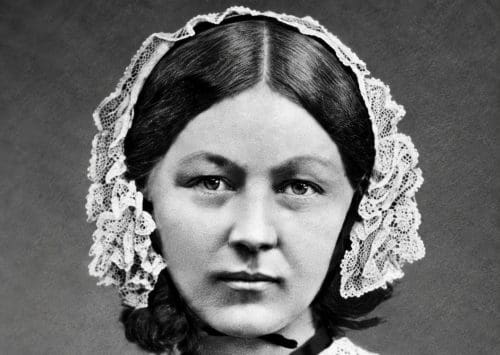
Florence Nightingale – KQ1 – Why do we think Florence Nightingale is remembered?
Pupils make deductions from a range of visual clues to see if they can work out what job Florence Nightingale did, before being told the story of her life through…
Read More
Teaching GCSE thematically: 10 approaches that really work
Now that all schools have to teach a thematic study I thought I’d share my experience of observing hundreds of GCSE SHP lessons over almost 20 years. I have distilled…
Read More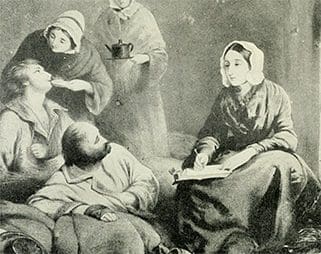
Florence Nightingale – KQ2 – Why did Florence place herself in such danger by going to the Crimea?
Who influenced her decision to go? Already introduced to the major events in Florence’s life, children now speculate on why she took the brave decision to go to the Crimea….
Read More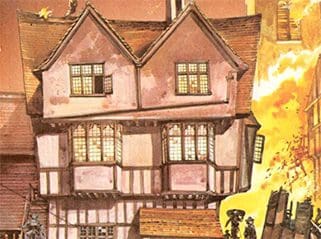
The Great Fire – KQ3 – Why did the Great Fire burn down so many houses?
This Great Fire lesson focuses on developing children’s powers of explanations. They will already have looked at the sequence of events and will be able to offer a few simple…
Read More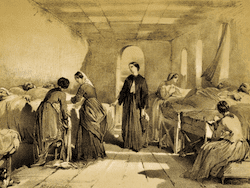
Florence Nightingale – KQ3a – Fighting Fit. What did Florence do to improve the lives of the soldiers when she arrived in the Crimea?
In this lesson children compare the appalling conditions in the hospitals on Florence’s arrival at Scutari. With the help of animated rats! They list the most significant problems and then…
Read More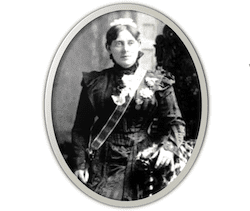
Florence Nightingale – KQ3b – Smart task – What did people really think of Florence Nightingale?
Did everyone admire Florence Nightingale, and did she deserve the medals she received? This KS1 smart task encourages pupils to explore differing attitudes to Florence through discussion and role play….
Read More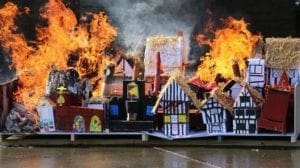
The Great Fire – KQ4 – Could more have been done to slow the spread of the fire?
This session comprises three distinct phases. The first is mime-based, looking at the firefighting methods used and discussing their disadvantages. The second looks at what action was taken to stop…
Read More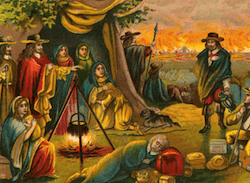
The Great Fire – KQ5 – How did people manage to live through the Great Fire?
Miraculously for a city that was the third largest in the world, consumed by a fire that lasted for days, very few people died, as far as we know. There…
Read MoreThe Great Fire – KQ5 Additional Resource – Crowdfunding is nothing new
Extra information to support your teaching of Key Question 5 – Crowdfunding is nothing new As we stress in this KQ5 enquiry, it is important that you focus on the…
Read More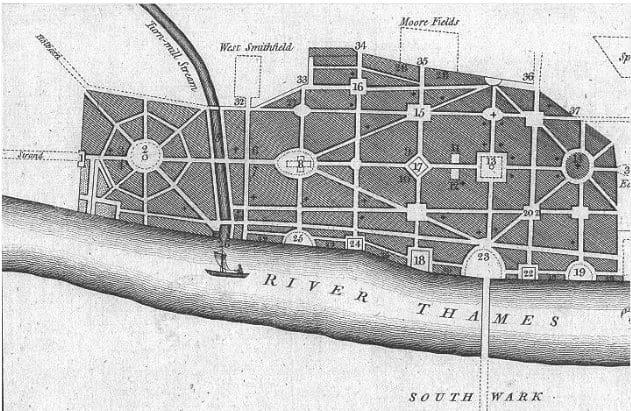
The Great Fire – KQ6 – How shall we rebuild London after the Great Fire?
This lesson gives full rein to children’s creative flair, disciplined by evidence. The City of London is offering a prize for the best design for a rebuilt London after the…
Read More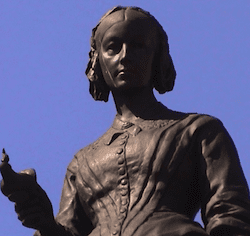
Florence Nightingale – KQ4a – What was Florence Nightingale’s greatest achievement?
Pupils have been drafted in to help with the wording on a statue to Florence Nightingale which had badly worn away over time and is now in danger of being…
Read More
Florence Nightingale – KQ4b – Florence Nightingale’s days are numbered. Brilliant cross-curricular History and Mathematics
Every so often you see an inspiring example of history and numeracy working together seamlessly. Such a lesson was taught by Ros Boulton of South Farnborough Infants. She wanted her…
Read More
Florence Nightingale – KQ5 – How do we know so much about Florence Nightingale when she lived so long ago?
This differentiated core activity is Prove it! Working in pairs as detectives with their own find the clue sheets and clipboards, pupils are given 10 statements about Florence and have…
Read MoreFlorence Nightingale – KQ6 – Should Florence Nightingale rather than Mary Seacole have her statue at St.Thomas’ hospital?
NB This lesson overlaps, as you would expect, with a similar lesson on Mary Seacole. It is slightly different in emphasis but if you are studying both women in equal…
Read More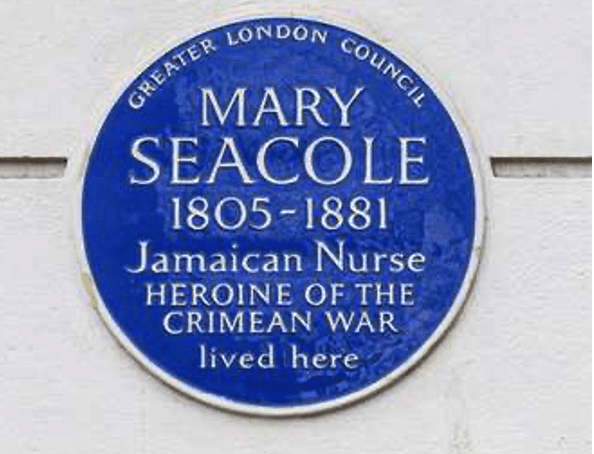
Mary Seacole – KQ1 – How can we work out why Mary Seacole is famous?
This session focuses on working out WHY Mary Seacole is commemorated today 200 years after she was born, and looks at the different ways in which she is remembered. The…
Read More
KS1 Medium Term Planner: Louis Braille
The current history curriculum at KS1 asks schools to provide a little more coherence in their choice of significant people to study, suggesting that they might be linked by theme….
Read More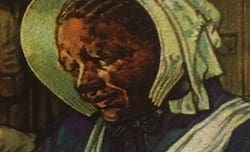
Mary Seacole – KQ2 – What were the most important events in Mary’s life?
Pupils watch a short film to establish the outlines of the story and then have to sequence a differentiated set of images of the key events of her life. They…
Read More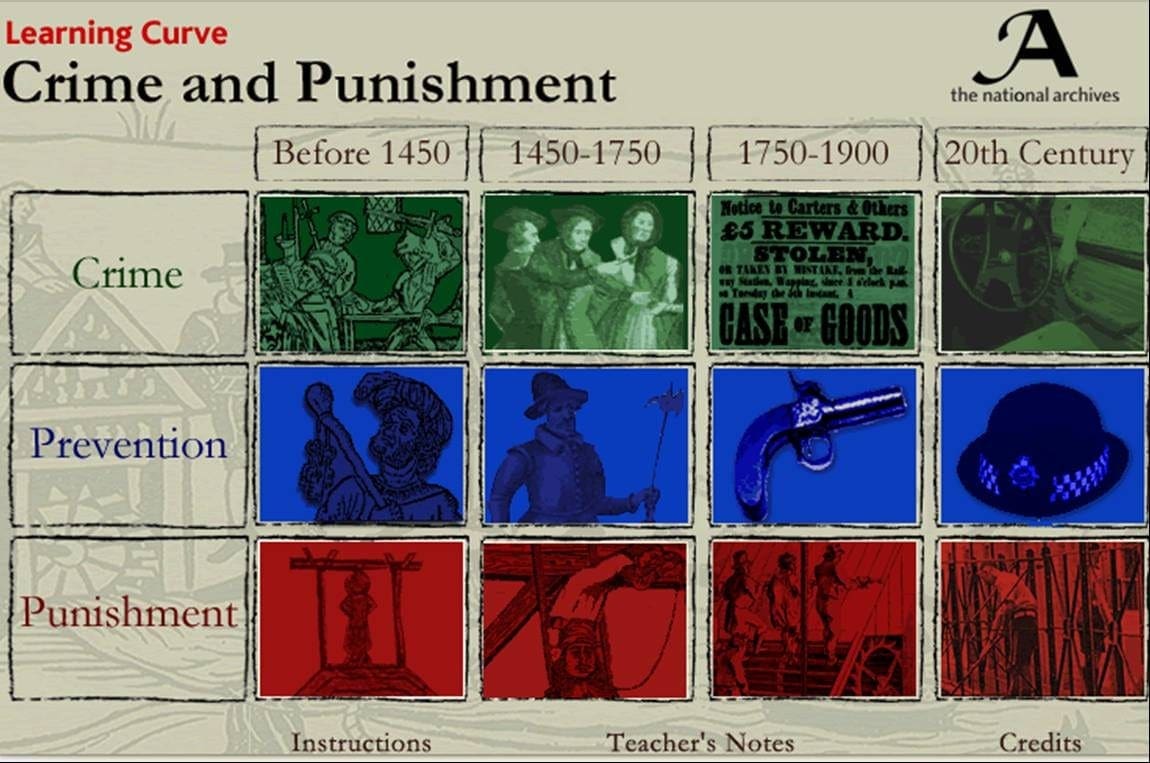
Teaching Crime and Punishment
I am sure you all know of the excellent websites out there to help you, but I would particularly recommend the Durham University Library, The British Library, and the National Archives . The Learning…
Read More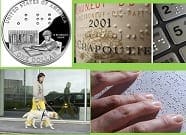
Louis Braille – KQ1 – Why do you think Louis Braille is remembered today: Smart task
This session comprises two activities. Activity 1 – Pupils try to work out why Braille might be famous from visual clues. Discuss how blind people can read today. They handle…
Read More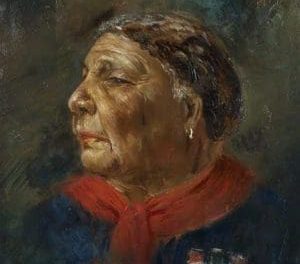
Mary Seacole – KQ3 – What was Mary’s greatest achievement and how do we know?
The focus here is mainly on the evidence for Mary’s achievement. This is important as she was a more-or-less forgotten figure for 200 years. So how do we know that…
Read More
Louis Braille – KQ2 – What were the most important moments, and who were the most significant people, in Louis Braille’s life?
This session comprises 3 key activities, so it is important to devote sufficient time to it. Please note that activities 2 and 3 are particularly challenging and were taught to…
Read More
Louis Braille – KQ3 – What motivated Louis? Why did he decide to invent a system of writing for the blind? Smart task
In contrast to the multi-faceted KQ2, these two relatively short activities will not take as long. They focus on Louis’ motivation, principally by means of a diamond-4 prioritising activity. Learning…
Read More
Mary Seacole – KQ4 – How did life change for Mary after the Crimean war?
What happened to Mary Seacole when the Crimean War was over? In this engaging KS1 history lesson, pupils discover that Mary’s return to Britain was far from straightforward. By sequencing…
Read More
Louis Braille – KQ4 – What changes to people’s lives did Louis make?
Step 1 This is a short activity in which pupils are asked to think of any uses of Braille they know of in everyday life, perhaps by showing the start…
Read More
Louis Braille – KQ5 – What makes Braille so special? Smart task
This very short task is preliminary to the major task that follows in KQ6 which explores how we should commemorate Louis’ achievement. It is important that they consider the crucial…
Read More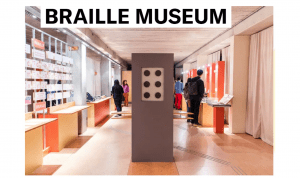
Louis Braille – KQ6 – What should go in our Braille museum? Curator’s dilemma
Set the scene When Louis died no national papers covered the story. 100 years later in 1952 his body was moved to the building called the Pantheon in Paris where,…
Read More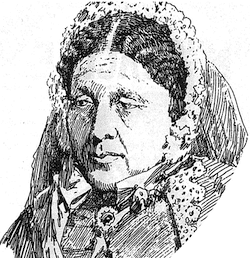
Mary Seacole – KQ5 – What made Mary so special?
What made Mary Seacole such a remarkable person? This short KS1 lesson helps pupils explore her kindness, courage and determination, choosing adjectives to describe her character and supporting their ideas…
Read More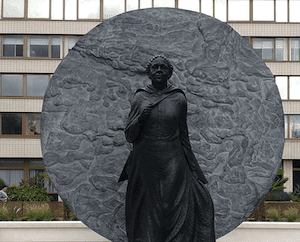
Mary Seacole – KQ6 – Why doesn’t everyone agree that Mary deserves her statue at St. Thomas’ hospital?
This lesson places pupils in the role of Mantle of the Expert. A new monument to Mary Seacole was erected outside St Thomas Hospital in 2016. But there have been…
Read MoreWhat the latest biography of Mary Seacole tells us
In Helen Rappaport’s latest book “In Search of Mary Seacole: Making of a cultural icon”, we are told how Mary’s significance has only truly come to light and been properly…
Read MoreOutstanding medium term planner for Ancient Civilizations: Egypt Y3
At one point in recent years, there were real fears that Ancient Egypt would be axed from the KS2 curriculum. Mercifully it was reprieved so we now need to make…
Read More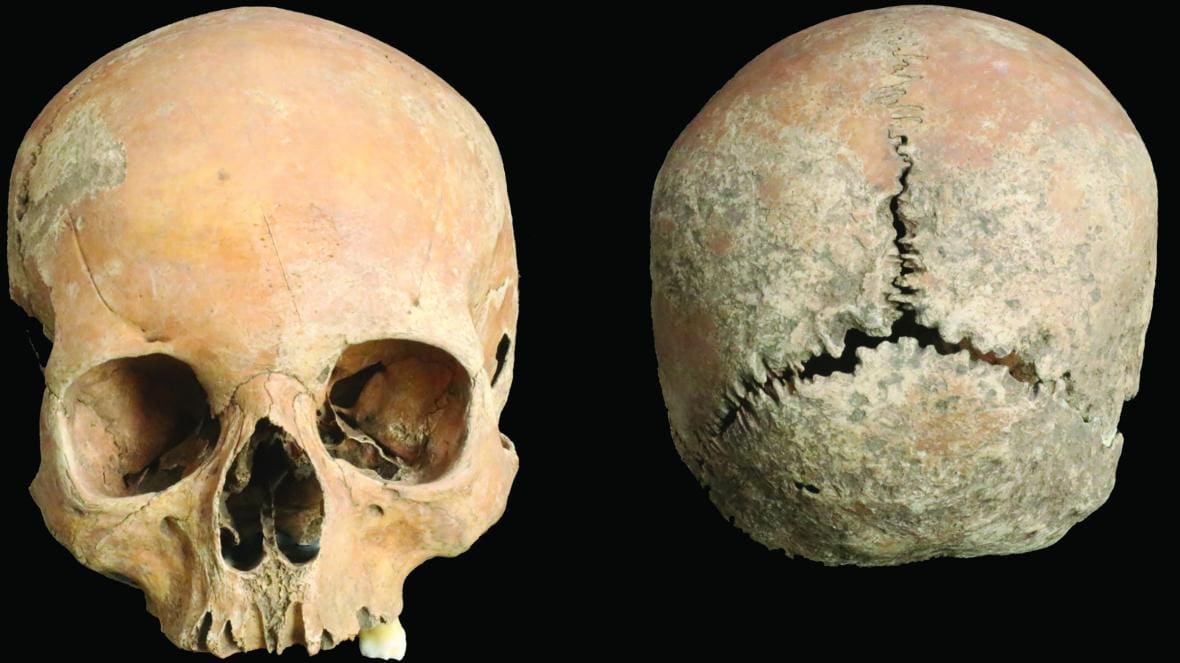
New evidence of Anglo-Saxon mutilations as punishment
Ninth-century England was a bad place to be a criminal, new findings suggest. The skull of an Anglo-Saxon teenager discovered in Hampshire shows that she had her nose and upper…
Read More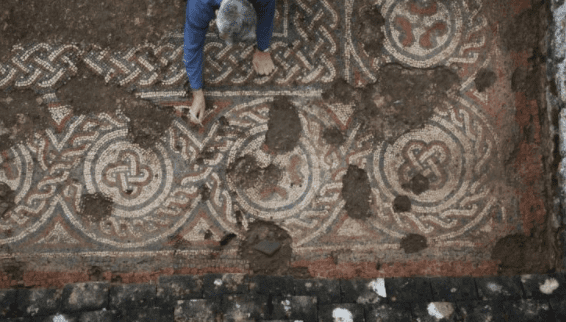
New evidence at Chedworth Roman villa casts new light on Dark Ages
A mosaic at Chedworth Roman villa that was previously believed to date from the fourth century has now been radiocarbon-dated to 100 years later, around 480AD. This suggests, of course,…
Read More
March 2020 inspection
The history curriculum is currently being reviewed. You and your subject leader know that current planning in history does not emphasise with enough precision what the school intends pupils to…
Read MoreOutstanding Scheme of Work for Stone Age to Iron Age
This scheme of work, judged outstanding by an OFSTED history inspector now links to all the fully-resourced outstanding lessons and activities making the teaching of this topic completely self-contained. Not…
Read More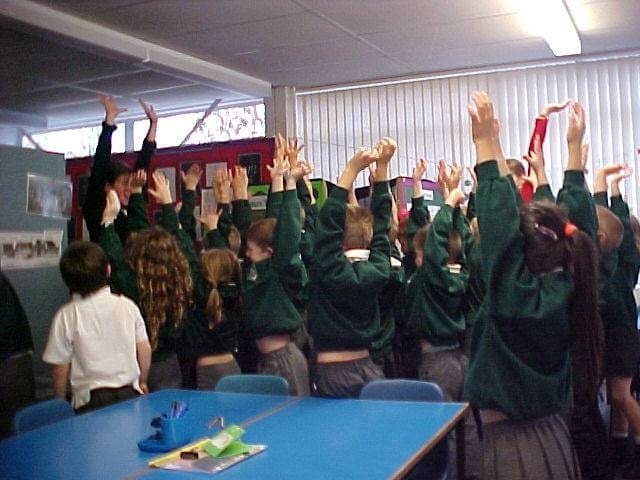
Teaching the Gunpowder Plot to Key Stage 1
Ever since the Gunpowder Plot was included in the Programme of Study for Key Stage 1, there have been howls of protest from infant teachers who protest that it is…
Read More
Planner for Britain at War: The Home Front 1939-45
The new detailed downloadable planner below has key questions, suggested activities, resources and assessments for teaching The Home Front in World War Two at KS2 and links with the lessons…
Read More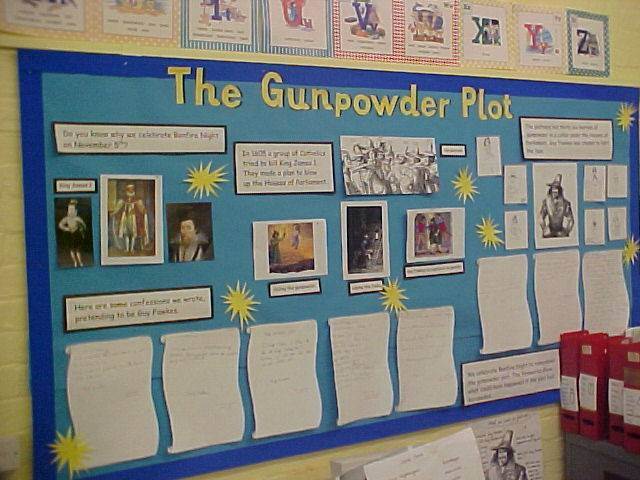
Gunpowder Plot – Key Stage 1
If you are teaching about Bonfire night, Guy Fawkes or the Gunpowder Plot you will find the planning advice and fully resourced Outstanding Lessons provided here of particular value. The…
Read More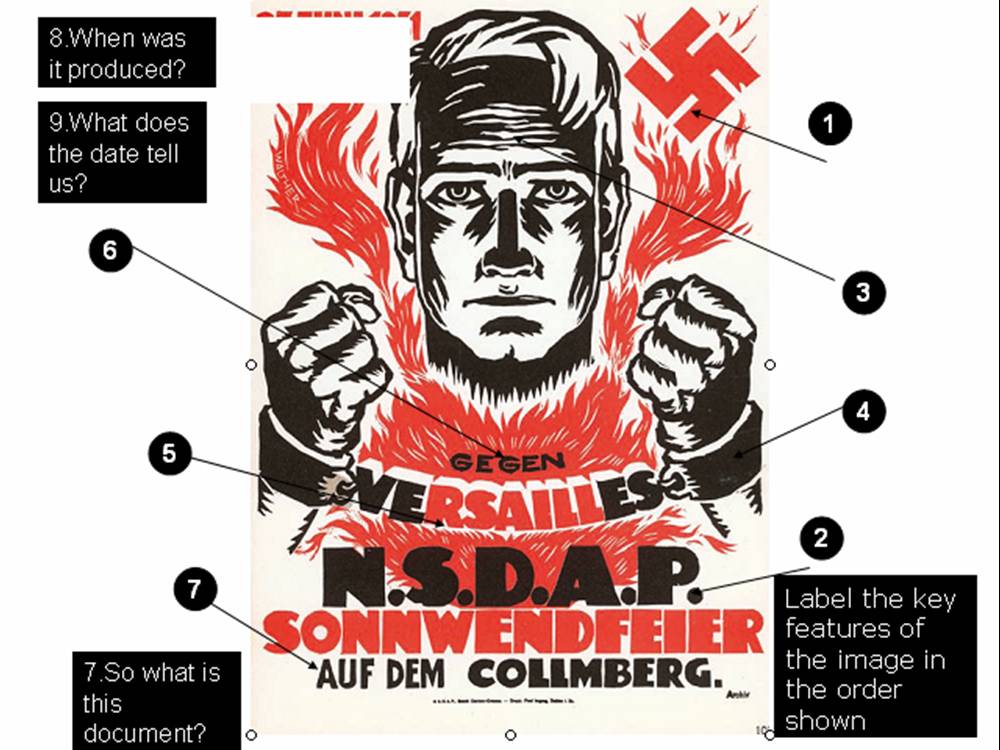
Teaching Germany 1919-45
Hodder produce some of the best GCSE books on Germany whether for the Modern World and for the SHP Depth Module. They have now added an innovative digital dimension with…
Read More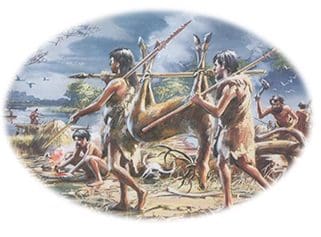
Stone Age to Iron Age – KQ1 – Is it true to say that Stone Age man was just a simple hunter gatherer only interested in food and shelter?
This KS2 outstanding history lesson on the Stone Age revolves around the reveal of an object found at Star Carr in Yorkshire which dates from the Middle Stone Age. It…
Read More
Ideas for teaching the post-1066 thematic unit at Key Stage 2
Whatever you choose to study for your post-1066 thematic unit here are some pointers to help. 1. Try to make as much use as you can of your existing Tudor,…
Read More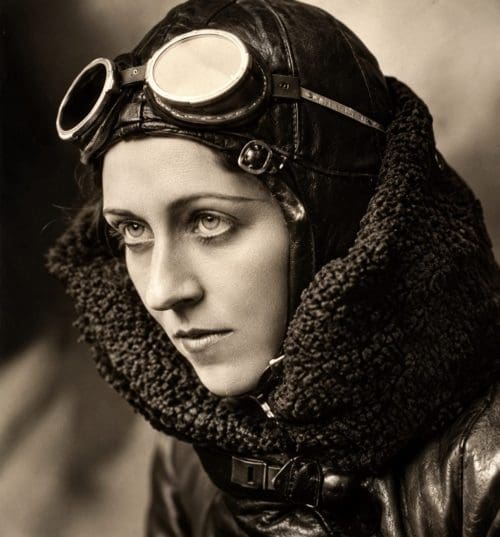
Guidance for teaching Amy Johnson as a Famous Person in Key Stage 1
This study of a significant individual has been designed to form part of a broader topic on a similar theme which is one of the key requirements of the current…
Read More
WW2 – KQ1 – Why did Britain have to go to war in 1939?
Pupils learn the sequence of events leading to the Second World war before a lively role-play debate in which they exchange well-rehearsed arguments verbally in the House of Commons and…
Read More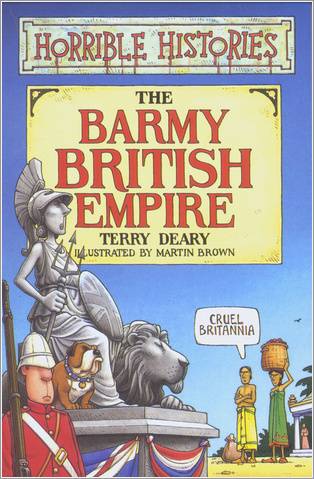
Teaching the British Empire KS3
In a recent article for the Telegraph, journalist and writer Jeremy Paxman made the following case for teaching the history of the British Empire: [It] explains so much about who…
Read MoreWritten by Neil Thompson
All content on Keystage history is written and quality assured by Neil Thompson, a former history teacher, county history adviser and Ofsted inspector with more than 30 years’ experience in history education.