
Stone Age to Iron Age Resources and Lessons KS2
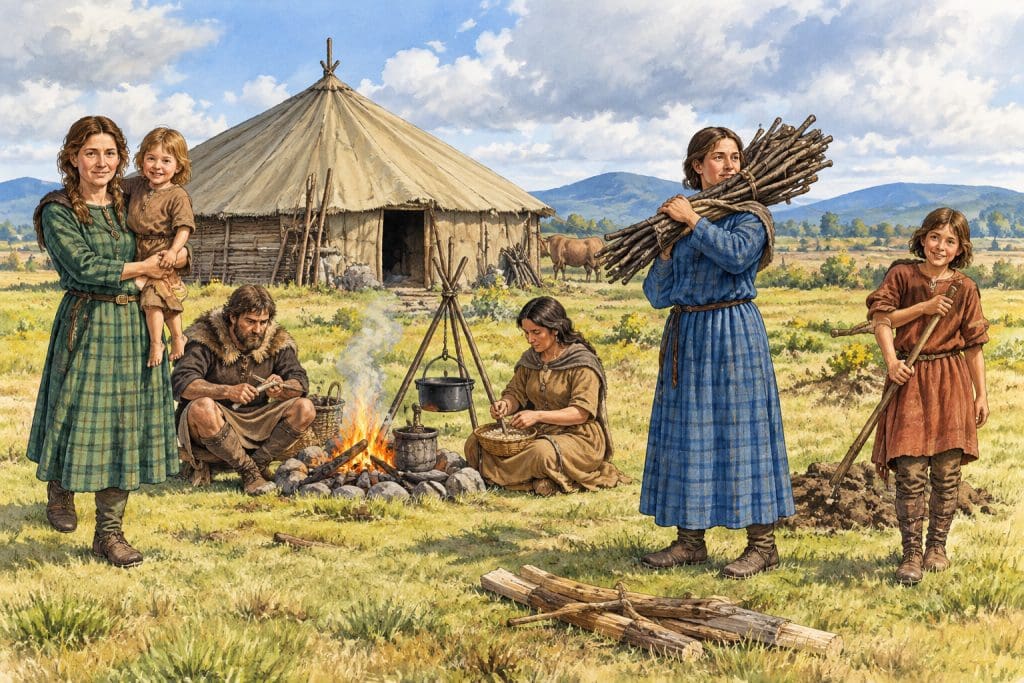 This teaching Stone Age to Iron Age at KS2 section contains a series of history lessons on all aspects of the Stone Age, Bronze Age and Iron Age, which were judged outstanding by an experienced history OFSTED inspector. They derive from a very detailed medium term plan which contains all the enquiry questions, differentiated objectives, imaginative activities and resources to ensure progression in history.
They also have the all-important rationale which OFSTED are looking for in particular so teachers know the main thrust of the topic. Probably best taught in Year 3 to develop some chronological sequence to our British history studies, this Stone Age to Iron Age topic offers great opportunities to explore in detail two major historical concepts, change and continuity.
It also allow us to keep posing the at all-important question; how can we possibly know what it was like so many years ago before man recorded his thoughts in writing? There is a wealth of artefacts and visual material available: we just need to make it more age-appropriate. It is a very hands-on topic but one that also encourages pupils to think about the spiritual side of life when man was not simply hunting, gathering and farming for survival. Our use of case studies of Star Carr, Skara Brae, Stonehenge, Danebury and Maiden Castle should bring this period alive at KS2.
Stone Age to Iron Age KS2 Scheme of Work, Knowledge Organiser, Assessment & Quiz
| All Stone Age To Iron Age Key Questions | Historical focus |
|---|---|
| KQ1 – Is it true to say that Stone Age man was just a simple hunter-gatherer only interested in food and shelter? | Interpretations and evidence |
| KQ2 – How much did life change when man learned how to farm? | Change and continuity |
| KQ3 – What can we learn about life in the Stone Age from a study of Skara Brae? | Archaeological evidence |
| KQ4 – Why did they build Stonehenge? | Evidence and interpretations |
| KQ4b – How should we remember the Bronze Age? | Significance and interpretation |
| KQ5 – What was life like in the Iron Age and how do we know? | Everyday life and evidence |
| KQ5b – Which technological development should our Iron Age settlement get next? | Technology and change |
| KQ6 – What can we learn from the Iron Age hill fort at Maiden Castle? | Settlement and archaeological evidence |
Much more than meat munchers and berry chewers
Why the Bronze Age diet was more varied and sophisticated than we first thought A new study from the University of York has suggested that, far from simply hunting and…
Read More
Top tips for planning your KS2 history studies – Stone Age to Iron Age
The British Isles has been populated by humans for 750.000 years but only became an island when the ice sheets melted about 8,000 years ago. It was only with the…
Read More
Stone Age to Iron Age – assessment task
Very short diagnostic assessment in which pupils are the teachers. They have to correct a pupil’s description of the Bronze Age in Britain by finding any errors in the writing…
Read More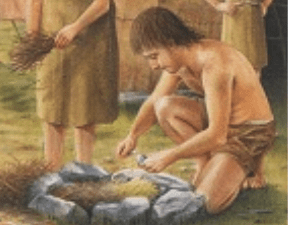
Stone Age to Iron Age – assessment task – changes from Stone Age to Iron Age
Focus: sequencing This Y3/4 task is highly visual and entails simple sequencing of unseen images followed by reason why changes have occurred over time. Assessment task Subscribers only: You must be…
Read More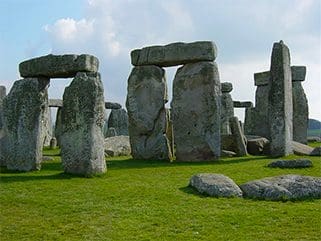
Keeping your teaching of Stonehenge up-to-date
Just when you thought you knew all there was to teach about Stonehenge suddenly a major discovery turns much of what we had blithely assumed on its head. We now…
Read More
Stone Age to Iron Age knowledge organiser – KS2
The earliest known humans arrived in these lands around 900,000 years ago. During this time there were huge changes: the ice covering Britain melted; instead of hunting all the time,…
Read More
Outstanding Scheme of Work for Stone Age to Iron Age
This scheme of work, judged outstanding by an OFSTED history inspector now links to all the fully-resourced outstanding lessons and activities making the teaching of this topic completely self-contained. Not…
Read MoreStone Age to Iron Age – KQ1 – Is it true to say that Stone Age man was just a simple hunter gatherer only interested in food and shelter?
This KS2 outstanding history lesson on the Stone Age revolves around the reveal of an object found at Star Carr in Yorkshire which dates from the Middle Stone Age. It…
Read More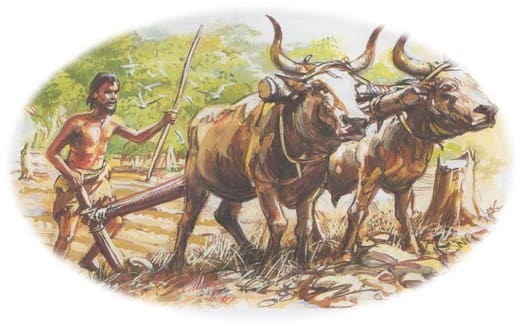
Stone Age to Iron Age – KQ2 – How much did life change when man learned how to farm?
This session focuses on the concept of change and continuity. Pupils learn of the major changes that came in the Neolithic period with the arrival of farming from the Near…
Read MoreStone Age to Iron Age – KQ2 additional information – Comparing life of hunter gathers with farmers
A simple idea to make the key differences as clear as possible, using just two central questions: how did they spend their time and what did they eat? These are…
Read More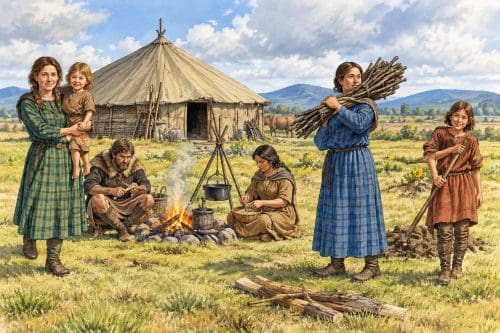
Stone Age to Iron Age – KQ3 – What can we learn about life in the Stone Age from a study of Skara Brae?
Enquiry based lesson on images of the remains of buildings found from a study of Skara Brae, a stone-built Neolithic settlement, located on the Bay of Skaill on the west…
Read MoreStone Age to Iron Age – KQ3 Supporting information – What can we learn about life in the Stone Age from a study of Skara Brae
More than 5,000 years ago, during the New Stone Age, Neolithic farmers and herders reached a group of islands to the north of Scotland-the Orkneys. They found the islands a…
Read MoreStone Age to Iron Age – KQ4 – Why did they build Stonehenge?
Pupils are shown a video tour of the site and discover when, where, and how it was built. They speculate as to why it was built. Then play Call my…
Read More
Stone Age to Iron Age – KQ4b – How should we remember the Bronze Age?
Pupils study finds from three separate Bronze sites, including them most recent excavations, to enable them to discover the main features of bronze age life before using this knowledge to…
Read More
Stone Age to Iron Age – KQ5 – What was life like in the Iron Age and how do we know?
Pupils speculate as to what holes in the ground shown in an aerial photograph might be, before annotating an artist’s reconstruction of Danebury Hill Fort. Using the zones of inference…
Read More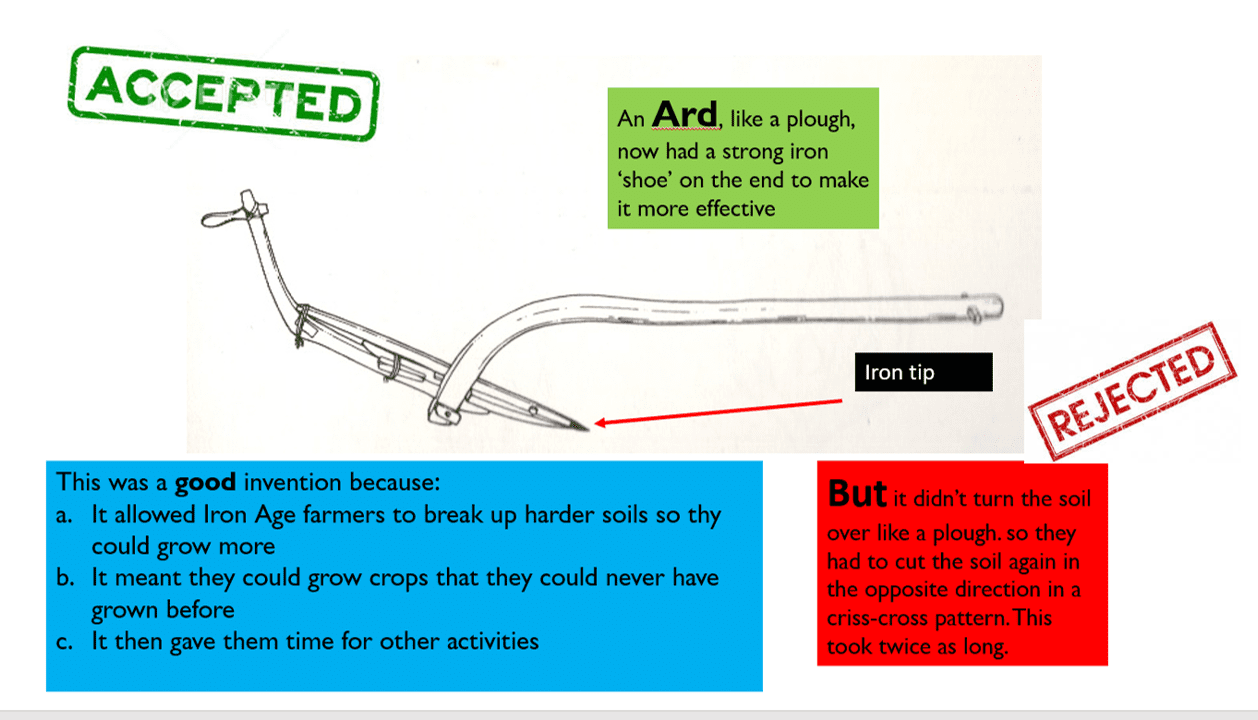
Stone Age to Iron Age – KQ5b – Dragons Den : Which technological development should our Iron Age settlement get next?
Set the scene. A group of the most important members of the Iron Age settlement have gathered to consider their future. They have heard of a lot of new technologies…
Read More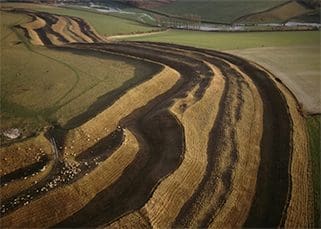
Stone Age to Iron Age – KQ6 – Iron Age Hill Fort at Maiden Castle
Iron Age Crimewatch AD 50. Who killed the 52 dead bodies at Maiden Castle? Key Question 6 KS2 pupils work as history detective Time Teams to solve the Iron…
Read MoreTop Tips for teaching….Stone Age to Iron Age
Stone Age to Iron Age The British Isles has been populated by humans for 750.000 years but only became an island when the ice sheets melted about 8,000 years ago….
Read More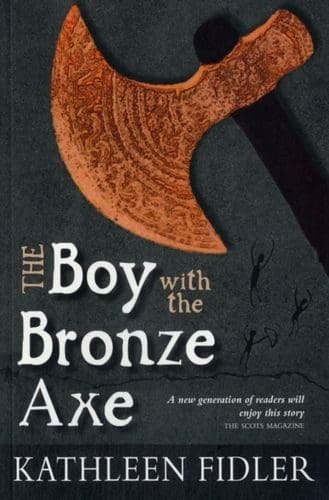
Using Fiction: teaching Stone Age to Bronze Age in history at KS2
Using Boy with the Bronze Axe by Kathleen Fidler to help you teach Stone Age to Bronze Age and Skara Brae to KS2 Although this book is now nearly 50…
Read MoreHow well do you and your KS2 pupils know the Stone Age to Iron Age topic?
A brief set of diagnostic questions to set your Y3 pupils towards the end of the Stone Age to Iron Age topic to check on their understanding of the key…
Read MorePrimary History: Teaching From Stone Age to Iron Age
Although not widely taught before it was introduced into the Ks2 curriculum for 2014, this new area of study has the potential to be one of the most exciting to…
Read MoreWritten by Neil Thompson

All content on Keystage history is written and quality assured by Neil Thompson, a former history teacher, county history adviser and Ofsted inspector with more than 30 years’ experience in history education.