
Outstanding Lessons for teaching GCSE history
 There is probably more material already on the web for GCSE history teaching at KS4 than for any other key stage. Much of it is written for students.
This section of the site is for teachers. The long and growing list of lessons on most sections of most specifications has been created from actual lessons, in the hope that it will stimulate even better ideas in your department. These lessons were taught by teachers whom I have seen in action and with whom I have discussed the lesson. You will find no lessons that have not been carefully validated by a highly experienced expert – me.
| GCSE History Topic | Historical focus |
|---|---|
| American West GCSE History | Westward expansion, Native Americans, settlement and conflict |
| Britain 1890–1975 GCSE History | Political, social and economic change in modern Britain |
| Crime and Punishment GCSE History | Crime, law enforcement and punishment through time |
| Elizabethan England GCSE History | Elizabeth I, religion, society and challenges to Tudor rule |
| Germany 1919–1945 GCSE History | Weimar Germany, Nazi rise to power and life under Hitler |
| Historic Environment GCSE History | Using sites, buildings and landscapes as historical evidence |
| International Relations 1890–1945 GCSE History | World War One, peace settlements and international tension |
| International Relations 1945–1990 GCSE History | Cold War origins, crises, conflict and the end of communism |
| Medicine Through Time GCSE History | Change and continuity in medicine, surgery and public health |
| Migration GCSE History | Migration to and from Britain and its causes and consequences |
| Russia 1905–1990 GCSE History | Revolution, Lenin, Stalin and the Soviet Union |
| USA 1900–1990 GCSE History | American society, economy, civil rights and political change |
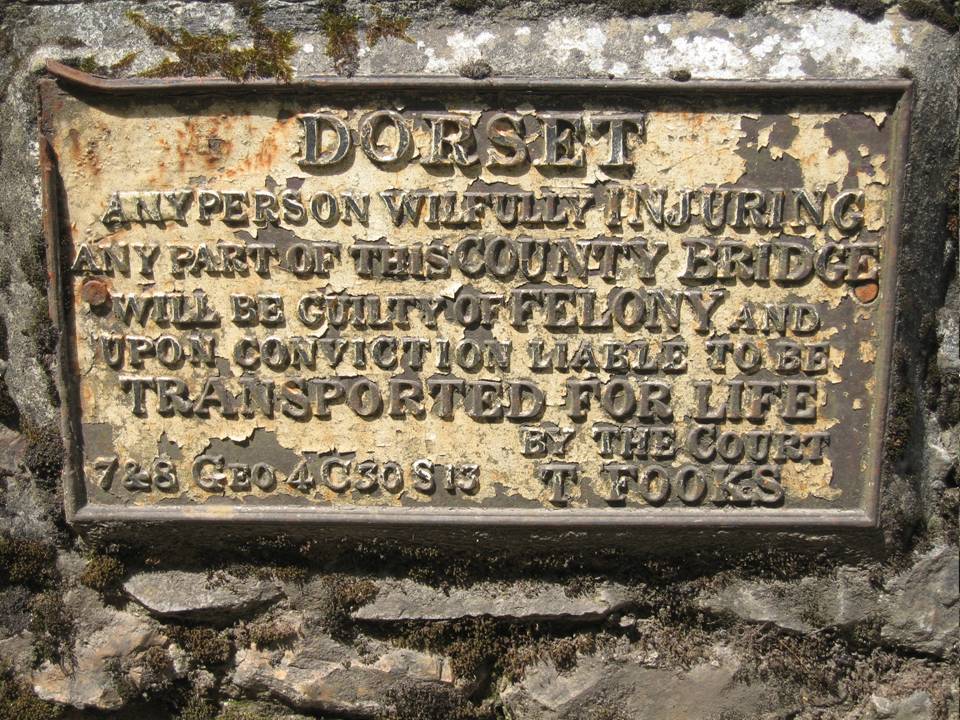
Transportation; what questions can we raise and answer from the statistics?
This is the first of two lessons on transportation and owes its genesis to an idea from Richard McFahn when an Advanced Skills Teacher for history in Hampshire. It starts…
Read More
Adapting Keystage history lessons – FAQs
1. Why are lessons still called ‘outstanding’? I am often asked how the lessons section of the site should be used and why the term outstanding is still used when…
Read More
How can we explain the incredible margin of victory at the referendum for Anschluss in 1938?
How can we explain the incredible margin of victory at the referendum for Anchluss in 1938? Subscribers only: You must be logged in to view this content in full….
Read More
Berlin Wall – If relations between the superpowers were improving in the late 50s, why was the Berlin wall built in 1961? A Bone in the throat
This multi-faceted session starts with students having to shape their understanding of the reasons for the building of the Berlin wall in 5 optional ways: Read the historian’s mind. Students…
Read More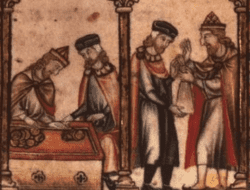
Migration – If England was the safest place in Europe for Jews to live in Henry II’s reign, why then did Edward I expel them just 100 years later?
By posing this enquiry question in a slightly paradoxical way, students are encouraged to go deeper in the explanation than simple anti-semitism. Having steered them through a simple narrative covering…
Read More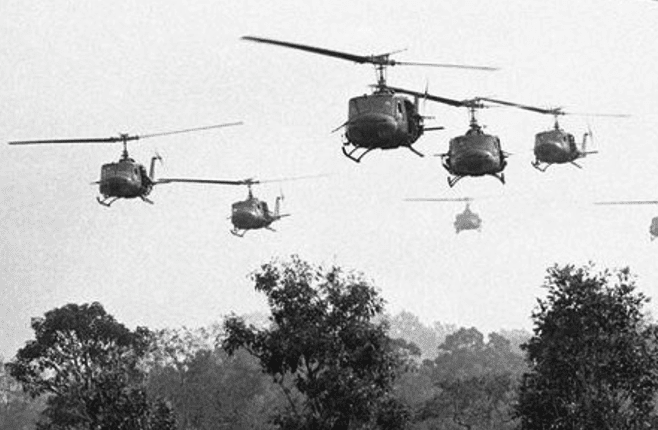
Vietnam War – Why did Johnson really escalate the war in Vietnam?
If Johnson claimed that he wanted peace when he became president, why did he escalate the war in Vietnam and drop more bombs there than were dropped in the whole…
Read More
Teaching GCSE thematically: 10 approaches that really work
Now that all schools have to teach a thematic study I thought I’d share my experience of observing hundreds of GCSE SHP lessons over almost 20 years. I have distilled…
Read More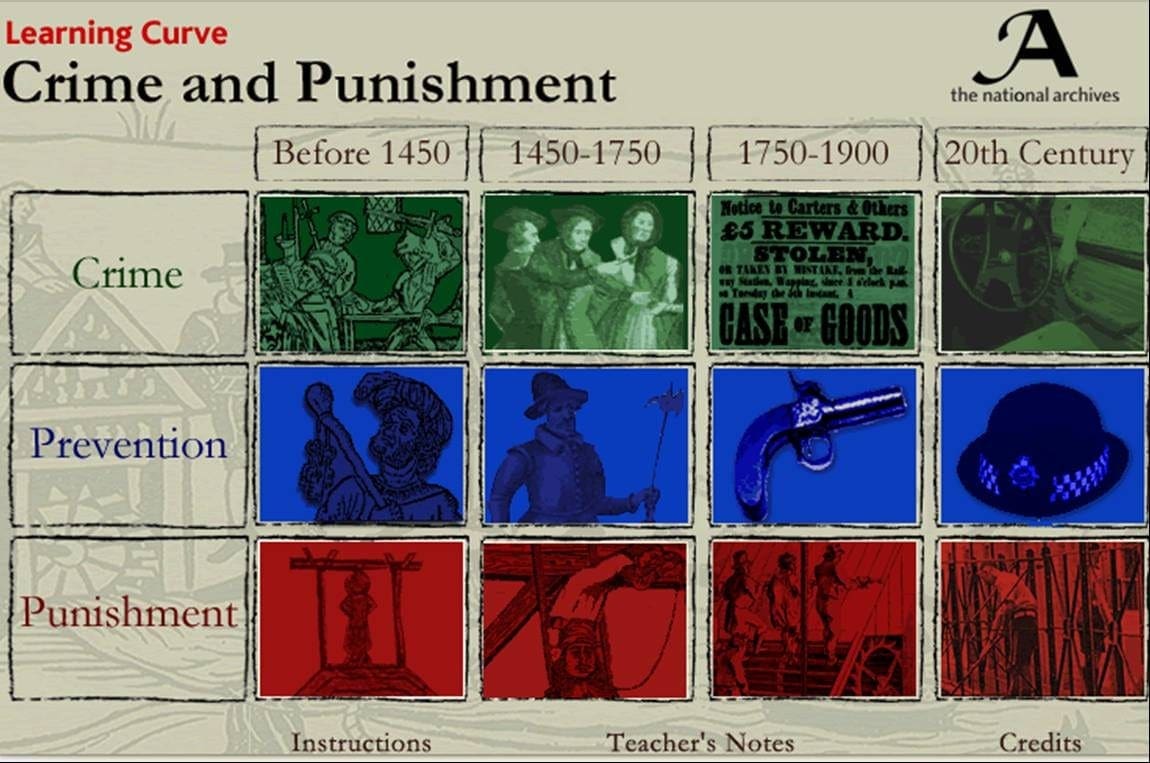
Teaching Crime and Punishment
I am sure you all know of the excellent websites out there to help you, but I would particularly recommend the Durham University Library, The British Library, and the National Archives . The Learning…
Read More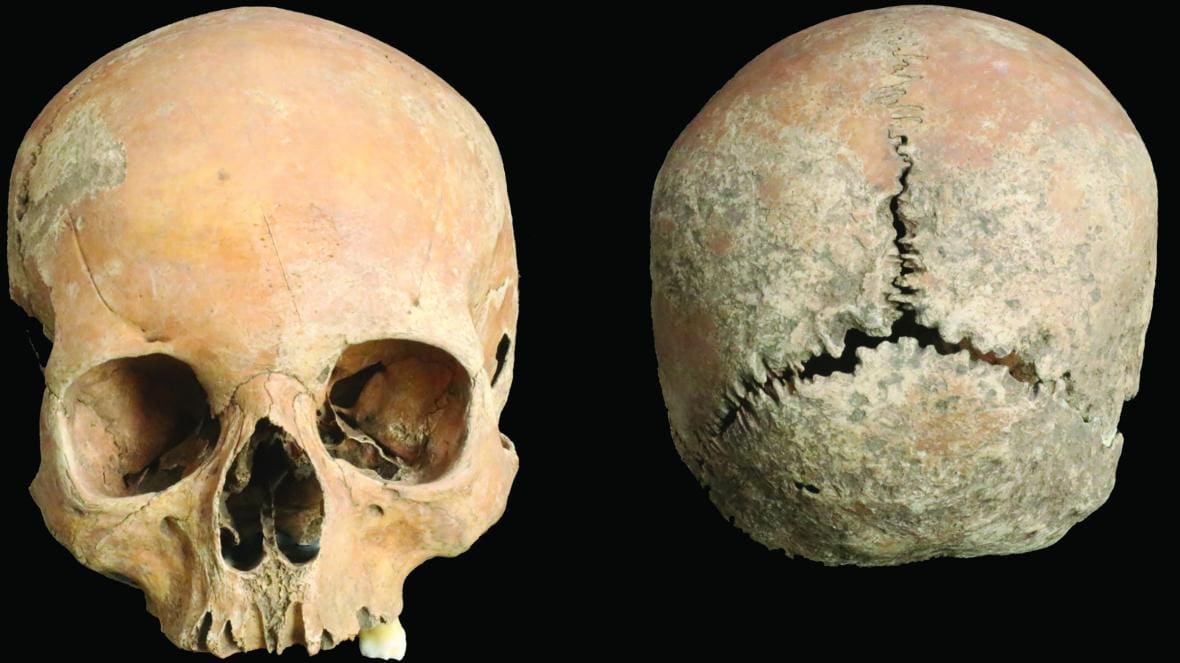
New evidence of Anglo-Saxon mutilations as punishment
Ninth-century England was a bad place to be a criminal, new findings suggest. The skull of an Anglo-Saxon teenager discovered in Hampshire shows that she had her nose and upper…
Read More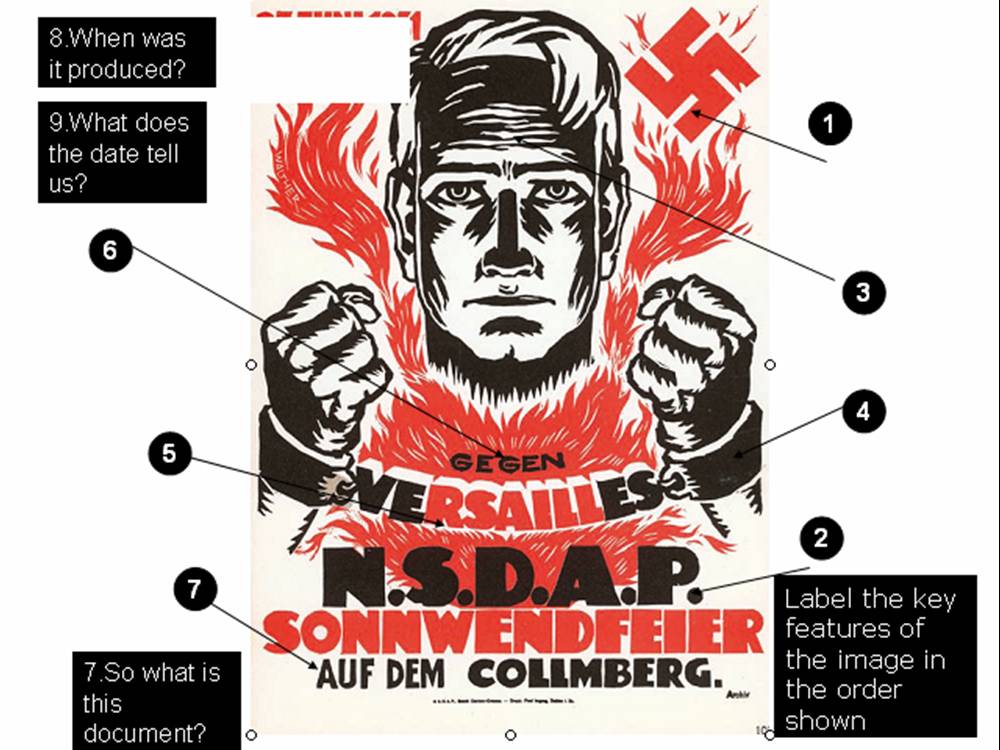
Teaching Germany 1919-45
Hodder produce some of the best GCSE books on Germany whether for the Modern World and for the SHP Depth Module. They have now added an innovative digital dimension with…
Read More
Terror of the Tramp: Why did vagrancy become such an important issue in Elizabethan England?
GCSE lesson in which students work through a range of differentiated clues to work out 8 reasons which help answer the lessons’ enquiry question before evaluating how well a recent…
Read More
Richard I: Lionheart or loser should we keep his statue – SMART TASK
This short task puts pupils in the role of spin doctors who have to ‘big up’ the reputation of Richard the Lionheart. There is a lobby of people who feel…
Read More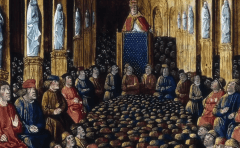
Medieval Britain: The Crusades
Great lesson on the reasons for the First Crusade which uses a Zone of Relevance activity to show students how to answer the question set, not the one they want…
Read More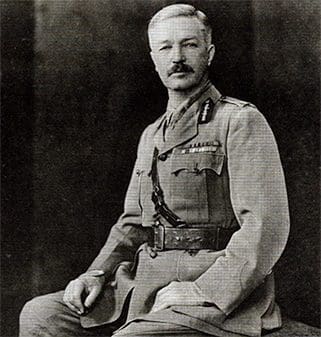
Rotten apple or …. How should we portray Dyer’s motivation in the Amritsar massacre?
This enquiry asks students to look critically at the depiction of the massacre in the film Gandhi as a way into trying to determine the motivation of Dyer. Students are…
Read More
Teaching American West at Key Stage 4
Schools have been teaching the American West as part of the SHP course for over 30 years. I introduced it myself in the first department I led. There have been…
Read More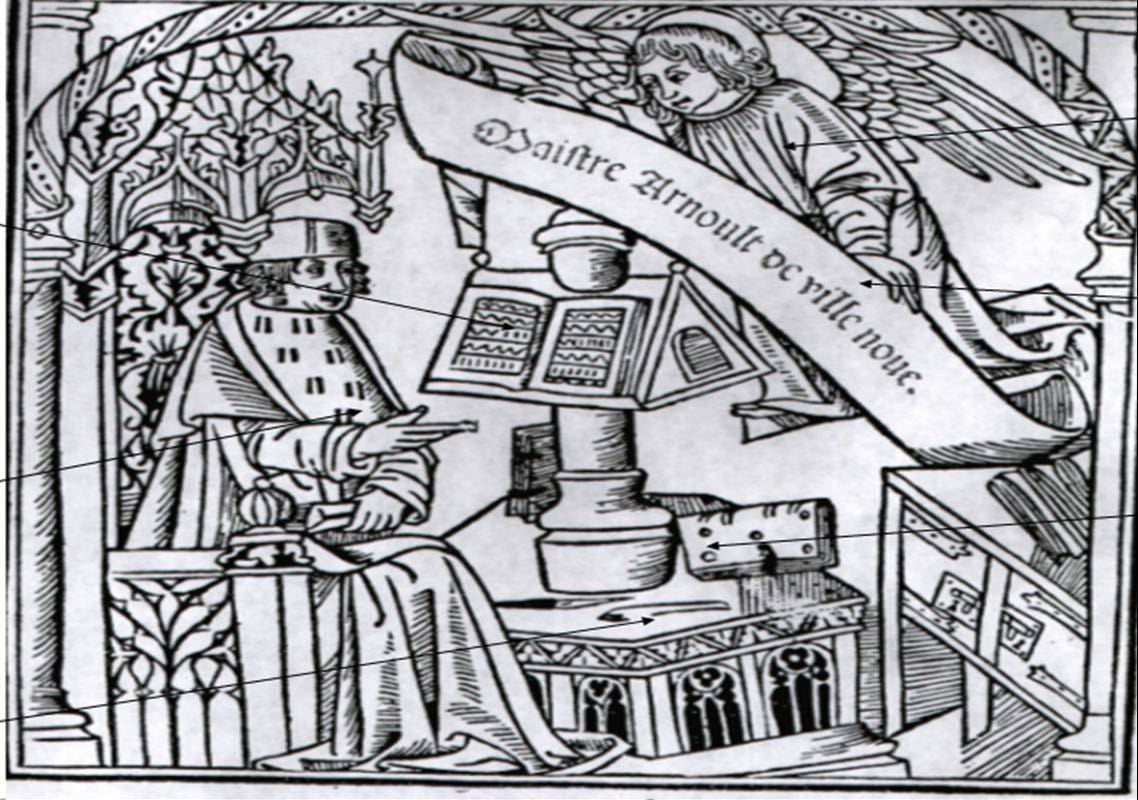
Teaching the History of Medicine
As you all know, the trick with teaching this course is to marry a strong contextual knowledge with an understanding of the various factors that had a positive and a…
Read More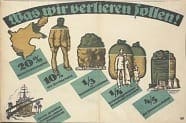
How should Germany be treated at the Paris peace conference? KS3 or KS4 task
This short but engaging task precedes any detailed analysis of the terms of the treaty itself. It has four distinct elements: prediction; analysis of a rarely seen German poster; attaching…
Read More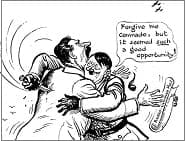
Which cartoon best explains the paradox of the Nazi Soviet pact?
The Unholy Alliance: why on earth did Hitler and Stalin sign the Nazi-Soviet Pact when they clearly hated each other? Starting with the historical puzzle of why Stalin and Hitler…
Read More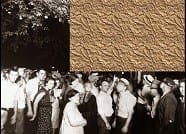
Lynching in the US in the 20th century 1919-54
Crammed into this very active lesson are: slow reveal of an arresting image; interesting information about the role of the press; song and lyrics of Strange Fruit; a short video…
Read More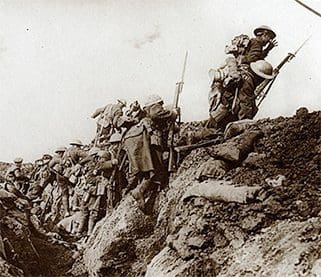
Causes of World War One: problems of evidence. Why is it so difficult to work out who caused the First World War? Smart Task
This is a very short 5 minute warm-up activity to help students get a feel for the partisan sources that historians have to wrestle with when trying to work out…
Read More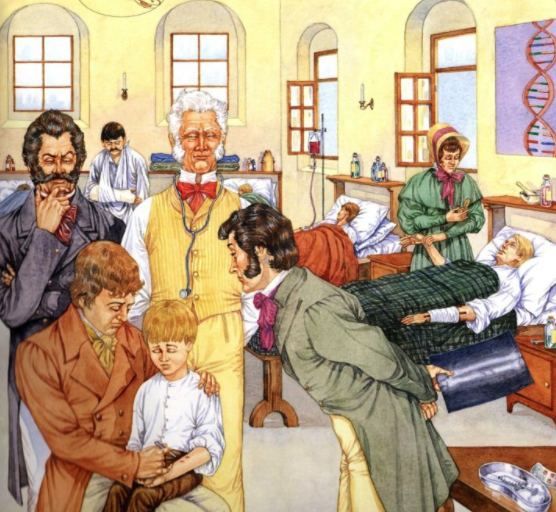
Fun anachronism-spotting activity set in 1796, for GCSE History of Medicine
Most anachronism activities used in schools are the rather naff ones put before Y7 pupils in an introduction to What is History. You know the sort of thing: Roman soldiers…
Read More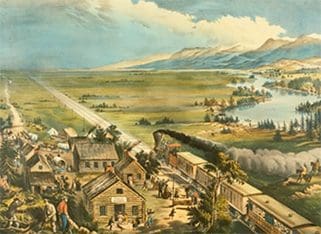
SMART TASK: A history puzzle – Opening up of the Western frontier by the railroads. A history mystery
This history puzzle focuses on a well-known painting, Across the Continent, but one which is actually more puzzling than might at first appear. The task starts simply and then becomes complex….
Read More
SMART TASK: Why were mining towns such lawless places?
This is a very straightforward, yet highly effective task which asks students to distinguish between the generic and the specific, to speculate about possible reasons from clues, to think creatively…
Read More
The likely impact of the Railroad: time for de Bono’s thinking hats and some creative products
Students are taken back to the year 1860 before there was a transcontinental railway. They are asked to speculate about the likely impact of the coming of the railroad. In…
Read MoreWas the life of a cowboy really so adventurous?
This lesson draws heavily on the ideas of Sarah Herrity, Advanced Skills Teacher, Wyvern Technology College, near Winchester. It moves students from their own initial perceptions of cowboys, through to…
Read More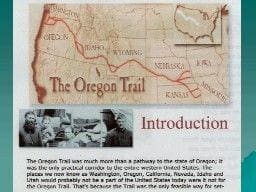
Who went west and why?
This lesson worked really well with lower attaining Y10 students who had already studied the Plains Indians and the contact between the early mountain men at the trading posts. This was…
Read More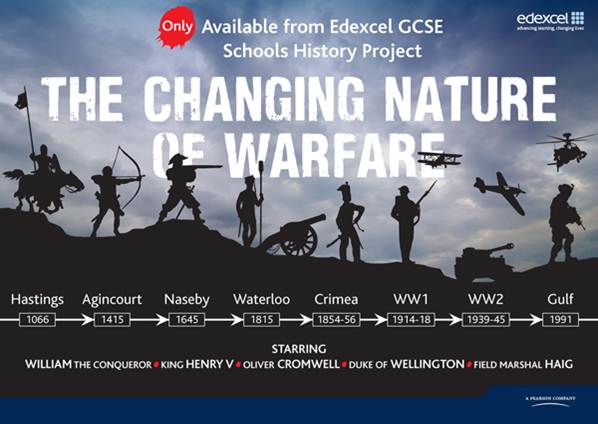
Teaching GCSE History: Changing Warfare (Edexcel)
This SHP option, offered by Edexcel only, builds on the success of the A2 paper for which colleges such as Frome Community College have created some excellent resources. For materials…
Read More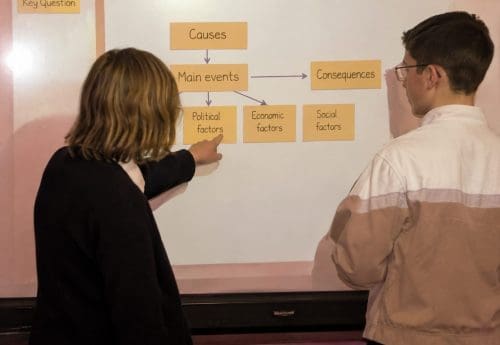
Teaching GCSE History: Media Through Time
Your best place to start is undoubtedly the AQA scheme of work which offers learning foci for each of the three strands. Unlike the schemes of work for the other options, however,…
Read More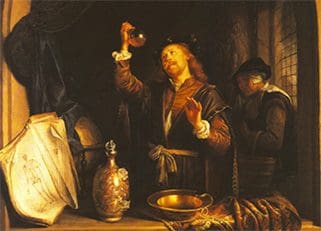
SMART TASK: History of medicine Renaissance physicians; Is the artist taking the piss?
In this short activity students are shown two contrasting images of a physician inspecting a patient’s urine. Students have to guess the provenance and date. It transpires that they are…
Read MoreSMART TASK: Medieval medicine. What can we work out from the picture?
A smart task based on an original idea from Lorna Hunter, of Swanmore Technology College. This deceptively simple example of a familiar technique takes students from the known to the…
Read More
SMART TASK Revision: name your best squad
To help students remember who the key individuals were in the history of medicine, you might like to present them as members of two opposing football teams…. Subscribers only: You must…
Read More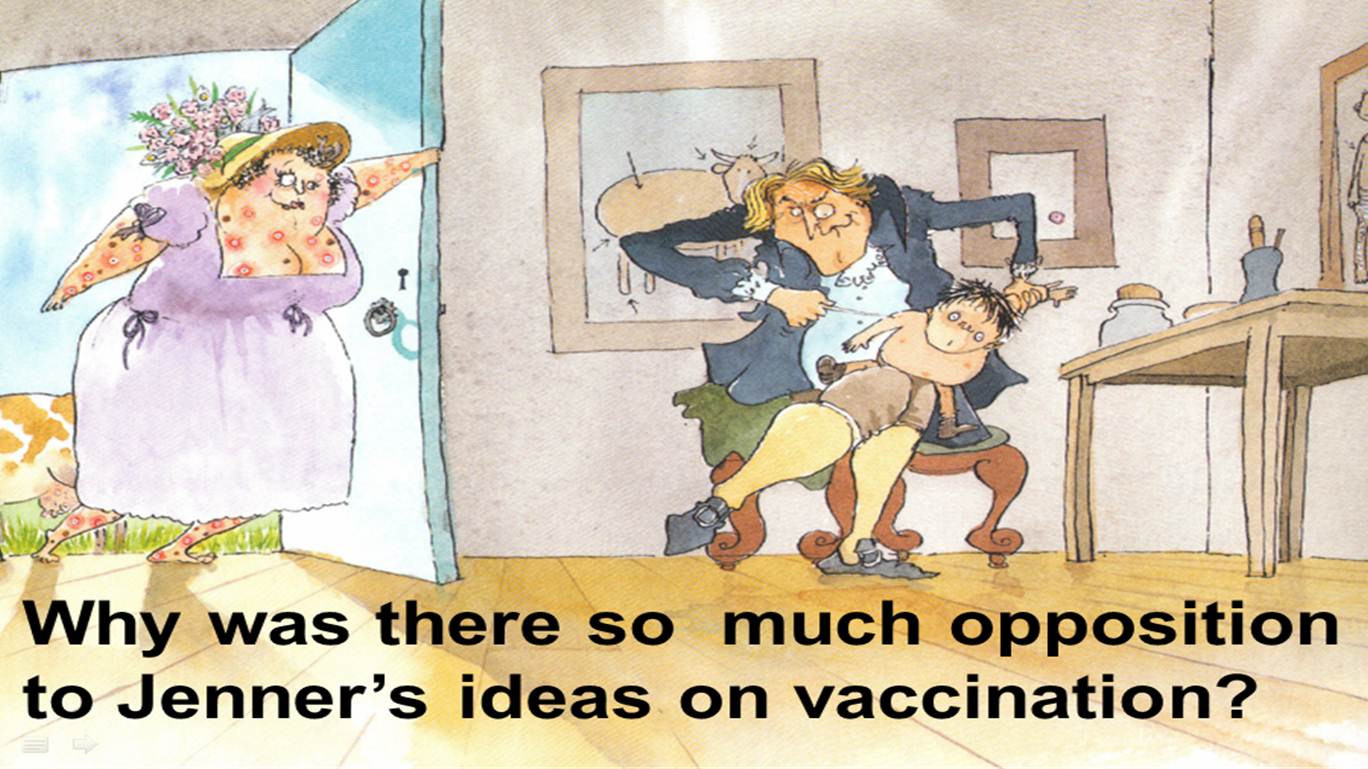
SMART TASK: Why was there so much opposition to Jenner’s ideas on vaccination in the 19th century?
This is a short, fun SMART task. All the instructions are on the PowerPoint presentation. Start with slide 2 which sets the puzzle, a paradox. If Jenner was so highly…
Read More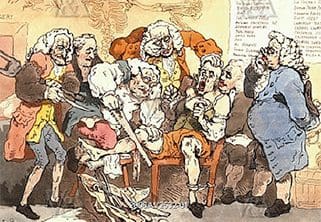
SMART TASK Key Stage 4: GCSE SHP Medicine: 18th century surgery
This quick activity asks students to explore the detail in Rowlandson’s cartoon called ‘Amputation’. They score one mark for each of the 10 labelled examples of relevant detail and 3…
Read More
SMART TASK: Was the Weimar Republic doomed from the start? A glass half empty?
The lesson starts with a glass of water which you have filled to roughly half way. Students have to say whether they would describe the bottle as half full or…
Read More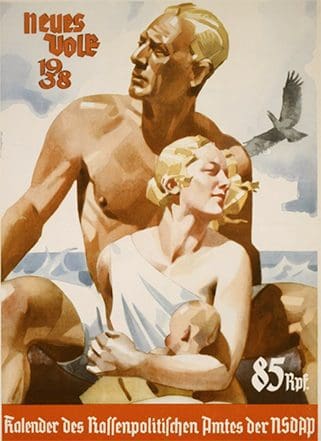
SMART TASK: How successful was Nazi policy towards women and families?
This short task was designed to combat the tendency many students have to simply describe rather than evaluate the policy. To help them make judgments they are given up to…
Read More
SMART TASK: 10 features of the Cold War but can you spot them?
Students often learn about the Cold War in chronological order. This activity offers them an opportunity to explore 10 aspects of the Cold War. You could make your own visual…
Read More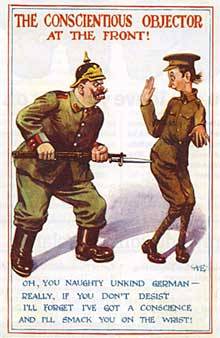
Ideas for teaching GCSE history Britain 1890-1918 using ICT
For suggestions for 20 top ICT activities using a wide range of data and applications click here to download PDF file. Resources Myth of the Blitz: Professor Overy’s view: Writing in History Today,…
Read More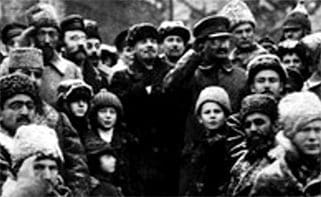
SMART TASK: Now you see it, now you don’t. A fun starter showing how Lenin and Stalin used the ‘airbrush’
Fascinating starter in which students have to spot and then explain the differences between three pairs of photos of Soviet leaders Lenin and Stalin taken between 1920 and 1930. Excellent…
Read More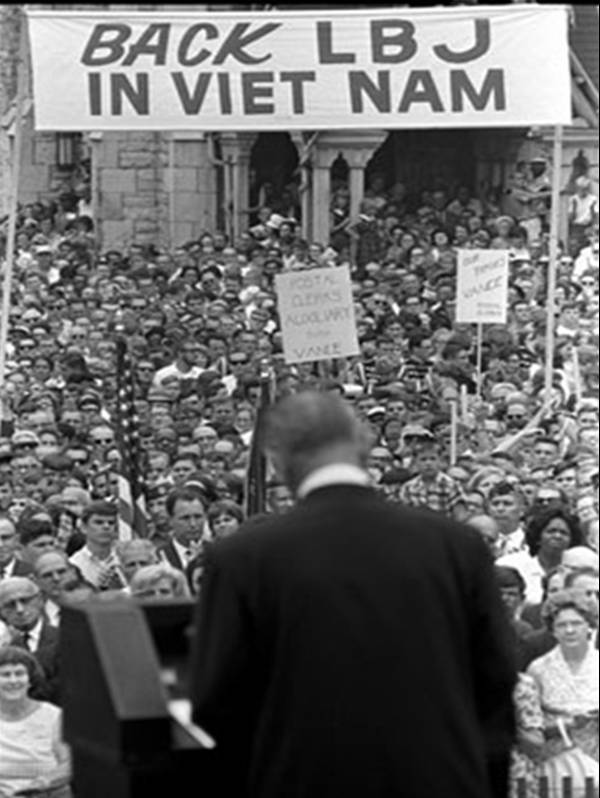
Smart Task: How popular was the Vietnam war? What can we learn from just two photographs?
This simple starter uses just two contrasting photographs, one showing the popularity of Johnson’s policy towards Vietnam, the other opposition to it. How can we explain the difference? Students generate…
Read More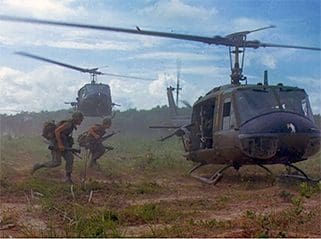
SMART TASKS: Why did the US get involved in the Vietnam War?
Three separate short activities help students produce a top grade answer to the question. Task I – brainstorming early ideas This first introductory task simply asks students to consider the…
Read More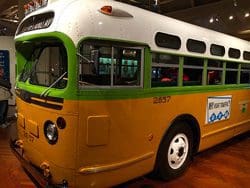
SMART TASK: How significant was the Montgomery Bus Boycott in the history of Civil Rights?
Quick ranking activity for GCSE/AS students Students are asked to consider the relative significance of 11 possible arguments that have been used by historians who claim that the Montgomery bus…
Read More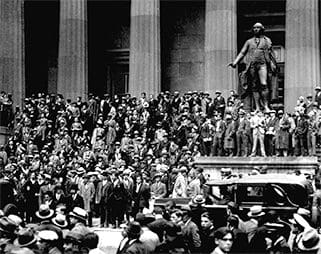
SMART TASK: Causes of the Wall Street Crash
Students are given a set of influence cards which help them to work out the answer to an apparent paradox. If people were getting rich quick in the 1920s, why…
Read More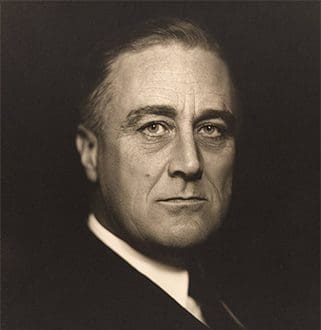
Hoover’s rubbish: Roosevelt moves in
This lesson on a fairly familiar theme approaches GCSE cartoon analysis in a different way. Instead of showing the students the cartoon they are to interpret, they are simply given…
Read More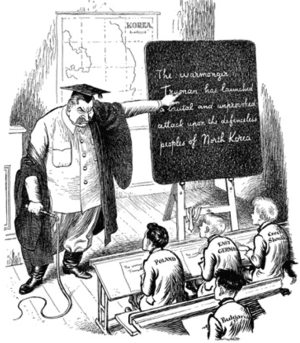
SMART TASK Key Stage 4: Stalin and the Korean War: can you interpret the cartoon?
This Smart task uses a Punch cartoon as part of a lesson on the Korean War. It carefully steers students through several thinking processes. To start with they have to…
Read More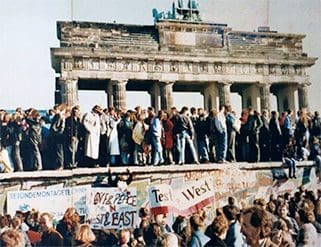
SMART TASK: Why did Communism end when it did in Eastern Europe?
Prior to writing an answer to this question students will need to organise their thinking. These factor cards might help. Ask students to think of different ways in which to…
Read More
Penicillin: From discovery to world-wide use? Who should take the credit?
Students have to divide a $100 million bequest to those people who did most to develop penicillin. But in what ratio? Should Fleming get it all? What about the Oxford…
Read More
Teaching USA 1900-1990 to Key Stage 4
The first batch of lessons focuses on four examination favourites but each adds a different subtle twist that lifts the lesson and makes students much more active and involved in…
Read More
Teaching international relations 1945-1990
This section, dominated by the Cold War focuses mainly on teaching its origins, its main crises and the reason why it came to an end. With the recent ‘strengthening’ of…
Read More
Did everyone benefit equally from life in the USA in the 1920s? A market place activity. SMART TASK KS4
This activity is great for getting students off their feet and talking to every other students in the class – with a clear purpose! The idea is that every student…
Read More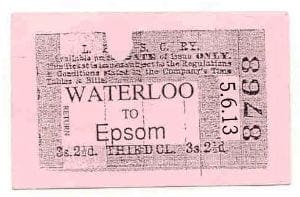
Using artefacts to teach history at Key Stage 4
It may be some time since you last used artefacts in your GCSE teaching, but their appearance in Key Stage 4 lessons is actually on the increase in my experience. …
Read MoreWritten by Neil Thompson

All content on Keystage history is written and quality assured by Neil Thompson, a former history teacher, county history adviser and Ofsted inspector with more than 30 years’ experience in history education.