
Keystage History Blog – updates from Neil

Don’t let AI do the thinking
One of the problems we are all facing is pupils’ over-reliance on AI for tidy and time-saving answers. It is the very fact that pupils can get quick answers that…
Read More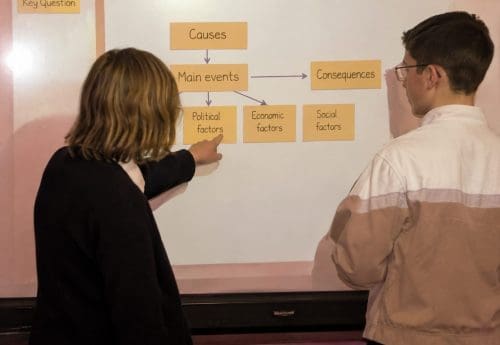
The Curriculum and Assessment Review on history September 2026 update – Implications for GCSE history
The Curriculum and Assessment Review has singled out GCSE history as requiring ‘significant review’. There have been calls to tackle the content overload and reduce content significantly, and the review…
Read More
On the move – assessment task
Pupils sequence 3 images of transport over the last 60 years Subscribers only: You must be logged in to view this content in full. Please Login or register
Read MoreRefining your use of AI in primary history. A second look
In our first detailed article on AI and history in primary history we explored the best ways of using AI and promised to follow this up with a further article….
Read More
New history curriculum for 2028
As you know there was a curriculum and assessment review in November and the government accepted its recommendations relating to history-which I’ve already covered elsewhere. The New revised National Curriculum…
Read More
Using the Maya topic to look at changing interpretations
One of the hardest ideas to teach young children is that history is a construct and liable to changing interpretations. Many really dislike the fuzziness of not knowing for sure….
Read More
Reaction to new curriculum review – November 2025
In the Times today, 6 November, Michael Gove the architect of the existing National Curriculum, predictably weighed in with a blistering condemnation of Briget Philipson’s planned reforms. Curiously he left…
Read More
History in the new curriculum review – November 2025
While you weep at the demise of the teaching of fronted adverbials! ( ha, ha) you will take comfort in the fact that the government’s review of the curriculum does…
Read More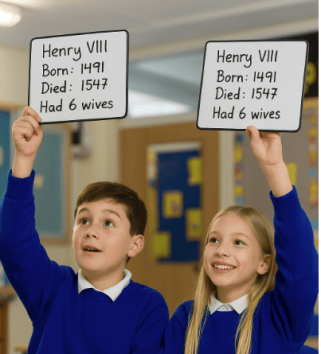
Using mini whiteboards in history
So you have you set of mini whiteboards, your zip bag of pens and your whiteboard cleaners. What next? Mini-whiteboards have multiple uses in primary history lessons. You don’t need…
Read More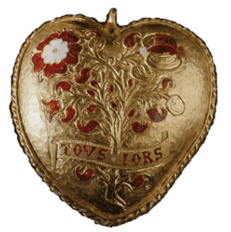
Henry and Katherine of Aragon: a love story less well told?
A recent find in a field in Warwickshire is to be sold and the hope is that the British Museum will be successful in their bid. Not only is this…
Read MoreUsing AI to improve learning in history: need convincing?
Laura has just taken over as history subject leader from September. She has an interest in history but no qualifications, post-16. Her other interest is ICT and particularly the growth…
Read More
Policy Exchange report on state of secondary history education in 2025 – comment
I don’t know how many of you have caught sight of this week’s latest contribution to the on-going debate about history teaching in our schools but it makes interesting, if…
Read More
Review of 2025 Historical Association survey
In addition to reading the OFSTED Lead Inspectors’ reports, which are available online, one of the ways of getting a sense of how your school’s provision for history matches others’,…
Read MoreHistory curriculum review – December 2024 update
If any of you were still waiting for the promised new model history curriculum which was due to appear by the end of this year you can now rest easy….
Read MoreUsing story in your history teaching at KS2 – 10 top tips
I’ve just finished watching one of the more powerful of the Historical Association’s podcasts on the subject of story telling in history, delivered really well by Steve Mastin View on…
Read More
OFSTED’s focus on history deep dives 2024
From time to time, its worth reminding ourselves of what OFSTED chooses to comment on when reporting its findings from deep-dive inspections. Most of you won’t have time to read…
Read More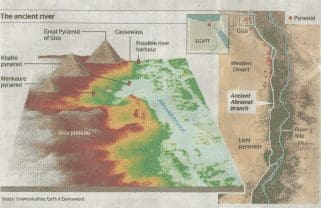
The mystery of why the pyramids were built in the desert is finally solved
Many of you teaching Ancient Egypt in depth as part of a broader topic on ancient civilizations will , no doubt, have spent some time exploring Egypt’s iconic pyramids. You…
Read More
Teaching Olympic games in 2024
Are you planning to teach about the Olympic games which are coming to Paris in July 2024? If so you might like to look at the following materials and lessons…
Read More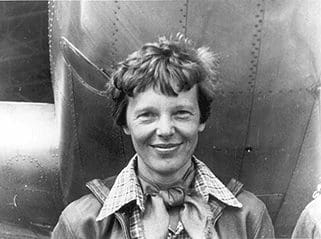
Looking for a change of Significant person at KS1 ? The Taylor Swift of her time – April 2024
You might be interested in a brand-new planner and lessons on Amelia Earhart which is now being uploaded. Why is she important/relevant? Not only was she a record- breaking pioneer…
Read More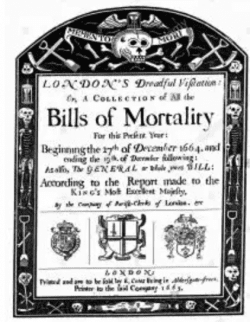
Teaching KS1 pupils to question the ‘FACTS’ about Great Fire; focus on number of deaths
Take the simple assertion (to found in in most books pupils will come across), that only 6 deaths resulted from the blaze. Do the pupils find this surprising , given…
Read More
The state of primary history 25 years on
One of the drawbacks of being a historian is you just can’t help yourself when it comes to looking at historical documents. Yesterday I came across my copy of HMI’s…
Read More
Take a new look at assessment in history in your school.
Now is the perfect time to get your assessment system for history in better shape. If colleagues know the criteria against which pupils’ work in history will be judged (and …
Read MoreARCHIVED – Teaching about the past in EYFS
Preparing for the new EYFS framework Although most schools and settings prefer not to refer to history as a discrete subject on the Early Years curriculum, there is always a…
Read More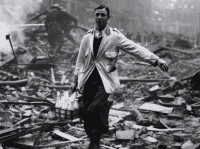
The Blitz 80 years on
On the night of 14 November 1940, 80 years ago, one of the most infamous aerial attacks of all time occurred when a Luftwaffe air raid devastated the city of…
Read More
What can you do at KS3 to make your history curriculum more representative?
In a recent article for the Historical Association ( HA news- Autumn 2020) Jake Subryan Richards offers his advice: ” For teachers it is at KS3 where there is most…
Read More
Changes for the 2021 GCSE History examination announced by AQA today
AQA GCSE History (8145) Students entering for GCSE History exams next summer will have a choice of studies with one compulsory study. This means that in summer 2021, AQA GCSE…
Read MorePost-1066 thematic unit for KS2; Beyond Face Value is now complete- full planner ready . Lessons launched soon
Those of you who have patiently waited for us to clear the copyright for the post-1066 thematic unit linking the Tudors, Victorians and World War Two on the them of…
Read More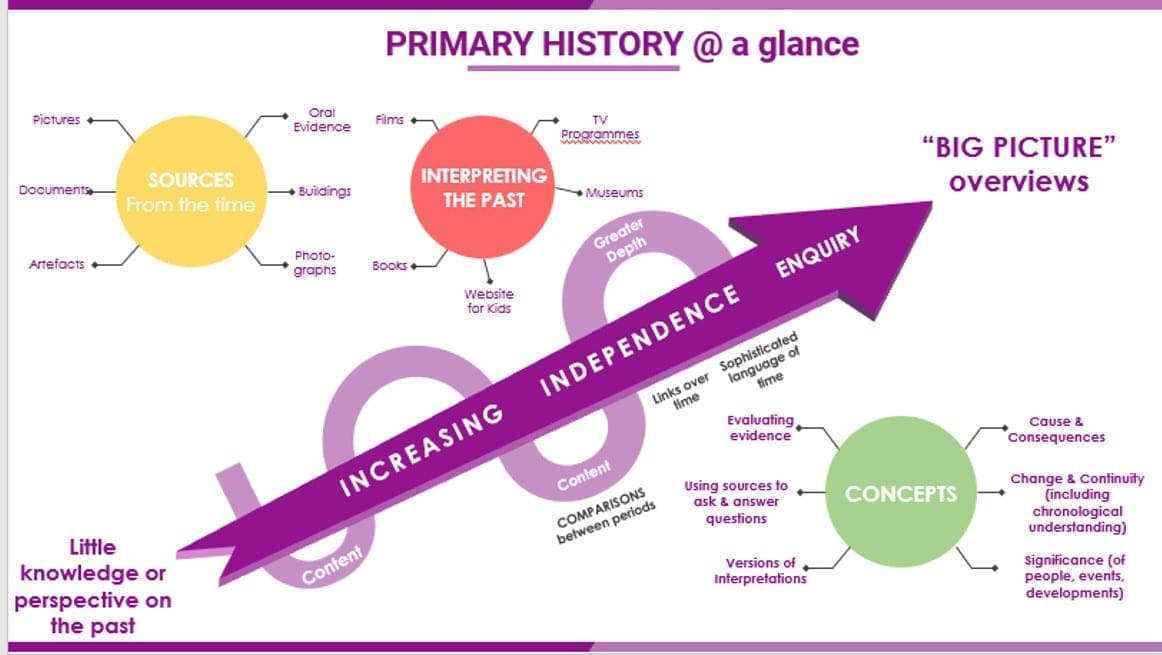
What is primary history? Have a look at this ‘at a glance’ diagram which encapsulates the essence of the subject
The accompanying diagram attempts to display all the main elements of developing your pupils’ historical understanding, in one place. You’ll see that pupils’ historical knowledge broadens over time as does…
Read More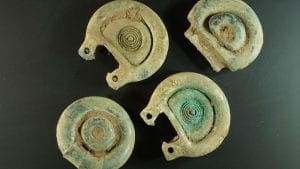
Spectacular Bronze Age finds
Article: BBC Detectorist ‘shaking with happiness’ after Bronze Age find Among the items found this week in Peebles in Scotland were a complete horse harness, preserved by the soil, and…
Read More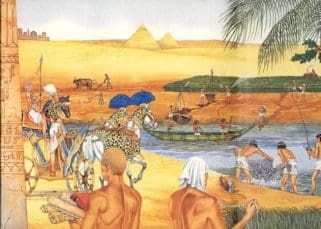
Linking your early civilizations at KS2
There is a real and present danger in KS2 of failing to make links between topics. If we are not careful, topics become silos, seen as separate entities. Much better…
Read More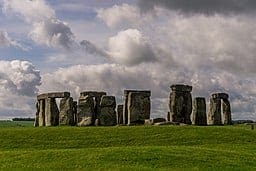
Wizards and scientists:changing views of Stonehenge. History as interpretations and a constant conversation between past and present
One of the harder parts of teaching history at Ks2 is to explain to pupils that history is a construct, and one that changes not only with new discoveries but…
Read More
Using fiction in KS2 history. What can we read with our pupils during our Ancient Egypt topic?
For many years I have been advocating the use of fiction at KS2 to help pupils to realise the importance of creative imagination, disciplined by evidence, to fill the gaps…
Read More
Banality of OFSTED’s KS1 judgements in history. They don’t know what they are talking about. Stick to your guns.
Sometimes you just have to say it. What on earth do they expect? reading through a number of OFSTED reports where history was chosen as part of the deep dive…
Read More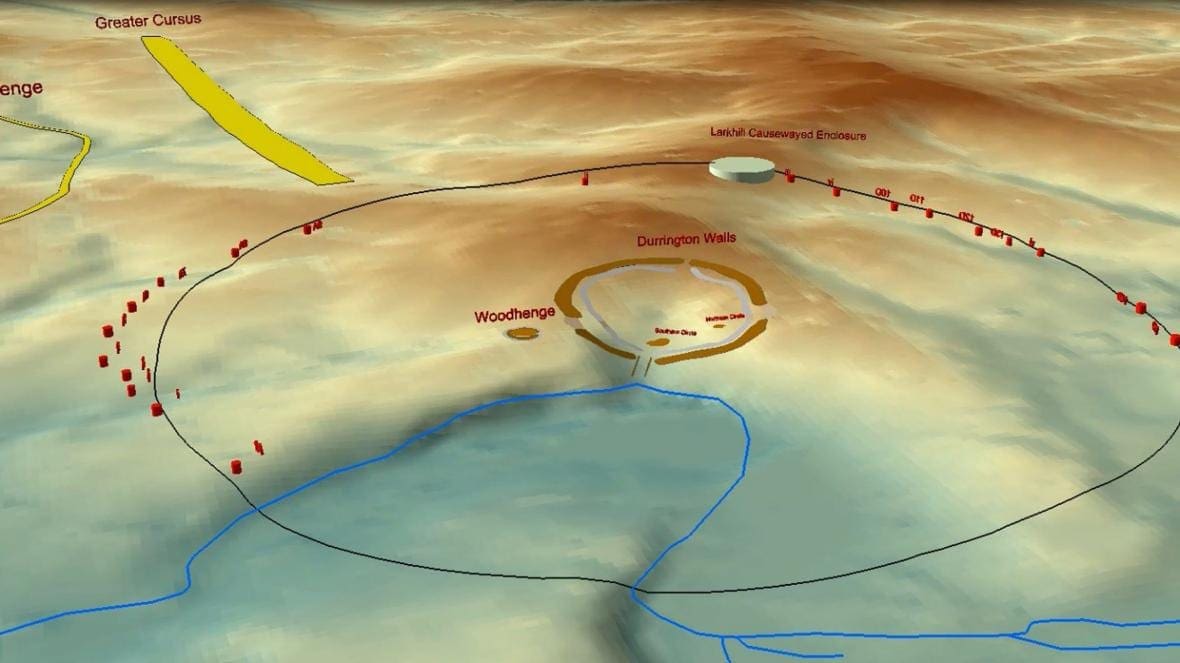
Is this another find to help us understand Stonehenge?
Yesterday’s more interesting news centred on a newly-published report on the finds at Durrington Wells on Salisbury Plain. As the place where the builders of Stonehenge lived and feasted, Durrington…
Read More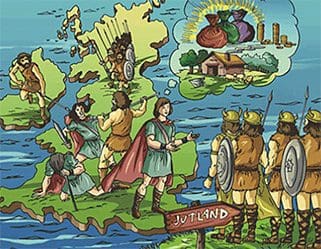
Thinking about evidence at KS2. How do we know what happened in Saxons times?
Where does our knowledge of the Anglo-Saxons come from? It is important that we ask the recurring question “How do we know?” at least once in each topic, if pupils…
Read More
The importance of getting your key questions right in your KS2 history planning
Scanning through a number of KS2 history websites recently, I realised just how narrow a view of history was being presented. Although the material was attractively presented, the opportunities for…
Read More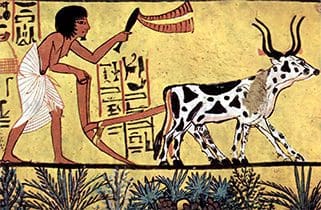
How much do you need to talk about chronology when studying Ancient Egypt?
This is a question that has concerned many primary teachers for a long time. I have sat in the back of classrooms where the first activity was a meaningless and…
Read More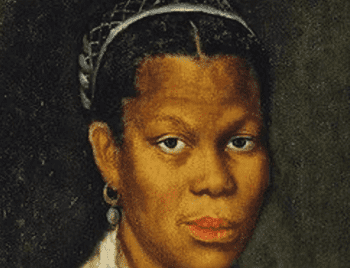
Improving diversity in your KS2 history curriculum
Amid the current state of heightened racial tension across Britain and the USA, I thought it might be a good time to think about what we are doing in history…
Read More
Getting your enquiry questions right for your history topics at KS1
Getting your enquiry questions right at KS1 On the Historical Association website is a scheme of work on George Stephenson as a famous person , a significant figure who helped…
Read More
What are deep dive OFSTED reports saying about history within the EIF 2019 Framework
I thought I would publish all the OFSTED deep dive reports I can find which illuminate what schools should be doing in primary history Here are verbatim extracts from a…
Read MoreWhat inspectors report on in deep dive history inspections: a recent example with my commentary from 2020
What the inspectors said Commentary Pupils in your school thoroughly enjoy learning history. They like the enquiry-based approach you take to learning in the history curriculum, as they learn…
Read MoreMeeting OFSTED’s criteria for a good history curriculum at KS1 and 2 during extended transition period
Now that schools have an extra year’s grace from OFSTED to refine their curriculum that is being worked on, it is worth reminding ourselves of the key indicators that inspectors…
Read More
Thinking historically: ‘learning to’..as well as ‘learning about’
While so many of you are locked down, it seems a good time to remind you of the key features of what it means to think historically. Much is encapsulated…
Read More
Improving history in your primary school: a short cameo of a success story
So what does effective leadership of primary history look like? A case study When Lara took over as history subject leader 3 years ago this was her first whole-school role….
Read More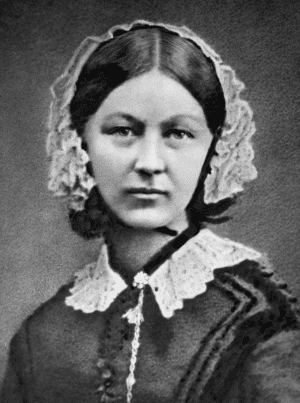
Florence Nightingale and her legacy – 200 years since her birth, on 12 May 1820
Historians have praised Florence Nightingale on the 200th anniversary of her birth, and said her legacy has “never been more relevant” amid the coronavirus pandemic. Staff at the Florence Nightingale…
Read More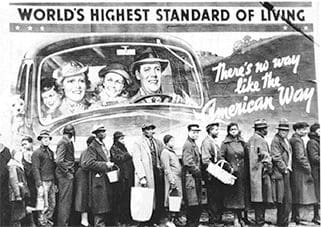
Using quadrants to answers exam questions at GCSE and A level
Sometimes the simplest ideas are the best. Faced with an exam question such as How far do you agree with the view that, in the years 1933–39, the New Deal…
Read More
GCSE history: Answering the question set , not the one they would prefer to answer.
Many of you teaching GCSE will be familiar with the issue. Your students answer the question they think the examiner will ask and the one they’ve prepared for., not the…
Read MoreHistorical Association survey of secondary history provision 2019- few surprises and some disappointing statistics
Last week saw the publication of the annual survey into secondary history produced by the Historical Association. Obviously reflecting the views of members of the Association and representing less than…
Read More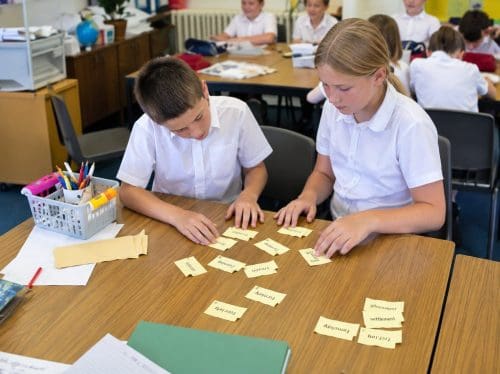
Key ideas in primary history
When we are teaching 11 subjects it is often difficult to catch the essence of each. If we’re not careful we can simply deliver the scheme of work very professionally…
Read More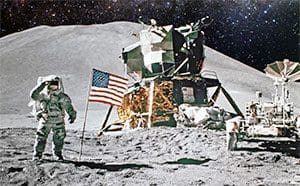
Great learning activity: Prove it! See examples for Scott of the Antarctic, Man on the Moon, Tudor theatre, Grace Darling, Louis Braille
One of the most effective learning activities which you will find in a small number of the outstanding lessons is one called Prove It! Staff and children love it. Pupils…
Read MoreWritten by Neil Thompson

All content on Keystage history is written and quality assured by Neil Thompson, a former history teacher, county history adviser and Ofsted inspector with more than 30 years’ experience in history education.