
Teaching GCSE History: The History of Medicine
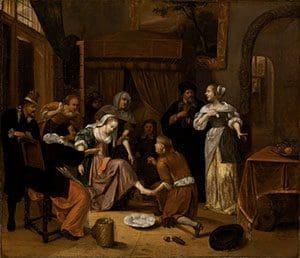 Schools have been teaching this topic for over 35 years now. No matter how innovative the textbooks, we all need to use fresh approaches from time to time. The curriculum with its different, British, emphases gives us this opportunity. You’ll love the quality of the resources and the way they have been used in novel ways. Whole lessons are spent exploring a German painting showing surgery in 1890, working out whether Jenner and Fleming deserve their reputations and investigating who should appear on the front page of a medical textbook written in 1500.
Outstanding Lessons
Teaching GCSE thematically: 10 approaches that really work
Now that all schools have to teach a thematic study I thought I’d share my experience of observing hundreds of GCSE SHP lessons over almost 20 years. I have distilled…
Read More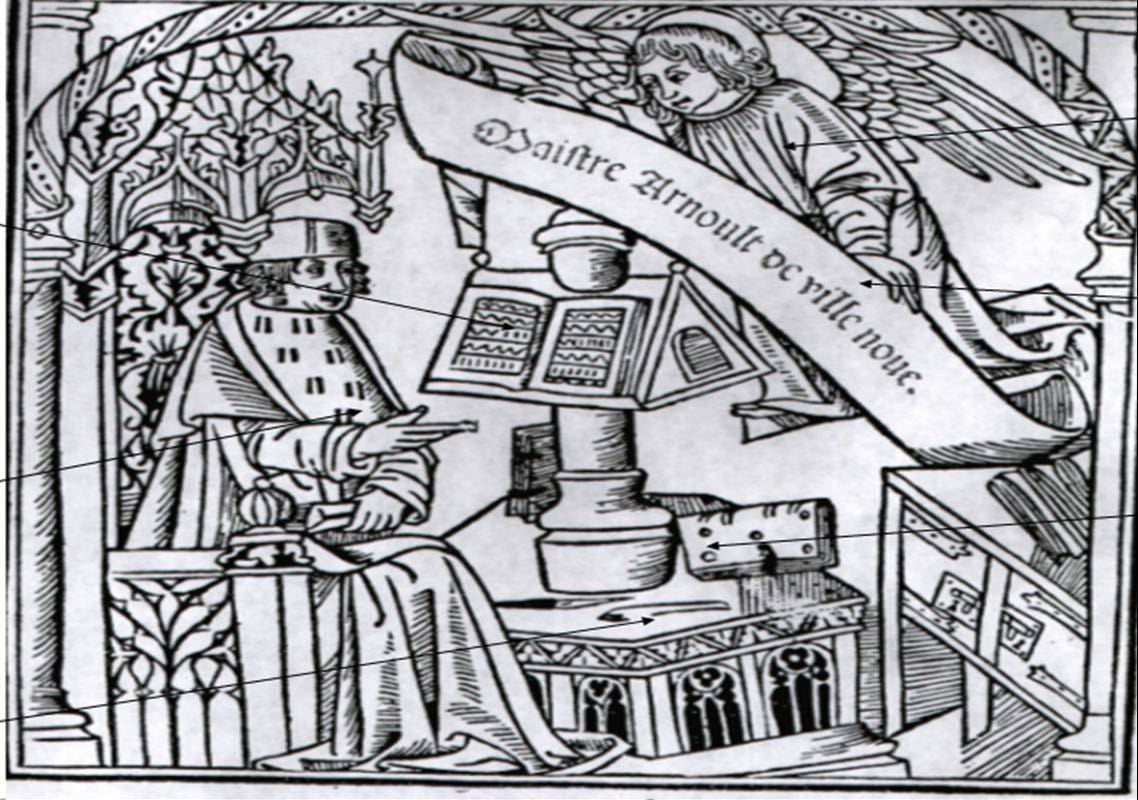
Teaching the History of Medicine
As you all know, the trick with teaching this course is to marry a strong contextual knowledge with an understanding of the various factors that had a positive and a…
Read More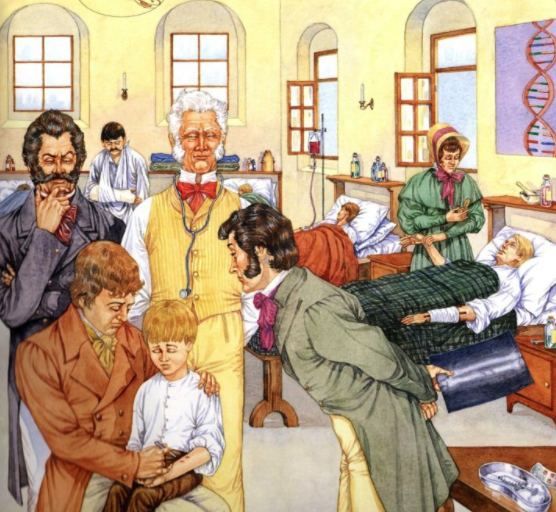
Fun anachronism-spotting activity set in 1796, for GCSE History of Medicine
Most anachronism activities used in schools are the rather naff ones put before Y7 pupils in an introduction to What is History. You know the sort of thing: Roman soldiers…
Read More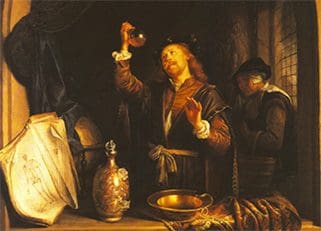
SMART TASK: History of medicine Renaissance physicians; Is the artist taking the piss?
In this short activity students are shown two contrasting images of a physician inspecting a patient’s urine. Students have to guess the provenance and date. It transpires that they are…
Read MoreSMART TASK: Medieval medicine. What can we work out from the picture?
A smart task based on an original idea from Lorna Hunter, of Swanmore Technology College. This deceptively simple example of a familiar technique takes students from the known to the…
Read More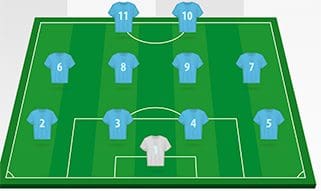
SMART TASK Revision: name your best squad
To help students remember who the key individuals were in the history of medicine, you might like to present them as members of two opposing football teams…. Subscribers only: You must…
Read More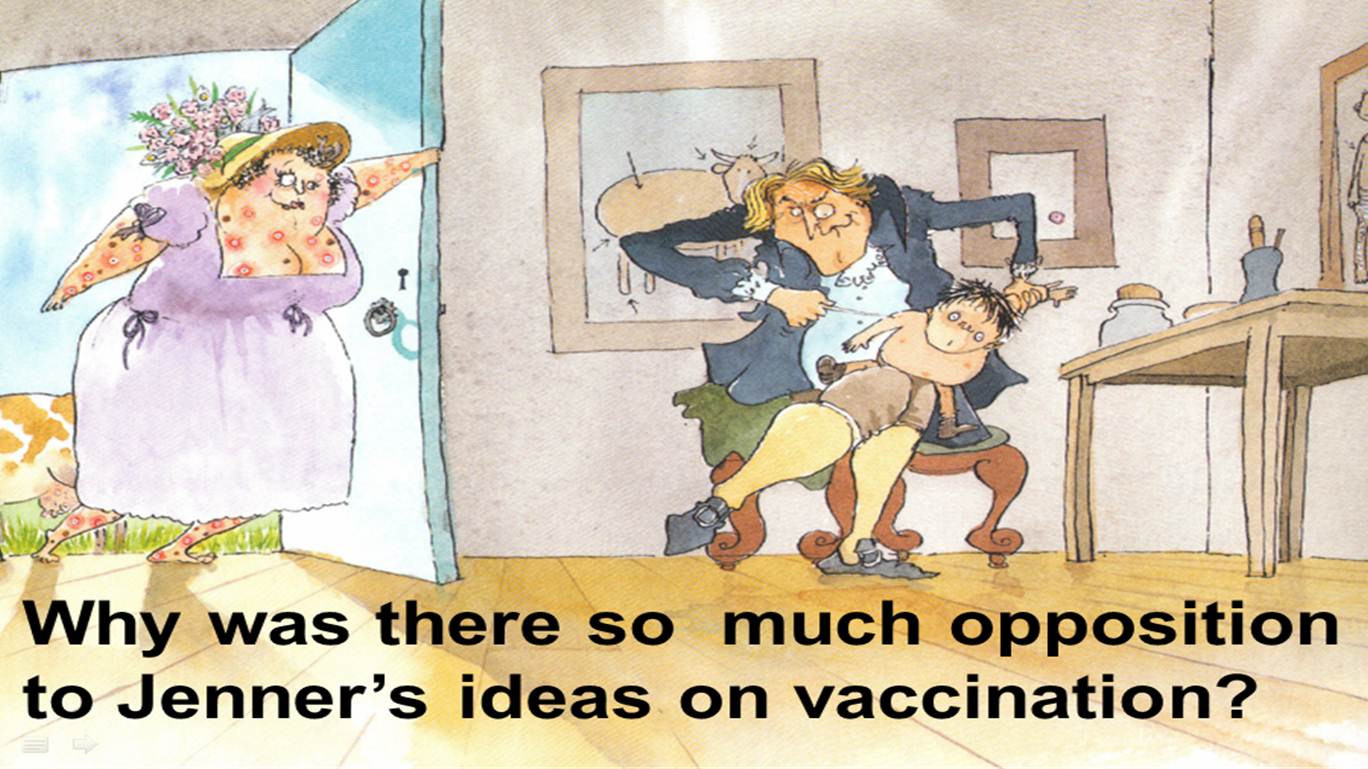
SMART TASK: Why was there so much opposition to Jenner’s ideas on vaccination in the 19th century?
This is a short, fun SMART task. All the instructions are on the PowerPoint presentation. Start with slide 2 which sets the puzzle, a paradox. If Jenner was so highly…
Read More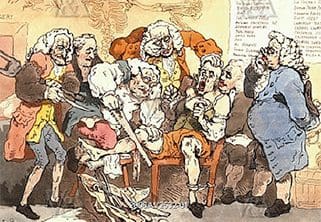
SMART TASK Key Stage 4: GCSE SHP Medicine: 18th century surgery
This quick activity asks students to explore the detail in Rowlandson’s cartoon called ‘Amputation’. They score one mark for each of the 10 labelled examples of relevant detail and 3…
Read More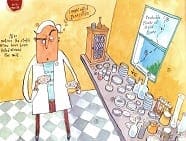
Penicillin: From discovery to world-wide use? Who should take the credit?
Students have to divide a $100 million bequest to those people who did most to develop penicillin. But in what ratio? Should Fleming get it all? What about the Oxford…
Read More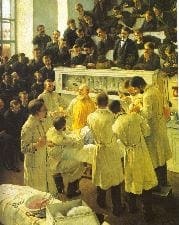
Changes in surgery; late 19th century: a puzzle. Can students use all the contextual clues to work out when it was painted?
This lesson was kindly provided by Barbara Seymour who trialled it when she was Head of History at John Hunt of Everest School, Basingstoke. This lesson follows on from the…
Read More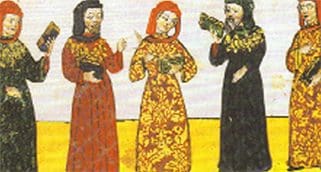
Who mattered most in medieval medicine? Who would you have on your textbook front cover from 1500?
One way of getting students to think about change and continuity in medieval times is to show them textbooks that were used at the end of the period. Instead of…
Read More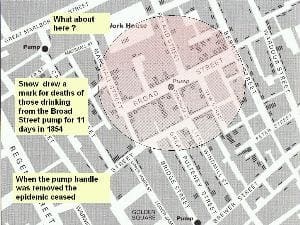
How did John Snow make the breakthrough with cholera?
This lesson focuses on problem-solving. Instead of simply telling students how clever John Snow was, or showing them a video explaining his breakthrough, students have to see if they can…
Read More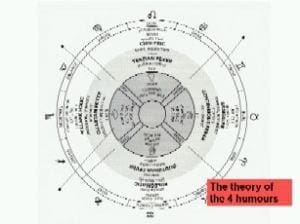
The impact of the theory of the four humours on medicine: the case of the three tadpoles!
This lesson was conceived, taught and evaluated by Simon Harrison, when he was an Advanced Skills Teacher, Swanmore Technology College in Spring 2007. Students have to consider ways of representing…
Read More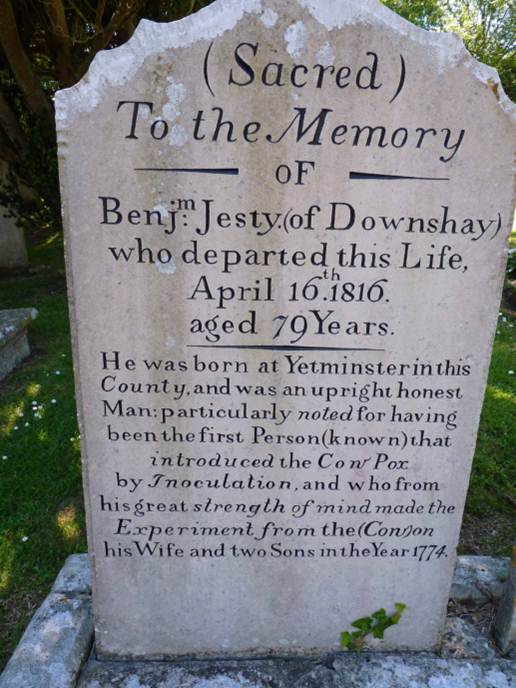
Who deserves to be remembered as the inventor of vaccination: Jenner or Jesty?
During this enquiry students work in two teams one using textbooks and websites to put forward the traditional claim that it was Jenner, the other using a wallet of resources…
Read More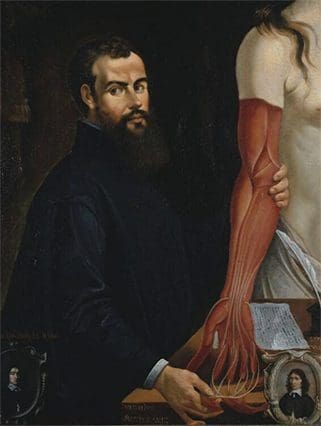
Vesalius’ claim to fame. Using the B.A.D formula to prepare for a BBC interview
The BBC is making a documentary on Renaissance medicine in which they have devoted two minutes to the work of Vesalius. Unfortunately, their Vesalius expert is ill and they thought…
Read More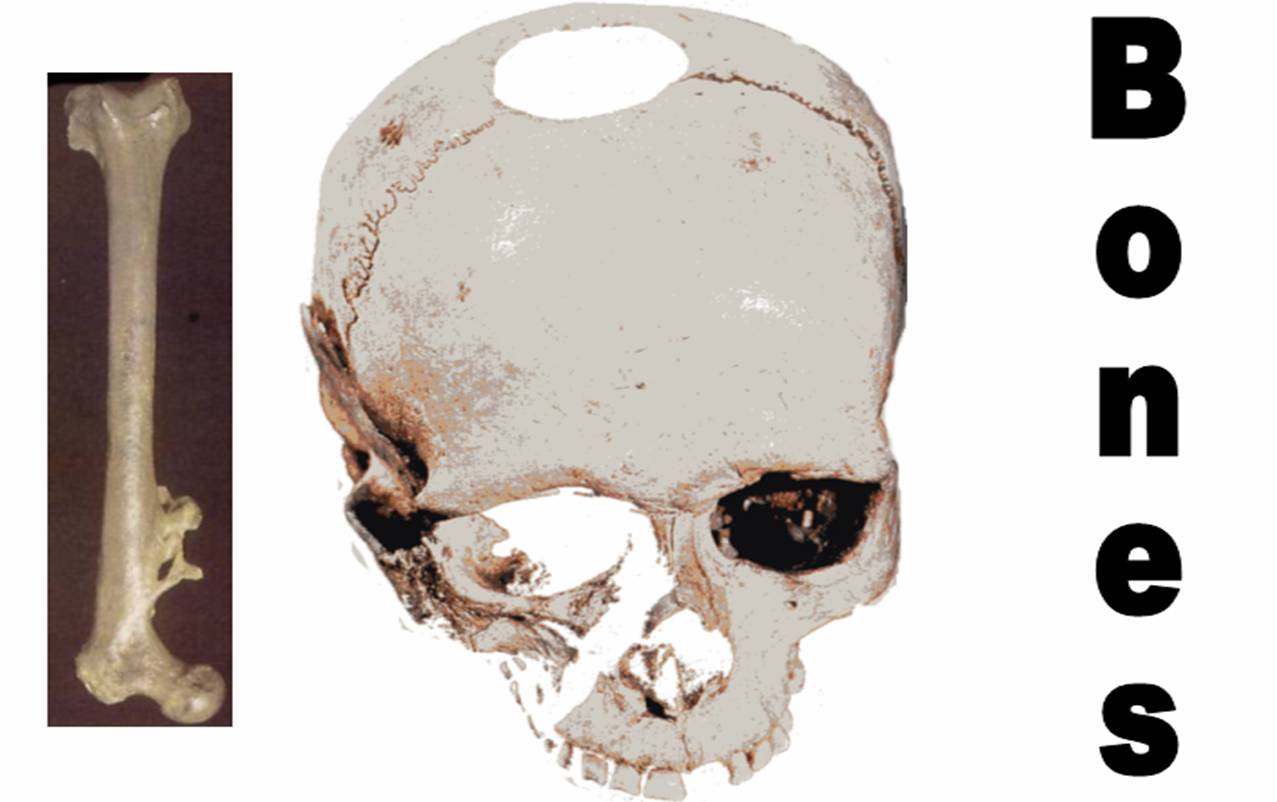
Prehistoric Medicine: Getting your GCSE course off to a great start
This lesson was taught by Mike Herrity when Head of History at Wildern School, Hedge End, near Southampton. On an OFSTED inspection the lead inspector pronounced the lesson quite outstanding…
Read More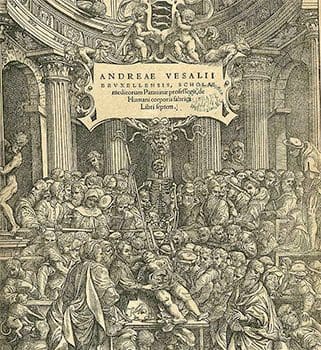
SMART TASK: GCSE questions on Renaissance Medicine
Using Zones of relevance to answer two possible questions on Renaissance Medicine. Have you ever despaired of GCSE history students who answer the question they want to answer rather than…
Read MoreWritten by Neil Thompson

All content on Keystage history is written and quality assured by Neil Thompson, a former history teacher, county history adviser and Ofsted inspector with more than 30 years’ experience in history education.