
Keystage history

Planning for teaching 1000 years of Crime and Punishment (KS2 Thematic Unit)
This post-1066 thematic unit has been produced to meet demand from KS2 teachers for a topic that is genuinely relevant and up-to-date for top juniors: something for them to get…
Read More
Teaching Industrial Britain to Key Stage 3
We all know that this is a vast topic and one that some colleagues have difficulty with in motivating some students. You will find very little on the Four Field…
Read MorePlanning for teaching Life in Tudor times at KS2
As you know, the requirement to study Life in Tudor Britain was mysteriously and inexplicably removed from the Key Stage 2 curriculum. As one of the best-taught and popular of…
Read More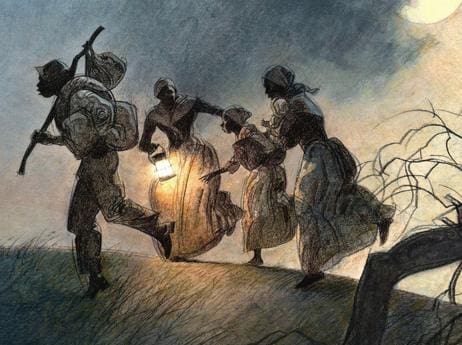
Teaching KS3 History: Black Peoples of the Americas and slavery
The title of this section reflects the fact that the new curriculum should not any longer be boxed up into just six discrete silos called study units. Instead there should…
Read MoreOutstanding Scheme of Work for teaching the Anglo Saxons
You’ll probably be thinking that there is an awful lot of pre-1066 British history in the KS2 curriculum with the Anglo-Saxons being particularly prominent. The way round this, I think,…
Read MoreKS1 History Planning for Going to the Seaside topic
Medium term planning and planner for Going to the Seaside KS1 This history topic has been designed to be taught in Year 1 Term 3 and the literacy links make…
Read More
Teaching the Wright Brothers as a Famous Person in Key Stage 1
The Wright brothers offers an exciting opportunity for pupils to explore a topic that should engage their interest, provide plenty of opportunities for drama and creative thinking and should fit…
Read More
Anglo-Saxons – KQ1a – Why did the Saxons invade? Push or pull?
A fun thinking skills activity in which pupils infer from visual clues before moving on to analyse a range of influence cards and evaluate a video before coming up with…
Read More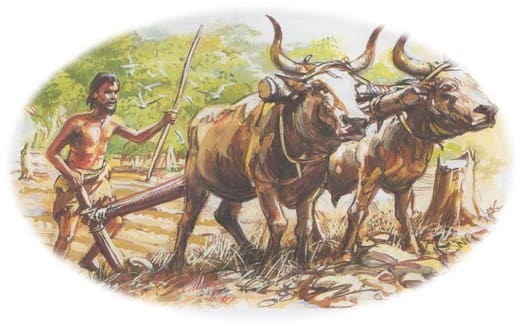
Stone Age to Iron Age – KQ2 – How much did life change when man learned how to farm?
This session focuses on the concept of change and continuity. Pupils learn of the major changes that came in the Neolithic period with the arrival of farming from the Near…
Read More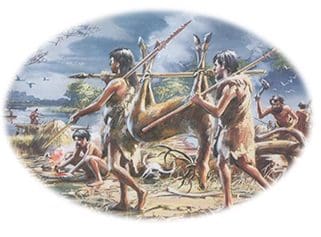
Stone Age to Iron Age – KQ2 additional information – Comparing life of hunter gathers with farmers
A simple idea to make the key differences as clear as possible, using just two central questions: how did they spend their time and what did they eat? These are…
Read More
Wright Brothers – KQ1 – What do you think the Wright brothers did to make them famous?
At the very start of the topic, on the assumption that you haven’t told them what the topic is about!! pupils are shown slide 2 in the form of a…
Read More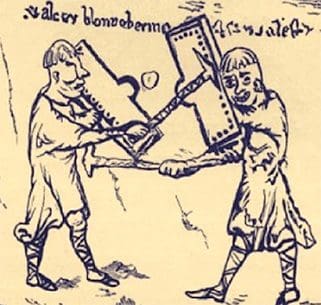
Crime and punishment – KQ1 – How do we know what punishment was like 800 years ago.
How were criminals punished 800 years ago, and how do we know? The story of the fox and the goose Before you launch into the first key question you might…
Read More
Planning for a cross-curricular topic on Going to the Seaside
This advice with associated downloadable resource below is for KS1 teachers planning a cross-curricular topic and focuses on how to integrate history, geography, literacy and ICT. Start the topic with…
Read More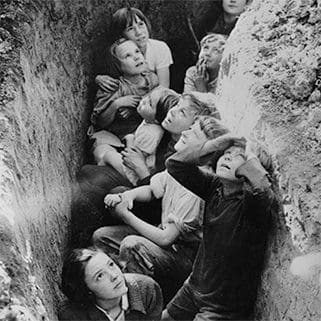
WW2 – KQ2a – Why was it necessary for children to be evacuated? Introductory task
Why was it necessary for children to be evacuated throughout the war, and what was the experience of evacuation really like? This question has two significant outstanding lessons to cover…
Read More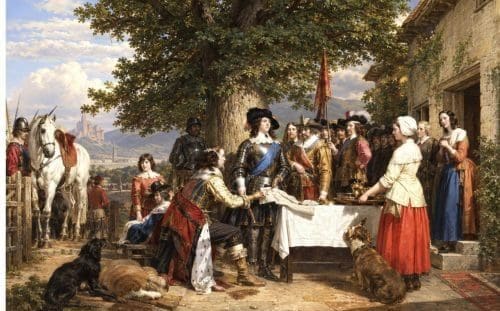
Teaching KS3 History: Early Modern History
The following Key Stage 3 history lessons for teaching Early Modern History 1500 -1750 have all been judged to be outstanding according to OFSTED criteria. You will find a wide…
Read More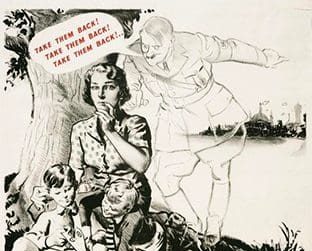
WW2 – KQ2b – Evacuation enquiry – links with numeracy
This lesson comes towards the beginning of the topic after pupils have explored the nature and reasons for evacuation. I am grateful to Julie Tzivanidou of Cove Junior School, near…
Read More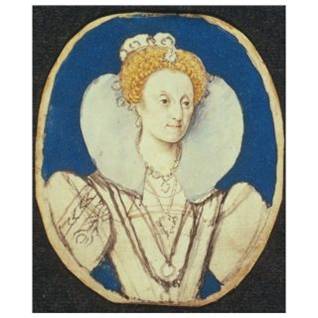
Teaching Life in Tudor Times for KS2
The Tudors from Key Stage 2 history, it is too good a learning experience for pupils for them to miss out on. if you want to see how you could…
Read More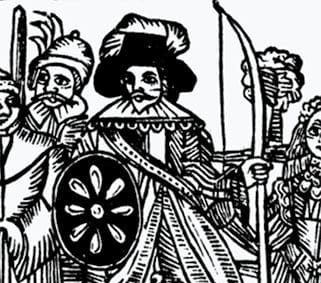
Crime and punishment – KQ2 – What does the legend of Robin Hood tell us about medieval justice?
In the following activities, KS2 pupils learn: a. that medieval justice was loaded in favour of the rich and powerful; b. that if you ran away from justice you would…
Read More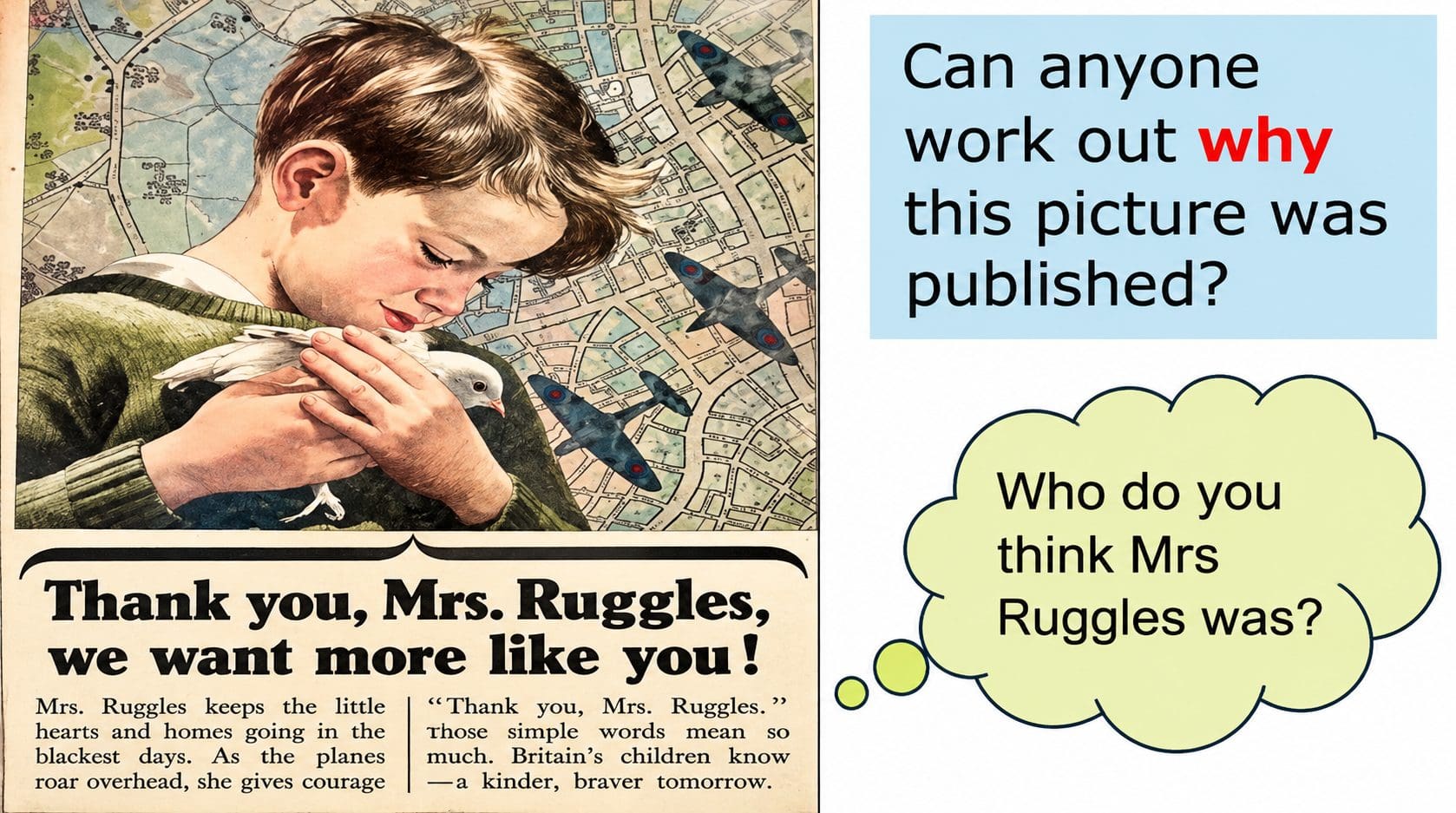
WW2 – KQ2c – Extending the BBC website on Eric the evacuee
The BBC children’s history section has been in touch with the school asking for their help in extending their website section on Eric the evacuee. There is nothing wrong with…
Read More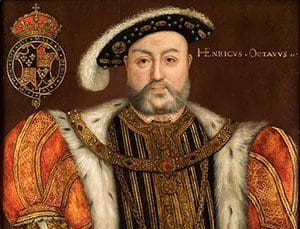
Life in Tudor Times – KQ1 – Henry VIII a question of interpretations. Could you spot Henry VIII in a police line-up?
This is a really fun lesson which shows children what is meant by historical interpretations in an engaging and accessible way. It appeals to both visual and kinaesthetic learners by…
Read More
Anglo-Saxons – KQ1b – Where did the early Anglo-Saxons live and how do we know? Bells and whistles
This ambitious but engaging lesson asks children to test some simple hypotheses about where the early Anglo-Saxons settled. They start with some very straightforward statements to make sure they know…
Read More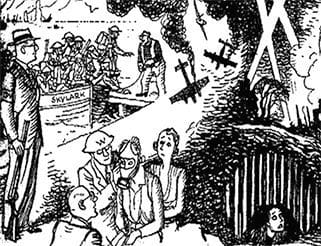
WW2 – KQ3 – How was Britain able to stand firm against the German threat?
This enquiry revolves around a central contemporary cartoon which encapsulates life on the Home Front and how it was geared towards dealing with the Nazi threat of invasion. Pupils have…
Read More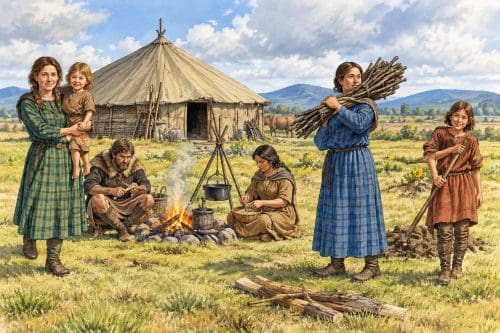
Stone Age to Iron Age – KQ3 – What can we learn about life in the Stone Age from a study of Skara Brae?
Enquiry based lesson on images of the remains of buildings found from a study of Skara Brae, a stone-built Neolithic settlement, located on the Bay of Skaill on the west…
Read More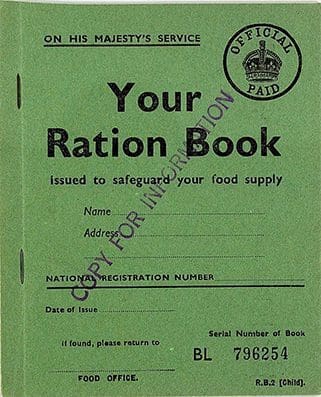
WW2 – KQ3 additional information – Rationing
In order to prevent serious shortages, as early as 1936 the British Ministry of Food had begun to make plans for the supply, control and distribution of foodstuffs. In addition…
Read MoreStone Age to Iron Age – KQ3 Supporting information – What can we learn about life in the Stone Age from a study of Skara Brae
More than 5,000 years ago, during the New Stone Age, Neolithic farmers and herders reached a group of islands to the north of Scotland-the Orkneys. They found the islands a…
Read More
Wright Brothers – KQ2 – How did the Wright brothers manage to be the first to launch a man powered flight?
This enquiry comprises a series of three smart tasks: the first is a sequencing task based on storytelling; the second a ‘living graph the third an optional ‘reconstruction relay drawing…
Read MoreLife in Tudor Times – KQ1 part 2 – Great starter on interpretations of Henry VIII
Working closely with academic authors, in this case Catherine Fletcher, always gives a fascinating insight into what historians want to write and publishers want to sell. This is fertile ground…
Read More
Crime and punishment – KQ3 – More of the same. How did crimes and punishments change between 1500 and 1750?
All you need for this lesson on Crime and Punishment 1500-1750 is to turn your classroom into an art gallery and to provide a highwayman’s mask while pupils consider the…
Read More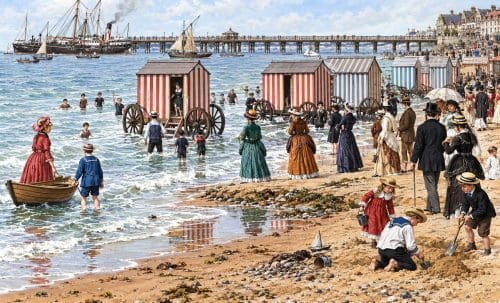
Going to the seaside – KQ1 – What was going to the seaside like 100 years ago? Writing a quality postcard home, avoiding the martini syndrome?
If you have ever asked children in Y1/2 to write a postcard home as if it were from Victorian times you’ll know the problem. After hours of your time teaching…
Read More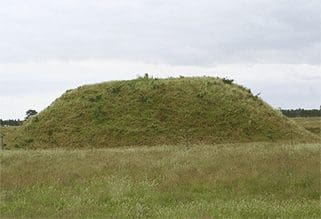
Anglo-Saxons – KQ2 – The mystery of the empty Saxon grave
This highly engaging lesson places pupils in the role of detectives. After a short briefing they have to work out the significance of the various clues found in the bodiless…
Read More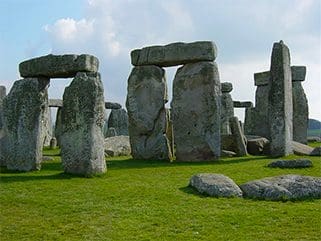
Stone Age to Iron Age – KQ4 – Why did they build Stonehenge?
Pupils are shown a video tour of the site and discover when, where, and how it was built. They speculate as to why it was built. Then play Call my…
Read More
Stone Age to Iron Age – KQ4b – How should we remember the Bronze Age?
Pupils study finds from three separate Bronze sites, including them most recent excavations, to enable them to discover the main features of bronze age life before using this knowledge to…
Read More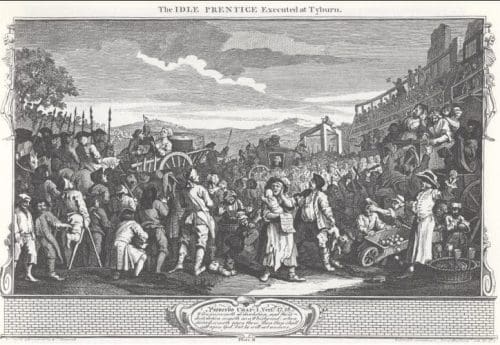
Crime and punishment – KQ4 – Why did punishments become so bloody in the 18th century?
Pupils label their own copy of a motivating Hogarth print showing popular attitudes to public executions before explaining the puzzling conundrum: when the number of death penalties was increased why…
Read More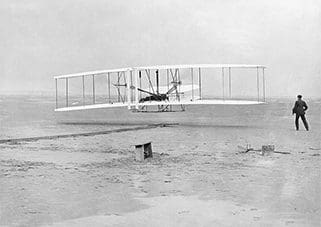
Wright Brothers – KQ3 activity 1 – Why did the Wright brothers succeed where others had failed?
Sarah Duck describes how her class tackled this key question. The task involves children reading small diamond-shaped text cards, to decide which statements are true or false. They then put…
Going to the seaside – KQ2 – What did people do at the seaside 100 years ago?
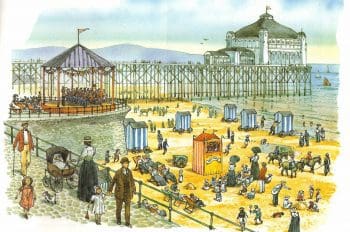
From mime to movie. SMART TASK This fun activity is carried out by children working on tables of six. Half the class work on one image, the other half on…
Read More
Life in Tudor Times – KQ2 – Why did Henry Break with Rome? Love or religion?
This KS2 history enquiry revolves around Henry VIII’s divorce and the break with Rome, one of the best-known stories in English history. At first, Henry, this larger than life figure,…
Read More
WW2 – KQ4 – Curator’s dilemma. Which 8 objects should we show to explain how Britain coped with the effect of war on the Home Front?
In this activity pupils are cast in the role of local museum curators specializing in the commemorating and interpreting of Life on the Home Front during World War Two. A…
Read More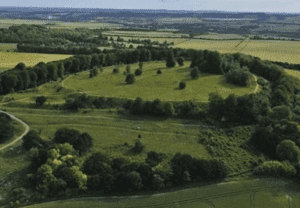
Stone Age to Iron Age – KQ5 – What was life like in the Iron Age and how do we know?
Pupils speculate as to what holes in the ground shown in an aerial photograph might be, before annotating an artist’s reconstruction of Danebury Hill Fort. Using the zones of inference…
Read More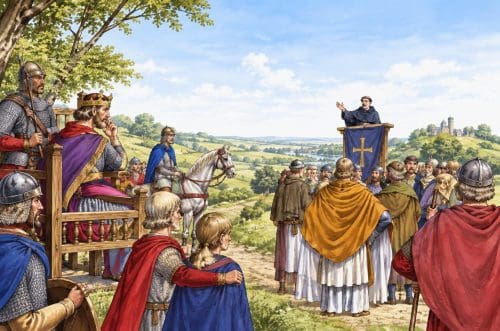
Anglo-Saxons – KQ3 – Coming of Christianity – How did people’s lives change when Christianity came to Britain and how can we be sure?
A series of smart tasks, rather than a full outstanding lesson. The first part of this two part session looks at how it happened, the second at how we know….
Read More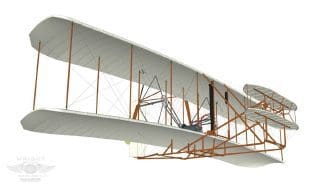
Wright Brothers – KQ3 activity 2 – Spying on the Wright Brothers.
This reconstruction relay – part of KQ3, Why did the Wright Brothers succeed where others had failed – is fantastic fun as well as helping pupils to look carefully at…
Read More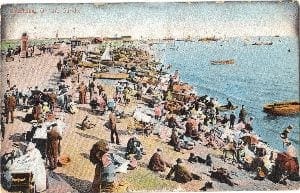
Going to the seaside – KQ3 – How do we know what holidays were like 100 years ago?
Designing an authentic Edwardian Seaside Poster This KS1 history lesson uses the Mantle of the Expert approach to place pupils in role as historical advisers to a film producer. Their…
Read More
Evaluating websites in history at KS3-5: 3 pieces of top advice
Students are too trusting of what they read on the Internet. Most striking, they implicitly trust Google to verify sources for them–whatever Google lists first must be a good source….
Read More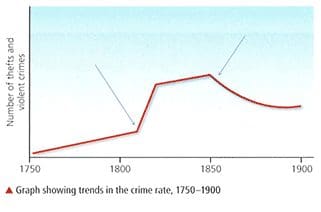
Crime and punishment – KQ5 – Why did so much change happen in crime and punishment the 19th century?
Great range of activities including: generating enquiry questions about increase in crime from a line graph; explanation builder to work out why; looking at individual punishments on a harshness spectrum…
Read More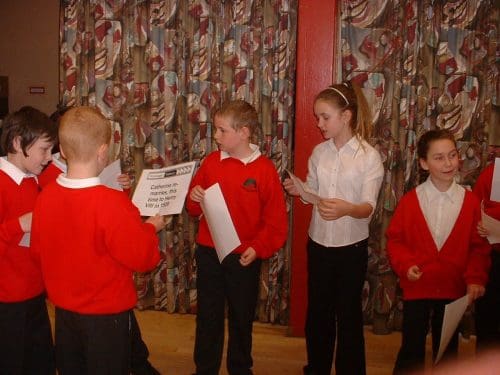
Life in Tudor Times – KQ2 part 2 – the highs and lows of Catherine of Aragon
The context of this lesson was to explore the highs and lows of Catherine of Aragon as a lead up to the Break with Rome. Pupils had already looked at…
Read More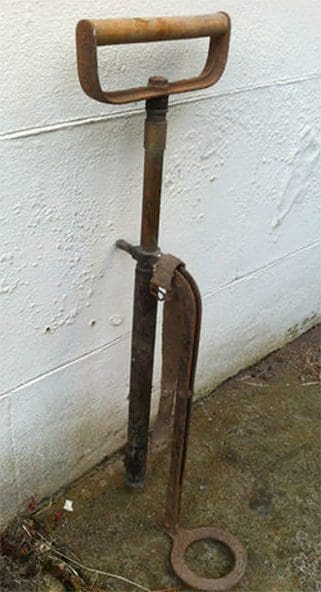
WW2 – KQ4 – Britain during World War Two – Call My Bluff
This activity is designed to promote creative thinking as well as to deepen pupils’ understanding of the objects that are unfamiliar to us but everyday items on the Home Front…
Read More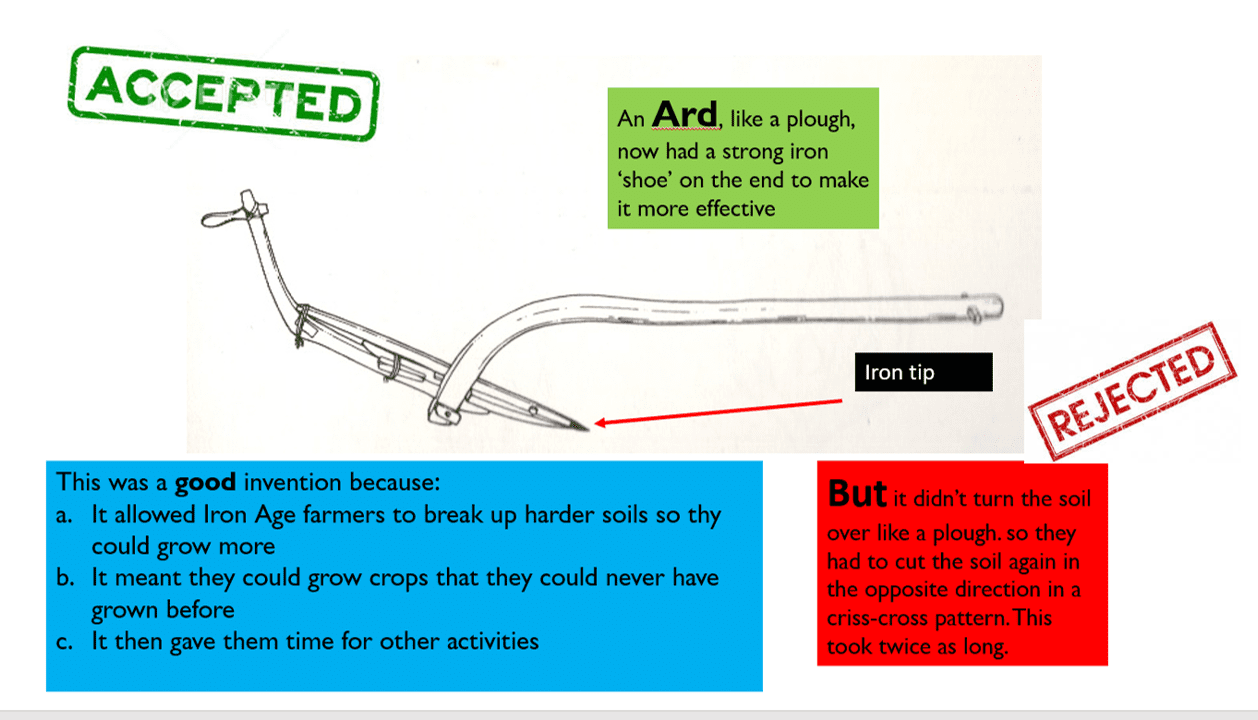
Stone Age to Iron Age – KQ5b – Dragons Den : Which technological development should our Iron Age settlement get next?
Set the scene. A group of the most important members of the Iron Age settlement have gathered to consider their future. They have heard of a lot of new technologies…
Read More
Life in Tudor Times – KQ2 part 3 – History and literacy – Making sense of a letter from Henry VIII to Anne Boleyn
14 ways of telling this is a love letter Pupils are given a copy of a letter from Henry to Anne Boleyn. It appears, at first glance to be impossibly…
Read More
Wright Brothers – KQ4 – The Wright Brothers first flight. KS1 Prove it!
How can we possibly know about the Wright Brothers first flight when there’s nobody alive now who saw it? This is a question about evidence, one which makes pupils consider…
Read More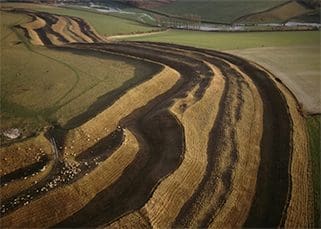
Stone Age to Iron Age – KQ6 – Iron Age Hill Fort at Maiden Castle
Iron Age Crimewatch AD 50. Who killed the 52 dead bodies at Maiden Castle? Key Question 6 KS2 pupils work as history detective Time Teams to solve the Iron…
Read More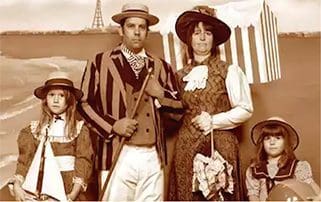
Going to the seaside – KQ4 – Do we go on seaside holidays for the same reason people went 100 years ago?
Children discuss the reasons they might have for going on a seaside holiday NOW and then think of the different reasons why people might have gone 100 years ago. Slides…
Read MoreWritten by Neil Thompson
All content on Keystage history is written and quality assured by Neil Thompson, a former history teacher, county history adviser and Ofsted inspector with more than 30 years’ experience in history education.