Ninth-century England was a bad place to be a criminal, new findings suggest.
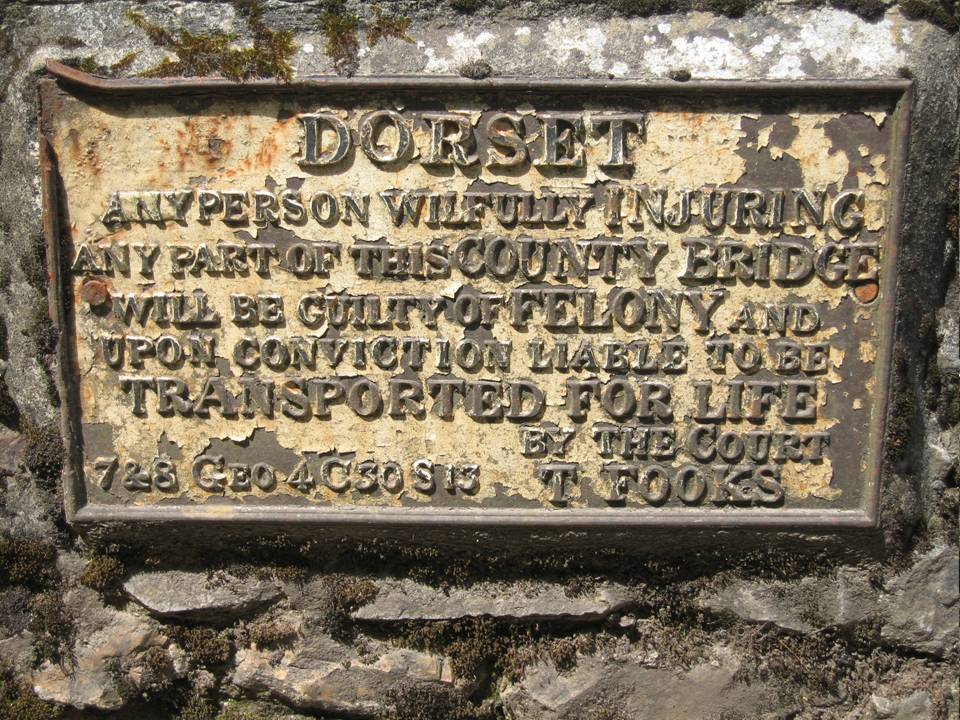
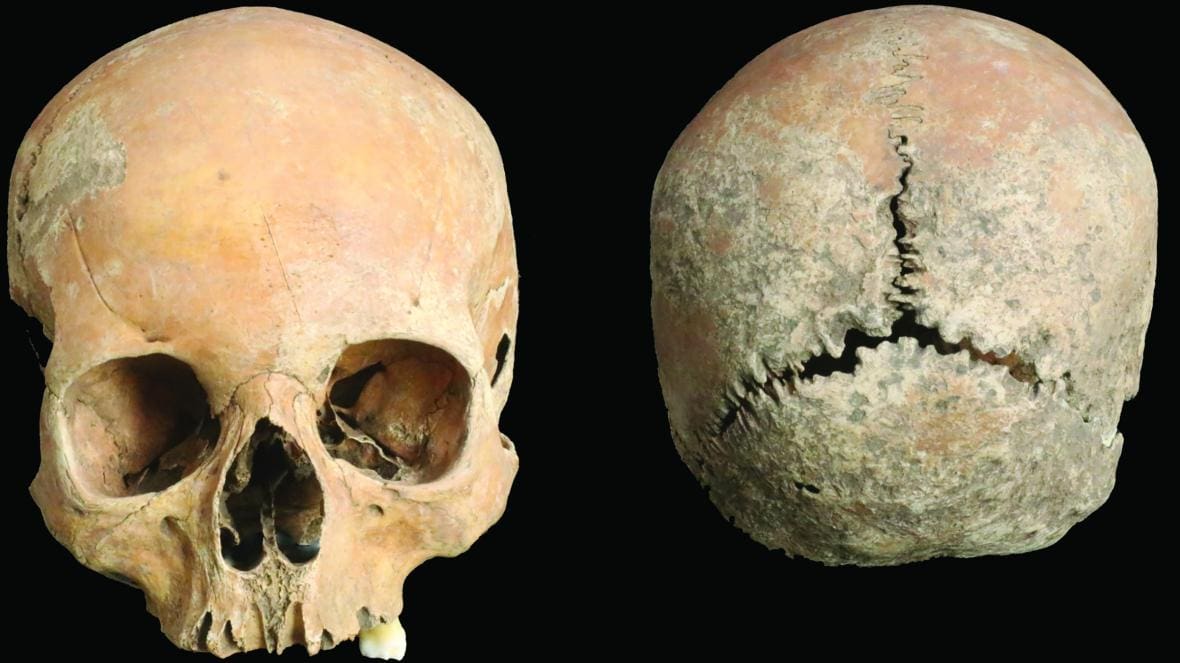
The skull of an Anglo-Saxon teenager discovered in Hampshire shows that she had her nose and upper lip cut off and may have been scalped too.Written evidence of the 10th and 11th centuries indicates that facial mutilations were inflicted as punishment for female adulterers, thieving slaves and others but this skull is at least 100 years older so provides invaluable new evidence.
Found near an Anglo-Saxon estate boundary at Oakridge in Basingstoke, in the historical kingdom of Wessex, the skull was excavated in the 1960s during efforts to rescue remains from the site before a housing estate was built. It was stored, uncleaned, until recent radiocarbon dating revealed the cranium probably dates to AD 776-899. Andrew Reynolds, professor of medieval archaeology at UCL, one of the study’s authors, said that law codes of the period could be retrospective, formalising and codifying existing practice.
The team found that the young woman was aged between 15 and 18 at the time of her death, based on her dental and cranial development. She died shortly after the mutilation. Her wounds, indicating removal of the nose, mouth and possibly the scalp, show no signs of healing, suggesting she did not survive for long.
Other discoveries at the site included a Romano-British burial and traces of an Iron Age settlement. There was no evidence to suggest that it was an Anglo-Saxon cemetery. The experts said such isolated burials were often associated with social outcasts.