
Inclusion in Key Stage 3 history
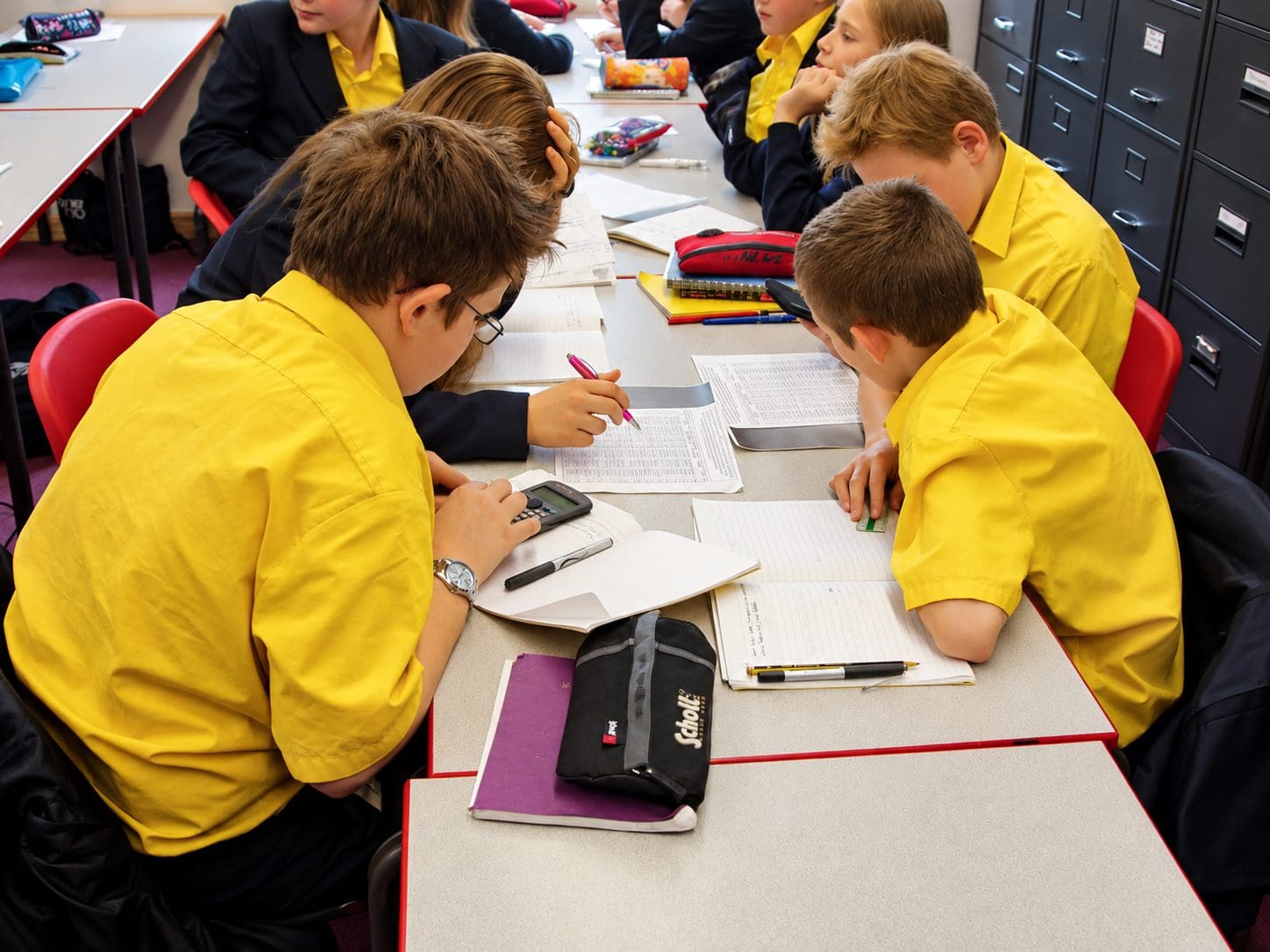
The 10 best ways to differentiate for lower-attaining pupils in KS3 history
The theory first Probably the neatest way to encapsulate all these different ideas is in the 3 words COULD SHOULD WOULD In terms of COULD, this means that you start…
Read More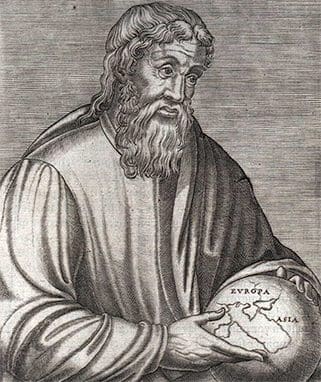
Using history puzzles to encourage deep cross-curricular thinking.
I would strongly urge you to consider throwing in a few of these from time to time. Here is a puzzle (PowerPoint in resources section) you might want to use…
Read MorePersonalised learning in history at KS 3
This is certainly one of the key areas to be focusing on. Put simply, personalised learning and teaching means taking a highly structured and responsive approach to each child’s and…
Read More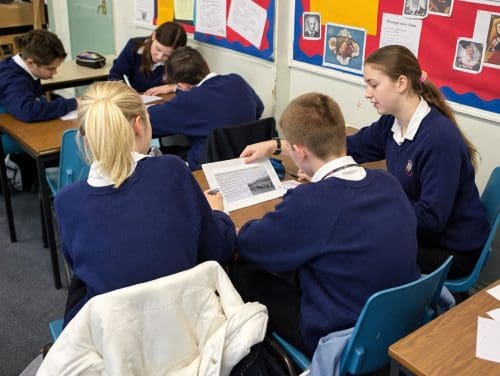
Gender issues in history at Key Stage 3
For all the research that has taken place recently to try to close the gender gap it is probably safe to say that gender and achievement is a complex area…
Read More
Gifted and talented in history at Key Stage 3
Provision for gifted and talented pupils has never been more in the spotlight than now. For all the work that has been going on for years, many schools are still…
Read MoreMotivating pupils in history at Key Stage 3
Much work has recently been done on engaging pupils in the early years of Key Stage 3, largely because of the so-called ‘performance dip’ in Years 7 and 8. Indeed,…
Read More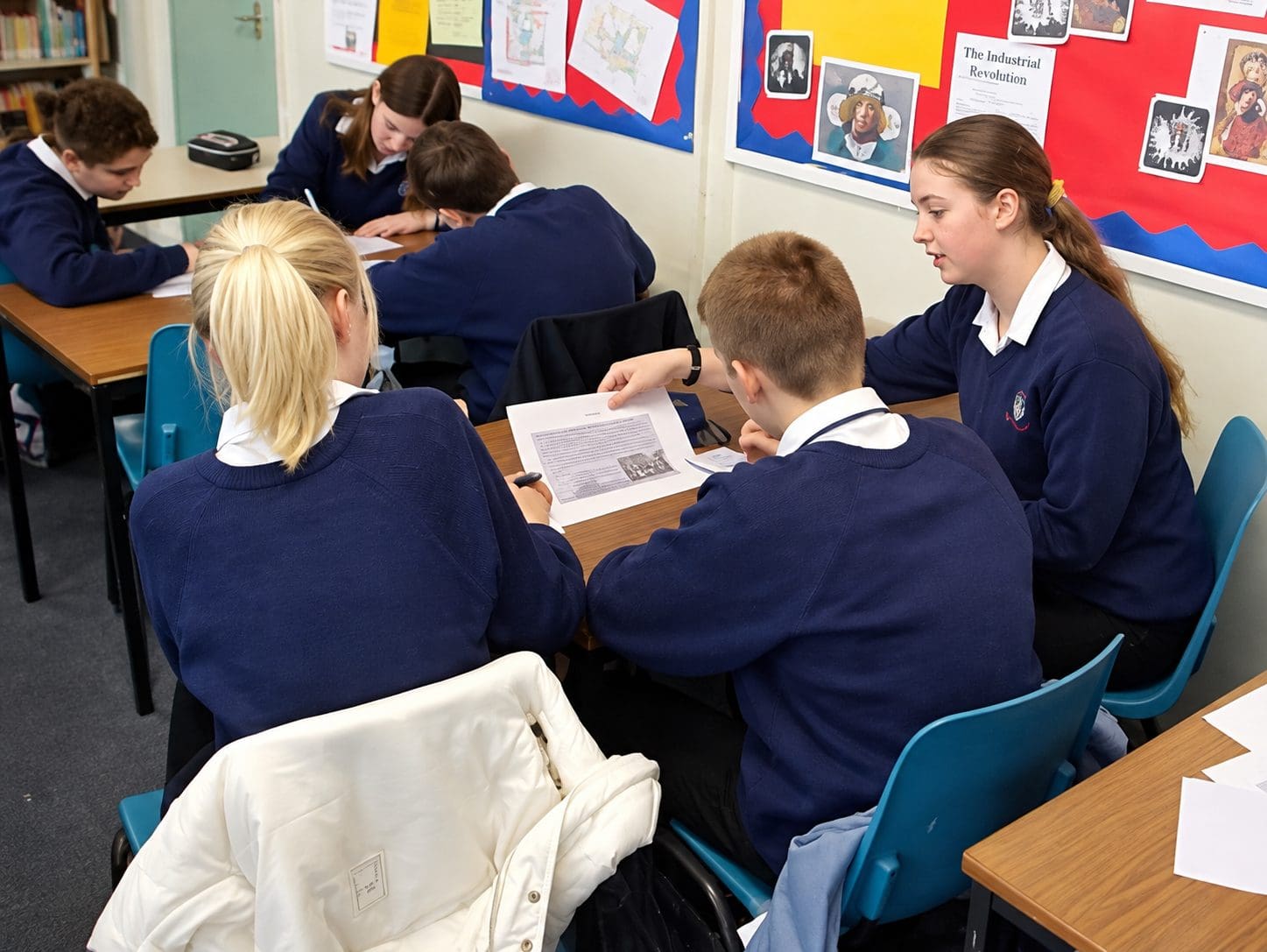
History for pupils with English as an Additional Language at Key Stage 3
Much of this article draws on the KS3 National Strategy document Access and Engagement in history: Teaching pupils for whom English is an additional language (DFES 0656/2002) and more recently…
Read MoreS.E.N. in history at Key Stage 3
We would all agree that history is a subject which is both accessible and has relevance to all pupils, including those with learning difficulties. Not only does it provide interest…
Read MoreWritten by Neil Thompson
All content on Keystage history is written and quality assured by Neil Thompson, a former history teacher, county history adviser and Ofsted inspector with more than 30 years’ experience in history education.