
KS1 History Resources, Lessons & Planning
Explore our KS1 History Resources by Topic
Explore expert-created KS1 history resources, lesson plans, medium-term planning, PowerPoints, assessments, quizzes and knowledge organisers for Years 1 and 2.
You will find masses of advice on how to make KS1 history lessons fun and how to help pupils to take their first steps into the fascinating world that is the past. You will be helped to design and plan an exciting primary history curriculum in line with the requirements of the National Curriculum taking into account the difficult areas of assessment and progression in history. You also will be helped to make the most of history’s contribution to the whole curriculum by being shown cutting edge practice in the areas of cross-curricular planning, literacy, thinking skills and creativity.
If it is imaginative ideas for KS1 history lessons you are looking for, then you will definitely want to spend time in the teaching section with its hundred great primary history teaching strategies and in the learning section with its wide range of imaginative approaches and brilliant ideas for products that children will love.As a subject leader, you will find easily accessible advice that is ‘right on the money’. Years of helping hundreds of infant teachers with their history planning, resourcing, and monitoring in history, has enabled me to know exactly what is needed, and which support strategies really work.
| KS1 History Topic | Resources include |
|---|---|
| Amelia Earhart KS1 | Amelia Earhart lessons, flight history, assessment, quiz and significant-person resources |
| Amy Johnson KS1 | Amy Johnson lessons, flight and exploration activities and significant-person enquiries |
| Castles KS1 | Castle history lessons, chronology, change over time and enquiry activities |
| Caxton & Bell KS1 | William Caxton and Alexander Graham Bell lessons, planning and significant-person resources |
| Christopher Columbus KS1 | Columbus lessons, planner, knowledge organiser, assessment and exploration enquiries |
| Florence Nightingale KS1 | Florence Nightingale lessons, historical enquiries, planning, assessment and resources |
| Grace Darling KS1 | Grace Darling lessons, enquiry activities, planner, assessment and resources |
| Great Fire of London KS1 | Great Fire lessons, PowerPoints, scheme of work, assessment, quiz and knowledge organiser |
| Gunpowder Plot & Guy Fawkes KS1 | Guy Fawkes and Gunpowder Plot lessons, historical sources, role play and enquiry activities |
| Louis Braille KS1 | Louis Braille lessons, planner, significant-person enquiries and classroom resources |
| Mary Anning KS1 | Mary Anning lessons, medium-term planning, assessment, quiz and knowledge organiser |
| Mary Seacole KS1 | Mary Seacole lessons, planner, assessment, historical interpretation and resources |
| Moon Landing KS1 | First Moon Landing lessons, planning, enquiries, assessment and classroom resources |
| Nursery Rhymes EYFS and KS1 | Reception history activities using nursery rhymes to explore past and present |
| On the move (transport) EYFS and KS1 | Transport activities using to explore past and present |
| Queens KS1 | Elizabeth I, Queen Victoria and Elizabeth II lessons exploring monarchy and change over time |
| Reception History Topics | EYFS and Reception activities introducing children to past and present, chronology and historical vocabulary |
| Remembrance Day KS1 | Remembrance Day, poppies and First World War history lessons and activities |
| Rosa Parks KS1 | Rosa Parks lessons, Civil Rights history, enquiry activities, assessment and quiz |
| Scott of the Antarctic KS1 | Captain Scott lessons, exploration history, enquiry activities, assessment and quiz |
| Seaside Holidays KS1 | Seaside holidays through time, lesson plans, historical sources, comparison and planning |
| Titanic KS1 | Titanic lessons, historical enquiries, planning, assessment, quiz and knowledge organiser |
| Toys Past & Present EYFS and KS1 | Toys past and present lessons, chronology, historical comparison, planning and assessment |
| Wright Brothers KS1 | Wright Brothers lessons, history of flight, planner, assessment, quiz and resources |
What your EYFS history teaching should be focussing on
When deciding how EYFS might contribute to pupils’ understanding of the past, it is important that we don’t overcomplicate matters or be too ambitious too soon. So getting the right,…
Read More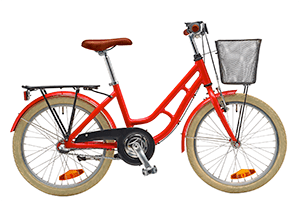
On the move – assessment task
Pupils sequence 3 images of transport over the last 60 years Subscribers only: You must be logged in to view this content in full. Please Login or register
Read More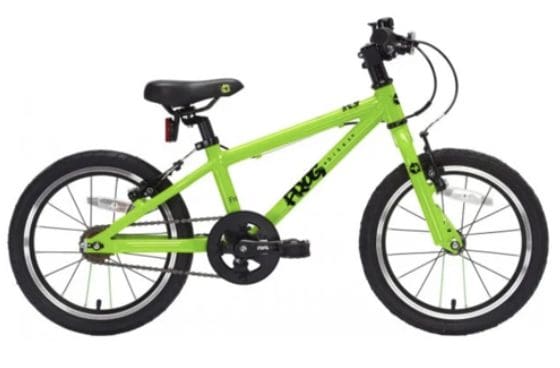
On the move – EYFS – KQ1 – What different types of bicycle do we all ride nowadays?
Collection of wheeled vehicles, trikes, scooters etc. What do they have in common? And what is different? Develop vocabulary needed for subsequent discussion e.g. wheels, pedals, spoke, tyre, saddle, handlebars,…
Read More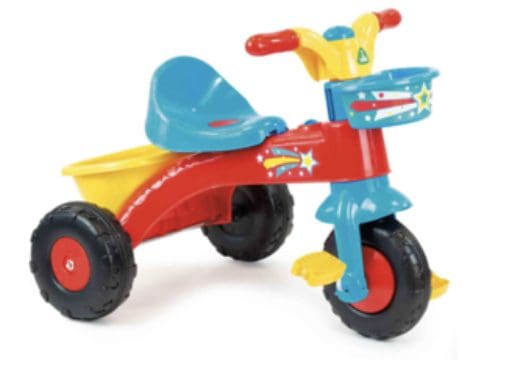
On the move – EYFS – KQ2 – What did we use to move around when we were younger?
Discuss and decide which ages of people would ride in or ride on each bicycle. What features do all the bicycles have in common? Why do some of the bicycles…
Read More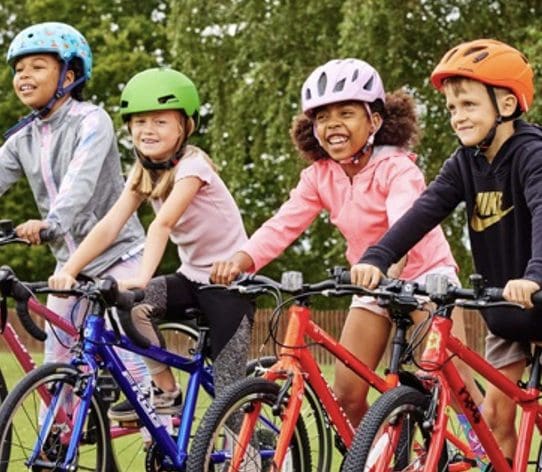
On the move – EYFS – KQ3 – How are the bikes of others in the family different to ours?
Pupils are shown images of older children and adult bikes which they have to match to individual who would ride them nowadays. Who rides THIS bike? matching activity Introduce language…
Read More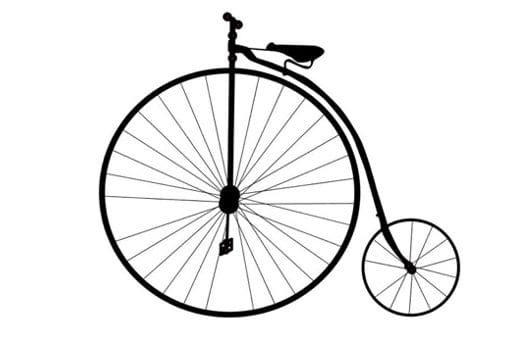
On the move – EYFS – KQ4 – How different were bikes when your grandparents were your age?
Pupils can sort 6 images into ‘then and now’ and identify 3 ways in which they knew that three were 60 older than the rest. What’s missing? Children are shown…
Read More
On the move – EYFS – KQ5 – How else do we move around today?
How else do we move around today? Children are able to list at least 4 different types of most popular vehicles e.g. car, train, plane, boat etc then variants of…
Read More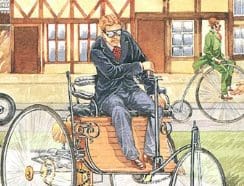
On the move – KS1 – KQ6 – How has transport changed since your grandparents were your age?
Some children extend their understanding of change by sequencing three images. Children increase their vocabulary by including phrases such as in my parents or grandparents’ time. Activity 1 Research when…
Read More
Refining your use of AI in primary history. A second look
In our first detailed article on AI and history in primary history we explored the best ways of using AI and promised to follow this up with a further article….
Read More
4 key things you need to know about the likely shape of the new history curriculum for first teaching in 2028
1.There seems to be a commitment from the DfE to ensure that the revised National Curriculum is not significantly different to the existing version which has been in operation for…
Read More
Our Top 10 resource suggestions for your local history topic at KS1 and 2
By way of celebrating local history month in May we are offering you top 10 resources you can’t afford to overlook. These sit alongside the other advice files on overall…
Read More
How do I know I am teaching history in the right way? A few pointers for non-specialists
When your colleagues, who have to master 11 subjects after all , feel that they need a few pointers to help them transform the planning into really good history learning,…
Read More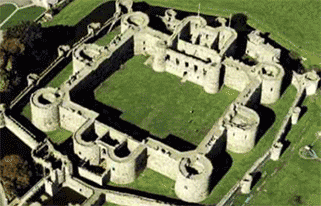
Castles end of unit quiz – KS1
You’ve discovered how castles were built, what life was like inside the walls, and how they were used to protect people long ago. Get ready to travel back in time…
Read More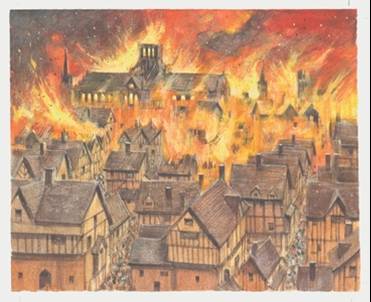
Great Fire of London end of unit quiz – KS1
In this quiz, you’ll test your knowledge about one of the most famous events in British history — the Great Fire of London in 1666. You’ll need to recall what…
Read More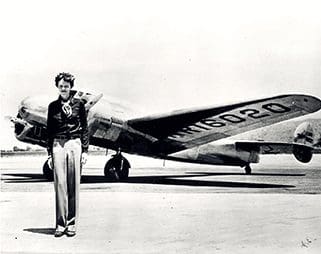
Amelia Earhart – assessment task
Disciplinary concept target: Significance Pupils draw on the 4 clues to underline why Amelia Earhart is seen as an important figure in history. They go beyond her as a daring…
Read More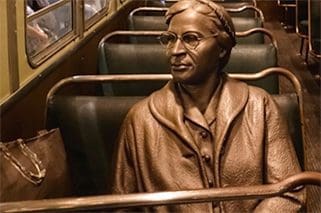
Rosa Parks – assessment task
This assessment task provides 3 images which should prompt pupils to show their knowledge and understanding of Rosa Parks’ significance. It should enable pupils to show not only the nature…
Read More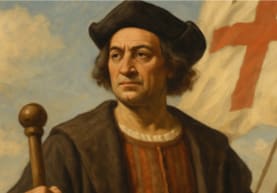
Christopher Columbus – assessment task
This assessment task provides clues to help pupils use their subject knowledge in order to explain why Columbus is still remembered today. The use of two images from the USA…
Read More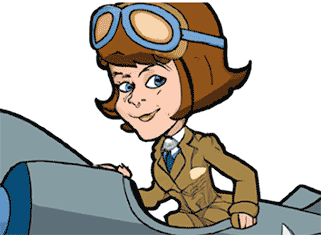
Amelia Earhart end of unit quiz – KS1
You’ve learned all about the amazing Amelia Earhart — the brave pilot who loved to explore the skies and follow her dreams. Now it’s time to see what you remember!…
Read More
Progression in primary history: Top 6 ideas
A lot of you have been tasked with trying to specify what progression looks like in history in your school. Better people than you have tried and failed. Any attempt…
Read More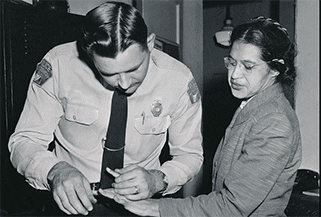
Rosa Parks end of unit quiz – KS1
This quiz will help you remember all the important things we have learned about Rosa Parks. She was a very brave woman who lived in America a long time ago….
Read More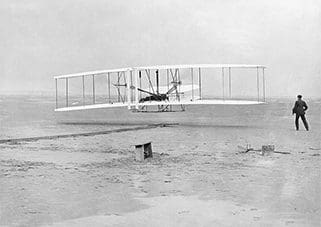
Wright Brothers end of unit quiz – KS1
You have learned all about the Wright brothers, who built the first successful flying machine. They were curious, inventive, and never gave up, even when things went wrong. Their hard…
Read More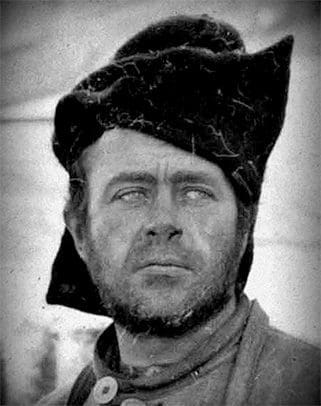
Scott of the Antarctic end of unit quiz – KS1
You have now learned all about the brave explorer Captain Scott and his incredible journey to the coldest place on Earth – Antarctica! He and his team set out to…
Read More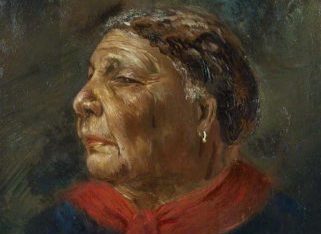
Mary Seacole end of unit quiz – KS1
Let’s see what you remember about Mary Seacole! This quiz will help you review what you’ve learned about her amazing life, from her early years to her brave work during…
Read More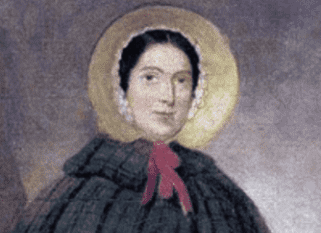
Mary Anning end of unit quiz – KS1
We’ve been learning all about Mary Anning, the amazing fossil hunter who found prehistoric marine reptiles, including ichthyosaurs and plesiosaurs by the seaside. Now it’s time to see what you…
Read More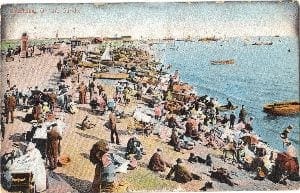
Going to the seaside end of unit quiz – KS1
We’ve had lots of fun learning about the seaside — from what it was like in the past to how people enjoy it today! Now it’s time to see what…
Read More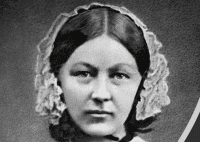
Florence Nightingale end of unit quiz – KS1
You’ve been learning all about Florence Nightingale — a very special nurse who helped lots of people. Now it’s time to see what you can remember! This quiz will ask…
Read More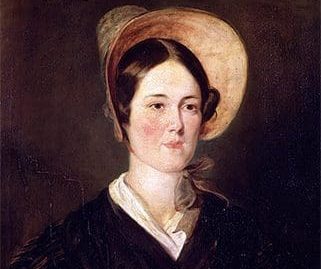
Grace Darling end of unit quiz – KS1
Grace Darling is remembered for doing something very brave a long time ago. She helped others in a time of danger and became a well-known figure in history. In this…
Read More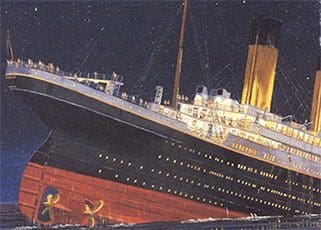
Sinking of the Titanic – end of unit quiz – KS1
This amazing ship set sail over 100 years ago but ended in a terrible disaster. You’ve learned all about it’s journey, passengers, and what went wrong. Now it’s time to…
Read More
Raising the profile of history at KS1
One of the main roles of subject leaders for history is to be a passionate advocate for the subject. The following article offers practical advice as to how to turn…
Read More
Motivating colleagues to teach history
1. Give praise Give praise wherever possible e.g. when you see evidence that your colleagues have: • Inspired pupils • Created high quality displays • Produced thoughtful planning • Taken…
Read More
Progression in chronology – KS1
Start of KS1 Can describe differences between him or herself as a baby and as he or she is now. Sequences images of themselves as baby, toddler and infant. Can…
Read More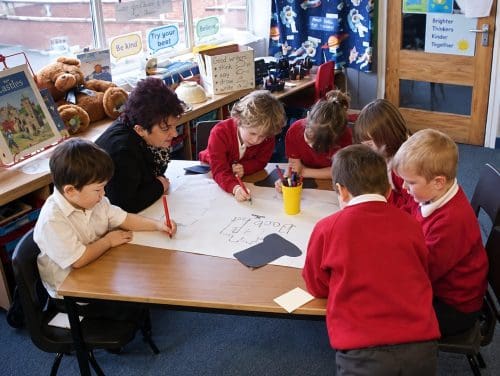
Learning principles applied to history at KS1
Effective history teaching at Key Stage 1 is rooted in sound learning principles that support young children’s development. At this age, pupils thrive when learning is active, meaningful, and connected…
Read More
How well are you intertwining national and global history?
Last year saw the new Labour government abort plans to create a model primary history curriculum which would have offered a clear way of making your history curriculum more inclusive….
Read MoreMind friendly learning. What should you be doing in your classroom?
Mind-friendly learning in history focuses on creating rich, engaging experiences that align with how young children’s brains develop and absorb information. By tapping into natural curiosity, using storytelling, sensory activities,…
Read More
Castles knowledge organiser – KS1
You are learning about castles because they are one of the most fascinating buildings that have been there for hundreds of years. Not only will you learn how castles were…
Read More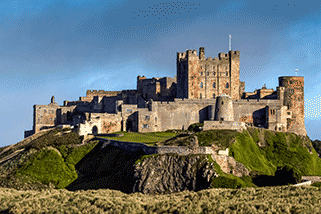
Castles – medium term planner
The main focus of this topic is the exploration of the past beyond living memory through a topic that is sure to spark pupils’ interest and curiosity. There are plenty…
Read More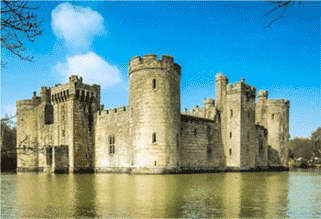
Castles – KQ1 – What makes a castle a castle?
Having elicited pupils’ initial knowledge of castles from books film and family visits, pupils are asked to explore a number of images in order to work out what makes a…
Read More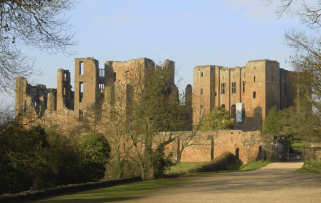
Castles – KQ2 – Why did people build castles in the past?
This session is straightforward in that pupils are introduced via a short video to a variety of reasons which not all pupils will fully grasp on first showing. To reinforce…
Read More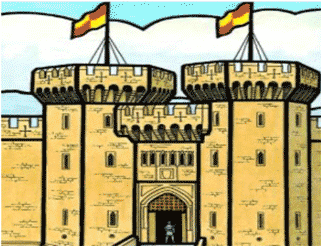
Castles – KQ3 – What made castles so strong?
Rather than going through all the different methods used chronologically, this really fun session focuses on one year and casts the pupils as advisers to a castle builder who wants…
Read More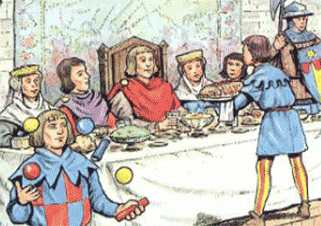
Castles – KQ4 – What were medieval castles like to live in and how can we possibly know when so many are now ruins?
This five-part lesson starts with pupils in role as workers for company charged with recreating what a medieval castle would have been like in peace. They watch a short video…
Read More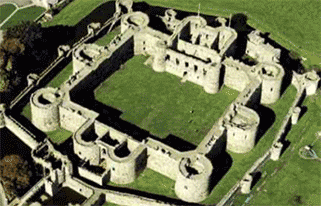
Castles – KQ5 – How did castles change over time?
This lesson starts with encouraging pupils to spot differences between 3 castles to give them confidence before working in groups of 4, pupils are given 5 undated images of castles…
Read More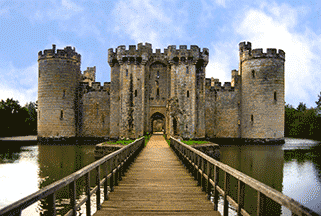
Castles – KQ6 – How are castles used today?
Pupils have to deduce from a range of visual clues of castles they will see around them, the uses to which castles are put today and then to consider, using…
Read More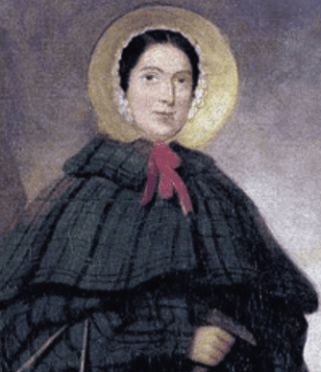
Mary Anning – assessment task
Focus: Significance This simple-to-administer, uncomplicated task uses a contemporary image to stimulate pupils to think about Mary Anning’s long-term significance. The accompanying markscheme can be used to align pupils’ responses…
Read More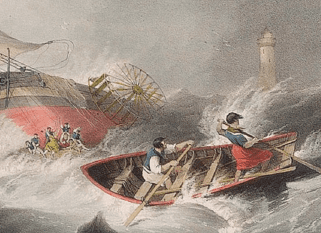
Grace Darling – assessment task
Focus: Interpretations Y1 Pupils compare contrasting images of Graces’ rescue and try to explain how and why they are different. Assessment task Subscribers only: You must be logged in to view…
Read More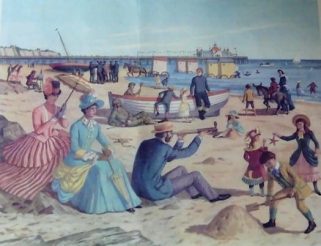
Seaside – assessment task
Focus: similarity and difference and change Assessing Year 1 children’s understanding of how different going for a swim in the sea was 100 years ago. Assessment task Subscribers only: You must…
Read More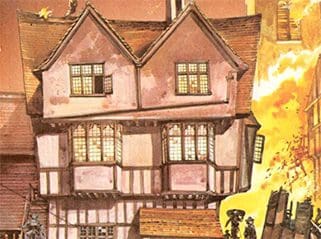
Great Fire – assessment task
Focus: Causation Using one large colour image as a stimulus pupils have to draw on their detailed understanding of the causes of the Great Fire to explain why it spread…
Read More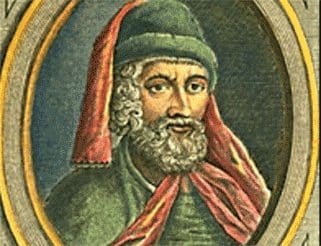
Caxton and Bell – assessment task
Focus: characteristic features of period & using sources Y2 Using just one image which contains lots of clues, pupils have to explain how they know this is an image of…
Read More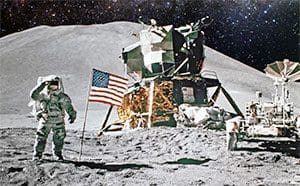
Moon landing – assessment task
Focus : Using sources Pupils have to identify key features from a visual source to answer a question regarding the first moon landing. Assessment task Subscribers only: You must be logged…
Read More
Rosa Parks knowledge organiser – KS1
Rosa Parks was an important black woman who wasn’t afraid to stand up for herself when she was treated unfairly. Her willingness to be arrested for not giving up her…
Read More
Mary Anning knowledge organiser – KS1
You are learning about Mary Anning because she became very famous at a very young age. She was an expert fossil hunter. At a time when most scientists studying fossils…
Read MoreWritten by Neil Thompson

All content on Keystage history is written and quality assured by Neil Thompson, a former history teacher, county history adviser and Ofsted inspector with more than 30 years’ experience in history education.