
Teaching Britain 1500-1750
Outstanding KS3 history lessons and shorter Smart Tasks: Britain 1500-1750
When teaching this crucial period of British history, you will want to focus on the Reformation, the mid-17th century Civil Wars, the execution of Charles I and the aftermath. This 1500-1750 topic offers a great opportunity to look backwards to change from medieval times and forwards towards the current British parliamentary system.
It used to be taken as read that pupils will come from Key Stage 2 with a reasonably secure knowledge of the characters of Henry VIII and Elizabeth but this is no longer the case so the balance between 16 & 17 centuries needs to be restored. Always find space for a details study of Cromwell.
A statue of Cromwell stands proudly outside parliament because the Irish nationalist MPs at the turn of the 19th century refused to have it inside. In fact the PM Rosebery ended up having to pay for it himself to circumvent the Commons , so controversial was Cromwell even 350 years later!
You won’t want to miss the outstanding lesson on the execution of Charles 1 one of those lessons most frequently graded as outstanding and known as the lesson that never fails!
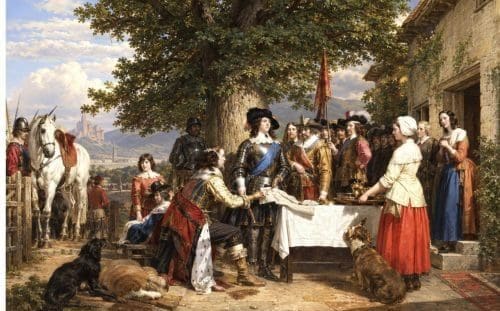
Teaching KS3 History: Early Modern History
The following Key Stage 3 history lessons for teaching Early Modern History 1500 -1750 have all been judged to be outstanding according to OFSTED criteria. You will find a wide…
Read More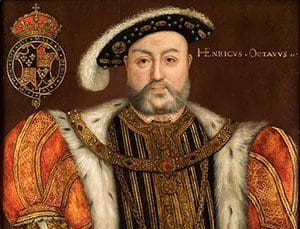
Life in Tudor Times – KQ1 part 2 – Great starter on interpretations of Henry VIII
Working closely with academic authors, in this case Catherine Fletcher, always gives a fascinating insight into what historians want to write and publishers want to sell. This is fertile ground…
Read More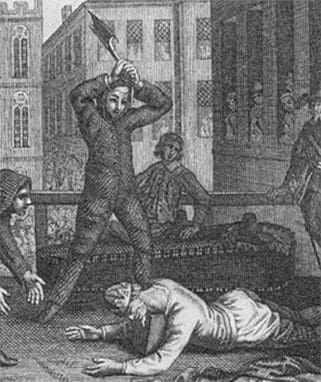
The execution of Charles I – advising a film director: a study in source analysis and evaluation
This lesson uses a set of 4 contemporary images and a secondary narrative account to examine how the author seems to have used some sources and rejected others. By trying…
Read More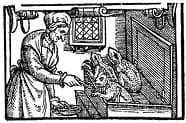
So you think your pupils know about Witchcraft in early modern Britain.
1. Were witches burned in English-speaking countries? A. No, they were hanged not burned, because witchcraft was a felony. This was also true in North America. 2. Were millions of…
Read More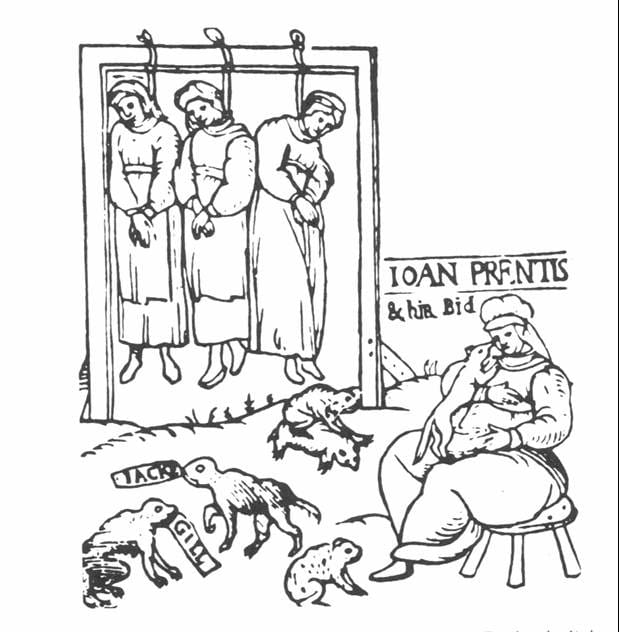
Why were so many witches hanged in the 16th and 17th centuries?
Can we beat the textbook explanation? The inspiration for this lesson came from the talented history department at Court Moor school and in particular the outstanding history subject leader Claire…
Read More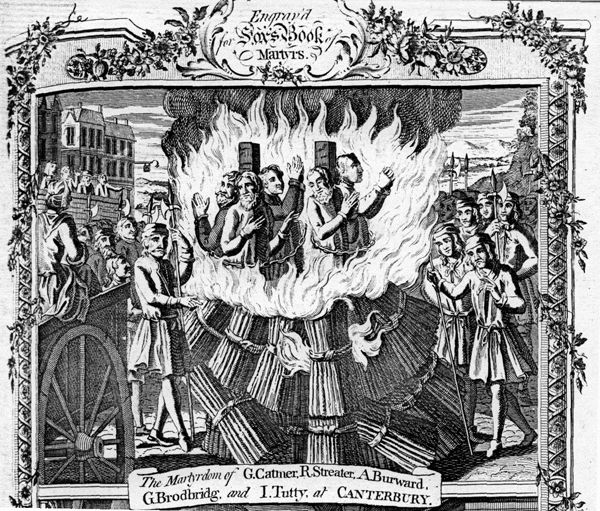
How ‘Bloody’ was Mary Tudor?
At the heart of the lesson is a courtroom trial. Pupils have to acquit Mary Tudor of the charge of being ‘Bloody’. They look together at the reasons why she…
Read More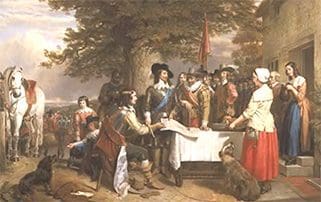
Why did sons kill fathers in the English Civil War? The Verneys enquiry
Pupils in this Year 8 class had already looked at background causes of the English Civil War and had a clear grasp of the narrative of events 1625-42. They had…
Read More
Religious change in 16th century: did they do what they were told?
Historians have often treated the Reformation as if it was one big event. All Henry VIII did was throw a switch in 1529 and then gradually everyone changed religion until…
Read More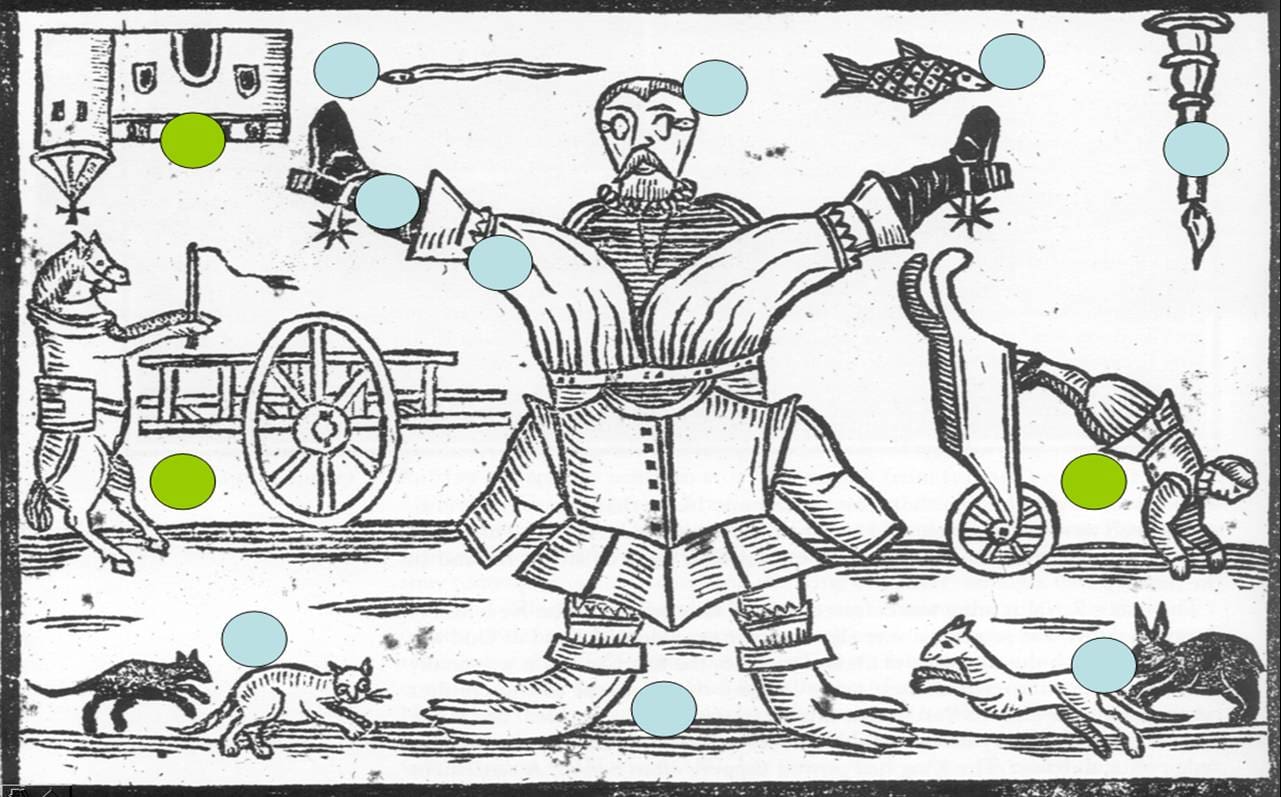
Parchment in the flames – the World Turned Upside Down
This lesson uses a familiar post-Civil War source in an unusually intelligent way to give Y8 pupils a good understanding of the need to interpret sources in their historical context. …
Read More
Did the Great Fire really end the Great Plague of 1665?
In this one-lesson enquiry pupils look carefully at statistics and maps in order to challenge received opinion. To do so they must raise as well as answer questions and need…
Read More
English Civil War enquiry: was the last year of the war more about sieges than pitched battles?
This enquiry lesson asks students to use a dataset about the last year’s fighting in the English Civil War to come to a conclusion as to whether it was a…
Read More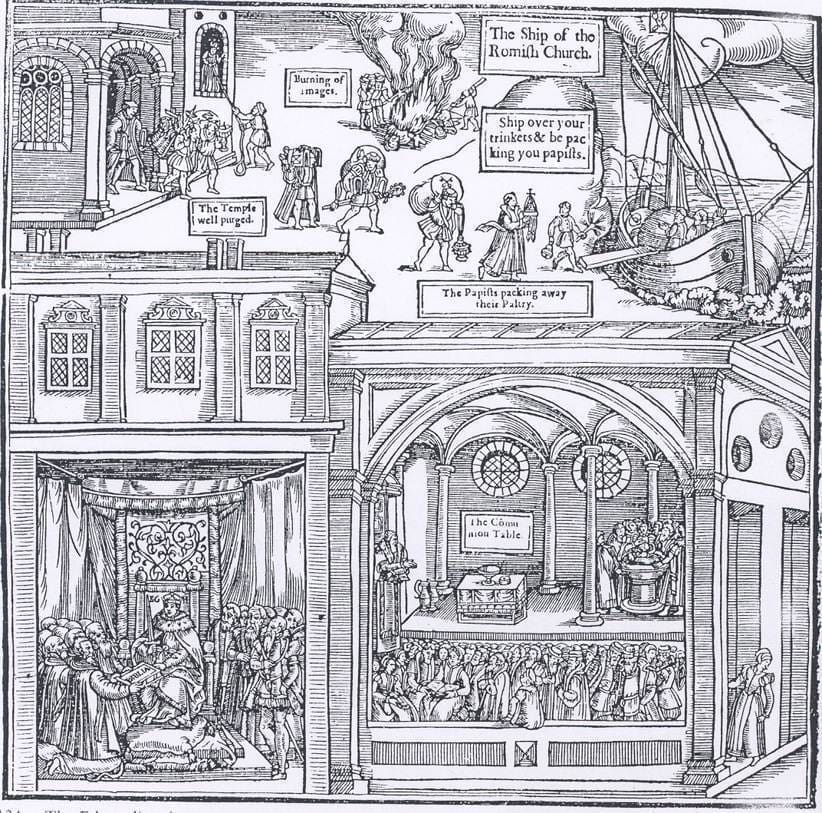
Starter activity on religious changes in the reign of Edward VI. SMART TASK KS3
A quick small group starter task in which pupils collaborate to show what meaning they can make from an image taken from Foxe’s Book of Martyrs. They use the PowerPoint…
Read More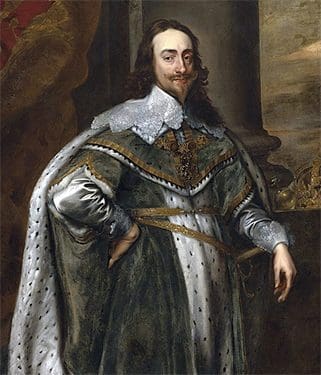
Having lost his parliament, then his throne, why did Charles I have to lose his head?
This diamond-9 prioritising causes activity concludes pupils’ investigation of the reasons for the trial and execution of Charles I. Pupils are presented with 9 ideas which they have to rank…
Read More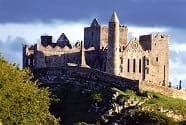
Cromwell a reputation deserved. KS3 Smart Task
This short task focuses on an entry from a website used by lots of people today, mainly in Ireland, to find out about Cromwell’s time there. Pupils are asked to…
Read More
Early Modern Britain 1500-1750 Smart Task: Editor’s Pencil
A quick overview activity in which pupils have to spot and correct 20 deliberate mistakes. Pupils are given an activity with a summary of the changes that took place in Britain…
Read More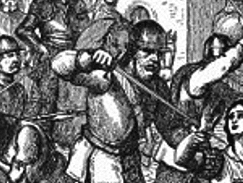
Were Cromwell’s actions at Drogheda as brutal as we’ve been led to believe? Ketchup on the walls. SMART TASK KS3
This Y8 courtroom drama blends a study of a couple of original sources, one in facsimile form, with evidence from the most recent historical interpretations. All pupils appear as unique…
Read MoreWritten by Neil Thompson
All content on Keystage history is written and quality assured by Neil Thompson, a former history teacher, county history adviser and Ofsted inspector with more than 30 years’ experience in history education.