
Keystage history
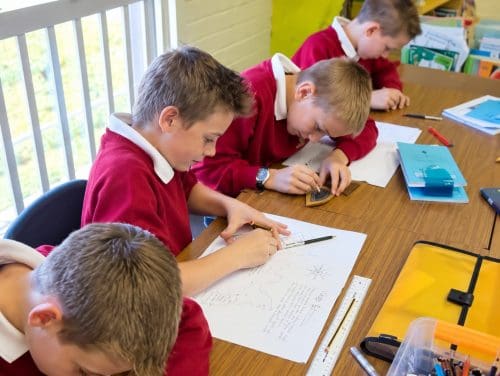
Creativity in History at Key Stages 1 and 2
This best place to start with developing your thinking on creativity in history is to think in terms of: Teaching approaches Learning activities Learning outcomes Learning environment Just a few…
Read More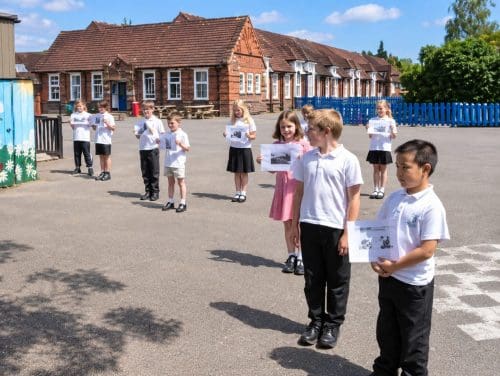
What do we mean by thinking skills in history at Key Stage 2?
Why we need thinking skills Historical narrative, explanation, role-play, TV programmes etc can give children the information, or they can find it out for themselves, but how do they understand…
Read More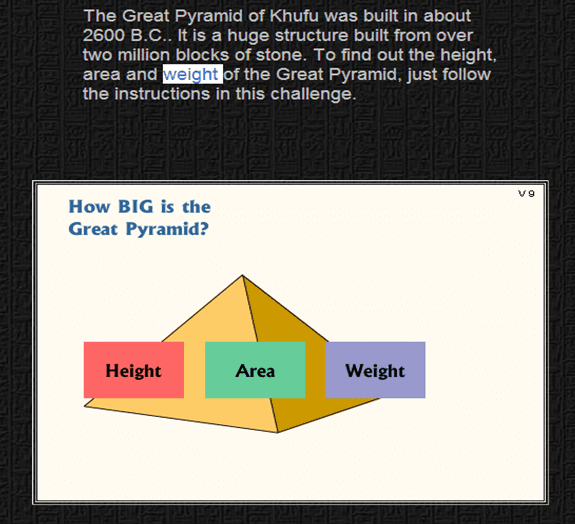
Numeracy and history at Key Stage 2
History is full of opportunities to enhance pupils’ grasp of numeracy. We don’t have to contrive examples. We do, however, need to appreciate what different historical contexts can offer and…
Read More
Opportunities for Citizenship Education in Key Stage 2 History
This section covers two main aspects: the ways of thinking that support citizenship education and the knowledge of past situations which helps children make sense of the present. People talk…
Read More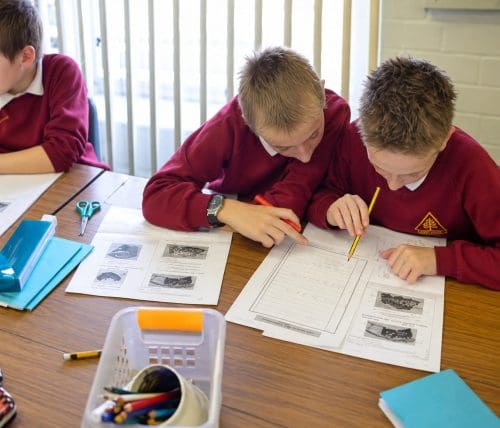
Designing your curriculum for history at Key Stage 2
With the current National Curriculum for history, schools have had to make some major changes to the structure as well as content of their curriculum. Now, you not only need…
Read MoreRationale for how you teach your KS2 curriculum history
When planning your history, it is really important that you spend some time establishing a strong rationale for your choice and sequencing of history topics. This is increasingly being looked…
Read More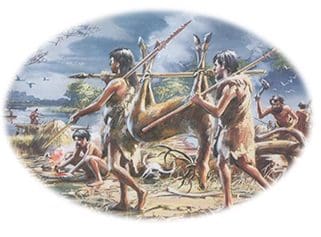
How well do you and your KS2 pupils know the Stone Age to Iron Age topic?
A brief set of diagnostic questions to set your Y3 pupils towards the end of the Stone Age to Iron Age topic to check on their understanding of the key…
Read More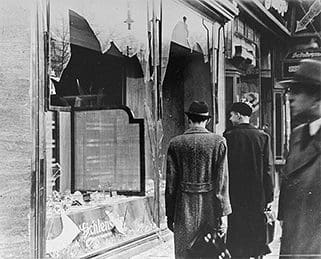
Holocaust teaching and need for training for history teachers

Holocaust teaching at KS3: what we should be doing! In addition to advising that history teachers and colleagues in other disciplines ought to be incentivised to take up Holocaust Education…
Read More
History for pupils with EAL in Key Stages 1 and 2
Most of you will be well-versed in strategies for helping children with EAL access other subjects in the curriculum and will not need detailed guidance on general issues. To help…
Read More
S.E.N. in history at Key Stage 1 and 2
By inclusion we mean three things here: setting suitable learning challenges, responding to pupils’ diverse needs, and overcoming potential barriers to learning and assessment for individuals and groups. Below are…
Read More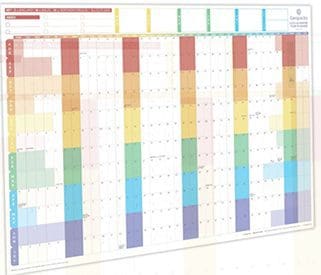
Forward planning in history at Key Stage 1 and 2
It goes without saying that a history improvement plan must reflect the whole school approach. There is no need for it to be different. Usually the following structure is used…
Read More
Prioritising your work as history subject leader at Key Stage 1
When you are new to the role, your first priority must always be to establish the health of the subject before you start on any grand improvement schemes. This may…
Read More
Developing your staff
Nearly all teachers enjoy teaching history and will want to improve the quality of their own teaching so that children can make better progress. However, the demanding task of improving…
Read More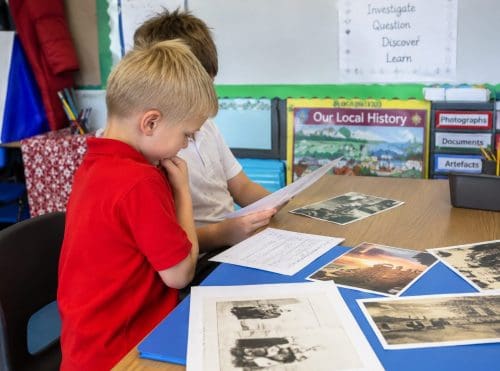
Monitoring in history at Key Stage 1
Almost every subject leader I know feels that they ought to be doing more monitoring, as if ordered to ‘Go forth and monitor!’ Because time is so scarce for this…
Read More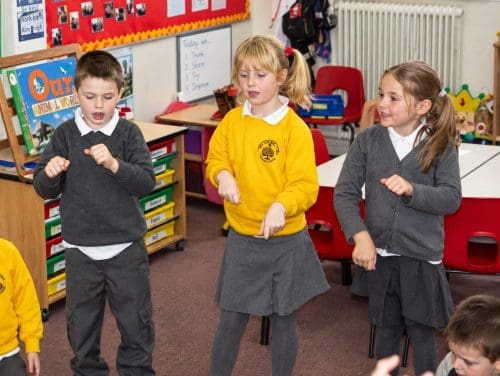
General advice regarding progression in history at Key Stage 1
This section outlines the key indicators of progression. The other section looks at each strand in detail. We all need to understand what constitutes progression in history, but much more importantly…
Read More
Long term planning for history at Key Stage 1
Superficially, Key Stage1 seems the least complex history curriculum to plan because the burden of content to be covered seems manageable. Scratch beneath the short section that describes the demands…
Read More
History Teaching Smart Tasks for Key Stage 1
This section of the site look at smart tasks: short enquiry-led thinking skills activities. Unlike the outstanding lessons section, they do not attempt to offer a lesson plan but do…
Read More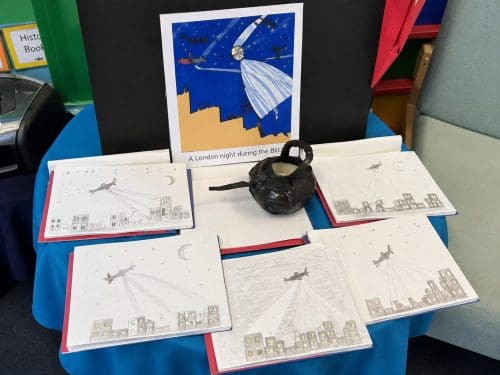
Teaching interpretations in history at KS1
For many teachers of infants, interpretations is the hardest of all the ideas to get across. It is an abstract idea that can easily confuse, rather than clarify, if we…
Read More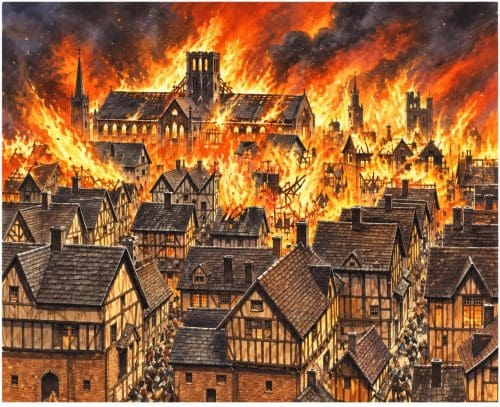
Enquiry in history at KS1
History is full of rich and interesting stories, and pupils love to hear them. Indeed, a good story well-told is an important teaching ploy with infants. But we want even…
Read More
Teaching Pre-1066 thematic topic
What shall we do with Area 6 pre-1066 thematic unit? Here are some questions to ask yourself. Do you look at a topic that is not only engaging but one…
Read MorePrimary History: Teaching From Stone Age to Iron Age
Although not widely taught before it was introduced into the Ks2 curriculum for 2014, this new area of study has the potential to be one of the most exciting to…
Read More
Stop using ‘can-do’ statements to assess KS3 history
It has always concerned me that context-free can-do statements have NO PLACE in HISTORY TEACHING. How can we possibly consider explanations for why the Great Fire started as being on…
Read More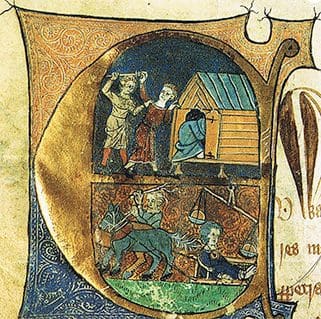
Were medieval crimes and punishments as brutal as people think? Two smart tasks
First students work collaboratively to distil from 16 pieces of evidence provided, the ones they think give them the most significant information they need to work into a 6 sentence…
Read More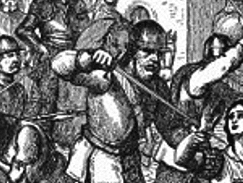
Were Cromwell’s actions at Drogheda as brutal as we’ve been led to believe? Ketchup on the walls. SMART TASK KS3
This Y8 courtroom drama blends a study of a couple of original sources, one in facsimile form, with evidence from the most recent historical interpretations. All pupils appear as unique…
Read More
Ways of ensuring that students think harder in A-level history lessons.
Download the 20 different practical strategies brought together in one document to make sure that students make the most of the lessons and the time between them. You will, I’m…
Read More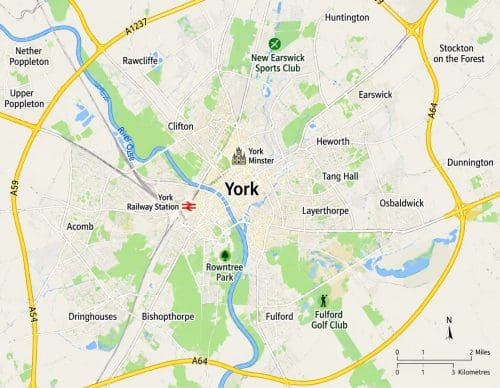
Vikings – KQ5 – What can we learn about Viking settlement from a study of place-name endings?
Viking place name evidence A very active session in which pupils apply their knowledge of Viking place name endings to look for settlement patterns, using maps of Lincolnshire and the…
Read More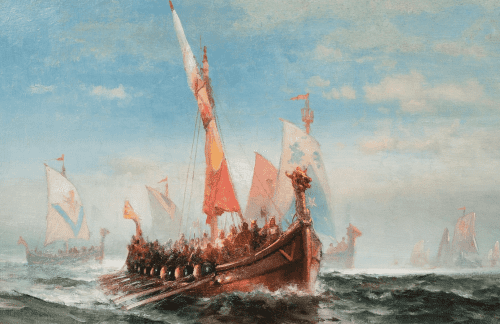
Vikings – KQ6 – Raiders or settlers: how should we remember the Vikings?
Differing views of the Vikings Fun concluding lesson in which pupils produce a balanced, illustrated Zig-Zag book to please a Scandinavian publisher, having looked at differing views of the Vikings….
Read More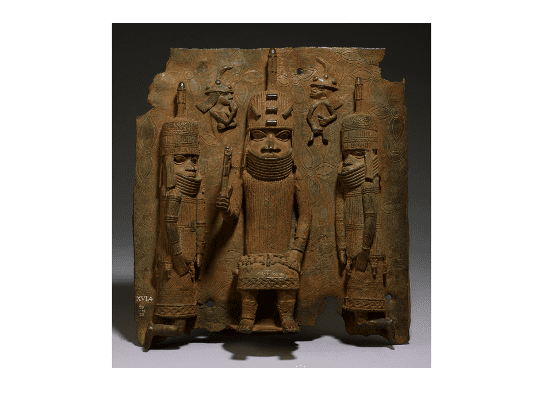
Primary History: Teaching Benin
When teaching this unit, you are advised to use the medium-term planner in the planning section which links the learning strategies directly to specific well-chosen objectives which are pitched at the…
Read More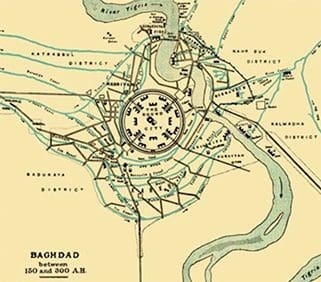
Primary History: Teaching Early Islam/Baghdad c.900
All the lessons featured below flow from the detailed medium-term planner. Each has been chosen to help pupils not only to learn about this magnificent society in its Golden Age…
Read More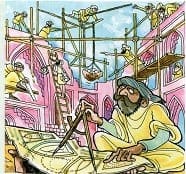
Early Islamic civilization – KQ6 – Which of the early Islamic achievements has most effect on our lives today?
Key Question 6 consists of 2 Smart Tasks. Following a brief overview of the impact of early Islamic achievements on our world today, pupils work on two discrete tasks. Firstly…
Read More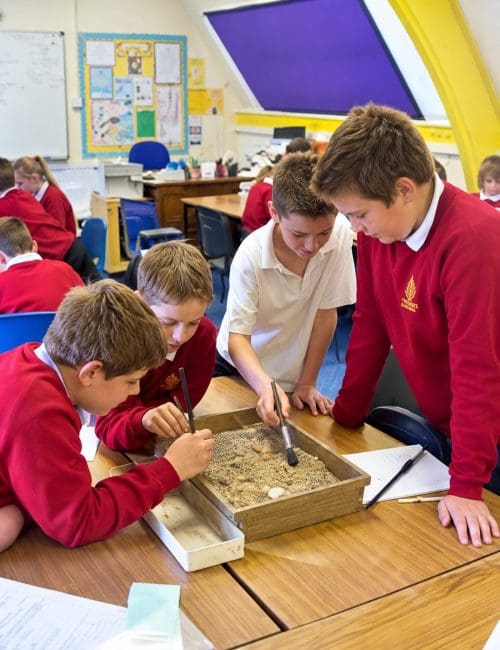
History Teaching Smart Tasks for Key Stage 2
This section of the site look at smart tasks: short enquiry-led thinking skills activities. Unlike the outstanding lessons section, they do not attempt to offer a lesson plan but do…
Read More
Teaching KS3 History: Local Study
The current history curriculum makes it mandatory to include a local history study in your KS3 history curriculum. For example: a depth study linked to one of the British areas…
Read MoreTeaching Thematic from pre-1066
Area 6 of the National Curriculum for history requires that you include the study of an aspect or theme in British history that consolidates and extends pupils’ chronological knowledge from…
Read More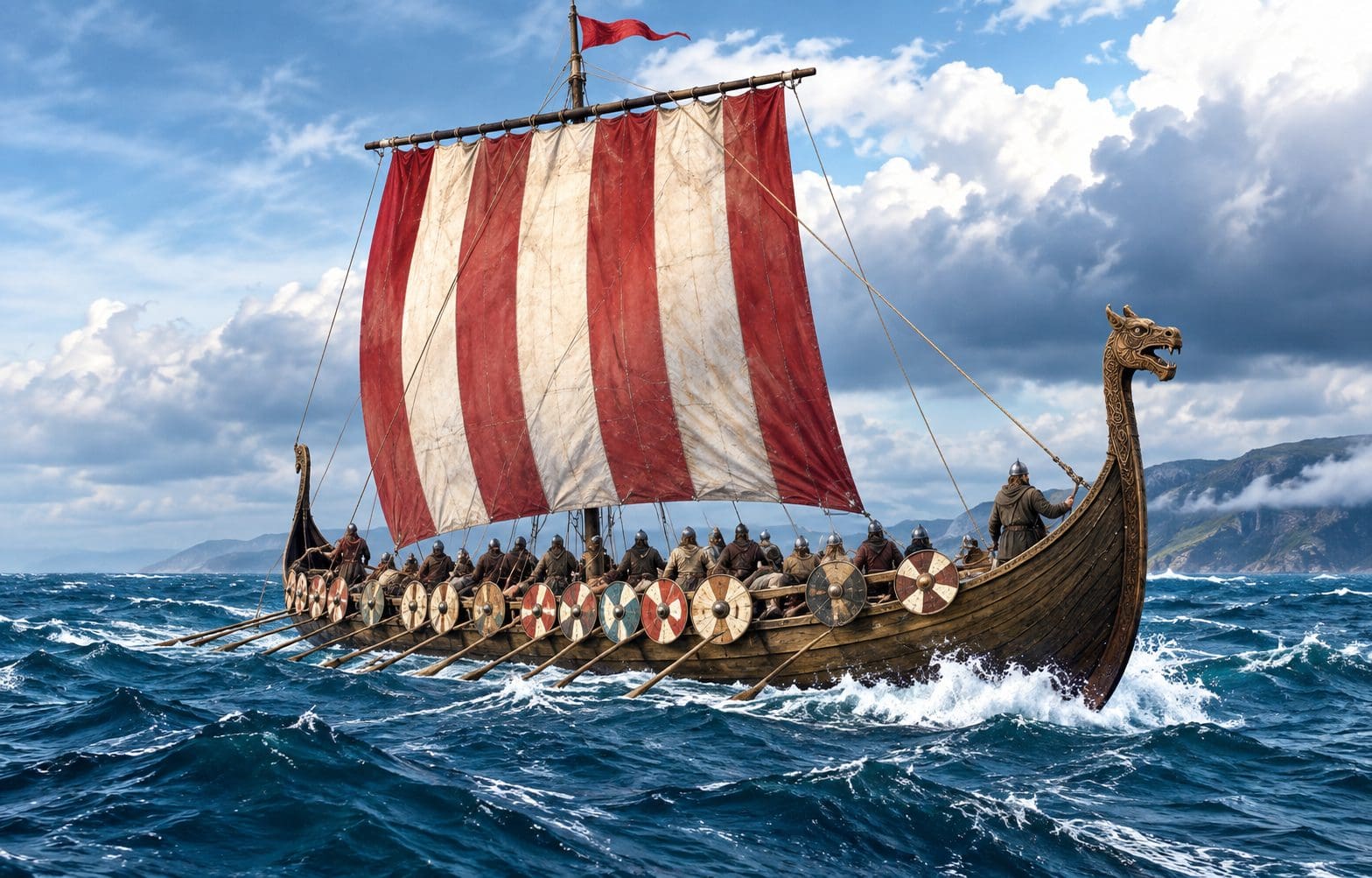
KS2 Quick Quiz on the Vikings
This exit task is a quick way of working out whether the key messages of your teaching about the Vikings have been understood and is best done towards the end…
Read More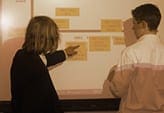
What to look for in your excellent history lessons: Your starter for 12
This is not meant to be painting by numbers. You will see from the detail of the many outstanding lessons featured on this site that there are many and varied…
Read More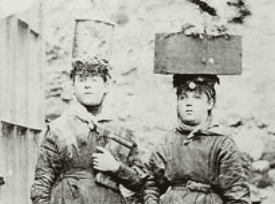
Puzzle Corner 2: Analysing Victorian photographs: the puzzle of the Tredegar patch girls.
Beguilingly simple, but actually quite thought-provoking, this short smart task teaches pupils not to take things at face value – a key skill if they are to progress in history. …
Read More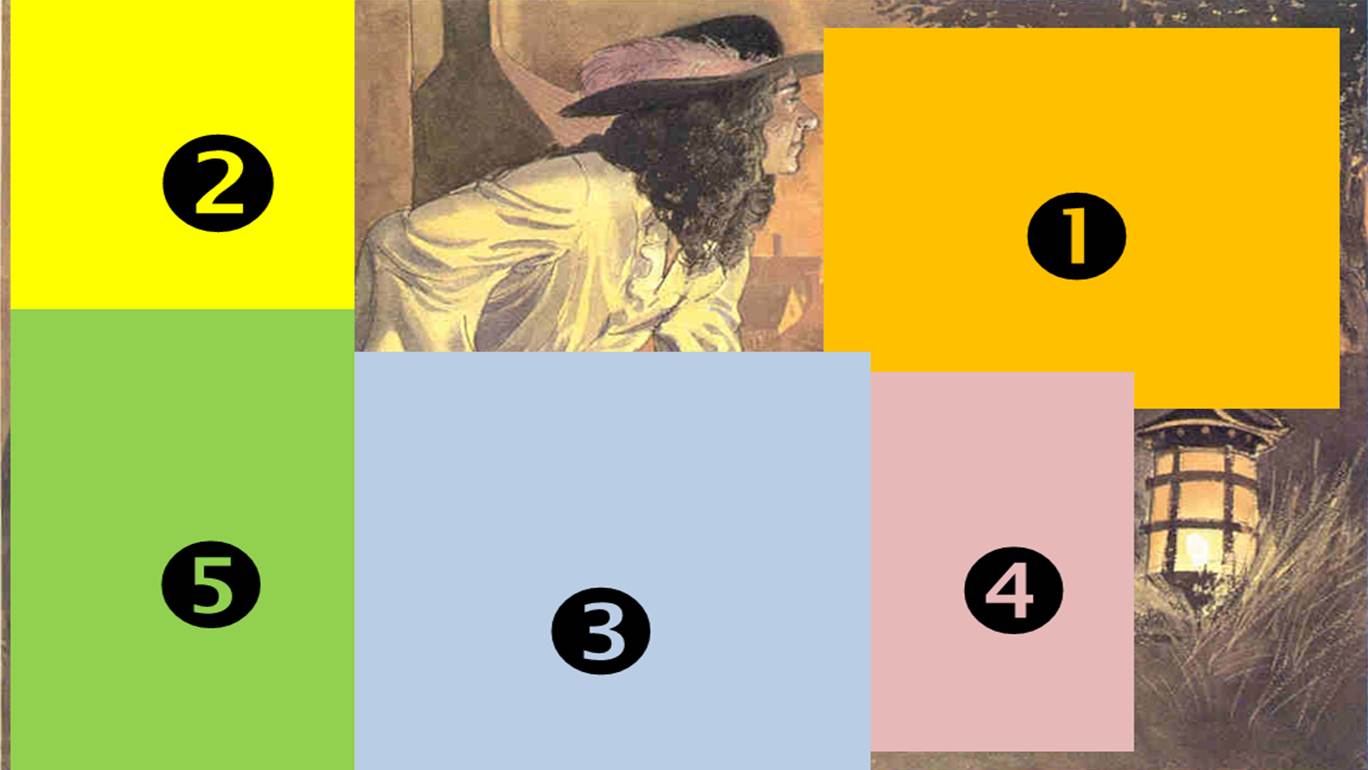
Great Fire Smart Task – What’s going on in our mystery picture?
This simple starter activity uses a large, coloured, artist’s reconstruction of Pepys burying his possessions when he knows it is time to finally flee his home. Children will be familiar…
Read More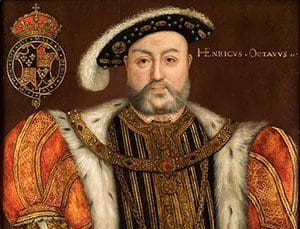
History and literacy – Making sense of a letter from Henry VIII to Anne Boleyn
Pupils are given a copy of a letter from Henry to Anne Boleyn. It appears, at first glance to be impossibly hard to read – so many old-fashioned words, such…
Read More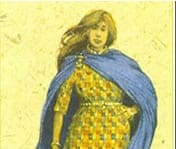
Assessment of interpretations of Boudicca
Below is an account of an assessment task on Boudicca , with downloadable resources, just one of many assessed tasks on the site. You will find at least one for…
Read More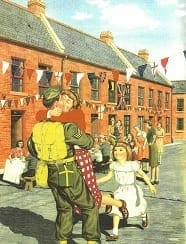
Teaching Life in Britain 1930-1945 at Key Stage 2
Inexplicably axed by Michael Gove from the curriculum, my advice is to carry on teaching this highly successful unit focusing on the Home Front. You can shave time from other…
Read More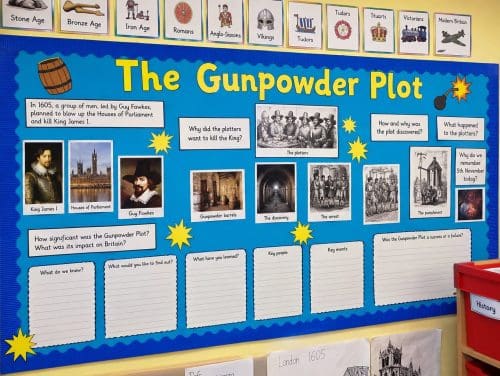
Are you teaching your KS1 the truth about Guy Fawkes?
In many schools I hear teachers tell the same story about Guido Fawkes. Guy Fawkes was angry at the King and the government for the way it treated Catholics. He…
Read More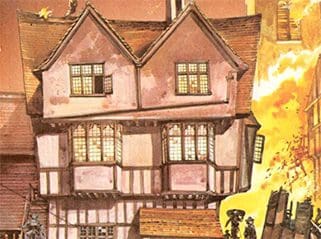
Excellent resource on Great Fire of London for KS1
The Museum of London has a wonderful selection of teaching resources on its website including an interactive story and perhaps best of all a Minecraft version of 1666’s tragic tale. Find all of…
Read MoreNumeracy in history at Key Stage 3
History’s contribution to numeracy needs to be really carefully thought out or we could waste an awful lot of valuable teaching time. My heart always used to sink when I…
Read MoreLaunch of new website www.keystagehistory.co.uk
Hi, Just a short note to say that a new website is being launched this week for teachers of history at KS3 and 4. I have authored hundreds of pages…
Read MoreWritten by Neil Thompson

All content on Keystage history is written and quality assured by Neil Thompson, a former history teacher, county history adviser and Ofsted inspector with more than 30 years’ experience in history education.