
Teaching GCSE History: Crime and Punishment
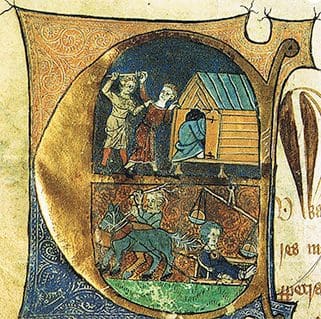 It is pleasing to see that this topic has been included as a thematic study in the GCSE course by some exam boards, at least. The outstanding lessons here mostly relate to the old SHP courses but will be up-dated to include more recent studies. Not only are local sources put to good effect, there is also a wide range of imaginative approaches reflecting different learning styles. So if you want to test hypotheses about transportation, have a fun kinaesthetic lesson on highwaymen or an Ian Dawson-inspired overview then you’ll find plenty to stimulate your interest.
Outstanding Lessons
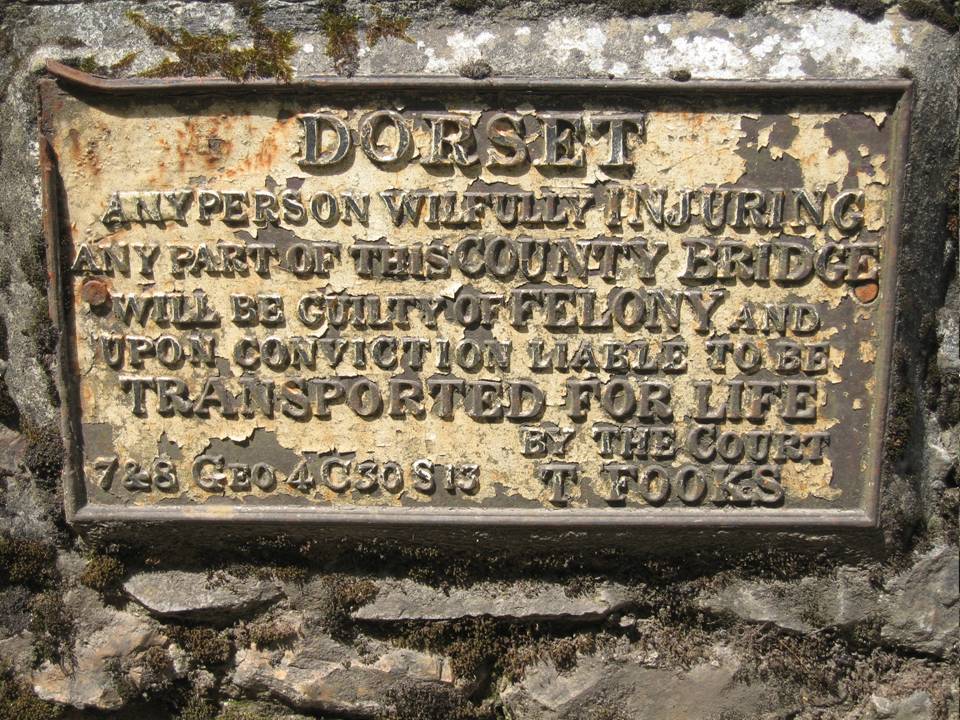
Transportation; what questions can we raise and answer from the statistics?
This is the first of two lessons on transportation and owes its genesis to an idea from Richard McFahn when an Advanced Skills Teacher for history in Hampshire. It starts…
Read More
Teaching GCSE thematically: 10 approaches that really work
Now that all schools have to teach a thematic study I thought I’d share my experience of observing hundreds of GCSE SHP lessons over almost 20 years. I have distilled…
Read More
Teaching Crime and Punishment
I am sure you all know of the excellent websites out there to help you, but I would particularly recommend the Durham University Library, The British Library, and the National Archives . The Learning…
Read More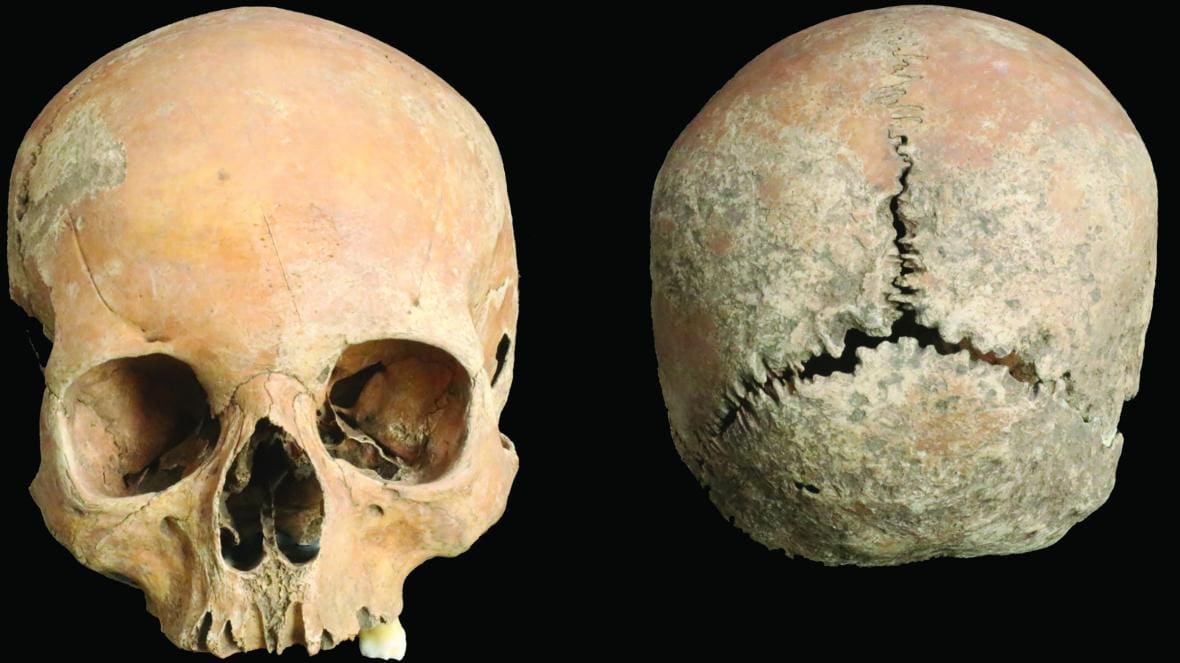
New evidence of Anglo-Saxon mutilations as punishment
Ninth-century England was a bad place to be a criminal, new findings suggest. The skull of an Anglo-Saxon teenager discovered in Hampshire shows that she had her nose and upper…
Read More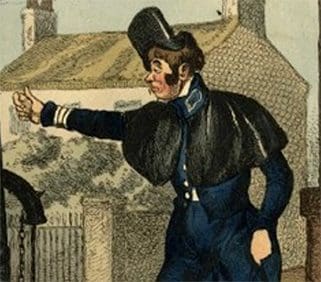
GCSE SHP Crime and Punishment: The Metropolitan police force in 1830: SMART TASK
This quick starter uses the slow reveal technique which encourages students to explore parts of a cartoon in a particular sequence, before revealing the whole. Using the animated PowerPoint presentation…
Read More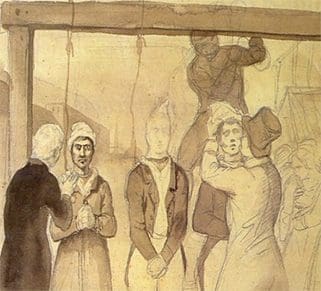
If the Bloody Code made so many offences punishable by death, why were so few criminals hanged? SMART TASK
Fun lesson in which small groups have to predict punishments meted out for specific crimes in 1786 using original documents and then see if they were correct. They then try…
Read MoreWhy was the Metropolitan Police Force set up in 1829? Smart Tasks
This activity forms the central spine of a lesson on the reasons for setting up the Metropolitan Police Force in 1829. Students work in pairs to come up with a…
Read More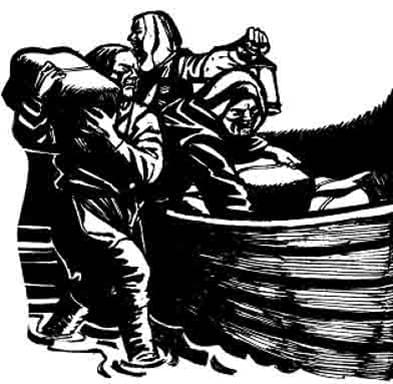
Crime and Punishment starter: Smuggling – SMART TASK
This simple smart task uses the rather unusual source of a famous Kipling poem to ascertain what students already know about smuggling and what they need to know. The lesson…
Read More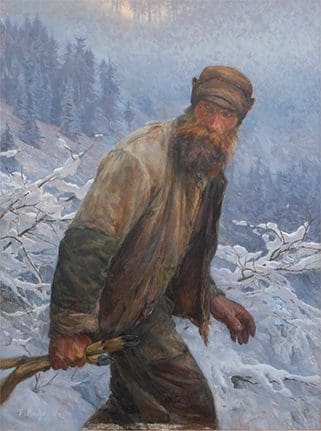
Poaching: Need or Greed? A 3 minute starter SMART TASK KS4
Throughout history, people have had different views of poachers. Were they: a. Starving labourers, snaring game to keep body and soul together, OR b. Members of gangs targeting places such…
Read More
GCSE SHP Crime and Punishment: How and why did Victorian prisons change in the first half of Victoria’s reign
Introduction The Chief Examiner’s report for OCR made the following point: “A number of reports have identified 19C prison reform as an area of difficulty, because : a. there was…
Read More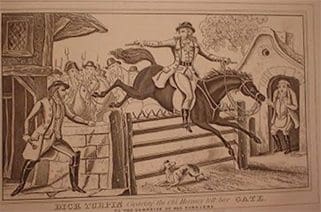
Would you have liked to have been a highwayman? Why would you have stopped?
In this lesson students have to persuade others to become a highwayman and then have to work out why they would have stopped. It is highly active, involving students in…
Read MorePosting punishments in periods: an active approach to creating overviews in crime and punishment
This lesson draws on, and extends, an idea developed by Ian Dawson at Trinity and All Saints College. Students work in groups to post punishment cards in the right period,…
Read MoreHow effective was the Metropolitan police force and how would we find out?
This enquiry-led activity focuses on students considering the possible evidence base, as well as knowing how to evaluate existing evidence intelligently. It starts with a humorous cartoon which is slowly-revealed…
Read More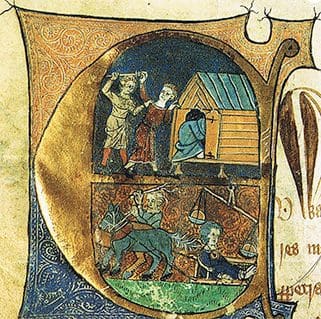
Were medieval crimes and punishments as brutal as people think? Two smart tasks
First students work collaboratively to distil from 16 pieces of evidence provided, the ones they think give them the most significant information they need to work into a 6 sentence…
Read MoreWritten by Neil Thompson

All content on Keystage history is written and quality assured by Neil Thompson, a former history teacher, county history adviser and Ofsted inspector with more than 30 years’ experience in history education.