
Free KS4 History lessons and resources
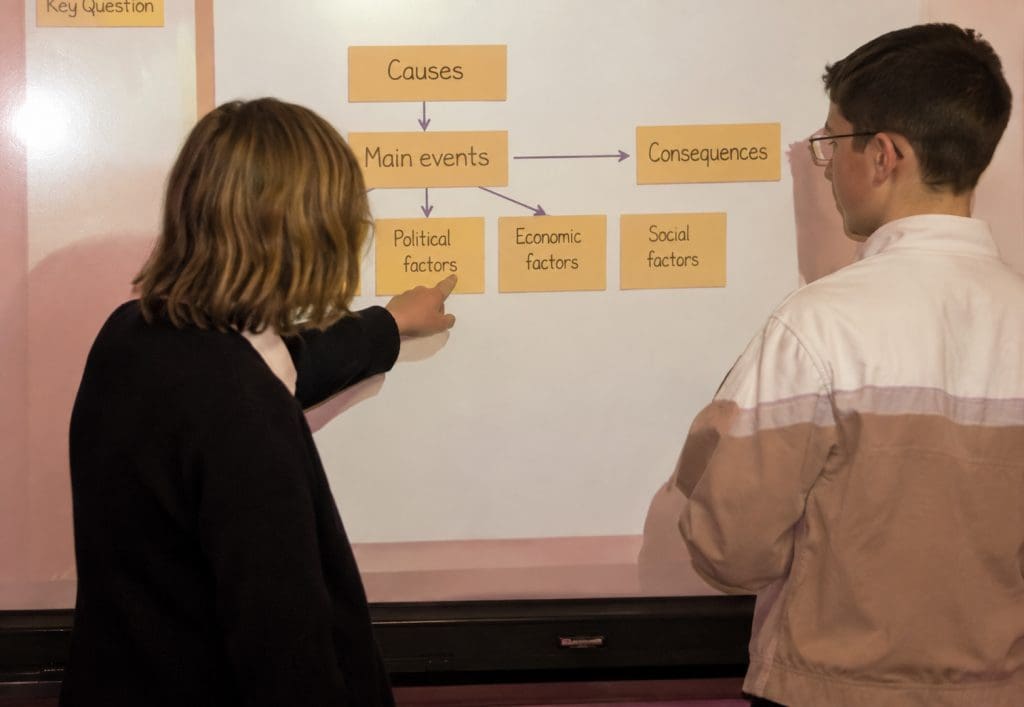 Explore our free KS4 and GCSE history resources and discover the practical, enquiry-led approach that makes Key Stage History different. These free samples give teachers access to a selection of tried-and-tested GCSE history lessons, Smart Tasks, teaching strategies and expert guidance designed to challenge and engage students in Years 10 and 11.
You’ll find imaginative classroom activities covering popular GCSE history topics including Medicine Through Time, Crime and Punishment, Nazi Germany, the Cold War, the American West and the First World War. The resources demonstrate practical approaches to source analysis, interpretations, causation, significance and historical enquiry, while helping students develop the knowledge and examination skills required at GCSE. Use these free KS4 history resources in your classroom and get a flavour of the much wider collection of GCSE lessons, Smart Tasks and teaching materials available to Key Stage History members.
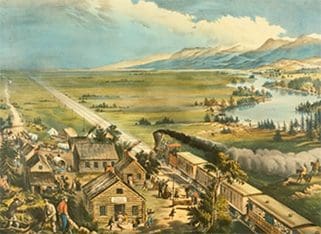
SMART TASK: A history puzzle – Opening up of the Western frontier by the railroads. A history mystery
This history puzzle focuses on a well-known painting, Across the Continent, but one which is actually more puzzling than might at first appear. The task starts simply and then becomes complex….
Read More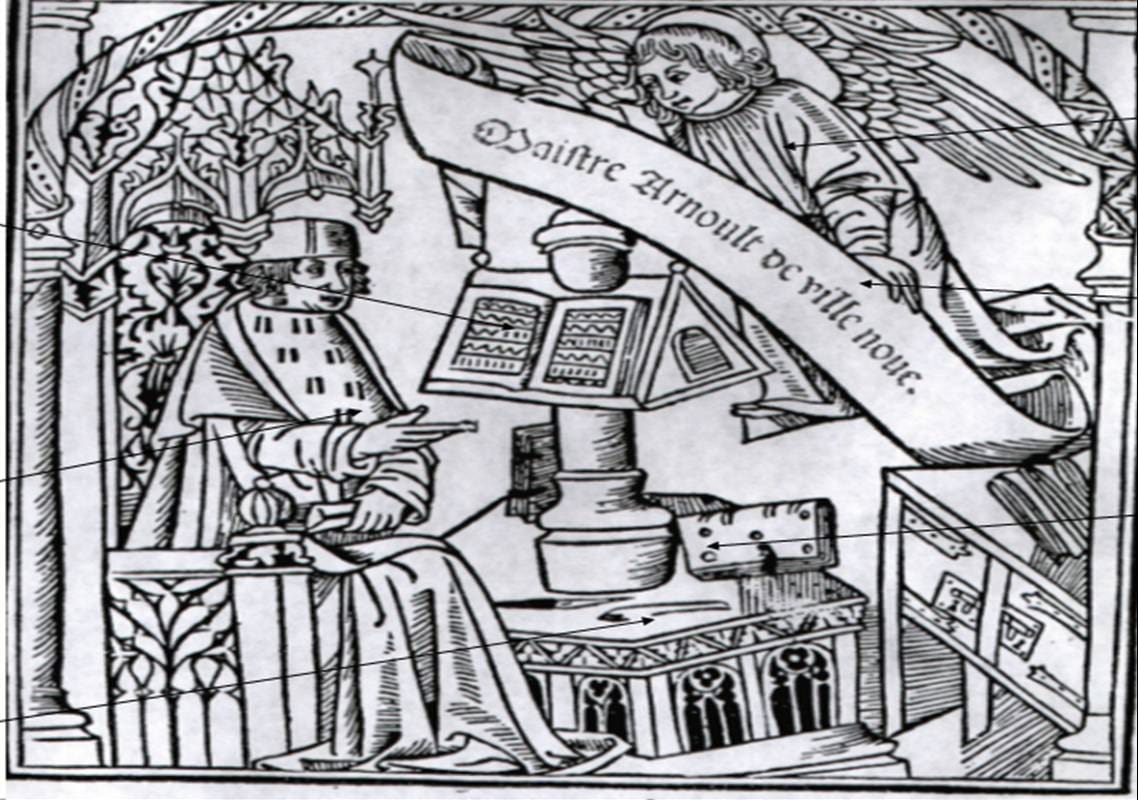
SMART TASK: Medieval medicine. What can we work out from the picture?
A smart task based on an original idea from Lorna Hunter, of Swanmore Technology College. This deceptively simple example of a familiar technique takes students from the known to the…
Read More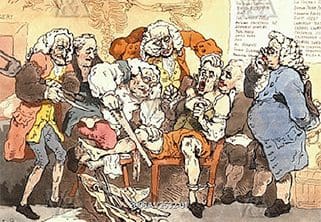
SMART TASK Key Stage 4: GCSE SHP Medicine: 18th century surgery
This quick activity asks students to explore the detail in Rowlandson’s cartoon called ‘Amputation’. They score one mark for each of the 10 labelled examples of relevant detail and 3…
Read More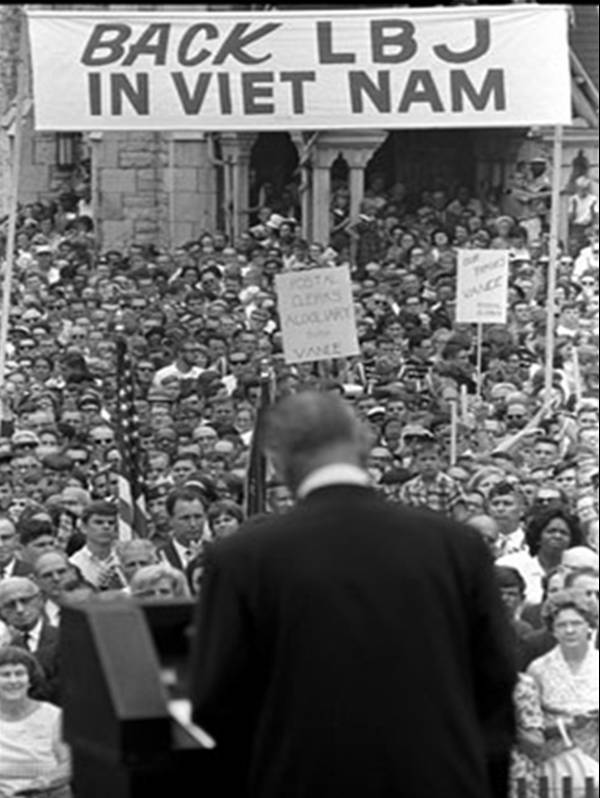
Smart Task: How popular was the Vietnam war? What can we learn from just two photographs?
This simple starter uses just two contrasting photographs, one showing the popularity of Johnson’s policy towards Vietnam, the other opposition to it. How can we explain the difference? Students generate…
Read More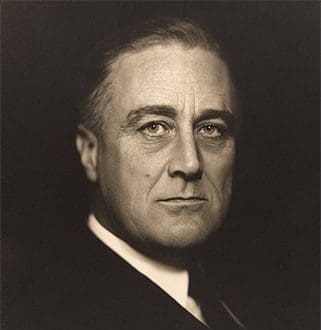
Hoover’s rubbish: Roosevelt moves in
This lesson on a fairly familiar theme approaches GCSE cartoon analysis in a different way. Instead of showing the students the cartoon they are to interpret, they are simply given…
Read More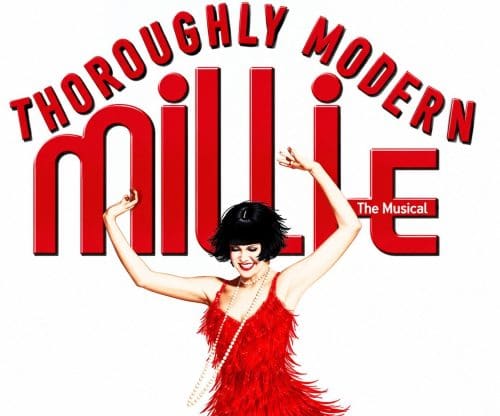
Thoroughly Modern Millie: How do we know this song is about Flappers? A quick musical starter
Students are given the lyrics of a song about flappers (copy provided) and have to find 10 references that prove the connection. The first is done together as a whole…
Read More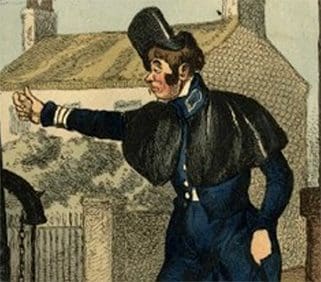
GCSE SHP Crime and Punishment: The Metropolitan police force in 1830: SMART TASK
This quick starter uses the slow reveal technique which encourages students to explore parts of a cartoon in a particular sequence, before revealing the whole. Using the animated PowerPoint presentation…
Read More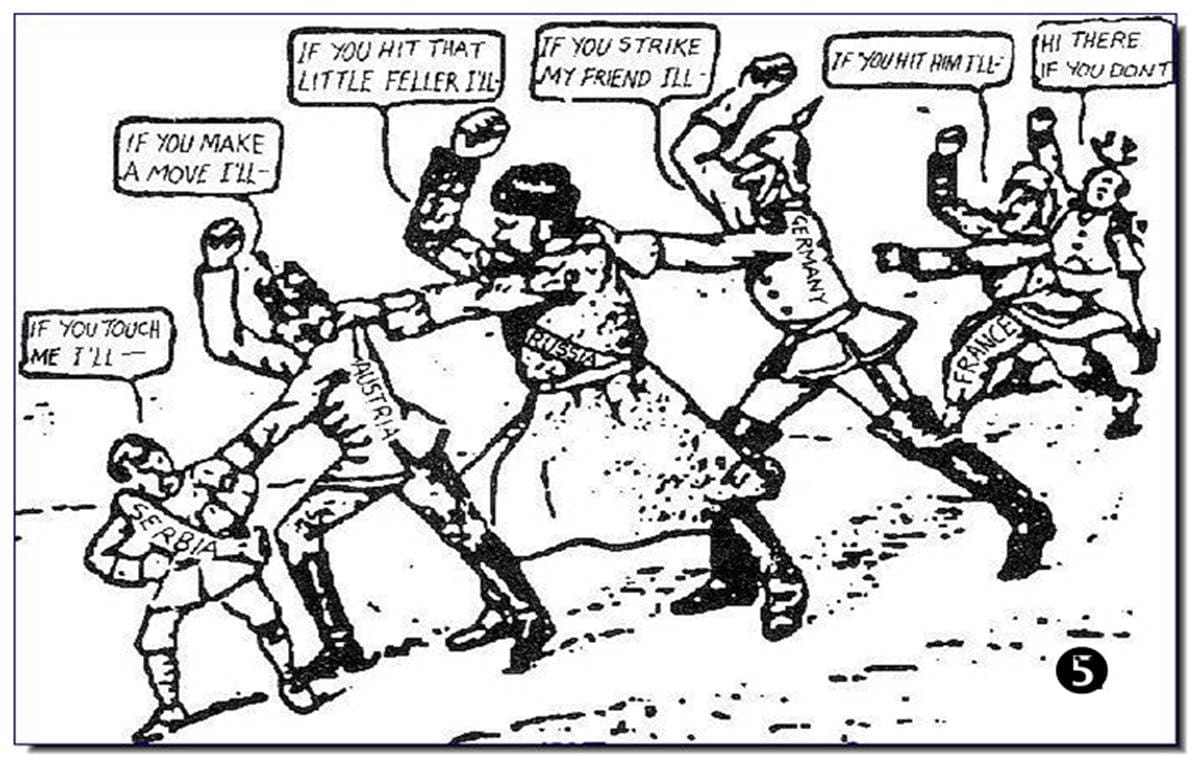
How well do these cartoons cover the causes of World War One?
In pairs, Y9/GCSE students visit 9 different cartoons posted around the wall. They have to work out: Which cause is being ‘covered’ in each cartoon – sometimes two. Which causes…
Read More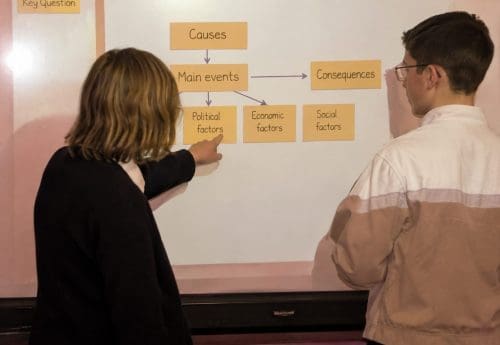
Squeezing the sources dry: how to make the most of source work in GCSE history
The downloadable six page document on answering source-based GCSE questions: matching learning strategies to question type, summarises the best advice from the examination boards all in one place. It gives…
Read More
Expert Advice: Key Stage 3 and 4 – Using the 4 Bs
Using the 4 Bs to encourage independence You recognise the problem. No sooner have you set a piece of open-ended enquiry work with you initially as facilitator, than the hands…
Read More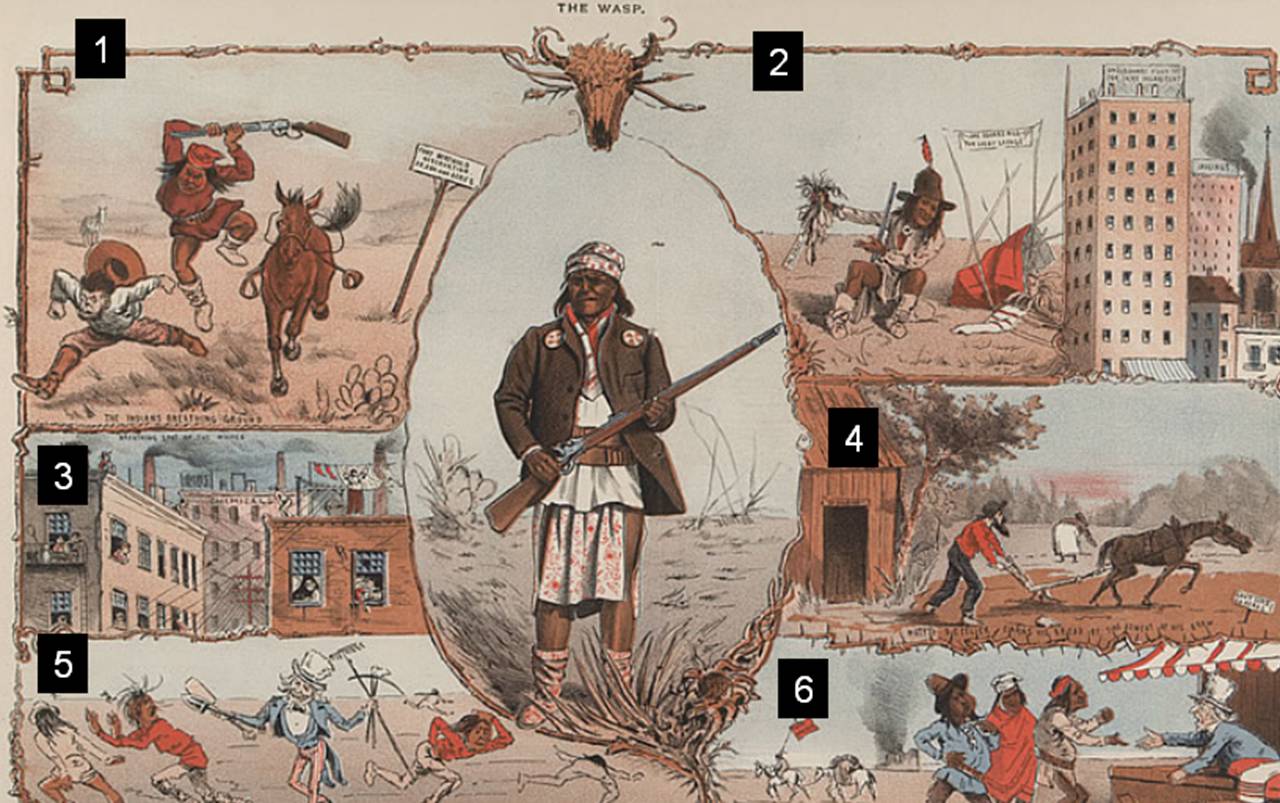
Attitudes of the US government to the native Americans: milking an image for meaning
The simple PowerPoint presents students with an image which has six separate panels for them to investigate. Only by exploring each in turn can the true meaning of the document…
Read More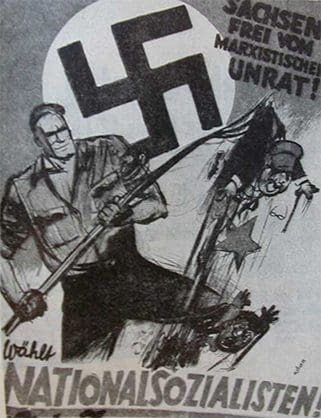
SMART TASK KS4: Working out what the election posters tell us about Who Voted Nazi
This simple task engages students in thinking for themselves why people voted for Hitler in the 1930s. It uses the simple but visually appealing medium of election posters. Students work…
Read More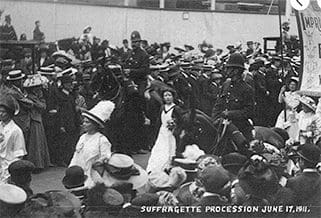
SMART TASK: A Suffragette procession: comparing the evidence
Whether you are studying the OCR unit, AQA or Edexcel you should find this activity helpful. The activity builds on an initial idea from the revised Edexcel Teacher’s Guide for…
Read More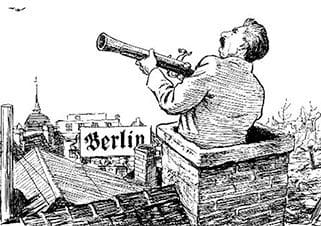
SMART TASK Key Stage 4 Deciphering a Cold War cartoon, using the slow reveal technique.
The interactive PowerPoint presentation of the famous Stalin’ The Birdwatcher’ cartoon encourages students to add layers of meaning as more and more of the cartoon is revealed. They then have…
Read More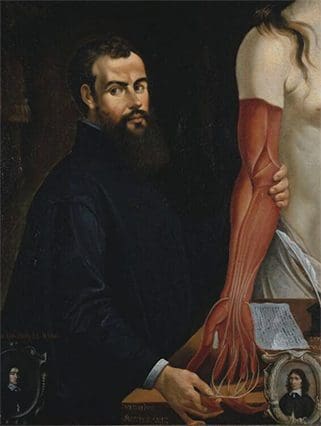
Vesalius’ claim to fame. Using the B.A.D formula to prepare for a BBC interview
The BBC is making a documentary on Renaissance medicine in which they have devoted two minutes to the work of Vesalius. Unfortunately, their Vesalius expert is ill and they thought…
Read More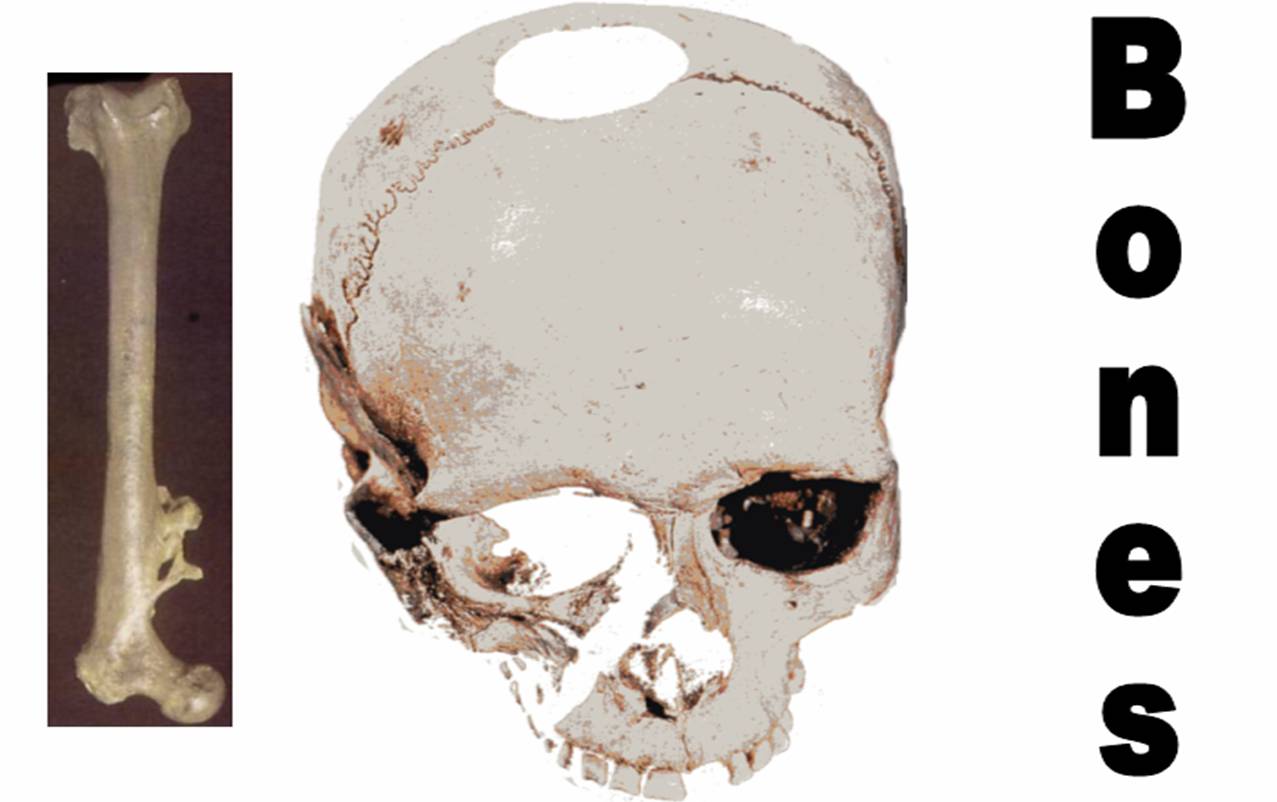
Prehistoric Medicine: Getting your GCSE course off to a great start
This lesson was taught by Mike Herrity when Head of History at Wildern School, Hedge End, near Southampton. On an OFSTED inspection the lead inspector pronounced the lesson quite outstanding…
Read More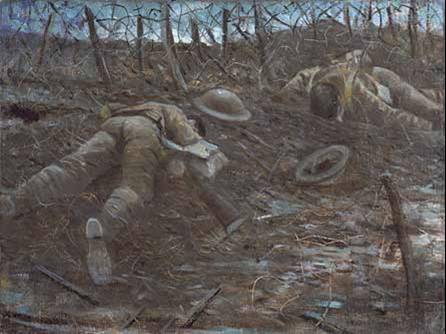
Why was this World War One painting censored?
Students studying Britain during World War One, whether it be for AQA, OCR or Edexcel, need to know about censorship. This deceptively simple lesson asks penetrating questions which both engage…
Read More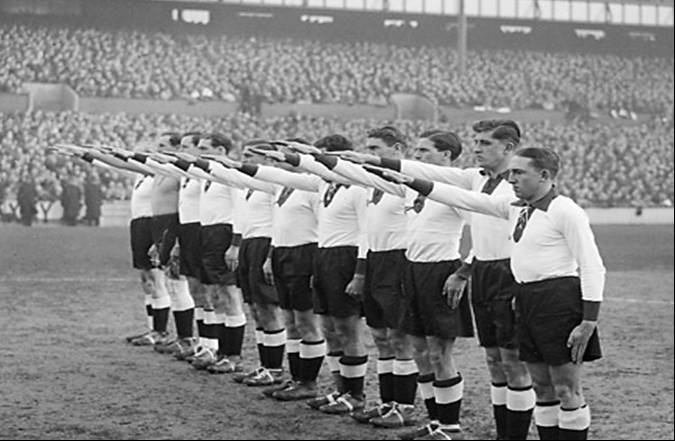
GCSE Modern World history: Using history of football to interest boys in Inter-war relations 1919-39
If you have ever found it difficult to motivate boys looking at the Inter-war years from 1919-39, why not try using football to tell the story. This quick activity, supported…
Read MoreWritten by Neil Thompson

All content on Keystage history is written and quality assured by Neil Thompson, a former history teacher, county history adviser and Ofsted inspector with more than 30 years’ experience in history education.