Black History Month is a time every October when we celebrate the achievements, stories, and contributions of Black people — in Britain and around the world. It helps us learn about people and events that may not always be included in our everyday history lessons.
Please find our teaching resources to explore black history, heritage, culture and achievements including units below:
| Key stage | Topic |
|---|---|
| KS1 | Mary Seacole |
| KS1 | Rosa Parks |
| KS2 | Benin |
| KS2 | Black and British |
| KS3 | Black peoples of the Americas |
 Black and British knowledge organiser – KS2 - You are studying this topic in the hope that you will discover how Black British is an important part of British history. Looking back over 2000 years of British history you will see that black people played a varying part in British life, but were always present. It was not just after 1948 with the arrival of Jamaicans on the… Read More
 Benin knowledge organiser – KS2 - Benin was a very important civilization, not just within Africa but in world history too. An important part of what you’ll learn is a comparison with Benin offers a good opportunity to compare with British society at the time, when the Saxons, Vikings and Normans were ruling. Although the period you are asked to study is a thousand years ago,… Read More
 Mary Seacole knowledge organiser – KS1 - Mary was a remarkable lady best remembered for her work during the Crimean war (1853-1856) where she helped injured soldiers, even riding on horseback onto the actual battlefields. Although not a trained nurse, she knew how to make people better. She set up a place called the British hotel providing soldiers with dressings, food and drink and even a hug… Read More
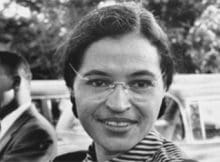 Rosa Parks – KQ1 – Can we work as history detectives to work out what Rosa Parks did that made her famous? - Pupils are pitched straight into the role as history detectives using mainly visual clues to piece together the possible reasons why Rosa Parks might be famous to then have their initial thoughts confirmed by a teacher told story of the seminal event of 1955 which pupils then act out. The lesson concludes with pupils actively watching a short video of… Read More
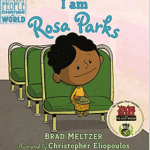 Rosa Parks – KQ2 -What can we learn about what sort of person Rosa was from stories of her early life? - Based on 3 key episodes from Rosa’s life, drawn from a lively story book, pupils act out 3 key episodes and have to select adjectives that best describe the aspects of Rosa’s character that each episode reveals. Learning objectives Children are able to offer suitably accurate adjectives and reject those that don’t fit They can support their view… Read More
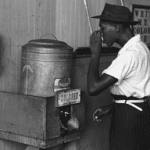 Rosa Parks – KQ3 – What was life like for black people living in southern USA in the 1950s? - This session looks at what life was like for Black people living in the southern parts of the United States in the 1950s. Back then, people didn’t always have the same rights, and some were treated unfairly because of the colour of their skin. Schools, buses, and even water fountains were often separated for Black and white people. This was… Read More
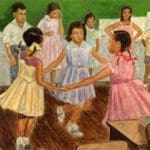 Rosa Parks – KQ5 – How did Rosa’s action lead to life for black people getting better? - How did Rosa Parks’ refusal to give up her seat help bring about change? In this KS1 lesson, pupils become museum curators, sorting muddled pictures and captions to explore what happened in the weeks, year and decades that followed. They connect Rosa’s action to the Montgomery bus boycott and the wider civil rights movement, developing their understanding of chronology and… Read More
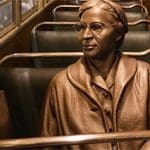 Rosa Parks – KQ6 – How should we remember Rosa Parks today? - How should we remember someone who helped change people’s lives? In this final enquiry, KS1 pupils draw on their learning about Rosa Parks to suggest and compare ways of celebrating her achievements. Through discussion and a practical ranking activity, they decide which forms of remembrance would best help children today understand her importance. Pupils then select a key message for… Read More
 8 ways of improving the BAME dimension of your primary history curriculum - Bound as we all are,and not just as teachers, by the Equality Act, (not to mention our public sector duty), we need to do all we can to advance equality and the primary history curriculum and the history classroom is a good place to start. With a changing demographic that shows the proportion of pupils from BAME background steadily rising… Read More
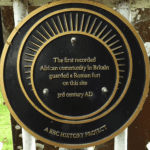 Black and British – KQ1 – How shall we tell the story of the first Black Britons in Britain? - Pupils watch a brief introductory video for just 70 seconds, the point at which the film stops short of identifying all the evidence for existence of Black people in Britain in Roman times. The pupils’ job is to write the next 45 seconds of the film outlining the other evidence that the BBC film makers could have used. To do… Read More
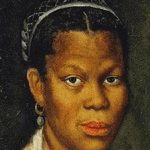 Black and British – KQ2 – What part did Black people play in British life when they started to settle 500 years ago? - Focusing on four key documents, pupils have to work out what we can say about the role of Black people in Tudor society. They make inferences from visual evidence and learn the importance of seeing documents in context so they don’t jump to conclusions, a really important skill for upper juniors to learn. Learning objectives Pupils realise that there… Read More
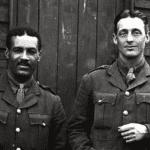
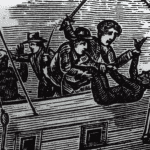 Black and British – KQ3 – What difference did the slave trade make to the experience of the Black people? - What difference did the transatlantic slave trade make to the lives of Black people, both beyond Britain and within it? This enquiry helps pupils explore this challenging question by connecting Britain’s involvement in the trade with the experiences of individual Black people living in Britain during the 18th century. Pupils consider how wealth generated through the exploitation of enslaved Africans… Read More Black and British – KQ4 – When so many Black people rushed to fight in the two world wars, why then is it only recently that their sacrifice has been properly recognised? - When so many Black people rushed to fight in the two world wars, why then is it only recently that their sacrifice has been properly recognised? The stories of Walter, Lilian and Ulric. Following an introduction putting events in context, pupils work in groups to investigate the lives of three significant Black figures: Walter Tull (World War One), Lilian and… Read More
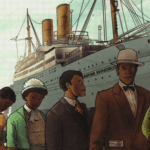 Black and British – KQ5 – How did the arrival of the Empire Windrush change the way Black People were treated in Britain? - In this enquiry, pupils explore the experiences of the Windrush generation and consider how their arrival changed the story of Black people in Britain. They investigate why people came to Britain from the Caribbean after the Second World War, what they expected to find, and the very different welcome and treatment they actually received. Pupils use a range of evidence… Read More
 Black and British – KQ6 – How far has life improved for Black people living in Britain in the last 60 years? - This active session asks pupils to create a physical fortunes graph to show the effects that changes in the law and people’s reactions had on the lives of Black people living in Britain over the last 60 years. Having created a shape, pupils then draw their own line graph (with happy and sad on the vertical axis) and annotate the… Read More
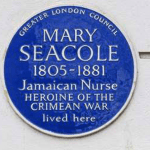 Mary Seacole – KQ1 – How can we work out why Mary Seacole is famous? - This session focuses on working out WHY Mary Seacole is commemorated today 200 years after she was born, and looks at the different ways in which she is remembered. The debate about whether she, or Florence Nightingale, better deserves a statue outside St.Thomas’ hospital is returned to in KQ6 Learning objectives Children are able to draw conclusions from simple visual… Read More
 Mary Seacole – KQ2 – What were the most important events in Mary’s life? - Pupils watch a short film to establish the outlines of the story and then have to sequence a differentiated set of images of the key events of her life. They finish by discussing which events were the most significant in Mary’s life and identifying turning points. Learning objectives Pupils can sequence key events in Mary’s life They can explain why… Read More
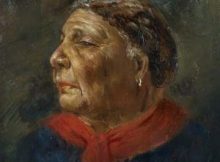 Mary Seacole – KQ3 – What was Mary’s greatest achievement and how do we know? - The focus here is mainly on the evidence for Mary’s achievement. This is important as she was a more-or-less forgotten figure for 200 years. So how do we know that claims about Mary’s life are true? The skill of finding evidence to back up statements made is a really important one. The core activity Prove it! works wonders and is… Read More
 Mary Seacole – KQ4 – How did life change for Mary after the Crimean war? - What happened to Mary Seacole when the Crimean War was over? In this engaging KS1 history lesson, pupils discover that Mary’s return to Britain was far from straightforward. By sequencing the key events that followed the war and creating a fortunes graph, pupils explore the highs and lows of Mary Seacole’s later life. They identify important turning points, consider why… Read More
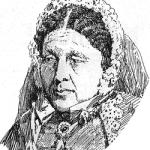 Mary Seacole – KQ5 – What made Mary so special? - What made Mary Seacole such a remarkable person? This short KS1 lesson helps pupils explore her kindness, courage and determination, choosing adjectives to describe her character and supporting their ideas with examples from her life. Through discussion and paired activities, children move beyond simply calling Mary “special” to explaining how her actions showed the qualities for which she is remembered.… Read More
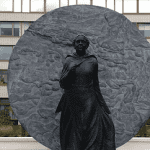 Mary Seacole – KQ6 – Why doesn’t everyone agree that Mary deserves her statue at St. Thomas’ hospital? - This lesson places pupils in the role of Mantle of the Expert. A new monument to Mary Seacole was erected outside St Thomas Hospital in 2016. But there have been complaints. Surely it was Florence who was associated with St Thomas’ hospital, not Mary. Doesn’t Florence deserve a statue more? So, should the statue be replaced? The pupils are drafted… Read More What the latest biography of Mary Seacole tells us - In Helen Rappaport’s latest book “In Search of Mary Seacole: Making of a cultural icon", we are told how Mary’s significance has only truly come to light and been properly recognised in the last 50 years. The book makes 9 points you might want to share with your children-most of which you probably already cover, so this will make you… Read More
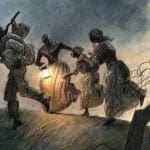 Teaching KS3 History: Black Peoples of the Americas and slavery - The title of this section reflects the fact that the new curriculum should not any longer be boxed up into just six discrete silos called study units. Instead there should be fluidity between and across periods and places. What you will find here initially is a response to the attention paid to slavery recently with the bicentenary of the abolition… Read More
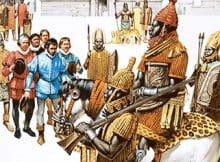 Benin – KQ1 – Why do YOU think we should study Benin in KS2 history? SMART TASK - After setting Benin in its context of place and time, pupils tour a gallery of images which give them hints as to why Benin might be a significant society, worthy of study. Having pooled their emerging ideas they are given 10 assertions as to why they are important. Pupils then have to place these on a spectrum of significance before… Read More
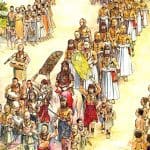 Benin – KQ2 – What sort of place was Benin 500 to 1,000 years ago? SMART TASK - Here pupils are introduced to the idea of a society from a distant time about which very little evidence remains. This can be frustrating for pupils who crave a clear picture of this past society. To make it come alive for them we have invested time in selecting some key artists’ illustrations and written descriptions which pupils need to draw… Read More
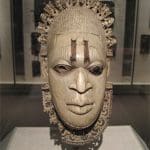 Benin – KQ3 – What can we tell about Benin society at this time from the images and artefacts that have survived? - Using evidence to study Benin This lesson revolves round four principal activities: Fastest Finger First; Mining for meaning, using an artist’s illustration; Call My Bluff which creatively uses images of mystery objects; and Curator’s dilemma. The emphasis is on looking at a range of evidence and drawing tentative conclusions from it. Introduction By way of a more arresting start to… Read More
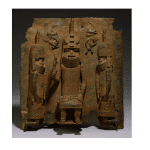 Benin – KQ4 – What changes took place when the European settlers started trading? Case study of one of the Benin bronzes - The first part of this session revolves around the encounter between indigenous Benin people and the European traders. It then looks briefly at the impact the European settlers had, looking mostly at the 16th century. The second part of the session focuses on what pupils can infer from individual objects: the Benin bronzes. Having tried to imagine why the bronzes… Read More
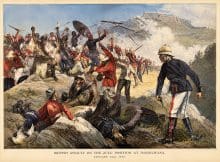 Benin – KQ5 – Why did the Victorians get involved in Benin and what were the effects on the Benin people? SMART TASK - Following an intriguing slow reveal of an interesting Victorian photograph showing the capture of the Oda’s palace in Benin, pupils create their own living graph to show Benin’s changing fortunes during the frantic decade of the 1890s. They then look for three key turning points in the story of how and why Benin became absorbed into the British Empire. The… Read More Benin – KQ6 – Should the Benin Bronzes be returned? SMART TASK - This lesson is guaranteed to provoke a lively debate. Armed with all the contextual knowledge they need, and stimulated by some thought-provoking quotations, pupils work in teams to advocate a particular course of action. By way of preparation, they have to speculate as to likely arguments first before being given some ‘influence cards’ to deepen their thinking. Recently, in August… Read More
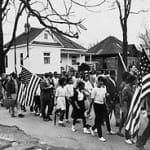 Free at Last? How far had the Civil Rights Movement come by 1963? - How far have Afro-Americans come in their struggle for equality over the last 160 years? With many schools operating a 2-year Key Stage 3 curriculum, it is important to offer a few quick overviews of topics you’d love to teach in greater depth, but simply don’t have the time. Rather than work through the topic chronologically and then run out… Read More
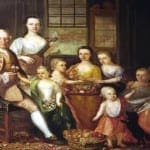 Puzzle corner 3: the strange case of the missing slave - Pupils will find that this example of a black slave, painted out of an eighteenth century painting of a tobacco lord’s family, makes an intriguing starter to any lesson on the slave trade. They will enjoy ‘finding’ him in the portrait, thanks to 21st century technology. But will they be able to work out why he was ‘painted out’. They… Read More
 Mary Seacole – How should we remember her? - This lesson is the second featuring Mary Seacole. In the first her role was compared with Florence Nightingale's. The focus now shifts to asking two key questions: which was Mary Seacole's greatest achievement ; why is she not remembered as well as Florence? Learning objectives children can list a range of achievements of Mary and begin to make a… Read More What made runaway slaves successful? - This short enquiry enables pupils to come up with their own ideas about runaway slaves working from first hand evidence of adverts for the slaves ‘arrest'. They work in pairs to come up with possible reasons why some slaves were caught and not others and they test their hypotheses against the evidence. This is not only a fun enquiry it… Read More
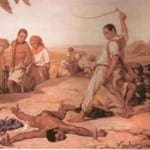 Dread of the lash: How harsh were punishments on slave plantations? - This enquiry-led lesson really does make pupils think as historians. Not only are they introduced to authentic slave punishment records, they also have to test and then raise hypotheses of their own. They have to consider whether individual slave owners were kinder than normal by reference to comparative data, placing individuals on a kind-harsh spectrum. I am grateful to Simon… Read More
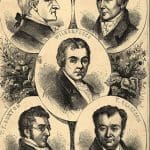 Reasons for the abolition of the slave trade: poacher turned gamekeeper - This lesson turns on a paradox. If the transatlantic slave trade was prospering in 1787, why was it abolished just 20 years later? This more challenging enquiry question forces pupils to go beyond listing and categorising causes to think about the dynamic of change. Which were the factors that accelerated the change? Which had the most direct impact; which were… Read More
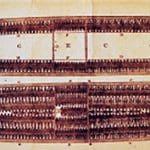 How should we film the Middle passage? How accurate are Roots and Amistad? - This varied lesson challenges pupils to use evidence constructively to create their own version of conditions on the Middle Passage. They do this as if advising a film director. In so doing, they have to critically evaluate both film excerpts and written sources. Mathematical skills are used to estimate the space available for each slave and pupils are encouraged to… Read More
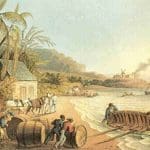 What can we learn about the slave trade from just one poem? - This lesson uses a very simple source to help pupils to get a feel for some of the issues they will be investigating in the weeks ahead in their slavery enquiry. The point of using the poem is that it raises questions and makes assumptions about contextual knowledge that the pupils lack at the moment. In an effort to understand… Read More
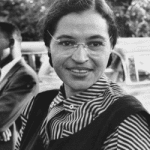 Rosa Parks – the true story - This open-ended enquiry explores one of the most abiding stories of American Civil Rights. Students are invited to advise a film director on what actually happened in Montgomery in December 1955. They are introduced to the standard, simplified, textbook version that all young Americans are taught in school. Rosa was simply a tired seamstress who refused to give up her… Read More