
Teaching and Learning
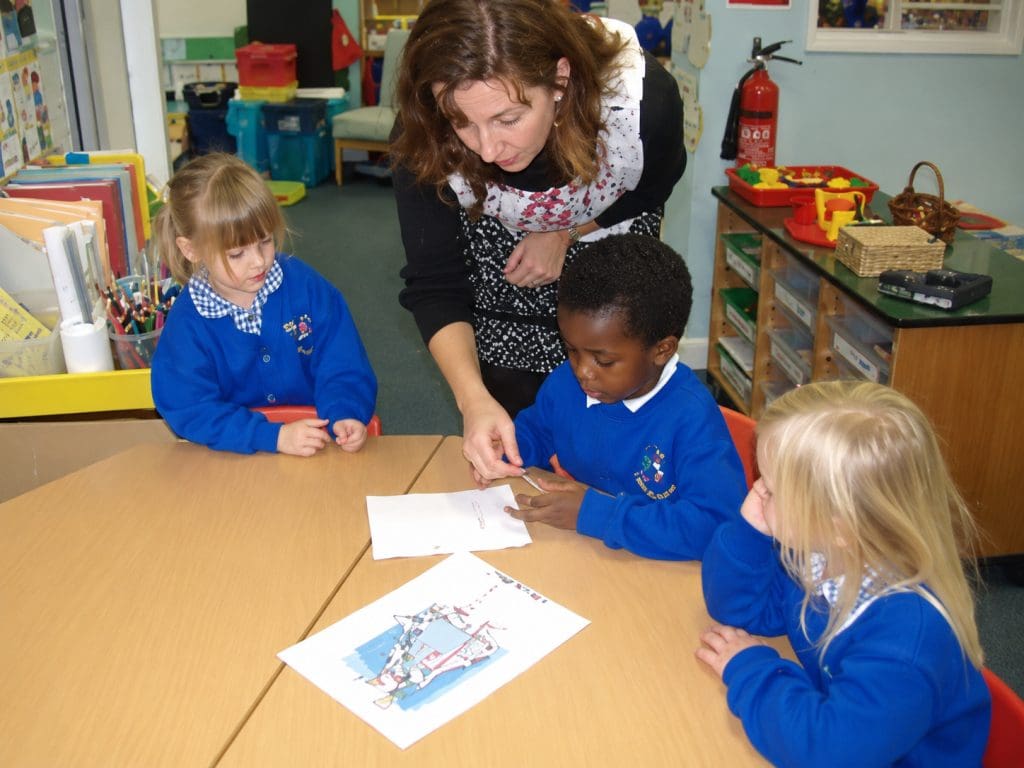 The approach offered on this site is only one of many you might know, or even use. Heaven forbid that teaching should ever be done to formula, but in my experience there are a number of phases a lesson might go through to achieve its objectives. The order of these stages is important. What is offered below is a simple description and explanation of each phase. The text is offered in diagrammatic form as a downloadable resource. Many infant colleagues I have worked with have found it really helpful to have the 6 steps shown clearly on one side of A4 until they become second nature.
How do I know I am teaching history in the right way? A few pointers for non-specialists
When your colleagues, who have to master 11 subjects after all , feel that they need a few pointers to help them transform the planning into really good history learning,…
Read More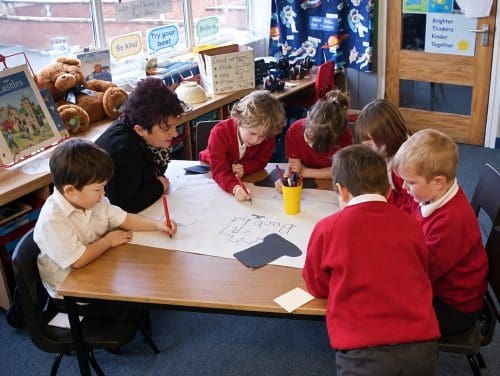
Learning principles applied to history at KS1
Effective history teaching at Key Stage 1 is rooted in sound learning principles that support young children’s development. At this age, pupils thrive when learning is active, meaningful, and connected…
Read More
How well are you intertwining national and global history?
Last year saw the new Labour government abort plans to create a model primary history curriculum which would have offered a clear way of making your history curriculum more inclusive….
Read More
Mind friendly learning. What should you be doing in your classroom?
Mind-friendly learning in history focuses on creating rich, engaging experiences that align with how young children’s brains develop and absorb information. By tapping into natural curiosity, using storytelling, sensory activities,…
Read More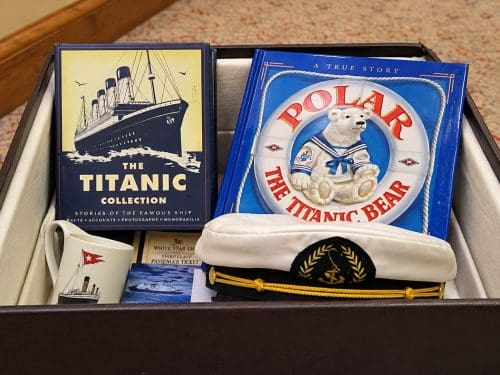
Using artefacts to help children’s historical understanding at Key Stage 1
Since the early 90s, artefacts have become increasingly available either to purchase or to loan. Many firms offer useful replicas and schools have built up their own small collections on…
Read More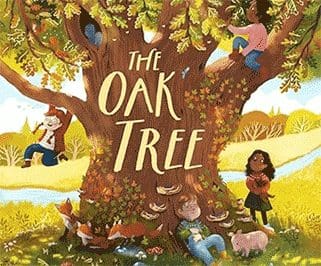
Using story books at KS1 to develop a sense of time
I have written on this topic before, but there are always new and fresh titles appearing that necessitate an update. So in the next few weeks I’d like to introduce…
Read More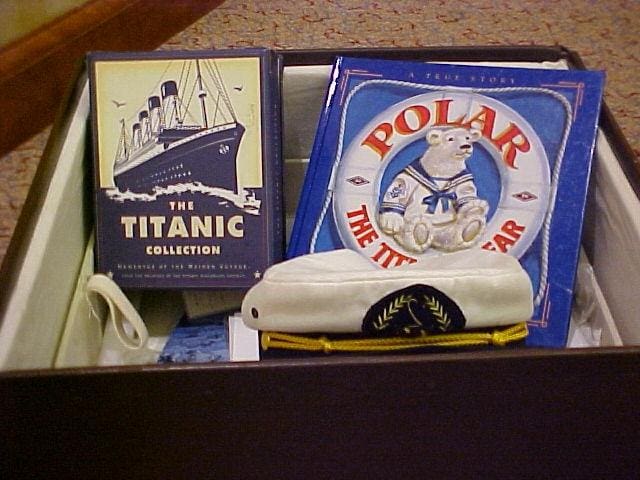
Strategies for introducing and using historical artefacts at Key Stage 1
As a preliminary activity try using sheets of unused tissue paper. Challenge the class to pass the unfolded piece of tissue paper from pupil to pupil without making a crease…
Read MoreSix step approach to structuring history lessons at KS1
Step 1: Teacher motivates pupils to want to learn and scopes the enquiry Hooking them in: eg. with a slow reveal Setting the puzzle Scoping the enquiry Whetting the appetite…
Read More
Running timebox – First and foremost
Why Timebox teams? First and foremost, Timebox Teams should be fun. Behind the serious intent of improving pupils’ chronological knowledge lies the belief that constant repetition and familiarity with images…
Read More
Timebox – KS1 Pack
Mention the teaching of chronology to most infant teachers and their eyes glaze over. Their experience is that it is like picking up mercury with a fork. One minute the…
Read MoreIt’s time to think about the teaching of time at KS1 and 2
Time is probably the concept most fundamental to understanding history. This presents problems, of course, particularly with the youngest children. But just because its a slippery concept doesn’t mean we…
Read More
10 top dos and don’ts of using knowledge organisers in primary history
Used well, knowledge organisers are a really powerful resource but it all depends on how they are used. However attractive and packed with facts it might appear, if it just…
Read More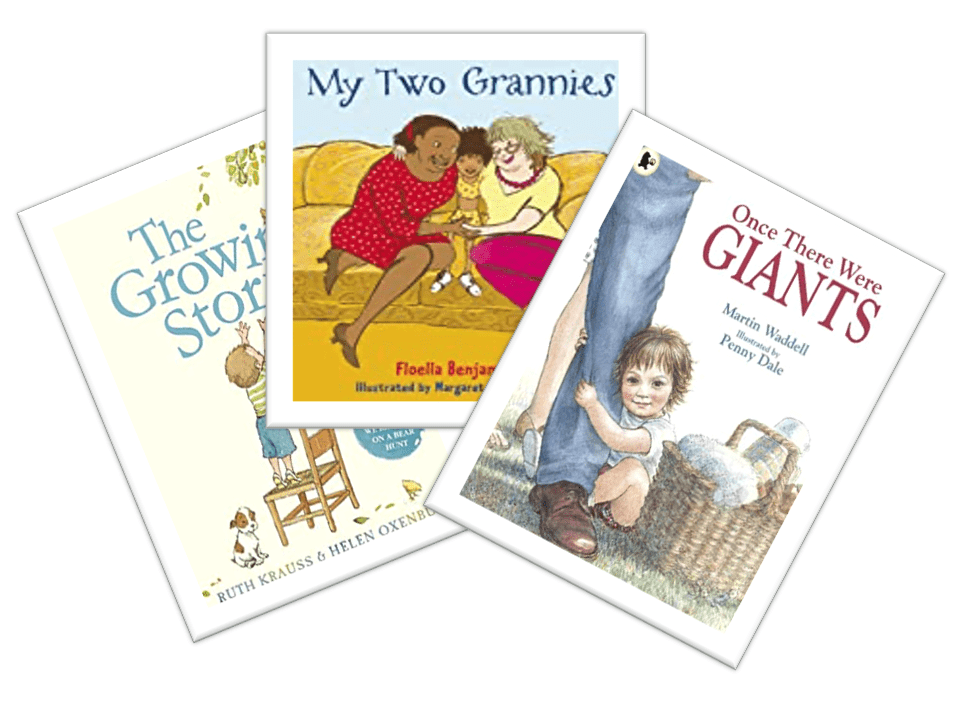
Preparing for the new EYFS framework from September 2021
Teaching about the past in EYFS Although most schools and settings prefer not to refer to history as a discrete subject on the Early Years curriculum, there is always a…
Read More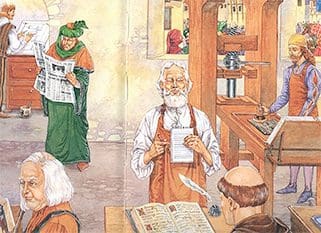
Fun activity on anachronism to help children develop a sense of period when learning about Caxton
Getting young children to develop a sense of period and an awareness of how different the distant past was to the present is never easy- a bit like picking up…
Read More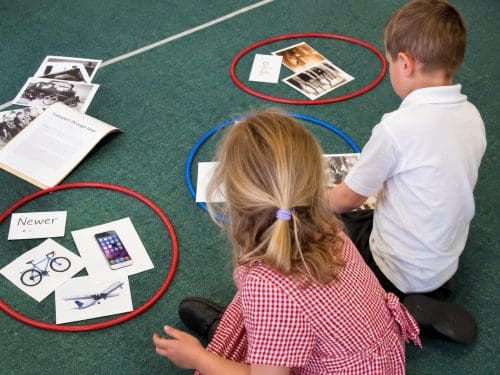
‘Fitness for purpose’ teaching and learning strategies in KS1 history
Throughout the site there are lots of examples of imaginative activities, for both teaching and learning. These need to be placed in context. To a large extent this is what…
Read More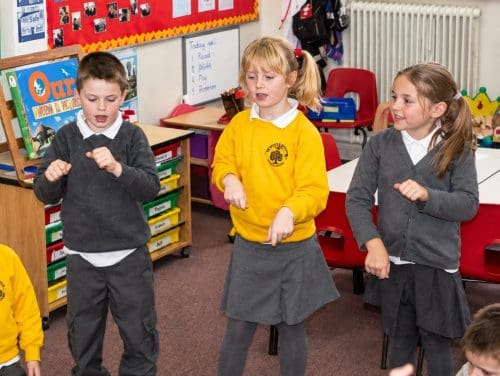
The learning process in history at KS 1
Given that this site specialises in giving practical support to busy teachers and subject leaders, you may be surprised to find a section on the theory of learning. Well, don’t…
Read More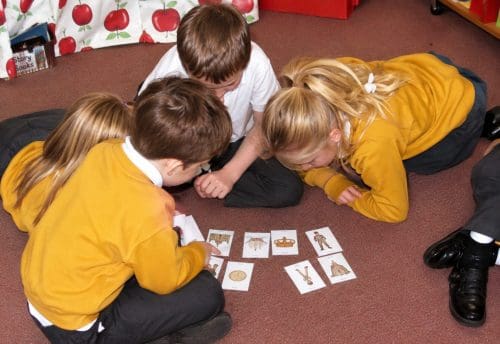
Roles of learners
One of the best ways of exciting young children in history is to put them in role. Dorothy Heathcote’s approach called Mantle of the Expert invests expertise in the pupils,…
Read MoreImaginative history outcomes at Key Stage 1
A key part of motivating infants in history is providing interesting practical products that really stimulate their interest. When so many young pupils naturally find it difficult to communicate their…
Read More
50 imaginative history learning activities for KS1
This ground-breaking section offers a massive range of ideas, arranged in alphabetical order. Some of the titles may seem a bit esoteric but experience of working with hundreds of teachers…
Read More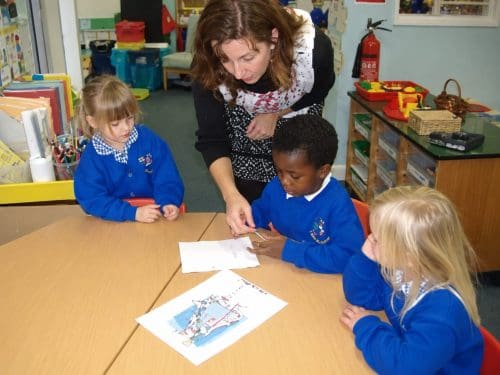
Inclusion at Key Stage 1
In addition to advice on: being healthy, staying safe, enjoying and achieving, making a positive contribution etc, this site focuses on five others areas that have the ECM’s agenda, if…
Read More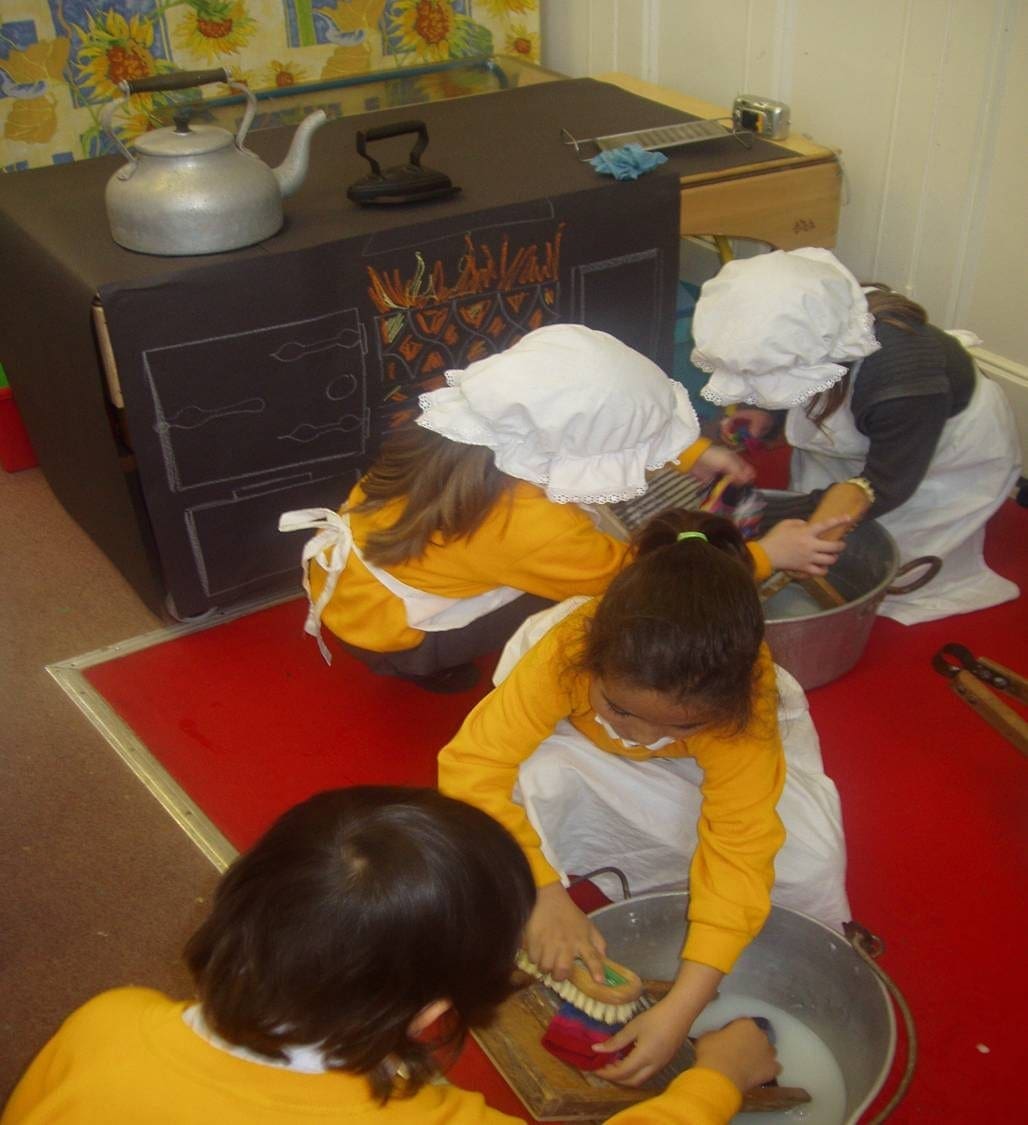
Gender issues in history at Key Stage 1
It is tempting when thinking about boys’ achievement to focus on teaching and learning, but there is a stage before that to consider. When we have so much choice at…
Read More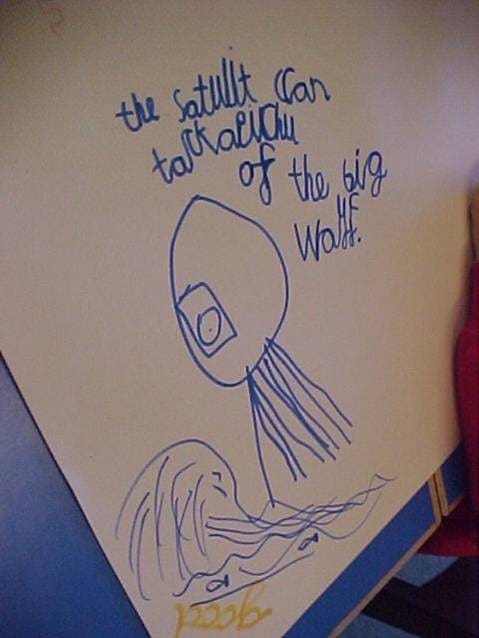
Gifted and Talented in history at KS1
Much has been written in general terms about identifying and then catering for able pupils in history. OFSTED and others have criticized schools for not moving beyond identification and general…
Read MoreMotivating pupils in history at Key Stage 1
The essence of what appeals to pupils can often be summed up by the words, People, Puzzle and Point. Children engage best if there is human interest. They like to…
Read More
Digital Technology, AI and film at KS1
This section alerts you to where you will find examples of published best practice as well as featuring a few cameos that I have been involved in developing. I have…
Read MoreTeaching chronology at Key Stage 1
Mention the teaching of chronology to most infant teachers and their eyes glaze over. Their experience is that it is like picking up mercury with a fork. One minute the…
Read More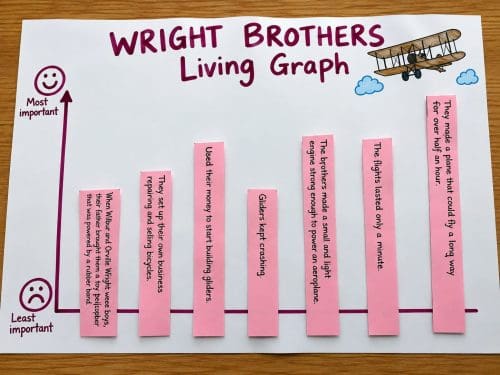
‘100’ great ideas for teaching history at KS1
At present there are nearly 80 ideas arranged in alphabetical order. You will see that a brief description is offered, kept brief just as a reminder. It is useful if…
Read More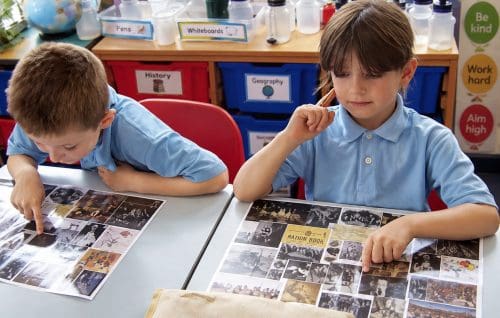
What makes an outstanding lesson in history at KS1?
Below is a list of the typical characteristics of excellent lessons. Lists can only help up to a point though. They must be read alongside the section on the teaching…
Read MoreThe teaching process in history at KS1
The approach offered on this site is only one of many you might know, or even use. Heaven forbid that teaching should ever be done to formula, but in my…
Read MoreViews of learners on history at Key Stage 1
There has been very little published research on the views of infants on their history work. I think we might be able to predict that most pupils would be positive…
Read MoreHistory for pupils with EAL in Key Stages 1 and 2
Most of you will be well-versed in strategies for helping children with EAL access other subjects in the curriculum and will not need detailed guidance on general issues. To help…
Read More
S.E.N. in history at Key Stage 1 and 2
By inclusion we mean three things here: setting suitable learning challenges, responding to pupils’ diverse needs, and overcoming potential barriers to learning and assessment for individuals and groups. Below are…
Read More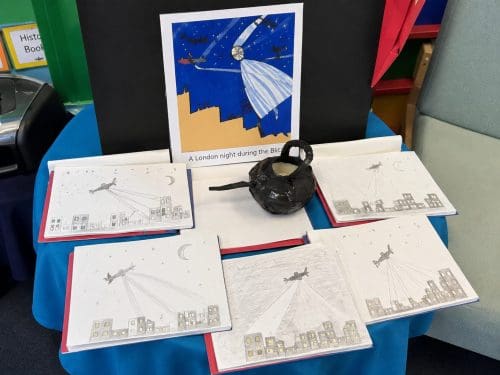
Teaching interpretations in history at KS1
For many teachers of infants, interpretations is the hardest of all the ideas to get across. It is an abstract idea that can easily confuse, rather than clarify, if we…
Read More
Enquiry in history at KS1
History is full of rich and interesting stories, and pupils love to hear them. Indeed, a good story well-told is an important teaching ploy with infants. But we want even…
Read MoreWritten by Neil Thompson

All content on Keystage history is written and quality assured by Neil Thompson, a former history teacher, county history adviser and Ofsted inspector with more than 30 years’ experience in history education.