
Outstanding History Lessons For teaching history at KS3
 Our outstanding KS3 history lessons are designed to bring history to life through challenging enquiries, engaging source work and imaginative activities. Covering a wide range of British and world history, the lessons encourage pupils to investigate the past, question evidence, explore different interpretations and develop well-supported historical arguments.
Each enquiry combines secure historical knowledge with the disciplinary thinking pupils need to become confident and independent historians.

Adapting Keystage history lessons – FAQs
1. Why are lessons still called ‘outstanding’? I am often asked how the lessons section of the site should be used and why the term outstanding is still used when…
Read More
Teaching the 20th Century World to Key Stage 3
For many pupils this will be their last topic in KS3 history, though some history departments prefer to end with a retrospective long term study. Most pupils enjoy the 20th…
Read More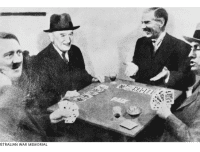
How well did Chamberlain play his cards at Munich? A KS3 smart task
This smart task asks pupils to think a little more deeply about why Chamberlain adopted the policy of appeasement. It is so easy to lampoon him as a naive who…
Read More
Teaching KS3 History: Medieval Britain
A wide range of lessons are showcased here for teaching Medieval Britain at KS3 because the medieval period is highly popular. All lessons have full resources to download. As many of…
Read More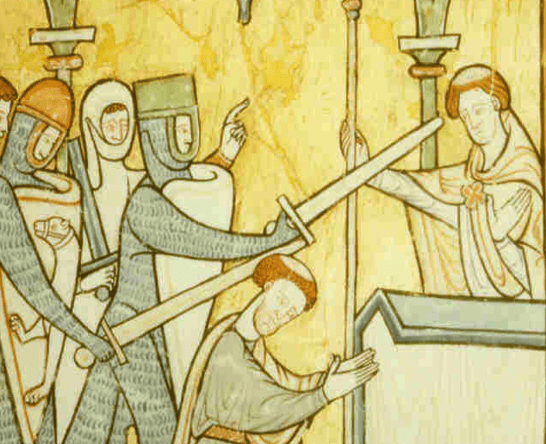
So how exactly did Thomas Becket die: a source-based investigation
Working as historical advisers to a movie director, pupils attempt to reconstruct the scene of Becket’s death by cross-referencing and then evaluating a range of principally visual sources from the…
Read More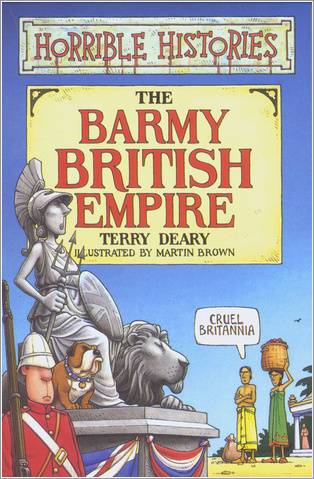
Teaching the British Empire KS3
In a recent article for the Telegraph, journalist and writer Jeremy Paxman made the following case for teaching the history of the British Empire: [It] explains so much about who…
Read More
Teaching Industrial Britain to Key Stage 3
We all know that this is a vast topic and one that some colleagues have difficulty with in motivating some students. You will find very little on the Four Field…
Read More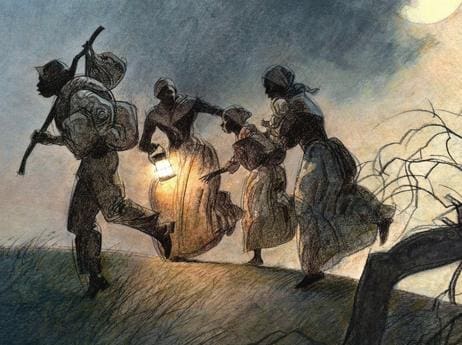
Teaching KS3 History: Black Peoples of the Americas and slavery
The title of this section reflects the fact that the new curriculum should not any longer be boxed up into just six discrete silos called study units. Instead there should…
Read More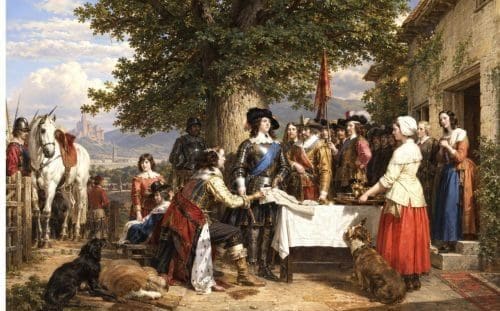
Teaching KS3 History: Early Modern History
The following Key Stage 3 history lessons for teaching Early Modern History 1500 -1750 have all been judged to be outstanding according to OFSTED criteria. You will find a wide…
Read More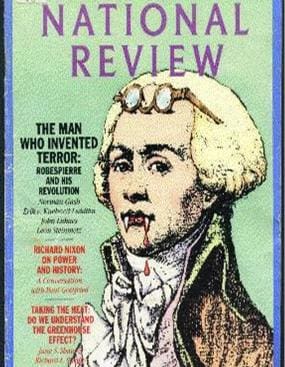
Teaching KS3 History: The French Revolution
Regarded by many as simply too complex to be taught to Y7 or Y8, the French revolution divides opinion. Personally I think it is a great topic, as long as…
Read More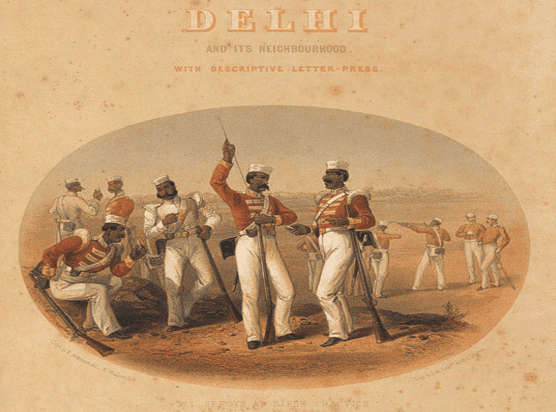
Indian Mutiny/rebellion of 1857
This lesson is aimed at Y9/GCSE students. It addresses three principal aspects of history teaching: How to be thoughtful and discriminating when selecting evidence that is relevant to answering two…
Read More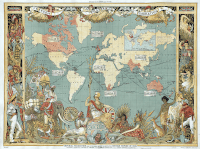
British Empire – How can we infer so much about the empire from a study of just one map and the person who created it?
This session starts by looking at the information to be gleaned from a well-known 1886 map of the empire and ends with them writing an evaluative expert caption to accompany…
Read More
Richard I: Lionheart or loser should we keep his statue – SMART TASK
This short task puts pupils in the role of spin doctors who have to ‘big up’ the reputation of Richard the Lionheart. There is a lobby of people who feel…
Read More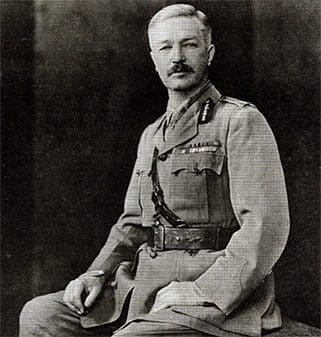
Rotten apple or …. How should we portray Dyer’s motivation in the Amritsar massacre?
This enquiry asks students to look critically at the depiction of the massacre in the film Gandhi as a way into trying to determine the motivation of Dyer. Students are…
Read More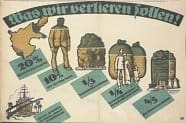
How should Germany be treated at the Paris peace conference? KS3 or KS4 task
This short but engaging task precedes any detailed analysis of the terms of the treaty itself. It has four distinct elements: prediction; analysis of a rarely seen German poster; attaching…
Read More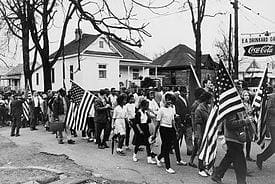
Free at Last? How far had the Civil Rights Movement come by 1963?
How far have Afro-Americans come in their struggle for equality over the last 160 years? With many schools operating a 2-year Key Stage 3 curriculum, it is important to offer…
Read More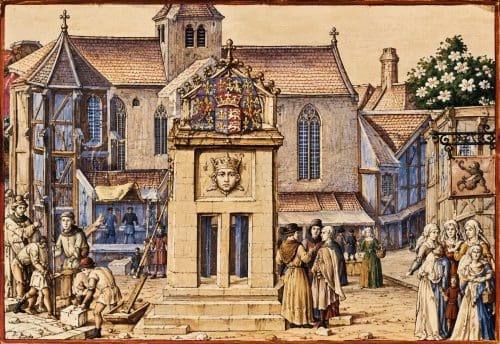
Why did they build so many churches in medieval times?
This simple task starts with pupils exploring and then prioritising a range of accessible ideas in order to arrive at their own explanation. Having done that, they then critique a…
Read More
What were the real reasons why William organised the Domesday survey?
In this active lesson pupils start by speculating possible motives (given a couple of clues) and then work in groups of four to discover the full range of ideas historians…
Read More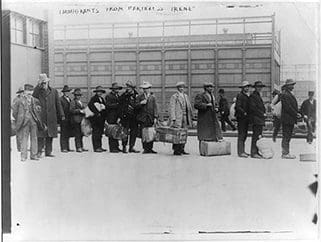
On the move: teaching the theme of migration at KS3 Smart Task
CONTEXT When looking at movement and settlement as a theme you will clearly want to look at: • the reasons for both immigration and emigration (invasion ,expulsion, immigration • how…
Read More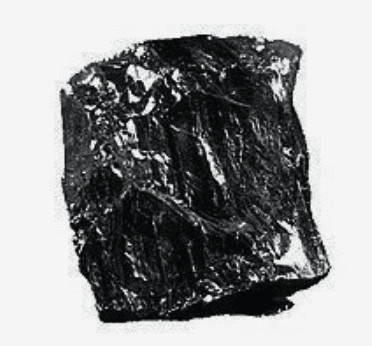
International relations overview 1914-2004 using a piece of COAL Smart Task
Starter Start the lesson dramatically by thumping a lump of coal on the desk. Explain that this lump of coal came from the Upper Silesia coalfield. By tracing who owned…
Read More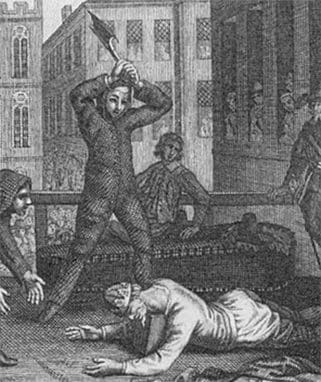
The execution of Charles I – advising a film director: a study in source analysis and evaluation
This lesson uses a set of 4 contemporary images and a secondary narrative account to examine how the author seems to have used some sources and rejected others. By trying…
Read More
Teaching KS3 History: Significant world society/issue
Area 7 of the new National Curriculum for history makes it mandatory for schools to teach at least one study of a significant society or issue in world history and…
Read More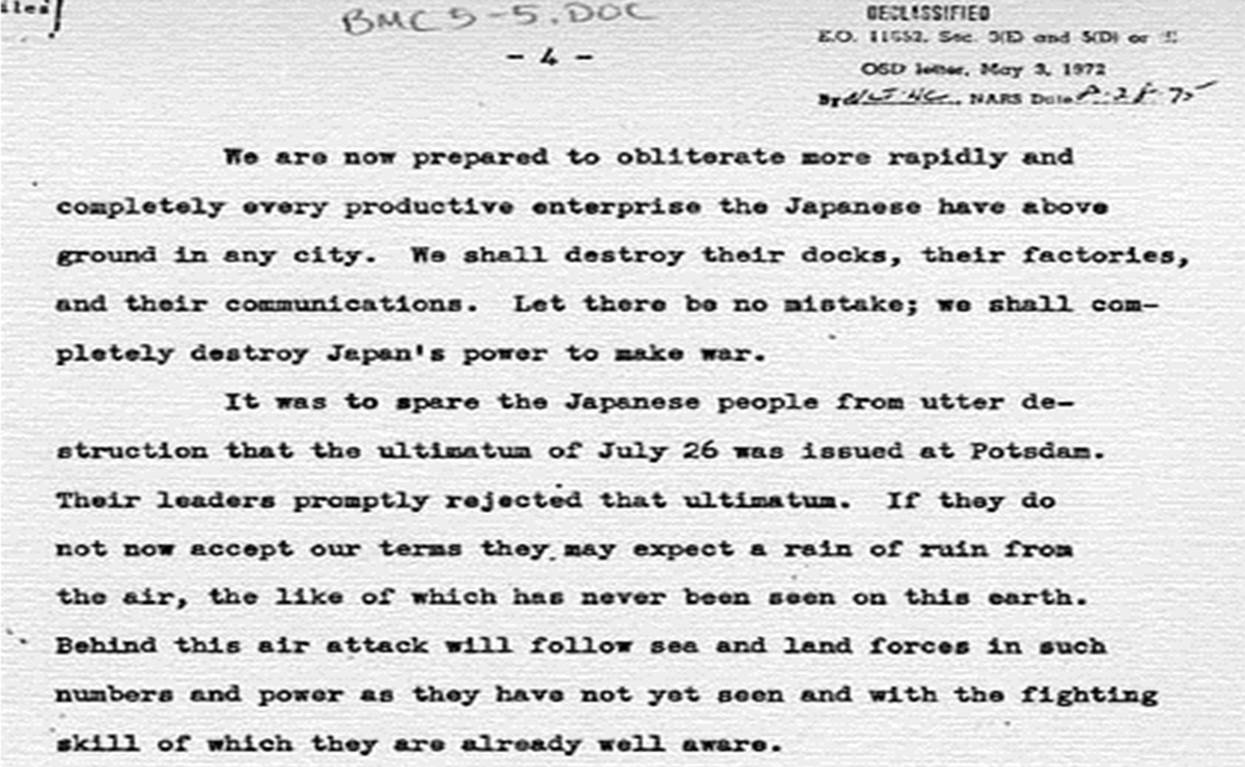
Why did President Truman drop the atomic bombs in August 1945? A study in interpretations SMART TASK KS3
This is a well-covered topic and most of you will already have your own favoured approach. For that reason I am not offering just one lesson but instead a series…
Read More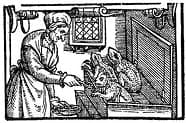
So you think your pupils know about Witchcraft in early modern Britain.
1. Were witches burned in English-speaking countries? A. No, they were hanged not burned, because witchcraft was a felony. This was also true in North America. 2. Were millions of…
Read More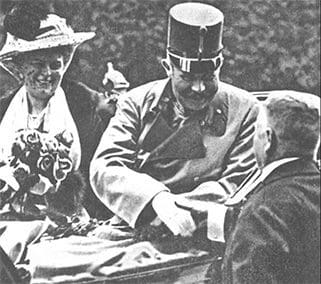
Something about an ostrich – the assassination of Franz Ferdinand as a mystery to be solved
Pupils are fed information, asked to formulate their theories on who was killed, who did it, how, why and when. I am grateful to Steve Rollett, Head of History at…
Read More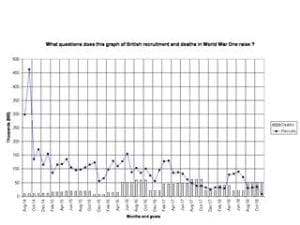
Did the number of deaths on the Western Front in World War One have any effect on the numbers joining up?
This superb lesson was the original idea of the history team at Toynbee School, near Southampton, and specifically the work of Rowena Roach and the Head of Department Graham Hinves….
Read More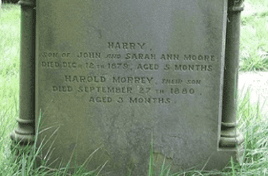
Smart Task: Infant Mortality – Key Stage 3
Puzzle corner: SMART thinking skills task on why so many infants continued to die before their first birthday at a time when the death rate was falling rapidly. This short…
Read More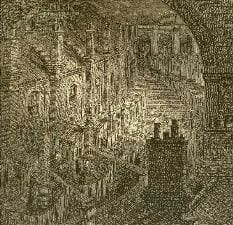
Did London really look like this in 1870? Your chance to test the evidence
Pupils are shown an engraving produced by Gustav Dore in 1872. It is the one you often find in KS3 textbooks as if it were a photograph representing what London…
Read More
What’s the truth behind the Suffragette derby of 1913?
This lesson is always popular. By adding newsreel footage and facsimile artefacts to the usual array of photographs and documentary sources, this lesson aims to capitalise on pupils’ innate interest…
Read More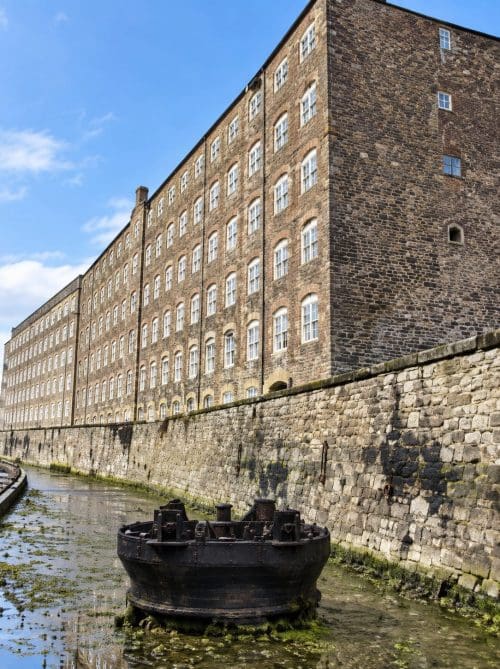
Did the Factory Act of 1833 make any difference at all? An enquiry
Did the Factory Act of 1833 really improve conditions for factory workers? In this engaging KS3 history enquiry, pupils investigate the problems faced by workers in the factories of Industrial…
Read More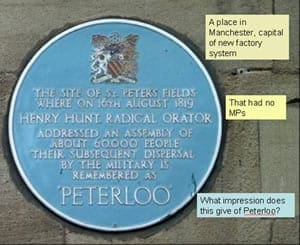
The Peterloo enquiry; who was to blame?
The ‘Peterloo massacre’ was one of the defining events of its age. You could almost draw parallels with Amritsar, Sharpeville and Soweto. This enquiry spans three lessons during which pupils…
Read More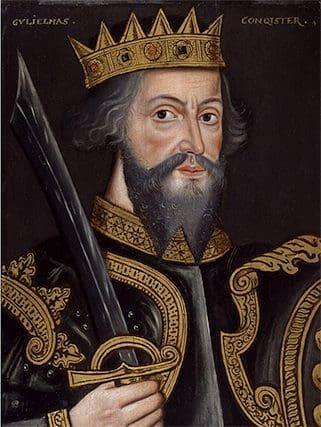
How far did life really change when William the Conqueror became king after the Battle of Hastings? SMART TASK KS3
Pupils have to design a set of stamps to show the 5 biggest changes introduced by William the Conqueror after Hastings, but first they need to place ideas on a…
Read More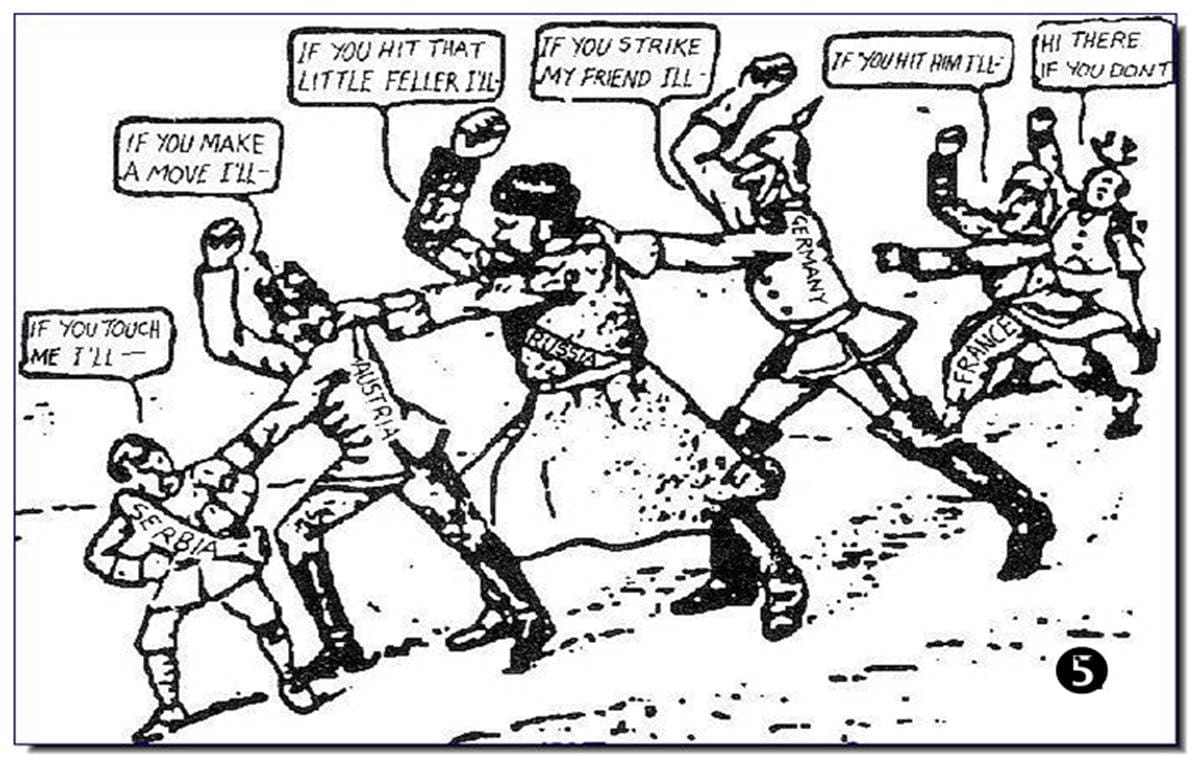
How well do these cartoons cover the causes of World War One?
In pairs, Y9/GCSE students visit 9 different cartoons posted around the wall. They have to work out: Which cause is being ‘covered’ in each cartoon – sometimes two. Which causes…
Read More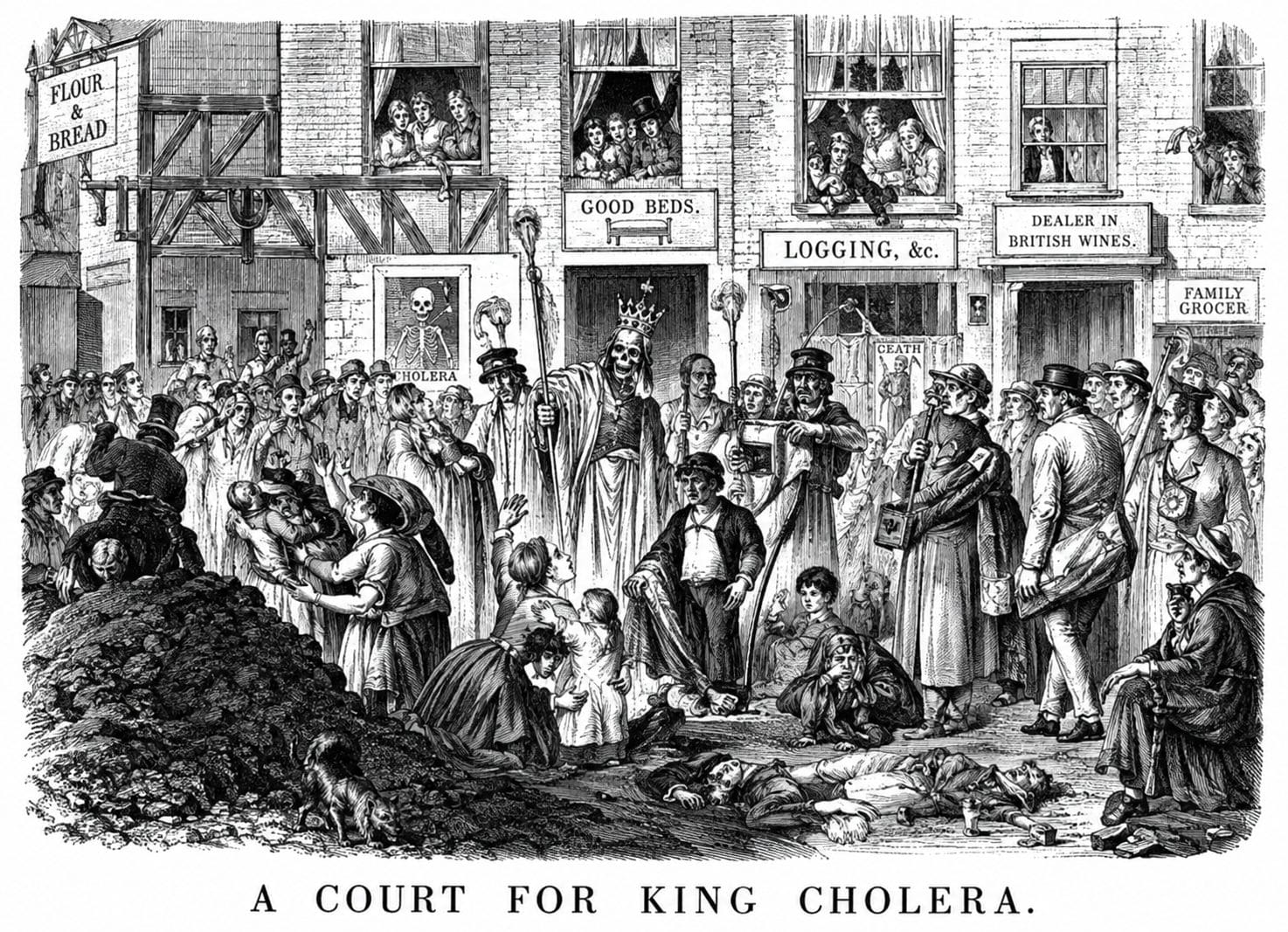
Court of King Cholera: Where am I in the picture?
This activity works in two ways; it activates pupils’ prior knowledge in a fun way and raises questions about conditions at the time the chosen image, A Court for King…
Read More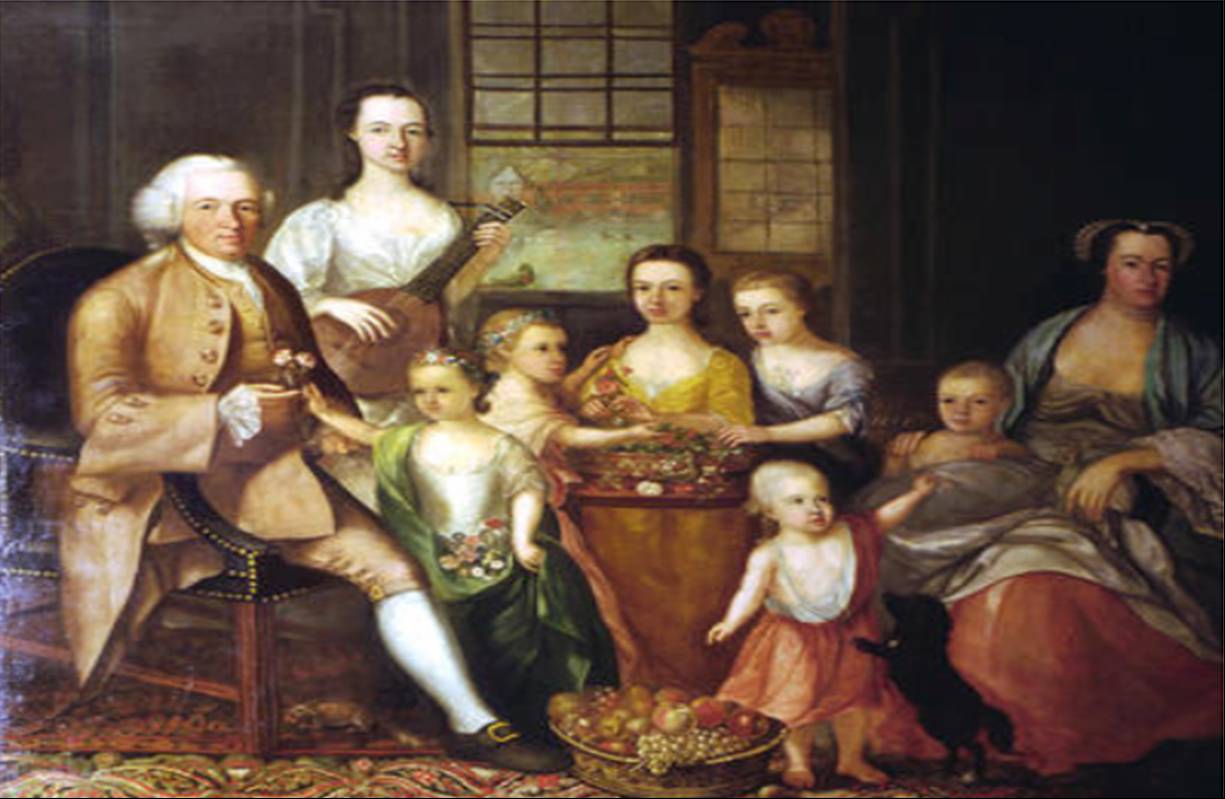
Puzzle corner 3: the strange case of the missing slave
Pupils will find that this example of a black slave, painted out of an eighteenth century painting of a tobacco lord’s family, makes an intriguing starter to any lesson on…
Read More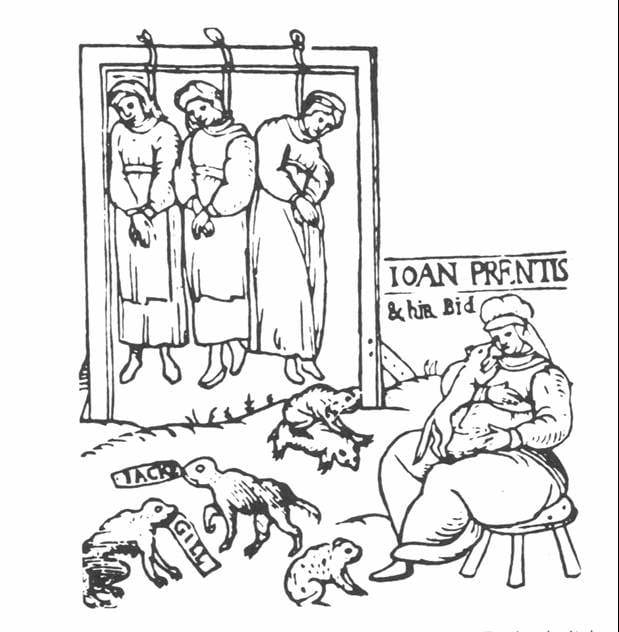
Why were so many witches hanged in the 16th and 17th centuries?
Can we beat the textbook explanation? The inspiration for this lesson came from the talented history department at Court Moor school and in particular the outstanding history subject leader Claire…
Read More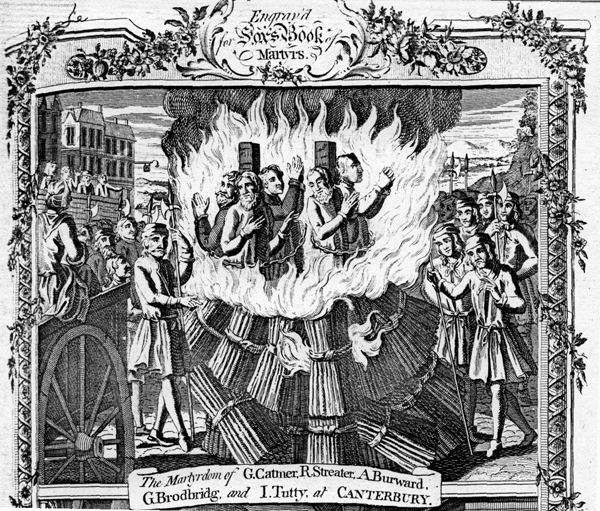
How ‘Bloody’ was Mary Tudor?
At the heart of the lesson is a courtroom trial. Pupils have to acquit Mary Tudor of the charge of being ‘Bloody’. They look together at the reasons why she…
Read More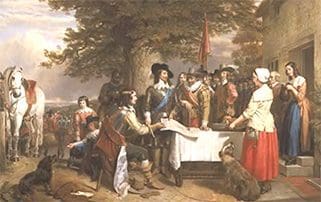
Why did sons kill fathers in the English Civil War? The Verneys enquiry
Pupils in this Year 8 class had already looked at background causes of the English Civil War and had a clear grasp of the narrative of events 1625-42. They had…
Read More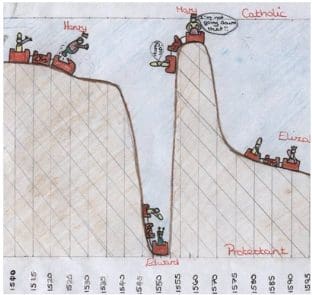
Religious change in 16th century: did they do what they were told?
Historians have often treated the Reformation as if it was one big event. All Henry VIII did was throw a switch in 1529 and then gradually everyone changed religion until…
Read More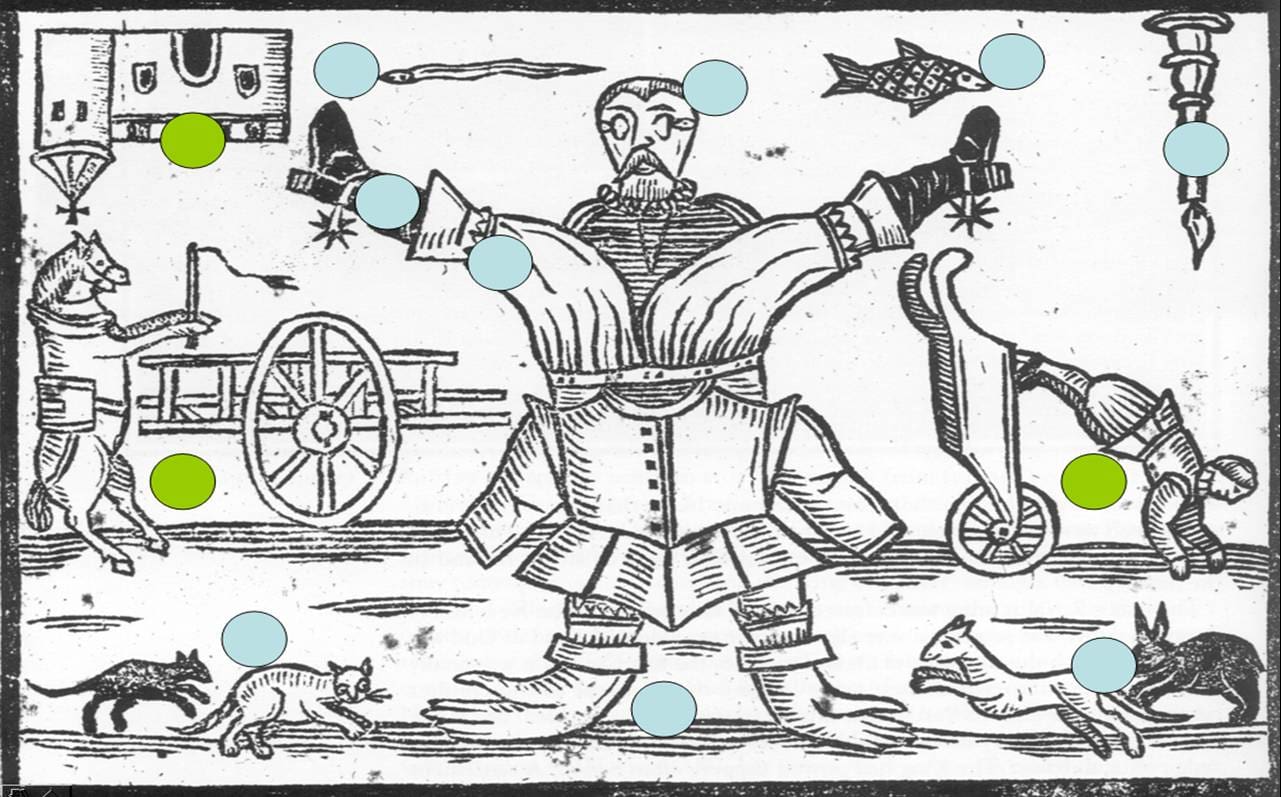
Parchment in the flames – the World Turned Upside Down
This lesson uses a familiar post-Civil War source in an unusually intelligent way to give Y8 pupils a good understanding of the need to interpret sources in their historical context. …
Read More
Did the Great Fire really end the Great Plague of 1665?
In this one-lesson enquiry pupils look carefully at statistics and maps in order to challenge received opinion. To do so they must raise as well as answer questions and need…
Read More
English Civil War enquiry: was the last year of the war more about sieges than pitched battles?
This enquiry lesson asks students to use a dataset about the last year’s fighting in the English Civil War to come to a conclusion as to whether it was a…
Read More
Why did Peasant unrest boil over into revolt in 1381?
Reasons for the Peasants’ Revolt This lesson uses the analogy of raising the political temperature, and then boiling over, to explain the Peasants’ Revolt. Pupils construct their own living graphs…
Read More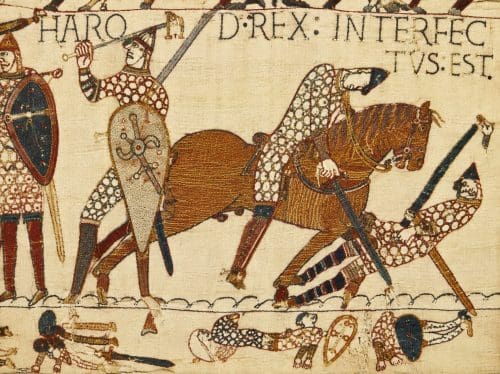
Did Harold really die with an arrow in his eye? – a reconstruction relay
In this activity pupils reconstruct the death scene from the Bayeux tapestry by means of a short, fun, reconstruction relay drawing activity. This is followed by an in-depth study of…
Read MorePeasant’s Revolt: If life for many medieval peasants improved after the Black Death why did they risk joining the Peasants revolt in 1381?
This is a thinking skills activity, a variant of a history mystery, in which pupils construct their own explanation of why individuals might have joined the rebel cause. Pupils will…
Read More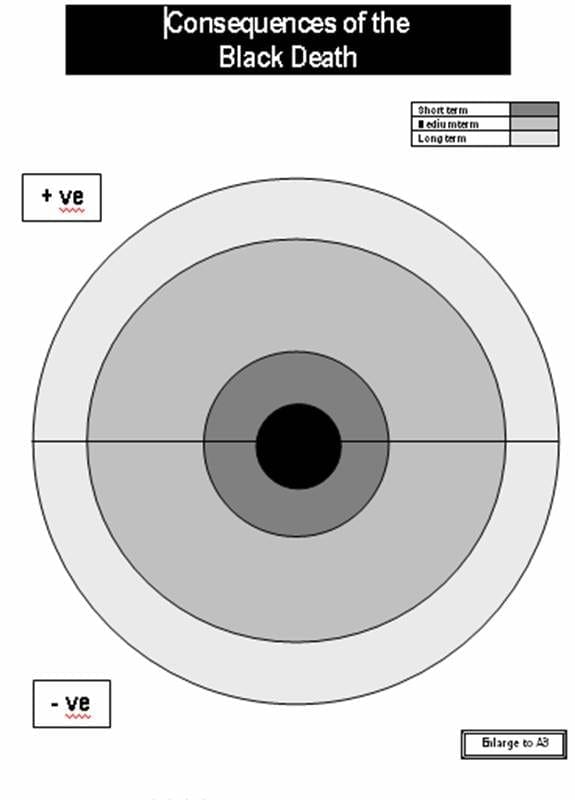
Was the Black Death a disaster for everyone?
This lesson is about the consequences of the Black Death. After an initial stimulus image, pupils are presented with a series of 10 predictions they have to make about the…
Read MoreIf Henry and Becket were such good friends why did Henry have him killed less than 10 years later?
This very active thinking skills lesson comprises three separate episodes. Firstly having listened to a brief teacher-told narrative, pupils have to sort events into the right sequence before going on…
Read More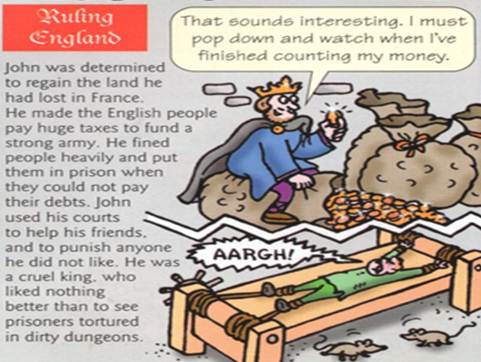
Daggers, money bags, clay pipes, scrolls, and torn up maps of France: putting King John on trial using a range of exhibits
Carrying out a trial of a controversial character is far from new. We have all tried it at some time. What makes this lesson stand out is the quality of…
Read More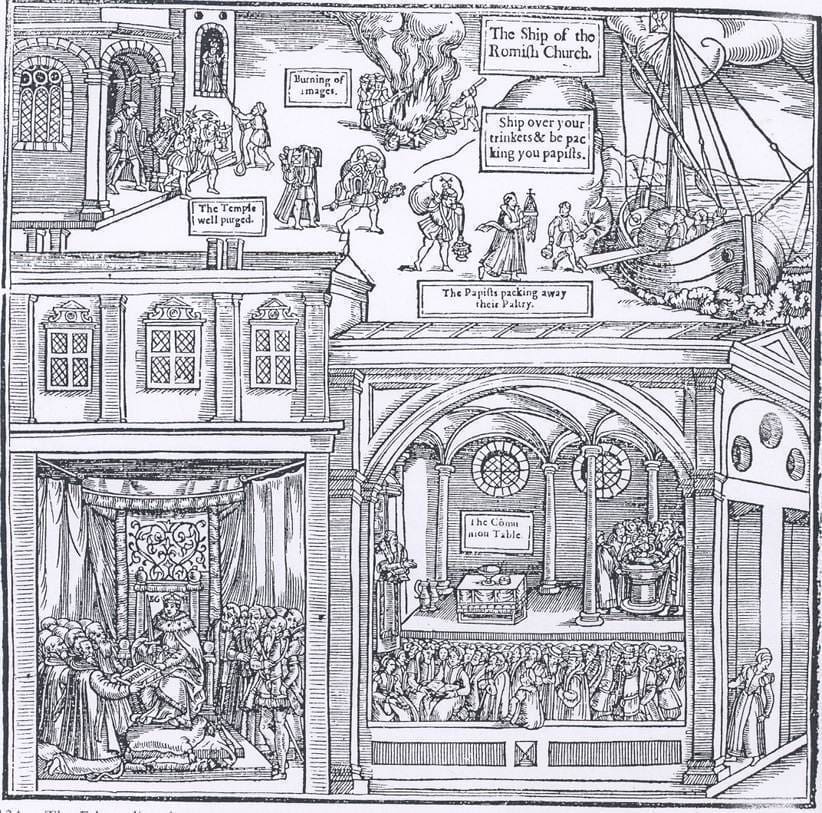
Starter activity on religious changes in the reign of Edward VI. SMART TASK KS3
A quick small group starter task in which pupils collaborate to show what meaning they can make from an image taken from Foxe’s Book of Martyrs. They use the PowerPoint…
Read More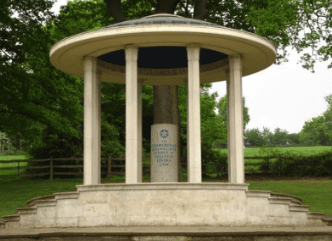
How significant was Magna Carta? SMART TASK KS3
Pupils have been commissioned to produce two brief podcasts for the British Library website aimed at a teenage audience. The first podcast is to last 100 seconds and must explain…
Read MoreWritten by Neil Thompson
All content on Keystage history is written and quality assured by Neil Thompson, a former history teacher, county history adviser and Ofsted inspector with more than 30 years’ experience in history education.