
Keystage history
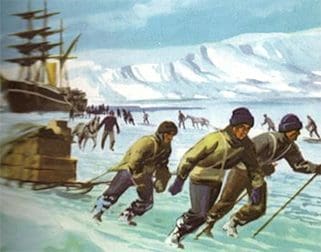
Scott of the Antarctic – KQ2 – How did Scott get to the South Pole and what happened then?
You can use this task on Scott’s journey to the South Pole in a number of ways: as a simple sequencing task, which really challenges across the ability range or…
Read More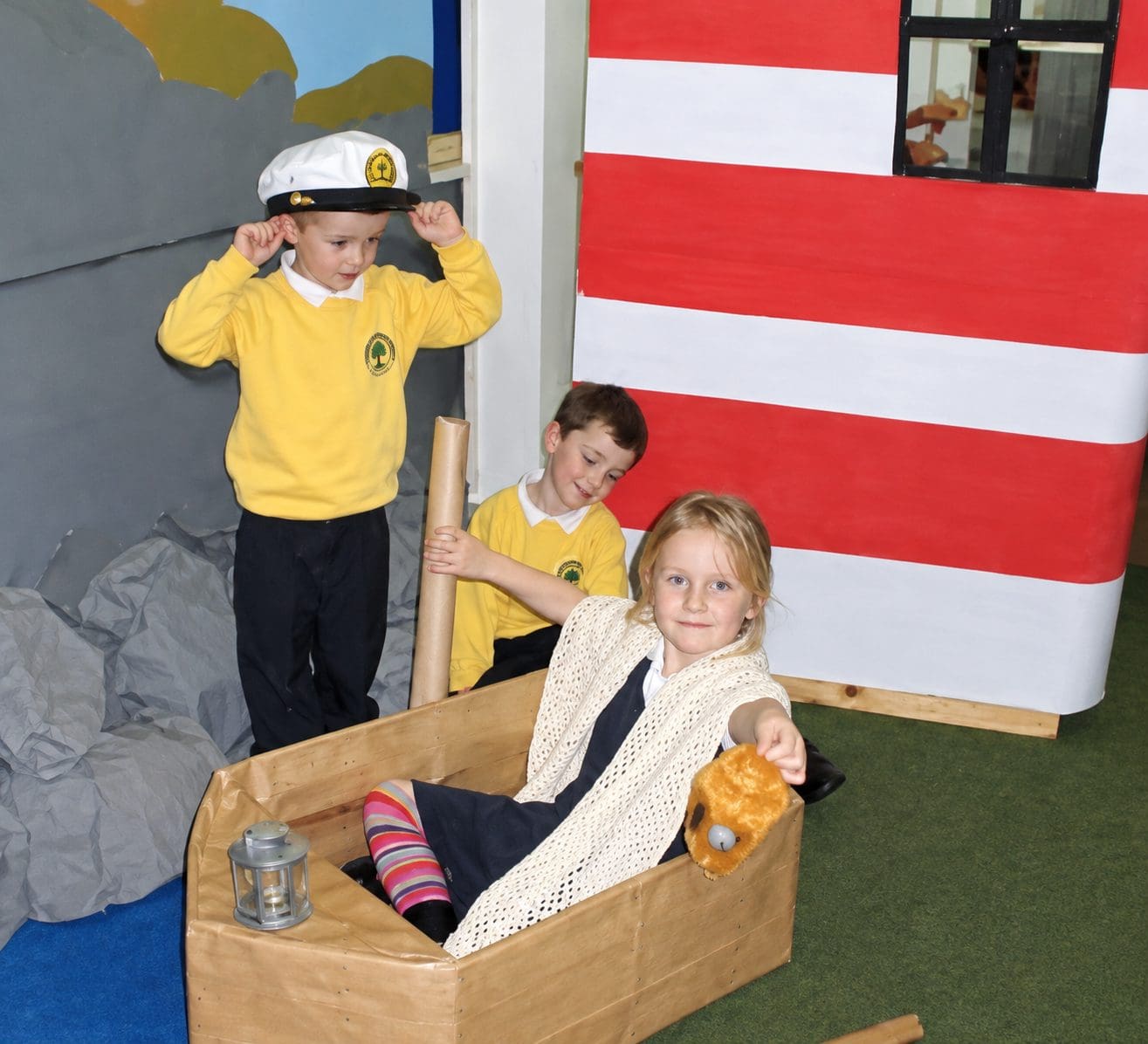
Grace Darling – KQ3 – Did Grace Darling really carry out the brave rescue on her own?
This Year 1 lesson on historical interpretations starts with a stark comparison of 2 images of the rescue showing very different detail. Pairs of pupils are then given 1 of…
Read More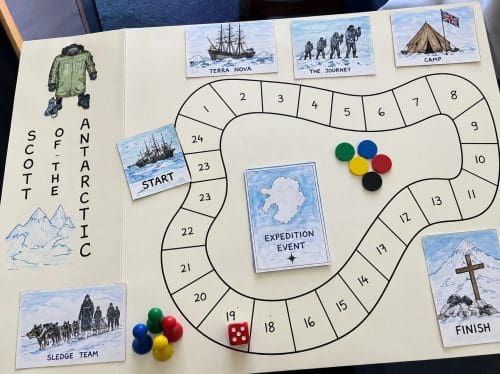
Scott of the Antarctic – KQ2b -Scott of the Antarctic: From sequencing to Living graph Key question
This activity enabled children to see how certain events had a positive or a negative effect on Scott’s expedition to the South Pole. The children in Year One also needed…
Read More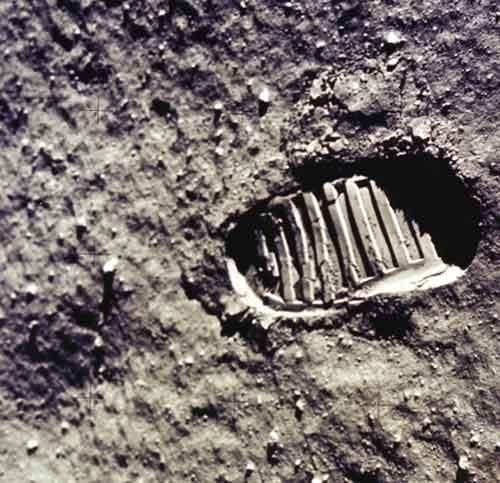
Moon Landing – KQ4 – What did they do on the moon?
This lesson uses differentiated resources as a starting point to help children access the detail of man’s first steps on the moon surface at an appropriate level. I have marked…
Read More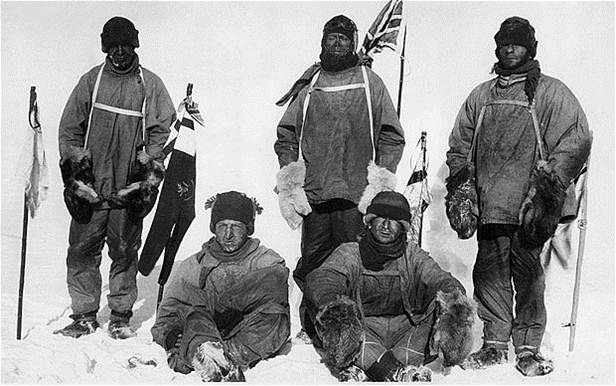
Scott of the Antarctic – KQ3 – Why did Scott risk his life going to the South Pole?
The concept of an intrepid explorer may not be completely alien to even the youngest children as the media does focus a lot on individual record breaking, whether it be…
Read More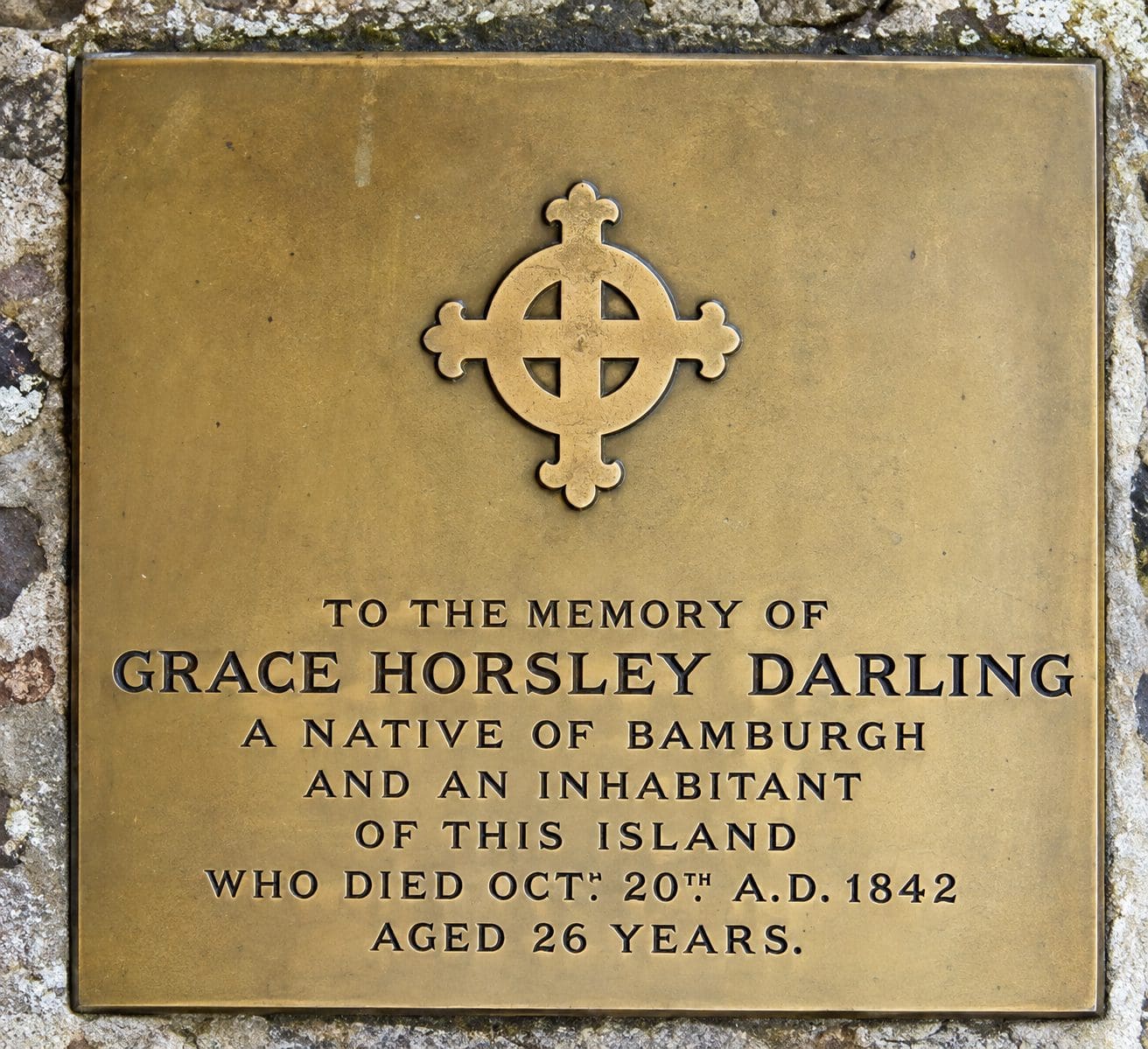
Grace Darling – KQ4 – How do we know about Grace Darling’s actions which happened so long ago?
There are two distinct elements to this session. Firstly, pupils develop a sense of period and of evidence by thinking about the sources historians would use to find out about…
Read More
Titanic – KQ5 – Why weren’t more people saved from the Titanic?
In this problem-solving activity, pupils have to speculate, using a stimulus image and then evaluate a range of given reasons based on their plausibility, placing them on a spectrum. To…
Read More
Moon Landing – KQ5 – Would you take the Golden Ticket and travel to the moon?
This lesson follows on from lessons introducing the reasons why men first went to the moon, what they did when they were there, and the evidence we have for their…
Read More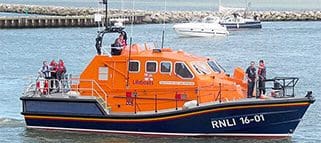
Grace Darling – KQ5 – How did sea rescue improve as a result of Grace Darling’s story?
This session comprises 2 principal activities: matching descriptions of lifeboats to time periods to deepen pupils’ sense of change, continuity and chronology; sequencing and then selecting images for a Museum…
Read More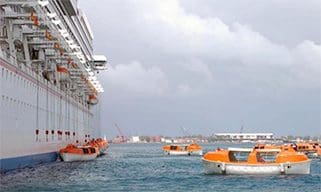
Titanic – KQ6 – What are the best ways of stopping disasters such as the sinking of the Titanic ever happening again?
Pupils are employed as safety advisers to the UK and US governments in the aftermath of the sinking of the Titanic? Their job is to come up with the best,…
Read More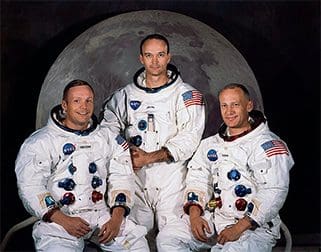
Moon Landing – KQ6 – Commemorating the Moon Landing
How do you think we should remember the first man on the moon on July 21st 1969? What symbol could we use? Coming at the end of the topic this…
Read More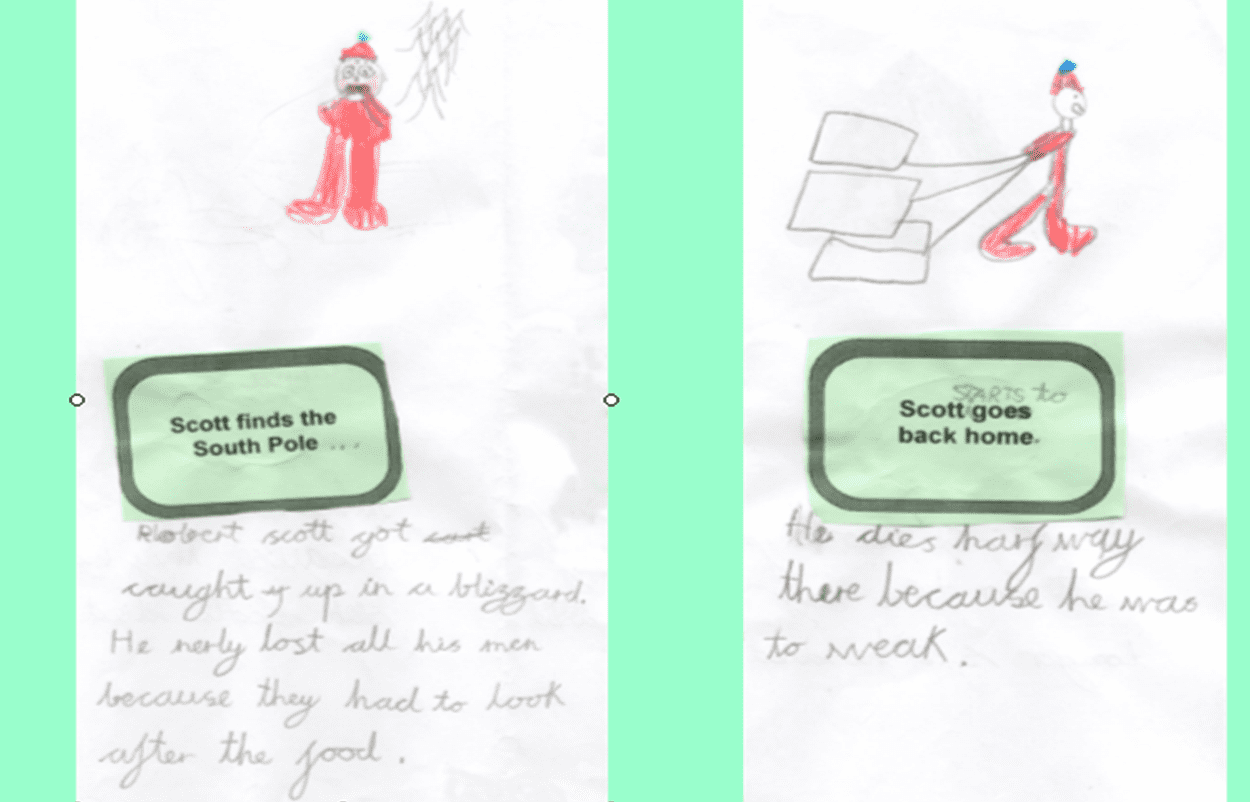
Scott of the Antarctic – KQ4 – How do we know what happened on Scott’s last journey? A KS1 smart task
Pupils have already studied Scott’s last journey and have turned a series of events into first a living graph and then a board game to show the ‘ups and downs’…
Read More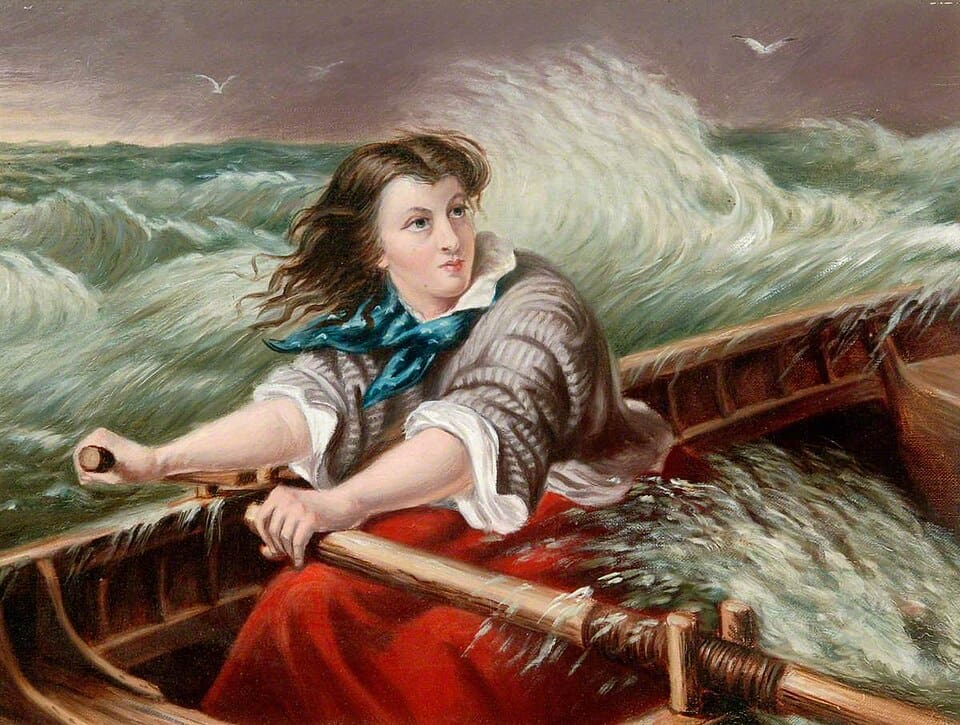
Grace Darling – KQ6 – How should we remember Grace Darling?
This last key question of 6 on the medium-term planning, focuses on her legacy and why we should commemorate her. It introduces pupils to a number of ways in which…
Read More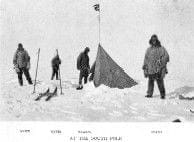
Scott of the Antarctic – KQ5 – Why did he not get to the South Pole first?
In this lesson in the teaching sequence on Scott as a famous person, or as part of a more integrated topic on Cold lands, pupils have to solve a history…
Read More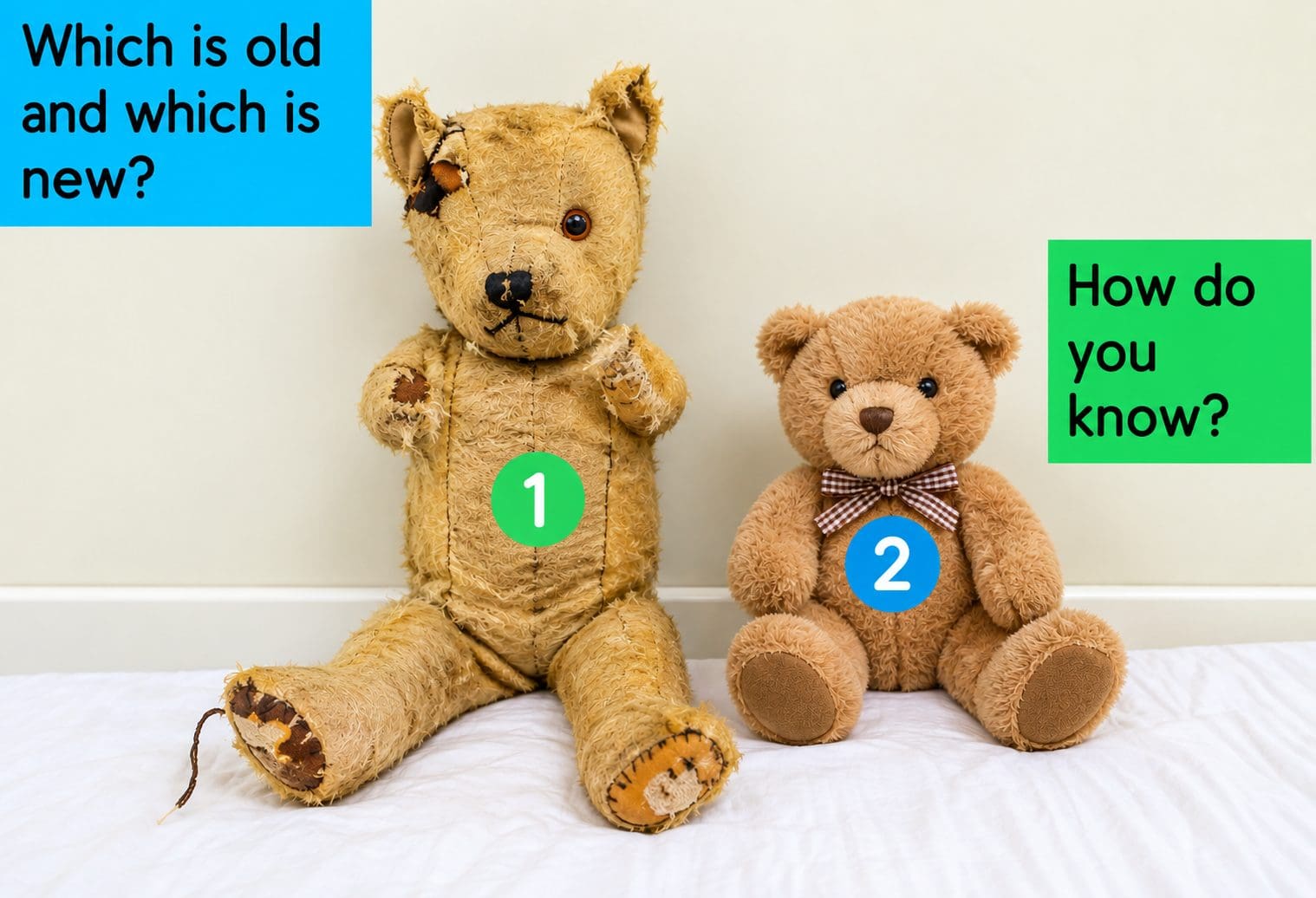
Toys – KQ3 – How can we tell these toys are old?
This smart task complements the existing lesson on the site using ICT . Rather than re-write the whole lesson this is added as an extra task. Using slides 2-5 show…
Read More
The top 10 things you need to know about chronology at KS2, but were afraid to ask.
The top 10 things you need to know about chronology at KS2, but were afraid to ask. 1. There is more to chronology than sequencing While sequencing is fundamentally important,…
Read More
Toys – KQ4 – What sorts of toys did our grandparents play with and how do we know?
Optional question: What toys did our grandparents get as Christmas presents when they were your age? Start with a discussion about how we can begin to investigate what toys were…
Read More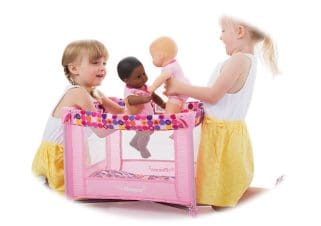
Toys – KQ5 – Who played with these toys in the past? and how can we know?
This is particularly suitable as an extension question for the older/ higher attaining pupils in KS1 if you are teaching this topic to a mixed-age class. Important note: Before starting…
Read More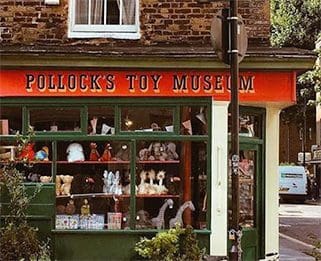
Toys – KQ6 – How can we set up our own toy museum?
This final KS1 lesson on the Toys topic cements children’s understanding of old and new in an interesting way. Activity 1 Use the book Lost in a Toy Museum as…
Read More
OFSTED and assessment of primary history in the EIF for 2019
OFSTED and assessment in primary history One of the features of deep dive subject inspections is that the two hardest areas of a primary history leader’s role are in danger…
Read More
Planner for teaching early Islamic civilization at KS2
For many schools this is new topic and one to be taught with particular sensitivity in the 21st century. Try wherever possible to think of the reasons it is on…
Read More
What does OFSTED really think about 2 year KS3 history courses?
More than half of schools now run lengthened Key Stage 4 history courses, effectively shortening Key Stage 3 to cater for the new, allegedly tougher GCSEs. OFSTED has insisted it…
Read More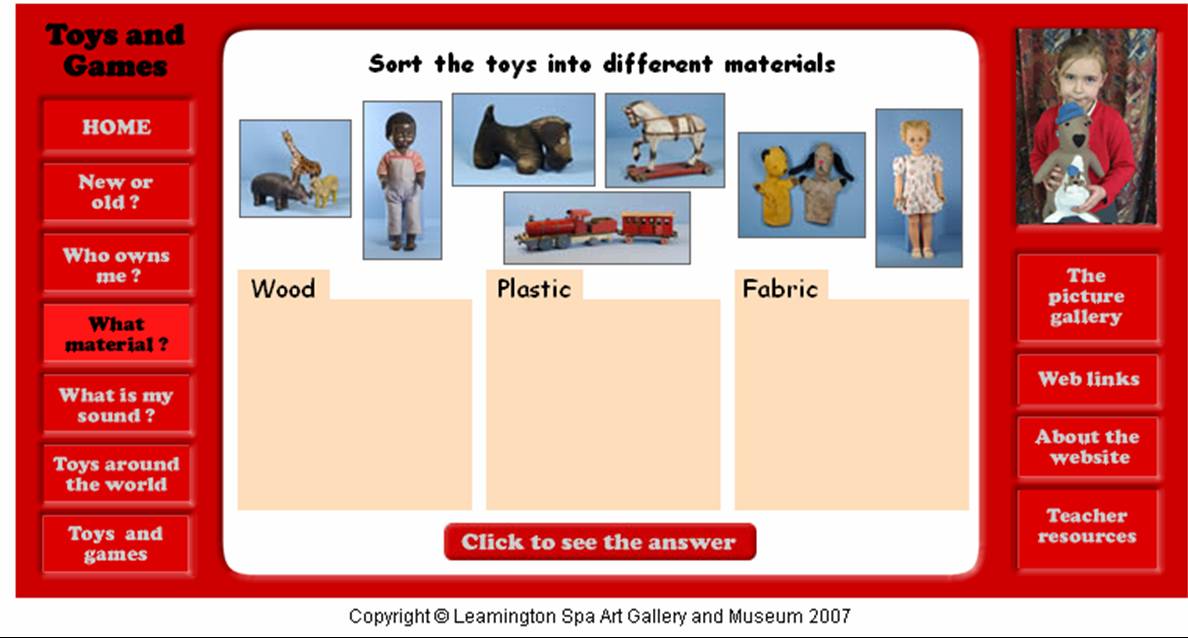
Toys old and new: Sorting and setting
This lesson draws on some excellent resources you may not have come across, produced by museums in Bedfordshire and Warwickshire. Not only do they look at old and new and…
Read MoreOFSTED’s report on teaching of Toys-outstanding lesson
When the inspector entered, the pupils were sitting on the carpet around the teacher. She was gently exploring whether they understood the concepts ‘old’ and ‘new’and the differences between the…
Read MoreWhat does INTENT actually mean for history in the new OFSTED Framework for 2019? Building blocks and the Big Picture
Nothing could be simpler: intent is everything up to the point at which teaching happens in the classroom. It is what you intend pupils to learn. What knowledge, what skills,…
Read More
Teaching the Iron Age at KS2: are you teaching the right things?
In a recent article in Primary History by Karen Doull of the Historical Association adumbrated a list of the ‘Ten things your pupils need to know about the Iron Age’….
Read More
5 things primary history subject leaders should be doing next term
It obviously makes no sense to ordain a calendar of must-do tasks that all primary history leaders should be following. After all, each school is at a different stage of…
Read More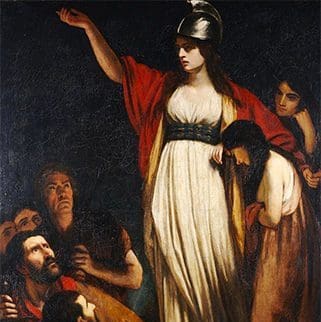
Roman Britain – KQ2 part 2 – Boudicca’s rebellion: from sequencing to living graph
This KS2 lesson on Roman Britain uses the idea of a living graph to see the ups and downs of Boudicca’s life as a way of helping children make sense…
Read MoreTime to drop insanity of a 3 year GCSE history course
Of all the phases of history education pupils now go through, KS4 is by far the least appealing. So why 50% of schools prolong the agony of KS4 by starting…
Read More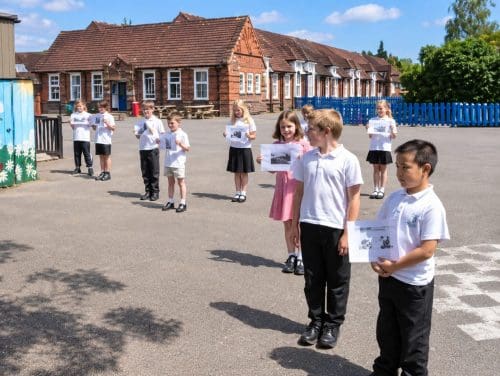
Roman Britain – KQ2 part 2 additional information – Boudica’s rebellion: from sequencing to living graph
The focus on the dramatic story of Boudica is a good opportunity to help pupils to understand why things happen in history, but it also open a window onto the…
Read More
Roman Britain – KQ2 part 2 additional information – Making sure you are teaching Boudica in the right way.
Let’s start with the name. Boudica is the correct spelling, not Boudicea. Boudica means ‘victory’. Her chariots were light, springy, wicker vehicles not the armoured cars with scythes of Victorian…
Read More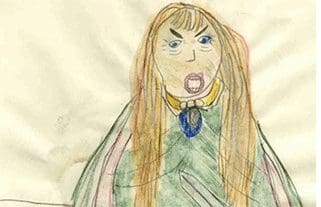
Roman Britain – KQ2 part 3 – What image do we have of Boudica today?
Key Stage 2 pupils find Boudica fascinating so this is a good context for exploring the tricky ideas of historical interpretations. They start by drawing their own picture of her…
Read More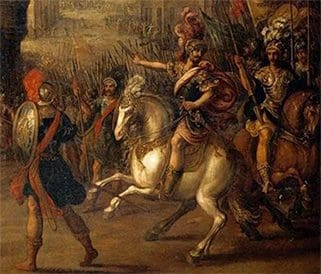
Roman Britain – KQ3 – How were the Romans able to keep control over such a vast empire?
This lesson offers considerable variety in terms of learning approaches. Pupils work in tug-of-war teams to represent the differently weighted factors that help to explain why the Romans were able…
Read MoreWhat do the new 2019 OFSTED Framework reports say about history in primary schools?
Even though we are only a month into term, OFSTED has been busy publishing its reports from the second week of September. I thought you might like a flavour of…
Read More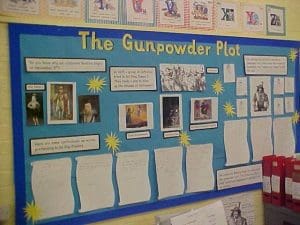
How did Guy Fawkes feel before, during and after the night of the 5th November: pupils do the thinking.
Getting children to think about how Guy Fawkes felt, before, during and after the Gunpowder plot. This simple task, resourced by a short PowerPoint presentation (not provided, but use images…
Read More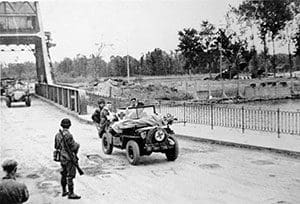
80th anniversary of the outbreak of World War Two
On 3 September 1939, Britain and France declared war on Germany after Adolf Hitler’s invasion of Poland. It was the start of the largest and bloodiest war in history –…
Read MoreWhat new OFSTED framework on work scrutiny means for history subject leaders.
What work scrutiny means for history subject leaders. We all worry about work scrutiny. Will the inspectors take into account that it is only October and therefore very little of…
Read More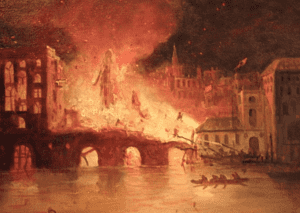
Anniversary of the start of the Great Fire.
On this anniversary of the outbreak of the Great Fire, take a look at the outstanding lesson which explores why the fire began. It has a whole range of exciting…
Read More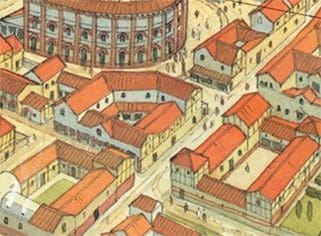
Roman Britain – KQ4 part 1 – Picture this. Creating a group drawing of a Roman town with all key buildings included in the right place
After re-capping the main features of Iron Age settlements, pupils work collaboratively in role as spies trying to find which special buildings the Romans had in their towns. They then…
Read More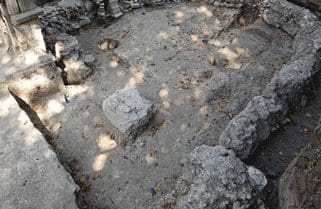
KS2 update on Saxon conversion to Christianity-the first stone churches
Excavations in Kent have just revealed that there were STONE Saxon churches being built in England as early as AD 633. The one at Lympinge was believed to have been…
Read More
Roman Britain – KQ4 part 2 – Is this another Roman villa?
NB. It has been brought to our attention that the link to the video doesn’t work as the video has been taken down by channel 4. As this is an…
Read More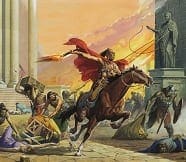
Roman Britain – KQ5 – How can we solve the mystery of why this great 400 year empire suddenly came to an end? Can you make the links?
As this is a brief overview question, without time for much independent research, pupils are introduced to a series of ideas which they have to comprehend, illustrate and then see…
Read More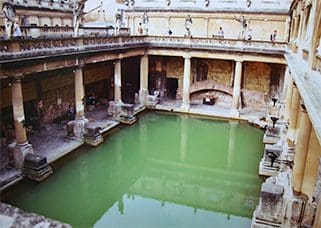
Roman Britain – KQ6 – What have the Romans ever done for us? Under the cloth
This activity is a good fun way of concluding a study of the Romans. It is called ‘under the cloth’. A local museum has sent a display on the Roman…
Read More10 things history leaders need to know about the new OFSTED 2019 Framework
10 things you need to know about leading history 1. Show you are teaching history You will have to show that you are in fact teaching history (and not just…
Read More
Making the Saxons relevant for BAME pupils
In the corridors of academia there has been much debate about the relevance of the british university and school history curricula to pupils.The popular author of a book on King…
Read More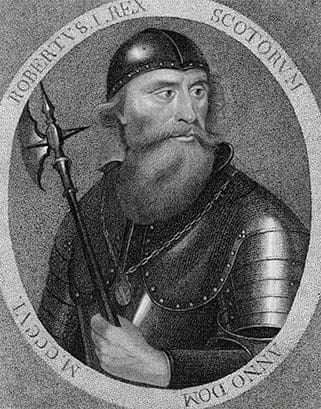
How significant was Bannockburn? What do Y7 pupils think?
When your pupils watch any sporting even that features the Scottish national anthem, remind them of its links to Bannockburn and 1314. So why is it important and doesn’t everyone…
Read MoreMaking links in history at KS3: 5 simple questions to ask your pupils
5 quick and simple questions to help pupils make links in history at KS3 When else have we come across a diagram like this to show how society was organised?…
Read More
Is chocolate bad for your history lessons at KS2? Warnings about OFSTED and SOME cross-curricular approaches
With OFSTED putting the curriculum under even greater scrutiny, it is perhaps timely to re-consider assumption about delivery of history as a discrete subject or as part of a thematic…
Read More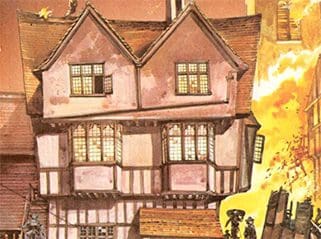
Swapping a Great Fire for a volcanic eruption? Looking for a new famous Event at KS1?
In a recent article in the Historical association’s Primary History Sue Townsend makes a very strong case for introducing the teaching the volcanic eruption at Pompeii at KS1. One had…
Read More
How many of these 50 KS2 history concepts do your pupils understand?
How many of these KS2 history concepts do your pupils understand? Afterlife Army Blitz Border Christianity City Civil war Civilization Colony Conflict Conquest Coronation Country Democracy Emperor Empire Enemy Fleet…
Read MoreWritten by Neil Thompson
All content on Keystage history is written and quality assured by Neil Thompson, a former history teacher, county history adviser and Ofsted inspector with more than 30 years’ experience in history education.