
Keystage history
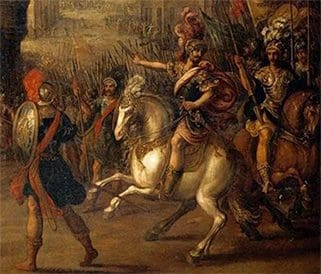
What have the Romans ever done for us? More than we think
It appears that we need to add anti-earthquake engineering to all the other benefits the Romans gave us: sanitation, medicine, education, public order, irrigation- and let’s not forget….wine! Recent studies…
Read More
What does greater depth look like in history at KS2 and 3?
What does greater depth mean in history? So, we all know it doesn’t just mean knowing more stuff. We also know its not like mastery in mathematics. Perhaps these 8…
Read More
Writing frames in KS2 and 3 history: Uncomfortable Procrustean bed or essential tool for explanatory writing.
For years history teachers have been using writing frames. Some are better than others. Some are downright unhelpful . It s not that structure is unnecessary its just that some…
Read More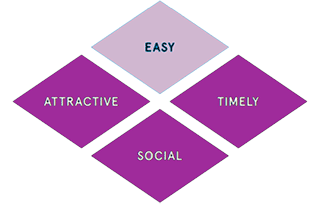
How to implement successful curriculum change in history: using the EAST model
Most schools will have come up with a new curriculum for history at a time when the statutory changes took place. But with the new focus that OFSTED is placing…
Read More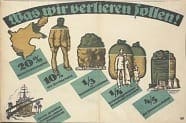
How should Germany be treated at the Paris peace conference? KS3 or KS4 task
This short but engaging task precedes any detailed analysis of the terms of the treaty itself. It has four distinct elements: prediction; analysis of a rarely seen German poster; attaching…
Read More
Using small stories to reveal big pictures in our history teaching: a practical example
Small stories and big pictures As history teachers, we love telling stories. We do this to motivate pupils as we know they are interested in them and find them relatively…
Read More
Improving your questioning in history to improve learning
We all know that less than 10% of questions we traditionally ask in British classrooms actually caused new learning. Most concern rehearsing what pupils already know or are about classroom…
Read More
GCSE history wagging KS3 dog says HA survey
Last month the Historical Association published its annual survey of the state of history in its secondary schools. About 300 completed the survey so it is a reasonable sample. Several…
Read More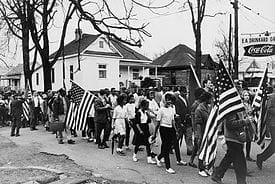
Free at Last? How far had the Civil Rights Movement come by 1963?
How far have Afro-Americans come in their struggle for equality over the last 160 years? With many schools operating a 2-year Key Stage 3 curriculum, it is important to offer…
Read More
Don’t bark up the wrong tree with progression-its all about the history curriculum not content-free skills
There has been a lot of confusing talk recently about progression in history. Schools are still wrong-headedly trying to build up a bank of ‘can do’ statements that are content…
Read More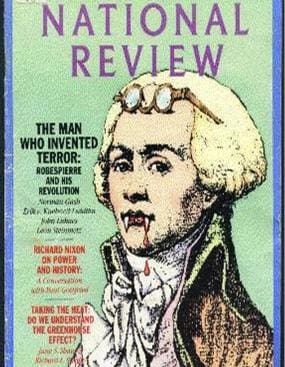
Do all revolutions in history end badly? Historians compare Russian, French and Chinese revolutions.
Interesting article in History Today (one that is free to read), in which authors compare the outcome of three revolutions: Russian, Chinese and French. Plenty for your budding historians to…
Read More
‘100’ great teaching ideas for teaching history at KS4
This section offers a veritable treasure trove of imaginative tried-and-tested ideas which will be a source of inspiration for you in your GCSE teaching. As there is some overlap with…
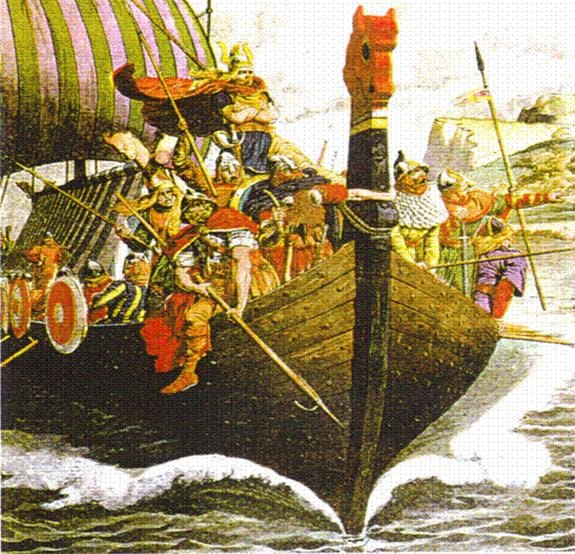
Using place-name evidence to find out about the Vikings at KS2: 3 things you MUST know
Place-name evidence is really important to historians studying the Vikings. Not only is there so much of it, it is also very descriptive and helps us with everyday Norse language…
Read More
Curriculum models at key stage 3
By now, most of you will have taught your new KS3 curriculum for over four years. It might seem a strange time to now think about tweaking it, but I…
Read More
Using colourful highlighter pens to mark text. Is there a better alternative to promote deeper thinking in history?
Highlighting text is a commonly used technique in history teaching right up to, and including A level. I have spend many a deliriously happy hour on inspection looking through so…
Read More
Medium term planning for history at KS2
KS2 History Planning and Plans All compulsory National Curriculum topics now have full medium-term plans rated as outstanding by OFSTED. You will find them as downloadable high-quality files in the resources section…
Read More
Your KS3 history curriculum and OFSTED’s 2019 Framework
With the OFSTED Framework for 2019 very much in mind the clever people at OneBigHistoryDepartment have come up with a list of questions to ask yourself about your KS3 history…
Read More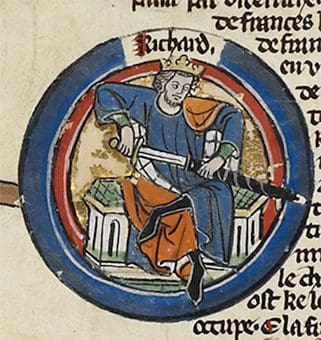
Great new outstanding lesson on Richard the Lionheart and 3rd crusade
Given Richard’ failure to capture Jerusalem, his incarceration and his absence from England how could he still be called Lionheart rather than loser? How can he possibly deserve his statue…
Read More
How well do your pupils know the periods of history?
Chronology is difficult for young children. They generally get batter as they get older, as they can relate one period to the next in context. Of course they can learn…
Read More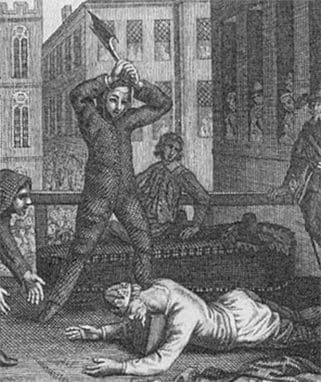
Are you up-to-date with your teaching of the trial and execution of Charles I?
Sean Kelsey has recently published his research in a paper from the Institute of Historical Research which you can read in full here What I offer here are some quick…
Read More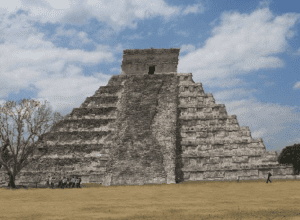
How to engage your KS2 boys with the Maya using football
Football is a religion. As early as 1000 year ago the ancient Mayan ball game drew huge crowds, not just for its entertainment value, but also for the religious significance…
Read MoreHow to close the attainment gap in history at KS3 and 4
Kate Smee,Director of Humanities, Fairfield High School, Bristol recently gave a couple of examples of what works for her on the HA site Onebighistorydepartment.As a starting point I would recommend…
Read More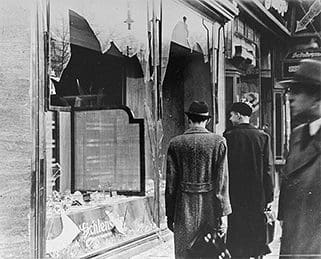
Widespread ignorance of the Holocaust still shocks
Five per cent of UK adults do not believe the Holocaust took place and one in 12 believes its scale has been exaggerated, a survey has found. The poll of more…
Read MoreOFSTED’s sensible approach to progression
OFSTED’s 2019 draft Framework for Inspection is full of very welcome comments about the central importance of having a high-quality curriculum. It follows this up with some equally welcome strictures…
Read More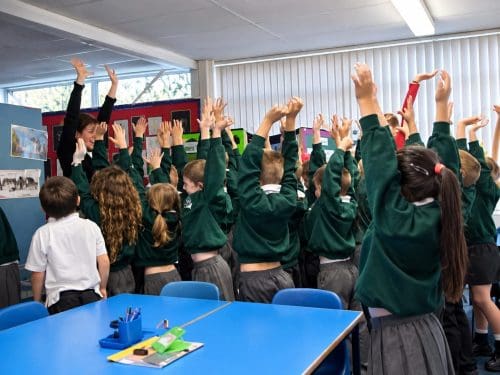
Gunpowder Plot Smart Task: Dear producer
Over the last few sessions, the children have become familiar with the story of the Gunpowder Plot using a range of strategies from ‘A moving story’ and ‘Prove it!’ (see…
Read More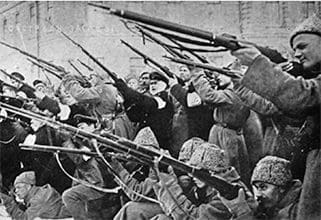
So when did the Russian Revolution really end?
This article from Miriam Dobson’s at Sheffield University give us a variety of answers. Rex Wade writes: ‘The dispersal of the Constituent Assembly effectively marked the end of the Russian…
Read MoreDon’t over-complicate your teaching
OFSTED recently published this exemplification of successful history teaching in one school using the new EIF 2019 Framework criteria. Teachers present the historical content clearly, promoting lively discussion and debate…
Read More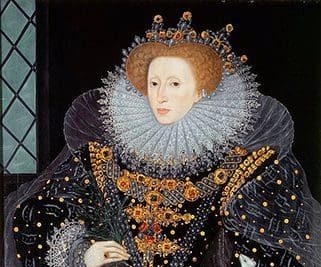
Elizabeth I: awful weather
As reported in The Times, yesterday marked the Coronation of Elizabeth I, 460 years ago. It was cold and wet in London on January 15, 1559, with flurries of snow,…
Read More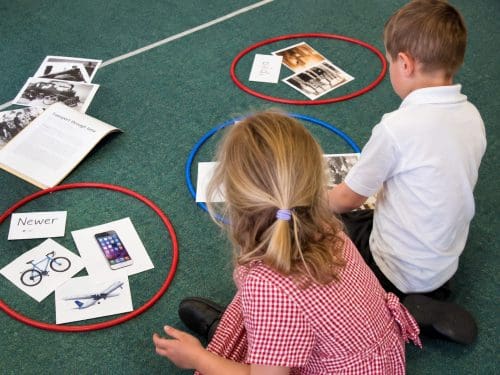
‘Fitness for purpose’ teaching and learning strategies in KS1 history
Throughout the site there are lots of examples of imaginative activities, for both teaching and learning. These need to be placed in context. To a large extent this is what…
Read More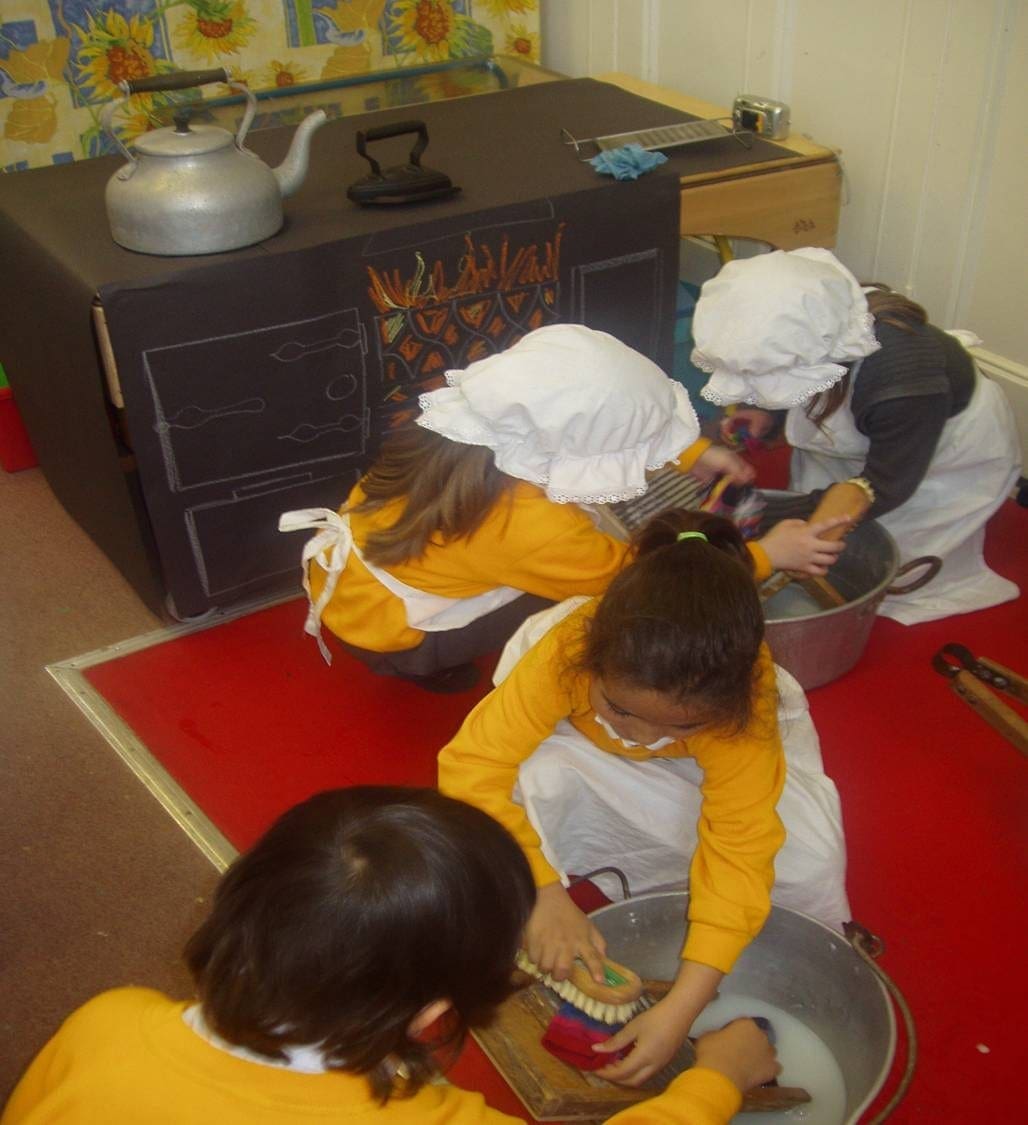
In Living Memory: Key Stage 1
Comparing pupils’ lives with the recent past not only enables pupils to handle more familiar sources and make direct comparisons with their own experiences, it also opens up opportunities for…
Read More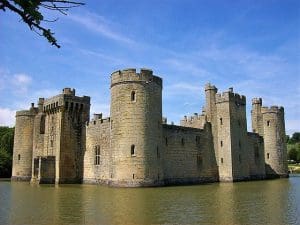
Using role play area when teaching Castles at KS1
There are at least 6 ways you can help young children make sense of the past using your role play area. 1. Colourful Costumes Having a range of costumes enhances…
Read MoreDos and Don’t of concluding your history lesson
When the National Strategies were all the rage over a decade ago now, a lot of attention was paid in the Foundation subjects to lesson starters and what were known…
Read More
What does good leadership of history look like at KS 1 and 2?
A recent report from a history HMI to a primary school reveals what they are looking for : One of the key features underpinning the high quality of history learning …
Read More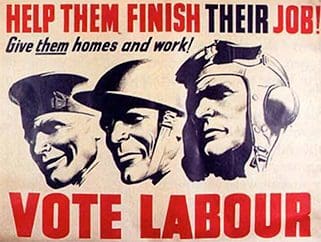
The reasons why Labour won the General Election of 1945.
If Churchill’s popularity rating rarely dropped below 80% during the Second World War, why then was there a landslide victory for Labour in 1945? Building on the obvious paradox of…
Read MoreKristallnacht: Did the press allow itself to be taken in by Nazi propaganda?
This lesson starts by creating tension between what students have read in preparation for the lesson and a contemporary newspaper. With students clearly aware of the obvious contradiction, they then…
Read More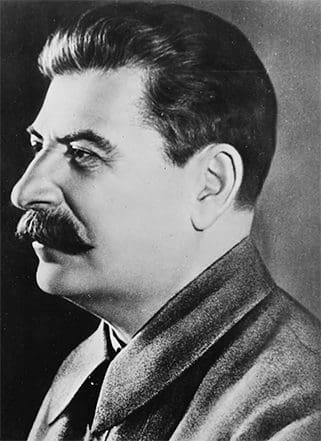
LESSON IDEA: Why have there been so many different theories as to why Stalin carried out the Terror?
Varied and active lesson in which students: generate a list of relevant questions; prioritise their own reasons; role-play the arguments used by 4 different named historians, and relate this to…
Read More
Using history puzzles to encourage deep cross-curricular thinking.
I would strongly urge you to consider throwing in a few of these from time to time. Here is a puzzle (PowerPoint in resources section) you might want to use…
Read More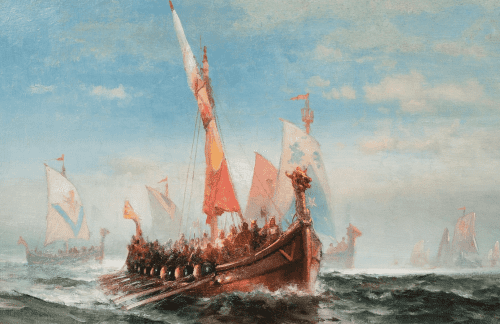
Keeping up-to-date with your teaching of the Anglo-Saxons and Vikings at KS2- dealing with fake news
Subject knowledge is vital for any KS2 teacher. You can rely on this website to provide not only the background knowledge you need but also the key learning activities that…
Read More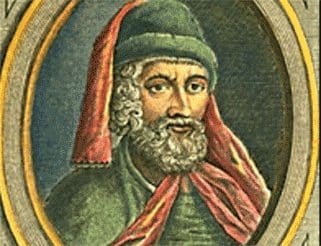
Teaching Caxton and Bell at Key Stage 1
These two famous people are linked by the theme of communication; spreading the word. Tim Berners-Lee founder of the world wide web could also be mentioned to bring the topic…
Read More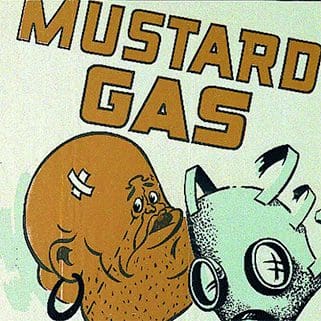
GCSE Medicine and World War One. How did a weapon of war ( mustard gas) lead to a blood cancer treatment?
Fascinating short article looking at war as a factor in medical advances. Those who suffered most from mustard gas attacks at Ypres in 1917 were found to have low white…
Read More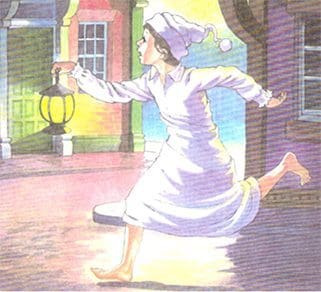
Comparing different nursery rhymes: Wee Willie Winkie
This fun lesson uses images and very simple text as well as artefacts. It provides an essential grounding in an understanding of the concepts of ‘then and now’, and a…
Read MoreIn many schools primary history curriculum found wanting by OFSTED
Seven of the 33 primaries schools visited by the inspectorate under phase 3 of its curriculum study, published today, had a “complete absence” of curriculum design in humanities. History came…
Read MoreOFSTED rails against gimmicks rather than getting basics right
The chief inspector of schools at OFSTED has warned against resting hopes on the latest educational gimmicks and urged us instead to focus on getting the basics right. Amanda Spielman…
Read More
Top 10 Command words when planning your primary history activities
As well as listing and describing, what other forms of command words can we use to make sure that pupils’ thinking is likely to be historical? It may be helpful…
Read More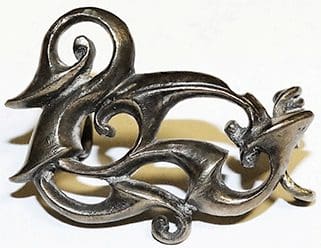
New find reveals Roman relationship with the Celts
Yesterday the BBC ran this interesting article on an important find at Vindolanda Roman fort on Hadrian’s Wall which challenges some misconceptions about Roman attitudes to Celtic culture. You can…
Read More
How can I raise standards in learning in history in my primary school? Doing the right things.
One of the hardest jobs for a history subject leader in primary schools is to build up a clear idea of what it is that makes the biggest impact on…
Read More7 ways to ensure that your history curriculm is 2019-ready
There has been a lot of coverage recently of OFSTED’s intention to focus more on the quality , range and impact of the curriculum, rather than simply looking at data….
Read More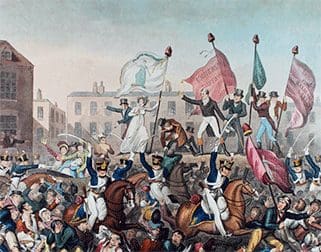
So, are we getting the emphasis right in our teaching of the Peterloo massacre at KS3?
The Peterloo massacre is one of the best-documented events in British history and now the subject of Mike Leigh’s recent film, which has brought it to more people’s attention. The…
Read More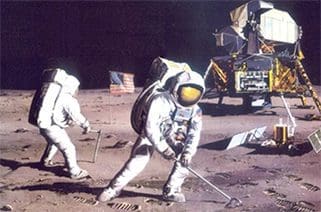
Moon Landing story book to use with Year 2
Those of you teaching Man’s First Moonlanding at KS1 but like to know that there is a cute fiction title you might want to use called They Raced to the…
Read More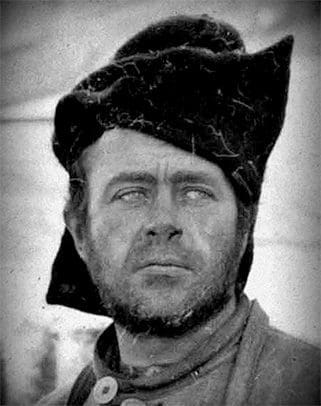
Scott of the Antarctic – KQ6 – How should Scott be remembered today?
Exciting finale to the topic sees pupils analysing different ways in which Scott has been commemorated in the past, coming up with their own 21st century ideas and then completing…
Read MoreWritten by Neil Thompson
All content on Keystage history is written and quality assured by Neil Thompson, a former history teacher, county history adviser and Ofsted inspector with more than 30 years’ experience in history education.