
Keystage history
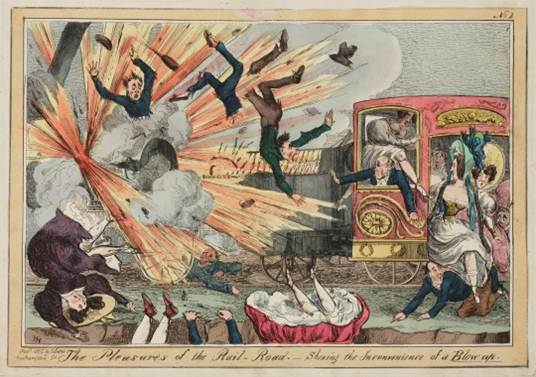
Victorian Britain – KQ4 – Victorian railways: winners and losers. A thinking skills activity leading to a role play
This active thinking skills lesson asks pupils to consider the likely effect of the coming of the railways on different groups in society before going on to take part in…
Read More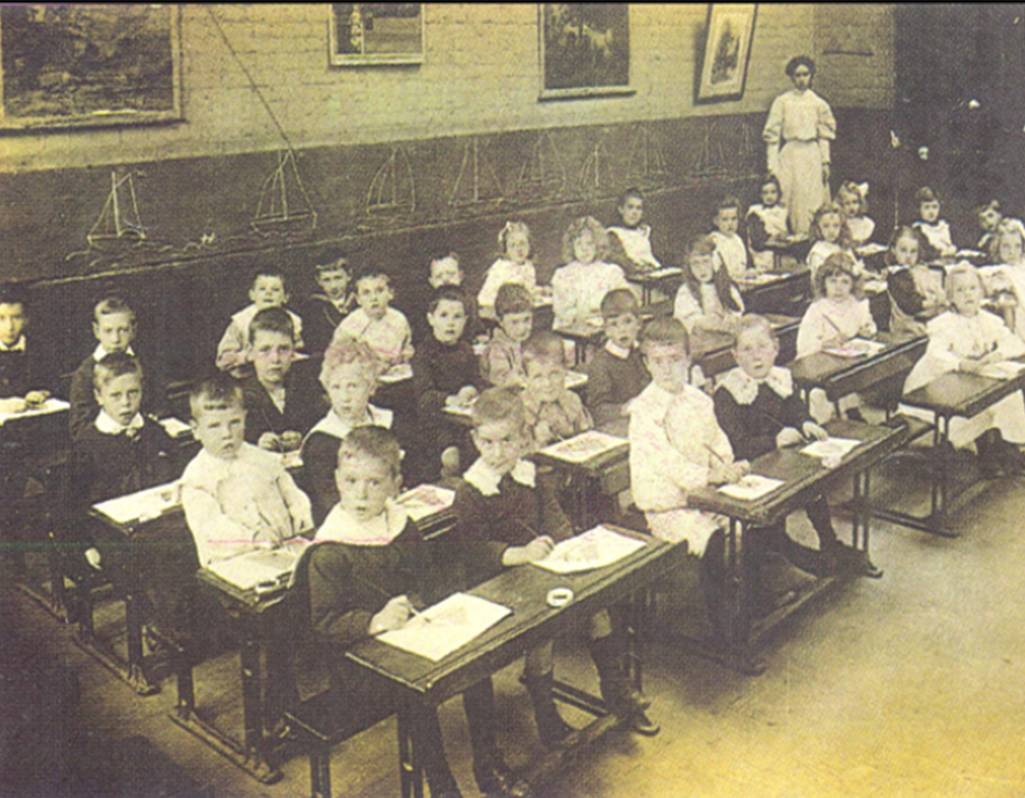
Victorian Britain – KQ5a – Going to school in Victorian times: can pupils write a paragraph for a KS1 textbook using photographs alone? SMART TASK Y3-5
This activity puts pupils in the role as researchers for a new book on Victorian schools. They have been commissioned to write a book for key Stage 1 pupils. Therefore,…
Read More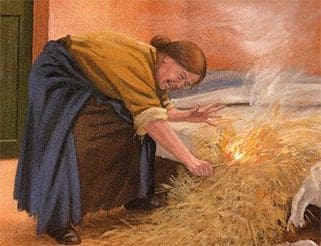
Victorian Britain – KQ5b – Victorian poor and the workhouse; what does Martha’s story tell us?
NB This is an additional lesson that does not appear on the planner. This topic couldn’t be more relevant to today. We frequently hear it said that the poor are…
Read More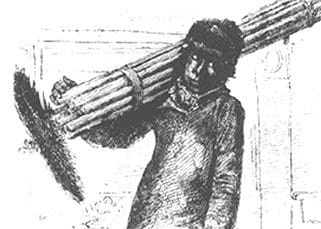
Victorian Britain – KQ5c – Climbing boys enquiry – SMART TASK
This enquiry falls into five parts: A selection of four related enquiry tasks which encourage pupils to explore and then evaluate evidence about the life of a climbing boy. The…
Read More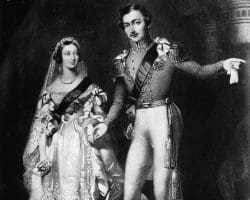
Victorian Britain – KQ6 – The Victorian Era: Dark Age or Golden Age?
This is the concluding lesson on the Victorians. It starts with a plate and a poster commemorating the achievements of Victorian Britain to set it in an international context. Pupils…
Read More
What can you do at KS3 to make your history curriculum more representative?
In a recent article for the Historical Association ( HA news- Autumn 2020) Jake Subryan Richards offers his advice: ” For teachers it is at KS3 where there is most…
Read More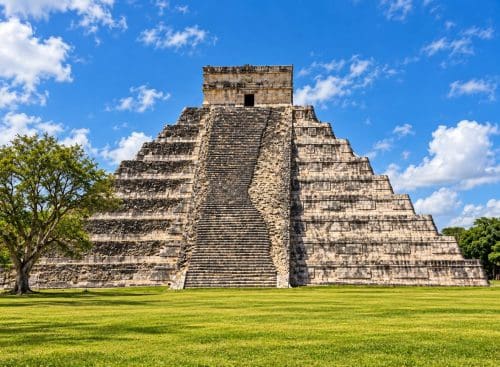
12 things you need to know about the Mayan civilization before you teach it at KS2
1. The Mayan settlements were among the largest anywhere in the world in year 1000 In the year 1000 settlements like Chichen Itza were among the largest settlements anywhere in…
Read More
Full sample recent primary history report January 2020
Pupils in your school thoroughly enjoy learning history. They like the enquiry-based approach you take to learning in the history curriculum, as they learn to ask and answer questions about…
Read More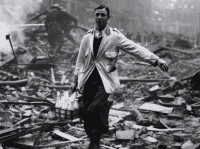
Beyond Face Value – KQ6 – The Blitz. What was photographer Fred’s clever way of beating the censors?
In this fascinating lesson pupils learn how photographers avoided the censors they saw in KQ5 and how the government used certain images of the Blitz as propaganda, even though they…
Read More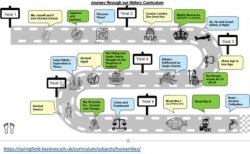
Plotting your pupils journey in history learning across the school
Just came across this visual depiction of the history curriculum at Springfield School in Hackney and thought I’d bring it to your attention. It has the great advantage of being…
Read More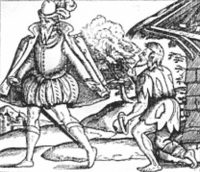
Terror of the Tramp: Why did vagrancy become such an important issue in Elizabethan England?
GCSE lesson in which students work through a range of differentiated clues to work out 8 reasons which help answer the lessons’ enquiry question before evaluating how well a recent…
Read More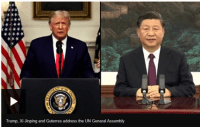
How close to World War Three has the world come since 1945. A Year 9 enquiry.
Just as the United Nations is marking its 75th anniversary, so the world peace it was set up to maintain is yet again under threat. The United States and China…
Read MoreOFSTED’s view of deep dives in history
Recently Matthew Purves , the Deputy Director for Schools, set out OFSTED’s latest thinking on deep dives in primary schools. He makes reference a number of times to what that…
Read MoreReport on leadership of primary history 2020
One of the key features underpinning the high quality of history learning was that history has a high status throughout the school, recognised by the headteacher. The subject leader attended local network meetings and time…
Read MoreAnalysis of OFSTED reports November 2019- February 2020, with my commentary
Analysis of OFSTED reports November 2019-February 2020, with my commentary By trawling through the most recent pre-Covid reports from November 2019 until February 2020, I have started to form a…
Read More
Meeting OFSTED’s criteria for a good history curriculum at KS1 and 2 during extended transition period
Now that schools have an extra year’s grace from OFSTED to refine their curriculum that is being worked on, it is worth reminding ourselves of the key indicators that inspectors…
Read MoreDeep dive issues: progression and assessment in primary history
One of the features of deep dive subject inspections is that the two hardest areas of a primary history leader’s role are in danger of being painfully exposed. One is…
Read MoreOFSTED’s early EIF (2019) primary history deep dives
What do the first 3 months’ of reports tell us? Although there is even less detail in the new shorter OFSTED reports than in the previous ones, there are still…
Read MoreWhat do deep dive OFSTED inspections look like for history?
What does a new deep dive 2019 inspection look like for history? Basically, there are 6 areas that the history subject leader may expect to be involved in Exploration of…
Read MoreIntent, Implementation, Impact to be more representative of the BAME in secondary history
Intent What do you want your students in your school to know by the end of KS3? Why is this important? What are the historical topics that are fundamental for…
Read MoreWhat does INTENT actually mean for primary history in the new OFSTED Framework for 2019? Building blocks and the Big Picture
What does INTENT actually mean for primary history in the new OFSTED Framework for 2019? Building blocks and the Big Picture Nothing could be simpler: intent is everything up to…
Read More10 things history leaders need to know about the OFSTED 2019 Framework-ARCHIVE
Although this document refers to an earlier Framework it still contains valuable advice. As always, it is important to remember that the essence of goods history teaching at primary level…
Read More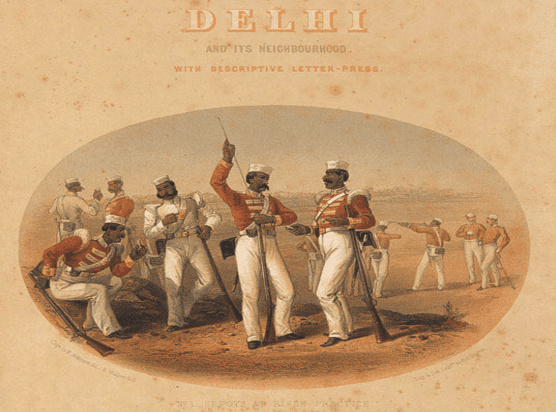
Indian Mutiny/rebellion of 1857
This lesson is aimed at Y9/GCSE students. It addresses three principal aspects of history teaching: How to be thoughtful and discriminating when selecting evidence that is relevant to answering two…
Read More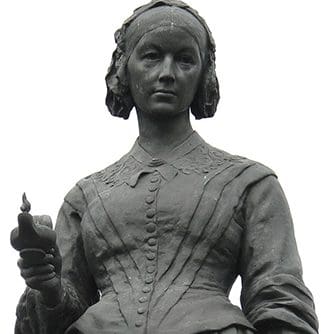
Smart task Florence Nightingale and Mary Seacole: Who said it? / Who am I?
This simple task encourages children to spot the differences between Florence Nightingale and Mary Seacole. With a large A4 image of Florence on one side, and Mary Seacole on the…
Read More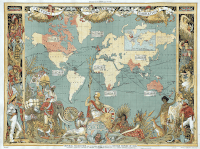
British Empire – How can we infer so much about the empire from a study of just one map and the person who created it?
This session starts by looking at the information to be gleaned from a well-known 1886 map of the empire and ends with them writing an evaluative expert caption to accompany…
Read More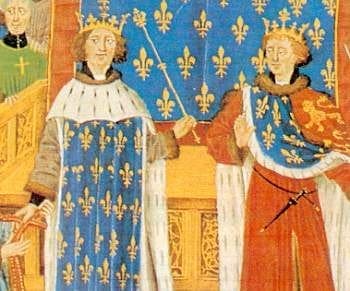
Richard I: Lionheart or loser should we keep his statue – SMART TASK
This short task puts pupils in the role of spin doctors who have to ‘big up’ the reputation of Richard the Lionheart. There is a lobby of people who feel…
Read More
Changes for the 2021 GCSE History examination announced by AQA today
AQA GCSE History (8145) Students entering for GCSE History exams next summer will have a choice of studies with one compulsory study. This means that in summer 2021, AQA GCSE…
Read More
Medium Term Planner for Thematic unit Beyond Face Value Year 6
This end-of-key stage unit fulfils the post-1066 thematic requirement of the National Curriculum, but it does so in a particularly imaginative way. Instead of looking at just one period, here…
Read MoreWhat does good leadership of history look like at KS 1 and 2 according to recent OFSTED deep dive reports
My analysis of all the recent ‘pre-Covid19 ‘ reports reveals the following comments about primary history leadership, both positive and negative. None of you have the time to trawl through…
Read MorePost-1066 thematic unit for KS2; Beyond Face Value is now complete- full planner ready . Lessons launched soon
Those of you who have patiently waited for us to clear the copyright for the post-1066 thematic unit linking the Tudors, Victorians and World War Two on the them of…
Read More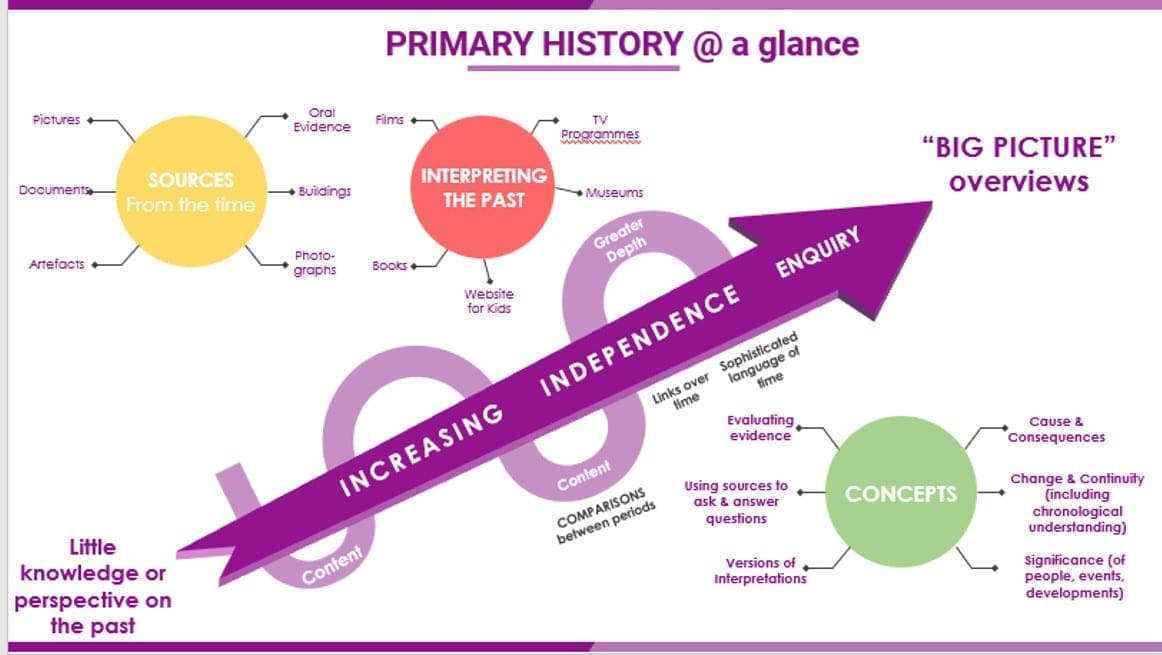
What is primary history? Have a look at this ‘at a glance’ diagram which encapsulates the essence of the subject
The accompanying diagram attempts to display all the main elements of developing your pupils’ historical understanding, in one place. You’ll see that pupils’ historical knowledge broadens over time as does…
Read More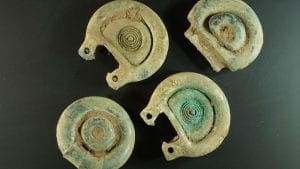
Spectacular Bronze Age finds
Article: BBC Detectorist ‘shaking with happiness’ after Bronze Age find Among the items found this week in Peebles in Scotland were a complete horse harness, preserved by the soil, and…
Read More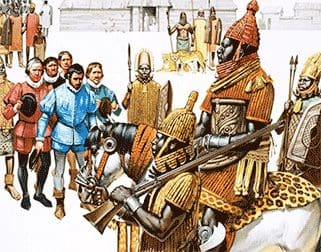
Benin – KQ1 – Why do YOU think we should study Benin in KS2 history? SMART TASK
After setting Benin in its context of place and time, pupils tour a gallery of images which give them hints as to why Benin might be a significant society, worthy…
Read More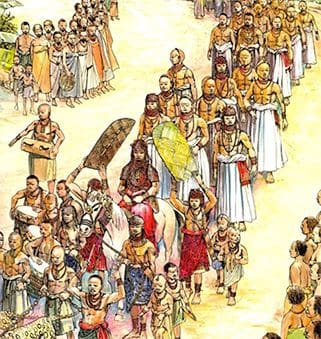
Benin – KQ2 – What sort of place was Benin 500 to 1,000 years ago? SMART TASK
Here pupils are introduced to the idea of a society from a distant time about which very little evidence remains. This can be frustrating for pupils who crave a clear…
Read More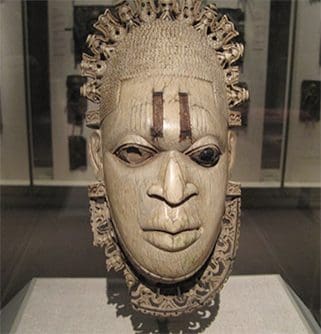
Benin – KQ3 – What can we tell about Benin society at this time from the images and artefacts that have survived?
Using evidence to study Benin This lesson revolves round four principal activities: Fastest Finger First; Mining for meaning, using an artist’s illustration; Call My Bluff which creatively uses images of…
Read More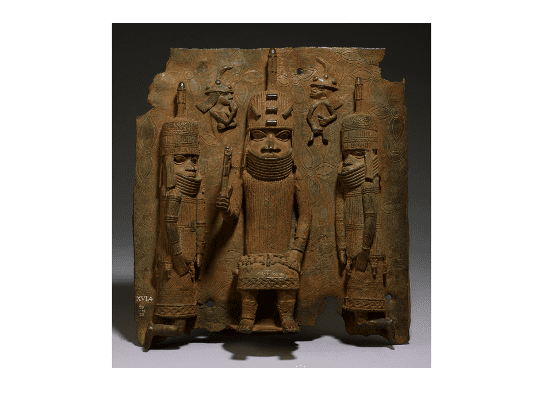
Benin – KQ4 – What changes took place when the European settlers started trading? Case study of one of the Benin bronzes
The first part of this session revolves around the encounter between indigenous Benin people and the European traders. It then looks briefly at the impact the European settlers had, looking…
Read More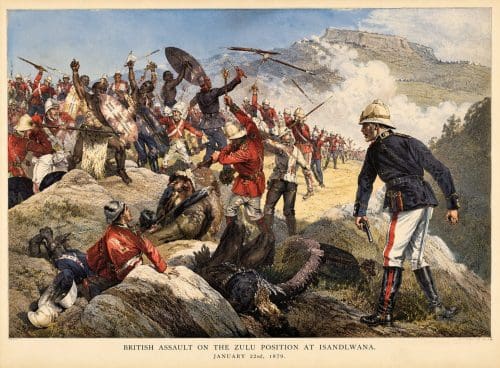
Benin – KQ5 – Why did the Victorians get involved in Benin and what were the effects on the Benin people? SMART TASK
Following an intriguing slow reveal of an interesting Victorian photograph showing the capture of the Oda’s palace in Benin, pupils create their own living graph to show Benin’s changing fortunes…
Read MoreBenin – KQ6 – Should the Benin Bronzes be returned? SMART TASK
This lesson is guaranteed to provoke a lively debate. Armed with all the contextual knowledge they need, and stimulated by some thought-provoking quotations, pupils work in teams to advocate a…
Read More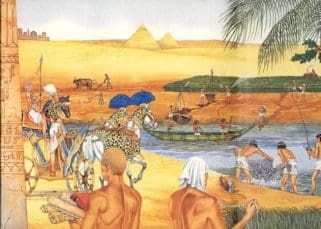
Linking your early civilizations at KS2
There is a real and present danger in KS2 of failing to make links between topics. If we are not careful, topics become silos, seen as separate entities. Much better…
Read More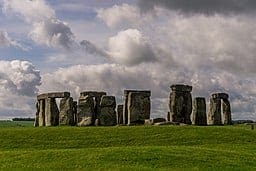
Wizards and scientists:changing views of Stonehenge. History as interpretations and a constant conversation between past and present
One of the harder parts of teaching history at Ks2 is to explain to pupils that history is a construct, and one that changes not only with new discoveries but…
Read More
Using fiction in KS2 history. What can we read with our pupils during our Ancient Egypt topic?
For many years I have been advocating the use of fiction at KS2 to help pupils to realise the importance of creative imagination, disciplined by evidence, to fill the gaps…
Read More
Banality of OFSTED’s KS1 judgements in history. They don’t know what they are talking about. Stick to your guns.
Sometimes you just have to say it. What on earth do they expect? reading through a number of OFSTED reports where history was chosen as part of the deep dive…
Read More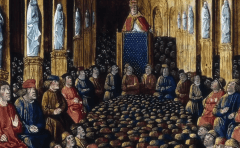
Medieval Britain: The Crusades
Great lesson on the reasons for the First Crusade which uses a Zone of Relevance activity to show students how to answer the question set, not the one they want…
Read More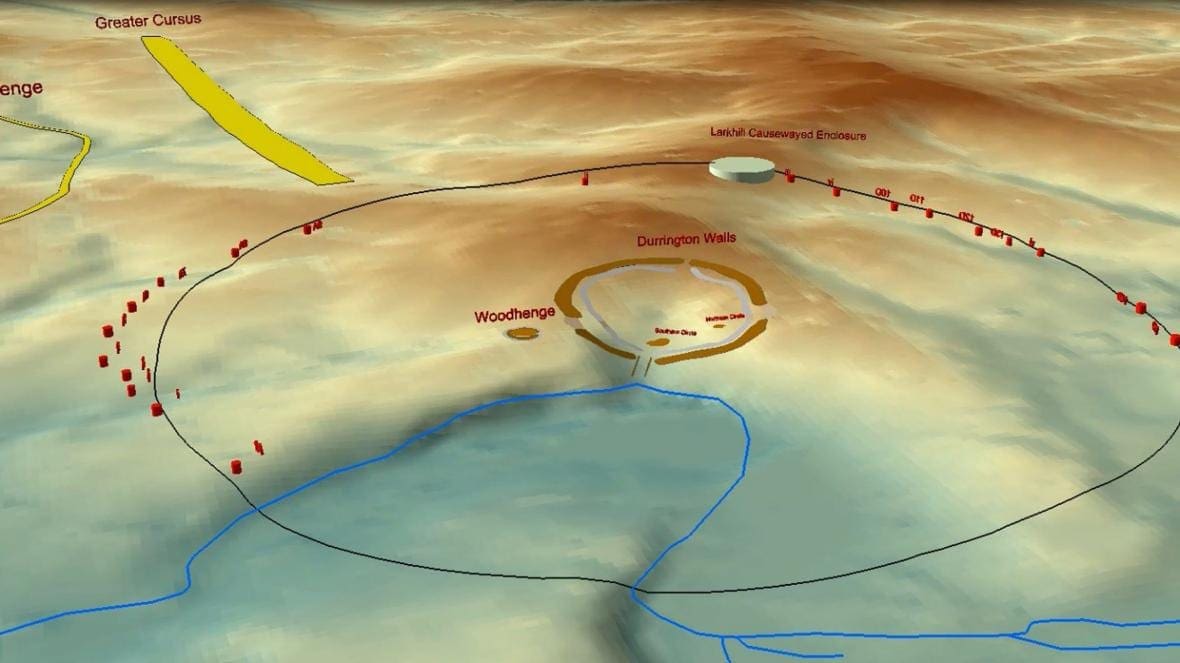
Is this another find to help us understand Stonehenge?
Yesterday’s more interesting news centred on a newly-published report on the finds at Durrington Wells on Salisbury Plain. As the place where the builders of Stonehenge lived and feasted, Durrington…
Read More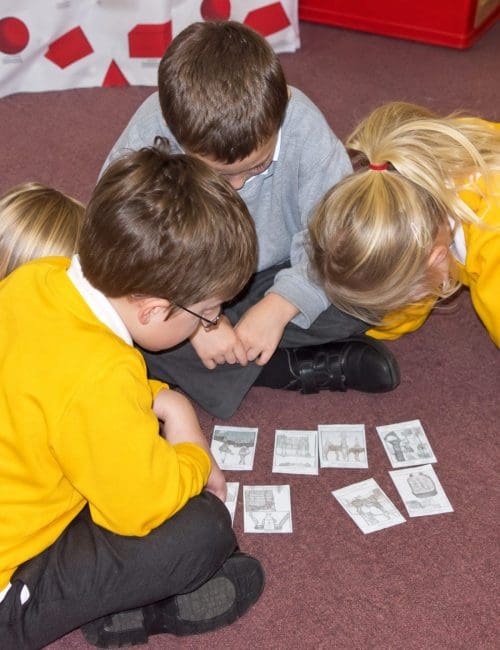
Outstanding Lessons: Key Stage 1
If you have ever searched the internet for inspiration for your history sessions you will know how frustrating it can be. Luckily the answer is at hand. Built up from…
Read More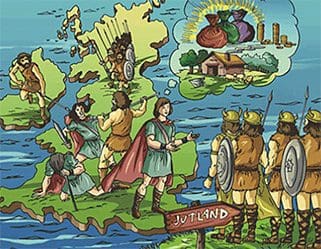
Thinking about evidence at KS2. How do we know what happened in Saxons times?
Where does our knowledge of the Anglo-Saxons come from? It is important that we ask the recurring question “How do we know?” at least once in each topic, if pupils…
Read More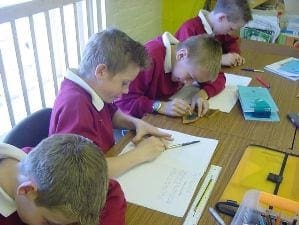
The importance of getting your key questions right in your KS2 history planning
Scanning through a number of KS2 history websites recently, I realised just how narrow a view of history was being presented. Although the material was attractively presented, the opportunities for…
Read More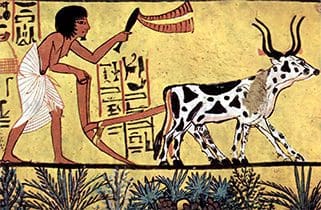
How much do you need to talk about chronology when studying Ancient Egypt?
This is a question that has concerned many primary teachers for a long time. I have sat in the back of classrooms where the first activity was a meaningless and…
Read More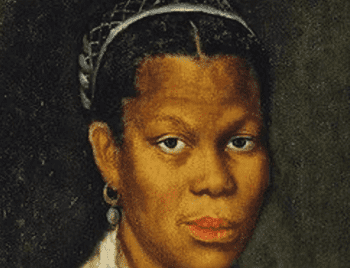
Improving diversity in your KS2 history curriculum
Amid the current state of heightened racial tension across Britain and the USA, I thought it might be a good time to think about what we are doing in history…
Read More
Getting your enquiry questions right for your history topics at KS1
Getting your enquiry questions right at KS1 On the Historical Association website is a scheme of work on George Stephenson as a famous person , a significant figure who helped…
Read MoreWritten by Neil Thompson
All content on Keystage history is written and quality assured by Neil Thompson, a former history teacher, county history adviser and Ofsted inspector with more than 30 years’ experience in history education.