
Keystage history

Assessment for Learning: 5 core strategies that work
Helps teachers to collect information about pupils’ achievement in order to adjust teaching to meet pupils’ learning needs more fully, through the implementation of five core strategies 5 core strategies…
Read More
A six step approach to history lessons
Step 1: Teacher motivates pupils to want to learn and scopes the enquiry Hooking them in: eg. with a slow reveal Making it real, exciting, a job that needs doing,…
Read More
10 questions which we should ask when planning historical enquiries at KS2
Subscribers only: You must be logged in to view this content in full. Please Login or register
Read More
Progression in historical interpretations at Key Stage 2 – How the past is represented and interpreted in different ways, and to give reasons for this
Beginning of Key Stage Children can identify differences between versions of the same event e.g. the video gives a different view to what we have just read e.g. version of…
Read More
What are deep dive OFSTED reports saying about history within the EIF 2019 Framework
I thought I would publish all the OFSTED deep dive reports I can find which illuminate what schools should be doing in primary history Here are verbatim extracts from a…
Read More
What inspectors report on in deep dive history inspections: a recent example with my commentary from 2020
What the inspectors said Commentary Pupils in your school thoroughly enjoy learning history. They like the enquiry-based approach you take to learning in the history curriculum, as they learn…
Read MoreMeeting OFSTED’s criteria for a good history curriculum at KS1 and 2 during extended transition period
Now that schools have an extra year’s grace from OFSTED to refine their curriculum that is being worked on, it is worth reminding ourselves of the key indicators that inspectors…
Read More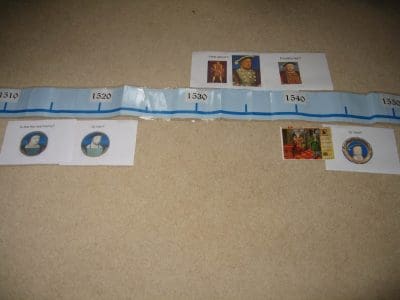
Using timelines in history at Key Stage 2
Timelines in school may be individual timelines or made collaboratively with different groups working on separate theme within a study unit. They may be made of single sheet of paper…
Read More
Thinking historically: ‘learning to’..as well as ‘learning about’
While so many of you are locked down, it seems a good time to remind you of the key features of what it means to think historically. Much is encapsulated…
Read More
Improving history in your primary school: a short cameo of a success story
So what does effective leadership of primary history look like? A case study When Lara took over as history subject leader 3 years ago this was her first whole-school role….
Read More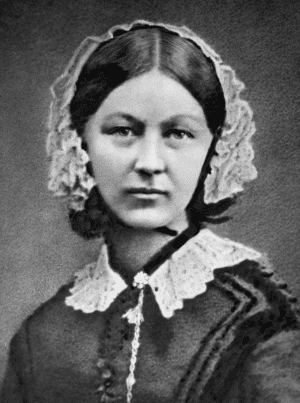
Florence Nightingale and her legacy – 200 years since her birth, on 12 May 1820
Historians have praised Florence Nightingale on the 200th anniversary of her birth, and said her legacy has “never been more relevant” amid the coronavirus pandemic. Staff at the Florence Nightingale…
Read More
Using quadrants to answers exam questions at GCSE and A level
Sometimes the simplest ideas are the best. Faced with an exam question such as How far do you agree with the view that, in the years 1933–39, the New Deal…
Read More
GCSE history: Answering the question set , not the one they would prefer to answer.
Many of you teaching GCSE will be familiar with the issue. Your students answer the question they think the examiner will ask and the one they’ve prepared for., not the…
Read More
Teaching Toys to Key Stage 1
Toys is an obvious topic to select for infants. Not only is it appealing , at least initially, it is also one where you can find a good range of…
Read More
KS1 Medium term planner: Toys through time (Term 1 or 2 of Y1)
This is one of the earliest topics to be taught at EYFS/KS1 following on from Myself. As we know this topic (preferably after Christmas) can engage children’s senses, fire their…
Read More
Historical Association survey of secondary history provision 2019- few surprises and some disappointing statistics
Last week saw the publication of the annual survey into secondary history produced by the Historical Association. Obviously reflecting the views of members of the Association and representing less than…
Read More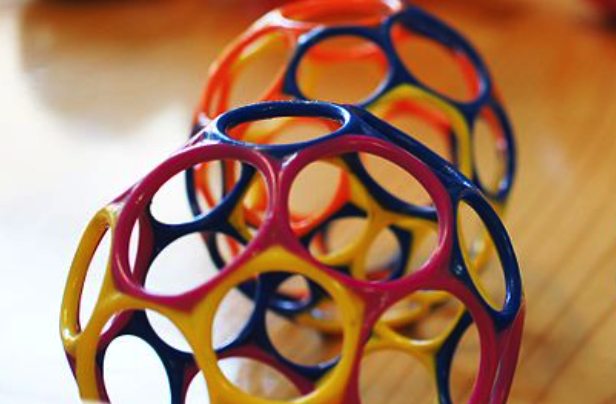
Toys – KQ1 – What are our toys like today?
Because the topic is aimed at children beginning key stage 1, it is a good idea to spend more time covering this key question in order to establish a sound…
Read More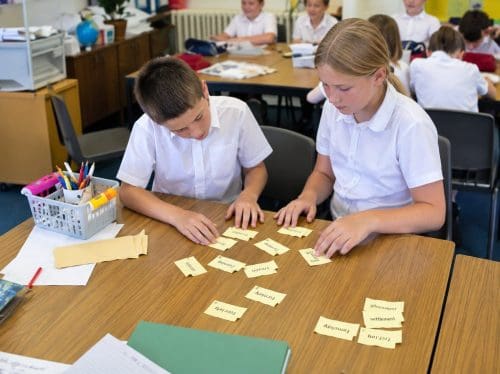
Key ideas in primary history
When we are teaching 11 subjects it is often difficult to catch the essence of each. If we’re not careful we can simply deliver the scheme of work very professionally…
Read More
Toys – KQ2 – What are other people’s toys like?
This session comprises two very simple tasks: matching objects to the young children who would usually play with them, followed by a follow-up task, this time on the theme of…
Read More
Great learning activity: Prove it! See examples for Scott of the Antarctic, Man on the Moon, Tudor theatre, Grace Darling, Louis Braille
One of the most effective learning activities which you will find in a small number of the outstanding lessons is one called Prove It! Staff and children love it. Pupils…
Read More
Remembering VE Day
In these difficult times when schools are not in session it will not be possible to commemorate the ending of the Second World War with our primary-age children in the…
Read More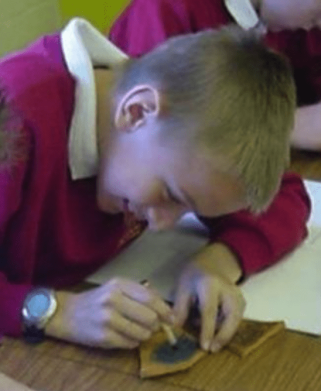
Creating your own timelines at KS2: one school’s recent find.
Charley Chanter of HertfordHeath primary school has just brought this Timeline making package to my attention He wrote:.I have been looking into some resources for our chronology/timebox units and came…
Read More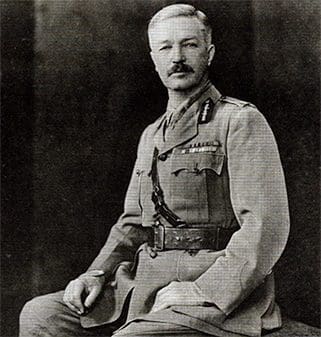
Rotten apple or …. How should we portray Dyer’s motivation in the Amritsar massacre?
This enquiry asks students to look critically at the depiction of the massacre in the film Gandhi as a way into trying to determine the motivation of Dyer. Students are…
Read More
At last a way forward with KS2 assessment for history that will work for my school
Even though we will have had the National Curriculum for history ( albeit in different guises) for nearly 30 years, there hasn’t been a great deal of attention paid to,…
Read More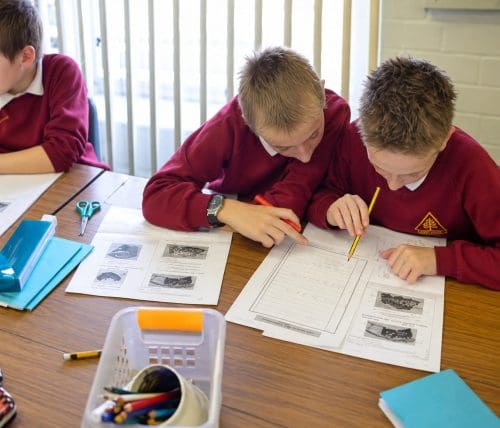
How to assess pupils’ progress in KS2 history. At last the answer that not only works but will work for you too.
Even though we will have had the National Curriculum for history ( albeit in different guises) for nearly 30 years, there hasn’t been a great deal of attention paid to,…
Read More
Teaching American West at Key Stage 4
Schools have been teaching the American West as part of the SHP course for over 30 years. I introduced it myself in the first department I led. There have been…
Read More
Teaching the History of Medicine
As you all know, the trick with teaching this course is to marry a strong contextual knowledge with an understanding of the various factors that had a positive and a…
Read MoreWe learn by being excited not by being told; abiding principle of Keystage history
I get a lot of enquiries about Keystage history, largely from teachers who want to know what to expect from the site,prior to purchasing a subscription. Most of the site’s…
Read More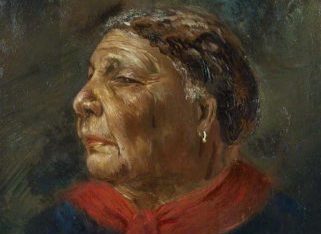
Are you teaching the right things about Mary Seacole to your children? 10 things to be sure to teach
Are you teaching the right things about Mary Seacole to your children? 10 things to be sure to teach: 1. Mary was not a nurse as pupils would understand the…
Read MoreMore thoughts on primary history OFSTED deep dives
Recently Matthew Purves, the Deputy Director for Schools, set out OFSTED latest thinking on deep dives in primary schools. He makes reference a number of times to what that means…
Read MoreKS1 Medium term planner: The sinking of the Titanic Y2
This topic provides an exciting addition to the usual famous events taught at KS1. Not only is there a clear, compelling narrative that pupils can relate to, it also offers…
Read More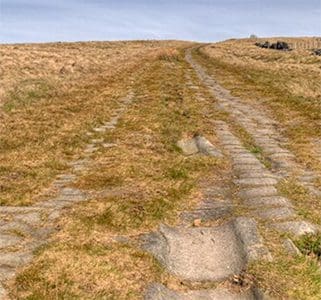
Did you know there were over 1000 Roman sites in England and Wales?
The numerous discoveries of Roman finds, often by private metal detectors, have revealed more than 1,000 Roman sites in England and Wales, often in places where archaeologists were not looking….
Read More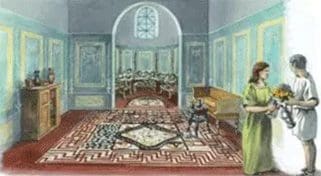
Teaching about Roman villas at KS2- some new finds in Gloucestershire. Should the housing development now go ahead – arguments for and against?
Those of you teaching about Roman villas at KS2, maybe even using the outstanding lesson on this website, Is this another Roman Villa ( KQ4 part 2), will be interested…
Read MoreOFSTED using frighteningly slender evidence to judge history at KS1 and 2
According to today’s Guradian report an eight-year-old boy was meeting the Ofsted inspector for the first time. “What do you remember learning in history?” she asked, tapping on her iPad. It…
Read More
What is history? – Key stage 2
In the classrooms of some non-specialist Key Stage 2 teachers, history is still presented as the story of the past. It is enjoyed as story full of colour, fascination, action…
Read MoreWhat would OFSTED say about history in your school? What needs to improve? A sample recent report gives an insight
After identifying a number of positive features of the history curriculum and history teaching the OFSTED inspector carrying out a deep dive inspection in December 2019 wrote the following: You…
Read More
Don’t led OFSTED’s unrealistic expectations of you grind you down until they’ve given you the detailed training guidance help you need and deserve.
So you didn’t study history yourself beyond the age of 14, you have been leading the subject for just two terms , you have never taught it at KS1, you…
Read More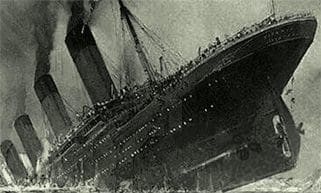
Titanic – KQ1 – Launching the Titanic enquiry, drawing on pupils’ prior knowledge
What do we already know about the Titanic and what can we work out from a picture? This lesson’s activities are designed to release any prior knowledge pupils might have…
Read More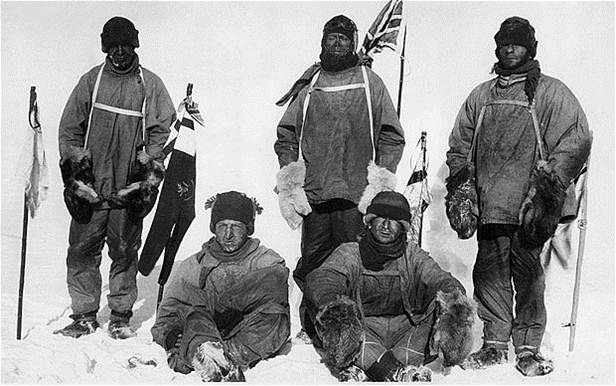
Teaching Scott of the Antarctic to Key Stage 1
Those of you who are thinking that this choice of famous person seems to presage a return to an Our Island Story approach to heroes and derring-do, couldn’t be further from…
Read MoreKS1 Medium Term Planner – Man’s First Moon Landing Y2
The current history curriculum at KS1 asks schools to provide a little more coherence in their choice of famous people to study, suggesting that they might be linked by theme….
Read More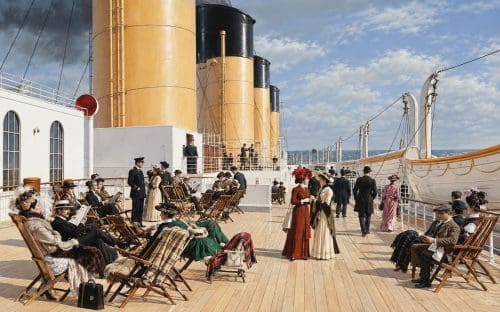
Titanic – KQ2 – What was so special about life on the Titanic?
What was so special about life on board the Titanic? and was it the same for everyone? In this enquiry pupils play Prove it! using a gallery of images to…
Read More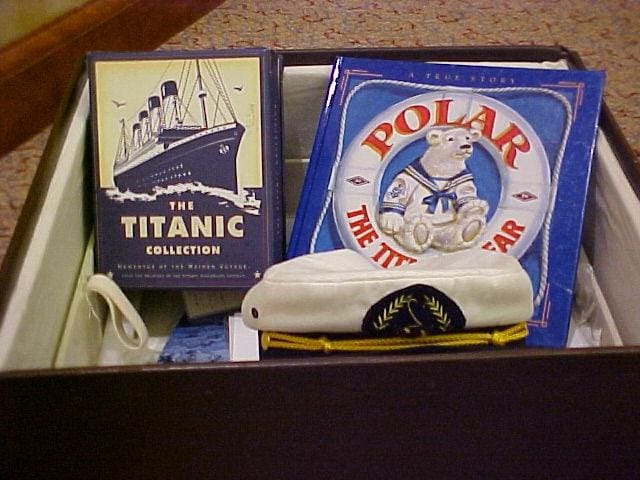
Titanic – KQ3 – How could the unsinkable Titanic sink?
This Y2 lesson takes pupils understanding beyond that of knowing what happened to the Titanic to work out why it sank. The aim is to go beyond simple one cause…
Read More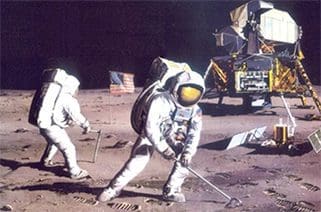
Moon Landing – KQ1 – Has man ever been to the moon and how can we know for sure?
Varied introduction to the Moon Landing topic with pupils actively involved in sequencing, speculating and then the killer activity called Prove it in which they have to use a gallery…
Read MoreKS1 History Planner for Scott of the Antarctic topic
Medium term planning and planner for Scott of the Antarctic KS1 This topic has been designed for Term 3 of Y1 but would also suit use with older pupils. It…
Read More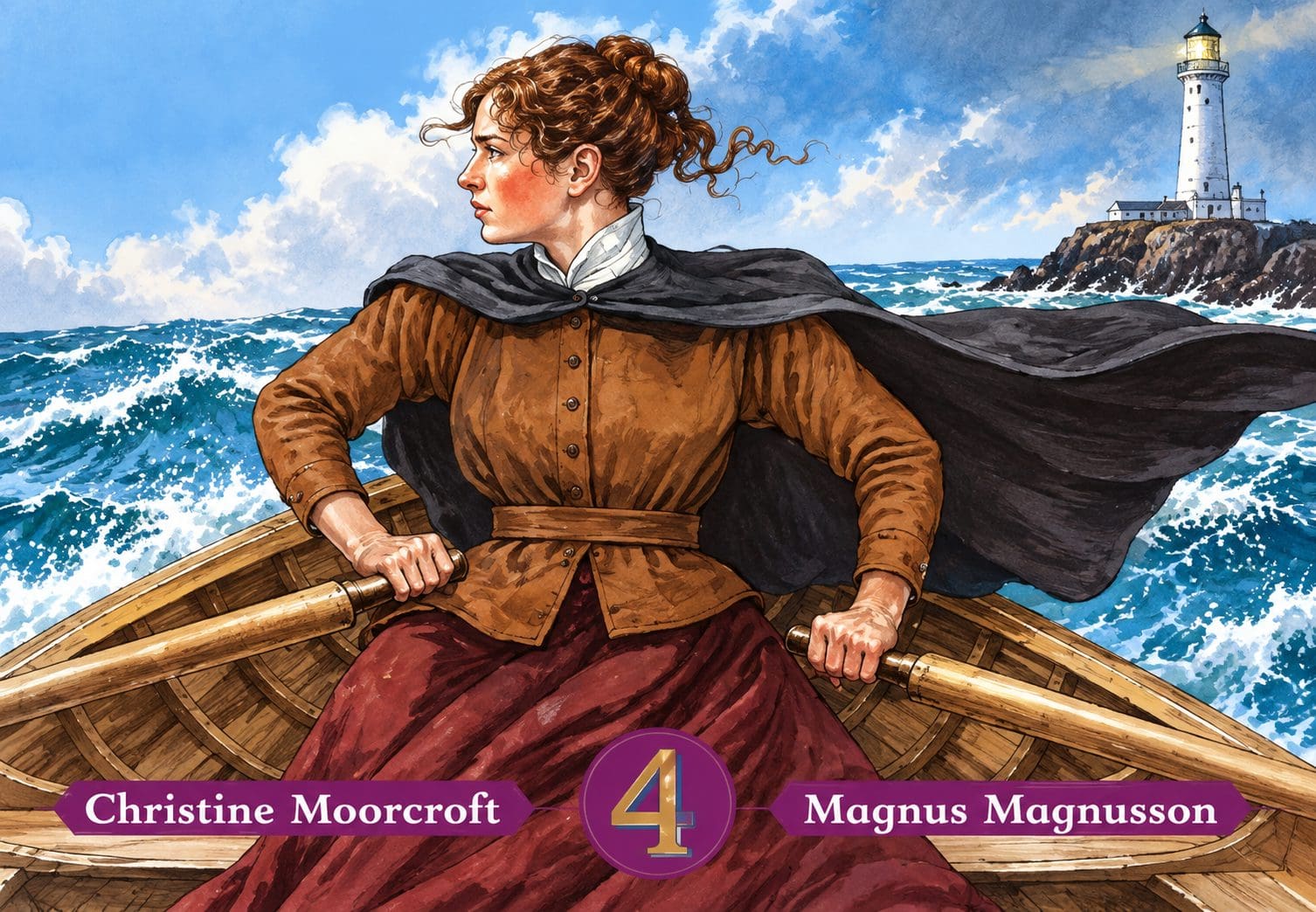
Grace Darling – KQ1 – Setting up the enquiry – What did Grace do that made her famous …and why is she remembered today?
This is the first lesson on an enquiry into Grace Darling: what she did, and why she was famous. The kernel of the lesson is a slow reveal activity which…
Read More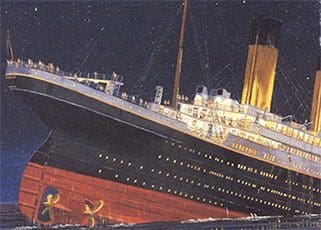
Titanic – KQ4 – How should we film the sinking of the Titanic?
Stephen Spielberg has asked for a historically accurate poster for a new film he is planning on the sinking of the Titanic. He wants school children to design a poster…
Read More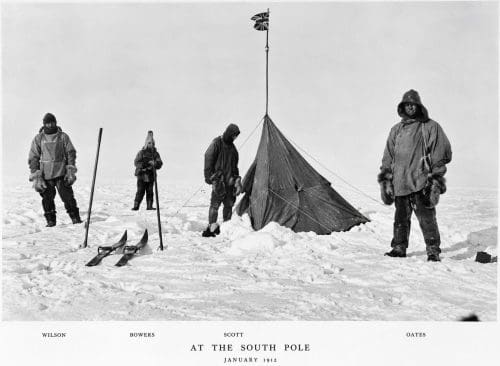
Scott of the Antarctic – KQ1 – Who on earth is this famous person?
This fun first lesson on Scott of the Antarctic using the slow reveal technique of an iconic image to enable pupils to work out the clues as to why the…
Read More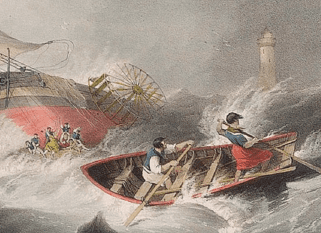
Grace Darling – KQ2 – Why did Grace Darling act in the way she did?
An active lesson in which pupils generate adjectives and then use a Diamond-4 ranking activity, followed by hot seating, to ascertain Grace’s motivation. A broader context is achieved by asking…
Read More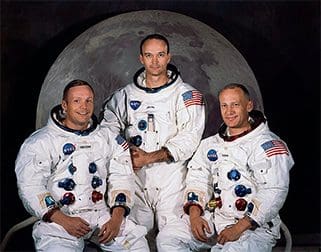
Moon Landing – KQ2 – Why did the astronauts risk their lives going to the moon?
This session for KS1 children comprises three distinct activities. Activity 1 – Story telling Activity 2 – Diamond 4 Activity 3 – Teacher-in-role as Neil Armstrong Learning objectives Pupils are…
Read More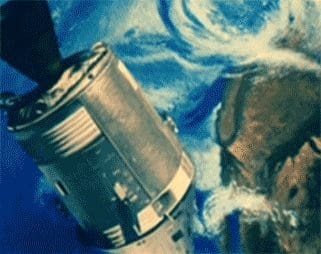
Moon Landing – KQ3 – How were they able to get to the moon and back safely?
This lesson focuses on how the astronauts were able to get to the moon and back safely. There are 2 activities to engage the pupils, activity 1 – sequencing images…
Read MoreWritten by Neil Thompson
All content on Keystage history is written and quality assured by Neil Thompson, a former history teacher, county history adviser and Ofsted inspector with more than 30 years’ experience in history education.