
Keystage history
Getting the level of difficulty of your history work just right.
We all know that pupils’ minds wander. Some brave researchers claim that this happens, on average, as much as 50% of the time for the majority of pupils. What can…
Read More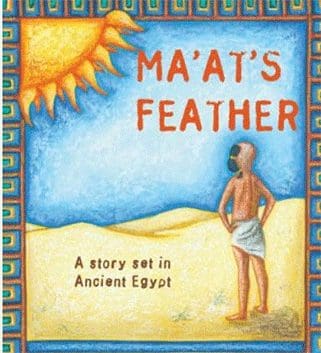
Great class story to use with Ancient Egypt at KS2
A few years ago when I was working closely with the staff at Belleville school in South London, we discussed the sort of texts you might like to use when…
Read More9 ways to ensure that your local history topic is successful at KS1 and 2
9 ways to ensure that your local history topic is successful Don’t even begin your chosen local topic unless you are sure that there are enough suitable resources. Local…
Read More
10 things you must know about King Alfred before you teach about Saxons and Vikings at KS2
1. Was Alfred born to be king? An unlikely ruler for a start. Although he was the son of the king of Wessex, Æthelwulf, who had himself inflicted a famous…
Read More
Assessment in history at KS3 revisited-yet again!
KS3 assessment revisited. Recently Sally Burnham and Geraint Brown revisited their earlier seminal paper on assessment now 10 years old and published their findings in Teaching History. In their article…
Read More
Using stories in history at KS3 and 4 as well as primary classes
Daniel Willingham and other have long made the case for the use of story in history teaching at all keystages not just in primary history classes . And its easy…
Read MoreTop 10 tasks for effective history subject leaders
We all need reminding of what our core purposes are from time to time as we get caught up in the daily round of frantic activity that is school life…
Read More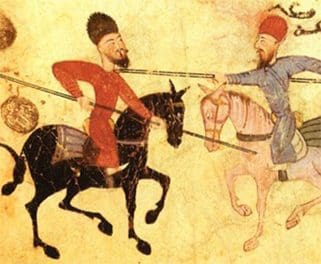
Teaching Early Islam at KS2
A recent article in the Historical Association’s magazine Primary History suggested that subject leaders need to ensure that the following aspects are covered: as with other important civilisations, the water…
Read More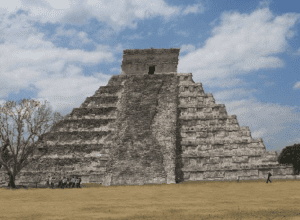
Making sure your KS2 pupils know the real reasons for the Mayan collpase: latest research
The Maya’s apparently sudden decline in the 9th century AD has long been a subject for historical debate. Now scientists have found evidence which appears to confirm the theory that the large-scale…
Read More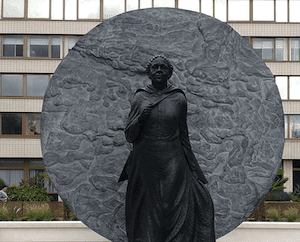
Top 10 Command words for primary history activities
A simple way of ensuring that your pupils are thinking historically is to focus their activities using key command words. Too many tasks at KS1 and 2 involve narrating and…
Read More
OFSTED looking for clear progression models in history
Central to much of the discussion in OFSTED about focussing more on subjects and the curriculum is the issue of progression. In a recent discussion paper OFSTED wrote that: The…
Read More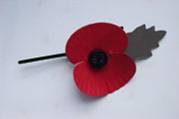
Powerful personal memories of Remembrance Day
As we all remembered the fallen yesterday, I had particular reason to think of family loss. In the Great War no less than 8 sons from my great-grandfather’s family of…
Read More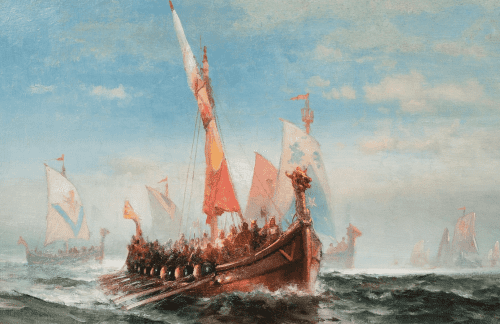
How did the Viking fleets keep afloat on their voyages?
The unsurprising answer is TAR. The Vikings knew how to produce it on an industrial scale, making batches of 200-300 litres, ten times the amount normally made at that time….
Read More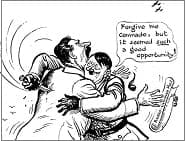
Which cartoon best explains the paradox of the Nazi Soviet pact?
The Unholy Alliance: why on earth did Hitler and Stalin sign the Nazi-Soviet Pact when they clearly hated each other? Starting with the historical puzzle of why Stalin and Hitler…
Read MoreGreat blog on narrative v analytical writing at A level
If any of you are feeling that the A level history markschemes don’t make much sense you will draw consideable comfort from John Carroll’s article. For many years I have…
Read MoreHas Mary Beard got it right about TV history?
Mary Beard has sparked controversy yet again , this time about the way history is portrayed on TV. Too many actors swanning around in sheets. Too much focus on the…
Read More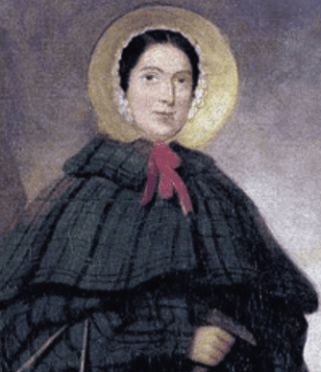
Teaching Mary Anning as a significant person at KS1
Many of you will know that I have been trying to wean schools off teaching JUST Florence Nightingale, and have encouraged teachers to look at female pioneers. AS we all…
Read MoreNew explanation as to why Mayan civilization collapsed- my KS2 kids can do better
Below is a recent short explanation as to why the Mayan civilization collapsed. I think that KS2 pupils can do better, with the right stimulus. This comes in the form…
Read More
7 best ways to make sure that your history curriculum is OFSTED 2019-ready
There has been a lot of coverage recently of OFSTED’s intention to focus more on the quality, range and impact of the curriculum, rather than simply looking at data. Sean…
Read More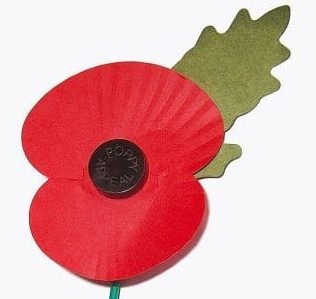
Commemorating centenary of ending of World War One: Using fiction to teach about remembrance at KS1 and 2
Fiction provides opportunities for children to explore what life might have been like for people living during the war and, as Megan Brownrigg from Strauss House Productions suggests, may help…
Read More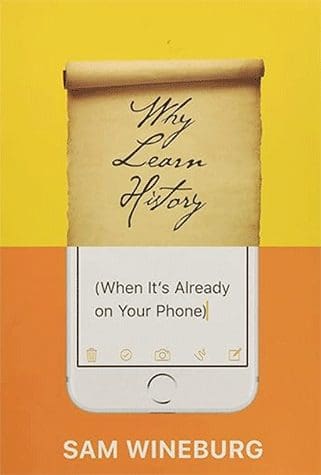
Why Learn History (When It’s Already on Your Phone)
Why Learn History (When It’s Already on Your Phone). Sam Wineburg’s just-published book in which he makes it clear that the current hand-wringing over U.S. students’ ignorance of history is nothing…
Read More
Lynching in the US in the 20th century 1919-54
Crammed into this very active lesson are: slow reveal of an arresting image; interesting information about the role of the press; song and lyrics of Strange Fruit; a short video…
Read More
How good is your teaching and learning policy?
So primary schools and secondary history departments are happy to vaunt their teaching and learning policies. I applaud the fact that they have investaed time and deep thought into creating one….
Read More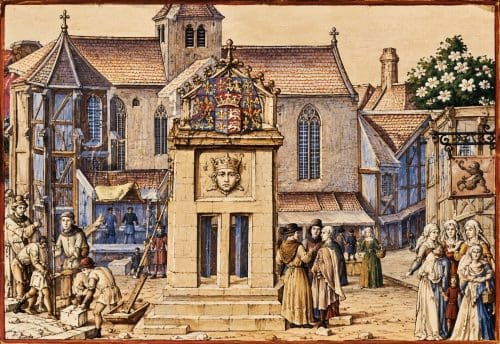
Why did they build so many churches in medieval times?
This simple task starts with pupils exploring and then prioritising a range of accessible ideas in order to arrive at their own explanation. Having done that, they then critique a…
Read More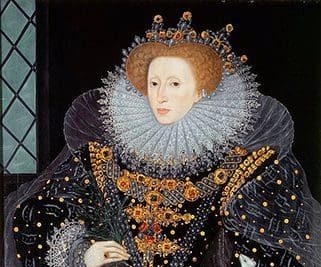
Great short video on how Elizabeth I manipulated her image
Great video lasting just 6 mins during which an expert curator decodes the messages behind medals and miniatures. Really interesting. #Link is here: https://www.youtube.com/watch?v=3KAsUADqACU
Read More
GCSE History: Guide to planning and teaching Edexcel 9-1 GCSE
Lots of thinking has taken place to decide the best way to structure the new Edexcel 9-1 GCSE history course. The rationale behind this plan comes straight from successful classroom practice.. One…
Read More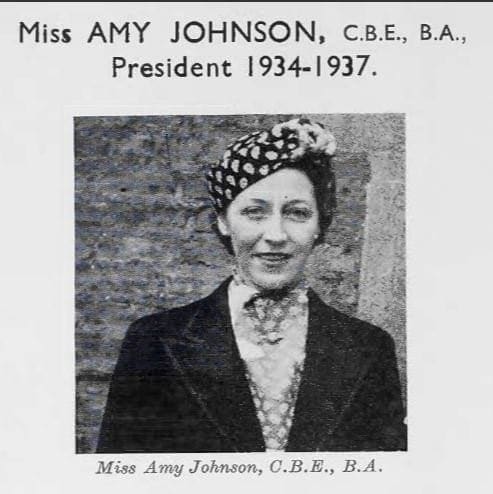
Gender issues when selecting your significant person to teach in history at KS1
There has always been a tendency towards gender stereotyping when selecting which ‘famous’ men and women to teach at KS1. The men are the explorers and engineers, the women the…
Read More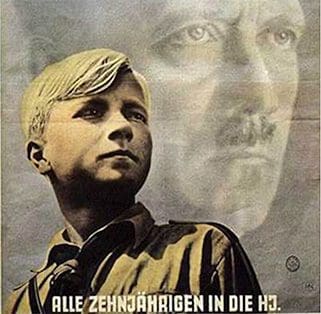
Hitler Youth AS/A2 task
This smart task uses one of the most frequently misunderstood Hitler Youth posters. By taking students through a step-by-step deconstruction of the poster using an animated PowerPoint presentation, students are…
Read More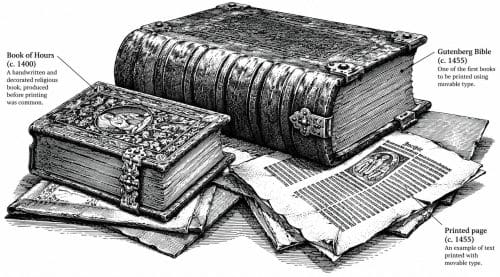
What were the real reasons why William organised the Domesday survey?
In this active lesson pupils start by speculating possible motives (given a couple of clues) and then work in groups of four to discover the full range of ideas historians…
Read More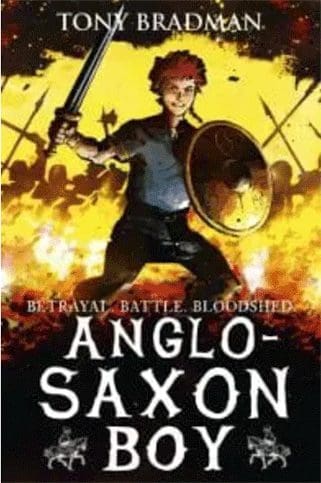
Great new read for your incoming Y7 pupils studying Battle of Hastings
You know how keen your Y7 pupils are when they arrive, so why not strike while the iron’s hot and encourage them to read a novel about the Battle of…
Read More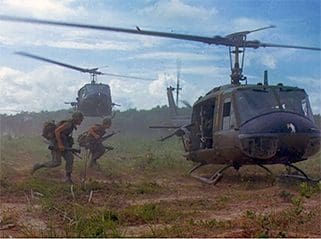
AS SMART TASK Vietnam; why was Rolling Thunder ultimately unsuccessful?
When by the end of 1965 US pilots had flown over 24,000 sortie missions and wiped out 355 of North Vietnam’s ammunition dumps, why then was operation Rolling Thunder ultimately…
Read More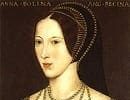
Why was Anne Boleyn executed? Which of these seems most plausible?
In this short task students work out for themselves the key inter-related reasons why Anne Boleyn was executed. Using the influence cards provided (see resources section below) which draw on…
Read MoreUsing living graphs in history at KS4 and 5: don’t let the activity replace the thinking and long-term recall
I have long been a fan of using living graphs, especially to help students appreciate extent and speed of change as well as identifying turning points. Having said that I…
Read More10 commandments for successful source work at A-level
Although it grieves me to say it, these strategies may not have much to do with better teaching or understanding of the period being studied. They are, lamentably, the product…
Read More
Outstanding medium-term planner for Vikings
This KS2 Vikings planner, judged outstanding by an OFSTED history inspector now links to all the fully-resourced outstanding lessons and smart tasks making the teaching of this topic completely self-contained….
Read More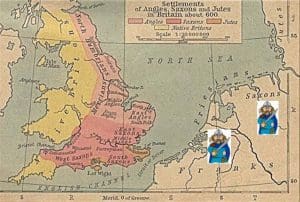
Teaching Anglo-Saxons: Alfred and the Danes at KS2
Many of you have kindly written to say how much your pupils have enjoyed the lesson where they have to complete a living graph showing the changing power struggle between…
Read More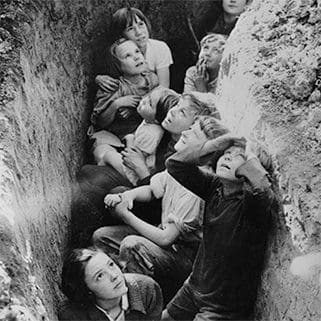
New resource for teaching evacuation at KS2 using sources critically
If you are teaching about evacuation World War Two, possibly as part of our innovative Thematic unit ‘Beyond Face vale’ you might want to add this resource alongside the incredibly…
Read More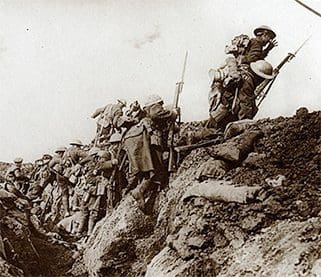
Causes of World War One: problems of evidence. Why is it so difficult to work out who caused the First World War? Smart Task
This is a very short 5 minute warm-up activity to help students get a feel for the partisan sources that historians have to wrestle with when trying to work out…
Read More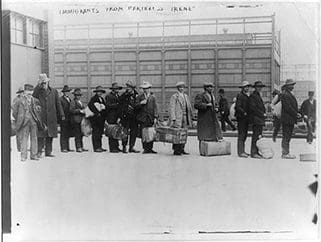
On the move: teaching the theme of migration at KS3 Smart Task
CONTEXT When looking at movement and settlement as a theme you will clearly want to look at: • the reasons for both immigration and emigration (invasion ,expulsion, immigration • how…
Read More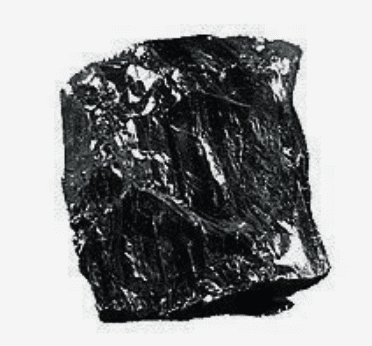
International relations overview 1914-2004 using a piece of COAL Smart Task
Starter Start the lesson dramatically by thumping a lump of coal on the desk. Explain that this lump of coal came from the Upper Silesia coalfield. By tracing who owned…
Read More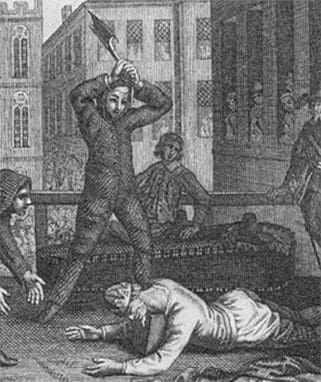
The execution of Charles I – advising a film director: a study in source analysis and evaluation
This lesson uses a set of 4 contemporary images and a secondary narrative account to examine how the author seems to have used some sources and rejected others. By trying…
Read More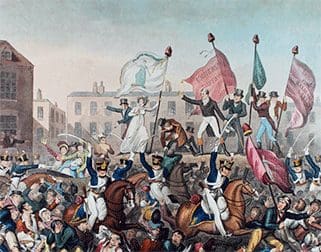
Useful resource on Peterloo massacre KS3
Really useful short video on Peterloo , ‘Manchester’s Tiananmen square’. Presented as a graphic novel, the visuals are really clear and compelling . The commentary is non-condescending for a KS3…
Read More
Teaching Anglo Saxons & Vikings Outstanding lessons for KS2 history
The National Curriculum has afforded separate status for individual units of work on the Anglo-Saxons and Vikings. Whilst this may be applauded in some circles, it has increased the amount…
Read More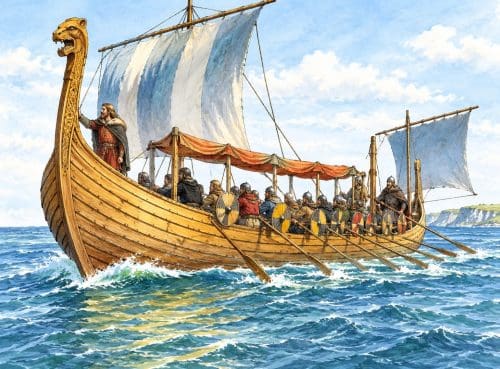
Vikings – KQ1 – What image do we have of the Vikings?
This two part session gives the topic on the Vikings a really active start. Following an introduction to the Vikings in time and place, including a competitive Time Team task,…
Read More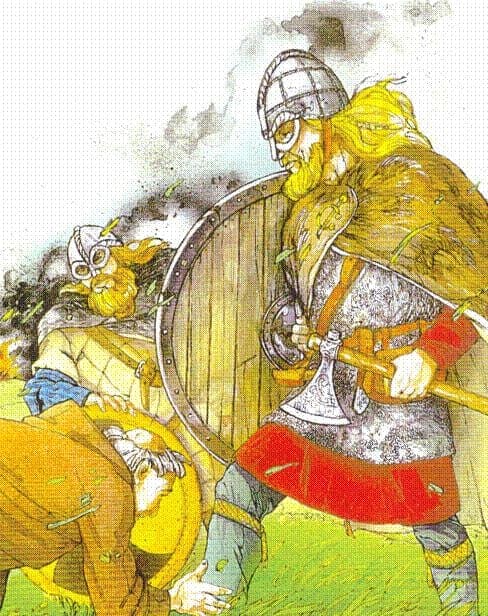
Vikings – KQ2 – Why have the Vikings gained such a bad reputation?
Having explored the nature of the stereotypical Viking image in the first session, it is now time to examine the origins of the image. Pupils compare two very contrasting accounts…
Read More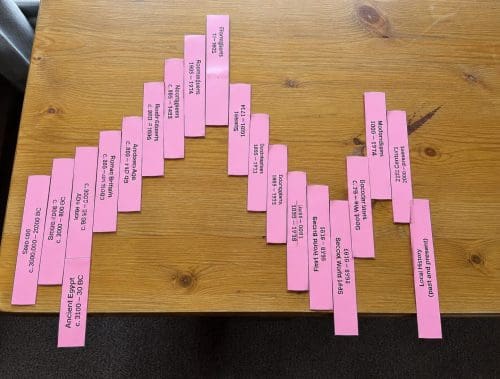
Vikings – KQ3 – How did the Vikings try to take over the country and how close did they get?
This task encapsulates the struggle between the Anglo-Saxons and the Vikings in an engaging way that really makes pupils think about the dynamics of the conflict – rather than ‘one…
Read MoreVikings – KQ3 Additional Resource – How did the Vikings try to take over the country and how close did they get?
This article supports KQ3 The first raids early 790s 1. In 789 three ships from Norway landed in Dorset. The king’s local official went to meet the Vikings in the…
Read More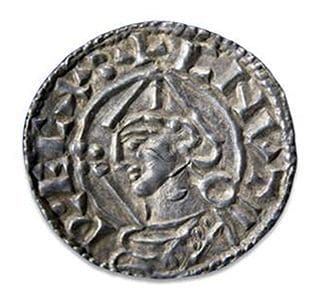
Vikings – KQ4 – How have recent excavations changed our view of the Vikings?
Evidence of Viking occupation Using the Mantle of the Expert approach, pupils help a confused museum curator to write high quality captions for 11 images that MIGHT show Viking occupation…
Read More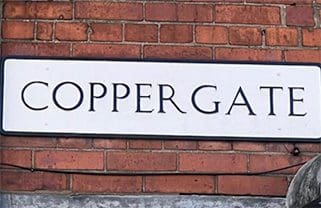
Vikings – KQ4 Supporting information – The invisible Vikings?
Key Question 4 address the key issue of evidence to support, or contradict, the idea that the Vikings were simply raiders rather than trader sand settlers. Getting to grips with…
Read More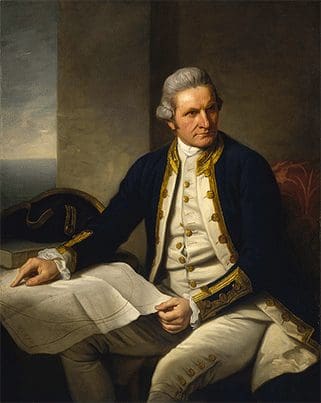
Too many Cooks? Too pale, stale and male to be worth studying?
Australians are currently deep in debate about the enormous cost involved in yet another celebration of Cook’s voyages to Australia. When I first arrived in Hampshire as a cub history…
Read MoreWritten by Neil Thompson
All content on Keystage history is written and quality assured by Neil Thompson, a former history teacher, county history adviser and Ofsted inspector with more than 30 years’ experience in history education.