
Outstanding History Lessons and Resources at KS1
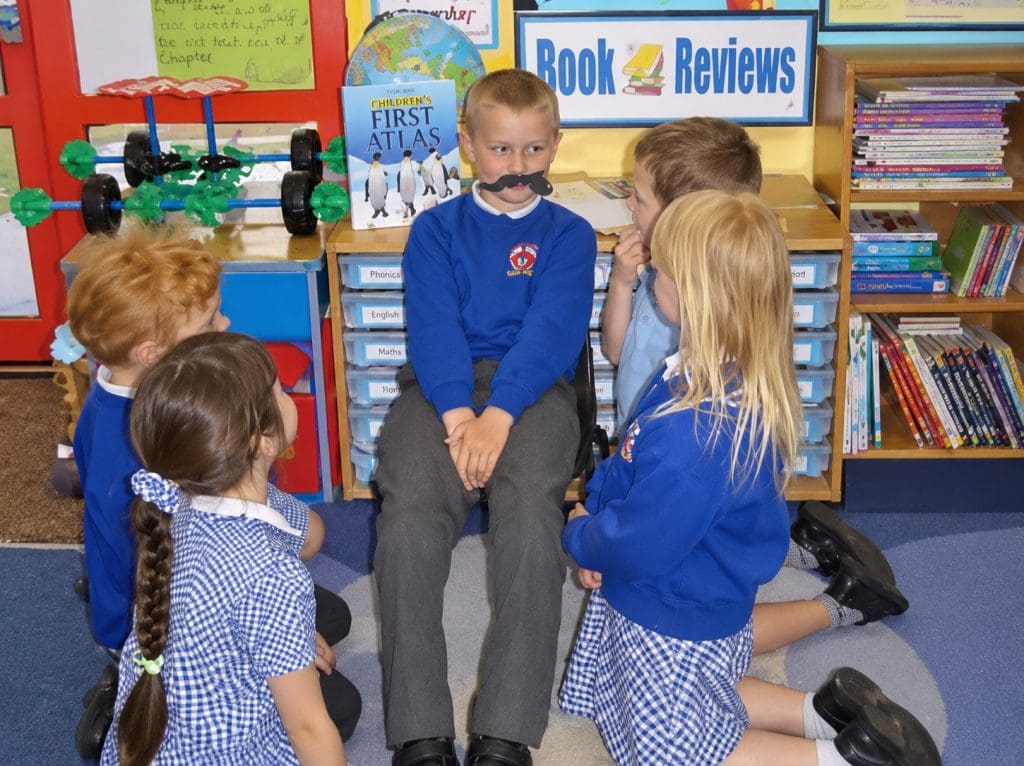 Outstanding history Lessons at KS1. If you have ever searched the internet for inspiration for your history sessions you will know how frustrating it can be. Luckily the answer is at hand. Built up from twenty years’ experience of working with infant schools, the site brings into one place some of the best history lessons you can expect to find. Not only are they logically developed with clear learning objectives, thoughtful structure and fit-for-purpose, fully-resourced activities, they are all in some ways creative or imaginative. They are not run of the mill. They will almost certainly fire your imagination and stimulate an even better idea.
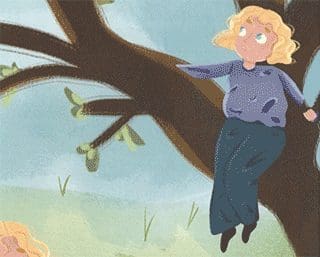
Amelia Earhart – KQ2 – What were the main events in Amelia’s life that shaped her ?
Having listened to an illustrated description of Amelia’s early life, pupils have to select suitable adjectives to describe her character using the odd-one-out options on the PowerPoint presentation to check…
Read More
Amelia Earhart – KQ3 – Why was Amelia so keen to fly when so few women at the time were interested?
A relatively short session exploring Amelia’s motivation starts with pupils drawing on their prior knowledge to consider why she took such risks, followed by an analysis of a few simply…
Read More
Amelia Earhart – KQ4 – What were the main ups and downs in Amelia’s life?
Using the living graph technique pupils sequence the events of Amelia’s flying career and then physically create points on a graph by deciding which events were good ones for Amelia…
Read More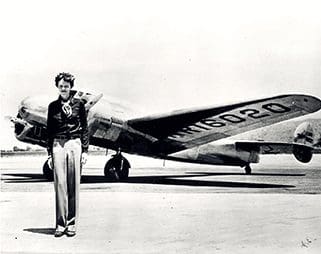
Amelia Earhart – KQ5 – How do we know so much about Amelia’s life when she lived so long ago?
In this session pupils get to work as history detectives matching clues within sources to statements historians have made about Amelia. Using the active ‘prove it’ strategy, pupils in pairs…
Read More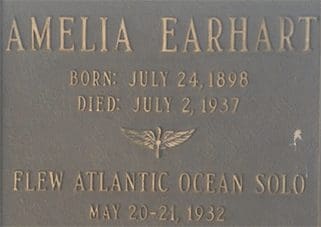
Amelia Earhart – KQ6 – What was Amelia’s greatest achievement and how should it be remembered?
Working towards the end goal of producing a book cover to encapsulate the key details of Amelia’s achievements, pupils learn, through a few short preparatory tasks, to discriminate between what…
Read More
When three queens ruled knowledge organiser – KS1
In this topic you are going to find out about three of the most famous queens that each ruled this country for a very long time. One lived nearly 500…
Read More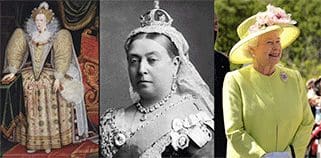
When three queens ruled – KQ1 – Which three queens of England are most remembered in history and why?
This active and entertaining first session aims to provide pupils with a clear chronological overview of the last 500 years into which they can insert their knowledge of Queen Elizabeth…
Read More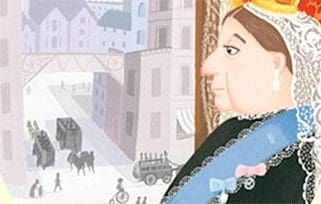
When three queens ruled – KQ2 – How different was life in England when the 3 queens were ruling?
Out of the window Children are shown three images of scenes from the different periods as seen through a window. They have to identify characteristic features from each of the…
Read More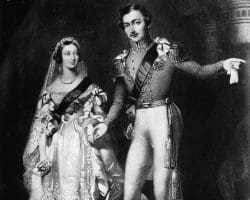
When three queens ruled – KQ3 – How do we know about the queens who lived so long ago?
Handling sources of evidence Having explored the range of visual sources available to historians studying the three queens, pupils actively try to match statements historians make to the sources they…
Read More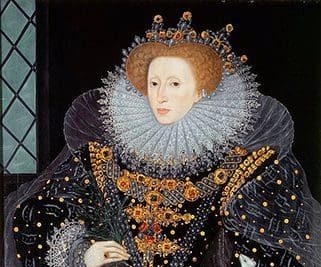
When three queens ruled – KQ4 – What important changes happened when each of the queens ruled?
Change / Significance Starting with 3 short video presentations, pupils go on to research the key changes from each of the reigns, focusing on those they think are most significant….
Read MoreWhen three queens ruled – KQ5 – How should we remember these famous queens?
Pupils explore a range of ways in which monarchs are commemorated, focusing on Queen Elizabeth II, before going onto design a set of three stamps which contain images of the…
Read More
Poppy Day: what are memories?
This is the first session on Remembrance Day. It uses the excellent story of Wilfrid Gordon McDonald Partridge as a way of exploring children’s understanding of memories. From the general…
Read More
What do we remember on Poppy Day / Remembrance Day?
This session revolves around a PowerPoint presentation which poses 6 significant questions, each designed to encourage pupils to think and to share their knowledge and understanding of this annual event….
Read More
Seaside knowledge organiser – KS1
You are learning about this topic to help you to understand how different life was over the last 100 years. As many of you will have been to the seaside,…
Read More
Columbus knowledge organiser – KS1
Columbus is a world-famous navigator and explorer whose daring voyages in search of the Indies led to the opening of the Americas. The world today would be a very different…
Read More
Scott of the Antarctic knowledge organiser – KS1
You are learning about Scott as he was one of Britain’s most famous explorers. Perhaps you are studying other explorers too such a Columbus or even the men who first…
Read More
Grace Darling knowledge organiser – KS1
You are learning about Grace Darling because at a young age she carried out a brave rescue and saved 9 men from a shipwreck. She was the daughter of a…
Read More
Mary Seacole knowledge organiser – KS1
Mary was a remarkable lady best remembered for her work during the Crimean war (1853-1856) where she helped injured soldiers, even riding on horseback onto the actual battlefields. Although not…
Read More
Wright brothers knowledge organiser – KS1
For centuries, man had dreamed of flying like birds. By the end of the 19th century, men could rise into the air using balloons, kites and gliders, but always needed…
Read More
Moon landing knowledge organiser – KS1
This event captured the attention of the whole world with hundreds of millions, perhaps 1 in every 5 people, watching on TV. On July 20, 1969, two astronauts did what…
Read More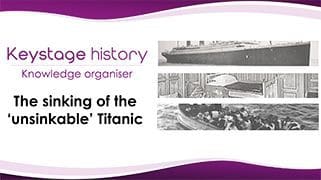
Sinking of the Titanic knowledge organiser – KS1
In this topic you are going to find out about the most famous ship, at the time the biggest ever built – the Titanic. It was a ship like no…
Read More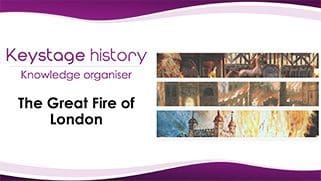
Great Fire of London knowledge organiser – KS1
The Great Fire of 1666 is an event that most people know about today not least because it changed the face of London as we know it today. It provides…
Read More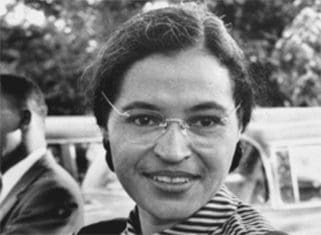
Rosa Parks – KQ1 – Can we work as history detectives to work out what Rosa Parks did that made her famous?
Pupils are pitched straight into the role as history detectives using mainly visual clues to piece together the possible reasons why Rosa Parks might be famous to then have their…
Read More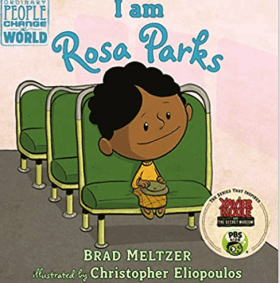
Rosa Parks – KQ2 -What can we learn about what sort of person Rosa was from stories of her early life?
Based on 3 key episodes from Rosa’s life, drawn from a lively story book, pupils act out 3 key episodes and have to select adjectives that best describe the aspects…
Read More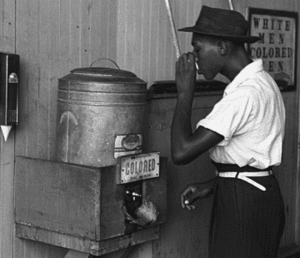
Rosa Parks – KQ3 – What was life like for black people living in southern USA in the 1950s?
This session looks at what life was like for Black people living in the southern parts of the United States in the 1950s. Back then, people didn’t always have the…
Read More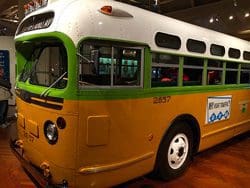
Rosa Parks – KQ4 – Why do you think Rosa acted as she did on that day that made her famous?
In this session pupils explore what drove Rosa to take her stand in December 1955, going beyond oversimplification of a tired seamstress to examining evidence that she was politically motivated….
Read More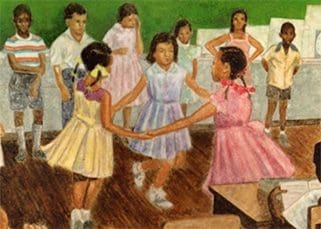
Rosa Parks – KQ5 – How did Rosa’s action lead to life for black people getting better?
How did Rosa Parks’ refusal to give up her seat help bring about change? In this KS1 lesson, pupils become museum curators, sorting muddled pictures and captions to explore what…
Read More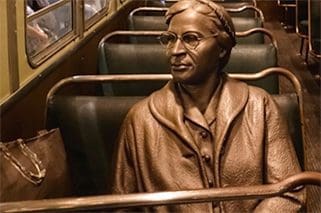
Rosa Parks – KQ6 – How should we remember Rosa Parks today?
How should we remember someone who helped change people’s lives? In this final enquiry, KS1 pupils draw on their learning about Rosa Parks to suggest and compare ways of celebrating…
Read More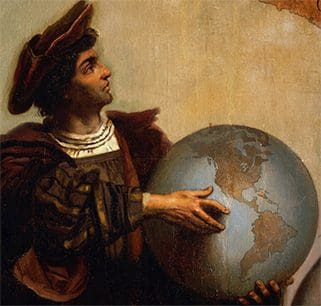
Columbus – KQ1 – Why do you think we still remember Christopher Columbus, even though he’s been dead for 500 years!
Pupils are in the role of history detectives. They are given 8 progressively revealing, mainly visual, clues in a controlled predetermined order, to elicit ideas as to why Columbus is…
Read More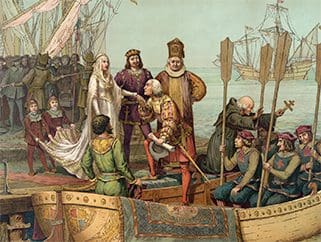
Columbus – KQ2 – How did Columbus become famous?
Pupils listen to an illustrated description of the main of episodes Columbus life which they then sequence from the jumbled images provided before creating a whole-class talking timeline of Columbus’…
Read More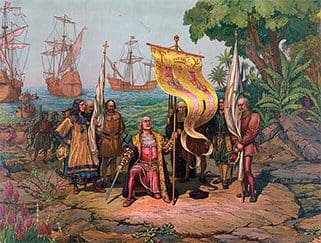
Columbus – KQ3 – What was Christopher Columbus’s motivation?
Driving at the heart of Columbus‘ motivation, allows pupils to build on what they have already deduced about his character as well as the political realities of trying to please…
Read More
Columbus – KQ4 – What was life like on board during such a long journey?
This question shifts the focus away from the actions of just one man and adds a colourful dimension to the topic. Pupils have to consider the hazards and privations on…
Read More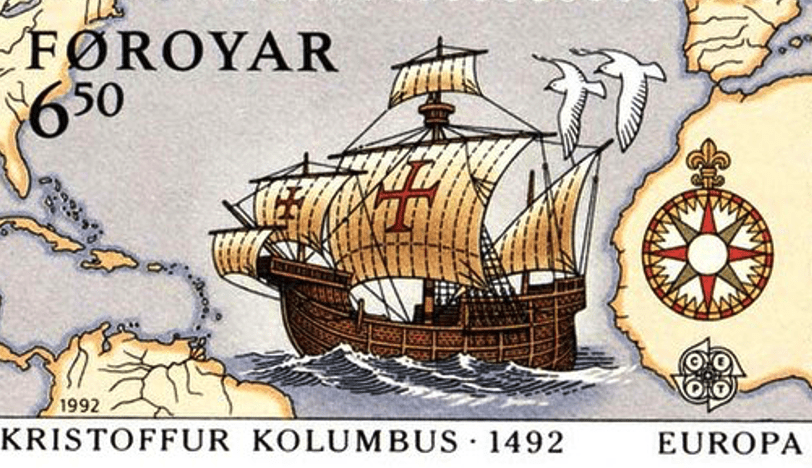
Columbus – KQ5 – How have opinions of Columbus changed in the light of new evidence?
In this session the focus is squarely on helping pupils to grasp that people’s opinions of Columbus have changed in the light of new evidence and new perspectives. It brings…
Read More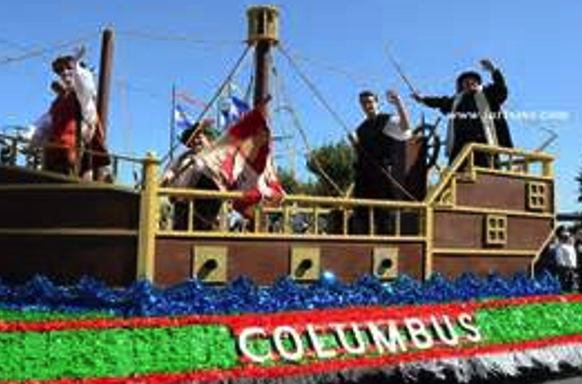
Columbus – KQ6 – How and why should we remember him?
Having seen the different ways in which Columbus achievements are still commemorated today, 500 years after his death, pupils have to sift through the arguments to distil what makes him…
Read More
10 key messages about teaching significant people in KS1 history
The most important changes in the way we teach this aspect of the KS1 curriculum are: a. the need to link people through a theme, so that pupils make comparisons over…
Read More
KS1 Medium Term Planner for Spreading the Word: Caxton to Bell
The ‘significant people’ element of the KS1 history curriculum now requires pupils to compare achievements of individuals within a linked theme – in this case communication in a topic called…
Read More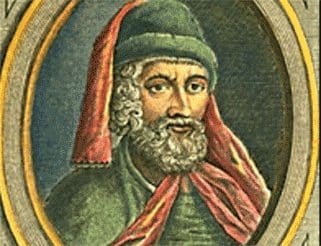
Caxton and Bell – KQ1 – What did Caxton do that was so important to us today?
Following a mysterious PowerPoint slow reveal in which pupils look for clues to Caxton’s fame, pupils are given a brief illustrated summary of the key moments in his life which…
Read More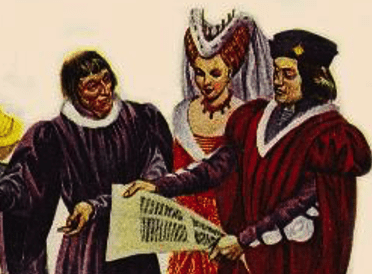
Caxton and Bell – KQ2 – Quick the King and Queen are coming! How Caxton changed the way books were made
Having shown pupils how books were made before Caxton’s time, the main focus of the lesson is on how the new system worked. To prevent this being a dull session…
Read More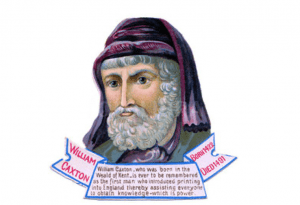
Caxton and Bell – KQ3 – How and why should Caxton be remembered?
Having discussed the possible options for ways of commemorating his achievement, pupils have to create a new plaque on his statue, because the old words have worn and faded away….
Read More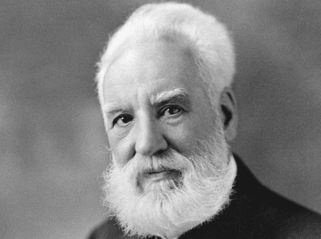
Caxton and Bell – KQ4 – How did Alexander Graham Bell manage to make a telephone work so long ago? and why did he want to?
The focus here is on sequencing of events, looking for turning points in his life and for his personal motivation. How did his life choices end up with him inventing…
Read More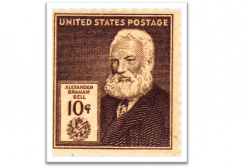
Caxton and Bell – KQ5 – Why was Bell’s invention so important, then and now? Bells and whistles!
Pupils write a plaque to go on the side of a new statue that has been built to commemorate Bell’s achievement in response to government’s offering a prize to the…
Read More
Caxton and Bell – KQ6 – How has the telephone improved since the days of Bell?
This session really helps pupils to get a strong sense of change through time, linking the past of Bell’s time to the present bringing things right up to date. It…
Read More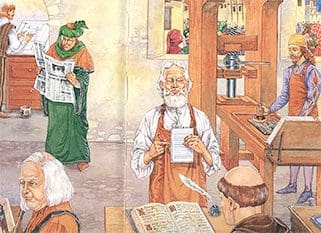
Fun activity on anachronism to help children develop a sense of period when learning about Caxton
Getting young children to develop a sense of period and an awareness of how different the distant past was to the present is never easy- a bit like picking up…
Read More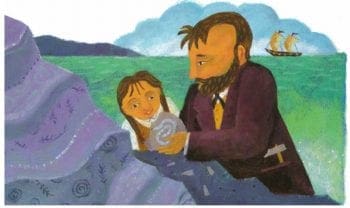
Mary Anning – KQ1 – Why do we remember Mary Anning?
This introductory session attempts to place Mary’s life in a broader context of time and place and to whet pupils’ appetite, without telling much of the story of her life….
Read More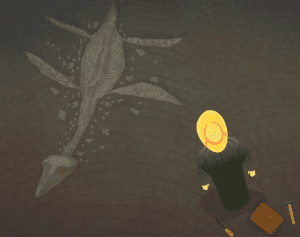
Mary Anning – KQ2 – What did Mary do in her life that was so special?
Pupils move from the sequencing of the major events of Mary’s life to a more sophisticated understanding of which of these events were the most significant. By creating a fortunes…
Read More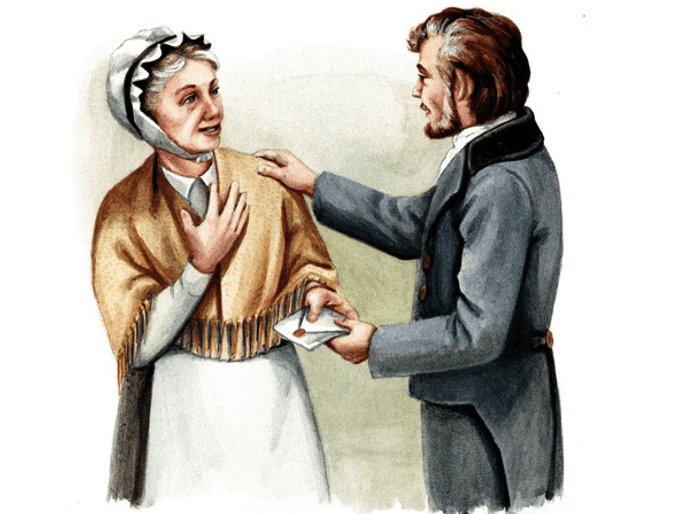
Mary Anning – KQ3 – What sort of person was Mary that helped her to succeed in a man’s world?
This a much shorter enquiry than the others, and comprises just three short activities Step 1 Having recapped the story of Mary’s life, ask pupils to work in small groups…
Read More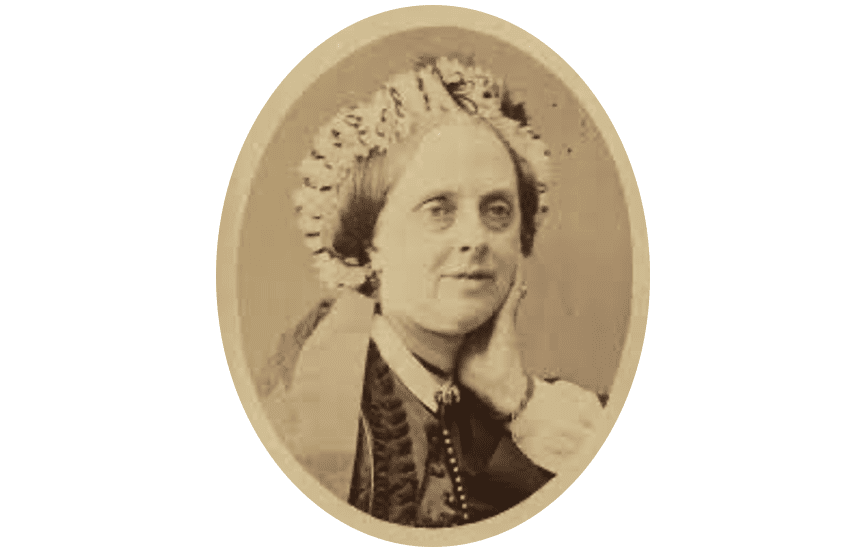
Mary Anning – KQ4 – Which other people were important in Mary’s life and why?
This activity is an interesting way of getting pupils to think about Mary’s life but in a non-narrative way. Instead of re-telling the story in sequence they have to look…
Read More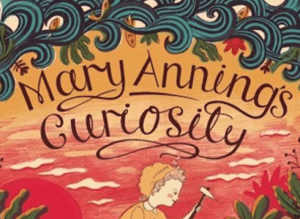
Mary Anning – KQ5 – How do we know about Mary’s actions which happened so long ago?
The main activity in this session is called Prove it! A number of pieces of evidence from Mary’s time are placed around the room, as if it were an art…
Read More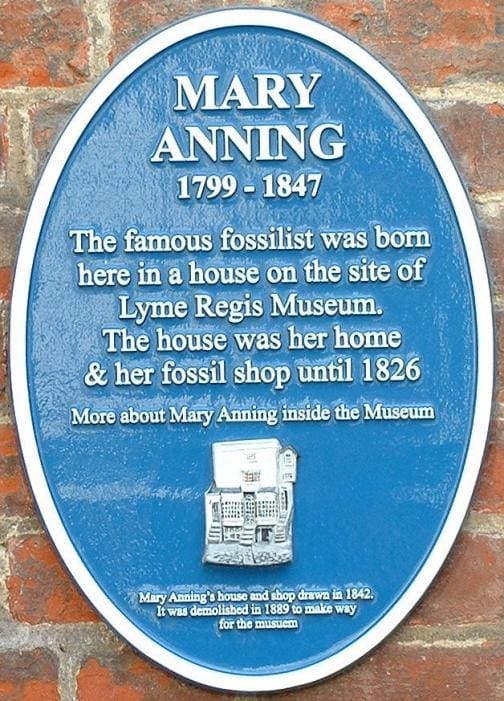
Mary Anning – KQ6 – How and why should Mary Anning be remembered? Have your say.
In Lyme Regis they are going to improve their museum dedicated to Mary Anning. It will cost a lot of money and the Council are not sure she deserves all…
Read More
The Great Fire – KQ1 – How can we work out why the Great Fire started?
This innovative session places pupils right from the start of the enquiry in the role of detectives to discover when, where and why the Great Fire of London broke out….
Read MoreWritten by Neil Thompson

All content on Keystage history is written and quality assured by Neil Thompson, a former history teacher, county history adviser and Ofsted inspector with more than 30 years’ experience in history education.