
Outstanding History Lessons and Resources at KS1
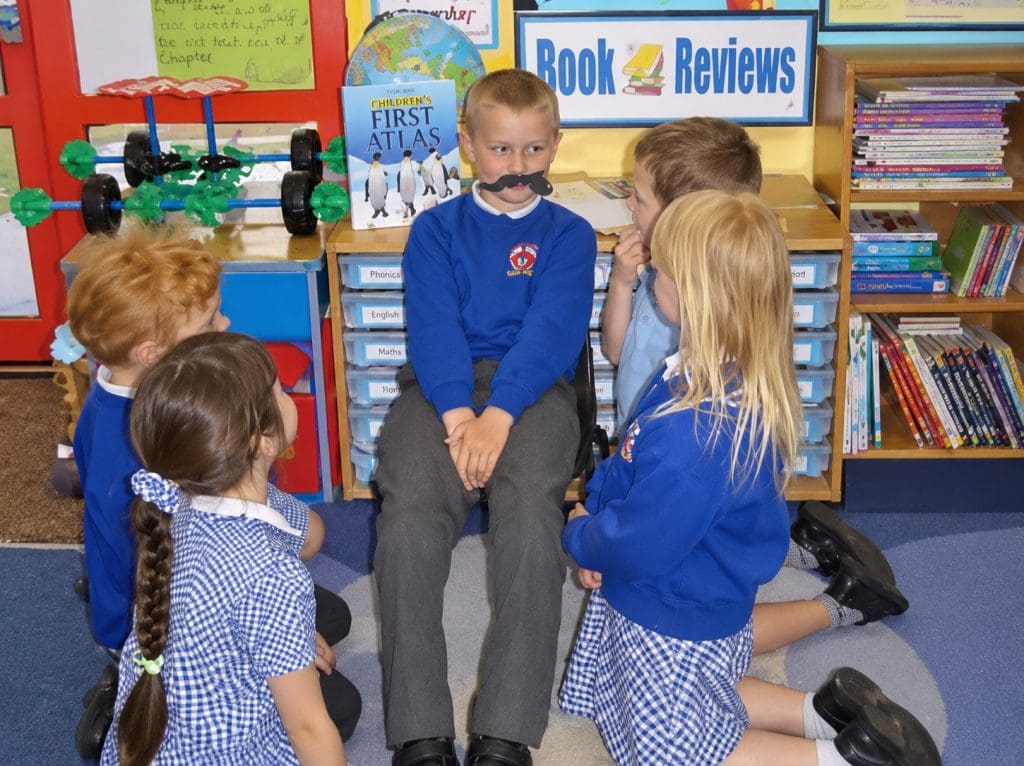 Outstanding history Lessons at KS1. If you have ever searched the internet for inspiration for your history sessions you will know how frustrating it can be. Luckily the answer is at hand. Built up from twenty years’ experience of working with infant schools, the site brings into one place some of the best history lessons you can expect to find. Not only are they logically developed with clear learning objectives, thoughtful structure and fit-for-purpose, fully-resourced activities, they are all in some ways creative or imaginative. They are not run of the mill. They will almost certainly fire your imagination and stimulate an even better idea.
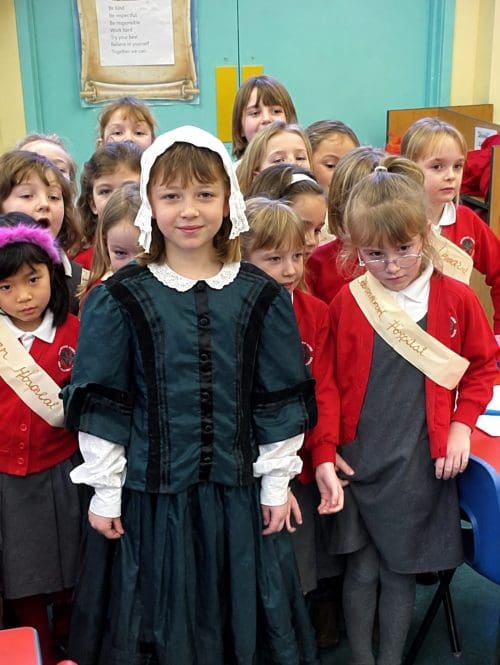
Florence Nightingale and Mary Seacole SMART TASK
Who said it? / Who am I? This simple task encourages children to spot the differences between Florence Nightingale and Mary Seacole. With a large A4 image of Florence on…
Read More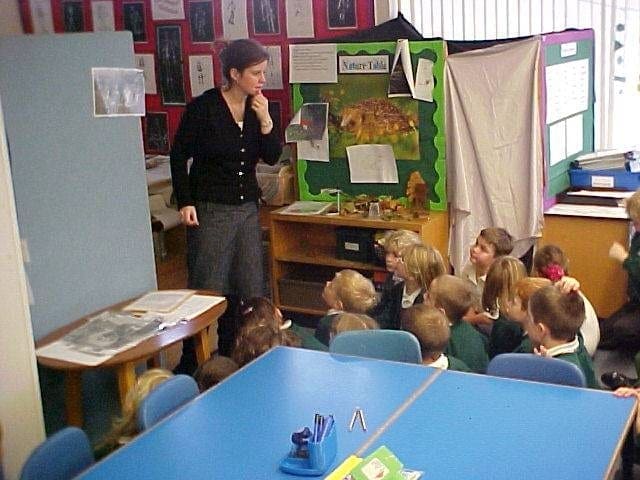
The Gunpowder Plot : a moving story
This is an account of a lesson taught by Sarah Duck, now a Leading Primary Teacher. She combined high quality story telling with drama to ensure that all children in…
Read More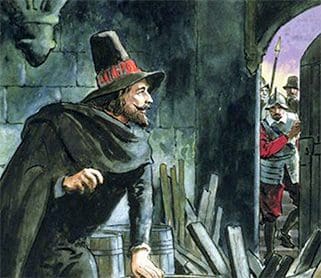
The Gunpowder Plot: Prove it using a gallery of images
This skilfully differentiated lesson places pupils in the role of detectives that have to find evidence to back up statements that have been made about the Gunpowder plot. They are…
Read More
Teaching In Living Memory to Key Stage 1
Within living memory is one of the periods of time KS1 pupils need to study. At first sight it might seem obvious that this is the period best suited to…
Read More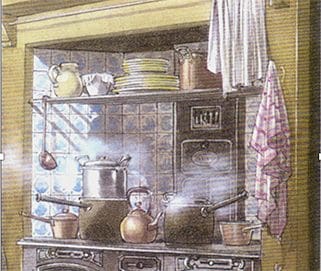
Polly put the kettle on. Learning about then and now, past and present
This is one of a series of 3 separate sessions on different nursery rhymes, building up children’s understanding of the concept of past and present and giving them a vocabulary…
Read More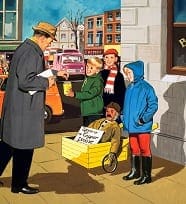
Bonfire Night when Granny was a girl: Smart Task
These activities have been designed for the current curriculum, covering the past within living memory and commemorative events. The three PowerPoint presentations, including copyrighted images of the 1950s and early…
Read More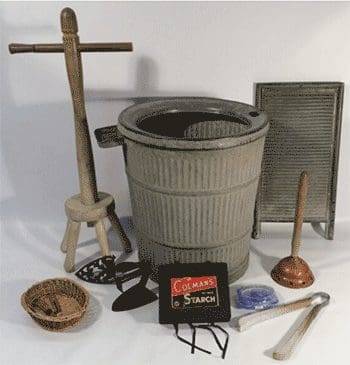
Washday in the past; helping the hopeless Mr Lather
The children will be familiar with the range of processes involved in washing clothes in the past. They will have watched programmes such as Magic Grandad and will have explored…
Read More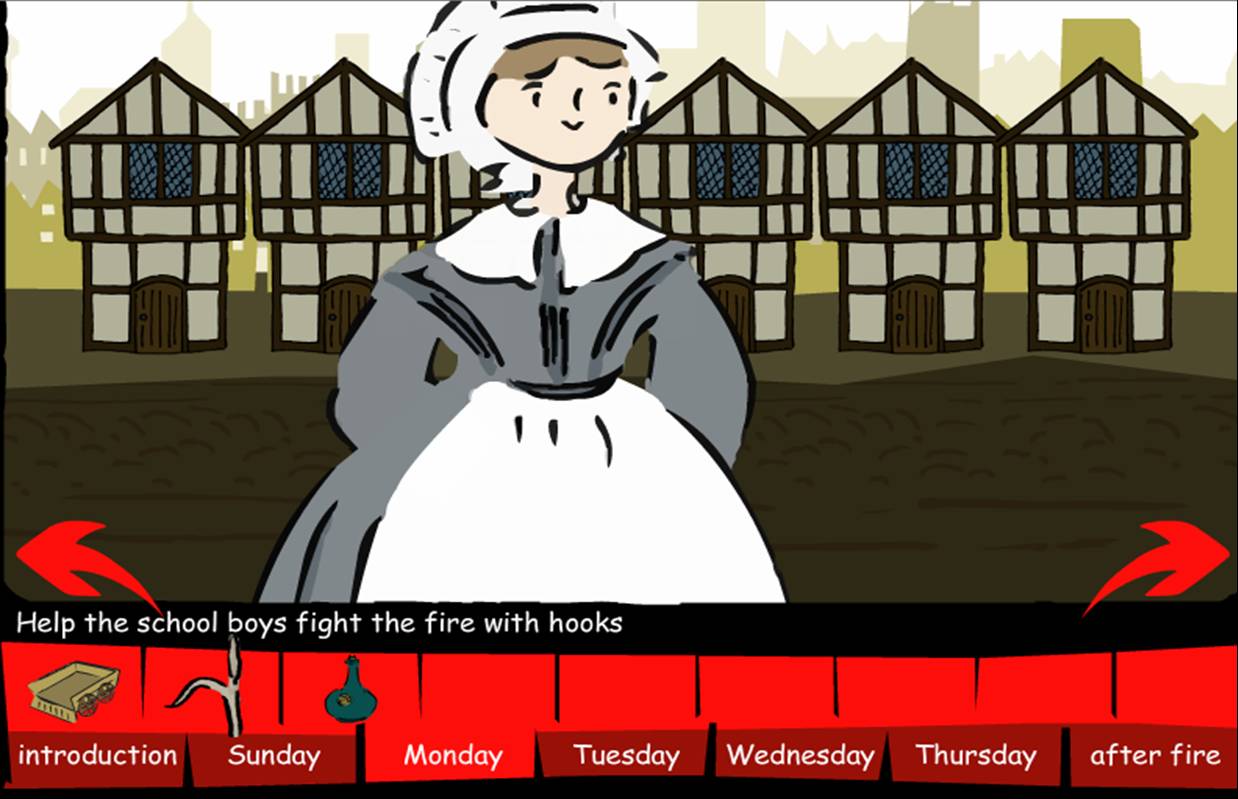
Help Tom to fight the Great Fire. Smart Task
This ICT based activity draws heavily on the superb new website created as a joint enterprise by the National Archives, National Portrait Gallery, Museum of London and London Fire Brigade…
Read More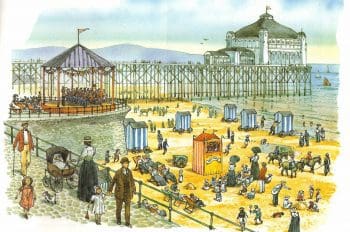
KS1 : Going to the Seaside-the mystery of the pier
One of the more interesting features of the Seaside holidays topic is the fact that it opens up discussion, even for young children, on what these novel features were built…
Read More
Teaching Myself – Muddled Bags
As you would expect, it is far better to start with the children themselves and images of them growing up, before moving on to look at two or more generations,…
Read More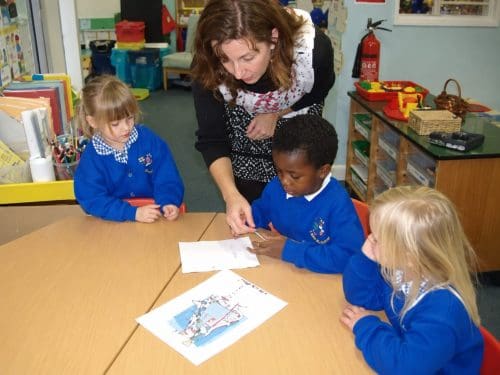
Teaching Nursery Rhymes to Key Stage 1
This topic is extremely well suited to children in Year R as part of the Foundation stage curriculum. Not only does it help children to grasp the difference between past…
Read More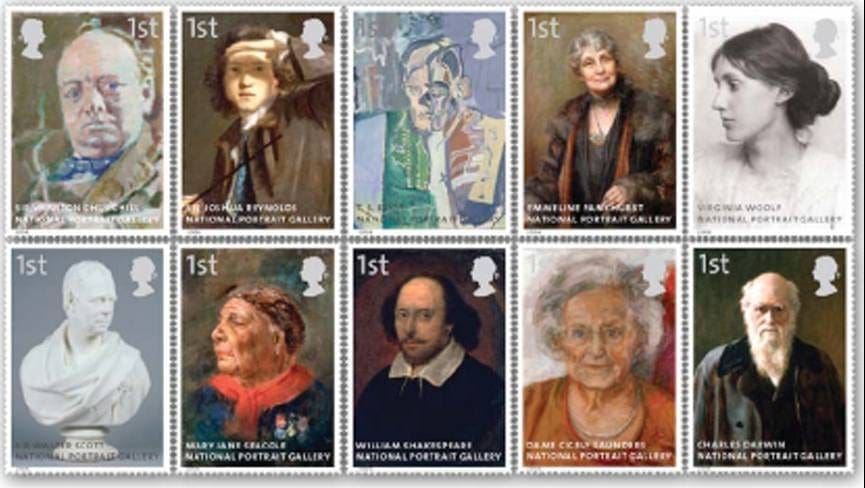
Mary Seacole – How should we remember her?
This lesson is the second featuring Mary Seacole. In the first her role was compared with Florence Nightingale’s. The focus now shifts to asking two key questions: which was Mary…
Read More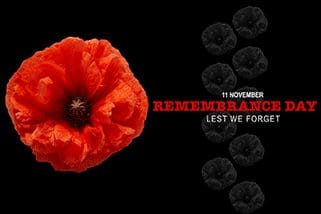
How will your school commemorate the end of World War One?
This short advice sheet invites schools to consider how they will commemorate the centenary of armistice day and provides an illustrated PowerPoint presentation offering 8 attractive ideas to set you…
Read More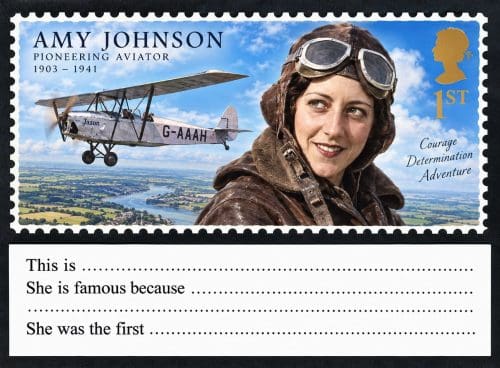
Amy Johnson – KQ1 – Why do you think Amy Johnson was famous?
With the help of the slow reveal of the clues in carefully arranged order, pupils build their knowledge of Amy Johnson’s significance and write their own brief caption to accompany…
Read More
Amy Johnson – KQ2 – How did Amy the secretary end up being the first woman to fly to Australia?
This short, fun activity using mime and props, tells the story of Amy Johnson’s first flight to Australia in a way that children will never forget. Each of the 8…
Read More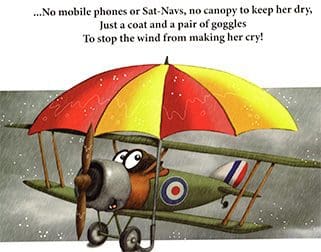
Amy Johnson – KQ3 – Why was flying to Australia so difficult for Amy Johnson?
Having heard the story of Amy Johnson’s life, pupils are now asked to focus their attention on explaining why it was such a difficult feat for Amy to achieve at…
Read More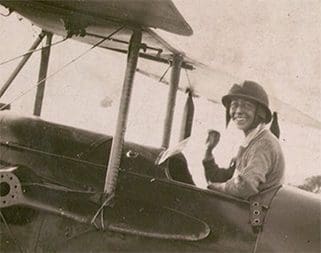
Amy Johnson – KQ4 – How did people react to Amy Johnson’s famous flight?
How did people react to Amy at the time, and how do we know? Children generate adjectives to describe Amy’s arrival in Australia using a photograph and short newspaper extracts…
Read More
Amy Johnson – KQ5 – How did things change for Amy Johnson after her famous flight?
Was Amy really successful for the rest of her life? A Living graph Smart Task KQ5 The focus here is on the ups and downs of Amy’s life, in the…
Read More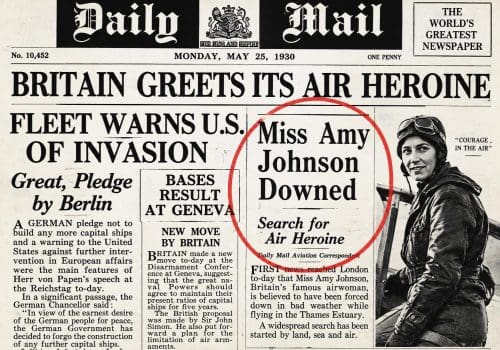
Amy Johnson – KQ6 – How can we solve the mystery of what happened to Amy Johnson?
This enduring mystery has puzzled historians for over 75 years. New evidence has just come to light which makes this an ideal opportunity for pupils to explore reasons for themselves….
Read More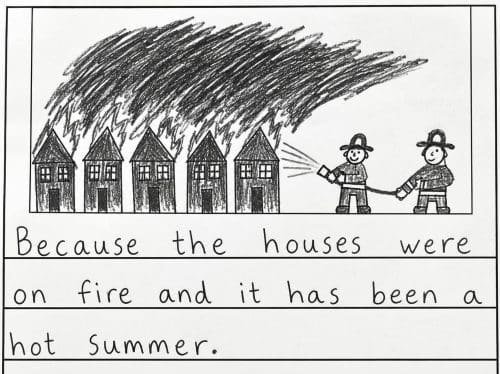
KS1 Star Lesson on The Great Fire
Why did the Great Fire of 1666 burn down so many more houses than other fires in London at that time? In this exceptional lesson, pupils adopt the role of…
Read More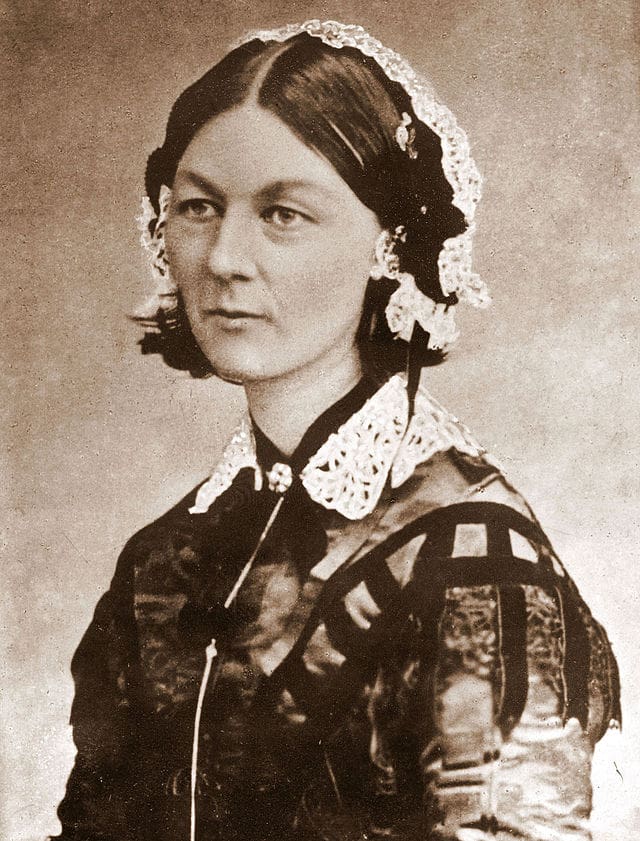
How well do you and your pupils know Florence Nightingale?
Here are 10 probing questions. See how you get on. Oh, and the answers are given below, in case you need them. As if! Q1. How was Florence Nightingale received…
Read More
Teaching Famous Events at Key Stage 1 – Outstanding Lessons
There are two types of events that are expected to be taught to KS1 pupils as part of the National Curriculum. One is commemorative events and anniversaries, the other significant…
Read More
6 top history ideas to cover in your Great Fire topic
Many of you will be starting your Great Fire topic this term. Naturally you will want this to be exciting as well as challenging and you will want to focus…
Read More
Keeping up-to-date with your teaching of the Great Fire at KS1
If you get the chance, between the end of term and April, to visit the Museum of London’s exhibition Fire! Fire! don’t hesitate. There are some extraordinary exhibits and it…
Read More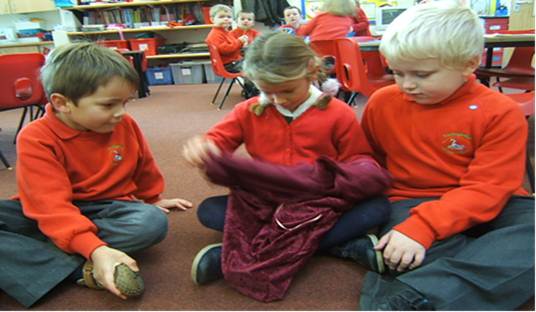
What’s in the bag and who does it belong to? Great Fire Smart Task
An object-based problem-solving approach to learning about life during the Great Fire This Smart Task is just part of a lesson and uses the power of concealed objects to fire…
Read More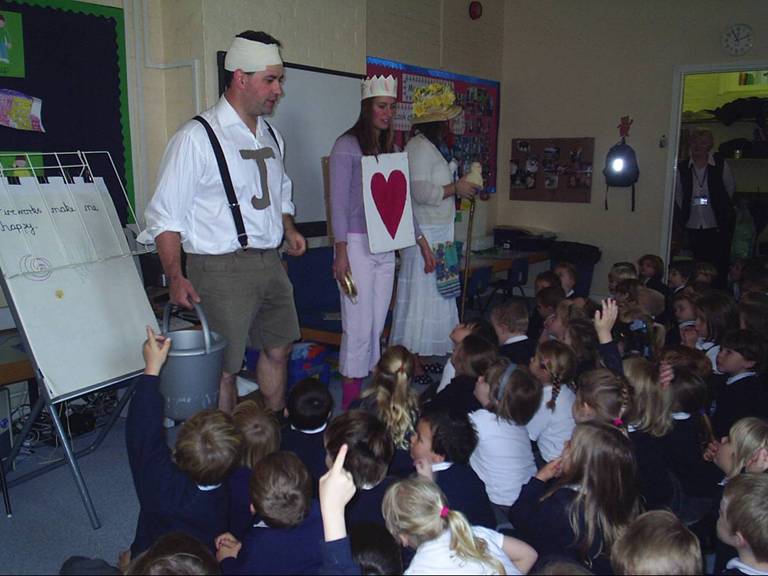
Using nursery rhymes to develop thinking skills in YR: Jack and Jill and the Queen of Hearts
This lesson was kindly provided by David Cowie and his team at Ringwood Infants C of E School. Their theme for a three week block was Nursery Rhymes. Particular sessions…
Read More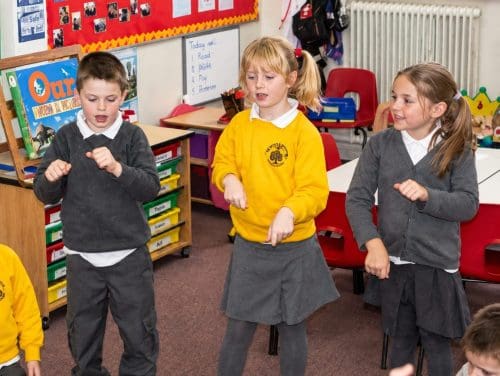
Past beyond Living Memory: Key Stage 1
Lessons and shorter activities. Please note that these lessons and smart tasks have accompanying resources to download and that most of the PowerPoint presentations on the site have been kept deliberately…
Read More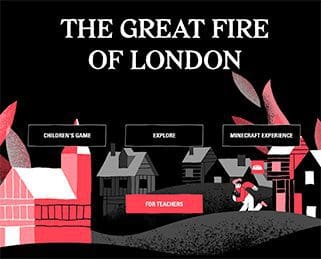
KS1 | Great Fire interactive resource
Just thought I’d bring to the attention of those who haven’t yet seen it the interesting resource put together by the Museum of London and other agencies a year or…
Read More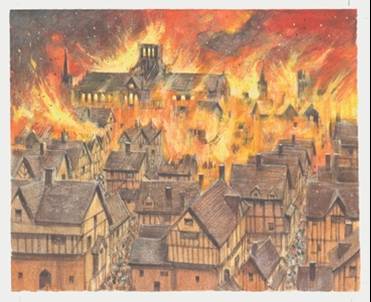
Using De Bono’s Thinking Hats to develop thinking skills at Key Stage 1 via the topic the Great Fire of London. Smart Task
Two infant teachers from southern Hampshire, Julie Syms from Crofton Hammond Infants and Nicola Beazley from Sarisbury Green Infants, have created a composite description of their experience of using de…
Read More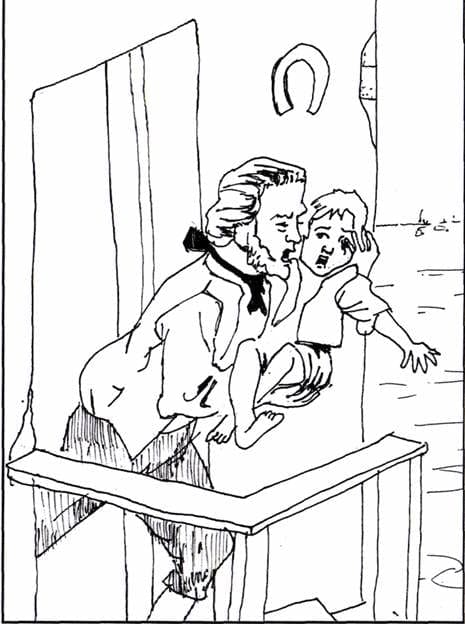
Louis Braille – evaluating the video
This lesson comes at the end of the sequence of lessons which explore Louis Braille’s life and achievements. Rather than using a video for information and atmosphere, this lesson uses…
Read More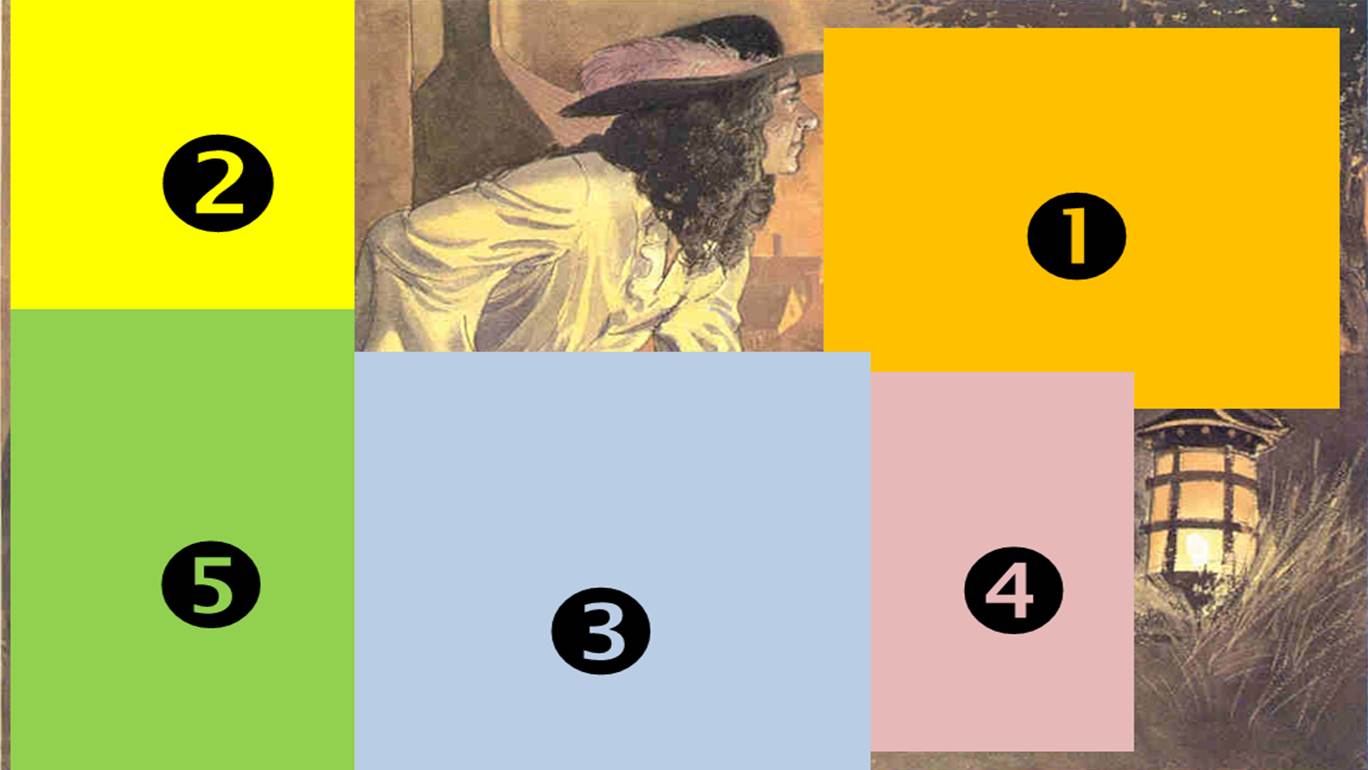
Great Fire Smart Task – What’s going on in our mystery picture?
This simple starter activity uses a large, coloured, artist’s reconstruction of Pepys burying his possessions when he knows it is time to finally flee his home. Children will be familiar…
Read More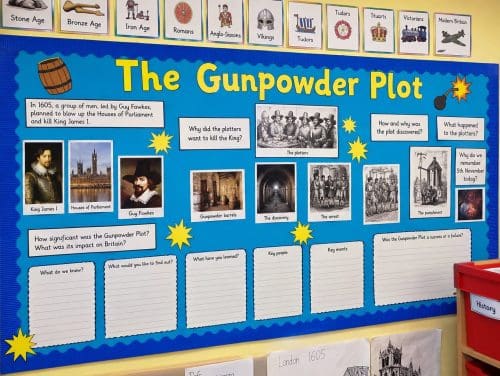
Are you teaching your KS1 the truth about Guy Fawkes?

In many schools I hear teachers tell the same story about Guido Fawkes. Guy Fawkes was angry at the King and the government for the way it treated Catholics. He…
Read More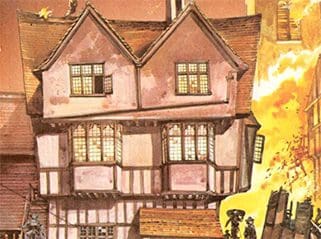
Excellent resource on Great Fire of London for KS1
The Museum of London has a wonderful selection of teaching resources on its website including an interactive story and perhaps best of all a Minecraft version of 1666’s tragic tale. Find all of…
Read MoreWritten by Neil Thompson

All content on Keystage history is written and quality assured by Neil Thompson, a former history teacher, county history adviser and Ofsted inspector with more than 30 years’ experience in history education.