
Teaching Famous People at KS1
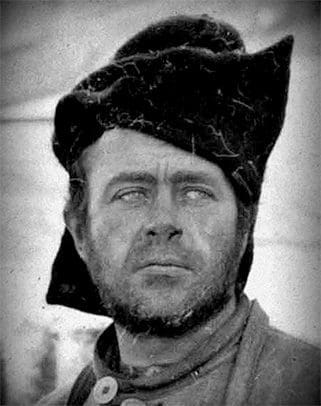
Scott of the Antarctic – assessment task Y2
Focus concept: Causation The first task serves as a more gentle introduction to the idea of cause by looking at Scott’s personal motivation. By using the speech bubble device we…
Read More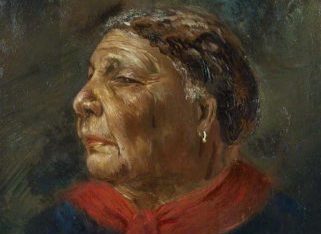
Mary Seacole – Assessment task – Assessing pupils’ understanding of the work of Mary Seacole
Target concepts: characteristic features of the period and significance This task is designed to elicit pupils’ understanding of the contribution of Mary Seacole to the development of nursing. When it…
Read More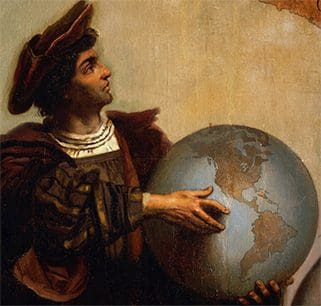
Columbus – KQ1 – Why do you think we still remember Christopher Columbus, even though he’s been dead for 500 years!
Pupils are in the role of history detectives. They are given 8 progressively revealing, mainly visual, clues in a controlled predetermined order, to elicit ideas as to why Columbus is…
Read More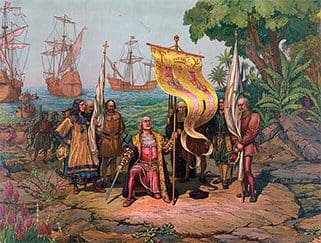
Columbus – KQ3 – What was Christopher Columbus’s motivation?
Driving at the heart of Columbus‘ motivation, allows pupils to build on what they have already deduced about his character as well as the political realities of trying to please…
Read More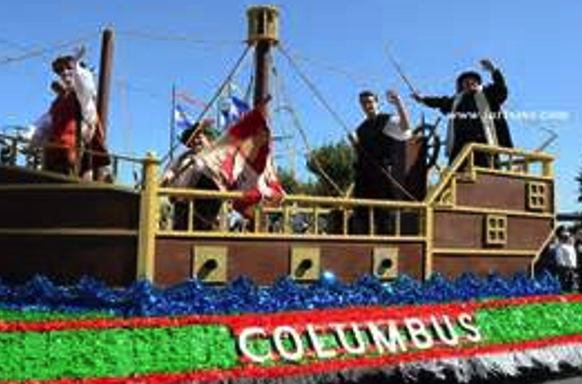
Columbus – KQ6 – How and why should we remember him?
Having seen the different ways in which Columbus achievements are still commemorated today, 500 years after his death, pupils have to sift through the arguments to distil what makes him…
Read More
10 key messages about teaching significant people in KS1 history
The most important changes in the way we teach this aspect of the KS1 curriculum are: a. the need to link people through a theme, so that pupils make comparisons over…
Read More
KS1 Medium Term Planner for Spreading the Word: Caxton to Bell
The ‘significant people’ element of the KS1 history curriculum now requires pupils to compare achievements of individuals within a linked theme – in this case communication in a topic called…
Read More
Caxton and Bell – KQ1 – What did Caxton do that was so important to us today?
Following a mysterious PowerPoint slow reveal in which pupils look for clues to Caxton’s fame, pupils are given a brief illustrated summary of the key moments in his life which…
Read More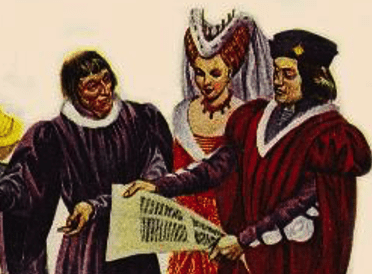
Caxton and Bell – KQ2 – Quick the King and Queen are coming! How Caxton changed the way books were made
Having shown pupils how books were made before Caxton’s time, the main focus of the lesson is on how the new system worked. To prevent this being a dull session…
Read More
Caxton and Bell – KQ3 – How and why should Caxton be remembered?
Having discussed the possible options for ways of commemorating his achievement, pupils have to create a new plaque on his statue, because the old words have worn and faded away….
Read More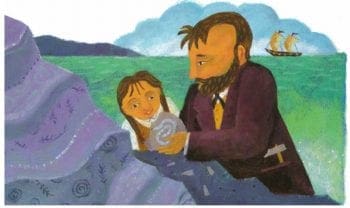
Mary Anning – KQ1 – Why do we remember Mary Anning?
This introductory session attempts to place Mary’s life in a broader context of time and place and to whet pupils’ appetite, without telling much of the story of her life….
Read More
Mary Anning – KQ2 – What did Mary do in her life that was so special?
Pupils move from the sequencing of the major events of Mary’s life to a more sophisticated understanding of which of these events were the most significant. By creating a fortunes…
Read More
Mary Seacole – KQ1 – How can we work out why Mary Seacole is famous?
This session focuses on working out WHY Mary Seacole is commemorated today 200 years after she was born, and looks at the different ways in which she is remembered. The…
Read MoreKS1 Medium Term Planner: Louis Braille
The current history curriculum at KS1 asks schools to provide a little more coherence in their choice of significant people to study, suggesting that they might be linked by theme….
Read More
Mary Seacole – KQ2 – What were the most important events in Mary’s life?
Pupils watch a short film to establish the outlines of the story and then have to sequence a differentiated set of images of the key events of her life. They…
Read More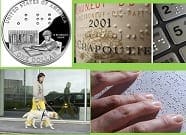
Louis Braille – KQ1 – Why do you think Louis Braille is remembered today: Smart task
This session comprises two activities. Activity 1 – Pupils try to work out why Braille might be famous from visual clues. Discuss how blind people can read today. They handle…
Read More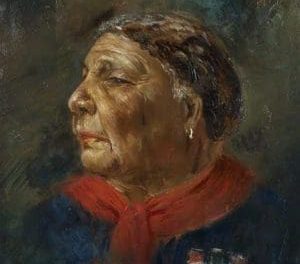
Mary Seacole – KQ3 – What was Mary’s greatest achievement and how do we know?
The focus here is mainly on the evidence for Mary’s achievement. This is important as she was a more-or-less forgotten figure for 200 years. So how do we know that…
Read MoreMary Seacole – KQ4 – How did life change for Mary after the Crimean war?
What happened to Mary Seacole when the Crimean War was over? In this engaging KS1 history lesson, pupils discover that Mary’s return to Britain was far from straightforward. By sequencing…
Read More
Louis Braille – KQ4 – What changes to people’s lives did Louis make?
Step 1 This is a short activity in which pupils are asked to think of any uses of Braille they know of in everyday life, perhaps by showing the start…
Read More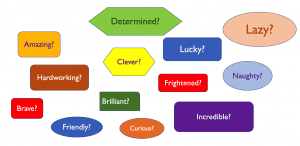
Louis Braille – KQ5 – What makes Braille so special? Smart task
This very short task is preliminary to the major task that follows in KQ6 which explores how we should commemorate Louis’ achievement. It is important that they consider the crucial…
Read More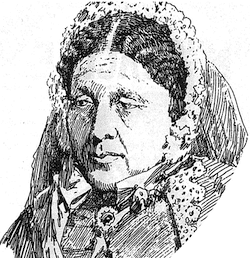
Mary Seacole – KQ5 – What made Mary so special?
A short session aimed at generating adjectives to capture the special qualities that Mary had and to provide examples of where she exhibited those characteristics. Learning objectives – Pupils can…
Read More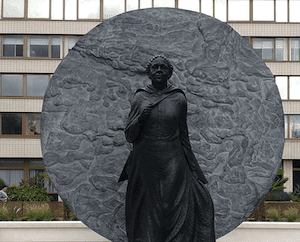
Mary Seacole – KQ6 – Why doesn’t everyone agree that Mary deserves her statue at St. Thomas’ hospital?
This lesson places pupils in the role of Mantle of the Expert. A new monument to Mary Seacole was erected outside St Thomas Hospital in 2016 . But there have…
Read More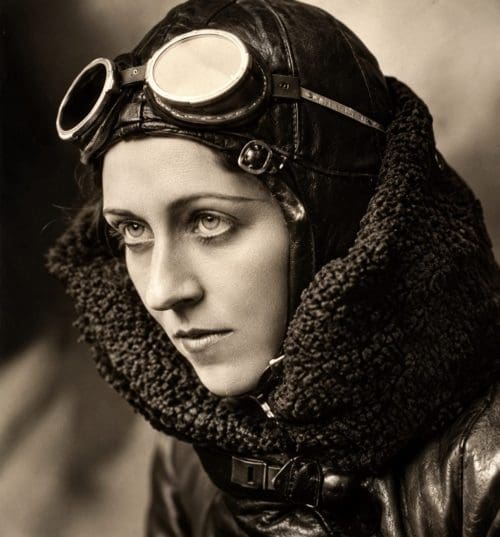
Guidance for teaching Amy Johnson as a Famous Person in Key Stage 1
This study of a significant individual has been designed to form part of a broader topic on a similar theme which is one of the key requirements of the current…
Read More
Teaching the Wright Brothers as a Famous Person in Key Stage 1
The Wright brothers offers an exciting opportunity for pupils to explore a topic that should engage their interest, provide plenty of opportunities for drama and creative thinking and should fit…
Read More
Wright Brothers – KQ1 – What do you think the Wright brothers did to make them famous?
At the very start of the topic, on the assumption that you haven’t told them what the topic is about!! pupils are shown slide 2 in the form of a…
Read More
Wright Brothers – KQ2 – How did the Wright brothers manage to be the first to launch a man powered flight?
This enquiry comprises a series of three smart tasks: the first is a sequencing task based on storytelling; the second a ‘living graph the third an optional ‘reconstruction relay drawing…
Read More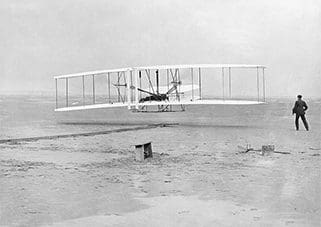
Wright Brothers – KQ3 activity 1 – Why did the Wright brothers succeed where others had failed?
Sarah Duck describes how her class tackled this key question. The task involves children reading small diamond-shaped text cards, to decide which statements are true or false. They then put…
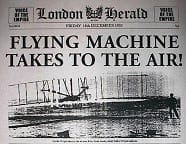
Wright Brothers – KQ4 – The Wright Brothers first flight. KS1 Prove it!
How can we possibly know about the Wright Brothers first flight when there’s nobody alive now who saw it? This is a question about evidence, one which makes pupils consider…
Read MoreWright Brothers – KQ4 – one teacher’s alternative approach – Wright brothers: prove to me that it really happened
This lesson was taught by Sarah Duck, Leading Teacher for History, Hampshire LA. She kindly describes for us how the lesson went. “Work had already begun on the Wright Brothers’…
Read More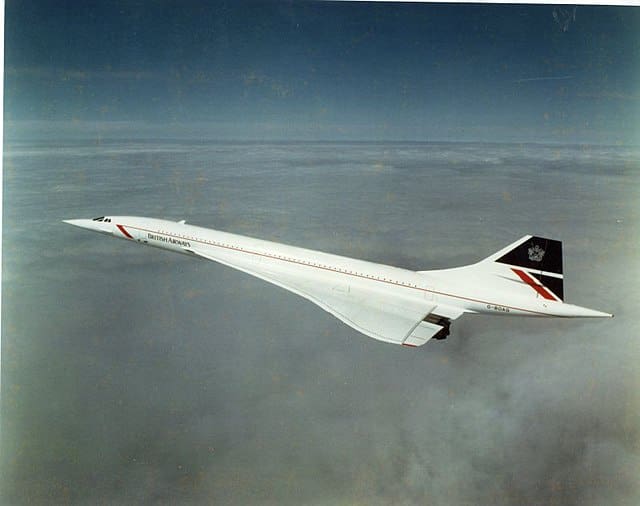
Wright Brothers – KQ5 – How did flight change as a result of the Wright Brothers’ work?
This activity goes beyond simple sequencing of images, which pupils first attempted at the start of the topic, to explaining the nature of the changes that have taken places in…
Read More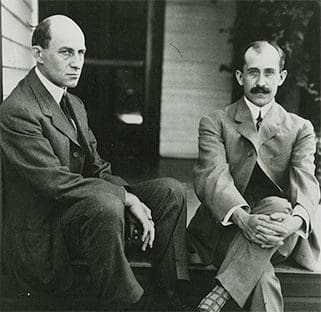
Wright Brothers – KQ6 – How should the Wright brothers be remembered?
Commemorating the Wright brother’s achievements with words young children can understand Pupils have to create a plaque to commemorate the Wright brothers’ achievements to replace the incomprehensible one on the…
Read MoreAre you teaching the right things about Mary Seacole to your children? 10 things to be sure to teach
Are you teaching the right things about Mary Seacole to your children? 10 things to be sure to teach: 1. Mary was not a nurse as pupils would understand the…
Read More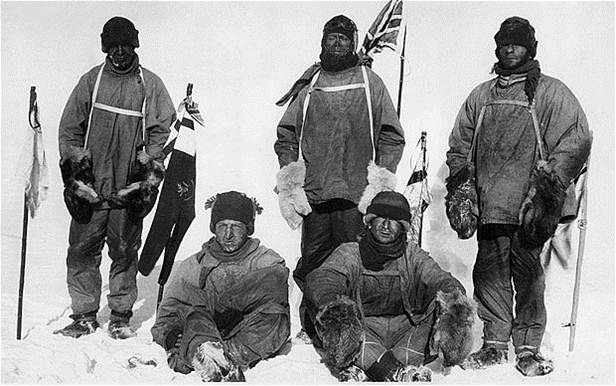
Teaching Scott of the Antarctic to Key Stage 1
Those of you who are thinking that this choice of famous person seems to presage a return to an Our Island Story approach to heroes and derring-do, couldn’t be further from…
Read More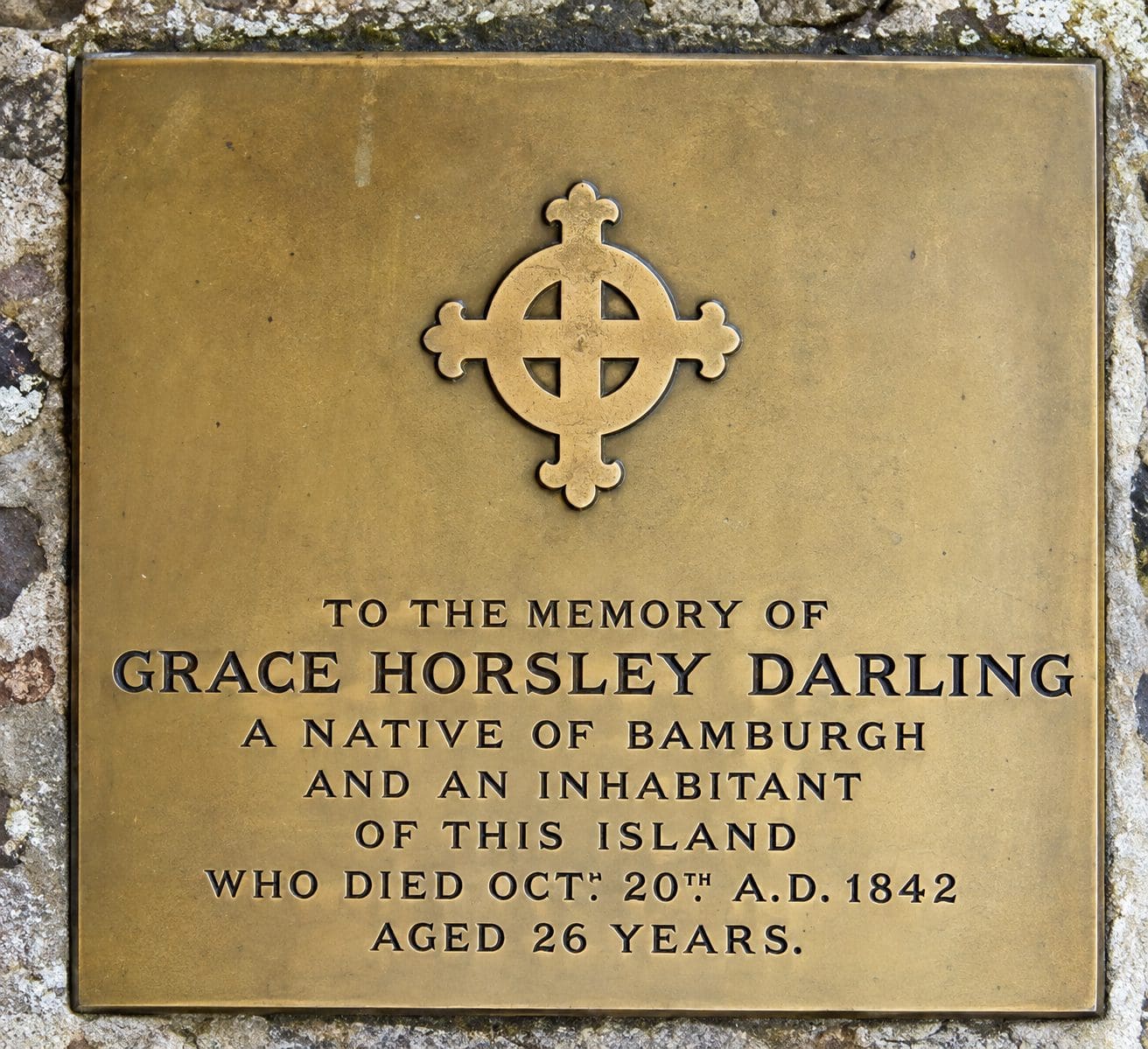
Grace Darling – KQ4 – How do we know about Grace Darling’s actions which happened so long ago?
There are two distinct elements to this session. Firstly, pupils develop a sense of period and of evidence by thinking about the sources historians would use to find out about…
Read More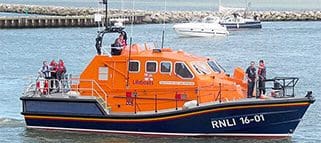
Grace Darling – KQ5 – How did sea rescue improve as a result of Grace Darling’s story?
This session comprises 2 principal activities: matching descriptions of lifeboats to time periods to deepen pupils’ sense of change, continuity and chronology; sequencing and then selecting images for a Museum…
Read More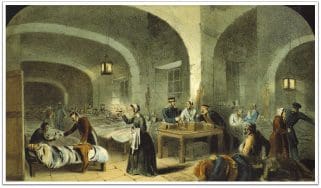
Fighting Fit. What did Florence do to improve the lives of the soldiers when she arrived in the Crimea?
In this lesson children compare the appalling conditions in the hospitals on Florence’s arrival at Scutari. With the help of animated rats!! They list the most significant problems and then…
Read More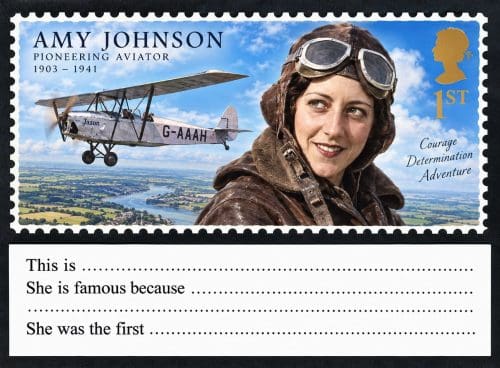
Amy Johnson – KQ1 – Why do you think Amy Johnson was famous?
With the help of the slow reveal of the clues in carefully arranged order, pupils build their knowledge of Amy Johnson’s significance and write their own brief caption to accompany…
Read More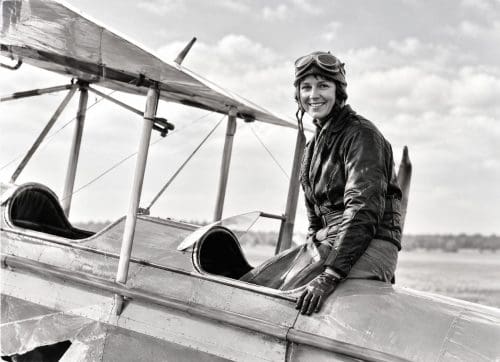
Amy Johnson – KQ2 – How did Amy the secretary end up being the first woman to fly to Australia?
This short, fun activity using mime and props, tells the story of Amy Johnson’s first flight to Australia in a way that children will never forget. Each of the 8…
Read More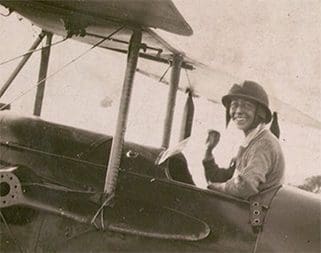
Amy Johnson – KQ4 – How did people react to Amy Johnson’s famous flight?
How did people react to Amy at the time, and how do we know? Children generate adjectives to describe Amy’s arrival in Australia using a photograph and short newspaper extracts…
Read More
Amy Johnson – KQ5 – How did things change for Amy Johnson after her famous flight?
Was Amy really successful for the rest of her life? A Living graph Smart Task KQ5 The focus here is on the ups and downs of Amy’s life, in the…
Read More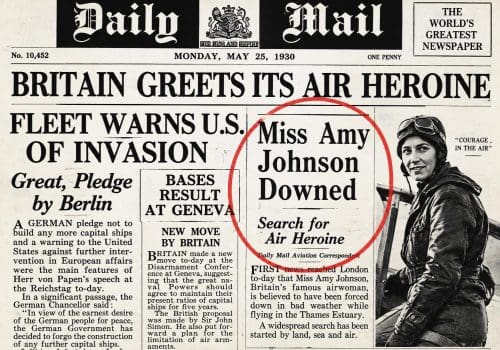
Amy Johnson – KQ6 – How can we solve the mystery of what happened to Amy Johnson?
This enduring mystery has puzzled historians for over 75 years. New evidence has just come to light which makes this an ideal opportunity for pupils to explore reasons for themselves….
Read More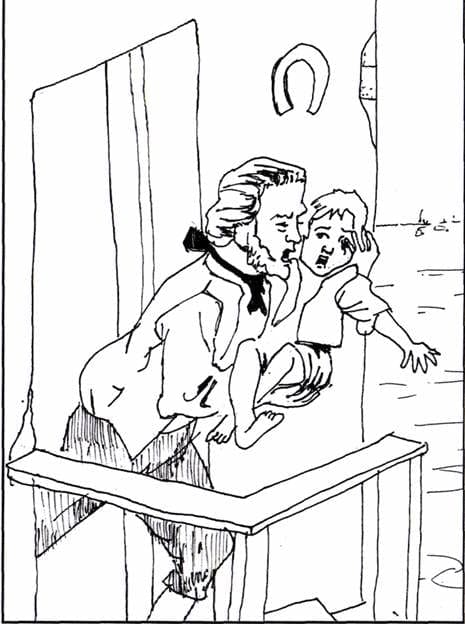
Louis Braille – evaluating the video
This lesson comes at the end of the sequence of lessons which explore Louis Braille’s life and achievements. Rather than using a video for information and atmosphere, this lesson uses…
Read MoreWritten by Neil Thompson

All content on Keystage history is written and quality assured by Neil Thompson, a former history teacher, county history adviser and Ofsted inspector with more than 30 years’ experience in history education.