
Keystage history

Sequencing your KS2 history topics: are you doing it right?
Is there a right order for sequencing KS2 topics? Let’s start with a reality check. No research exists to show convincingly that one approach is superior to another. But that…
Read More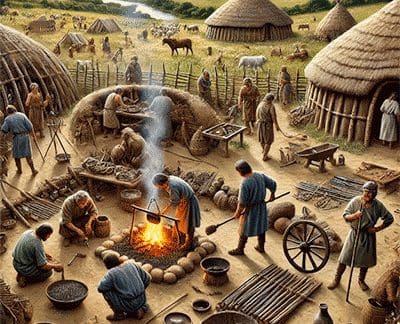
Stone Age to Iron Age end of unit Quiz – KS2
Now that you have completed your study of the Stone Age to Iron Age, it is time to assess your understanding with this end-of-unit quiz. Throughout this unit, you have…
Read More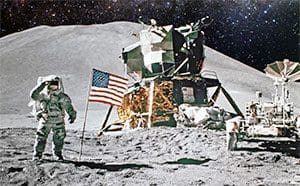
Moon landing – end of unit quiz – KS1
Welcome to the end of unit Moon landing quiz for KS1. You’ve learned so much about how astronauts traveled all the way to the moon, what they did when they…
Read More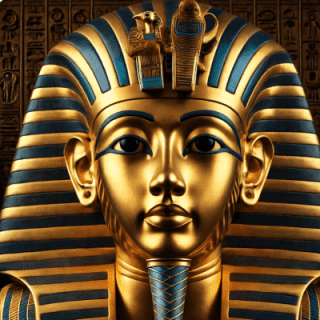
Ancient Egypt – end of unit quiz
Congratulations on completing your unit on Ancient Egypt! Now that you’ve explored this incredible ancient civilization, it’s time to put your knowledge to the test with a fun and exciting…
Read More
What should I be doing?
OFSTED’s recent report ( 2023) highlighted the following 5 key messages about assessment in primary history. Over the next few months we will be further developing our assessment material in…
Read More
Getting your priorities right at the start of the year – KS2
September is always a good time to think through what you should be doing as history leader now that you’ve got your own class settled in. The whole compass of…
Read More
Keystage history bulletin – September 2024
Welcome back to a new term, a new government and new academic year of exciting developments here at Keystage history. Many of you will be wondering if the Labour government…
Read More
Early Islamic civilisation knowledge organiser – KS2
You are studying this topic so that you realise that a thousand years ago Baghdad was the largest city in the whole world. Famous not only for it’s size, the…
Read More
What are OFSTED saying about history in their 2024 reports?
It is not always easy to find detailed references to history in recent school reports despite the fact that history features more frequently than most other foundation subjects when it…
Read More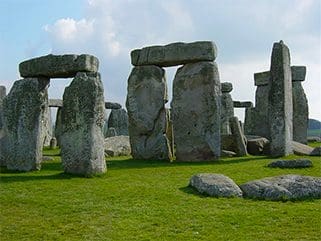
Keeping your teaching of Stonehenge up-to-date
Just when you thought you knew all there was to teach about Stonehenge suddenly a major discovery turns much of what we had blithely assumed on its head. We now…
Read More
9 highly effective retrieval activities that really help history to stick ..and show real historical understanding too!
To prevent retrieval activities simply resembling a random fact pub quiz consider using the following , which I’m sure many of you are, in some form or other. You’ll notice…
Read More
8 retrieval tasks that really work in history
This list is by no means exhaustive nor is it linked to just one key stage. You can think of even more, I’m sure. For that reason I have kept…
Read More
10 most important things a secondary history subject leader should always be doing…yes, always
No contrived acronym here or implied order of priority just making sure you do the right things as well as doing things right! 1. Advocate As well as being an…
Read MoreOFSTED’s focus on history deep dives 2024
From time to time, its worth reminding ourselves of what OFSTED chooses to comment on when reporting its findings from deep-dive inspections. Most of you won’t have time to read…
Read More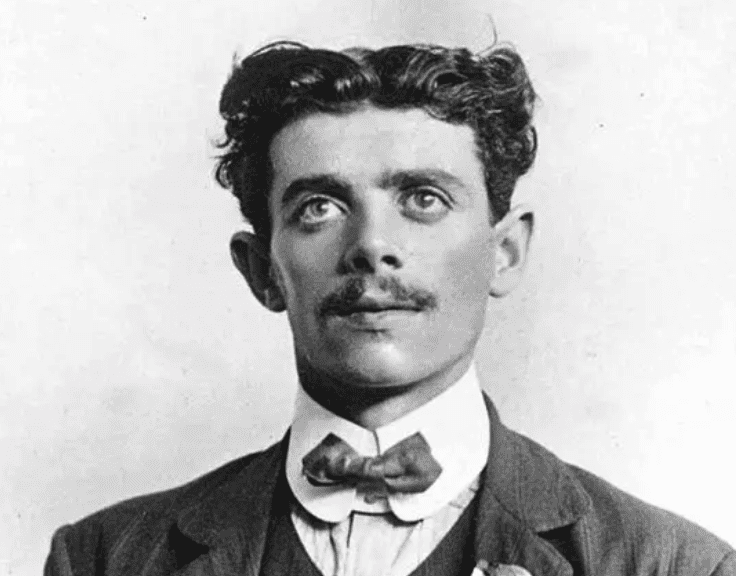
Ideas for assemblies on the Olympics: Dorando’s story
At both KS1 and KS2 it would be good to focus on one individual and see the extent to which they embodied the principles of the Olympic movement-in this case…
Read MoreAssessment in history at Key Stage 2 – your questions answered
Do we need to bother with any assessment of history, then? Yes, because it helps you to diagnose what the children can do and understand and helps you to take…
Read More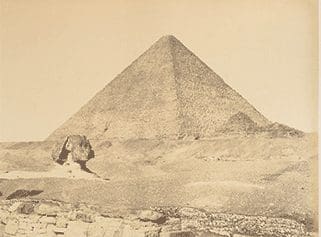
Ancient Egypt – SMART task – Puzzle corner: Mystery of the pyramids in the desert
This thinking skills task has been designed to encourage pupils to work out plausible answers to the puzzling question, one which has until recently found no consensus of convincing explanation…
Read More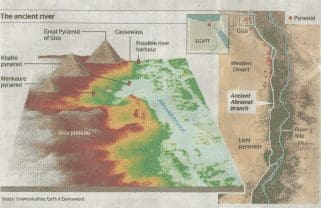
The mystery of why the pyramids were built in the desert is finally solved
Many of you teaching Ancient Egypt in depth as part of a broader topic on ancient civilizations will , no doubt, have spent some time exploring Egypt’s iconic pyramids. You…
Read More
Using Tudor artefacts
Idea 1: Writing an expert caption: e.g. wooden trencher Present an object such as a wooden trencher as a mystery item – assuming the children haven’t seen one before! Ask…
Read More
Using story books at KS1 to develop a sense of time
I have written on this topic before, but there are always new and fresh titles appearing that necessitate an update. So in the next few weeks I’d like to introduce…
Read MoreWhat historians do: handle with care
A synopsis of Margaret McMillan’s line of argument in the book The Uses and Abuses of History History, by giving context and examples, helps when it comes to thinking about…
Read More
Leading history: a year in the life of a primary history leader
September Ensure that relevant records about attainment in history have been passed to next year’s teacher. Re-issue long term skills overview to ensure that each year team are focusing on…
Read More
Strategies for introducing and using historical artefacts at Key Stage 1
As a preliminary activity try using sheets of unused tissue paper. Challenge the class to pass the unfolded piece of tissue paper from pupil to pupil without making a crease…
Read MoreSix step approach to structuring history lessons at KS1
Step 1: Teacher motivates pupils to want to learn and scopes the enquiry Hooking them in: eg. with a slow reveal Setting the puzzle Scoping the enquiry Whetting the appetite…
Read More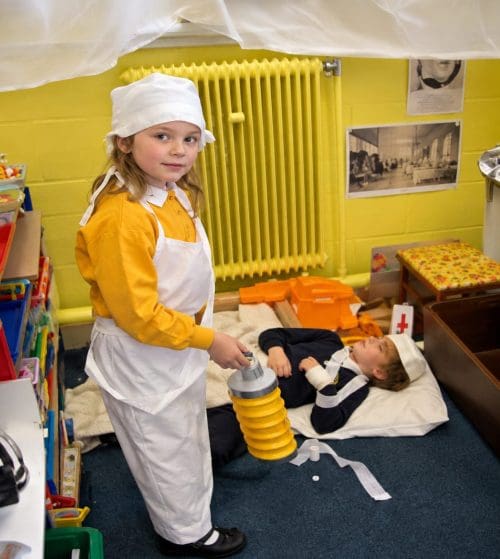
Case study: The importance of history to the curriculum – history policy at Vicarage Primary
History is all about people. The study of people of different types from different times and different places is the most important aspect of our work. History fires pupils’ curiosity…
Read More
Amelia Earhart knowledge organiser – KS1
You are learning about Amelia because she was a very famous American woman who learned how to fly and then broke lots of records for how fast high and long…
Read More
Teaching Olympic games in 2024
Are you planning to teach about the Olympic games which are coming to Paris in July 2024? If so you might like to look at the following materials and lessons…
Read More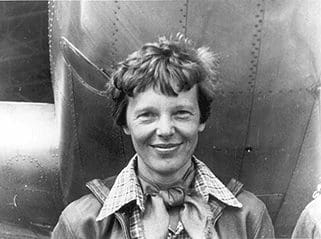
Looking for a change of Significant person at KS1 ? The Taylor Swift of her time – April 2024
You might be interested in a brand-new planner and lessons on Amelia Earhart which is now being uploaded. Why is she important/relevant? Not only was she a record- breaking pioneer…
Read More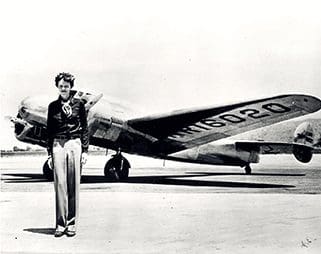
Amelia Earhart – KQ1 – Why do we think that Amelia was famous?
This introductory session starts with firing pupils’ curiosity via a slow reveal in which pupils build a picture of her by means of a series of clues introduced in a…
Read More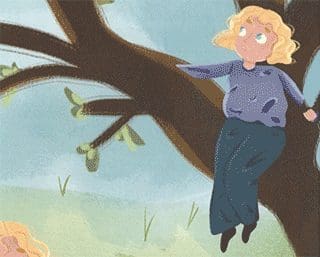
Amelia Earhart – KQ2 – What were the main events in Amelia’s life that shaped her ?
Having listened to an illustrated description of Amelia’s early life, pupils have to select suitable adjectives to describe her character using the odd-one-out options on the PowerPoint presentation to check…
Read More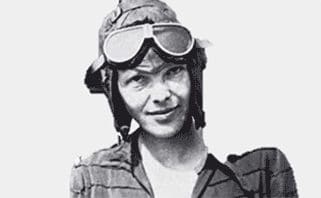
Amelia Earhart – KQ3 – Why was Amelia so keen to fly when so few women at the time were interested?
A relatively short session exploring Amelia’s motivation starts with pupils drawing on their prior knowledge to consider why she took such risks, followed by an analysis of a few simply…
Read More
Amelia Earhart – KQ4 – What were the main ups and downs in Amelia’s life?
Using the living graph technique pupils sequence the events of Amelia’s flying career and then physically create points on a graph by deciding which events were good ones for Amelia…
Read MoreAmelia Earhart – KQ5 – How do we know so much about Amelia’s life when she lived so long ago?
In this session pupils get to work as history detectives matching clues within sources to statements historians have made about Amelia. Using the active ‘prove it’ strategy, pupils in pairs…
Read More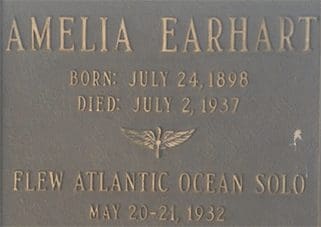
Amelia Earhart – KQ6 – What was Amelia’s greatest achievement and how should it be remembered?
Working towards the end goal of producing a book cover to encapsulate the key details of Amelia’s achievements, pupils learn, through a few short preparatory tasks, to discriminate between what…
Read More10 things you need to show OFSTED that you are doing your best to give children a high quality history education
Over the course of the last few months we have been fielding a number of questions from understandably anxious subject leaders who have been asked to provide documents, presumably to…
Read More7 don’ts when it comes to OFSTED deep dives in primary history
1. DON’T assume that OFSTED has an expectation of what constitutes schemes of work: they don’t I mention this because you can spend so long trying to get the paperwork…
Read More
Closing the circle: making sure you have an exciting, ‘fit for purpose’ learning product in your KS1 and 2 history topics
I have often thought that we don’t always invest as much time in considering the final product of a unit’s work as we should. Rightly focussing on the key enquiry…
Read More
Britain during the Second World War knowledge organiser – KS2
In this topic you will learn why Britain went to war and was threatened with invasion by Hitler’s Germany during the Second World War from 1939-45, just over 20 years…
Read More
2024 – Important anniversaries
Making sure you don’t miss out on this year’s important anniversaries in your history teaching Grace Darling – KS1 4 March 1824: It is 200 years since Sir William Hillary…
Read More
Shang dynasty knowledge organiser – KS2
You are studying the Shang dynasty because it was the first Chinese civilization in ancient times and one for which we now have detailed evidence. This topic not only shows…
Read More
History as problem solving
Pupils solve problems when they study mathematics. They solve problems in science lessons. So why not in history? Perhaps it’s because we don’t see it as a problem-solving subject. But…
Read More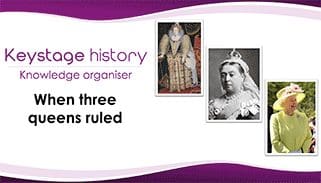
When three queens ruled knowledge organiser – KS1
In this topic you are going to find out about three of the most famous queens that each ruled this country for a very long time. One lived nearly 500…
Read More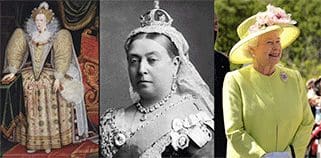
When three queens ruled – KQ1 – Which three queens of England are most remembered in history and why?
This active and entertaining first session aims to provide pupils with a clear chronological overview of the last 500 years into which they can insert their knowledge of Queen Elizabeth…
Read More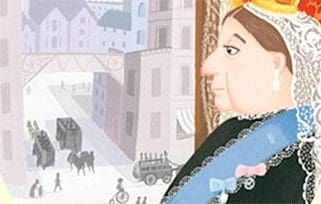
When three queens ruled – KQ2 – How different was life in England when the 3 queens were ruling?
Out of the window Children are shown three images of scenes from the different periods as seen through a window. They have to identify characteristic features from each of the…
Read More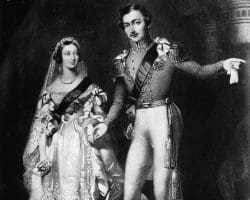
When three queens ruled – KQ3 – How do we know about the queens who lived so long ago?
Handling sources of evidence Having explored the range of visual sources available to historians studying the three queens, pupils actively try to match statements historians make to the sources they…
Read More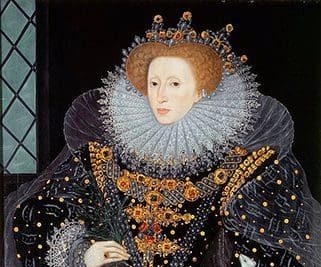
When three queens ruled – KQ4 – What important changes happened when each of the queens ruled?
Change / Significance Starting with 3 short video presentations, pupils go on to research the key changes from each of the reigns, focusing on those they think are most significant….
Read MoreWhen three queens ruled – KQ5 – How should we remember these famous queens?
Pupils explore a range of ways in which monarchs are commemorated, focusing on Queen Elizabeth II, before going onto design a set of three stamps which contain images of the…
Read More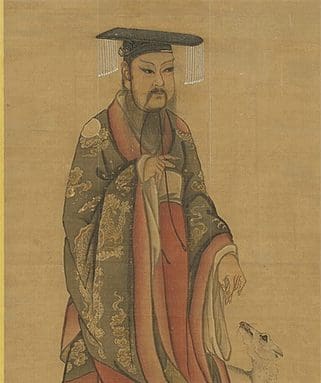
Shang dynasty – KQ1 – Why do YOU think the Shang dynasty MIGHT be important?
Lively introductory session which creatively gets pupils to find things out for themselves and check their understanding using bells and whistles! before consolidating using short video. As this is a…
Read More
Poppy Day: what are memories?
This is the first session on Remembrance Day. It uses the excellent story of Wilfrid Gordon McDonald Partridge as a way of exploring children’s understanding of memories. From the general…
Read More
What do we remember on Poppy Day / Remembrance Day?
This session revolves around a PowerPoint presentation which poses 6 significant questions, each designed to encourage pupils to think and to share their knowledge and understanding of this annual event….
Read MoreWritten by Neil Thompson

All content on Keystage history is written and quality assured by Neil Thompson, a former history teacher, county history adviser and Ofsted inspector with more than 30 years’ experience in history education.