
Keystage history
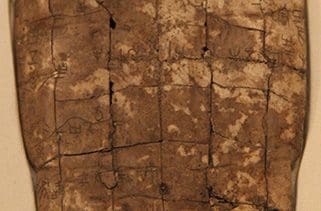
Shang dynasty – KQ2 – How different was the Shang society to other civilizations at the time?
Using the expert/envoy technique to research and disseminate information from dossiers on a range of different aspects of Shang society, pupils have to show how good a teacher they are…
Read More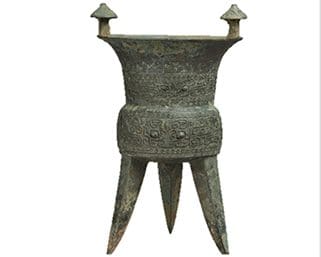
Shang dynasty – KQ3 – What can we tell about the Shang dynasty from the objects that have survived?
Here the focus is on developing enquiry-led learning which is as much about asking valid historical questions as it is about finding answers . From trying to generate 12 killer…
Read More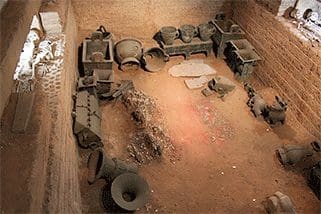
Shang dynasty – KQ4 – Why has our understanding of the Shang dynasty changed so much in the last 100 years?
Opening up the tricky concept of interpretations of the past, this session enables pupils to grasp that history is always having to be rewritten in the light of new evidence….
Read More
Shang dynasty – KQ5 – What was distinctive about the Shang people’s beliefs?
Having used a fast-paced Information Run activity to acquire the key points about Shang religion pupils are set the task of evaluating a made-for-schools TV program showing their real understanding…
Read More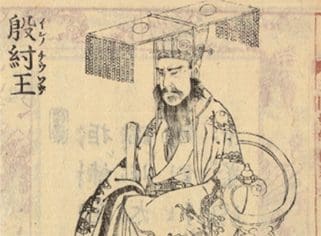
Shang dynasty – KQ6 – If the Shang dynasty was so well organised why did come to an end after just 600 years and what makes it so special for people today?
Pupils compare 5 different simple textbook explanations, which they colour code, before building their own explanation, based on what seems most plausible to them, which they then write up. Most…
Read More
Seaside knowledge organiser – KS1
You are learning about this topic to help you to understand how different life was over the last 100 years. As many of you will have been to the seaside,…
Read More
Bulletin – September 2023
Welcome to the September 2023 edition of the Keystage history newsletter, just in time for the start of the new school year. Whether you are a new subscriber, one of…
Read More
Columbus knowledge organiser – KS1
Columbus is a world-famous navigator and explorer whose daring voyages in search of the Indies led to the opening of the Americas. The world today would be a very different…
Read More
Ancient Egypt and other ancient civilisations knowledge organiser – KS2
You are learning about ancient Egypt, because it is the best known and most popular of the early civilisations that grew up over 5,000 years ago. This was the time…
Read More
OFSTED’s latest findings on primary history 2023
Periodically, OFSTED offers a report that codifies the main findings of their most recent subject specific visits. The last major report was in 2011 but two years ago they also…
Read More
Scott of the Antarctic knowledge organiser – KS1
You are learning about Scott as he was one of Britain’s most famous explorers. Perhaps you are studying other explorers too such a Columbus or even the men who first…
Read More
Crime and punishment knowledge organiser – KS2
You are studying this topic in history because it helps you to understand how things have changed,(and have stayed roughly the same) over a long period of 1000 years. What…
Read More
Black and British knowledge organiser – KS2
You are studying this topic in the hope that you will discover how Black British is an important part of British history. Looking back over 2000 years of British history…
Read More
Victorian Britain knowledge organiser – KS2
You are learning about Victorian Britain because this was a really significant period of huge change in industry and technology, with amazing inventions that we still use today. But its…
Read More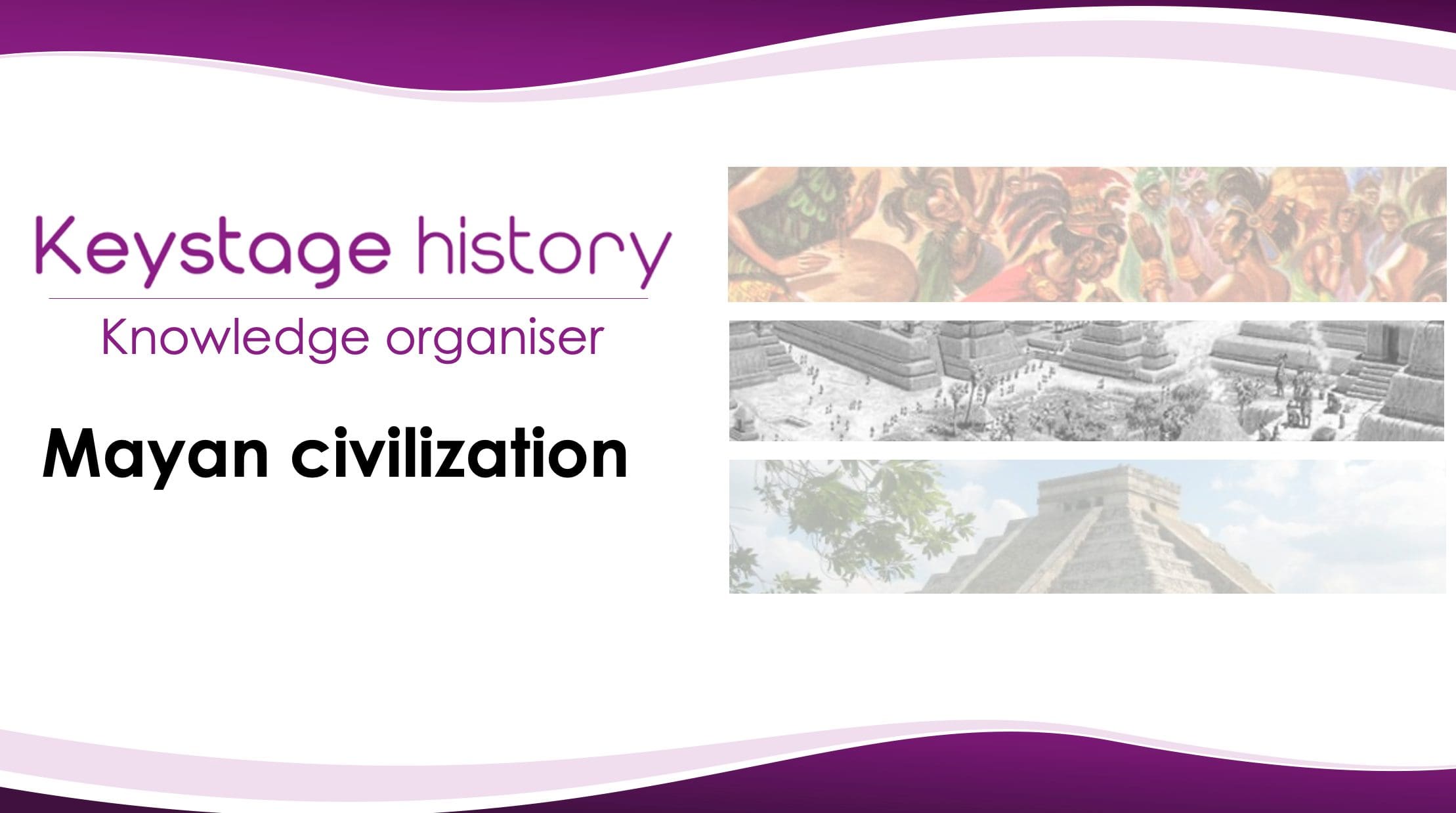
Mayan civilization knowledge organiser – KS2
The height of Maya civilization came at the time when the Saxons were fighting the Vikings in Britain, but it was the Mayan society that was in many ways more…
Read More
Grace Darling knowledge organiser – KS1
You are learning about Grace Darling because at a young age she carried out a brave rescue and saved 9 men from a shipwreck. She was the daughter of a…
Read More
Benin knowledge organiser – KS2
Benin was a very important civilization, not just within Africa but in world history too. An important part of what you’ll learn is a comparison with Benin offers a good…
Read More
Mary Seacole knowledge organiser – KS1
Mary was a remarkable lady best remembered for her work during the Crimean war (1853-1856) where she helped injured soldiers, even riding on horseback onto the actual battlefields. Although not…
Read More
Wright brothers knowledge organiser – KS1
For centuries, man had dreamed of flying like birds. By the end of the 19th century, men could rise into the air using balloons, kites and gliders, but always needed…
Read More
Moon landing knowledge organiser – KS1
This event captured the attention of the whole world with hundreds of millions, perhaps 1 in every 5 people, watching on TV. On July 20, 1969, two astronauts did what…
Read More
Sinking of the Titanic knowledge organiser – KS1
In this topic you are going to find out about the most famous ship, at the time the biggest ever built – the Titanic. It was a ship like no…
Read More
Teaching interpretations – top 10 key messages
In a recent article in the Historical Association’s Primary History publication the ever-reliable Tim Lomas attempted to identify the top 10 key messages to bear in mind when teaching the…
Read More
Vikings knowledge organiser – KS2
Probably one of the most captivating of KS2 history topics, the Vikings present wonderful opportunities to capitalise on pupils’ fascination and to do some in-depth work on using sources and…
Read More
Florence Nightingale Knowledge Organiser – KS1
Florence Nightingale Knowledge Organiser – In their study of Florence Nightingale, often compared to the lesser-known Mary Seacole, pupils learn not only about the pioneering role of a determined lady…
Read More
Anglo-Saxons knowledge organiser – KS2
During this period England emerged as a recognisable nation and Christianity became established. The recent coronation of Charles III is the latest for a king of England: over a thousand…
Read More
Great Fire of London knowledge organiser – KS1
The Great Fire of 1666 is an event that most people know about today not least because it changed the face of London as we know it today. It provides…
Read More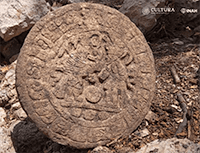
Keeping up to-date with teaching of the Maya – Archaeologists uncover scoreboard for ancient Maya ball game
In the Archaeological Zone of Chichén Itzá, archaeologists from the National Institute of Anthropology and History (INAH) have discovered a circular shaped stone marker they believe to be a scoreboard…
Read MoreEYFS and History in OFSTED deep dives
According to OFSTED (January 2023), inspectors will want to know how key stage 1 builds on the knowledge that children learn in the early years. They will want to look…
Read MoreMoving on to the next stage in learning
There is a paragraph that seems to be copied and pasted into a number of deep dive OFSTED reports I have read recently. It goes something like this: …
Read More
Golden threads or Gordian knot? How to weave first order historical concepts into the fabric of your history curriculum
Talking about ‘first-order’ historical concepts, by which I mean ideas such as empire and invasion, civilization, power and authority has always been a central part of the discourse surrounding school…
Read More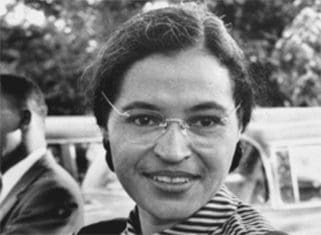
Rosa Parks – KQ1 – Can we work as history detectives to work out what Rosa Parks did that made her famous?
Pupils are pitched straight into the role as history detectives using mainly visual clues to piece together the possible reasons why Rosa Parks might be famous to then have their…
Read More
Thinking about Women’s History Month? – March 2026
What can you do? Well at KS1, how about broadening the range of significant people you offer to the pupils to study. Why not go beyond Florence Nightingale and Mary…
Read More
Statutory Guidance: National curriculum in England: history programmes of study
First published 11 September 2013 by Department of Education. View document on Department of Education website Applies to England Purpose of study A high-quality history education will help pupils gain…
Read MoreNational curriculum in England – History programmes of study: key stages 1 and 2
View document on Department of Education website Purpose of study A high-quality history education will help pupils gain a coherent knowledge and understanding of Britain’s past and that of the…
Read MoreNational curriculum in England – History programmes of study: key stage 3
View document on Department of Education website Purpose of study A high-quality history education will help pupils gain a coherent knowledge and understanding of Britain’s past and that of the…
Read MoreOFSTED Webinar on primary and secondary History 2023
Many of you will have read the lengthy OFSTED paper on research findings into the history curriculum published in 2021, and many more will have read my summary of the…
Read More
Policy and vision in Key Stage 2 history
Having seen so many Key Stage 2 history policies that nobody on the staff ever refers to, it seemed pretty futile to add to the list! Policies are such personal…
Read More
Keeping up-to-date with developments in primary history
Every few years, the Primary wing of the Historical Association carry out a survey of primary schools to see what the current picture of history teaching and provision looks like….
Read More
The coronation of King Charles III
Central activity: Mantle of the Expert The coronation of Charles III will take place on 6 May 2023. Preparations for the event have been going one for a long time,…
Read More
Adapting Keystage history lessons – FAQs
1. Why are lessons still called ‘outstanding’? I am often asked how the lessons section of the site should be used and why the term outstanding is still used when…
Read More
Ancient Greece knowledge organiser – KS2
In your study of Ancient Greece you will learn how a civilization that flourished over 2500 years ago still influences our lives today. Even the Olympic games come from this…
Read More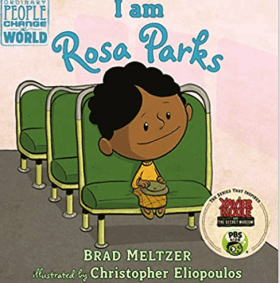
Rosa Parks – KQ2 -What can we learn about what sort of person Rosa was from stories of her early life?
Based on 3 key episodes from Rosa’s life, drawn from a lively story book, pupils act out 3 key episodes and have to select adjectives that best describe the aspects…
Read More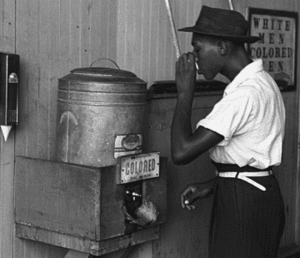
Rosa Parks – KQ3 – What was life like for black people living in southern USA in the 1950s?
This session looks at what life was like for Black people living in the southern parts of the United States in the 1950s. Back then, people didn’t always have the…
Read More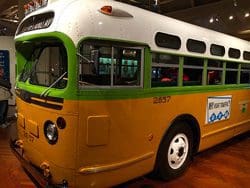
Rosa Parks – KQ4 – Why do you think Rosa acted as she did on that day that made her famous?
In this session pupils explore what drove Rosa to take her stand in December 1955, going beyond oversimplification of a tired seamstress to examining evidence that she was politically motivated….
Read More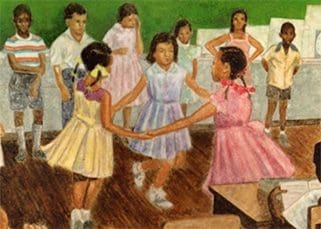
Rosa Parks – KQ5 – How did Rosa’s action lead to life for black people getting better?
How did Rosa Parks’ refusal to give up her seat help bring about change? In this KS1 lesson, pupils become museum curators, sorting muddled pictures and captions to explore what…
Read More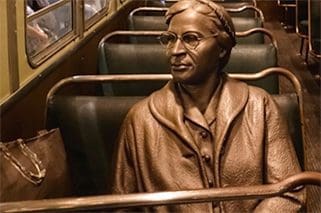
Rosa Parks – KQ6 – How should we remember Rosa Parks today?
How should we remember someone who helped change people’s lives? In this final enquiry, KS1 pupils draw on their learning about Rosa Parks to suggest and compare ways of celebrating…
Read More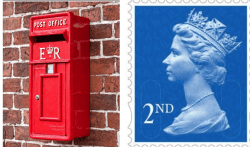
Queen Elizabeth II’s Platinum Jubilee – KQ6 – How do we see the importance of Queen Elizabeth all around us in our lives today?
This is something pupils might undertake at home. Subscribers only: You must be logged in to view this content in full. Please Login or register
Read More
Grasping the chronology nettle
Everyone knows that chronology is one of the key historical concepts pupils need to learn, and yet in very few schools is it given serious attention. Unless the subject leader…
Read More
Running timebox – First and foremost
Why Timebox teams? First and foremost, Timebox Teams should be fun. Behind the serious intent of improving pupils’ chronological knowledge lies the belief that constant repetition and familiarity with images…
Read More
Timebox – KS2 Pack
Mention the teaching of chronology to most infant teachers and their eyes glaze over. Their experience is that it is like picking up mercury with a fork. One minute the…
Read MoreWritten by Neil Thompson
All content on Keystage history is written and quality assured by Neil Thompson, a former history teacher, county history adviser and Ofsted inspector with more than 30 years’ experience in history education.