
Keystage history

Keeping healthy – KQ6 – When was the best time to live in terms of keeping heathy? What would the dates of your preferred lifespan of 80 years be?
In this brief concluding session, pupils look back over 300 years of history and make a judgement about the best time to have lived, applying what they have picked up…
Read More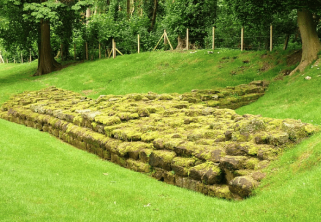
The Roman legacy and the Saxon Dark Ages? – In the news – September 2025
Almost inevitably you will ask with your class the time-honoured question: What have the Romans ever done for us? Alongside the aqueducts, straight roads, sanitation, and baths, (not forgetting wine…
Read More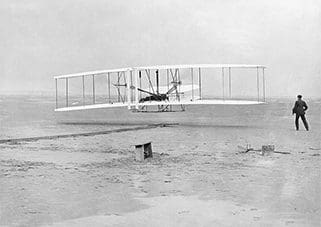
Wright Brothers end of unit quiz – KS1
You have learned all about the Wright brothers, who built the first successful flying machine. They were curious, inventive, and never gave up, even when things went wrong. Their hard…
Read More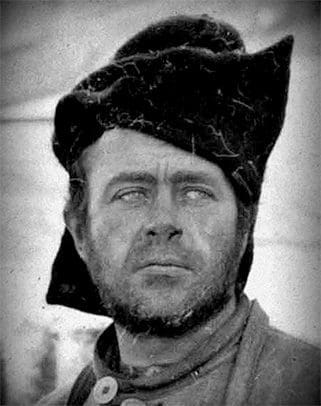
Scott of the Antarctic end of unit quiz – KS1
You have now learned all about the brave explorer Captain Scott and his incredible journey to the coldest place on Earth – Antarctica! He and his team set out to…
Read More
10 things you need to show OFSTED that you are doing your best to give children a high quality history education
1. You will need to show OFSTED that you have a clearly thought through rationale for which topics you are teaching, in which order and why? You should be able…
Read More
Fitness for purpose versus novelty
Visiting over 300 primary schools in my career, several of them many times over, during many years as a primary history adviser, I have come across a vast range of…
Read More
Seeing the BIG PICTURE of the past
“Big picture” history teaching emphasizes the connecting of specific historical events and links topics to broader themes and contexts. It involves placing local, national, and global events within a larger…
Read More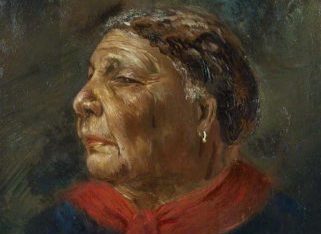
Mary Seacole end of unit quiz – KS1
Let’s see what you remember about Mary Seacole! This quiz will help you review what you’ve learned about her amazing life, from her early years to her brave work during…
Read More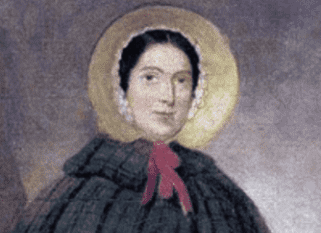
Mary Anning end of unit quiz – KS1
We’ve been learning all about Mary Anning, the amazing fossil hunter who found prehistoric marine reptiles, including ichthyosaurs and plesiosaurs by the seaside. Now it’s time to see what you…
Read More
Going to the seaside end of unit quiz – KS1
We’ve had lots of fun learning about the seaside — from what it was like in the past to how people enjoy it today! Now it’s time to see what…
Read More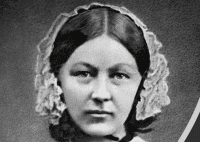
Florence Nightingale end of unit quiz – KS1
You’ve been learning all about Florence Nightingale — a very special nurse who helped lots of people. Now it’s time to see what you can remember! This quiz will ask…
Read More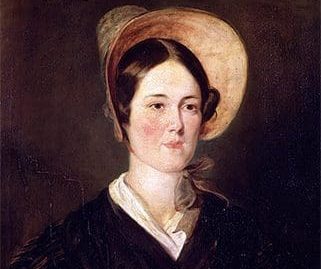
Grace Darling end of unit quiz – KS1
Grace Darling is remembered for doing something very brave a long time ago. She helped others in a time of danger and became a well-known figure in history. In this…
Read More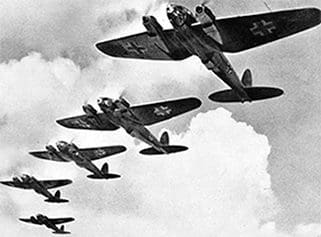
Britain during World War Two (WW2) end of unit quiz – KS2
You’ve spent some time diving into one of the most important events in modern history – World War Two. You’ve learned about brave evacuees, life on the home front, rationing,…
Read More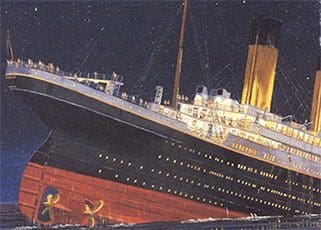
Sinking of the Titanic – end of unit quiz – KS1
This amazing ship set sail over 100 years ago but ended in a terrible disaster. You’ve learned all about it’s journey, passengers, and what went wrong. Now it’s time to…
Read More
Policy Exchange report on state of secondary history education in 2025 – comment
I don’t know how many of you have caught sight of this week’s latest contribution to the on-going debate about history teaching in our schools but it makes interesting, if…
Read More
Thinking skills in history at Key Stage 2; encouraging metacognition
To encourage metacognition – some initial ideas of activities that promote thinking skills. You will find examples of these in a range of Outstanding Lessons. See also 100 Great Teaching…
Read More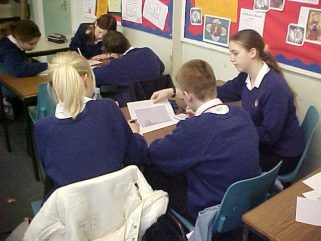
20 effective enquiries in Key Stage 3 history
Most of these feature as Outstanding Lessons Subscribers only: You must be logged in to view this content in full. Please Login or register
Read More
How to carry out an effective work sample in Key Stage 3 history
It is assumed that you will already have a few hunches about what you will find based on your informal visits to lessons, assessment data, formal lesson observations etc. How…
Read MoreHow to interview pupils – The pupil voice: let the children speak
This article draws on the wisdom, insight and practical experience of my friend and colleague Ken Wilby who was the English inspector who sat at a desk opposite mine for…
Read MoreWhat to look for in outstanding history lessons: Your starter for 12
Lists such as these are only useful up to a point. They do highlight what is characteristically present in lessons judged as outstanding, but much depends on how these different…
Read MoreObserving history lessons at KS3
Why bother? Aside from Performance Management, you will want to see your colleagues at work and for them to see each other in order to disseminate good practice and to…
Read MoreFeeding back after a lesson observation at KS3
Teaching in front of colleagues who are sitting at the back of your own classroom is nerve-wracking enough. To know that they will be passing judgement as well can be…
Read MoreInterviewing pupils
Much has been written in recent years about the value of listening to the pupils’ voice, not least in terms of the new OFSTED arrangements for self-evaluation. High on the…
Read More
Your Key Stage 2 history portfolio – What should it contain?
20 questions for you to ponder and answer What should my KS2 history portfolio contain? What sort of work do I include? Should I identify specific pieces, which everyone knows…
Read More
Raising the profile of history at KS1
One of the main roles of subject leaders for history is to be a passionate advocate for the subject. The following article offers practical advice as to how to turn…
Read MoreMotivating colleagues to teach history
1. Give praise Give praise wherever possible e.g. when you see evidence that your colleagues have: • Inspired pupils • Created high quality displays • Produced thoughtful planning • Taken…
Read More
Progression in chronology – KS1
Start of KS1 Can describe differences between him or herself as a baby and as he or she is now. Sequences images of themselves as baby, toddler and infant. Can…
Read More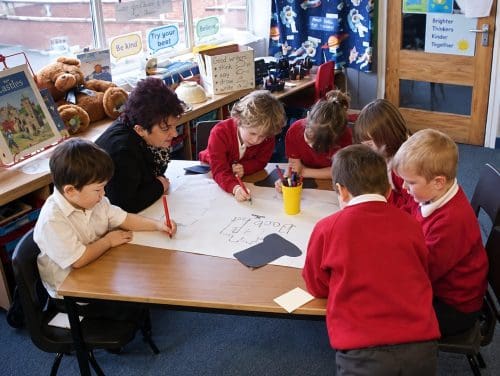
Learning principles applied to history at KS1
Effective history teaching at Key Stage 1 is rooted in sound learning principles that support young children’s development. At this age, pupils thrive when learning is active, meaningful, and connected…
Read More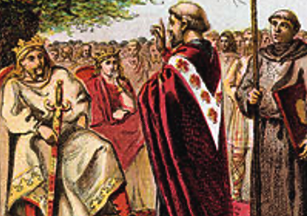
Top tips for planning your KS2 history studies – The Anglo-Saxons
Planning the Anglo Saxons topic effectively ensures meaningful, engaging learning that builds pupils’ knowledge and thinking skills. These top tips offer practical guidance to help you design coherent, rich studies…
Read More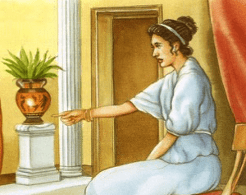
Top tips for planning your KS2 history studies – Ancient Greece
A study of Greek life and achievements and their influence on the western world With its emphasis squarely on the achievements and legacy of the Greeks, this topic is much…
Read More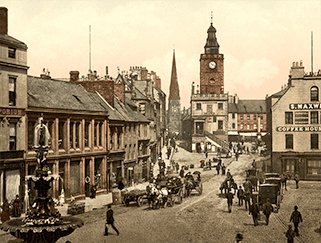
Top tips for planning your KS2 history studies – Local history
Are you going to do more than one study, one period study in depth and one overview, one in Y3 one in Y5/6? They need not be the same length….
Read More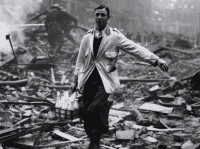
Top tips for planning your KS2 history studies – Thematic post-1066
A study of an aspect or theme in British history that extends pupils’ chronological knowledge beyond 1066. Try to make as much use as you can of your existing Tudor,…
Read More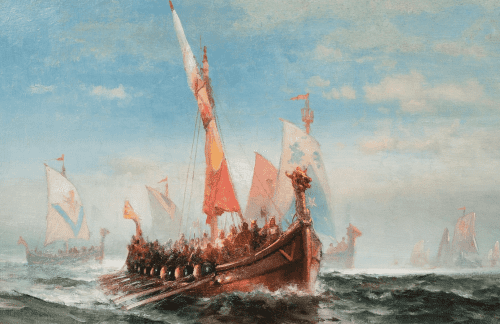
Top tips for planning your KS2 history studies – The Vikings in Britain
Viking and Anglo-Saxon struggle for the Kingdom of England to the time of Edward the Confessor. There are two key themes here: The struggle with the Anglo-Saxons; and how we…
Read More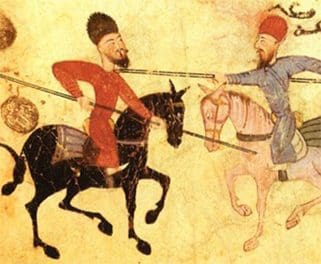
Top tips for planning your KS2 history studies – Benin / Islam / Maya
Focus on why we are teaching this topic at KS2, often for the first time. Why was this civilization quite so special? Compare with society in Britain at the time,…
Read More
Top tips for planning your KS2 history studies – Roman Empire and its impact on Britain
Whilst it might look as if this is a bigger unit than simply the existing Roman Britain unit, in reality it probably means just another key question placing the Roman…
Read More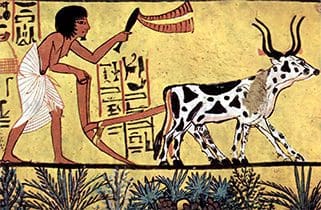
Top tips for planning your KS2 history studies – Ancient civilisations
For most of you, you will continue teaching Ancient Egypt as before, for 80% of this topic. You MUST give pupils a sense of overview of all the named ancient…
Read More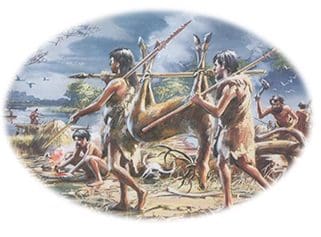
Top tips for planning your KS2 history studies – Stone Age to Iron Age
The British Isles has been populated by humans for 750.000 years but only became an island when the ice sheets melted about 8,000 years ago. It was only with the…
Read More
How well are you intertwining national and global history?
Last year saw the new Labour government abort plans to create a model primary history curriculum which would have offered a clear way of making your history curriculum more inclusive….
Read More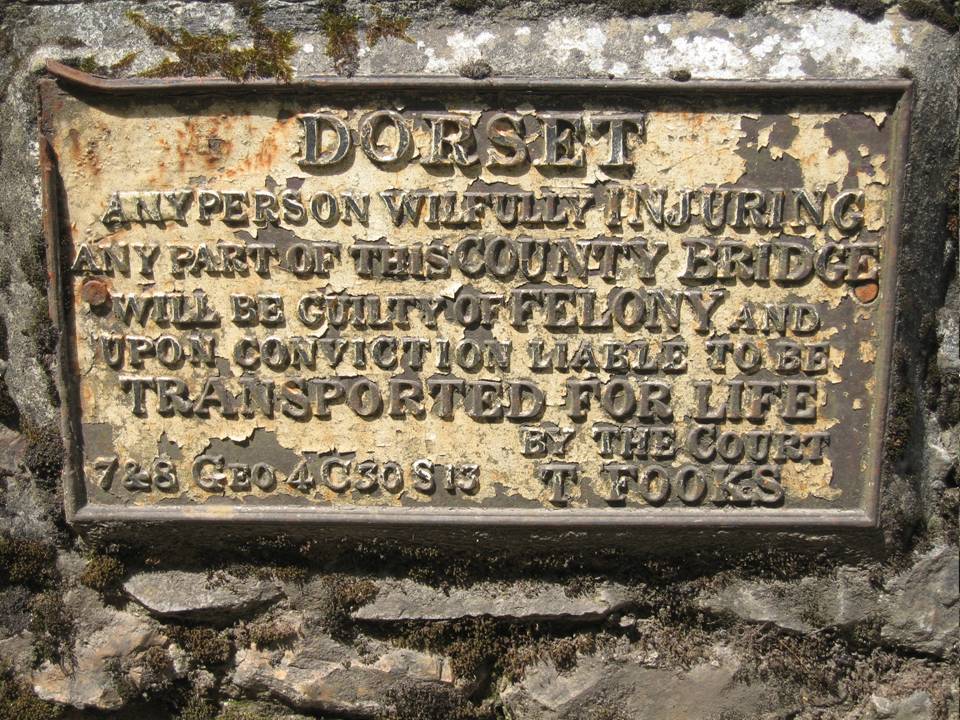
Transportation; what questions can we raise and answer from the statistics?
This is the first of two lessons on transportation and owes its genesis to an idea from Richard McFahn when an Advanced Skills Teacher for history in Hampshire. It starts…
Read MoreWhat to look for when evaluating the quality of history in your school – KS2
Evaluating the quality of history in your school involves examining curriculum breadth, teaching effectiveness, pupil engagement, and progression in historical thinking. This page outlines key indicators of high-quality history education,…
Read MoreAnglo-Saxon end of unit quiz
The Anglo-Saxons were people who came from parts of modern-day Germany, Denmark, and the Netherlands to settle in Britain after the Romans left. They lived in small villages, built wooden…
Read More
Keystage history bulletin – March 2025
Welcome to this special edition of the newsletter devoted to the thorny issue of assessment. You will also find the recently added content to the site including new units, assessment…
Read More
Tudor Britain knowledge organiser – KS2
You are learning about the Tudors as it was a period of history that helped to shape the Britain we live in today over 500 years later. Although best known…
Read MoreMind friendly learning. What should you be doing in your classroom?
Mind-friendly learning in history focuses on creating rich, engaging experiences that align with how young children’s brains develop and absorb information. By tapping into natural curiosity, using storytelling, sensory activities,…
Read More
Latest historian’s wisdom on “Alfred the Great. How great was he?” in 2025
Source: Historical Association (membership required) Francis Leneghan is Professor of Old English at the University of Oxford. In this article for the Spring 2025 edition of the Historical Associations’ journal…
Read More
Castles knowledge organiser – KS1
You are learning about castles because they are one of the most fascinating buildings that have been there for hundreds of years. Not only will you learn how castles were…
Read More
New guidelines for 21st century history
In a recently-published study by the Council of Europe entitled “Quality history in the 21st century” a number of key aspects were covered which have a significant bearing on how…
Read More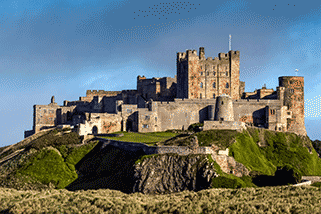
Castles – medium term planner
The main focus of this topic is the exploration of the past beyond living memory through a topic that is sure to spark pupils’ interest and curiosity. There are plenty…
Read More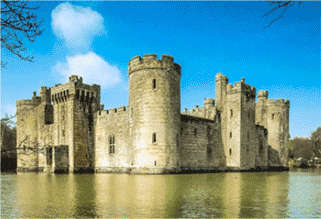
Castles – KQ1 – What makes a castle a castle?
Having elicited pupils’ initial knowledge of castles from books film and family visits, pupils are asked to explore a number of images in order to work out what makes a…
Read More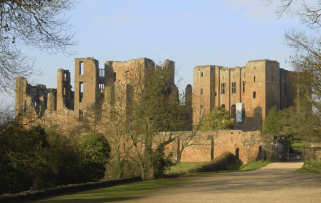
Castles – KQ2 – Why did people build castles in the past?
This session is straightforward in that pupils are introduced via a short video to a variety of reasons which not all pupils will fully grasp on first showing. To reinforce…
Read MoreWritten by Neil Thompson
All content on Keystage history is written and quality assured by Neil Thompson, a former history teacher, county history adviser and Ofsted inspector with more than 30 years’ experience in history education.