
Keystage history
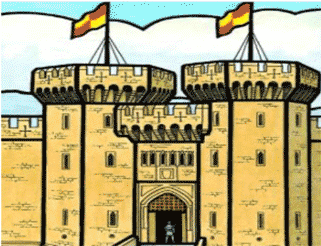
Castles – KQ3 – What made castles so strong?
Rather than going through all the different methods used chronologically, this really fun session focuses on one year and casts the pupils as advisers to a castle builder who wants…
Read More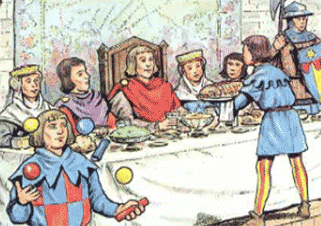
Castles – KQ4 – What were medieval castles like to live in and how can we possibly know when so many are now ruins?
This five-part lesson starts with pupils in role as workers for company charged with recreating what a medieval castle would have been like in peace. They watch a short video…
Read More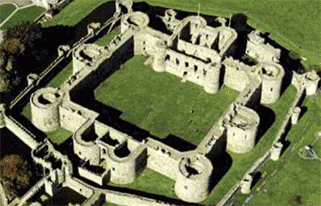
Castles – KQ5 – How did castles change over time?
This lesson starts with encouraging pupils to spot differences between 3 castles to give them confidence before working in groups of 4, pupils are given 5 undated images of castles…
Read More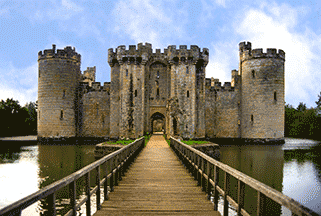
Castles – KQ6 – How are castles used today?
Pupils have to deduce from a range of visual clues of castles they will see around them, the uses to which castles are put today and then to consider, using…
Read More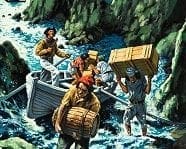
Crime and punishment – assessment task
This task is provisional and adopts a different approach to the assessment task on the site you might have tried before. We hope you enjoy using it. Assessment task Subscribers…
Read More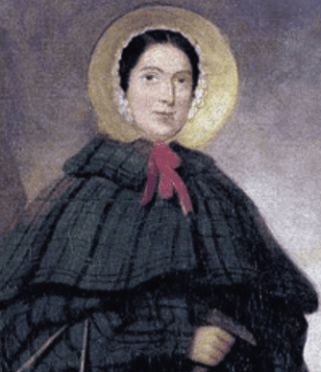
Mary Anning – assessment task
Focus: Significance This simple-to-administer, uncomplicated task uses a contemporary image to stimulate pupils to think about Mary Anning’s long-term significance. The accompanying markscheme can be used to align pupils’ responses…
Read More
Review of 2025 Historical Association survey
In addition to reading the OFSTED Lead Inspectors’ reports, which are available online, one of the ways of getting a sense of how your school’s provision for history matches others’,…
Read More
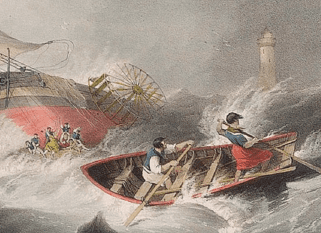
Grace Darling – assessment task
Focus: Interpretations Y1 Pupils compare contrasting images of Graces’ rescue and try to explain how and why they are different. Assessment task Subscribers only: You must be logged in to view…
Read More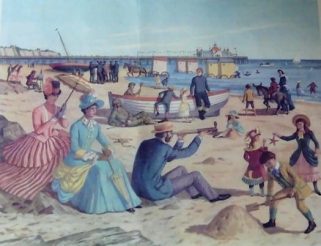
Seaside – assessment task
Focus: similarity and difference and change Assessing Year 1 children’s understanding of how different going for a swim in the sea was 100 years ago. Assessment task Subscribers only: You must…
Read More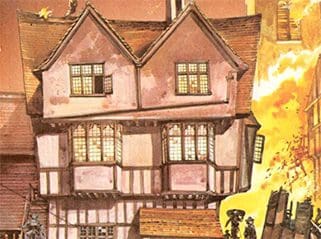
Great Fire – assessment task
Focus: Causation Using one large colour image as a stimulus pupils have to draw on their detailed understanding of the causes of the Great Fire to explain why it spread…
Read More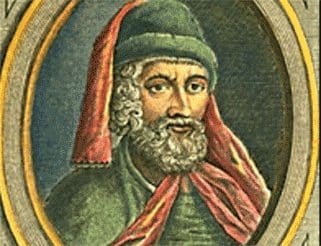
Caxton and Bell – assessment task
Focus: characteristic features of period & using sources Y2 Using just one image which contains lots of clues, pupils have to explain how they know this is an image of…
Read More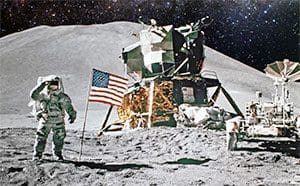
Moon landing – assessment task
Focus : Using sources Pupils have to identify key features from a visual source to answer a question regarding the first moon landing. Assessment task Subscribers only: You must be logged…
Read More
Rosa Parks knowledge organiser – KS1
Rosa Parks was an important black woman who wasn’t afraid to stand up for herself when she was treated unfairly. Her willingness to be arrested for not giving up her…
Read More
Mary Anning knowledge organiser – KS1
You are learning about Mary Anning because she became very famous at a very young age. She was an expert fossil hunter. At a time when most scientists studying fossils…
Read More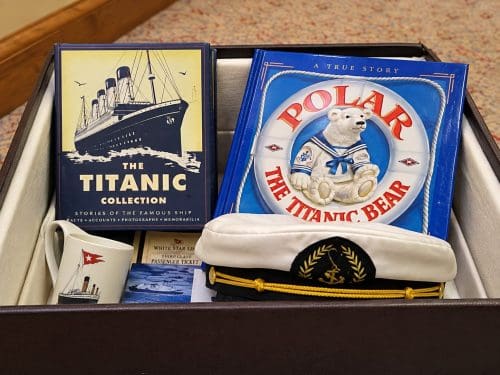
Using artefacts to help children’s historical understanding at Key Stage 1
Since the early 90s, artefacts have become increasingly available either to purchase or to loan. Many firms offer useful replicas and schools have built up their own small collections on…
Read More
Progression in why people did things, why events happened, and what happened as a result (cause and consequence) in KS1 history
Start of Key Stage 1 Can explain why one character in a simple story took the action he or she did. This may be a nursery rhyme, but children should…
Read More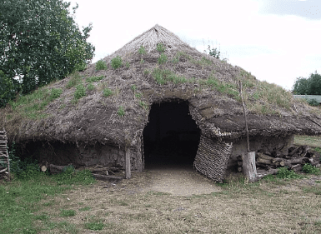
Stone Age to Iron Age – assessment task
Very short diagnostic assessment in which pupils are the teachers. They have to correct a pupil’s description of the Bronze Age in Britain by finding any errors in the writing…
Read More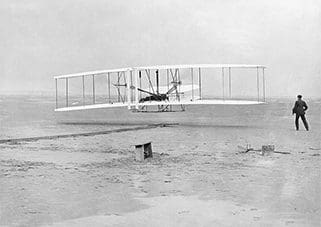
Wright brothers – assessment task
In this brief diagnostic assessment task , supported by 4 pictorial clues, pupils are asked to show if they understand the notion of significance by describing not only what the…
Read More
10 questions which we should ask when planning historical enquiries at KS1
Planning effective historical enquiries at Key Stage 1 lays the foundation for developing children’s curiosity, critical thinking, and understanding of the past. By asking the right questions during the planning…
Read More
Assessment for learning in history at Key Stages 1and 2 (some key ideas from the Primary Strategy)
Elements of AfL Ethos Attitudes Learning environment Routines and behaviours More focus should be placed on: Use of curricular targets Designing opportunities for learning Sharing objectives Sharing success criteria Oral…
Read More10 questions to ask yourself about the KS2 history curriculum
Question 1: Have you exploited the reduced amount of prescription in the new curriculum, or are you still teaching some topics because you always have? If you are teaching history…
Read More
History curriculum review – December 2024 update
If any of you were still waiting for the promised new model history curriculum which was due to appear by the end of this year you can now rest easy….
Read More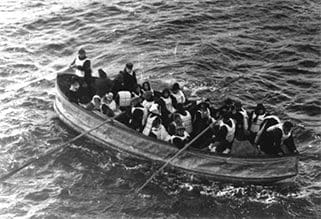
Sinking of the Titanic – assessment task – looking at consequences and change
This task asks pupils to consider consequences of the disaster and changes over time arising from it Assessment task and marksheme Subscribers only: You must be logged in to view this…
Read More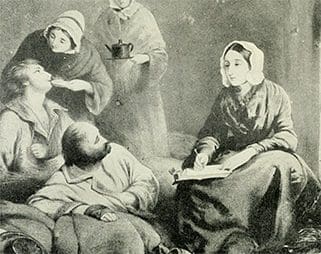
Florence Nightingale – assessment task
Focus: Change and significance This task offers pupils 3 carefully chose images to support their understanding of the achievements of Florence Nightingale which the pupils have to analyse and go…
Read More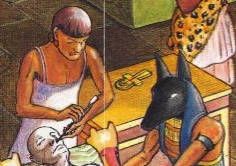
Ancient Egypt – assessment task – The afterlife
Key Elements: ideas, attitudes and beliefs This assessment tasks focuses on a single picture. Pupils are asked how the image shows that the Ancient Egyptians believed in the afterlife. The…
Read More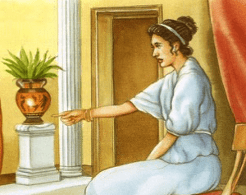
Ancient Greece – assessment task – Life for women in Ancient Greece
This is a Year 6 task which focuses on Key Element 2a : characteristic features of life for men women and children and has a challenging supplementary question on interpretations which allows…
Read More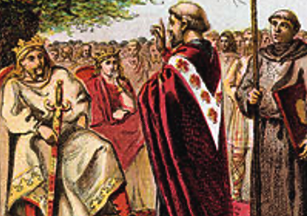
Anglo-Saxons – assessment task – What were the main changes that took place in Anglo-Saxon England?
Focus: significance and change Using 3 images to help you, what were the most important changes that took place in Anglo-Saxon Britain? Assessment task Subscribers only: You must be logged in…
Read More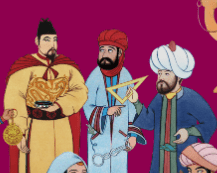
Early Islamic Civilisation – assessment task – Why was life in 10th century Baghdad was so significant
Using two contrasting illustrations to help them, pupils have to explain why life in 10th century Baghdad was so significant. Assessment task Subscribers only: You must be logged in to view…
Read More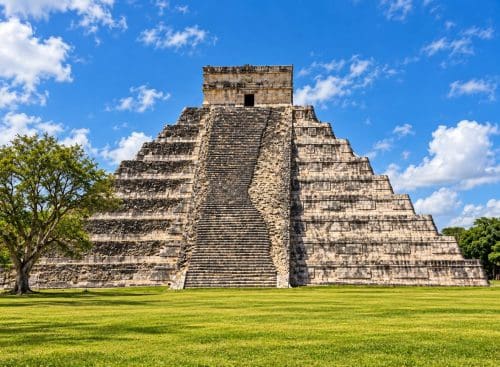
Mayan civilization – assessment task – What can we tell about Mayan society 1,000 years ago?
Focus skill/concept: Understanding characteristic period features and cultural diversity Using 3 images pupils are set the task to explain what they can tell about Mayan society from 1,000 years ago. …
Read More
Roman Britain – assessment task – interpretations of Boudicca
Focus: interpretations Another Year 4 task in which pupils have to compare two unseen illustrations from books about Boudicca. Having described the different versions, pupils then have to offer simple…
Read More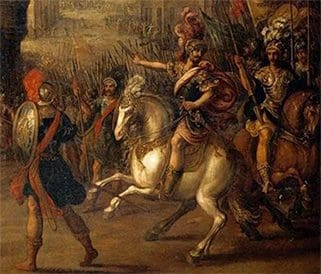
Roman Britain – assessment task – Why did the Romans invade?
Focus: causation Short written explanation or, for some, the completion of two speech bubbles. What did the Romans / Claudius want from their invasion of Britain? This has been trialed…
Read More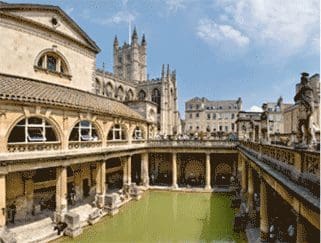
Roman Britain – assessment task – Roman legacy
Assessing pupils’ understanding of the legacy of the Roman Empire on life in Britain This task is designed to elicit not just pupils’ knowledge of a range of different aspects…
Read More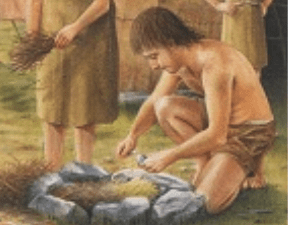
Stone Age to Iron Age – assessment task – changes from Stone Age to Iron Age
Focus: sequencing This Y3/4 task is highly visual and entails simple sequencing of unseen images followed by reason why changes have occurred over time. Assessment task Subscribers only: You must be…
Read More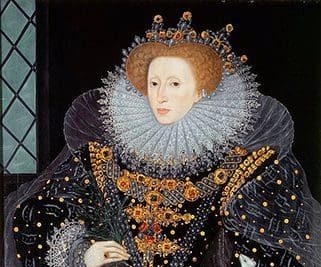
Tudor Britain – assessment task – What can we learn about the way Elizabeth ruled the country from portraits
Focus: evaluation of sources Children work on an unseen portrait after the teacher has read out the caption which explains the context of the portrait. The mark scheme clearly and…
Read More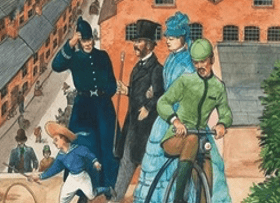
Victorian Britain – assessment task – How do we know this picture shows Victorian Britain?
Pupils are given artist’s impression of a typical Victorian scene which they have never seen before. They have to identify the most significant characteristics. See task and mark scheme in…
Read More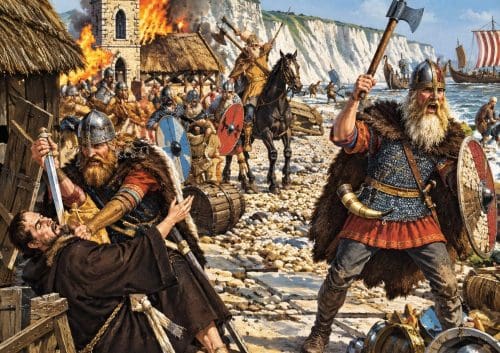
Vikings – assessment task – Depictions of the Vikings
Focus: historical interpretation After looking at similarity and difference between two depictions of the Vikings, pupils then offer reasons why they might be shown differently, representing a major milestone in…
Read More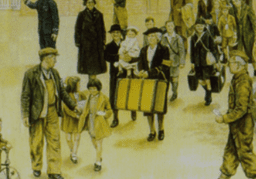
WW2 – Assessment task – How do we know that this picture shows England at the beginning of the Second World War?
Focus: characteristic features of life for men, women and children Once again based on a very detailed and colourful artists’ impression, this extremely popular task has elicited some outstanding answers…
Read More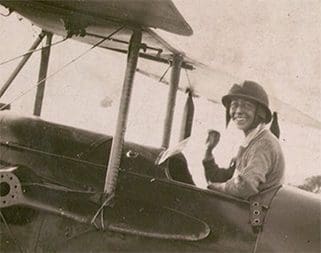
Amy Johnson – assessment task – Can you explain why Amy Johnson was so important?
The children are given the task sheet containing three pictures and the question. Each has been included for a particular purpose to prompt but not to give away too much….
Read More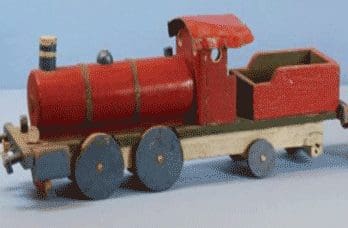
Toys; old and new – assessment task
Focus concept: Making deductions/ similarity and difference This task is designed to be non-threatening and to be carried out in small groups when the pupils have just been taught the…
Read More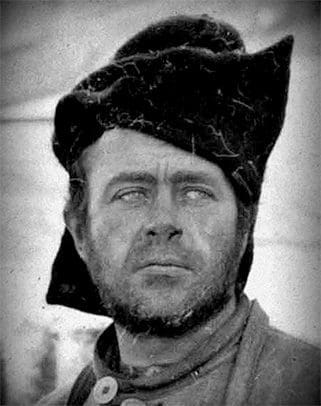
Scott of the Antarctic – assessment task Y2
Focus concept: Causation The first task serves as a more gentle introduction to the idea of cause by looking at Scott’s personal motivation. By using the speech bubble device we…
Read More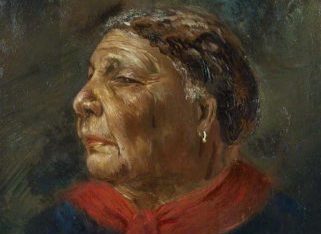
Mary Seacole – Assessment task – Assessing pupils’ understanding of the work of Mary Seacole
Target concepts: characteristic features of the period and significance This task is designed to elicit pupils’ understanding of the contribution of Mary Seacole to the development of nursing. When it…
Read MoreUsing story in your history teaching at KS2 – 10 top tips
I’ve just finished watching one of the more powerful of the Historical Association’s podcasts on the subject of story telling in history, delivered really well by Steve Mastin View on…
Read More
Good practice, according to OFSTED
In a lesson on developments in farming and technology in the Iron Age, the teacher used a series of short questions to check whether pupils had understood key developments. Pupils…
Read More
10 step guide to strengthening your history teaching
1. Ensure all topics are linked and logically sequenced At the planning stage make sure all topics are carefully linked and logically sequenced so teachers know what they can refer…
Read More
Amy Johnson knowledge organiser – KS1
You are learning about Amy Johnson because she was a very famous British pilot who flew her plane, called Jason, on her own, all the way to Australia. She was…
Read More
Toys old and new knowledge organiser – KS1
You are learning about old toys to help you to understand the difference between toys people played with in the past and the ones you enjoy playing with today. It…
Read More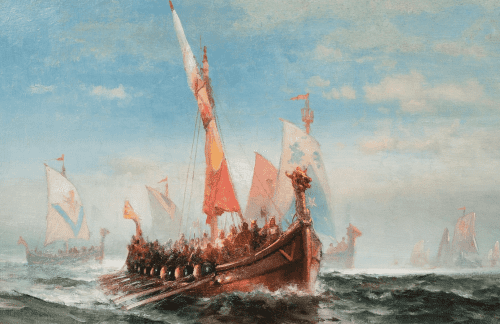
Vikings – end of unit quiz – KS2
You’ve learned all about the amazing Viking world – from their brave voyages across the seas to their fascinating way of life. Now it’s time to test your knowledge and…
Read More
Roman Britain – End of unit quiz – KS2
Congratulations on reaching the end of our Roman Britain unit! You’ve learned so much about how the Romans changed Britain, from their powerful army and impressive roads to the amazing…
Read More
Strengths and weaknesses of 10 different approaches to local history at KS1 and 2
1. A general history of the community Advantages Can build a sense of place enhancing pupils’ awareness of how the place they live in as developed over time, thereby adding…
Read MoreWritten by Neil Thompson

All content on Keystage history is written and quality assured by Neil Thompson, a former history teacher, county history adviser and Ofsted inspector with more than 30 years’ experience in history education.