
Outstanding History Lessons and smart tasks at KS2
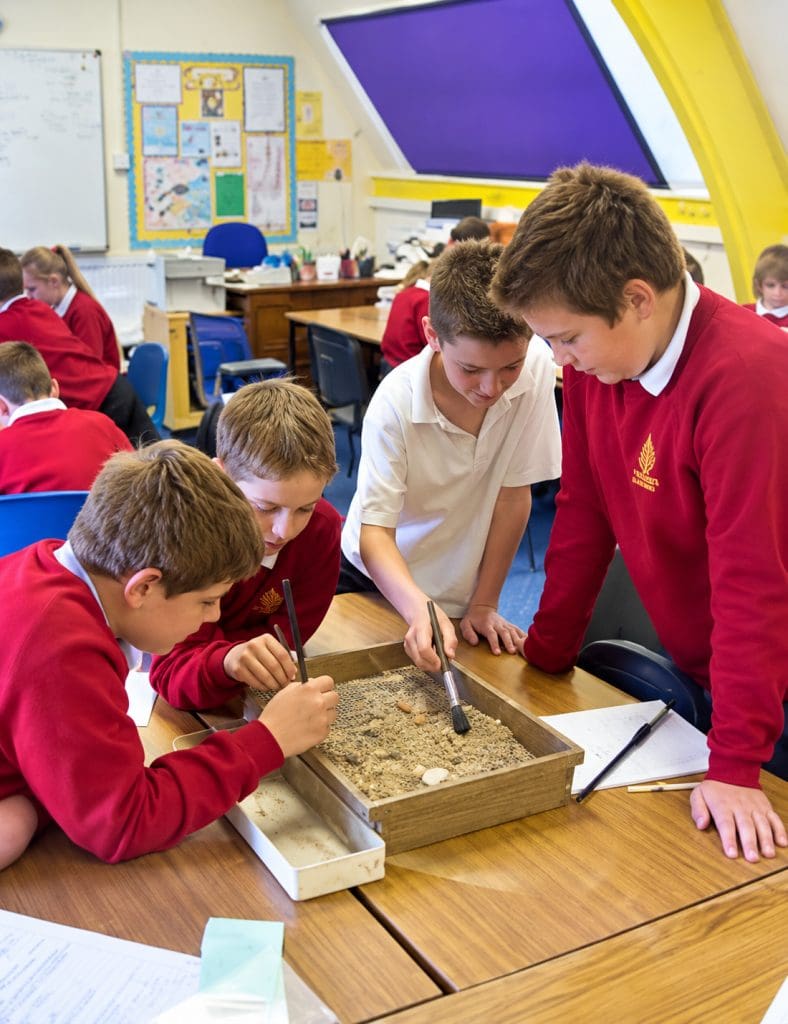
This section comprises two parts: the main one is the series of outstanding, fully-resourced and described, lessons graded 1 by an OFSTED history inspector when they were grading individual lessons.
You are given the learning objectives and every activity in sequence all with accompanying PowerPoint presentations and PDF files. The other lesson activities, from parts of lessons, are called smart tasks, exemplifying features of outstanding lessons and, again, all fully resourced.
Mayan civilisation – KQ6 – Additional information – Why did 90% of Maya ‘disappear’ around 900AD?
This article comes largely from the Historical Association website Around 900AD, most of the Maya disappeared from the historical record. Many of their cities were deserted. No more stelae [special…
Read More
KS2 Islam -Today is anniversary of start of Building of Baghdad
If you are teaching Islamic civilization at KS2 you might like to watch a short podcast which looks at the start of the building of Baghdad on 31 July 762.
Read More
Brief 10 question diagnostic assessment task for KS2 Ancient Egypt
Pupils have to answer 10 fairly open ended questions for which answers are provided reflecting the knowledge and understanding outlined in the medium term planner. Q1 How can we know…
Read More
Planning for teaching Ancient Greece KS2
The main foci throughout this planner are: Ideas, Beliefs, Attitudes (especially the role of women); Way of life (contrasting Athens with Sparta and grasping that ideas flourished in a society…
Read More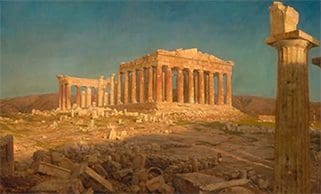
Ancient Greece – KQ1 Part 1 – How can we possibly know so much about the Ancient Greeks who lived over 2,500 years ago?
Any study of ancient Greek society must begin with an appreciation of the physical features of Greece. Landform and climate do not explain the vast and varied achievements of the…
Read More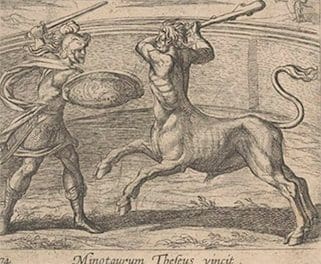
Ancient Greece – KQ1 Part 2 – Theseus and the Minotaur: Is there any evidence for the legend?
This KS2 smart task places pupils in the role of detectives trying to prove that the legend of Theseus and the Minotaur may actually have been been a fact. First…
Read MoreAncient Greece – KQ1 Part 2 – Background information
This short article provides some background information to support your teaching of Key Question 1 Part 2. Set the lesson in a chronological framework. It is probably worth chunking up…
Read More
Ancient Greece – KQ2 Part 1 – What can we work out about everyday life in Ancient Athens?
There are three distinct parts to Key Question 2 but each centrally based around the need for pupils to use evidence of different forms. The introductory PowerPoint shows 4 contrasting…
Read More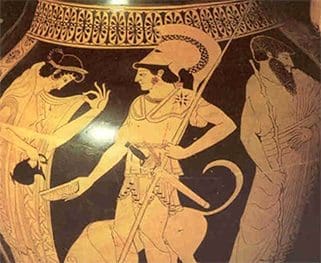
Ancient Greece – KQ2 Part 2 – Ancient Greek vases: the answer lies on the pot
This KS2 history lesson, in which the decoration of a Greek pot is slowly revealed, features two cracking activities designed to set pupils thinking deeply, laterally and creatively. It is…
Read More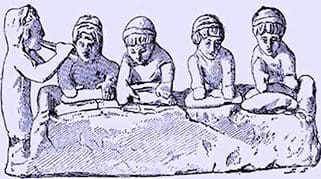
Ancient Greece – KQ2 Part 3 – What was life like for women in Ancient Greece?
This simple lesson on life for women in Ancient Greece, based around a PowerPoint presentation, makes an excellent contribution to literacy and also makes pupils aware of the nature of…
Read More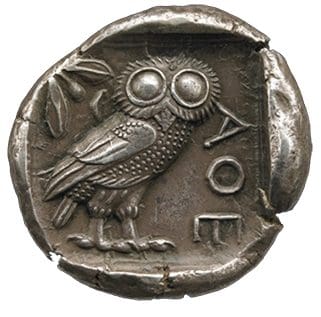
Ancient Greece – KQ3 Part 1 – Why was Athens able to be so strong in the 5th and 6th century BC?
As well as recapping Athens’ natural advantages (coastline to trade by sea, expand into colonies and capture slaves) and their natural resources (silver mines) pupils focus on the significance of…
Read More
Ancient Greece – KQ3 Part 2 – The Battle of Marathon. A history mystery
This lesson on the Battle of Marathon makes a major contribution to pupils’ thinking skills. They are presented with a paradox. How could the David of Athens beat the Goliath…
Read More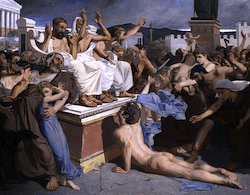
Ancient Greece – KQ3 Part 3 – comparing six contrasting interpretations of the original Marathon run
Interesting session comparing six contrasting interpretations of the original Marathon run, followed by analysis of which to believe and understanding of why we have so many versions. Introduce with slide…
Read MoreAncient Greece – KQ3 Part 3 – Additional Information – 10 Things Your Pupils Need To Know About Pheidippides ’Marathon’ Run
1. Herodotus makes no mention of the run from Marathon to Athens The principal source for the battle of Marathon is the Greek historian Herodotus. He makes no mention of…
Read More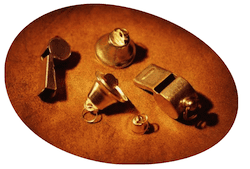
Ancient Greece – KQ3 Part 4 – Consequences of the battle of Marathon: Bells and whistles – Smart task
Really fun lesson called bells and whistles in which team have to make the appropriate sound depending on whether the consequence mentioned on the PowerPoint referred to Athens or Persia….
Read More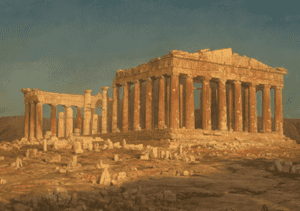
Ancient Greece – KQ4 Part 1 – role play on building the Parthenon
This full lesson is a role-play activity looking at Greek democracy in the context of the rebuilding of the Parthenon. It starts with a link to the building of the…
Read More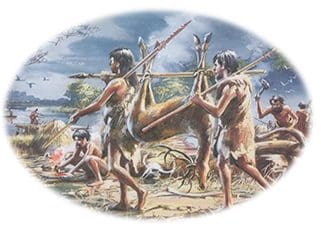
Top Tips for teaching….Stone Age to Iron Age
Stone Age to Iron Age The British Isles has been populated by humans for 750.000 years but only became an island when the ice sheets melted about 8,000 years ago….
Read More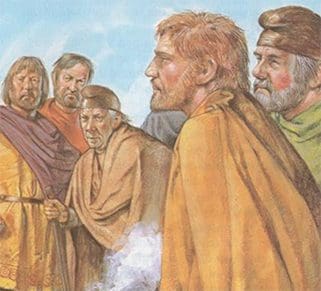
What have the Anglo-Saxons ever done for us? Some KS2 answers
If you asked Michael Wood what the Anglo-Saxons ever did for us he would give a very full and erudite answer, some of which would be beyond KS2 pupils. But…
Read More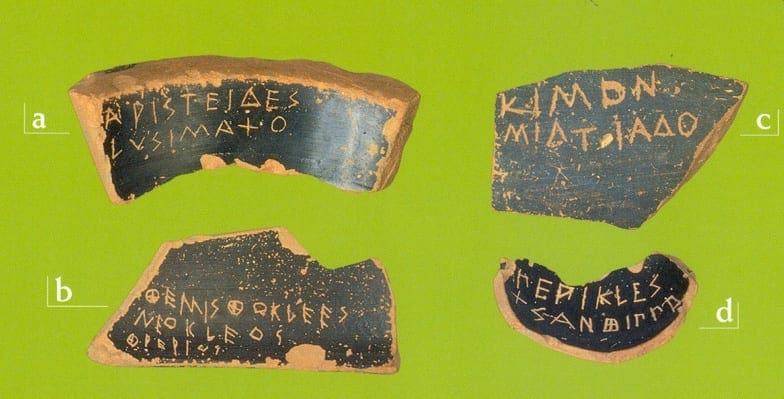
Ancient Greece – KQ4 Part 2 – Making Greek democracy come to life – a ‘smashing’ lesson
This is a really fun, practical lesson involving smashed pottery, writing in Ancient Greek through black wax and deciphering each other’s writing . Pupils actually decipher the names of people…
Read More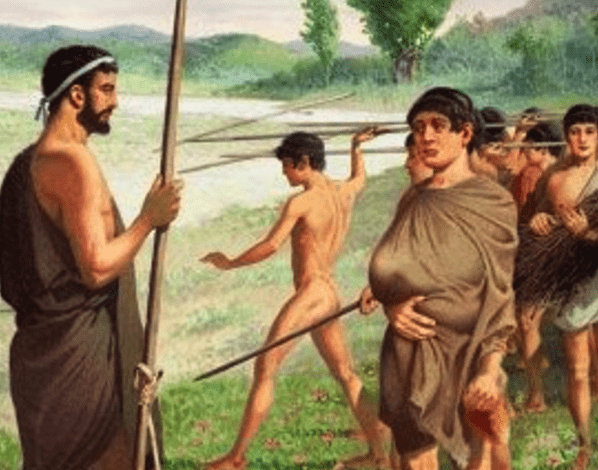
Ancient Greece – KQ4 Part 3 – Would you have preferred to live in Athens or Sparta? Comparing life in Athens and Sparta: a short smart task
One way of bringing home to pupils what was so special about life in Ancient Athens is to compare it with life in Sparta. Also one of the strongest city-states,…
Read MoreAncient Greece – KQ4 Part 2 Additional information – Ancient Greek democracy. Or what links Red painted rope, an idiot ,and piloting the ship.
This article supports the fully resourced outstanding lesson on democracy that can be found here Democracy is made from two words: Demos means people, Kratos mean power Interesting fact The…
Read More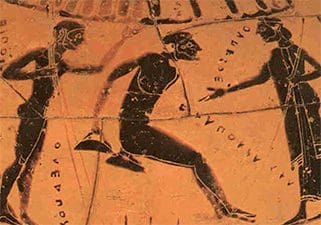
Ancient Greece – KQ5 Part 1 – What can we tell about the Ancient Greeks from a study of their Olympics?
We thought we would offer you a range of different cameos showing how the history of the Olympics could be imaginatively integrated into your current teaching. The teaching activities below…
Read More
Ancient Greece – KQ5 Part 2 – What can we tell about the Ancient Greeks from their interest in the theatre?
This key question is divided into two distinct parts, starting with Part 1 – the Olympics. This has its own outstanding fully-resourced series of tasks which can be found on…
Read More
Ancient Greece – KQ6 Part 1 – Under the Cloth: sorting the muddled collection. Is it all Greek to you?
Step 1 To introduce the notion of the Greeks having a major influence on our lives today use the activity called Under the cloth. Simply place copies of the pictures…
Read More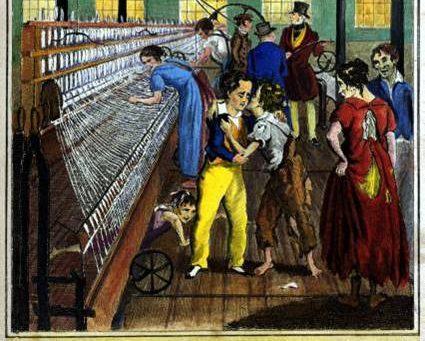
Keeping up-to-date with your teaching of Victorian Britain at KS2

We often talk to children about the benefits that brought so many people into industrial towns in the first half of the nineteenth century. But we probably need to stress…
Read More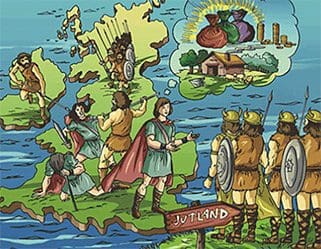
Push or Pull? What were the real reasons why the Saxons invaded? SMART TASK KS2
A fun thinking skills activity in which pupils infer from visual clues before moving on to analyse a range of influence cards and evaluate a video before coming up with…
Read More
Expert advice on local history at KS1 and KS2 by OFSTED lead inspector
Ex-subject lead for history at OFSTED has recently written this very helpful booklet for English Heritage. A great place to start if you are looking for inspiration for your local history…
Read More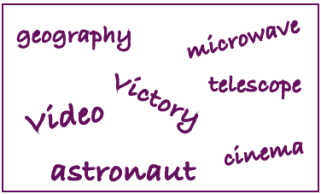
Ancient Greece – KQ6 Part 2 – Short KS2 task on the Ancient Greek legacy: language
This is a fun activity looking at the contribution the Ancient Greeks have made to our language. Great for literacy. Pupils are given two different stories of 10 year-old children…
Read More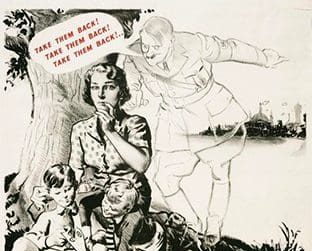
Teaching Primary History: Life in Britain 1930-1945 at Key Stage 2
Inexplicably axed by Gove from the 2014 curriculum, my advice is to carry on teaching this highly successful unit focusing on the Home Front. You can shave time from other…
Read More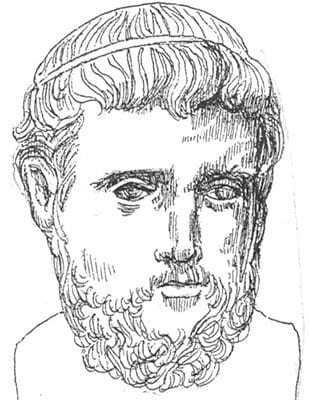
Ancient Greece – KQ6 Part 3 – How Great is your Greek?
Pupils have to select a team of 11 Great Greeks. They do this by preparing and then evaluating 14 different presentations about 14 Ancient Greeks as explained on slide 2…
Read More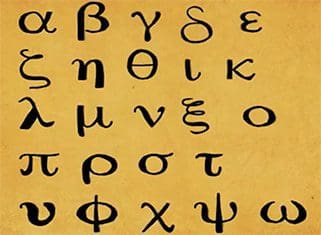
Ancient Greece – KQ6 Part 4 – What did the Greeks do for us? Evaluating the video
This task puts pupils in the position as evaluators of a BBC film: BBC Bitesize – Watch: What did the ancient Greeks do for us? Instead of taking everything the…
Read More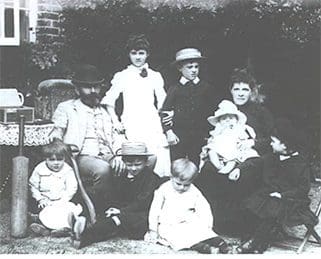
Using a Victorian census to discover what life was like 100 years ago SMART TASK
There are 4 separate ways of approaching this topic, each becoming increasingly more ambitious. Stage 1 only is featured below. Stages 2 and 4 are suggestions using your own local…
Read More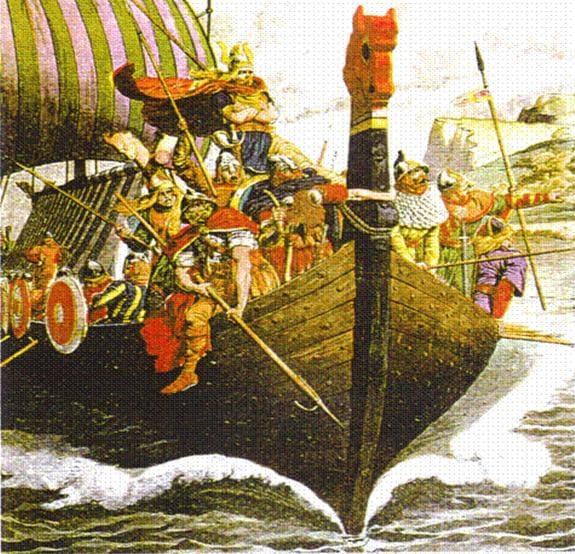
Are we fair to the Vikings? A question of interpretation. SMART TASK KS2
Pupils are shown a range of stereotypical images of Vikings, using slides 2 and 3. This should be used to build up a set of adjectives that are normally associated…
Read More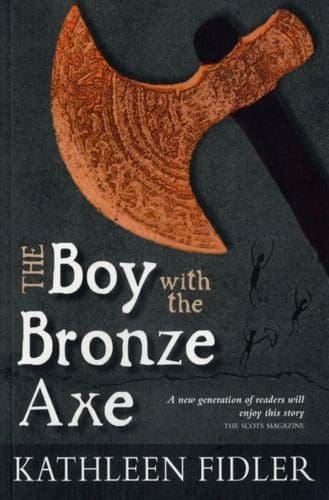
Using Fiction: teaching Stone Age to Bronze Age in history at KS2
Using Boy with the Bronze Axe by Kathleen Fidler to help you teach Stone Age to Bronze Age and Skara Brae to KS2 Although this book is now nearly 50…
Read More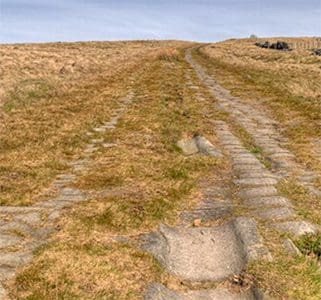
Why did the Romans spend so much time building roads? KS2 short task
From Diamond 4 to ‘Roving Mike’ and kids’ wiki. This simple short task gives groups of pupils, 3 per group, a cut-up set of the 6 diamond-shaped cause cards, provided…
Read More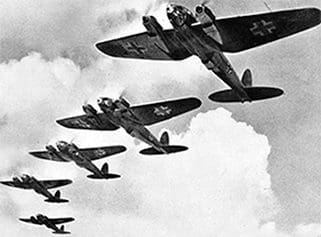
Why did Germany lose the Battle of Britain?
If Britain was only a few days away from defeat in August 1940 how on earth did she win the Battle of Britain a month later? PLEASE NOTE – This…
Read More
Top ten ingredients of a good KS2 post-1066 thematic unit.
Teaching Crime and Punishment as a post-1066 thematic unit at KS2 For a while now, a number of schools have been developing interesting thematic units that span 1,000 years and…
Read More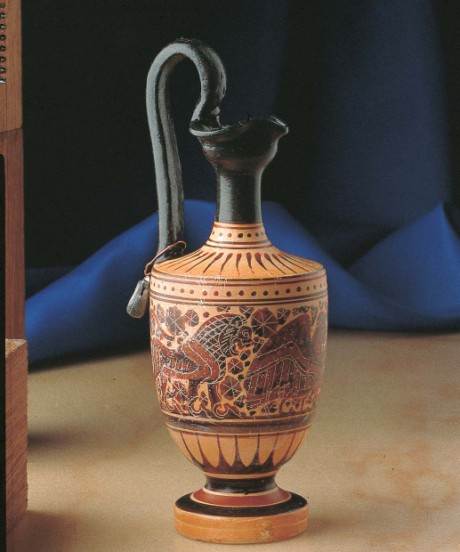
Ancient Greece: Short task on using Greek pots
What can I do with just one Greek pot in the resource cupboard? Collaborative and creative storyboarding At the core of this activity is the development of pupils’ creative imagination…
Read More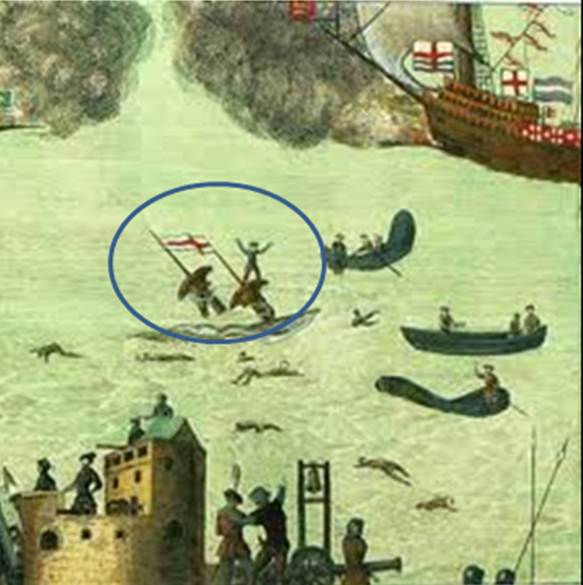
Why on earth did the Mary Rose, pride of the Tudor fleet, sink so quickly under the nose of Henry VIII himself? Home study option SMART TASK
A tightly structured series of activities on the reasons why the Mary Rose mysteriously sank which incorporates: a. A history mystery using evidence discovered in the last few years b….
Read More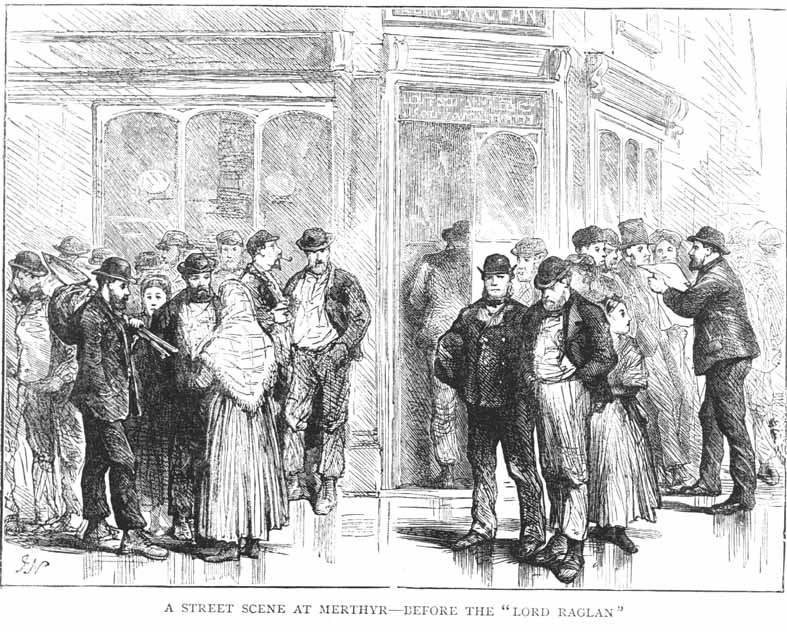
If life was so hard in Victorian cities, why did Wilf move his family there?
If life was so hard for families in the towns why did so many leave the countryside and move to the towns in Victorian times? – a history mystery Starting…
Read More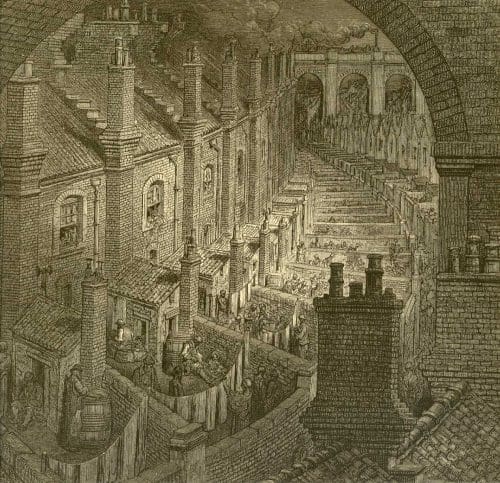
Primary History: Teaching Victorian Britain Key Stage 2
Astonishingly, at a stroke, the Victorians were removed from the KS2 history curriculum where it had reigned supreme for decades. Most primary teachers will not give up this topic without…
Read More
How to teach Ancient Greece to Key Stage 2
To all intents and purposes, the ancient Greek planning and all the outstanding lessons fit just as perfectly with the current curriculum as well as the existing one. The only…
Read MoreHow well do you and your KS2 pupils know the Stone Age to Iron Age topic?
A brief set of diagnostic questions to set your Y3 pupils towards the end of the Stone Age to Iron Age topic to check on their understanding of the key…
Read MorePrimary History: Teaching From Stone Age to Iron Age
Although not widely taught before it was introduced into the Ks2 curriculum for 2014, this new area of study has the potential to be one of the most exciting to…
Read More
Vikings – KQ5 – What can we learn about Viking settlement from a study of place-name endings?
Viking place name evidence A very active session in which pupils apply their knowledge of Viking place name endings to look for settlement patterns, using maps of Lincolnshire and the…
Read More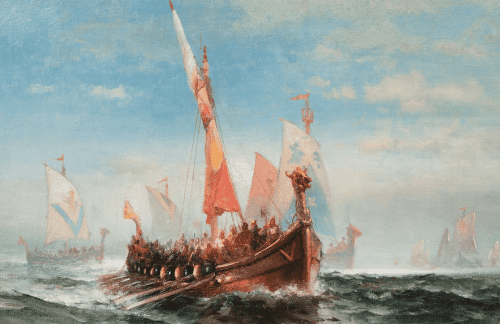
Vikings – KQ6 – Raiders or settlers: how should we remember the Vikings?
Differing views of the Vikings Fun concluding lesson in which pupils produce a balanced, illustrated Zig-Zag book to please a Scandinavian publisher, having looked at differing views of the Vikings….
Read More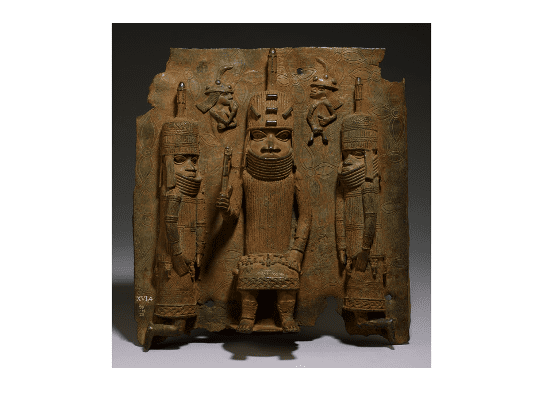
Primary History: Teaching Benin
When teaching this unit, you are advised to use the medium-term planner in the planning section which links the learning strategies directly to specific well-chosen objectives which are pitched at the…
Read MorePrimary History: Teaching Early Islam/Baghdad c.900
All the lessons featured below flow from the detailed medium-term planner. Each has been chosen to help pupils not only to learn about this magnificent society in its Golden Age…
Read More
Early Islamic civilization – KQ6 – Which of the early Islamic achievements has most effect on our lives today?
Key Question 6 consists of 2 Smart Tasks. Following a brief overview of the impact of early Islamic achievements on our world today, pupils work on two discrete tasks. Firstly…
Read More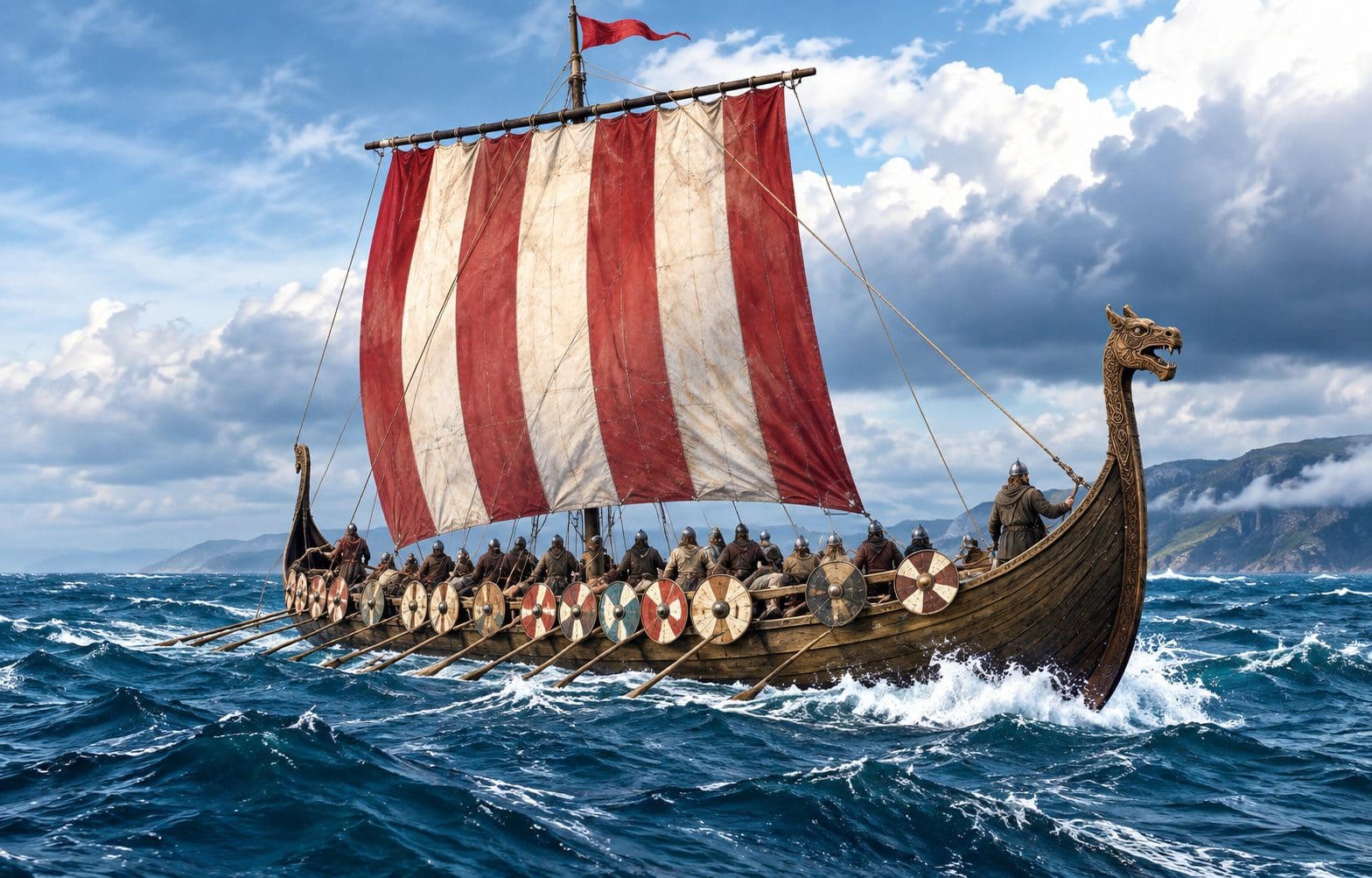
KS2 Quick Quiz on the Vikings
This exit task is a quick way of working out whether the key messages of your teaching about the Vikings have been understood and is best done towards the end…
Read MoreWritten by Neil Thompson
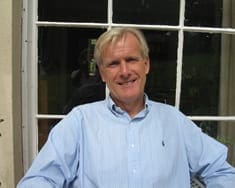
All content on Keystage history is written and quality assured by Neil Thompson, a former history teacher, county history adviser and Ofsted inspector with more than 30 years’ experience in history education.