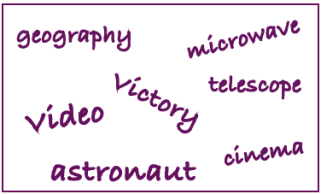
This is a fun activity looking at the contribution the Ancient Greeks have made to our language. Great for literacy.  Pupils are given two different stories of 10 year-old children today, buried in which are 20-odd words that derive from Ancient Greece.  Working in pairs, against the clock, pupils have to not only spot the words with Greek origins but also, by means of extension for the most able, to use an authoritative dictionary, or the internet, to explain what the words actually means e.g. Brontosaurus = thunder lizard.

To stop pupils just saturation bombing and picking any old word in the hope they are right, the rules of the activity dictate that their team loses one point for every incorrect choice.

Both activities come with the freshly-written stories, just for this activity, along with the answers which allow early finishers to self-mark.

Resources
Subscribers only: You must be logged in to view this content in full. Please Login or register


Key QuestionHistorical focus
KQ1 Part 1 – How can we possibly know so much about the Ancient Greeks who lived over 2,500 years ago?Evidence and historical enquiry
KQ1 Part 2 – Theseus and the Minotaur: Is there any evidence for the legend?Evidence, myth and legend
KQ2 Part 1 – What can we work out about everyday life in Ancient Athens?Everyday life and evidence
KQ2 Part 2 – Ancient Greek vases: the answer lies on the potArtefacts and source analysis
KQ2 Part 3 – What was life like for women in Ancient Greece?Society and diversity
KQ3 Part 1 – Why was Athens able to be so strong in the 5th and 6th century BC?Causation and power
KQ3 Part 2 – The Battle of Marathon: a history mysteryCausation and historical mystery
KQ3 Part 3 – Comparing interpretations of the original Marathon runHistorical interpretations
KQ3 Part 4 – What were the consequences of the Battle of Marathon?Consequences and significance
KQ4 Part 1 – Role play on building the ParthenonDemocracy and citizenship
KQ4 Part 2 – Making Greek democracy come to lifeDemocracy and government
KQ4 Part 3 – Would you have preferred to live in Athens or Sparta?Similarity and difference
KQ5 Part 1 – What can we tell about the Ancient Greeks from a study of their Olympics?Culture and society
KQ5 Part 2 – What can we tell about the Ancient Greeks from their interest in the theatre?Culture and beliefs
KQ6 Part 1 – Is it all Greek to you?Greek legacy
KQ6 Part 2 – The Ancient Greek legacy: languageLegacy and language
KQ6 Part 3 – How Great is your Greek?Significance and legacy
KQ6 Part 4 – What did the Greeks do for us?Legacy and significance
Share