
Keystage history
Teaching chronology at Key Stage 1
Mention the teaching of chronology to most infant teachers and their eyes glaze over. Their experience is that it is like picking up mercury with a fork. One minute the…
Read More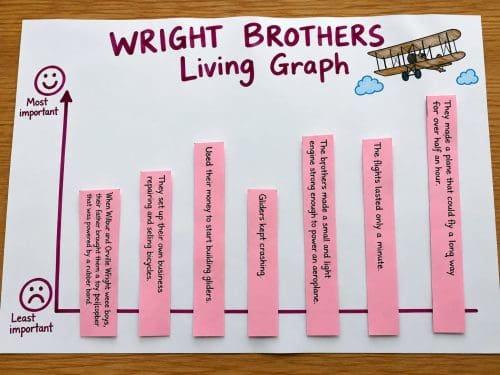
‘100’ great ideas for teaching history at KS1
At present there are nearly 80 ideas arranged in alphabetical order. You will see that a brief description is offered, kept brief just as a reminder. It is useful if…
Read More
What makes an outstanding lesson in history at KS1?
Below is a list of the typical characteristics of excellent lessons. Lists can only help up to a point though. They must be read alongside the section on the teaching…
Read More
The teaching process in history at KS1
The approach offered on this site is only one of many you might know, or even use. Heaven forbid that teaching should ever be done to formula, but in my…
Read More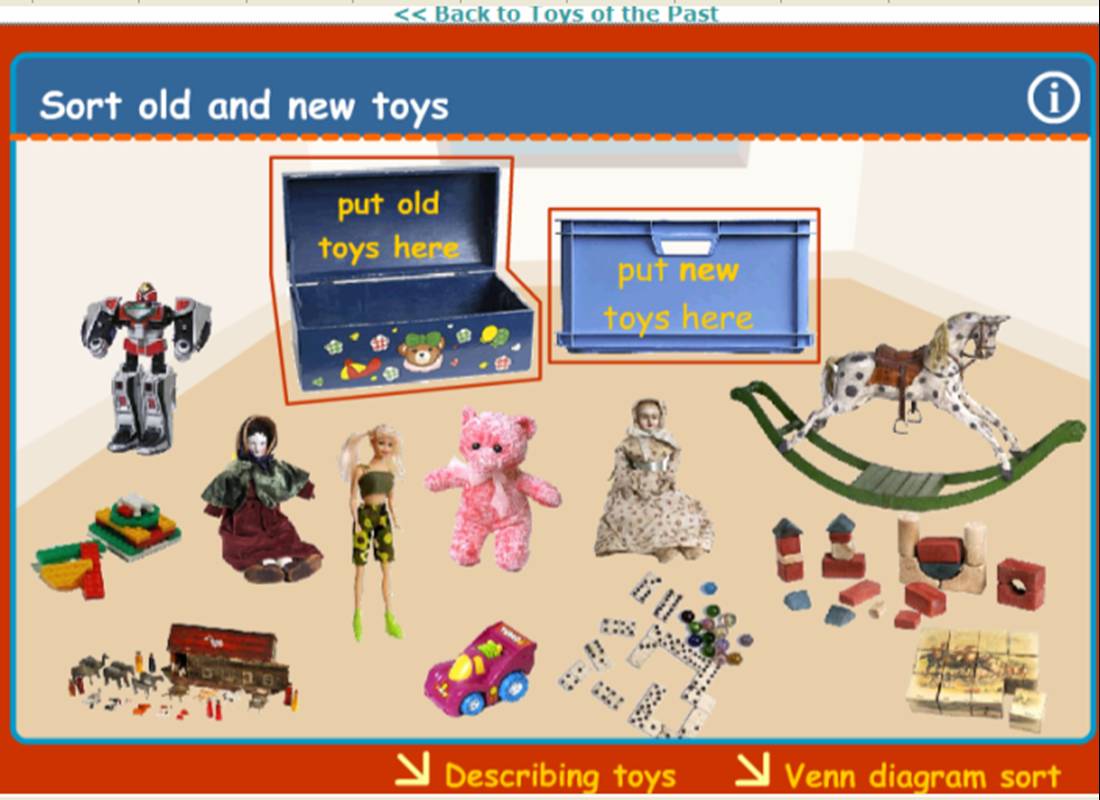
Personal & Family: Ourselves Key Stage 1
It is not always easy knowing what history to teach very young infants. There are three main issues. How do you avoid covering aspects of the pupils’ own lives that…
Read More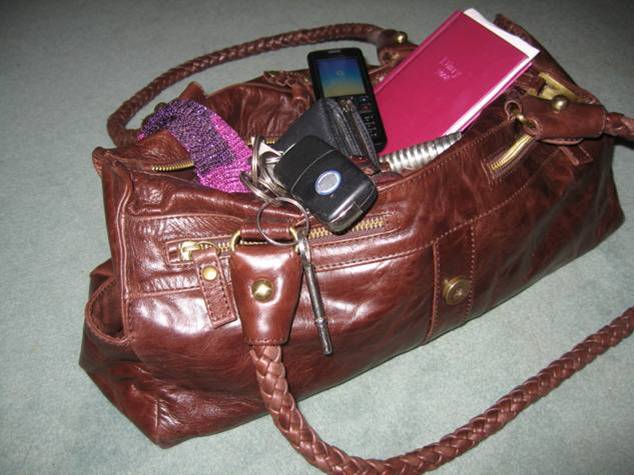
Teaching Myself – Muddled Bags
As you would expect, it is far better to start with the children themselves and images of them growing up, before moving on to look at two or more generations,…
Read More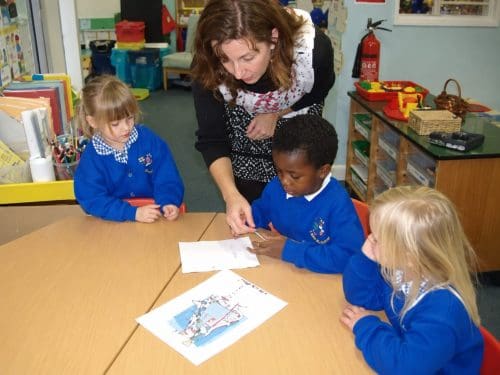
Teaching Nursery Rhymes to Key Stage 1
This topic is extremely well suited to children in Year R as part of the Foundation stage curriculum. Not only does it help children to grasp the difference between past…
Read More
Using minute papers to monitor student progress in GCSE and A level history lessons.
Minute papers are small doubled-sided A5 sheets, blank other than the pre-printed heading which is always in the form of a perplexing key question. It is this question that drives…
Read More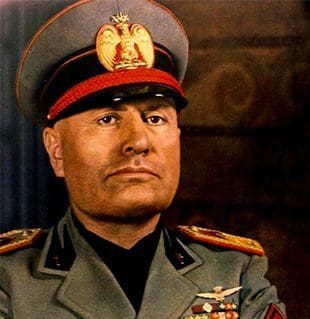
When Italy signed two peace treaties with Abyssinia just 7 years before, why then did Mussolini invade in 1935? Explanation builder
Students are given a short answer to this question that appeared as an answer on the Student Room website. It was not worth 9 marks. Students have to work out…
Read More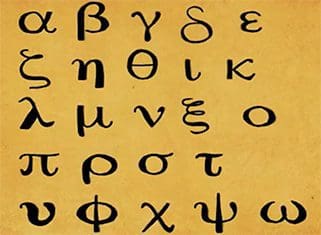
What can the Ancient Greeks tell us about leading history at KS2?
In these days of accountability and showing that we are doing what is required, there is a temptation for subject leaders to overplan. In a well-meaning attempt to make life…
Read More
How the boards differ in their approach to the historic environment
AQA The historic environment is 10% of the overall course which equates to approximately 12 hours out of 120 guided learning hours. Students will be examined on a specific site in…
Read MoreAssessing students’ understanding of the historic environment in the new GCSE history courses
As we await the verdict of OFQUAL on the draft submissions for the new 2016 GCSE history courses, one of the more interesting outcomes will be that relating to the…
Read More
Approach to teaching Significant Societies at Key Stage 3
As part of the current curriculum schools are required to teach at least one significant issue or society. Several options are offered by the DfE but you are not bound…
Read More
Imaginative and effective teaching strategies for A2 and AS history
Finding high-quality advice on teaching A2 and AS history is a difficult and time-consuming job. With so much post-16 work dominated by exam boards and textbooks, there is precious little…
Read More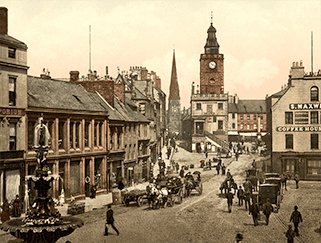
Teaching local history at Key Stage 3
What does it mean by local? The current curriculum makes it mandatory to include a local history study in your KS3 history curriculum. For example: a depth study linked to…
Read More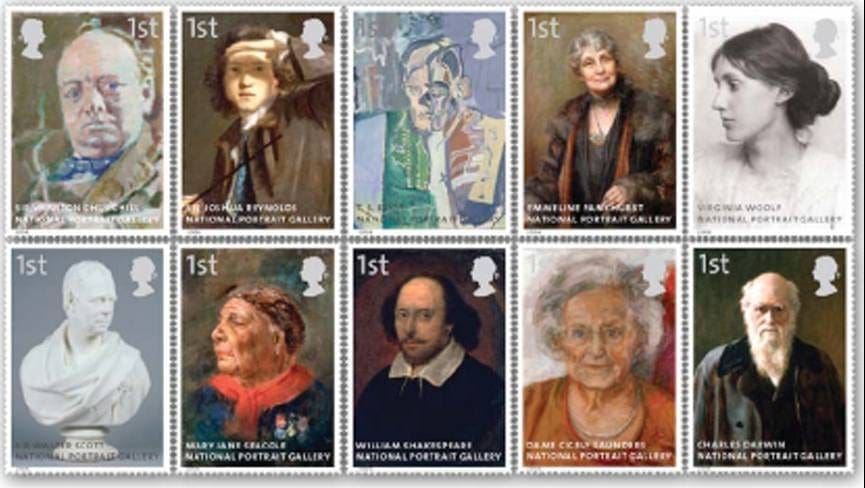
Mary Seacole – How should we remember her?
This lesson is the second featuring Mary Seacole. In the first her role was compared with Florence Nightingale’s. The focus now shifts to asking two key questions: which was Mary…
Read More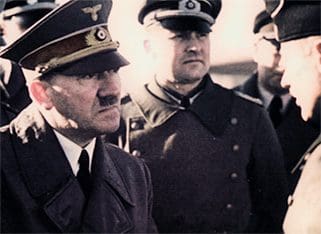
Was Hitler totally responsible for the Second World War?
This smart task looks deceptively simple, and should serve as a useful introduction, leading on to some sophisticated analysis exploring recent historiography. The main focus for this subsequent study hinges…
Read More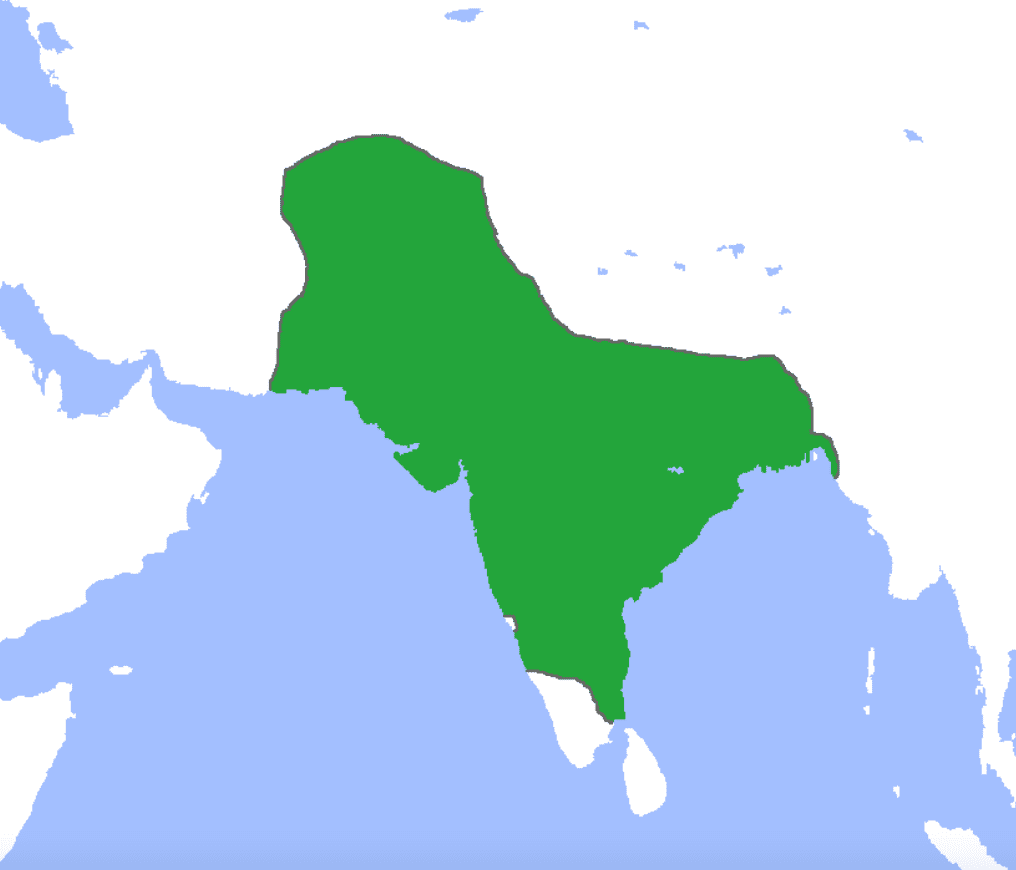
Why study the Mughal Empire at Key Stage 3?
Reasons for studying this period above the other tempting options are: The Mughal Empire was the greatest of the Muslim empires of the early modern period. The Mughal Emperor ruled…
Read More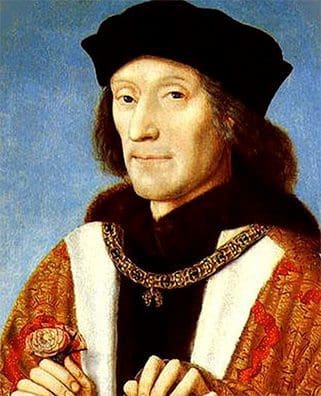
AS/A2 SMART TASK Threats to Henry VII, a living graph
Students create event cards for homework by way of preparation for creating a multi strand living graph showing the degree of threat to Henry VII from different quarters and how…
Read More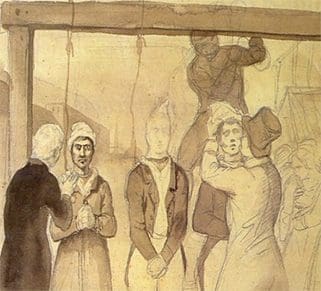
If the Bloody Code made so many offences punishable by death, why were so few criminals hanged? SMART TASK
Fun lesson in which small groups have to predict punishments meted out for specific crimes in 1786 using original documents and then see if they were correct. They then try…
Read More
50 imaginative learning activities to use in history at Key Stage 2
Currently these top 50 imaginative ideas are just listed in alphabetical order with a brief description of each, cross-referenced to an Outstanding Lesson in which the strategy is used. If…
Read MoreViews of learners on history at Key Stage 1
There has been very little published research on the views of infants on their history work. I think we might be able to predict that most pupils would be positive…
Read More
The Marshall Plan: How should we interpret it? Just how philanthropic was it?
The activities in this very varied lesson ask students to raise questions, place sources on a continuum, add analysis to a short descriptive account and quickly tweet a caption to…
Read More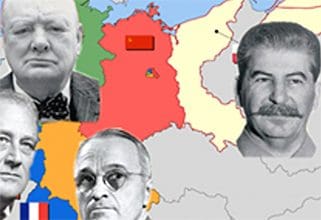
AS/A2 SMART TASK Did the ending of the Second World War make the Cold War inevitable?
In order for students to form their own view on this challenging question they read, discuss, sort and then place on a spectrum a number of influence cards enabling them…
Read More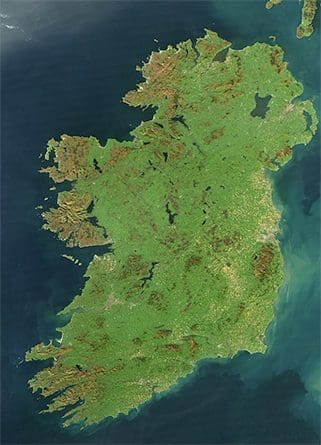
How much Irish history do your pupils learn?
Lise Hand the Times columnist recently described a visit to see the film Michael Collins with her well-educated and well-known friend. During the scene where the Black and Tans open…
Read More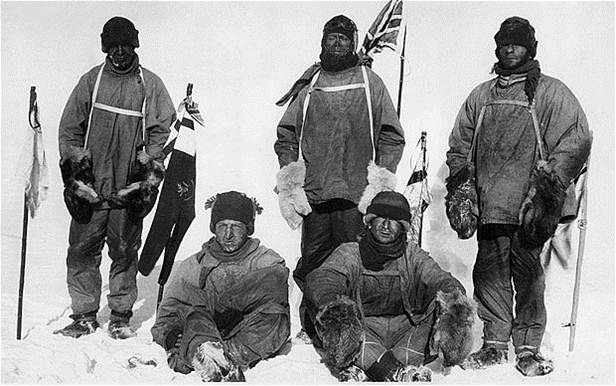
Photo of Scott’s disconsolate team at South Pole up for sale
Pupils have often wondered how a photograph could possibly be taken showing all five of Scott’s team in shot, given the fact that there was no-one else in the team…
Read More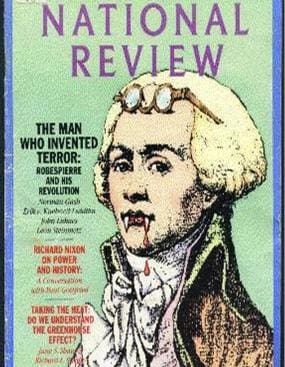
French Revolution-what do the 1793 playing cards tell us?
Interesting new lesson on using 12 colourful playing cards to encourage students to work out what mattered most to the revolutionaries in 1793. Having had the analysis of one card…
Read More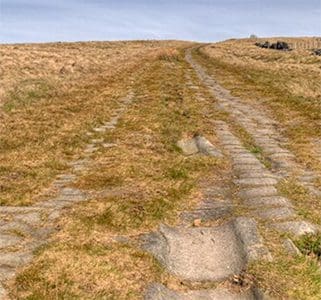
Why did the Romans spend so much time building roads? KS2 short task
From Diamond 4 to ‘Roving Mike’ and kids’ wiki. This simple short task gives groups of pupils, 3 per group, a cut-up set of the 6 diamond-shaped cause cards, provided…
Read More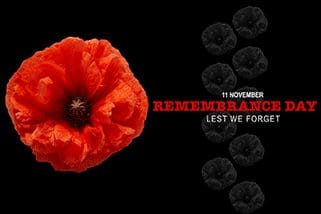
How will your school commemorate the end of World War One?
This short advice sheet invites schools to consider how they will commemorate the centenary of armistice day and provides an illustrated PowerPoint presentation offering 8 attractive ideas to set you…
Read More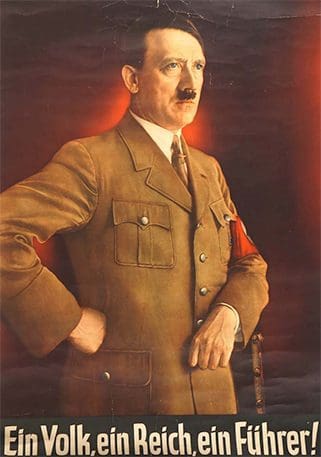
Hitler’s propaganda: the cult of leader. Reading internal clues. KS3 & 4 Smart Task
The aim of this short task is to encourage students to look really closely at images for what is there, not what they think should be there. Students are asked…
Read More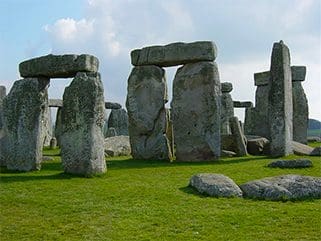
Excellent animation of how Stonehenge was built
Great English Heritage showing how Stonehenge was built WATCH: The brilliance of our prehistoric ancestors and the creation of @EH_Stonehenge https://t.co/cfV3EiRJBx #Ingenious pic.twitter.com/uK7ISvigBS — English Heritage (@EnglishHeritage) August 9, 2017
Read More
As a history subject leader, do you hold your colleagues to account?
It is a truth universally acknowledged that it not good for one’s health to read OFSTED reports in the summer when schools are on holiday. But sometimes it pays to…
Read More
Assessment in history at KS2- What OFSTED is looking for
Mention the words ‘assessment in foundation subjects’ and you’re likely to be met with a frosty response. ‘Its hard enough in English and mathematics, how on earth will we find…
Read More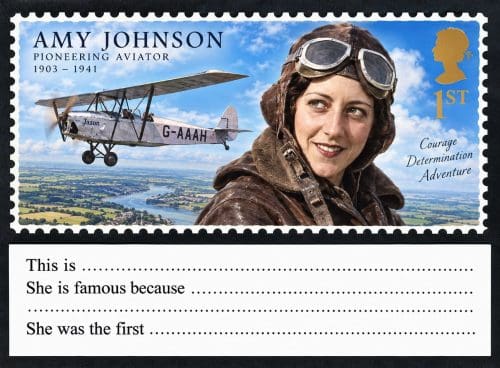
Amy Johnson – KQ1 – Why do you think Amy Johnson was famous?
With the help of the slow reveal of the clues in carefully arranged order, pupils build their knowledge of Amy Johnson’s significance and write their own brief caption to accompany…
Read More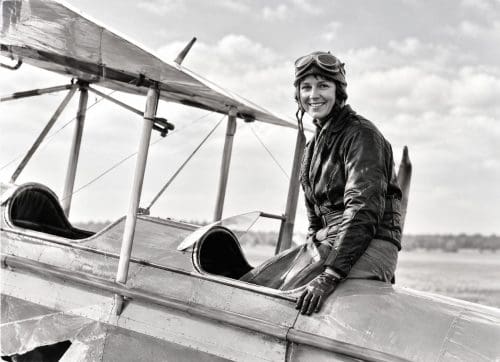
Amy Johnson – KQ2 – How did Amy the secretary end up being the first woman to fly to Australia?
This short, fun activity using mime and props, tells the story of Amy Johnson’s first flight to Australia in a way that children will never forget. Each of the 8…
Read More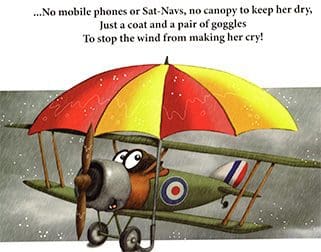
Amy Johnson – KQ3 – Why was flying to Australia so difficult for Amy Johnson?
Having heard the story of Amy Johnson’s life, pupils are now asked to focus their attention on explaining why it was such a difficult feat for Amy to achieve at…
Read More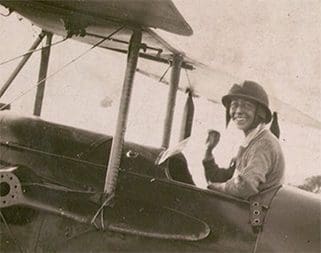
Amy Johnson – KQ4 – How did people react to Amy Johnson’s famous flight?
How did people react to Amy at the time, and how do we know? Children generate adjectives to describe Amy’s arrival in Australia using a photograph and short newspaper extracts…
Read More
Amy Johnson – KQ5 – How did things change for Amy Johnson after her famous flight?
Was Amy really successful for the rest of her life? A Living graph Smart Task KQ5 The focus here is on the ups and downs of Amy’s life, in the…
Read More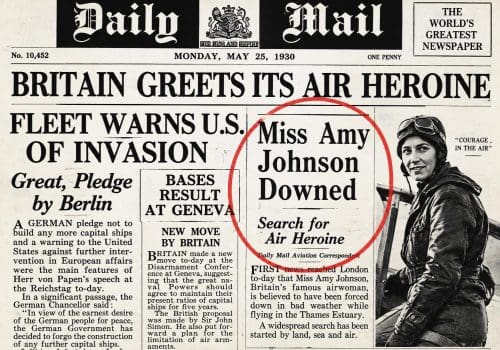
Amy Johnson – KQ6 – How can we solve the mystery of what happened to Amy Johnson?
This enduring mystery has puzzled historians for over 75 years. New evidence has just come to light which makes this an ideal opportunity for pupils to explore reasons for themselves….
Read More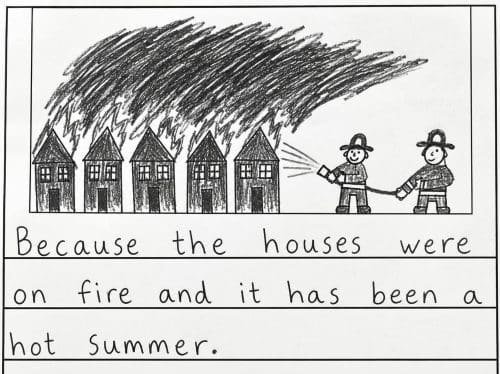
KS1 Star Lesson on The Great Fire
Why did the Great Fire of 1666 burn down so many more houses than other fires in London at that time? In this exceptional lesson, pupils adopt the role of…
Read More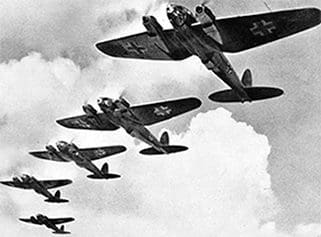
Why did Germany lose the Battle of Britain?
If Britain was only a few days away from defeat in August 1940 how on earth did she win the Battle of Britain a month later? PLEASE NOTE – This…
Read More
GCSE History of medicine: What was the most important medical advance in the last 200 years
Recently a sample of 11,000 doctors was asked to name the most important medical advance in the last 200 years.The results make interesting reading. What an cracking activity it would…
Read MoreFlipping the GCSE history question: stopping students answering the questions that wasn’t set! An example from Crime and Punishment using zones of significance

We all know students who have answered the question that hoped would appear on the question, regardless of the actual wording of the one set. I think I have a…
Read More
DfE criticises types of history teaching. Are you their target?
Nick Gibb, Minister for Schools has again sounded off about the virtues of formal didactic teaching of knowledge and has lampooned discovery learning. Hiding behind the views Professor Willingham, he…
Read More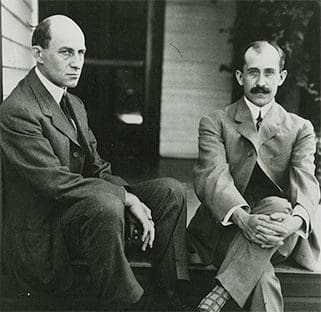
KS1 Wright brothers topic KQ5 explores change using spectrum activity
Those of you teaching a topic on flight, in the sky or ‘up and away’ might be interested to know that Key question 5 on how the Wright brothers innovation…
Read More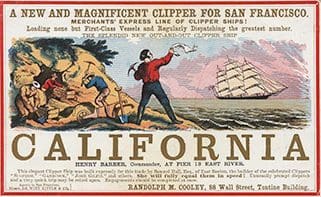
What was the impact of the Californian Gold Rush 1848-9? GCSE SMART TASK
In this series of short tasks GCSE students predict, infer, gather information and then improve existing explanations of the impact of the Californian Gold Rush. Firstly, students have to use…
Read More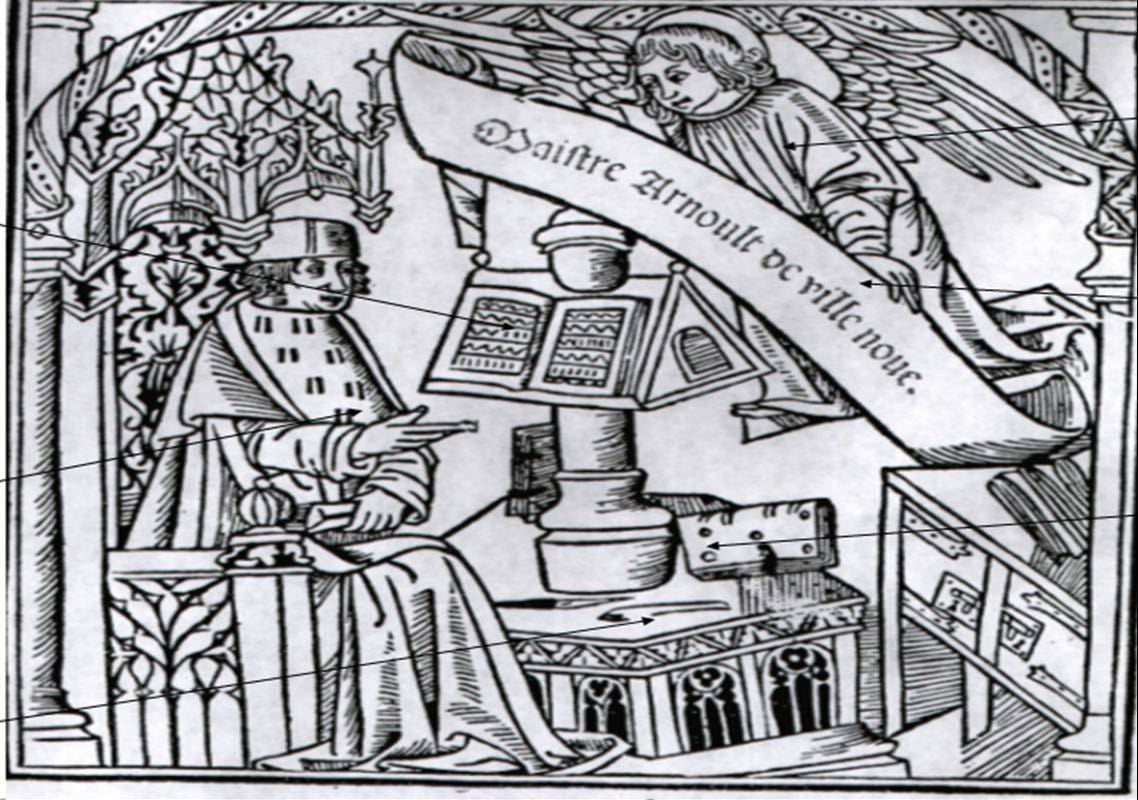
How well do your pupils know Medieval Britain? A short diagnostic smart task called truth detector
Pupils are given 18 statement cards (provided as RS2) about the Middle Ages on Britain to place on the truth spectrum (provided as RS1), labelled ‘made up’ to ‘definitely true’,…
Read More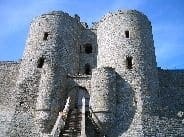
Castle design. Would I lie to you? Fun smart task
This enjoyable session has serious intent: to question some careless assumptions about castle building that often creep into Y7 teaching about castles. The idea is that pupils start to seriously…
Read More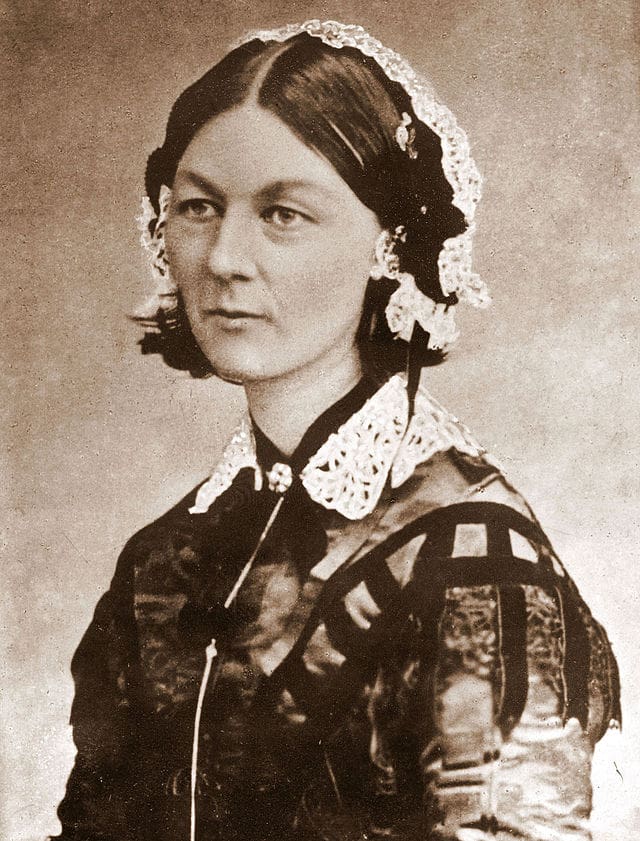
How well do you and your pupils know Florence Nightingale?
Here are 10 probing questions. See how you get on. Oh, and the answers are given below, in case you need them. As if! Q1. How was Florence Nightingale received…
Read More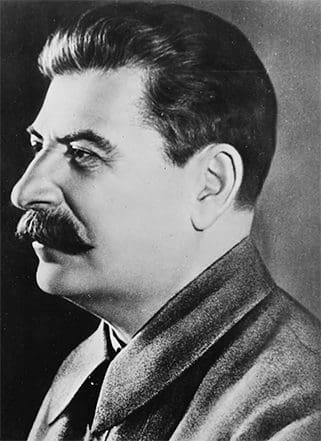
The rise of Stalin: 4 smart tasks
Included here are 4 distinct smart tasks which could be used in various combinations at AS and A2 level. They vary from laying odds on the outcome of the leadership…
Read MoreWritten by Neil Thompson
All content on Keystage history is written and quality assured by Neil Thompson, a former history teacher, county history adviser and Ofsted inspector with more than 30 years’ experience in history education.