
Keystage history
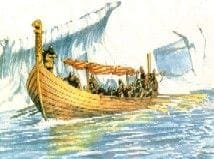
Teaching Anglo-Saxons & Vikings for Key Stage 2
The current National Curriculum has afforded separate status for individual units of work on the Anglo-Saxons and Vikings. Whilst this may be applauded in some circles, it has increased the…
Read More
Just how good is your KS1 history curriculum?
The 12 most crucial questions to ask yourself about your KS1 history curriculum, and some expert answers if you get stuck! What you should be doing, and what to do…
Read More
Teaching Famous Events at Key Stage 1 – Outstanding Lessons
There are two types of events that are expected to be taught to KS1 pupils as part of the National Curriculum. One is commemorative events and anniversaries, the other significant…
Read More
Top ten ingredients of a good KS2 post-1066 thematic unit.
Teaching Crime and Punishment as a post-1066 thematic unit at KS2 For a while now, a number of schools have been developing interesting thematic units that span 1,000 years and…
Read More
Migration: Online resources
Great new Migration site www.ourmigrationstory.org.uk Our Migration Story: The Making of Britain is an Arts and Humanities Research Council-funded collaboration between the Runnymede Trust and academics based at the universities…
Read More
Link between Elizabethan theatre and bear-baiting
Historic England schedulded several of London bear pits so they will not now be built over. The listing of these baiting areas in Bankside near the Globe theatre has highlighted…
Read More
10 most significant battles of World War One
Staff from the Imperial War Museums have just published their list of the 10 most significant battles of the First World War. Why not try to predict them in your…
Read More
Was there really a Blitz spirit? Killer evidence. Smart Task
Historians to this day still argue as to whether there was a Blitz spirit or not. Much depends on the evidence they use. This ‘Killer evidence’ Smart Task enables you…
Read More
Having lost his parliament, then his throne, why did Charles I have to lose his head?
This diamond-9 prioritising causes activity concludes pupils’ investigation of the reasons for the trial and execution of Charles I. Pupils are presented with 9 ideas which they have to rank…
Read More
The end of the Cold War for new GCSE history: taking a fresh look
In a recent article in Teaching History David Reynolds offers some clear insights into this period which might help to clarify issues for your GCSE students. Firstly , he identifies…
Read More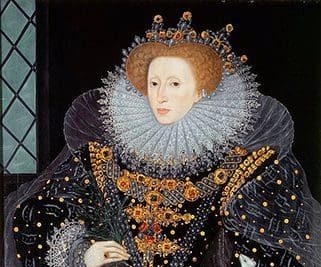
Elizabeth and the Catholic threat: Elizabethans GCSE Smart Task
Asking questions in history Elizabeth’s policy towards the Catholics: students use a graph to raise their own enquiry questions which are then researched. Working in pairs, students study the graph…
Read More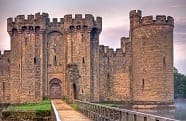
Historic Environment GCSE: Castles
Castles: 2 Smart Tasks Those of you who are studying the castles topic, maybe as part of the OCR specification, might be interested in two smart tasks on the development…
Read More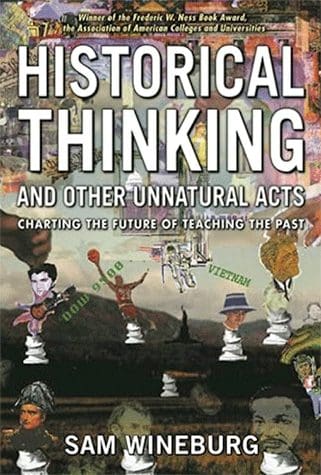
Why Teach Students to “Think Like Historians?”
Sam Wineburg will be familiar to many of you. If not do try to read his stuff. Sam is at Stanford University, and is the author of Historical Thinking and…
Read More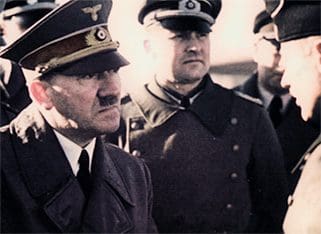
Market place: Why I didn’t oppose Hitler.
To help pupils to understand why so few people opposed Hitler in the 1930s the use of this market place activity has proved to be really effective. Give every student…
Read More
Using simple ‘how plausible’ strategy for high-intensity thinking from KS2 to A level

Sometimes the simplest ideas have the most impact, probably because we don’t over-complicate. Looking for a way of getting students to think for themselves, rather than slavishly follow the ideas…
Read More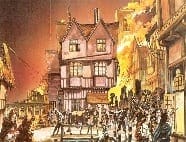
6 top history ideas to cover in your Great Fire topic
Many of you will be starting your Great Fire topic this term. Naturally you will want this to be exciting as well as challenging and you will want to focus…
Read MoreThinking words in primary history: my top 10
Those of you who have used a lot of the lessons on the site will know only too well that I am a great believer in asking children to express…
Read More
Teaching historical significance at Key Stage 3
When there is so much history to study how do students know what is significant? Is everything on the National Curriculum significant? If not why is it there? Are there…
Read More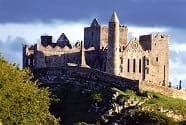
Cromwell a reputation deserved. KS3 Smart Task
This short task focuses on an entry from a website used by lots of people today, mainly in Ireland, to find out about Cromwell’s time there. Pupils are asked to…
Read More
Industrial Britain KS3 Smart Task on the changes brought about by industrialisation
This task helps pupils to develop an overview of the changes ushered in by industrialisation. The aim is to get pupils to generalise from the particular, identifying which groups of…
Read More
Early Modern Britain 1500-1750 Smart Task: Editor’s Pencil
A quick overview activity in which pupils have to spot and correct 20 deliberate mistakes. Pupils are given an activity with a summary of the changes that took place in Britain…
Read More
Which modern Olympic Games am I? Short KS3 Smart Task
This engaging smart task on the Olympics in the 20th century focuses pupils’ attention on significant individual games as a prelude to drawing out weightier themes. Worksheet and answers in…
Read More
Grades 1-9 flightpath in history; or so you thought
I’m sure you has pretty limited expectations of what exemplication of grade 1-9 flightpath might look like . So its not surprising that the publication from the DfE seems to…
Read More
Keeping up-to-date with your teaching of the Great Fire at KS1
If you get the chance, between the end of term and April, to visit the Museum of London’s exhibition Fire! Fire! don’t hesitate. There are some extraordinary exhibits and it…
Read More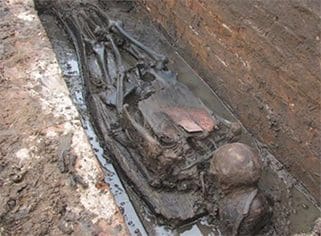
Industrial Revolution KS3 Smart Task: The Mystery of the Blackburn Cemetery
Why not start your class investigation into life during the Industrial Revolution with a mystery? Based on a recent discovery of 800 child skeletons in a cemetery in Blackburn, pupils…
Read More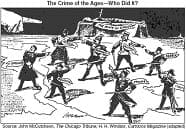
KS3 & 4 The Causes of World War One: The Blame Game
This smart task which can be used from Y9 or for GCSE can be used as a form of diagnostic assessment to see to what extent students can attribute blame…
Read MoreWhat OFSTED says about primary history: 3 things you need to know
OFSTED’s views on primary history are difficult to find. The last Lead Inspector for history offered these three opinions before he left OFSTED, never to be replaced. A. Too often…
Read More
Top 5 features of expert history teaching at KS1
Top five features of expert teaching at KS1 The key is challenge. Only by you setting high expectations will you be able to lift pupils’ aspirations so they don’t just…
Read More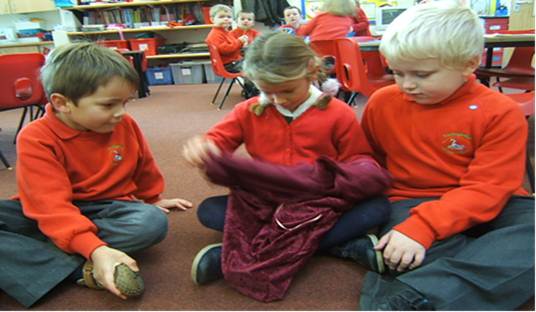
What’s in the bag and who does it belong to? Great Fire Smart Task
An object-based problem-solving approach to learning about life during the Great Fire This Smart Task is just part of a lesson and uses the power of concealed objects to fire…
Read More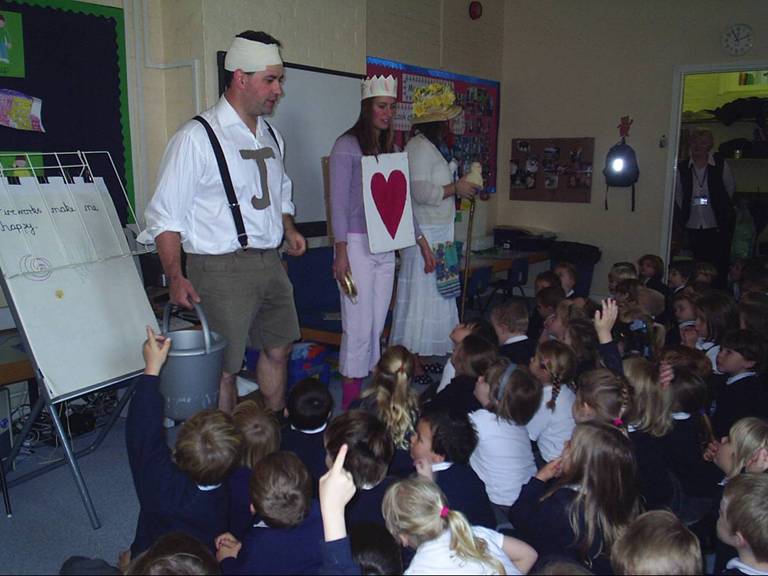
Using nursery rhymes to develop thinking skills in YR: Jack and Jill and the Queen of Hearts
This lesson was kindly provided by David Cowie and his team at Ringwood Infants C of E School. Their theme for a three week block was Nursery Rhymes. Particular sessions…
Read More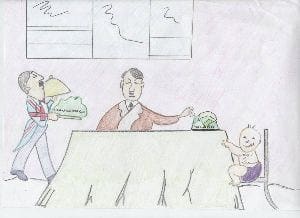
20 Imaginative products at Key Stage 4
This part of the site offers an initial short list of the best twenty products I have seen in the last couple of years. Wherever possible the brief description cross-references…
Read More
’50’ imaginative learning activities for history at Key Stage 3
Over the last 20 years I have seen some outstanding individual lessons. Usually the lesson was so good because expectations were high, and the activities chosen were not only appropriate,…

Learning in primary and secondary history : The 4 Ps, Gingerbread men and other thoughts on active learning
I have always favoured actively learning in history, not least because it frees the teachers to talk to individuals about the history they are studying. On the other hand, when…
Read More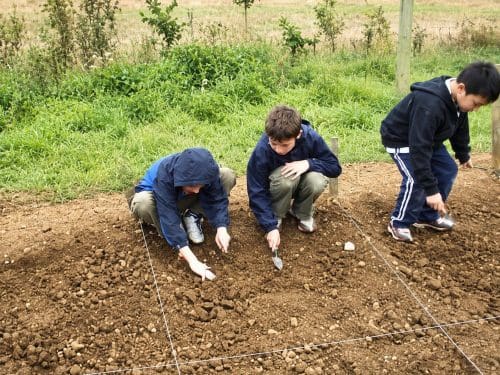
Roles of learners in history at Key Stage 2
One of the best ways of exciting young children in history is to put them in role. Dorothy Heathcote’s approach, called Mantle of the Expert, invests expertise in the pupils,…
Read More
20 creative products for history Key Stage 2
This section accompanies the ones on teaching and learning approaches. It offers you a few ideas you may not have tried for a while, or at least not within the…
Read More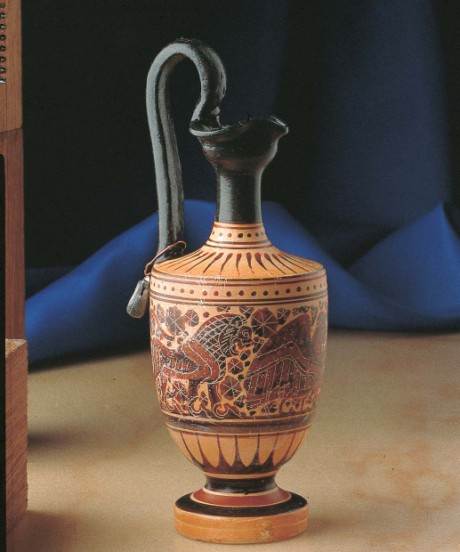
Ancient Greece: Short task on using Greek pots
What can I do with just one Greek pot in the resource cupboard? Collaborative and creative storyboarding At the core of this activity is the development of pupils’ creative imagination…
Read MoreSqueezing the sources dry: how to make the most of source work in GCSE history
The downloadable six page document on answering source-based GCSE questions: matching learning strategies to question type, summarises the best advice from the examination boards all in one place. It gives…
Read More
Expert Advice: Key Stage 3 and 4 – Using the 4 Bs
Using the 4 Bs to encourage independence You recognise the problem. No sooner have you set a piece of open-ended enquiry work with you initially as facilitator, than the hands…
Read More
Fit for purpose teaching Strategies at Key Stage 3
Personalising learning by establishing what students already know about a topic, before beginning teaching. Case study: Comparing students’ initial perceptions with their end-of-study study views of the First World War…
Read More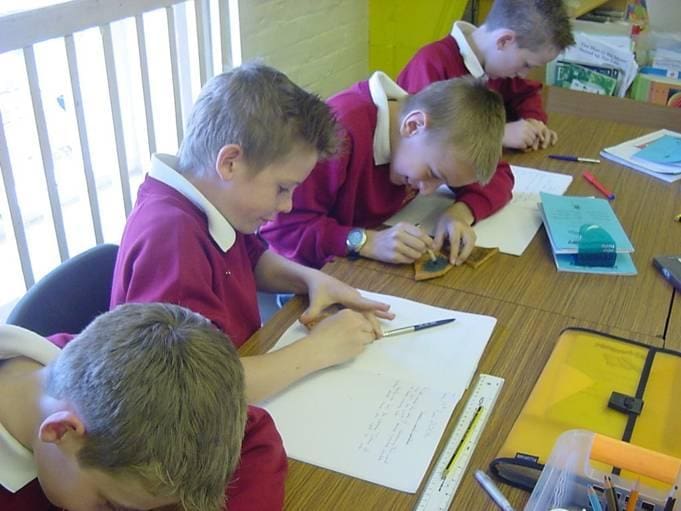
Imaginative learning activities at Key Stage 2
This section accompanies the ones on teaching and learning approaches. It offers you a few ideas you may not have tried for a while, or at least not within the…
Read More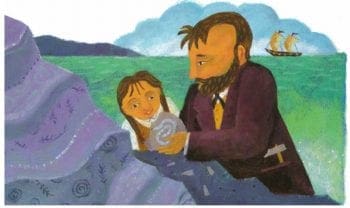
Expert Advice: Key Stage 1 – Mary Anning
She sells sea shells: planning a topic on Mary Anning, Dinosaur hunter, using the Anholt’s Stone girl, Bone girl “Would you like to go Dinosaur hunting? Well one young girl did…
Read More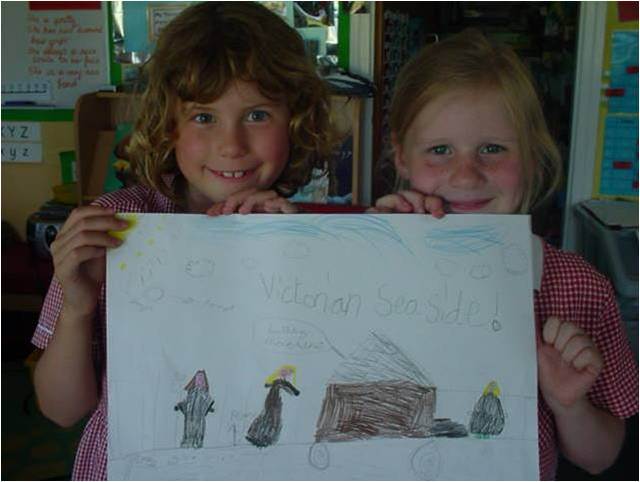
Expert Advice: Key Stage 1 – Planning for a cross-curricular topic on Going to the Seaside
This advice is for KS1 teachers planning a cross-curricular topic and focuses on how to integrate history, geography, literacy and ICT. Start the topic with a brief discussion with the…
Read More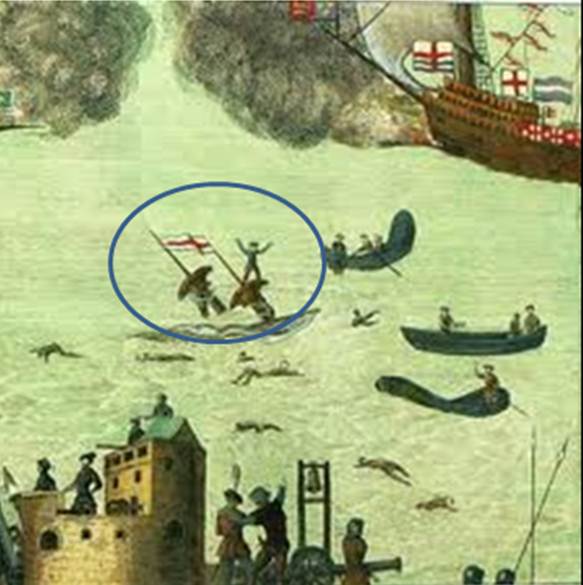
Why on earth did the Mary Rose, pride of the Tudor fleet, sink so quickly under the nose of Henry VIII himself? Home study option SMART TASK
A tightly structured series of activities on the reasons why the Mary Rose mysteriously sank which incorporates: a. A history mystery using evidence discovered in the last few years b….
Read More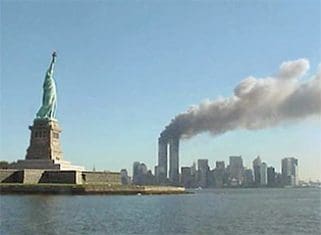
Teaching GCSE History: Terrorism and the Iraq war
This section is included mainly to help teaching of the new OCR’s History Modern World unit entitled A New Age 1948-2005 which deals with terrorism and the Iraq war. Centres…
Read More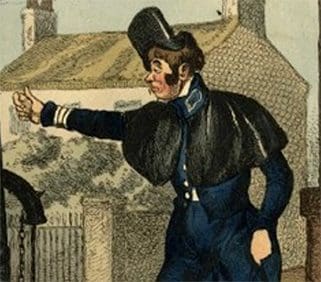
Why was the Metropolitan Police Force set up in 1829? Smart Tasks
This activity forms the central spine of a lesson on the reasons for setting up the Metropolitan Police Force in 1829. Students work in pairs to come up with a…
Read More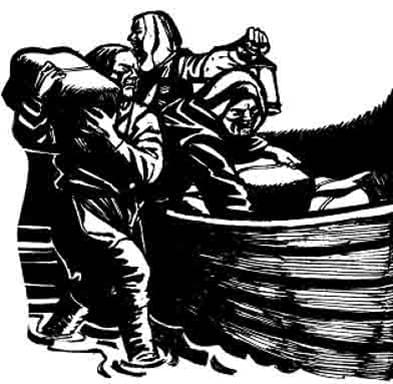
Crime and Punishment starter: Smuggling – SMART TASK
This simple smart task uses the rather unusual source of a famous Kipling poem to ascertain what students already know about smuggling and what they need to know. The lesson…
Read More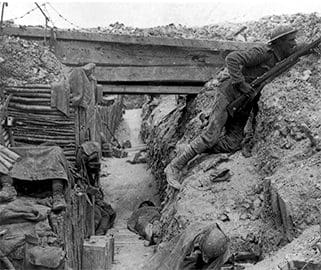
GCSE history : Medicine and World War One resource
This PowerPoint presentation , linked to clips from the film Battle of the Somme, is a must for those of you following Pearson/Edexcel GCSE history from September 2016. As you…
Read More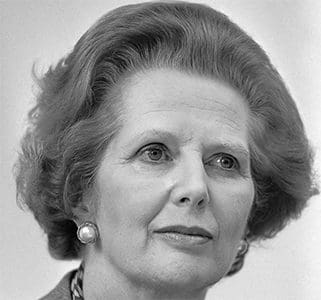
New A level resources for teaching Thatcherism
The BBC has recently archived 17 programmes, news items and documents which illustrate Thatcher’s image transformation from suburban housewife to strong leader on the global stage. The collection focuses on…
Read MoreRelevance in A level history
I’m sure many of you have felt exasperated, from time to time, with students who answer questions about the extent to which something was successful by including material which answers…
Read More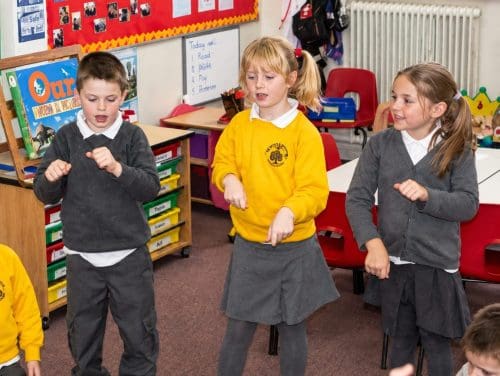
Past beyond Living Memory: Key Stage 1
Lessons and shorter activities. Please note that these lessons and smart tasks have accompanying resources to download and that most of the PowerPoint presentations on the site have been kept deliberately…
Read MoreWritten by Neil Thompson

All content on Keystage history is written and quality assured by Neil Thompson, a former history teacher, county history adviser and Ofsted inspector with more than 30 years’ experience in history education.