
Keystage history
Raising attainment in history at Key Stage 1
Experience of working with highly effective subject leaders over eighteen years has enabled me to distil SEVEN key factors that collectively contribute most to raising attainment. Factor 1: The school…
Read More
Self-evaluation for history at Key Stage 1 and 2
For Primary history subject leaders it is very important to get a clear sense of perspective on self-evaluation. I f you are not careful you will spend your very restricted…
Read MorePolicy and vision for history at Key Stage 1
There is much debate about the value of a history policy, not least how long it should be!! A couple of examples are provided here to give you a feel for…
Read More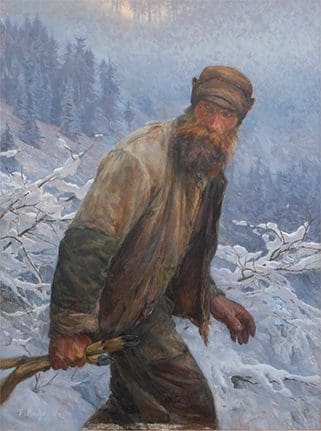
Poaching: Need or Greed? A 3 minute starter SMART TASK KS4
Throughout history, people have had different views of poachers. Were they: a. Starving labourers, snaring game to keep body and soul together, OR b. Members of gangs targeting places such…
Read More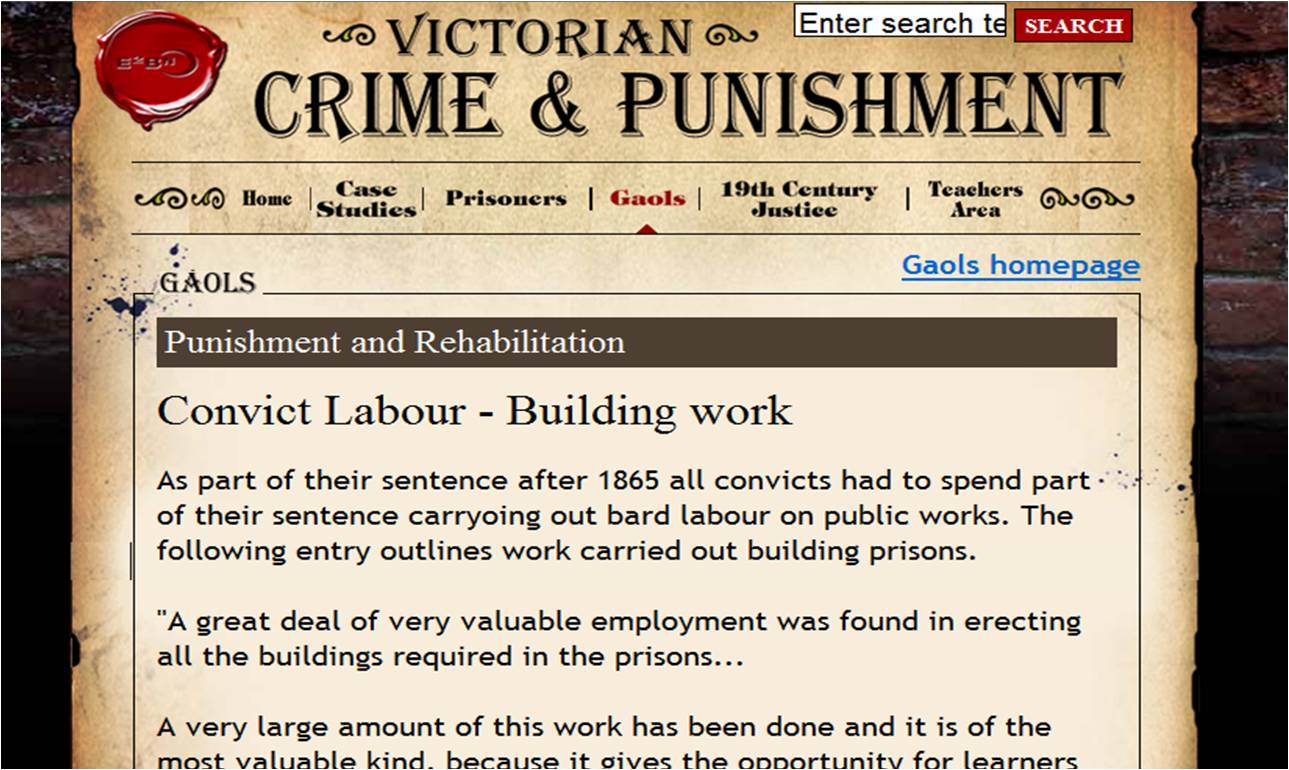
GCSE SHP Crime and Punishment: How and why did Victorian prisons change in the first half of Victoria’s reign
Introduction The Chief Examiner’s report for OCR made the following point: “A number of reports have identified 19C prison reform as an area of difficulty, because : a. there was…
Read More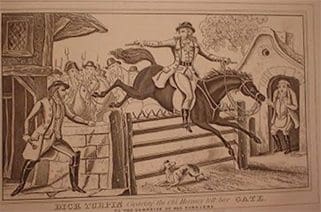
Would you have liked to have been a highwayman? Why would you have stopped?
In this lesson students have to persuade others to become a highwayman and then have to work out why they would have stopped. It is highly active, involving students in…
Read More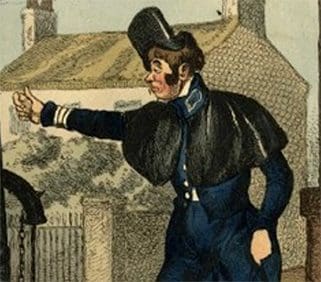
Posting punishments in periods: an active approach to creating overviews in crime and punishment
This lesson draws on, and extends, an idea developed by Ian Dawson at Trinity and All Saints College. Students work in groups to post punishment cards in the right period,…
Read MoreHow effective was the Metropolitan police force and how would we find out?
This enquiry-led activity focuses on students considering the possible evidence base, as well as knowing how to evaluate existing evidence intelligently. It starts with a humorous cartoon which is slowly-revealed…
Read More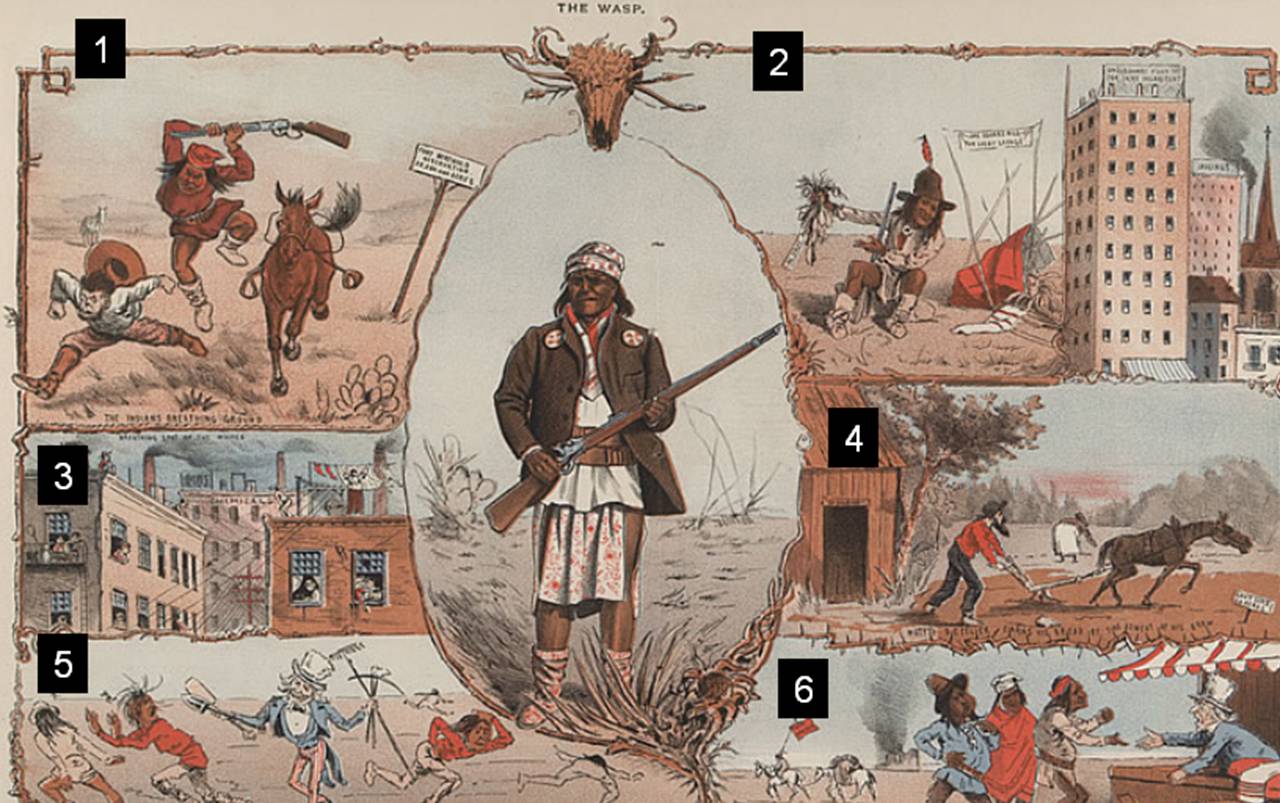
Attitudes of the US government to the native Americans: milking an image for meaning
The simple PowerPoint presents students with an image which has six separate panels for them to investigate. Only by exploring each in turn can the true meaning of the document…
Read More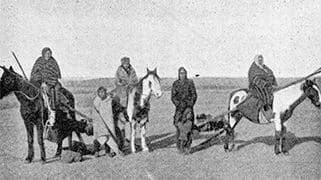
Why did the Indians lose control of the Great Plains? I want that for my essay SMART TASK KS4
Students work in pairs to answer a GCSE question. They have cards of relevant information to sort through to help prepare their answer. But there is a snag. The questions…
Read More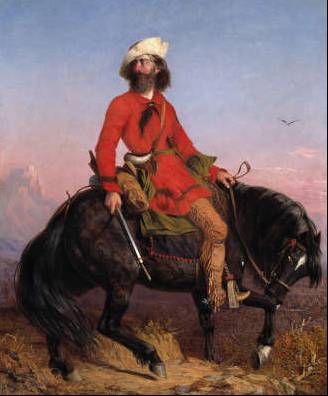
Mountain Men – Myth and Reality SMART TASK KS4
Having looked at the role of Indian trappers who had been supplying skins to British, French and Spanish traders on the Missouri river for decades, students now turn their attention…
Read More
Phases of Native American life on the Plains 1840-1890: What patterns can YOU see?
This lesson comes at the end of work the students have done on the Native Americans and their interaction with white settlers and the army. Students recall key events which…
Read More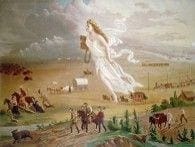
Manifest destiny: beat the textbook/expert caption
Students find this a fun lesson in which they not only consolidate their knowledge of the people who crossed the Plains but also present their understanding of the order in…
Read More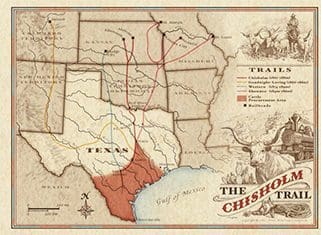
How can we explain the rise and boom in the cattle industry?
This enquiry starts with students posing 7 expert historical questions, stimulated by a graph. They then set about investigating their questions using a set of written clues supported by a…
Read More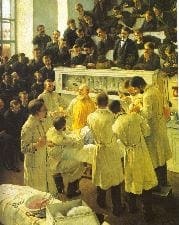
Changes in surgery; late 19th century: a puzzle. Can students use all the contextual clues to work out when it was painted?
This lesson was kindly provided by Barbara Seymour who trialled it when she was Head of History at John Hunt of Everest School, Basingstoke. This lesson follows on from the…
Read More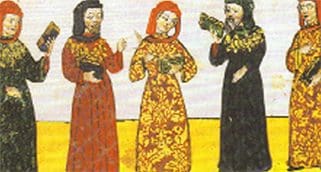
Who mattered most in medieval medicine? Who would you have on your textbook front cover from 1500?
One way of getting students to think about change and continuity in medieval times is to show them textbooks that were used at the end of the period. Instead of…
Read More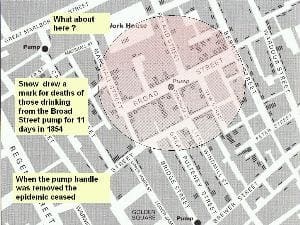
How did John Snow make the breakthrough with cholera?
This lesson focuses on problem-solving. Instead of simply telling students how clever John Snow was, or showing them a video explaining his breakthrough, students have to see if they can…
Read More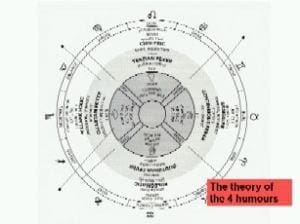
The impact of the theory of the four humours on medicine: the case of the three tadpoles!
This lesson was conceived, taught and evaluated by Simon Harrison, when he was an Advanced Skills Teacher, Swanmore Technology College in Spring 2007. Students have to consider ways of representing…
Read More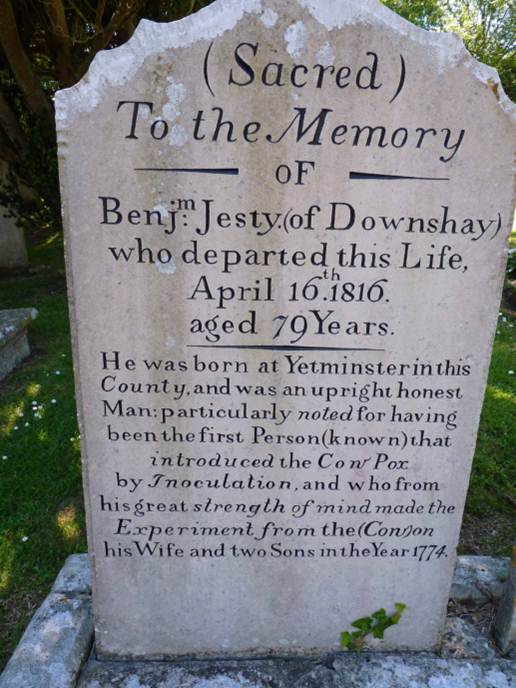
Who deserves to be remembered as the inventor of vaccination: Jenner or Jesty?
During this enquiry students work in two teams one using textbooks and websites to put forward the traditional claim that it was Jenner, the other using a wallet of resources…
Read More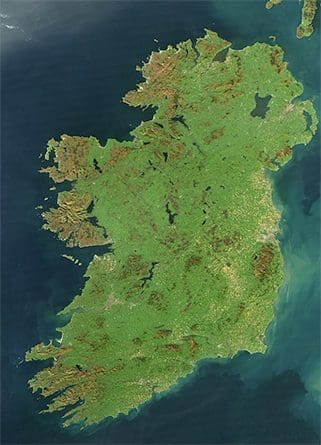
SMART TASK: Overview of Irish history; a question of perspectives.
This smart task looks at iconic moments in Irish history and then challenges students to think how well each event is known by the Catholic and Protestant communities. 1. Start…
Read More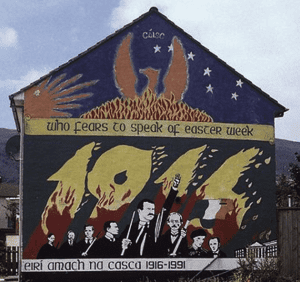
SMART TASK Key Stage 4: How should we remember the Easter Rising?
Recap This is the concluding lesson on the Easter Rising. If you want a good recap so that students hit the ground running this short Open University film fits the bill very…
Read More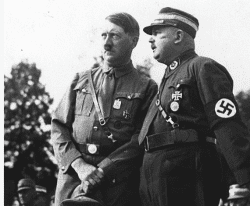
SMART TASK Key Stage 4: Why was Rohm murdered?
If Ernst Rohm was one of Hitler’s closest allies, as you can see in this photo, why then did he have him and other members of the SA murdered in…
Read More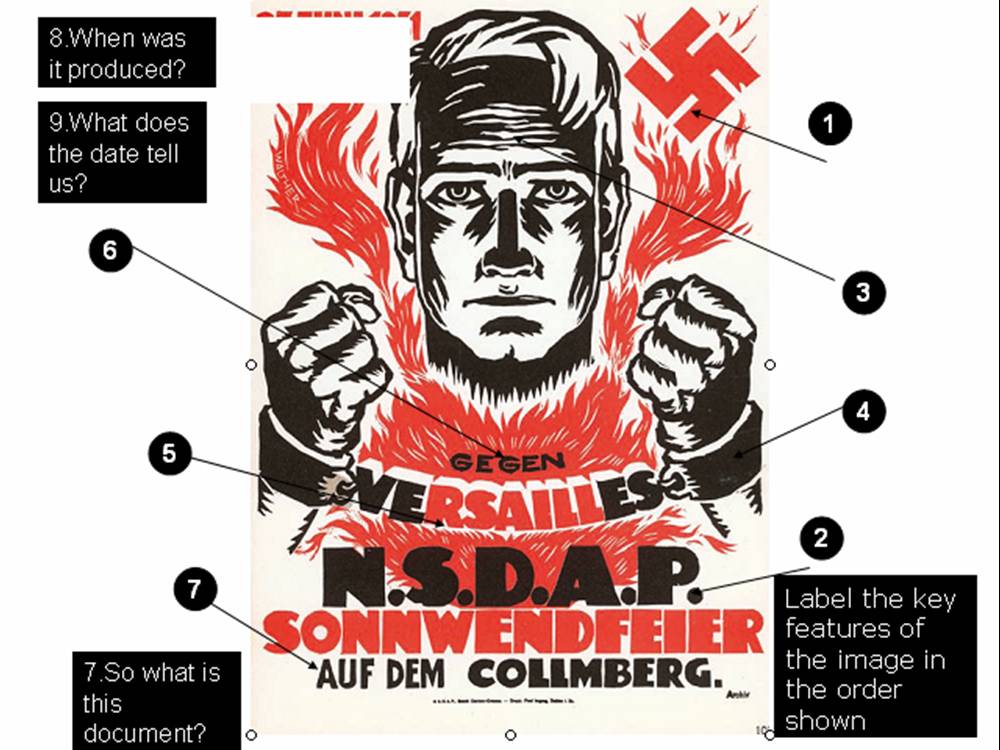
Treaty of Versailles: could it possibly be to blame for the Weimar Republic’s defeat nearly 14 years later?
This SMART task revolves around 6 slides on one PowerPoint presentation. It comes as a penultimate activity prior to students writing an extended answer to the question. The first slide…
Read More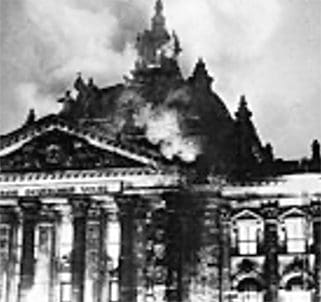
SMART TASK: Weighing up the evidence for who caused the Reichstag Fire
This task follows a more open-ended investigation of written sources on the Reichstag Fire. Most of you will already do this and there is no shortage of source material available. …
Read More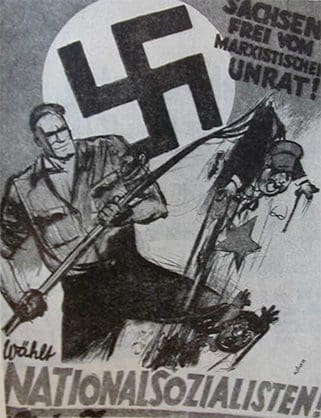
SMART TASK Key Stage 4: Working out what the election posters tell us about Who Voted Nazi
This simple task engages students in thinking for themselves why people voted for Hitler in the 1930s. It uses the simple but visually appealing medium of election posters. Students work…
Read More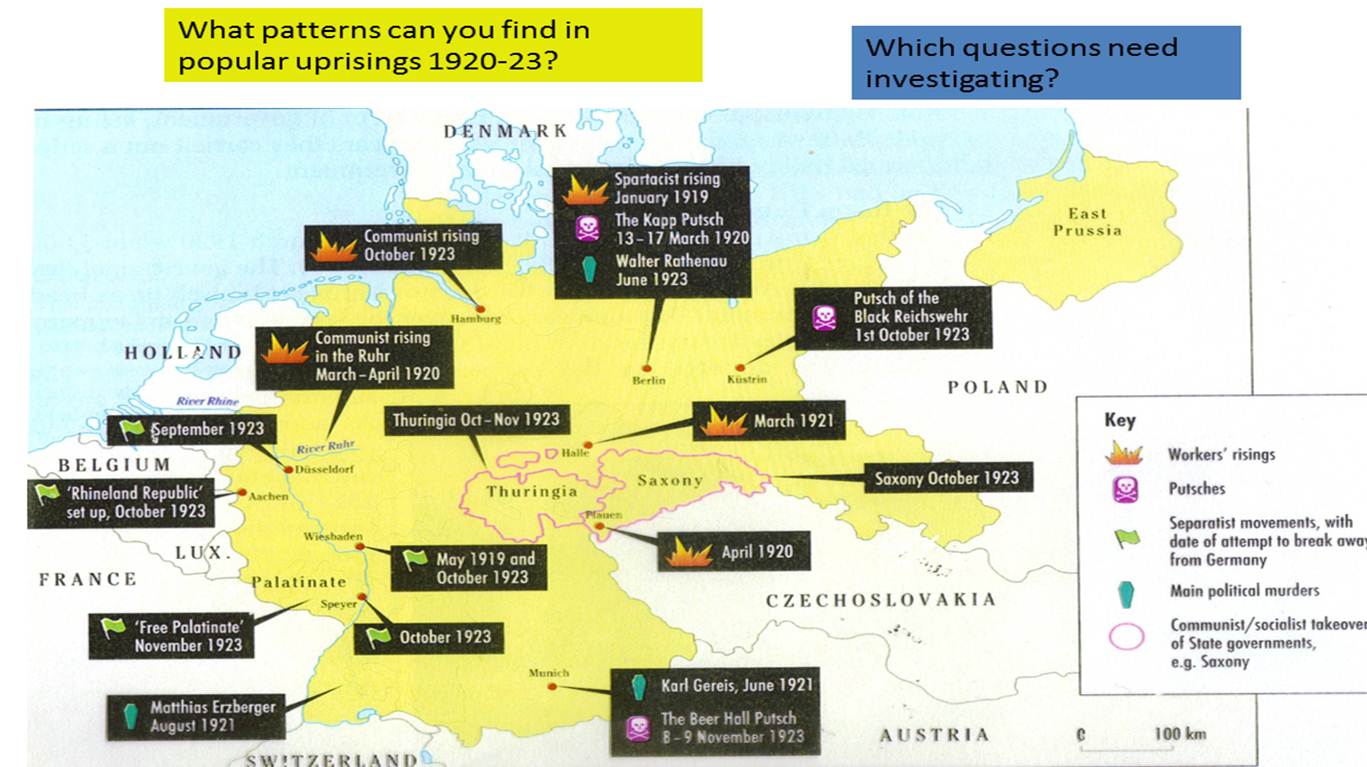
SMART TASK Key Stage 4: Germany 1920-23; problems facing Weimar
This activity was designed for more able students working towards a Modern World History GCSE in Year 10. It leads towards the election poster lesson that features on the outstanding…
Read More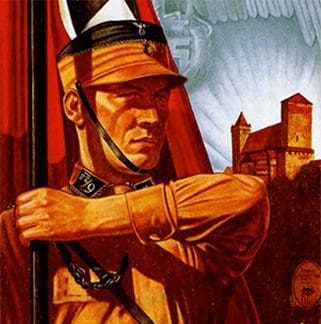
Was Leni Riefenstahl’s ‘Triumph of the Will’ a Documentary or Propaganda?
This Y10 lesson provides a very good balance between thought and activity. Having discussed the differences between a propaganda film and a documentary, students have to find as many as…
Read More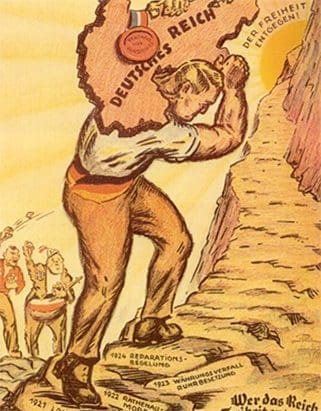
What were the main threats facing the Weimar Republic?
Students often fail to look carefully at ALL parts of a cartoon, photograph or poster. To help them to take all significant features into account, this image of an election…
Read More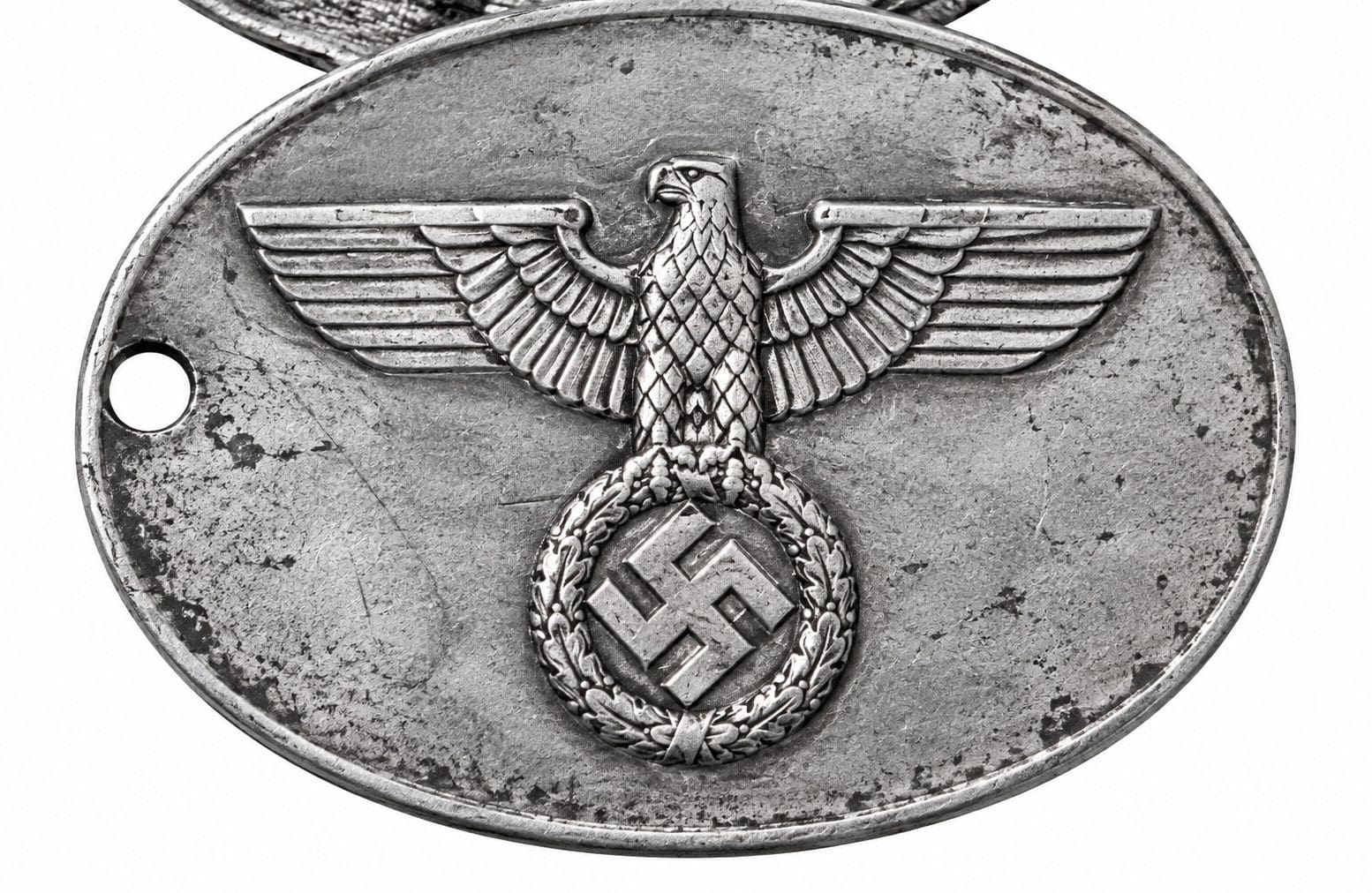
How much did the Gestapo really control people’s lives in Hitler’s Germany?
This enquiry-based lesson acquaints students with a live political controversy using an excerpt from ‘The Nazis: a warning from history’ video to stimulate students to consider how they would set about checking…
Read More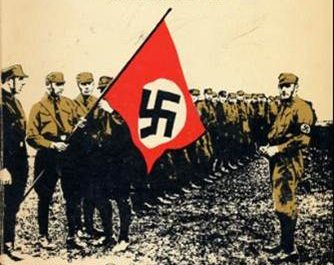
Did all Germans benefit equally from life under the Nazi regime 1933-45?
This GCSE lesson , which could also work at AS level, uses two principal activities, known as ‘market place’ and ‘spectrum’ to help students to work out how individuals, and…
Read More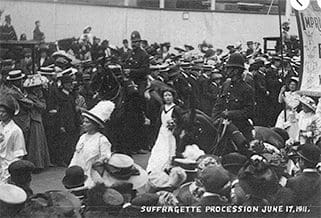
SMART TASK: A Suffragette procession: comparing the evidence
Whether you are studying the OCR unit, AQA or Edexcel you should find this activity helpful. The activity builds on an initial idea from the revised Edexcel Teacher’s Guide for…
Read More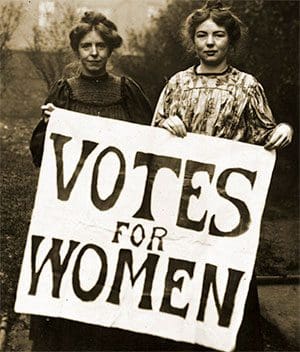
Why did some women get the vote in 1918? How do YOU see it?
This lesson provides an excellent example of active learning, combining thinking skills and work on interpretations. Students start with one historian’s construct. They have to read the historian’s mind, that…
Read More
How far did the Liberal government of 1906-14 improve the health of children?
This highly relevant lesson offers a major contribution to the Every Child Matters agenda on staying healthy, as well as picking up the Jamie Oliver’s school meals initiative. After a…
Read More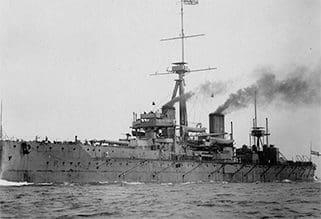
How serious was the German naval threat before the First World War?
This lesson launches an enquiry in which students work in teams to arrive at their own answer to this question. Following a very brief introduction, students are introduced to the…
Read More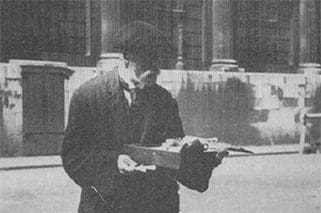
How have cartoonists portrayed the Liberals Old Age Pensions reforms?
This lesson takes a familiar cartoon but gives it an original twist. Instead of seeing the cartoon all at once, students see it in four separate parts, which in pairs…
Read More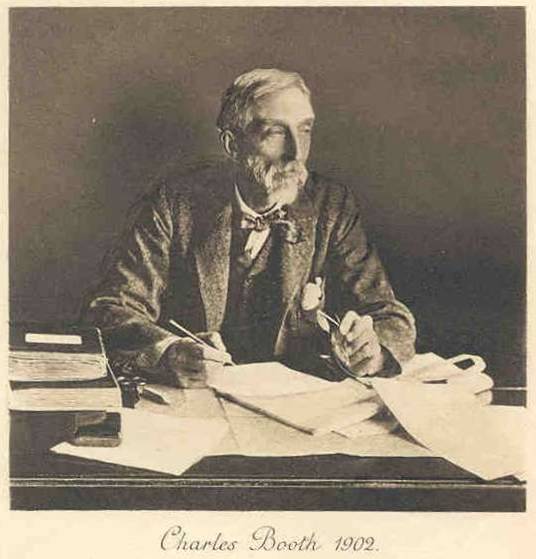
Reasons for reliability. How reliable a witness would Charles Booth make in an investigation into living conditions at the end of the 19th century ?
This lesson focuses on encouraging students to evaluate the testimony of just one man, Charles Booth. It opens with an analysis of the reasons why the Liberal government introduced its…
Read More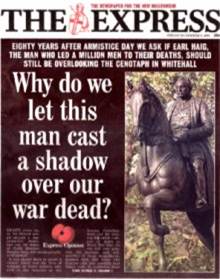
Should the statue to Haig be taken down from Whitehall?
This active lesson asks students to work in teams to weigh up the arguments for and against the proposal of the title. Initially students are either researchers or witnesses, i.e…
Read More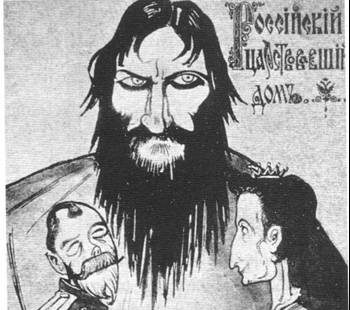
Downfall of the Tsar
This lesson, taught to a group of poorly motivated Y10 students followed a description of events leading to the February revolution of 1917. The overarching question was ‘Why was the…
Read More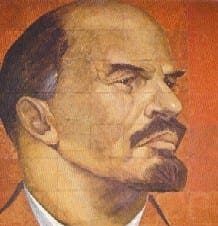
Lenin the Final Verdict
This lesson makes students active participators in the debate over Lenin’s contribution to the Russian Revolution. It comes at the end of the students study of the period 1917-24. Using…
Read More
Interpreting a political cartoon of Stalin
This lesson revolves around a cartoon annotation and inference activity leading to a detailed and authoritative caption. It concludes the unit of work on Stalin’s purges and is used as…
Read More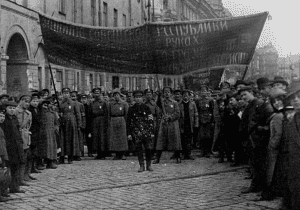
Why did the Reds win the Russian Civil War? A history mystery to explain why the reds were able to SLUG it out
This lesson encourages students to take their understanding of the events of the Russian Civil War to a new level by ‘making their own meaning’. They use history mystery cards…
Read More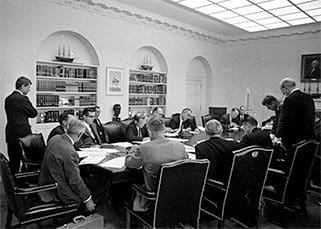
SMART TASK Key Stage 4 – Kennedy and the Cuban Missile Crisis
With the 50th anniversary of the Cuban Missile crisis in the news, it is worth spending time reviewing Kennedy’s reputation. Here is a short task to get GCSE students thinking….
Read More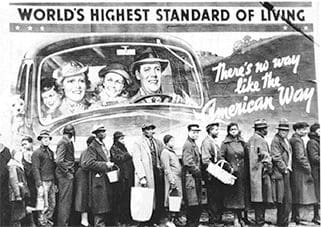
New Deal or No Deal? How has the New Deal been criticised?
This lesson is an active one in which students co-operate in order to put the best case they can against the New Deal. It is the first lesson on opposition…
Read More
Why was there a boom in the US economy in the 1920s?
This lesson was designed for Y10 students on the C/D borderline who were underachieving and were falling down on the factual recall required. The students were used to being spoon-fed…
Read More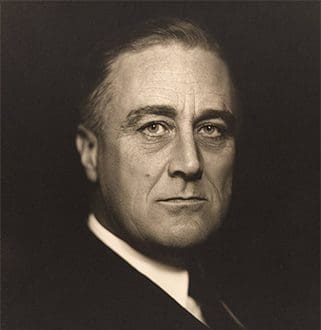
Roosevelt and the 1936 election: can you write his manifesto?
It is the year 1936 and Roosevelt wants to be re-elected. Students work in groups to create his campaign manifesto pulling together all the work they have done in previous…
Read More
Recommended Resources
The main headings focus on the historical background to Bloody Sunday and are organized as below. Division & Peace Ireland’s Bloody Past 1 – Lower Ireland’s Bloody Past 2 –…
Read More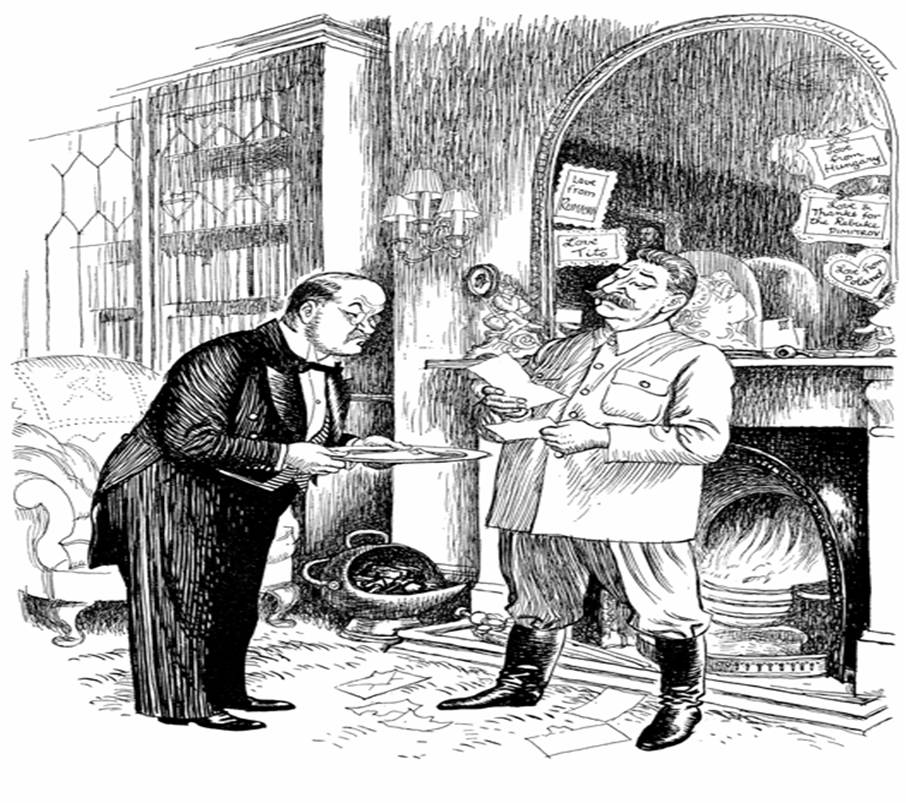
SMART TASK Russian take-over of Eastern Europe, 1946-9: Interpreting a political cartoon.
This simple activity encourages students to look at all the clues the cartoon provides, one at a time. As they work through them students discuss the nature of irony and…
Read More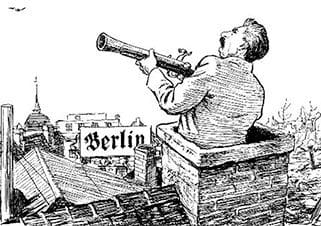
SMART TASK Key Stage 4 Deciphering a Cold War cartoon, using the slow reveal technique.
The interactive PowerPoint presentation of the famous Stalin’ The Birdwatcher’ cartoon encourages students to add layers of meaning as more and more of the cartoon is revealed. They then have…
Read MoreSMART TASK Key Stage 4: The Cuban Missile Crisis. Who was the real winner, Kennedy or Khrushchev?
Coming at the end of a study of the Cuban Missile crisis, students have to consider the ways in which the crisis might have been viewed by the USA and…
Read More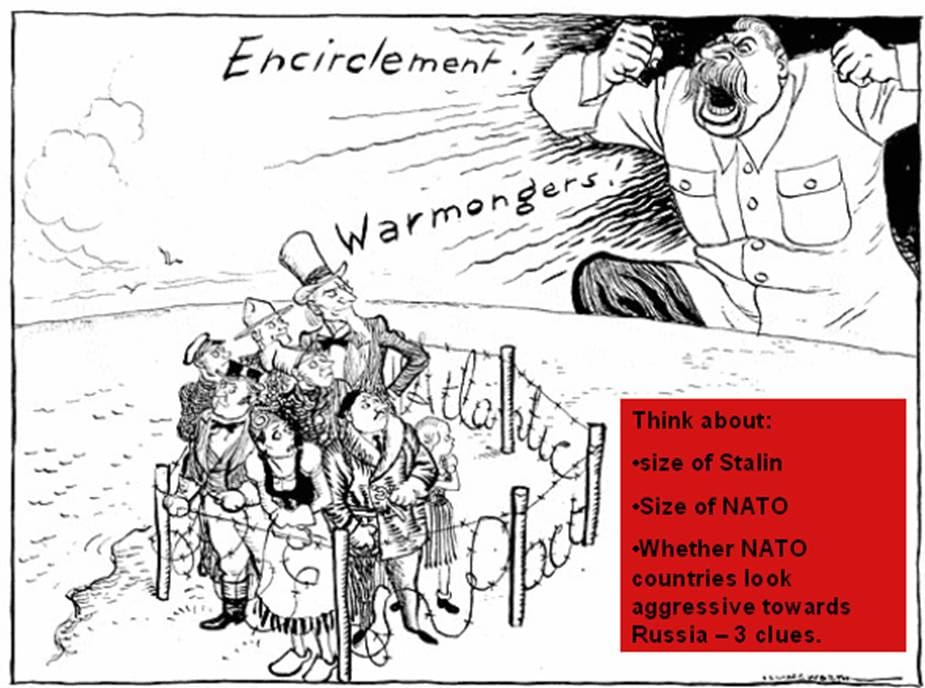
Who was more responsible for increasing Cold War tension between 1945 and 1949, the USA or the USSR?
This lesson challenges students to prepare a court case against both countries. The case against the USA will be made by one half of the class. That against the USSR…
Read MoreWritten by Neil Thompson

All content on Keystage history is written and quality assured by Neil Thompson, a former history teacher, county history adviser and Ofsted inspector with more than 30 years’ experience in history education.