
Keystage history
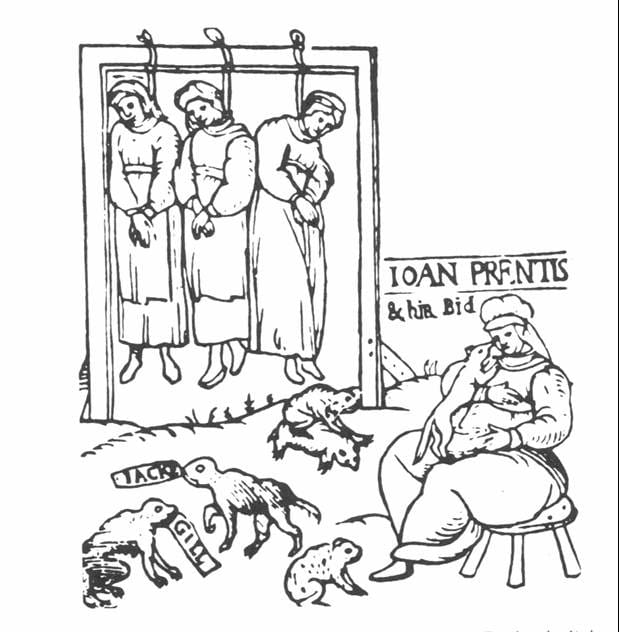
Why were so many witches hanged in the 16th and 17th centuries?
Can we beat the textbook explanation? The inspiration for this lesson came from the talented history department at Court Moor school and in particular the outstanding history subject leader Claire…
Read More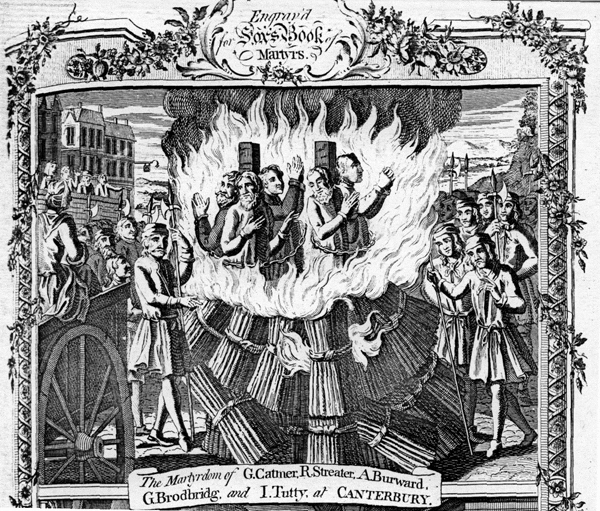
How ‘Bloody’ was Mary Tudor?
At the heart of the lesson is a courtroom trial. Pupils have to acquit Mary Tudor of the charge of being ‘Bloody’. They look together at the reasons why she…
Read More
Why did sons kill fathers in the English Civil War? The Verneys enquiry
Pupils in this Year 8 class had already looked at background causes of the English Civil War and had a clear grasp of the narrative of events 1625-42. They had…
Read More
Religious change in 16th century: did they do what they were told?
Historians have often treated the Reformation as if it was one big event. All Henry VIII did was throw a switch in 1529 and then gradually everyone changed religion until…
Read More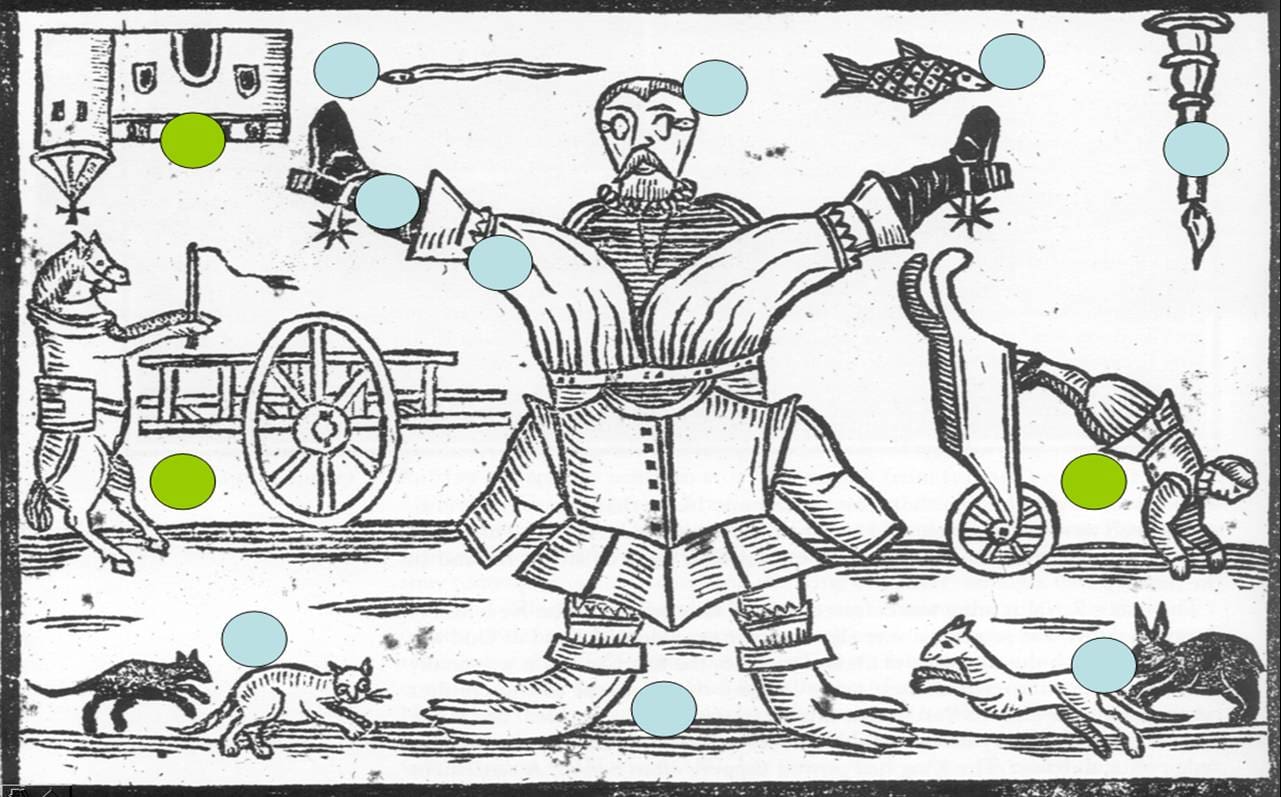
Parchment in the flames – the World Turned Upside Down
This lesson uses a familiar post-Civil War source in an unusually intelligent way to give Y8 pupils a good understanding of the need to interpret sources in their historical context. …
Read More
Did the Great Fire really end the Great Plague of 1665?
In this one-lesson enquiry pupils look carefully at statistics and maps in order to challenge received opinion. To do so they must raise as well as answer questions and need…
Read More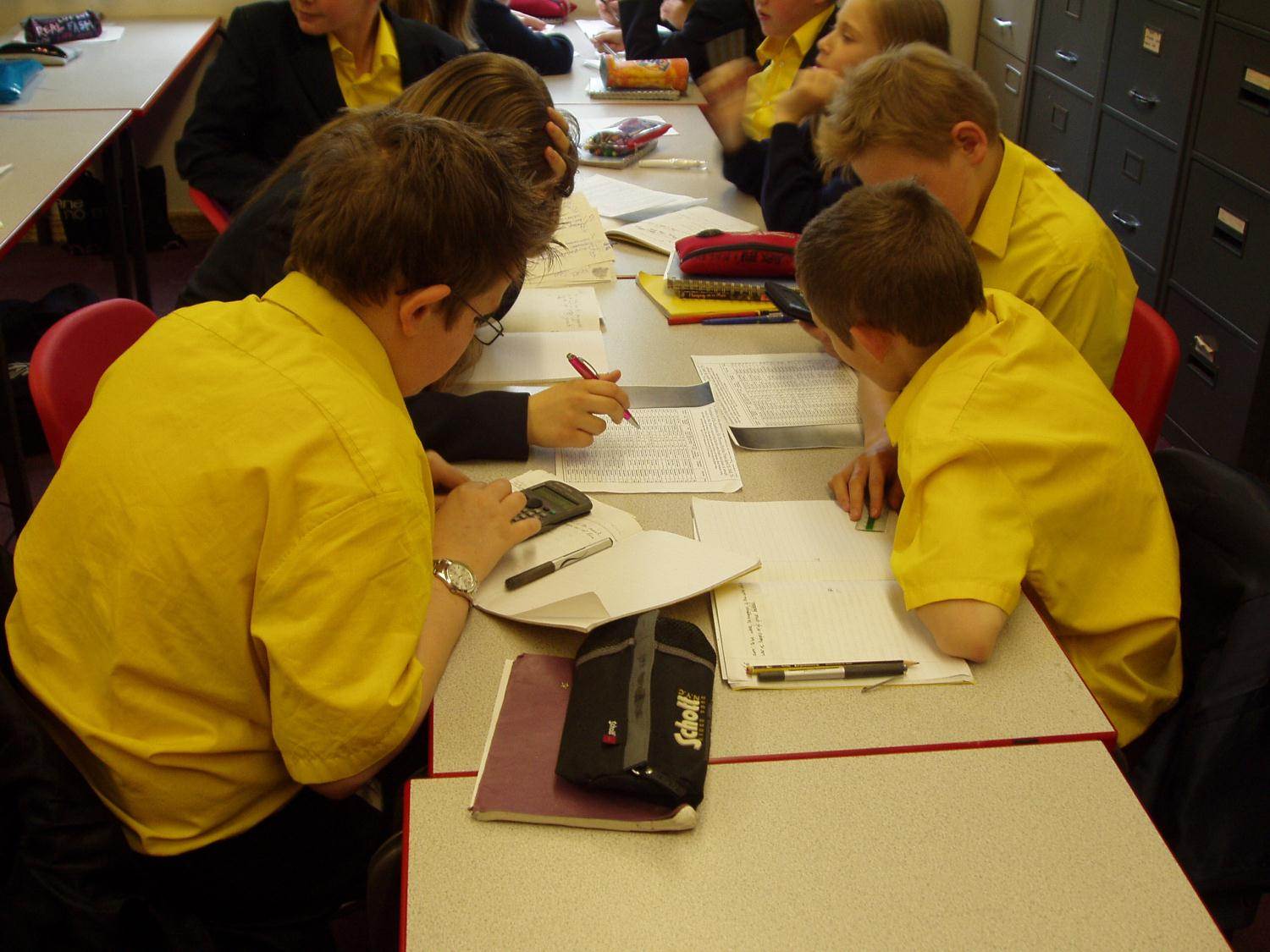
English Civil War enquiry: was the last year of the war more about sieges than pitched battles?
This enquiry lesson asks students to use a dataset about the last year’s fighting in the English Civil War to come to a conclusion as to whether it was a…
Read More
Why did Peasant unrest boil over into revolt in 1381?
Reasons for the Peasants’ Revolt This lesson uses the analogy of raising the political temperature, and then boiling over, to explain the Peasants’ Revolt. Pupils construct their own living graphs…
Read More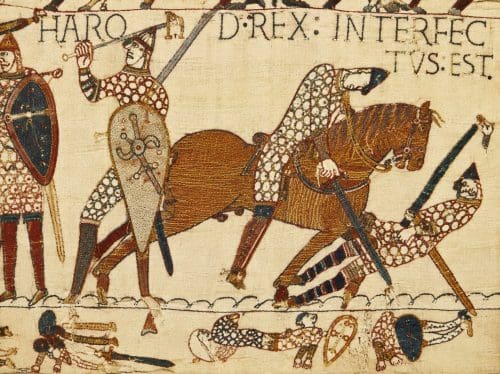
Did Harold really die with an arrow in his eye? – a reconstruction relay
In this activity pupils reconstruct the death scene from the Bayeux tapestry by means of a short, fun, reconstruction relay drawing activity. This is followed by an in-depth study of…
Read MorePeasant’s Revolt: If life for many medieval peasants improved after the Black Death why did they risk joining the Peasants revolt in 1381?
This is a thinking skills activity, a variant of a history mystery, in which pupils construct their own explanation of why individuals might have joined the rebel cause. Pupils will…
Read More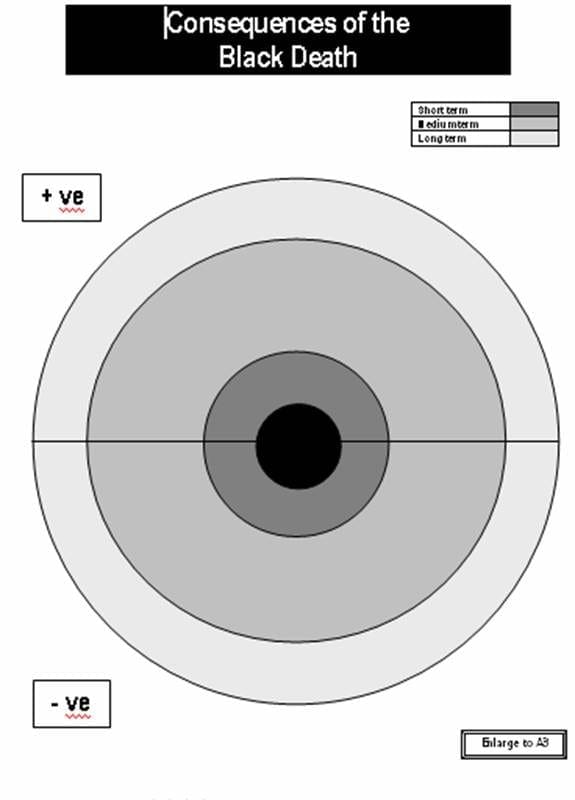
Was the Black Death a disaster for everyone?
This lesson is about the consequences of the Black Death. After an initial stimulus image, pupils are presented with a series of 10 predictions they have to make about the…
Read More
If Henry and Becket were such good friends why did Henry have him killed less than 10 years later?
This very active thinking skills lesson comprises three separate episodes. Firstly having listened to a brief teacher-told narrative, pupils have to sort events into the right sequence before going on…
Read More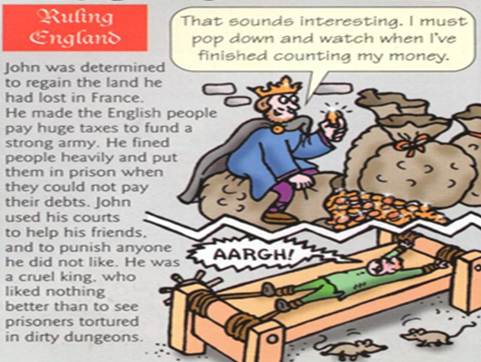
Daggers, money bags, clay pipes, scrolls, and torn up maps of France: putting King John on trial using a range of exhibits
Carrying out a trial of a controversial character is far from new. We have all tried it at some time. What makes this lesson stand out is the quality of…
Read More
Personalised learning in history at KS 3
This is certainly one of the key areas to be focusing on. Put simply, personalised learning and teaching means taking a highly structured and responsive approach to each child’s and…
Read More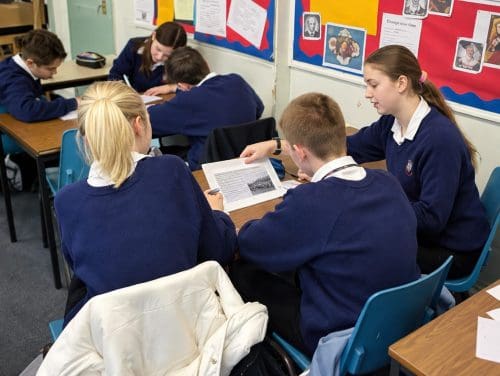
Gender issues in history at Key Stage 3
For all the research that has taken place recently to try to close the gender gap it is probably safe to say that gender and achievement is a complex area…
Read More
Gifted and talented in history at Key Stage 3
Provision for gifted and talented pupils has never been more in the spotlight than now. For all the work that has been going on for years, many schools are still…
Read MoreMotivating pupils in history at Key Stage 3
Much work has recently been done on engaging pupils in the early years of Key Stage 3, largely because of the so-called ‘performance dip’ in Years 7 and 8. Indeed,…
Read More
History for pupils with English as an Additional Language at Key Stage 3
Much of this article draws on the KS3 National Strategy document Access and Engagement in history: Teaching pupils for whom English is an additional language (DFES 0656/2002) and more recently…
Read MoreS.E.N. in history at Key Stage 3
We would all agree that history is a subject which is both accessible and has relevance to all pupils, including those with learning difficulties. Not only does it provide interest…
Read More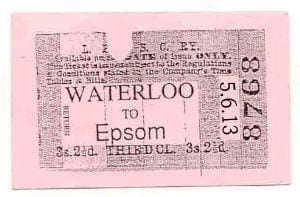
Using artefacts in your history teaching at Key Stage 3
In my experience pupils have less and less contact with historical artefacts as they move through the educational system. Whilst infants clearly need artefacts more because they cannot use many…
Read More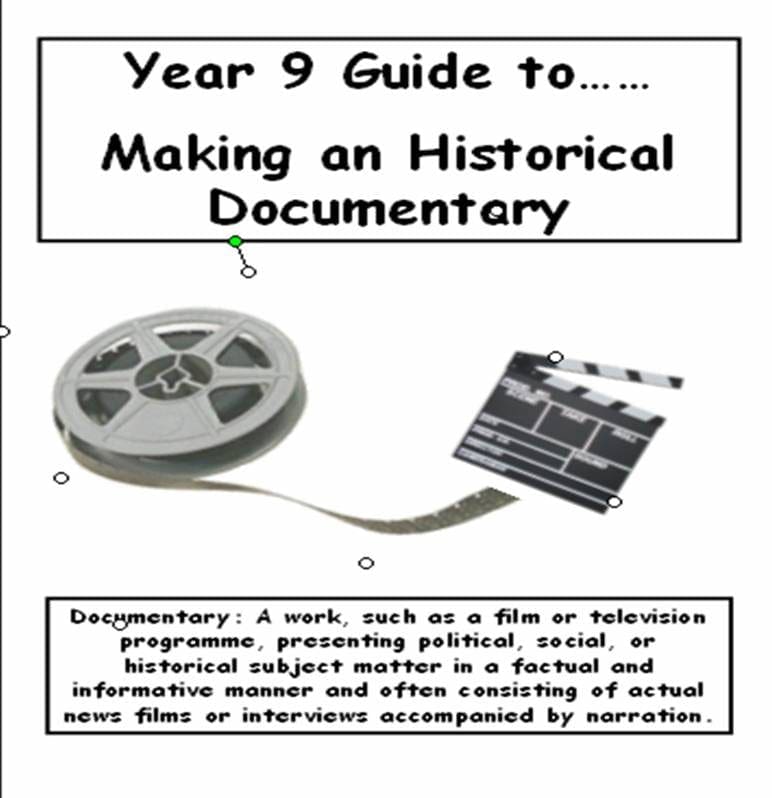
Teaching using ICT and film at Key Stage 3
You won’t be surprised to see ICT and film in the same section, but the breakthroughs in editing digitised film mean that most history teachers can now use film as…
Read More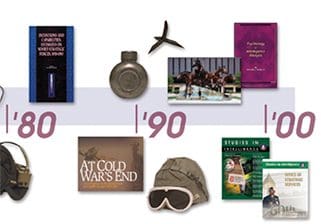
Teaching chronology at Key Stage 3
Much neglected for many years, the teaching of chronology is now back centre-stage. Already, leading thinkers such as Ian Dawson and Chris Culpin have produced lots of really helpful…
Read More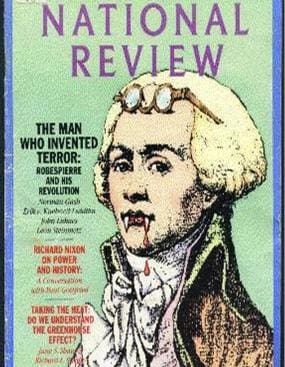
Teaching interpretations at Key Stage 3. Neglected and misunderstood
It came as no surprise to read in OFSTED’s report ‘History in the Balance’ that the ‘key element’ of interpretations was still relatively badly taught. Having been a central part…
Read More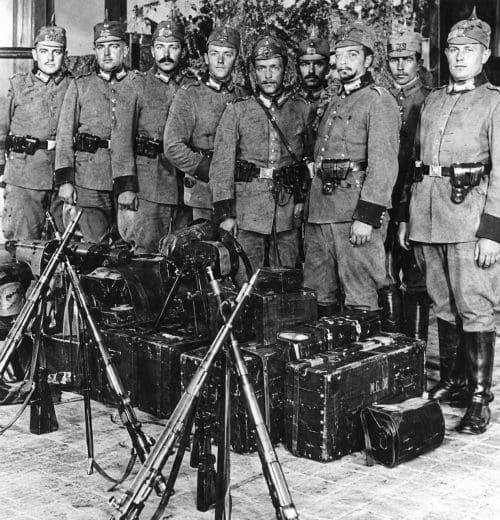
Teaching Enquiry at Key Stage 3
Pupils should learn how to identify and investigate, individually and as part of a team, specific historical questions or issues, making and testing hypotheses and reflecting critically on historical questions…
Read MoreFit for purpose teaching strategies in history at KS3
Having bright ideas for what might make a fun and interesting approach is one thing. Knowing when it is most appropriate to use them is quite another. Clearly the key…
Read MoreWhat to look for in excellent history lessons: Your starter for 12
It has been a while since OFSTED published any revised criteria. With the departure of chief history HMI Mike Maddison in 2014-5, I doubt very much that there will be…
Read MoreThe teaching process in history at KS3
With so much emphasis placed on the three-part lesson, due largely to the National Strategy, it is tempting to follow that simplistic model. Many do, and feel triumphant when they…
Read More
Progression in history at Key Stage 3
Most of you will have a fairly clear idea of what it means to ‘get better’ at history, and will have adjusted your schemes of work to ensure that the…
Read MorePupil Target setting in history at Key Stage 3
I still find this aspect of assessment troublesome. The curricular targets present few problems: the numerical ones certainly do. I am happy that I know what I want to say…
Read More
Judging pupils’ history work at KS3
Yes, it IS true. No more levels. Honest. What a weight off our minds. But be careful what you wish for. It still seems to be that many SLTs have…
Read More
Assessment tasks in Key Stage 3 history
The answer to key Stage 3 assessment in history This title is obviously tongue-in-cheek. Schools and departments must find their own preferred approach. So what I offer below is not…
Read More
Key Stage 3 teacher assessment: the 10 key principles
Most history departments were delighted to see the back of the crude and spurious NC levels. Instead of making as use these blunt instruments which have been misapplied to individual…
Read MorePrioritising at Key Stage 3
Most of you will have already carried out some form of self-evaluation and will have a shrewd idea as to what you need to do. Getting the priorities right, however,…
Read More
Developing your staff at key stage 3
The philosophy this site holds regarding teachers’ continuing professional development is summed up very neatly by the Assessment for Learning group, led by professors Black and Wiliam. Teachers will not…
Read MoreMonitoring in history at Key Stage 3
This is a very significant section of the site as it embraces so much of a subject leader’s role. As you’d expect the areas covered are: Purposes of monitoring Tracking…
Read MoreRaising attainment in history at Key Stage 3
In many ways it is harder to raise attainment at KS3 than at KS4 and not just because of non-specialist teaching or lack of curriculum time. Often it is difficult to…
Read MoreSelf evaluation in history at Key Stage 3
Ofsted does not require self-evaluation to be graded or provided in a specific format. Any assessment that is provided should be part of the school’s business processes and not generated…
Read MorePolicy and vision in history at Key Stage 3
Everything you do as subject leader sends off messages about your passion for the subject and desire to ensure that all pupils get the best education possible in history. This…
Read More
Long-term planning in history at Key Stage 3
Long-term planning must be much more than listing the topics to be covered. It must identify the main depth studies and overviews. It must show how the key skills, concepts…
Read More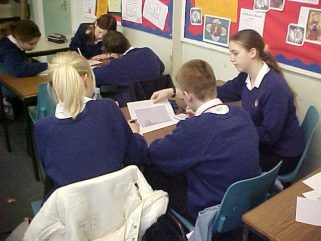
Medium term planning in history at Key Stage 3
It is rare now to find history departments who do not use key questions to plan their history work/enquiries. The best way to use them is to ensure that the…
Read MoreShort-term planning in history at Key Stage 3
My view about short-term planning at Key Stage 3 is simple; keep it short. If you are following a detailed medium-term plan, as you should be, then most of the…
Read More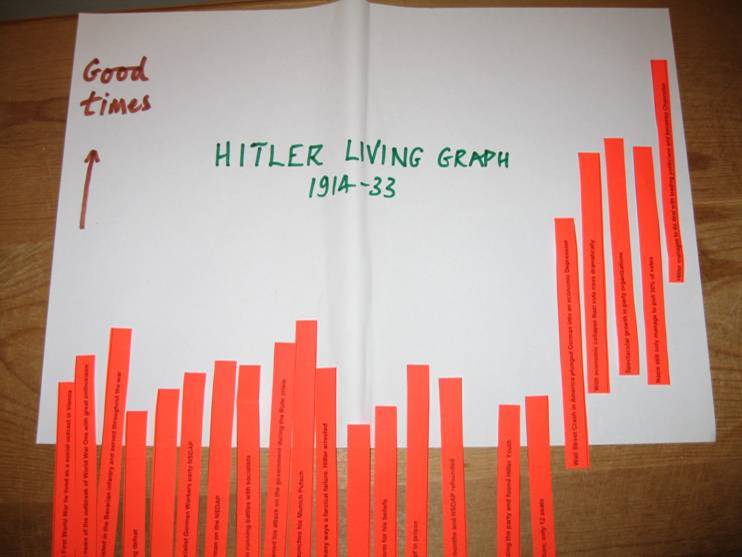
Creativity in History at Key Stage 3
You will find examples of creativity in most of the Outstanding Lessons on the site. Often these are the product of a creative approach or working towards a creative product…
Read More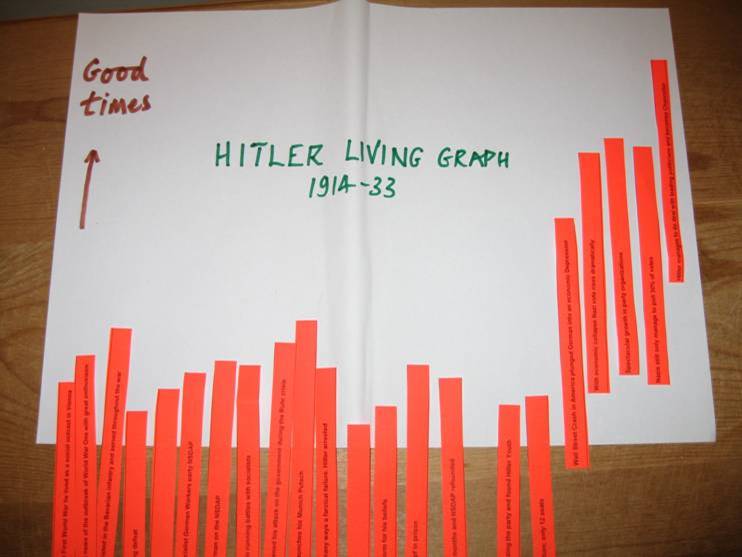
Thinking Skills in history at Key Stage 3
Although many aspects of the Key Stage 3 strategy have not necessarily placed the emphasis where I would have liked for history, I think that the two aspects of Thinking…
Read MoreWhat is history?
This is such an enormous topic and would fill the complete site. All I want to do is to offer a clear view of what history in schools should be…
Read More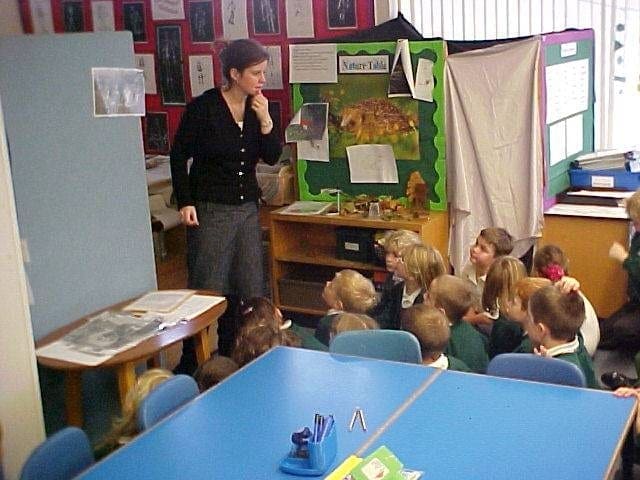
The Gunpowder Plot : a moving story
This is an account of a lesson taught by Sarah Duck, now a Leading Primary Teacher. She combined high quality story telling with drama to ensure that all children in…
Read More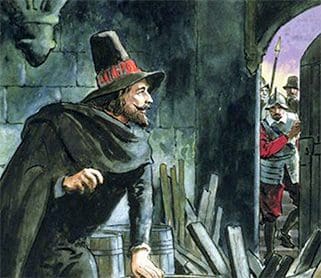
The Gunpowder Plot: Prove it using a gallery of images
This skilfully differentiated lesson places pupils in the role of detectives that have to find evidence to back up statements that have been made about the Gunpowder plot. They are…
Read More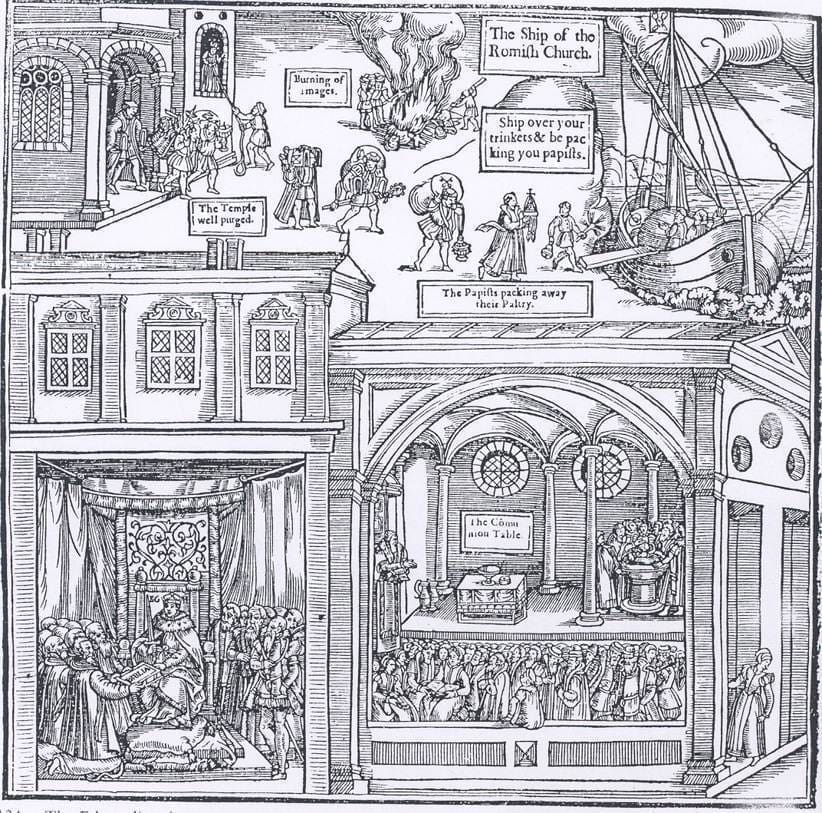
Starter activity on religious changes in the reign of Edward VI. SMART TASK KS3
A quick small group starter task in which pupils collaborate to show what meaning they can make from an image taken from Foxe’s Book of Martyrs. They use the PowerPoint…
Read More
How significant was Magna Carta? SMART TASK KS3
Pupils have been commissioned to produce two brief podcasts for the British Library website aimed at a teenage audience. The first podcast is to last 100 seconds and must explain…
Read More
Teaching Primary History: Life in Britain 1930-1945 at Key Stage 2
Inexplicably axed by Gove from the 2014 curriculum, my advice is to carry on teaching this highly successful unit focusing on the Home Front. You can shave time from other…
Read More
Teaching In Living Memory to Key Stage 1
Within living memory is one of the periods of time KS1 pupils need to study. At first sight it might seem obvious that this is the period best suited to…
Read MoreWritten by Neil Thompson
All content on Keystage history is written and quality assured by Neil Thompson, a former history teacher, county history adviser and Ofsted inspector with more than 30 years’ experience in history education.