
Keystage history
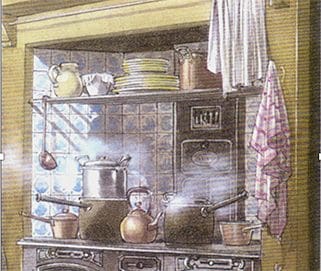
Polly put the kettle on. Learning about then and now, past and present
This is one of a series of 3 separate sessions on different nursery rhymes, building up children’s understanding of the concept of past and present and giving them a vocabulary…
Read More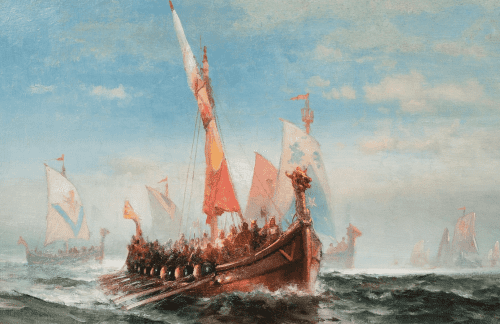
Great short 5 minute video on Vikings guaranteed fun!

If you’re looking for a clever, funny and informative overview of the Vikings that your Y5s will really enjoy go to History Bombs which you’ll find , for free, on…
Read More
Bonfire Night when Granny was a girl: Smart Task
These activities have been designed for the current curriculum, covering the past within living memory and commemorative events. The three PowerPoint presentations, including copyrighted images of the 1950s and early…
Read More
Ancient Greece – KQ6 Part 3 – How Great is your Greek?
Pupils have to select a team of 11 Great Greeks. They do this by preparing and then evaluating 14 different presentations about 14 Ancient Greeks as explained on slide 2…
Read More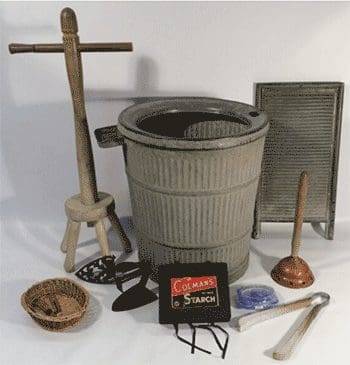
Washday in the past; helping the hopeless Mr Lather
The children will be familiar with the range of processes involved in washing clothes in the past. They will have watched programmes such as Magic Grandad and will have explored…
Read More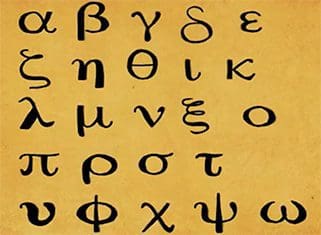
Ancient Greece – KQ6 Part 4 – What did the Greeks do for us? Evaluating the video
This task puts pupils in the position as evaluators of a BBC film: BBC Bitesize – Watch: What did the ancient Greeks do for us? Instead of taking everything the…
Read More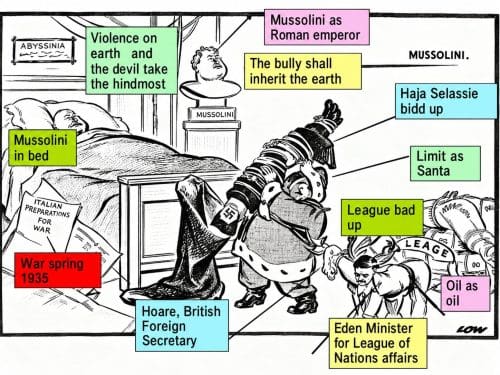
The learning approach in history at Key Stage 4
Learning in Key Stage 4 history lessons is nearly always good but rarely is it outstanding. Because we are so aware of the examination requirements and the need to induct…
Read More
Learning Activities: Key Stage 4
Most evidence of history teaching at Key Stage 4 comes from OFSTED reports which repeatedly paint a picture of highly competent teaching but rather restricted learning. Students are taught effective…
Read More
Learning at Key Stage 3
This section of the site has been designed to bring greater variety to learning and to work towards making pupils more independent learners. OFSTED’s surveys of secondary history teaching, History…
Read More
Independence History at KS3 and GCSE
Independent Enquirers Learners can develop as independent enquirers when they are provided with opportunities in history to: explore for themselves events, issues or problems from different perspectives and consider the…
Read More
View of learners in history at Key Stage 3
With the increasing emphasis now being placed on the ‘pupil voice’, it is important that we make use of feedback from pupils to inform our teaching to improve their learning. …
Read MoreRoles for Learners: KS3
In addition to thinking of imaginative and motivating activities for our lessons, it is often helpful to think about the roles give to pupils. Dorothy Heathcotes’ excellent work on the…
Read More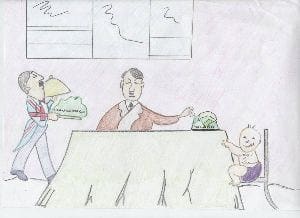
20 Imaginative products in history at Key Stage 3
This section is included to jog your memory about the range of outcomes that might be expected and to promote even more imaginative thinking. None of the ideas here claims to…
Read More
The learning process at Key Stage 3
Far from being ‘just theory’, understanding how children learn in history underpins all the decisions we make in our classrooms. It informs planning, differentiation, assessment, views on progression and, above…
Read More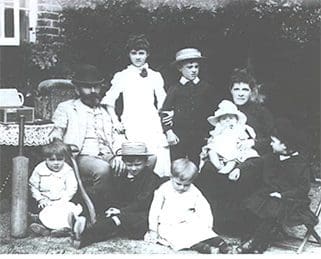
Using a Victorian census to discover what life was like 100 years ago SMART TASK
There are 4 separate ways of approaching this topic, each becoming increasingly more ambitious. Stage 1 only is featured below. Stages 2 and 4 are suggestions using your own local…
Read More
Digital Technology, AI and Film in history at Key Stage 2
You may think it surprising that film and ICT appear together and not separately. With the advent of digitisation and easy manipulation of images, including moving images, using computers the…
Read More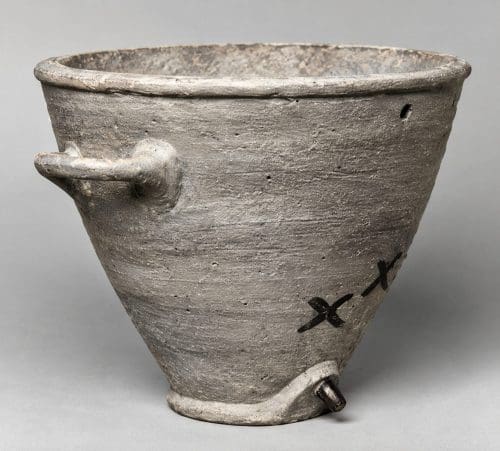
Strategies for using artefacts in teaching history at KS2
Nobody would seriously doubt the value of using artefacts in history at Key Stage 1, but at Key Stage 2 they are used far less regularly. In part, this reflects…
Read More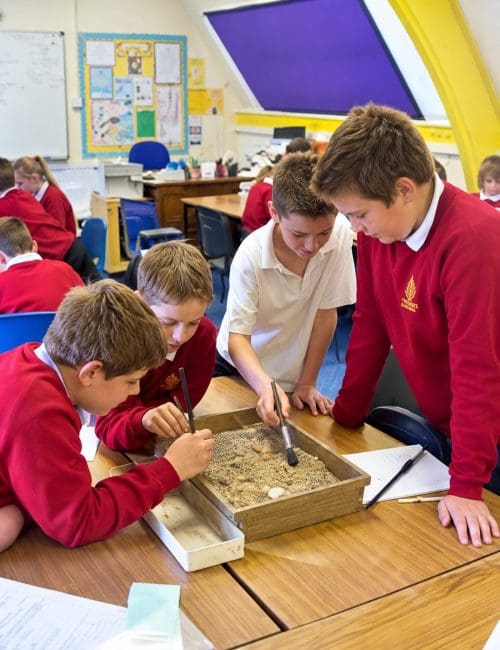
Teaching Interpretations at Key Stage 2
Although challenging, teaching interpretations in history at KS2 level is immensely rewarding when you see the ‘penny drop’ in pupils’ minds. It is hard because it is abstract. It is…
Read More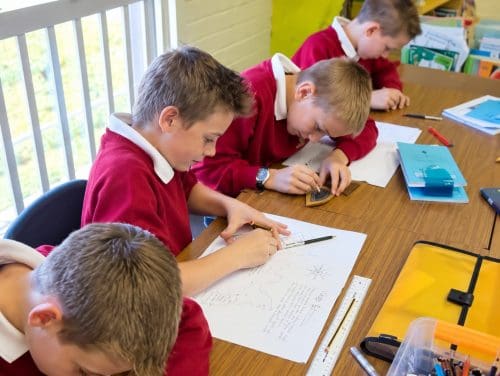
Teaching enquiry in history at Key Stage 2
You will hear a lot spoken about historical enquiry, but very little written down and easily accessible. Given its central importance to an understanding of the nature of history, this…
Read More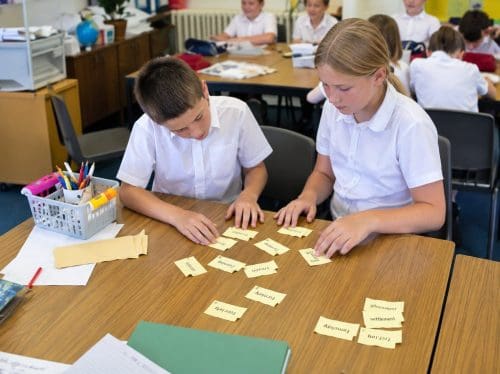
Fit for purpose history teaching strategies at Key Stage 1 and 2
As primary schools have been so heavily criticised by OFSTED for failing to select strategies that are fit for purpose, I thought it would be helpful to show the range…
Read More
What makes an outstanding history lesson at KS2?
With very little national guidance now coming from OFSTED by way of revisions to the subject-specific criteria for outstanding primary history, we have to fall back on the survey reports…
Read More
The teaching process in history at KS2
Key Stage 2 history teaching is often unfairly caricatured as a teacher telling interested pupils lots of interesting stories: fun at the time, but of little lasting benefit. We need…
Read More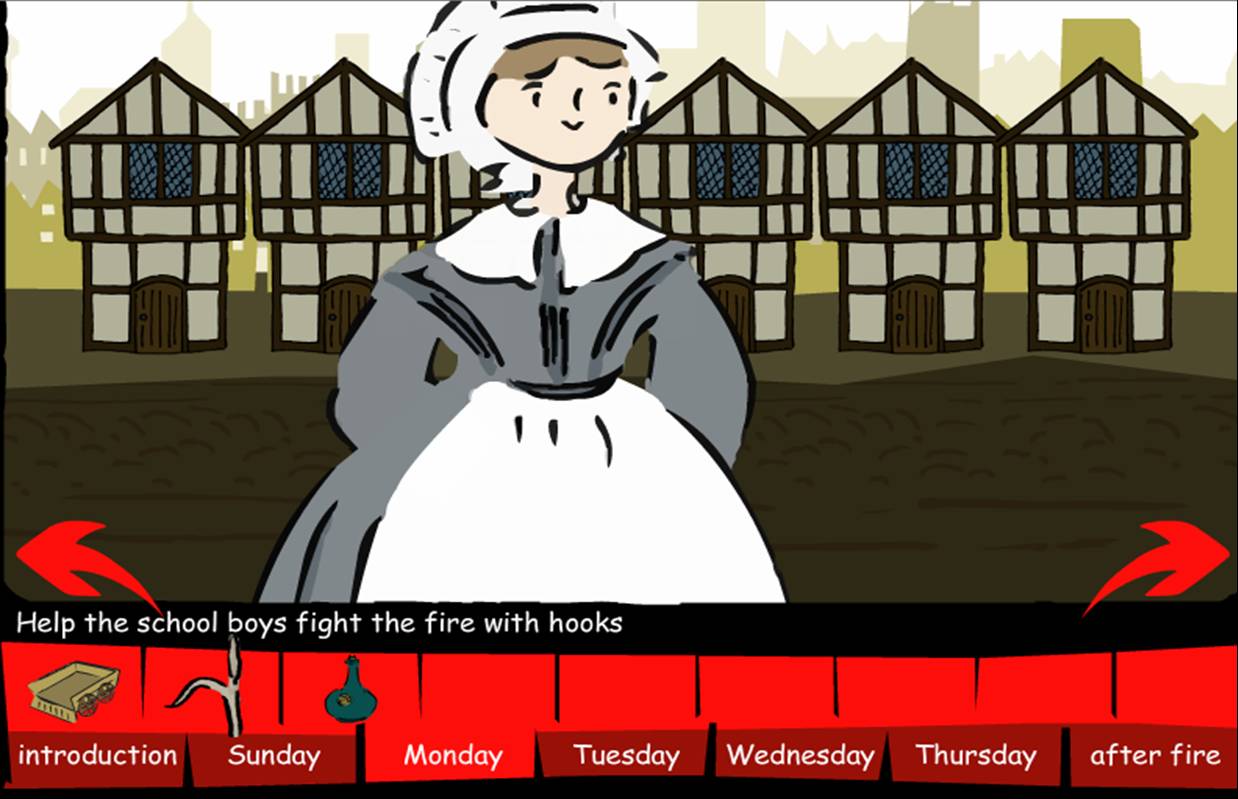
Help Tom to fight the Great Fire. Smart Task
This ICT based activity draws heavily on the superb new website created as a joint enterprise by the National Archives, National Portrait Gallery, Museum of London and London Fire Brigade…
Read More
Long-term planning at Key Stage 2
. How do I create a carefully chosen, well-sequenced long-term HISTORY plan ? There are a number of important decisions that need to be taken before you can begin your…
Read More
Short-term planning in history at KS2
As a rule, this site does not recommend the publication of short-term planning, preferring instead to focus on very detailed medium-term plans and allowing teachers space to create their own…
Read MoreHistory and literacy at Key Stage 2
Although OFSTED still points out that opportunities for exploiting the link between history and literacy are still being overlooked, the situation is improving. This is partly due to the fact…
Read More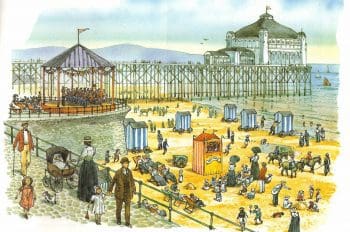
KS1 : Going to the Seaside-the mystery of the pier
One of the more interesting features of the Seaside holidays topic is the fact that it opens up discussion, even for young children, on what these novel features were built…
Read MoreViews of learners in history at Key Stage 2
There has been very little published research on the views of KS2 pupils on their history work, other than lots of ranking activities which place history at, or near, the…
Read MoreThe learning process in history at KS2
Given that this site specialises in giving practical support to busy teachers and subject leaders, you may be surprised to find a section on the theory of learning. Well, don’t…
Read More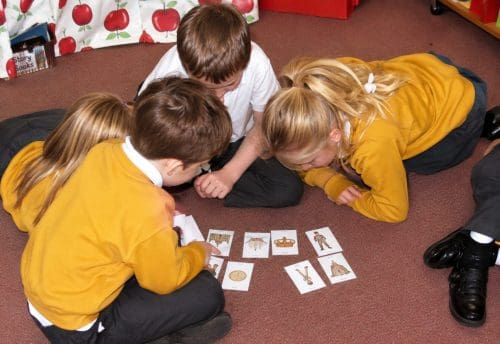
Roles of learners
One of the best ways of exciting young children in history is to put them in role. Dorothy Heathcote’s approach called Mantle of the Expert invests expertise in the pupils,…
Read More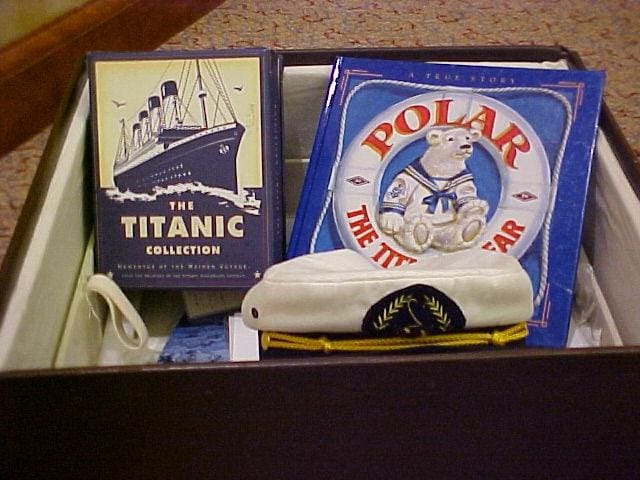
Imaginative history outcomes at Key Stage 1
A key part of motivating infants in history is providing interesting practical products that really stimulate their interest. When so many young pupils naturally find it difficult to communicate their…
Read More
50 imaginative history learning activities for KS1
This ground-breaking section offers a massive range of ideas, arranged in alphabetical order. Some of the titles may seem a bit esoteric but experience of working with hundreds of teachers…
Read More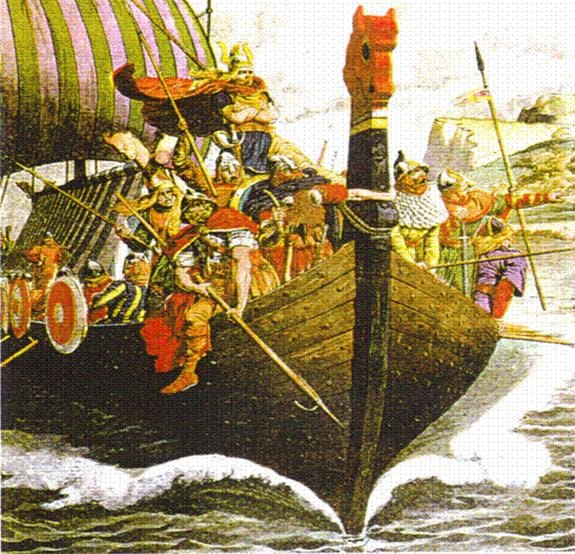
Are we fair to the Vikings? A question of interpretation. SMART TASK KS2
Pupils are shown a range of stereotypical images of Vikings, using slides 2 and 3. This should be used to build up a set of adjectives that are normally associated…
Read More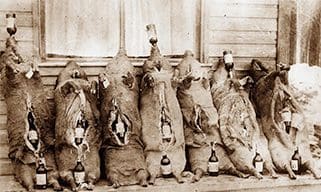
When Prohibition was so popular when it was introduced, why had it failed within 12 years? SMART TASK
In this varied series of activities, students predict from pictures, categorise influence cards, and create a tweet before structuring an answer that will impress a GCSE examiner. Starter Project slide…
Read More
Raising attainment at Key Stage 4
This section of the site contains four different types of advice. There is general advice, outlining factors that usually explain success at GCSE and a short paper entitled ‘Smoking Out…
Read More
Italian foreign policy-outstanding lesson
At what point did Mussolini seem to side more with Germany than with Britain or France? Students arrive at the lesson having familiarised themselves with key events of Mussolini’s foreign…
Read More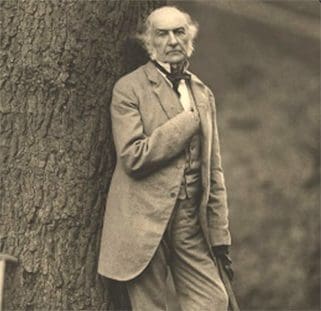
‘Gladstone’s conversion to Home Rule was a calculated political act’. Assess the validity of this claim
Start by posing the question as a puzzle to be solved. Why would Gladstone convert so suddenly to Home Rule – one of the great voltes-face of the 19th century?…
Read More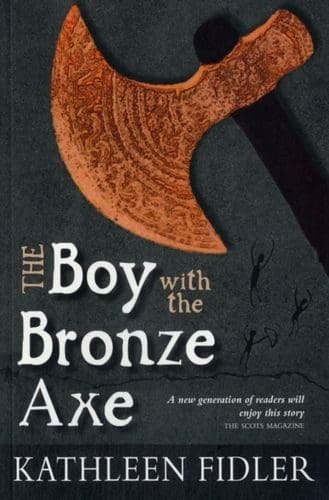
Using Fiction: teaching Stone Age to Bronze Age in history at KS2
Using Boy with the Bronze Axe by Kathleen Fidler to help you teach Stone Age to Bronze Age and Skara Brae to KS2 Although this book is now nearly 50…
Read More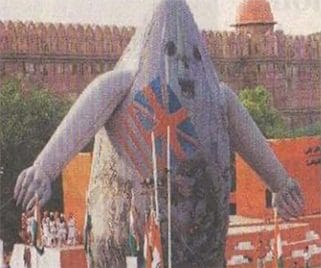
The Empire strikes back! SMART TASK KS3
Having previously investigated the criticism of empire, students now set about defending it. After studying a contemporary Indian view of Empire, which they critique in terms of usefulness, students explore…
Read More
Teaching source work imaginatively in AS and A2 history
Imaginative approaches to source work Again, 10 examples are provided on a separate PowerPoint presentation. The approach has been to look for imaginative approaches that really help students to ‘get’…
Read MoreCurriculum planning for post-16 history
As all schools and colleges have their own schemes of work I have not made the modelling of good schemes of work too much of a priority. However, given the…
Read More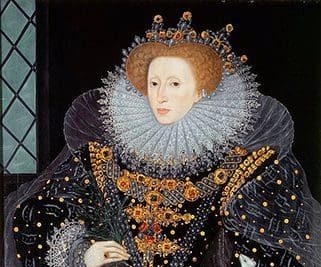
New brilliantly differentiated lesson on Tudor theatre for KS2: 5 great differentiation strategies that don’t need masses of prep.
New brilliantly differentiated lesson on Tudor theatre for KS2: 5 great differentiation strategies that don’t need masses of prep. You can see the full details of the lesson on the…
Read More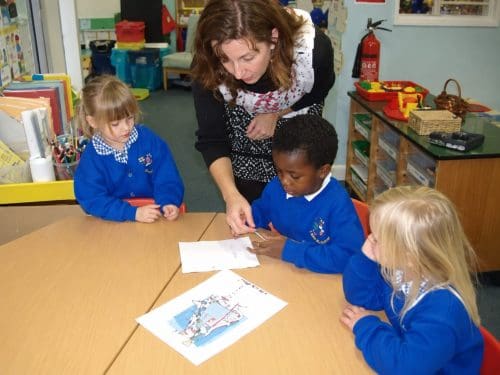
Inclusion at Key Stage 1
In addition to advice on: being healthy, staying safe, enjoying and achieving, making a positive contribution etc, this site focuses on five others areas that have the ECM’s agenda, if…
Read More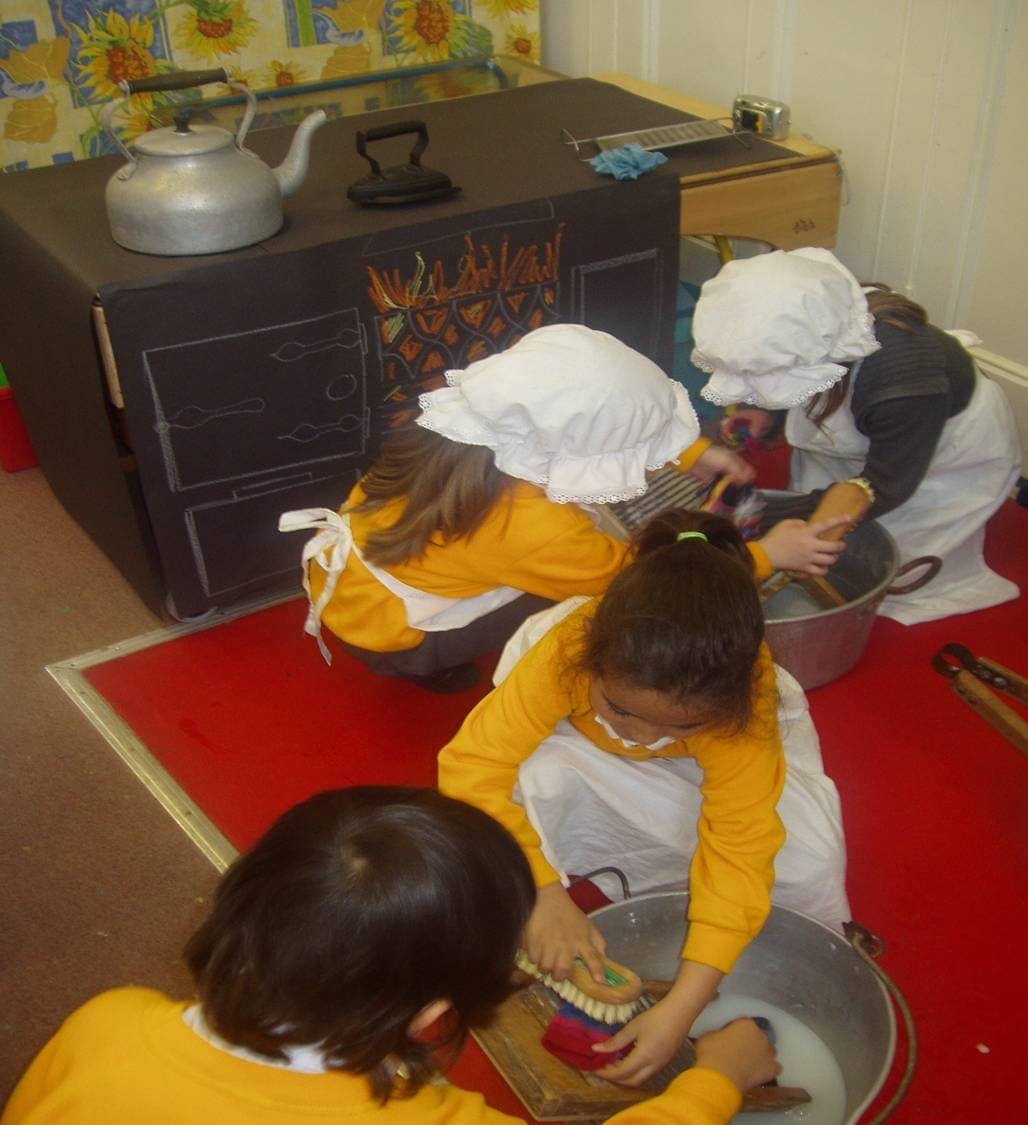
Gender issues in history at Key Stage 1
It is tempting when thinking about boys’ achievement to focus on teaching and learning, but there is a stage before that to consider. When we have so much choice at…
Read More
Gifted and Talented in history at KS1
Much has been written in general terms about identifying and then catering for able pupils in history. OFSTED and others have criticized schools for not moving beyond identification and general…
Read MoreMotivating pupils in history at Key Stage 1
The essence of what appeals to pupils can often be summed up by the words, People, Puzzle and Point. Children engage best if there is human interest. They like to…
Read More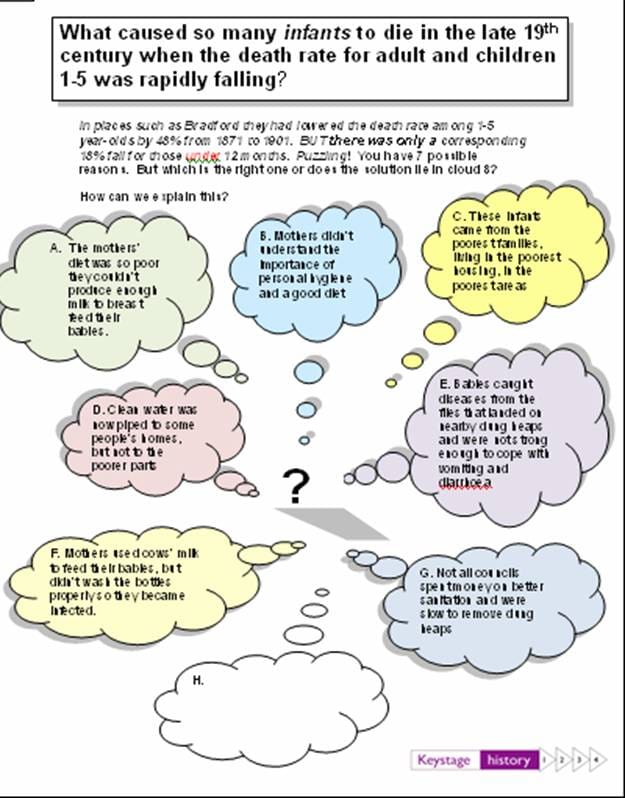
Smart Task Puzzle Corner – Why did so many infants die when the death rate was falling?
Puzzle corner: SMART thinking skills task on why so many infants continued to die before their first birthday at a time when the death rate was falling rapidly. This short…
Read More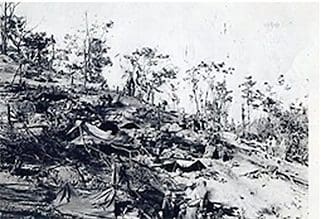
Who started the Korean War? Smart Task
In this short starter smart task students are given two contradictory accounts of the start of the Korean War, both emanating from Korea. But which account do they think is…
Read MoreReally effective strategy : Dear Producer (video critique) features in new KQ6 lesson on Ancient Greeks
Those of you familiar with the technique Dear Producer will know that it asks pupils to evaluate how well a particular video explains a given question. So instead of watching…
Read MoreDigital Technology, AI and film at KS1
This section alerts you to where you will find examples of published best practice as well as featuring a few cameos that I have been involved in developing. I have…
Read MoreWritten by Neil Thompson
All content on Keystage history is written and quality assured by Neil Thompson, a former history teacher, county history adviser and Ofsted inspector with more than 30 years’ experience in history education.