
Keystage history
Time for sweeping change in history assessment at KS3, GCSE and A level is NOW.

When so much time has been spent on measuring pupils’ progress in KS3 using spurious data derived from blunt assessment tools, it is now time to place the emphasis where…
Read MoreFamous people at KS1- new resources from BBC
Over the last few weeks I have been approached by several companies bidding for the contract to produce animated films for the BBC Bitesize series aimed at a KS1 audience….
Read More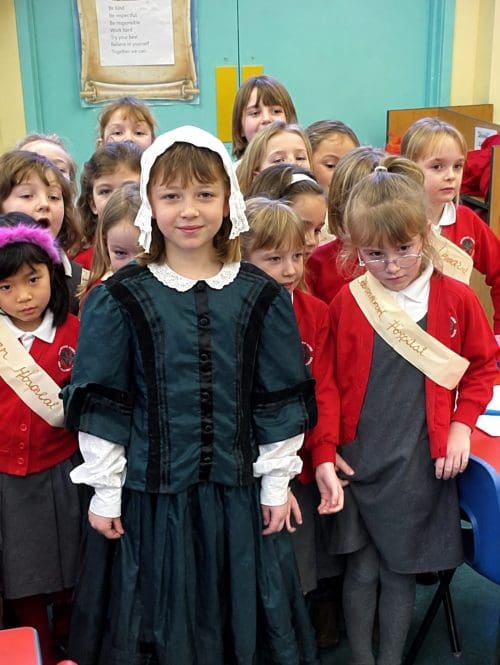
Florence Nightingale and Mary Seacole SMART TASK
Who said it? / Who am I? This simple task encourages children to spot the differences between Florence Nightingale and Mary Seacole. With a large A4 image of Florence on…
Read More
Teaching USA 1900-1990 to Key Stage 4
The first batch of lessons focuses on four examination favourites but each adds a different subtle twist that lifts the lesson and makes students much more active and involved in…
Read More
Teaching international relations 1945-1990
This section, dominated by the Cold War focuses mainly on teaching its origins, its main crises and the reason why it came to an end. With the recent ‘strengthening’ of…
Read More
Did everyone benefit equally from life in the USA in the 1920s? A market place activity. SMART TASK KS4
This activity is great for getting students off their feet and talking to every other students in the class – with a clear purpose! The idea is that every student…
Read More
Using artefacts to teach history at Key Stage 4
It may be some time since you last used artefacts in your GCSE teaching, but their appearance in Key Stage 4 lessons is actually on the increase in my experience. …
Read More
Teaching chronology at Key Stage 4
The advent of the new GCSE history specifications for first teaching in September 2016 has forced us to consider how we help students to develop chronological understanding over different time…
Read More
Interpretations in GCSE history at Key Stage 4
Having worked so hard to develop pupils understanding of historical interpretations at Key Stage 3, many history teachers feel short-changed when it comes to Key Stage 4. Not only is…
Read MoreTeaching historical enquiry at Key Stage 4
Some of the best GCSE lessons I have ever seen have been enquiry-led where students have been given a little more scope to raise their own questions, research independently and…
Read MoreFit for purpose teaching strategies at Key Stage 4
This section has highlighted a number of issues relating to GCSE teaching that you might identify with and be interested in seeing other talented teachers’ solutions. It does not claim…
Read More
The teaching process in history at Key Stage 4
With so much emphasis placed on the three-part lesson, due largely to the National Strategy, it is tempting to follow that simplistic model at Key Stage 4. Many do, and…
Read More
Long-term planning at Key Stage 4
Planning for the legacy GCSE history specifications I have featured only a few models from the existing specifications, concentrating instead on the new specifications. For each course offered by each…
Read MoreMedium term planning at Key Stage 4
What should go into a good medium term plan at key Stage 4? 1. Key questions, not just the overarching question from the Board’s specification, but sub-questions too. 2. Learning objectives. These must identify…
Read MoreShort-term planning in Key Stage 4 history
My view about short-term planning at KS4 is simple; keep it short. If you are following a detailed medium-term plan, as you should be, then most of the planning has…
Read MoreThinking skills at Key Stage 4
With a firm foundation of thinking skills now laid at Key Stage 3, thanks in part to the National Strategy, it is really important that in GCSE classes you offer…
Read MoreHistory and numeracy at Key Stage 4
With so much else to focus on in GCSE history you would be pardoned for thinking that this is not top priority. Rather than add to your burden, all I…
Read MoreHistory and literacy at Key Stage 4
What OFSTED said they were looking for in history lessons when reviewing literacy across the curriculum when they last published on the matter. An insider’s view – what OFSTED are…
Read MoreCitizenship at Key Stage 4
Am I alone in feeling the pitiful irony of history not being a compulsory subject at Key Stage 4, whereas citizenship is? When I see and hear how it is…
Read More
Curriculum models at KS4
As most courses are a blend of SHP and Modern World and there will be at least two new topics you were not formerly teaching, you know where you needed…
Read MoreCurriculum rationale for history at KS4
Choice of specification and order of teaching You will all been settled into your new GCSE course.If you’re thinking of changing it might be worth asking these questions. Questions for…
Read More
’50’ imaginative learning activities for Key Stage 4
We all know that the learning experience for students at Key Stage 4 could be more varied in some schools. Students have told us that, time and again. The lessons…
Read More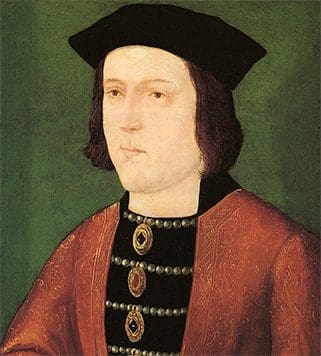
LESSON IDEA: Edward IV was more successful as a king in his second reign than his first’. How far do you agree with this view?’
Activities 1. Introductory. Brainstorm Edward’s achievements and failures. 2. Provide students with cards for them to place on a spectrum from ‘unsuccessful’ to ‘highly successful’. 3. Compare this with historians’…
Read More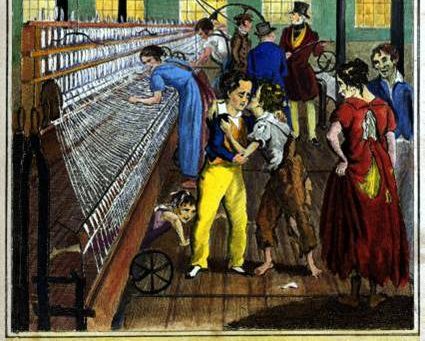
Keeping up-to-date with your teaching of Victorian Britain at KS2
We often talk to children about the benefits that brought so many people into industrial towns in the first half of the nineteenth century. But we probably need to stress…
Read More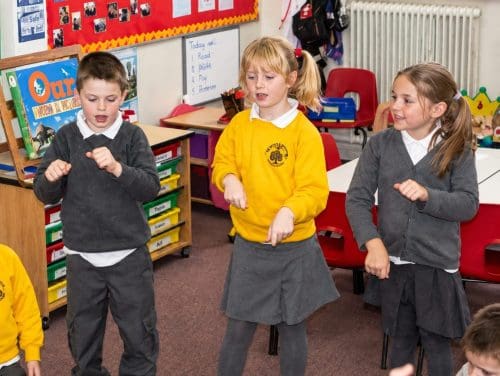
The learning process in history at KS 1
Given that this site specialises in giving practical support to busy teachers and subject leaders, you may be surprised to find a section on the theory of learning. Well, don’t…
Read More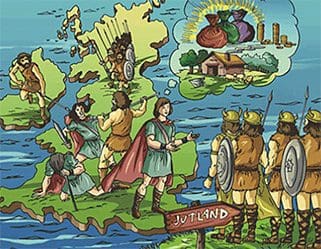
Push or Pull? What were the real reasons why the Saxons invaded? SMART TASK KS2
A fun thinking skills activity in which pupils infer from visual clues before moving on to analyse a range of influence cards and evaluate a video before coming up with…
Read More
Expert advice on local history at KS1 and KS2 by OFSTED lead inspector
Ex-subject lead for history at OFSTED has recently written this very helpful booklet for English Heritage. A great place to start if you are looking for inspiration for your local history…
Read More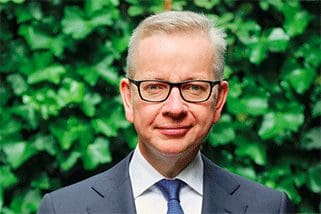
Gove admits need to U-turn on history proposals
Listening doesn’t come easy to Gove. He’d rather just pontificate about what he thinks is best for us, irrespective of what we believe. So when he has to backtrack he…
Read More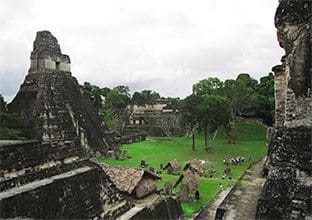
Guidance Non Western Civilisations: Teaching Islam/Maya/Benin
This new topic is perhaps one of the most demanding in the Key Stage 2 curriculum. Admittedly Benin and Maya civilizations have appeared before in earlier manifestations of the history…
Read More
Assessing students’ work
Answering judgement type question at AS level Typical stems for questions which call for students to make and to justify an historical judgement about, for example, the significance of a key…
Read More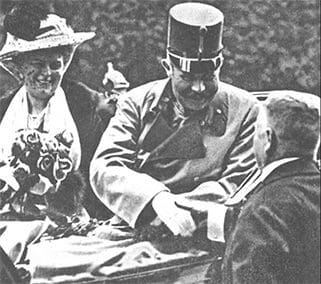
Something about an ostrich – the assassination of Franz Ferdinand as a mystery to be solved
Pupils are fed information, asked to formulate their theories on who was killed, who did it, how, why and when. I am grateful to Steve Rollett, Head of History at…
Read More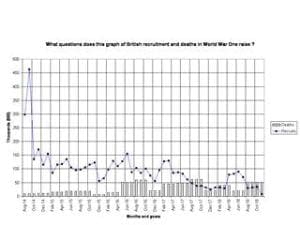
Did the number of deaths on the Western Front in World War One have any effect on the numbers joining up?
This superb lesson was the original idea of the history team at Toynbee School, near Southampton, and specifically the work of Rowena Roach and the Head of Department Graham Hinves….
Read More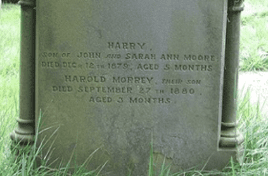
Smart Task: Infant Mortality – Key Stage 3
Puzzle corner: SMART thinking skills task on why so many infants continued to die before their first birthday at a time when the death rate was falling rapidly. This short…
Read More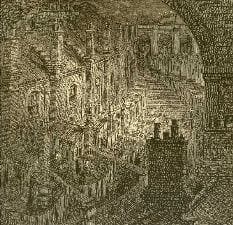
Did London really look like this in 1870? Your chance to test the evidence
Pupils are shown an engraving produced by Gustav Dore in 1872. It is the one you often find in KS3 textbooks as if it were a photograph representing what London…
Read MoreWhat’s the truth behind the Suffragette derby of 1913?
This lesson is always popular. By adding newsreel footage and facsimile artefacts to the usual array of photographs and documentary sources, this lesson aims to capitalise on pupils’ innate interest…
Read More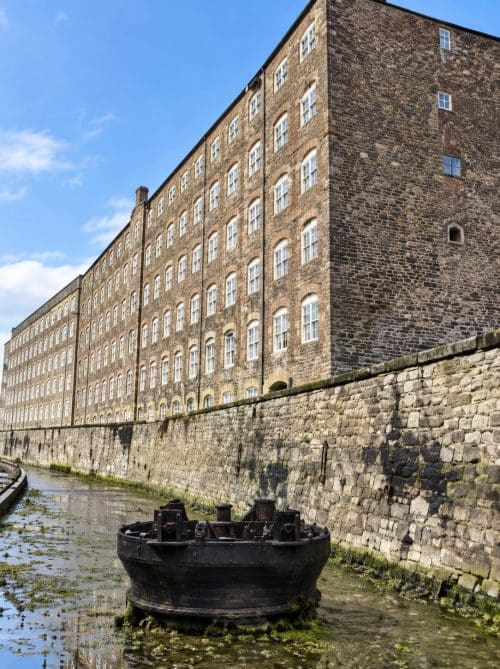
Did the Factory Act of 1833 make any difference at all? An enquiry
Did the Factory Act of 1833 really improve conditions for factory workers? In this engaging KS3 history enquiry, pupils investigate the problems faced by workers in the factories of Industrial…
Read More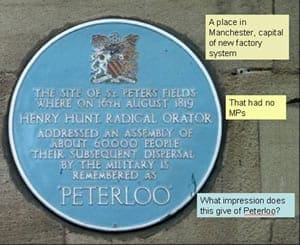
The Peterloo enquiry; who was to blame?
The ‘Peterloo massacre’ was one of the defining events of its age. You could almost draw parallels with Amritsar, Sharpeville and Soweto. This enquiry spans three lessons during which pupils…
Read More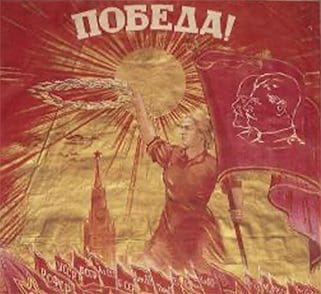
Why did Bolshevism survive in Russia between 1917 and 1924? SMART TASK AS-A2
This task asks students to investigate the perplexing question as to why the Bolshevik regime was able to survive from 1917-24. Students are given the context: no plans; poor start;…
Read More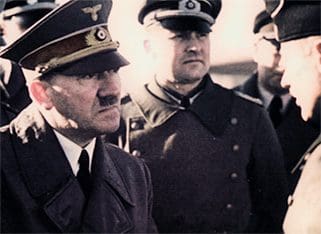
Why was Hitler able to consolidate his position in power between January 1933 and August 1934? Smart Task KS4
This smart task works as a starter. Students are given 7 reasons why Hitler came to power. In just 5 minutes, and working in pairs, they have to see if…
Read More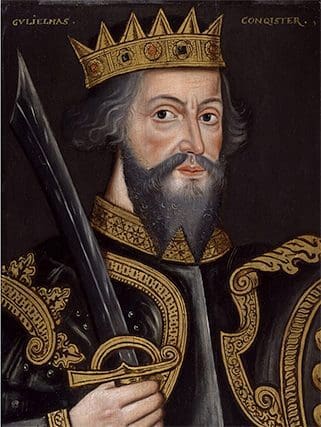
How far did life really change when William the Conqueror became king after the Battle of Hastings? SMART TASK KS3
Pupils have to design a set of stamps to show the 5 biggest changes introduced by William the Conqueror after Hastings, but first they need to place ideas on a…
Read More
Is this really the end of the Tudors, Victorians and WW2 at Key Stage 2?
Aside from Ancient Egypt, these are the three best taught history topics in KS2 so it is madness to ditch them in favour of Gove’s untested, unresourced and uneducated choices….
Read More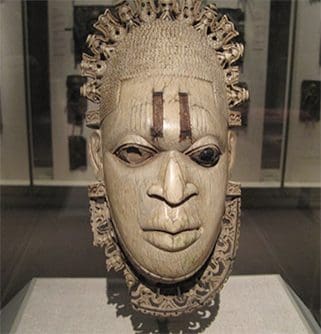
Rationale for teaching Benin (West Africa) c. AD 900-1300 as your non-Western society in the KS2 history National Curriculum for 2014
There are two principal reasons why I think Benin was included as one of only three optional non-Western societies. The first is the period covered. It is, very roughly, covering…
Read More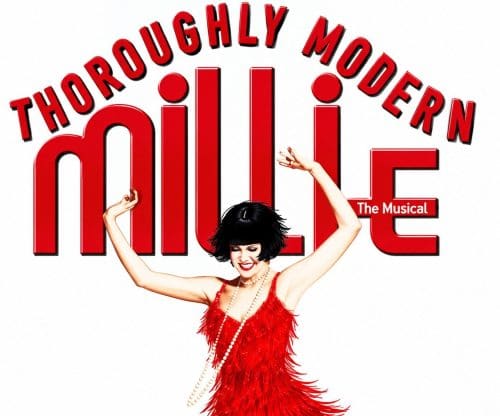
Thoroughly Modern Millie: How do we know this song is about Flappers? A quick musical starter
Students are given the lyrics of a song about flappers (copy provided) and have to find 10 references that prove the connection. The first is done together as a whole…
Read More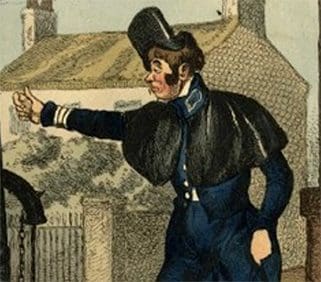
GCSE SHP Crime and Punishment: The Metropolitan police force in 1830: SMART TASK
This quick starter uses the slow reveal technique which encourages students to explore parts of a cartoon in a particular sequence, before revealing the whole. Using the animated PowerPoint presentation…
Read More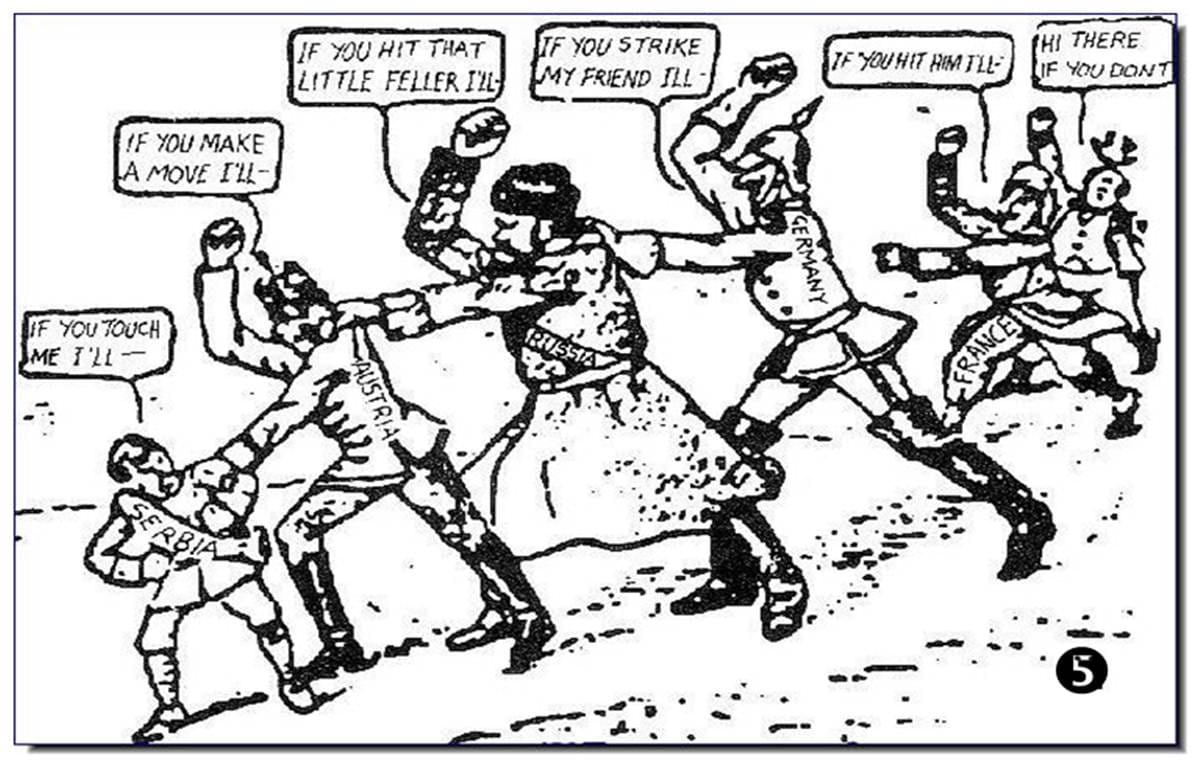
How well do these cartoons cover the causes of World War One?
In pairs, Y9/GCSE students visit 9 different cartoons posted around the wall. They have to work out: a. Which cause is being ‘covered’ in each cartoon – sometimes two. b….
Read More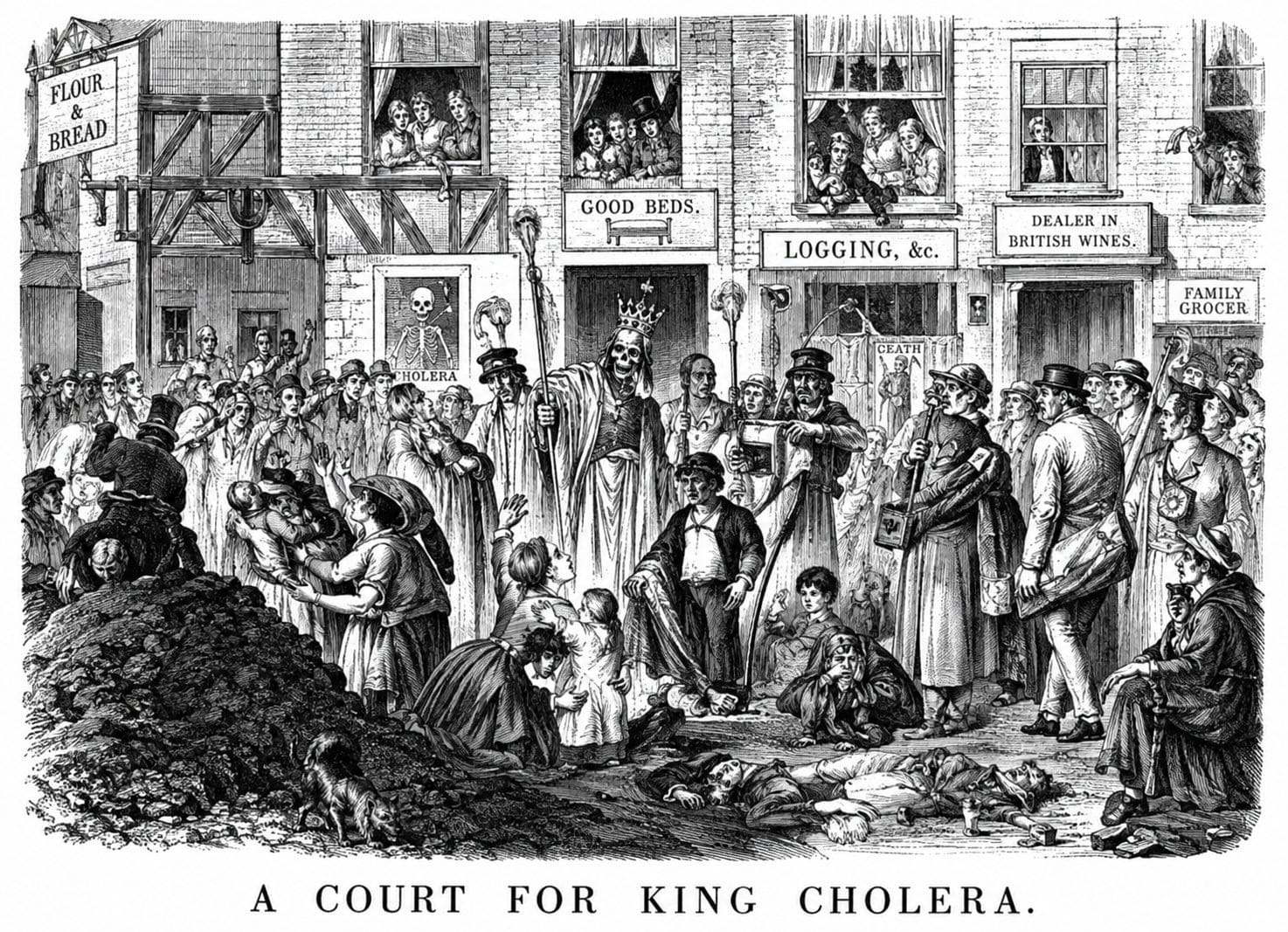
Court of King Cholera: Where am I in the picture?
This activity works in two ways; it activates pupils’ prior knowledge in a fun way and raises questions about conditions at the time the chosen image, A Court for King…
Read More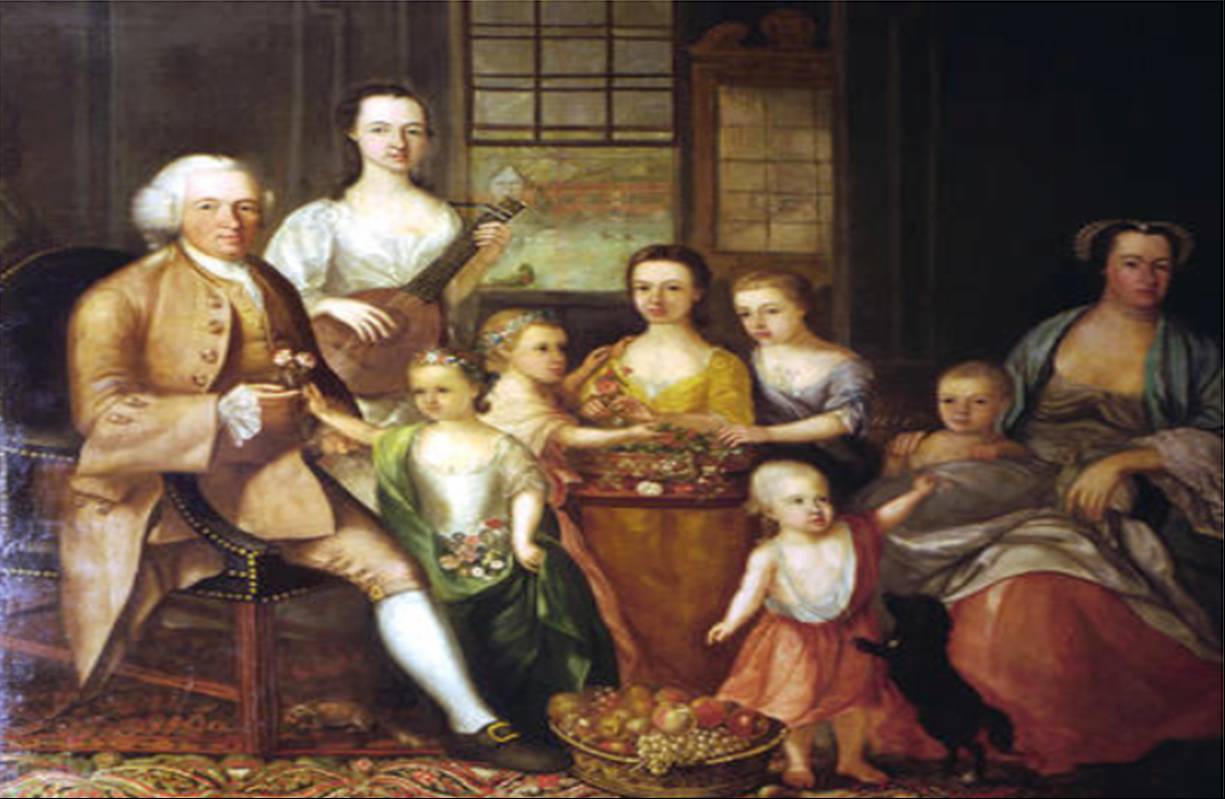
Puzzle corner 3: the strange case of the missing slave
Pupils will find that this example of a black slave, painted out of an eighteenth century painting of a tobacco lord’s family, makes an intriguing starter to any lesson on…
Read More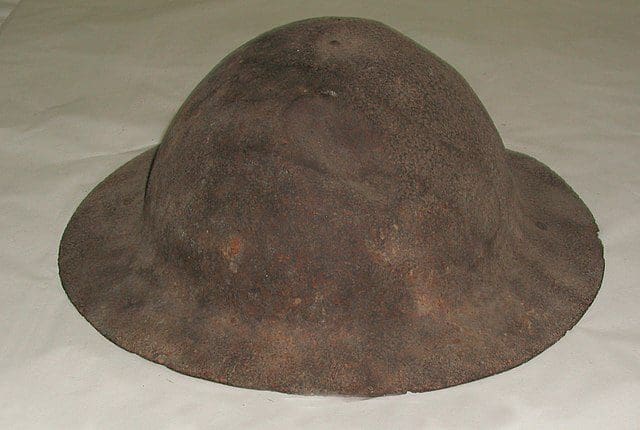
Puzzle corner: The strange case of the steel helmet
A short intriguing starter activity for pupils presents them with a puzzle to solve. In the First World War, why did head injuries increase when the metal helmet replaced the…
Read More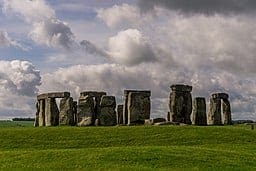
Latest research on Stonehenge- a must for KS2 teachers
The results of one of the largest DNA studies yet conducted show that soon after Stonehenge was built, Britain was ‘invaded’ by new arrivals from the Continent. Until about 4,500…
Read More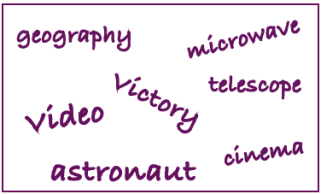
Ancient Greece – KQ6 Part 2 – Short KS2 task on the Ancient Greek legacy: language
This is a fun activity looking at the contribution the Ancient Greeks have made to our language. Great for literacy. Pupils are given two different stories of 10 year-old children…
Read MoreWritten by Neil Thompson

All content on Keystage history is written and quality assured by Neil Thompson, a former history teacher, county history adviser and Ofsted inspector with more than 30 years’ experience in history education.