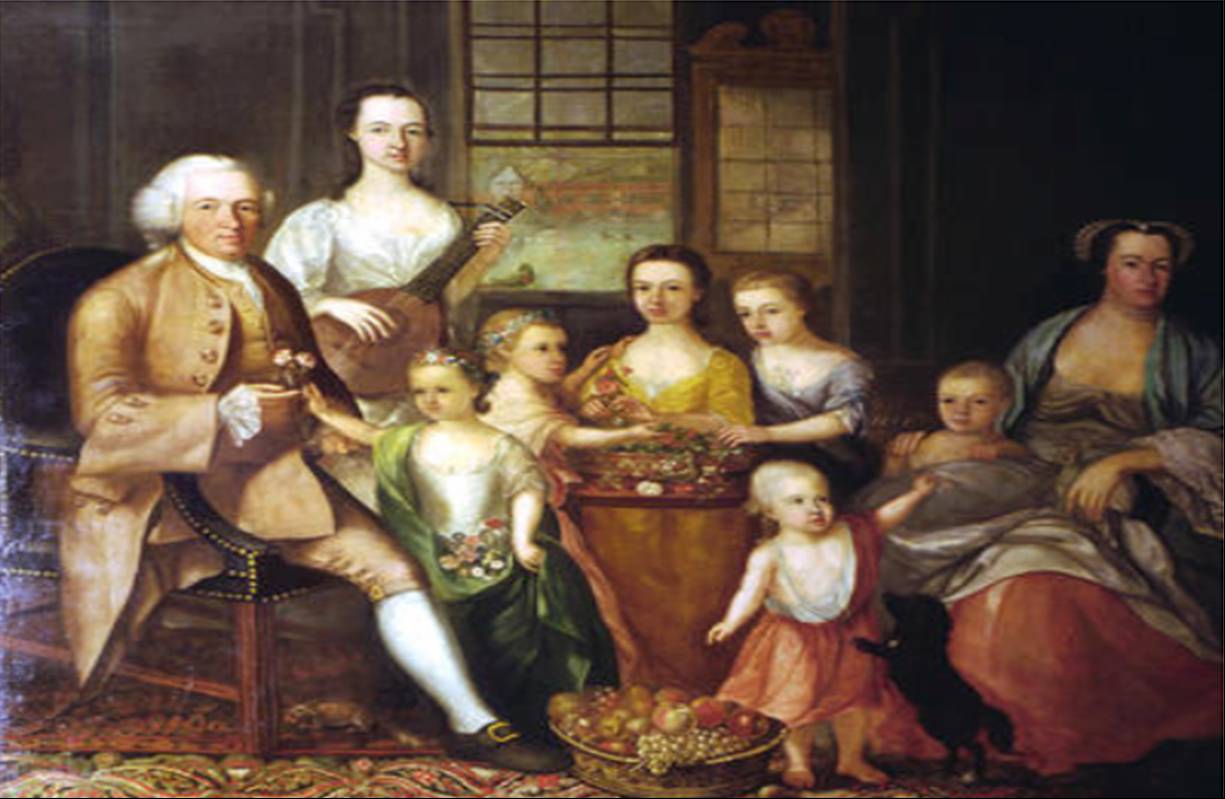
Pupils will find that this example of a black slave, painted out of an eighteenth century painting of a tobacco lord’s family, makes an intriguing starter to any lesson on the slave trade. They will enjoy ‘finding’ him in the portrait, thanks to 21st century technology. But will they be able to work out why he was ‘painted out’. They have a chance to play ‘Who Wants to be a Millionaire’ to find out. This is a really interesting example of attitudes to slavery in Britain at different times in the past, but can only be fully understood when the historical context is taken into account. When exactly was the painting produced and then changed, in relation to developments in the abolition of the slave trade.
Resources

| Lesson or enquiry | Historical focus |
|---|---|
| Teaching KS3 history: Black peoples of the Americas and slavery | Overview and planning |
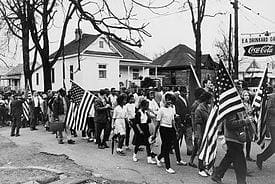
| Free at Last? How far had the Civil Rights Movement come by 1963? | Progress of the Civil Rights Movement by 1963 |
| Puzzle corner 3: the strange case of the missing slave | Investigating evidence about slavery |
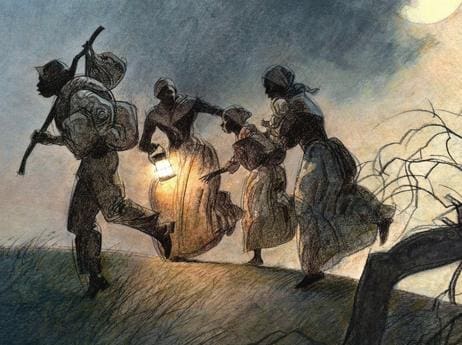
| What made runaway slaves successful? | Escape and resistance to enslavement |
| Dread of the lash: how harsh were punishments on slave plantations? | Punishments on slave plantations |
| Reasons for the abolition of the slave trade: poacher turned gamekeeper | Explaining abolition of the slave trade |
| How should we film the Middle Passage? How accurate are Roots and Amistad? | Film interpretations of the Middle Passage |
| What can we learn about the slave trade from just one poem? | Using poetry as historical evidence |
| Rosa Parks – the true story | Evidence and interpretations of Rosa Parks |