
Keystage history
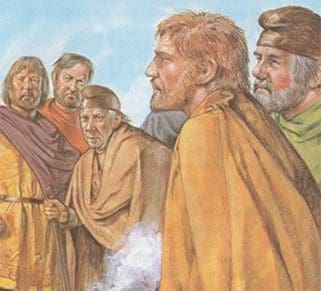
What have the Anglo-Saxons ever done for us? Some KS2 answers
If you asked Michael Wood what the Anglo-Saxons ever did for us he would give a very full and erudite answer, some of which would be beyond KS2 pupils. But…
Read More
Using data to improve history teaching and learning at Key Stage 1
Given that there is no subject-specific data on history at KS1 this might seem a strange inclusion on the site. Those of you who feel that there is quite enough…
Read More
History teachers take lead in helping pupils spot fake news
Learning to identify fake news online requires a set of skills and knowledge that help you evaluate information. You also need the proper mindset, says Stanford Graduate School of Education …
Read More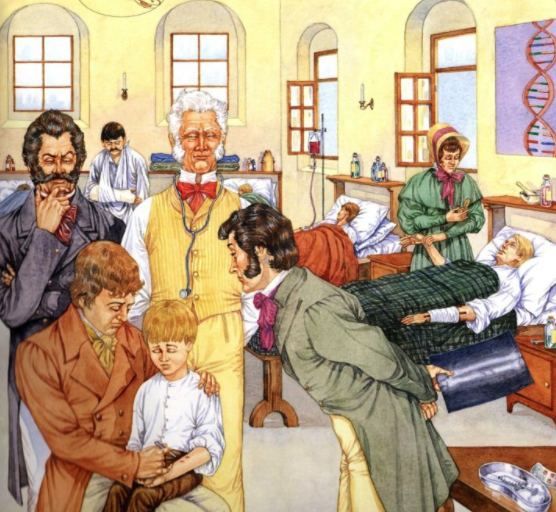
Fun anachronism-spotting activity set in 1796, for GCSE History of Medicine
Most anachronism activities used in schools are the rather naff ones put before Y7 pupils in an introduction to What is History. You know the sort of thing: Roman soldiers…
Read More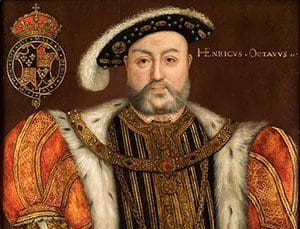
Outstanding new KS2 Tudor Britain planner now available
If any of you have been waiting for the new up-dated Tudor planner, you can now request it via email whilst we put the finishing touches to the last activities…
Read More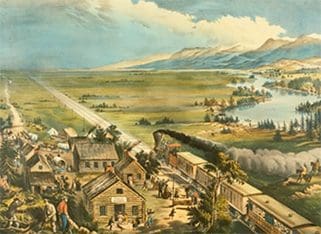
SMART TASK: A history puzzle – Opening up of the Western frontier by the railroads. A history mystery
This history puzzle focuses on a well-known painting, Across the Continent, but one which is actually more puzzling than might at first appear. The task starts simply and then becomes complex….
Read More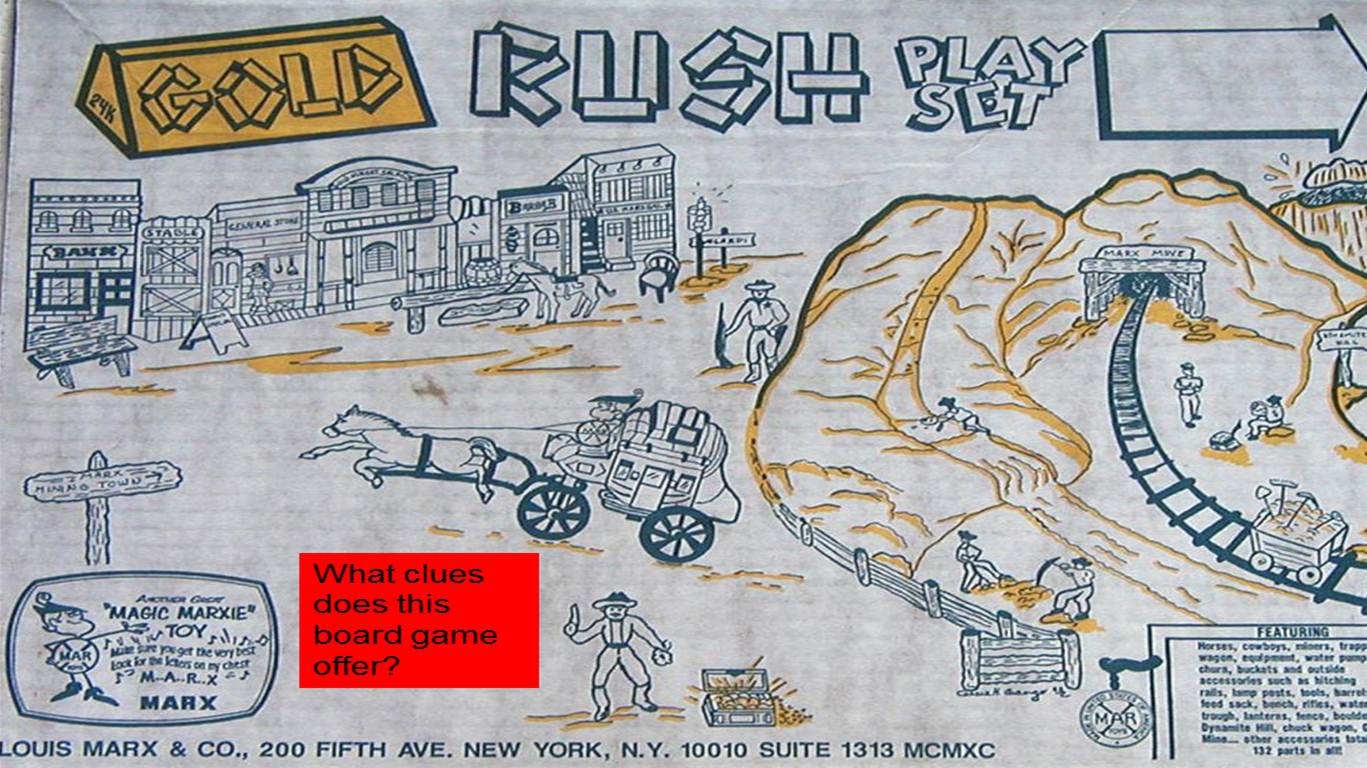
SMART TASK: Why were mining towns such lawless places?
This is a very straightforward, yet highly effective task which asks students to distinguish between the generic and the specific, to speculate about possible reasons from clues, to think creatively…
Read More
The likely impact of the Railroad: time for de Bono’s thinking hats and some creative products
Students are taken back to the year 1860 before there was a transcontinental railway. They are asked to speculate about the likely impact of the coming of the railroad. In…
Read More
Was the life of a cowboy really so adventurous?
This lesson draws heavily on the ideas of Sarah Herrity, Advanced Skills Teacher, Wyvern Technology College, near Winchester. It moves students from their own initial perceptions of cowboys, through to…
Read More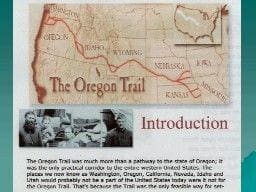
Who went west and why?
This lesson worked really well with lower attaining Y10 students who had already studied the Plains Indians and the contact between the early mountain men at the trading posts. This was…
Read More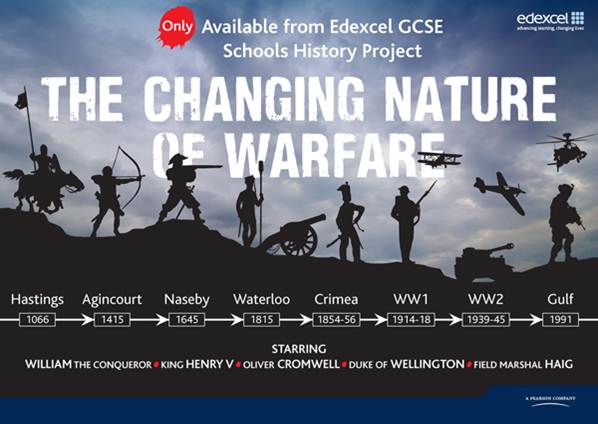
Teaching GCSE History: Changing Warfare (Edexcel)
This SHP option, offered by Edexcel only, builds on the success of the A2 paper for which colleges such as Frome Community College have created some excellent resources. For materials…
Read More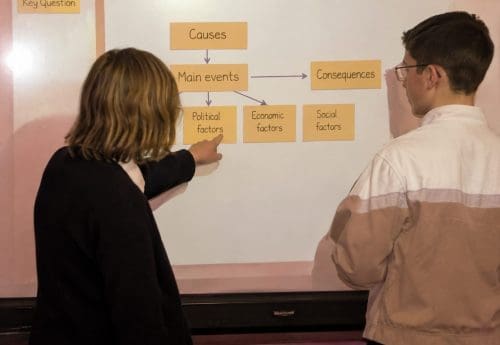
Teaching GCSE History: Media Through Time
Your best place to start is undoubtedly the AQA scheme of work which offers learning foci for each of the three strands. Unlike the schemes of work for the other options, however,…
Read More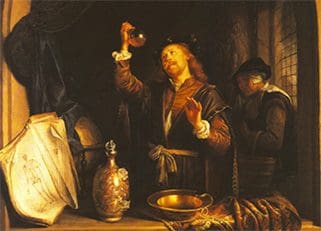
SMART TASK: History of medicine Renaissance physicians; Is the artist taking the piss?
In this short activity students are shown two contrasting images of a physician inspecting a patient’s urine. Students have to guess the provenance and date. It transpires that they are…
Read More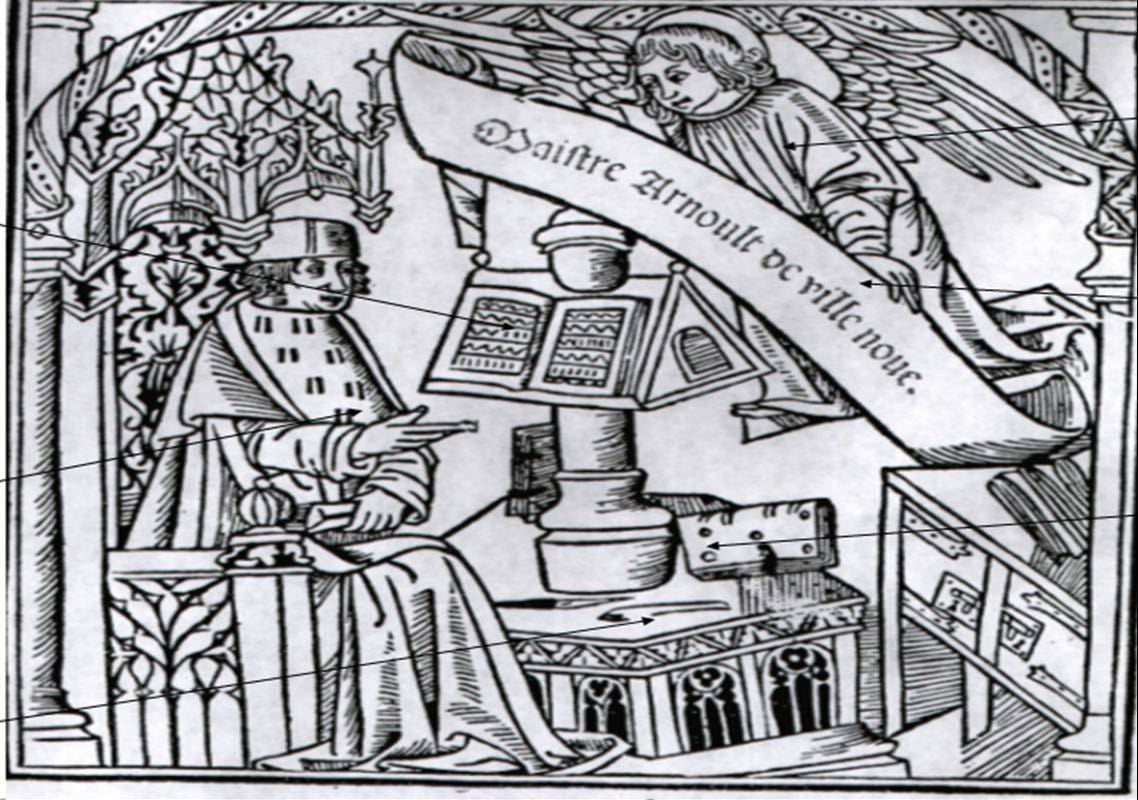
SMART TASK: Medieval medicine. What can we work out from the picture?
A smart task based on an original idea from Lorna Hunter, of Swanmore Technology College. This deceptively simple example of a familiar technique takes students from the known to the…
Read More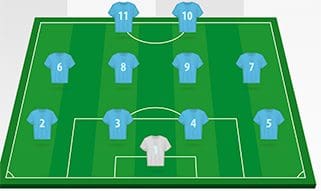
SMART TASK Revision: name your best squad
To help students remember who the key individuals were in the history of medicine, you might like to present them as members of two opposing football teams…. Subscribers only: You must…
Read More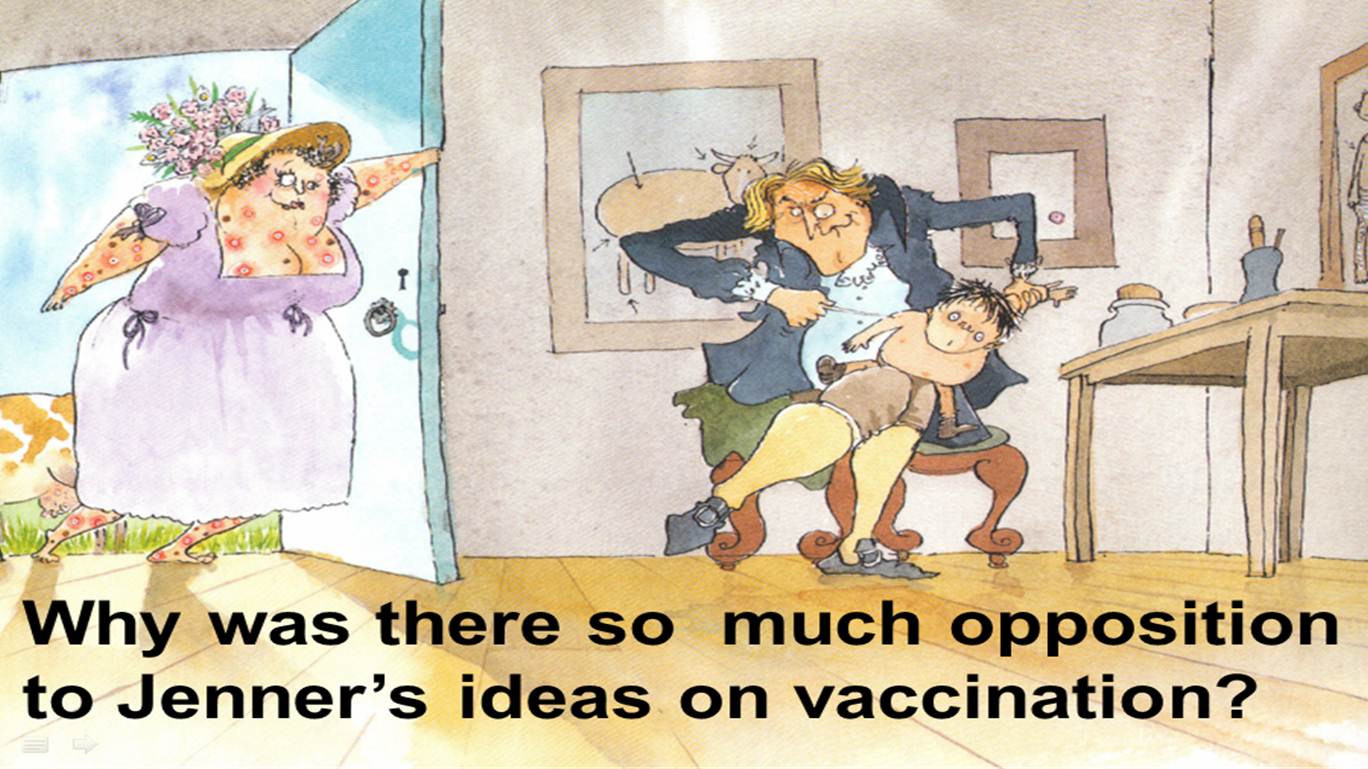
SMART TASK: Why was there so much opposition to Jenner’s ideas on vaccination in the 19th century?
This is a short, fun SMART task. All the instructions are on the PowerPoint presentation. Start with slide 2 which sets the puzzle, a paradox. If Jenner was so highly…
Read More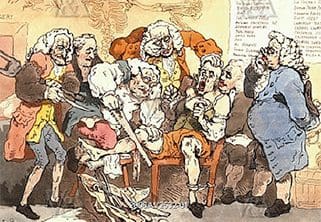
SMART TASK Key Stage 4: GCSE SHP Medicine: 18th century surgery
This quick activity asks students to explore the detail in Rowlandson’s cartoon called ‘Amputation’. They score one mark for each of the 10 labelled examples of relevant detail and 3…
Read More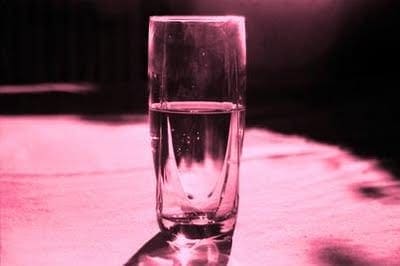
SMART TASK: Was the Weimar Republic doomed from the start? A glass half empty?
The lesson starts with a glass of water which you have filled to roughly half way. Students have to say whether they would describe the bottle as half full or…
Read More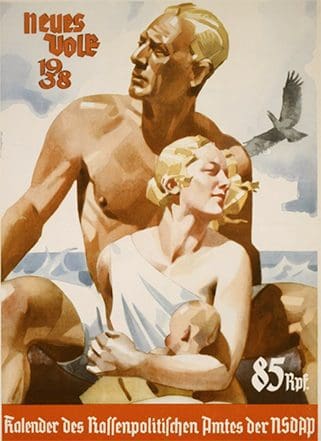
SMART TASK: How successful was Nazi policy towards women and families?
This short task was designed to combat the tendency many students have to simply describe rather than evaluate the policy. To help them make judgments they are given up to…
Read More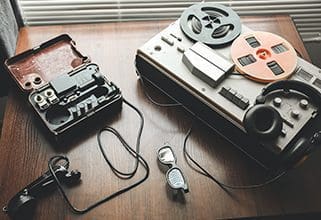
SMART TASK: 10 features of the Cold War but can you spot them?
Students often learn about the Cold War in chronological order. This activity offers them an opportunity to explore 10 aspects of the Cold War. You could make your own visual…
Read More
Ideas for teaching GCSE history Britain 1890-1918 using ICT
For suggestions for 20 top ICT activities using a wide range of data and applications click here to download PDF file. Resources Myth of the Blitz: Professor Overy’s view: Writing in History Today,…
Read More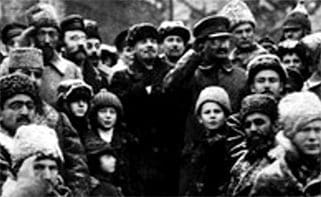
SMART TASK: Now you see it, now you don’t. A fun starter showing how Lenin and Stalin used the ‘airbrush’
Fascinating starter in which students have to spot and then explain the differences between three pairs of photos of Soviet leaders Lenin and Stalin taken between 1920 and 1930. Excellent…
Read More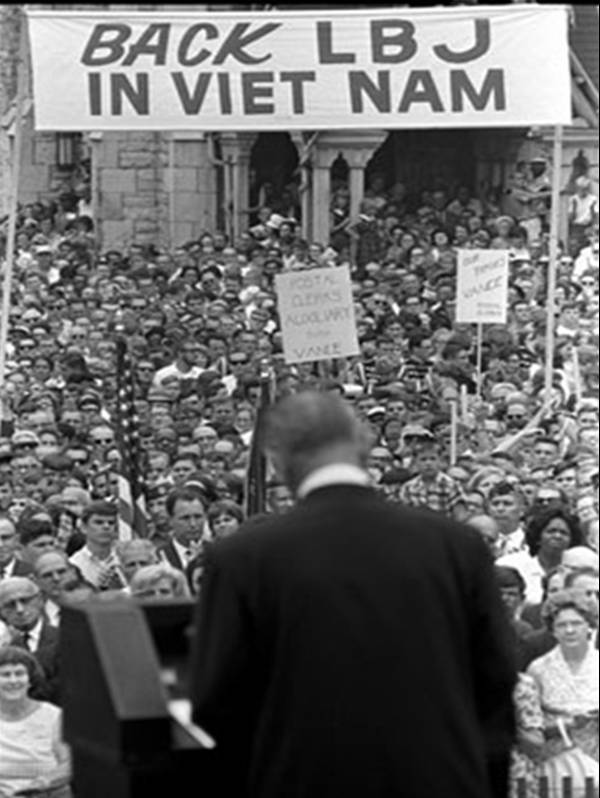
Smart Task: How popular was the Vietnam war? What can we learn from just two photographs?
This simple starter uses just two contrasting photographs, one showing the popularity of Johnson’s policy towards Vietnam, the other opposition to it. How can we explain the difference? Students generate…
Read More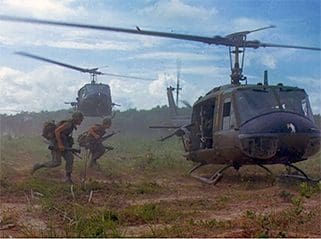
SMART TASKS: Why did the US get involved in the Vietnam War?
Three separate short activities help students produce a top grade answer to the question. Task I – brainstorming early ideas This first introductory task simply asks students to consider the…
Read More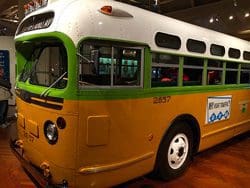
SMART TASK: How significant was the Montgomery Bus Boycott in the history of Civil Rights?
Quick ranking activity for GCSE/AS students Students are asked to consider the relative significance of 11 possible arguments that have been used by historians who claim that the Montgomery bus…
Read More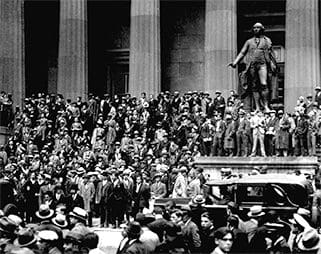
SMART TASK: Causes of the Wall Street Crash
Students are given a set of influence cards which help them to work out the answer to an apparent paradox. If people were getting rich quick in the 1920s, why…
Read More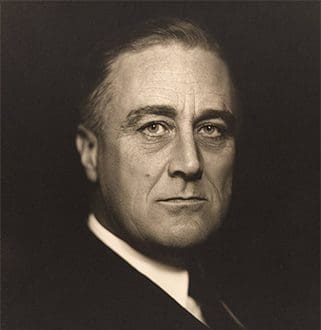
Hoover’s rubbish: Roosevelt moves in
This lesson on a fairly familiar theme approaches GCSE cartoon analysis in a different way. Instead of showing the students the cartoon they are to interpret, they are simply given…
Read More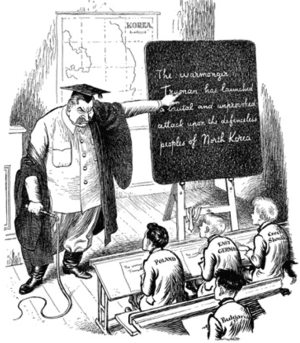
SMART TASK Key Stage 4: Stalin and the Korean War: can you interpret the cartoon?
This Smart task uses a Punch cartoon as part of a lesson on the Korean War. It carefully steers students through several thinking processes. To start with they have to…
Read More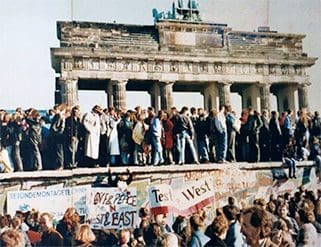
SMART TASK: Why did Communism end when it did in Eastern Europe?
Prior to writing an answer to this question students will need to organise their thinking. These factor cards might help. Ask students to think of different ways in which to…
Read More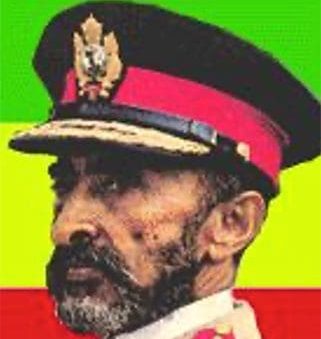
Key Stage 4 Smart Task: Scoop! What on earth was going on in Abyssinia in 1935?
This task is run along the lines of a newsroom simulation. Students take on the role of an editorial team whose job it is to make sense of a complex…
Read More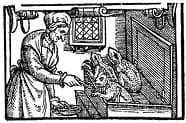
So you think your pupils know about Witchcraft in early modern Britain.
1. Were witches burned in English-speaking countries? A. No, they were hanged not burned, because witchcraft was a felony. This was also true in North America. 2. Were millions of…
Read More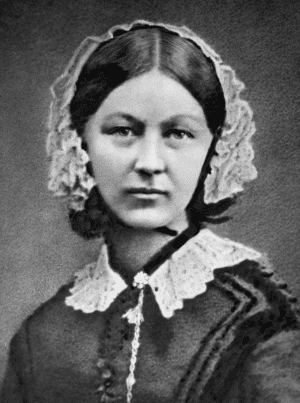
2 fun facts for pupils studying Florence Nightingale at KS1 and 2 key learning points
Just thought these two fun facts might interest your pupils, building on infants’ interest in animals rather than death rates from dysentery! So the two facts are: 1. As a…
Read More
6 quick ideas to help you to develop pupils’ genuine historical understanding at KS1 and 2

How can we help pupils at KS1 and KS2 develop genuine historical understanding? These practical ideas encourage children to ask questions, investigate clues and explain their thinking. From creating a…
Read More
Prioritising in history at Key Stage 4
As always there is a balancing act to be done. On the one hand you have to deal with the immediate and the urgent; on the other you know that…
Read More
Developing your staff at key stage 4
Teaching GCSE presents its own set of challenges, not least learning the code that you will need to crack to bring your students GCSE success. Because the GCSE history exam…
Read MoreMonitoring performance in history at KS4
The best way of monitoring students’ performance is to set frequent exam based activities, broadly under test conditions and then to mark them WITH the students using GCSE criteria. Students…
Read More
Using data in history at Key Stage 4
Twelve years or so ago the only meaningful data we had for GCSE was the percentage of students achieving each grade. The headline everyone was interested in was of course…
Read MoreRaising attainment at Key Stage 4
This section of the site contains four different types of advice. There is general advice, outlining factors that usually explain success at GCSE and a short paper entitled ‘Smoking Out…
Read MoreSelf-evaluation in history at Key Stage 4
Getting ready for a history subject review: knowing what OFSTED inspectors are looking for and the criteria they are using It is essential that you keep up-to-date with current OFSTED…
Read More
Policy and vision at Key Stage 4
Many of you will feel that having a separate history policy at Key Stage 4 is unnecessary, and yet you will be surprised how many departments have never really articulated…
Read More
Penicillin: From discovery to world-wide use? Who should take the credit?
Students have to divide a $100 million bequest to those people who did most to develop penicillin. But in what ratio? Should Fleming get it all? What about the Oxford…
Read More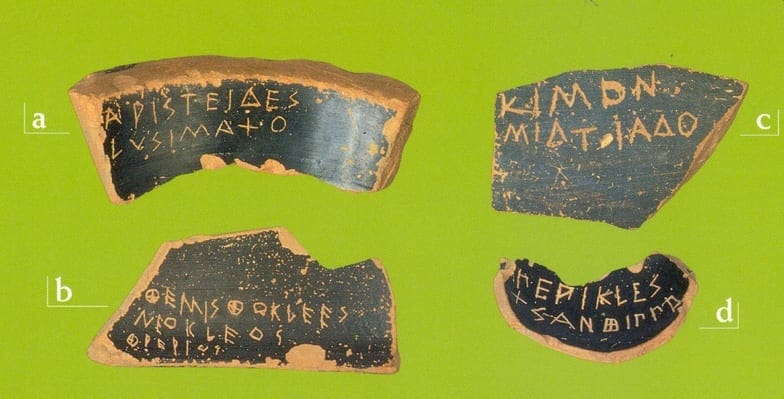
Ancient Greece – KQ4 Part 2 – Making Greek democracy come to life – a ‘smashing’ lesson
This is a really fun, practical lesson involving smashed pottery, writing in Ancient Greek through black wax and deciphering each other’s writing . Pupils actually decipher the names of people…
Read More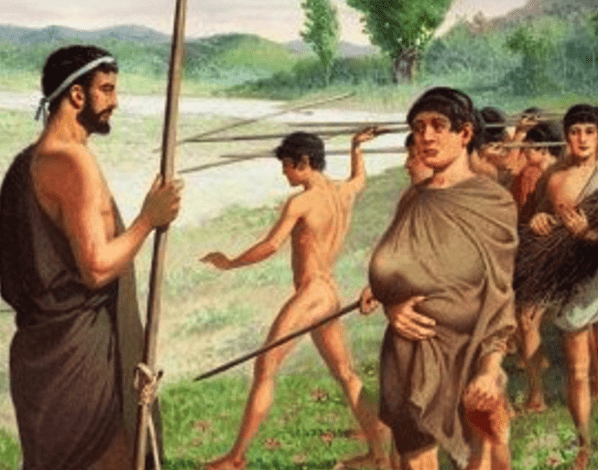
Ancient Greece – KQ4 Part 3 – Would you have preferred to live in Athens or Sparta? Comparing life in Athens and Sparta: a short smart task
One way of bringing home to pupils what was so special about life in Ancient Athens is to compare it with life in Sparta. Also one of the strongest city-states,…
Read MoreAncient Greece – KQ4 Part 2 Additional information – Ancient Greek democracy. Or what links Red painted rope, an idiot ,and piloting the ship.
This article supports the fully resourced outstanding lesson on democracy that can be found here Democracy is made from two words: Demos means people, Kratos mean power Interesting fact The…
Read More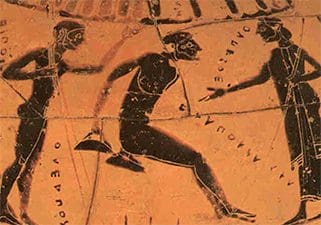
Ancient Greece – KQ5 Part 1 – What can we tell about the Ancient Greeks from a study of their Olympics?
We thought we would offer you a range of different cameos showing how the history of the Olympics could be imaginatively integrated into your current teaching. The teaching activities below…
Read More
Ancient Greece – KQ5 Part 2 – What can we tell about the Ancient Greeks from their interest in the theatre?
This key question is divided into two distinct parts, starting with Part 1 – the Olympics. This has its own outstanding fully-resourced series of tasks which can be found on…
Read More
Ancient Greece – KQ6 Part 1 – Under the Cloth: sorting the muddled collection. Is it all Greek to you?
Step 1 To introduce the notion of the Greeks having a major influence on our lives today use the activity called Under the cloth. Simply place copies of the pictures…
Read More
OFSTED and primary history-latest
Sean Harford recently criticised schools that force pupils to repeatedly practice comprehension exercises for KS2 tests and repeats concerns that some ‘outstanding’ primaries are ‘gaming’ the system with an excessive…
Read More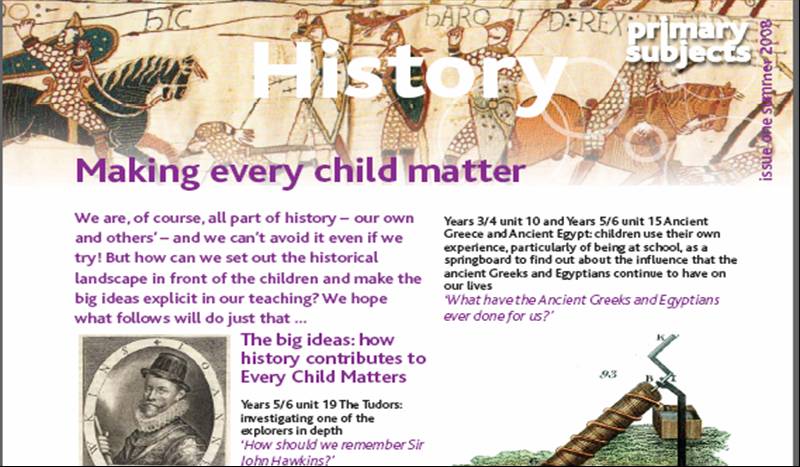
What is History?
12 key ideas young children need to grasp in history, and how they might do it. Most of you reading this will have a good idea of what the nature…
Read More
Independent learning in post-16 history
This section focuses mainly on ways of helping students become more effective independent leaners. The crucial role of the Student planner It has always a been a concern that students…
Read MoreWritten by Neil Thompson

All content on Keystage history is written and quality assured by Neil Thompson, a former history teacher, county history adviser and Ofsted inspector with more than 30 years’ experience in history education.