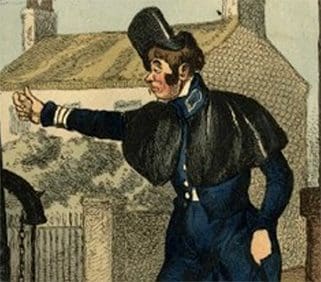
This quick starter uses the slow reveal technique which encourages students to explore parts of a cartoon in a particular sequence, before revealing the whole. Using the animated PowerPoint presentation of a British Museum cartoon, students have to consider the significance of each part of the image. Not only do the PowerPoint slides look at the internal clues, they also focus on historical context too.

All this leads to students analysing the message and purpose of the cartoon, and culminates in them writing an ‘expert caption’.



Resources

Lesson or enquiryHistorical focus
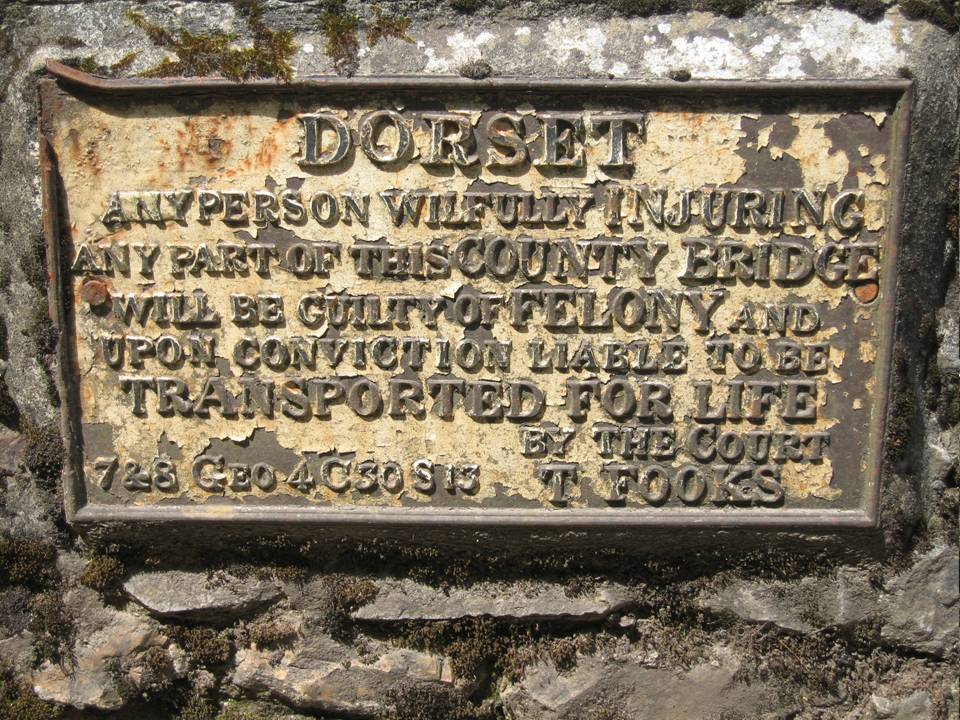
Transportation: what questions can we raise and answer from the statistics?Using statistics as historical evidence
Teaching GCSE thematically: 10 approaches that really workPlanning and teaching thematic history
Teaching crime and punishmentOverview and planning
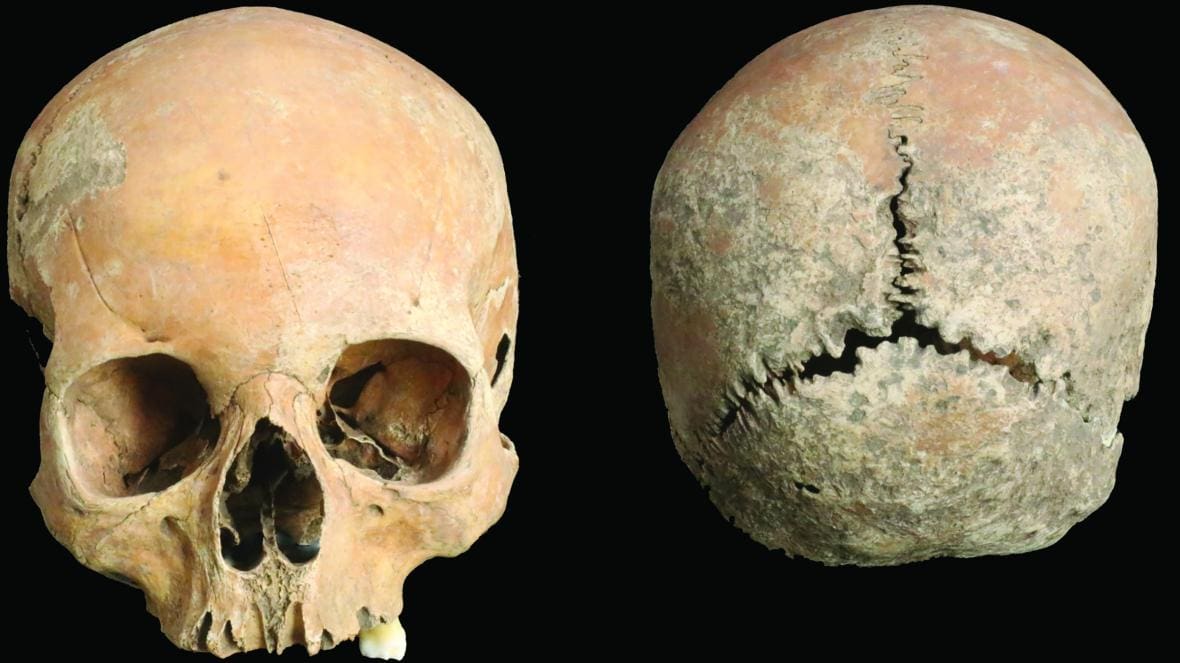
New evidence of Anglo-Saxon mutilations as punishmentEvidence about Anglo-Saxon punishments
The Metropolitan Police Force in 1830Cartoon analysis and early policing
If the Bloody Code made so many offences punishable by death, why were so few criminals hanged?Explaining the operation of the Bloody Code
Why was the Metropolitan Police Force set up in 1829?Explaining the creation of the police
Crime and punishment starter: smugglingSmuggling and attitudes to crime
Poaching: need or greed?Motivation and attitudes to poaching
How and why did Victorian prisons change in the first half of Victoria’s reign?Change in prisons and punishment
Would you have liked to have been a highwayman? Why would you have stopped?Highway robbery and its decline
Posting punishments in periods: an active approach to creating overviewsChronology, change and continuity
How effective was the Metropolitan Police Force and how would we find out?Evaluating the effectiveness of policing
Were medieval crimes and punishments as brutal as people think?Challenging perceptions of medieval punishment
Share