
Keystage history
£2.2. million to be spent on time-saving curriculum materials in hist, geog and science
Sounds great doesn’t it. Even better when you realise that the money is to fund school-based initiatives rather than top-down material generated by DfE. (Remember the QCA schemes of work-God…
Read More
Using History Hits as a starter at KS3 and GCSE
Nearly all of us have asked pupils to jot down 10 things about a topic as a useful starter to get students focused. It works pretty well, but I have…
Read More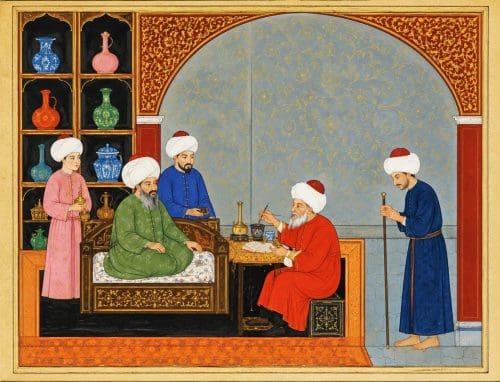
Early Islamic civilization – KQ1 – Why should we study the early Islamic civilizations in school today? SMART TASK
One of the misfortunes of a long history of stereotyping and conflict between Islam and the West is that it has fostered ignorance. Muslims and westerners know too little of…
Read More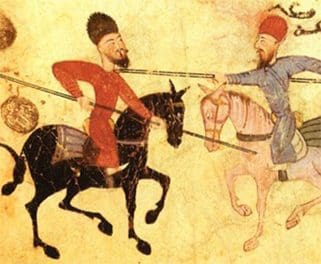
Early Islamic civilization – KQ2 – How was the Islamic civilization able to spread so far, so quickly?
In this demanding but important overview session pupils have to work out from clues the key reasons for Islam’s growth before going on to classify and prioritise them. The session…
Read More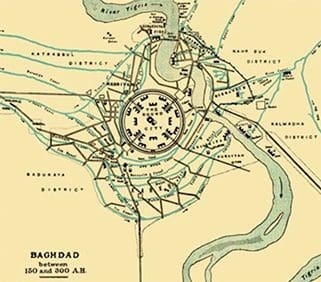
Early Islamic civilization – KQ3 – What can we learn about early Islamic civilization from the way they set up the capital at Baghdad?
Pupils are first asked to design a picture showing what Baghdad would have looked like 1,000 years ago. It is best if they draw it as an aerial view- a…
Read More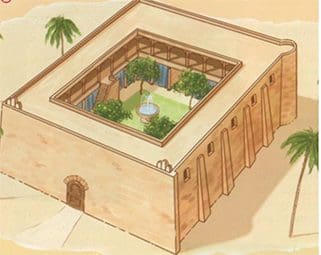
Early Islamic civilization – KQ4 – What was so special about Baghdad in its Golden Age?
In it’s Golden Age, ten times more people lived in Baghdad than in London. So what was so special about it? And how can we possibly know? Pupils work on…
Read More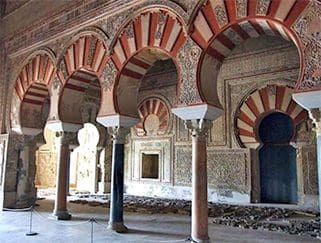
Early Islamic civilization – KQ5 – Just how amazing was daily life for rich people in Islamic cities such as Baghdad and Cordoba?
Pupils in role as rich Saxon visitors to 10C Islamic cities, have to capture the essence of these amazingly sophisticated cities. Towards the end of their journey they have to…
Read More
The best way to plan your history topic at KS1 and 2 for September
It may seem odd that I’m still peddling advice on how to plan a primary history topic when schools have been doing this for the national Curriculum for nearly 30…
Read More
Mayan civilization – KQ1 – Why do we study the Maya in history at KS2?
Following a brief introduction to locate the Mayan civilization in time and place, stress that we knew very little about this society until recent excavations. Then give over most of…
Read More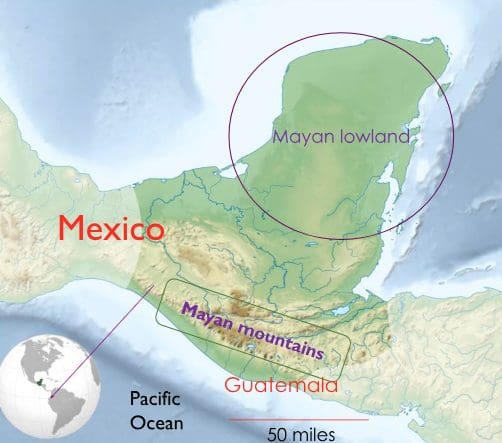
Mayan civilization – KQ2 – Reasons why the Maya empire grew – When so much of the land they lived in was mountain and jungle, how did the Maya manage to become so important?
This is a contentious area and historians cannot be sure so it is a quick overview type lesson. Learning objectives Pupils are able to offer at least 2 valid reasons…
Read More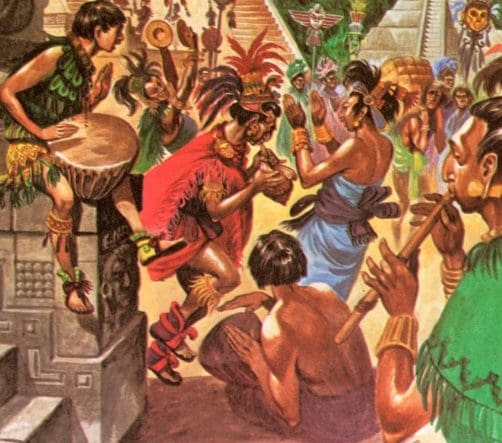
Mayan civilization – KQ3 – What was everyday life in Mayan civilization? How different was it for rich and poor?
Having been introduced to the nature of Mayan society with its clear hierarchy, and having seen various models and artists’ impressions of life in Mayan city states 1,200 years ago,…
Read More
Mayan civilization – KQ4 – How can we possibly know what was life like for the Mayan people 1,000 years ago? SMART TASK
Introduction This multi-faceted enquiry ranges from scene-setting story telling, and making deductions (using the strategies Zones of Inference and Prove it!), through to creative uses of evidence with Call My…
Read More
Mayan civilisation – KQ5 – Mayan civilization and human sacrifice
KQ5 If the Maya were so civilized why then did they carry out human sacrifice? SMART TASK Please note that this can be a delicate issue to be treated with…
Read More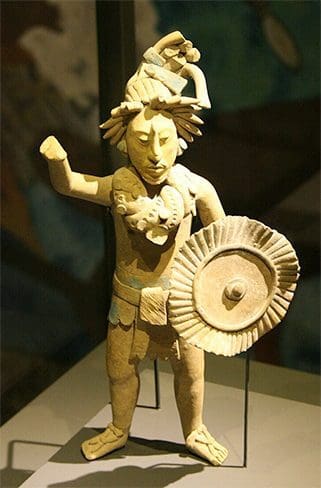
Mayan civilisation – KQ5 additional information – Ideas to support your teaching of the Maya religious practices
How will you present cultural practices that differ from our own, such as human sacrifice, as practised by the Maya? Are you guilty of cultural chauvinism? While human sacrifice appears…
Read More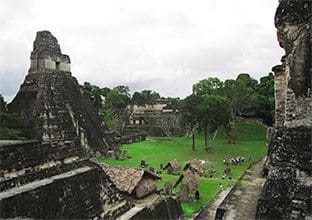
Mayan civilisation – KQ6 – Why did the Mayan empire decline?
How can we solve the riddle of why the Mayan empire ended so quickly? When there are apparently 88 competing theories about the end of the Mayan civilisation where do…
Read More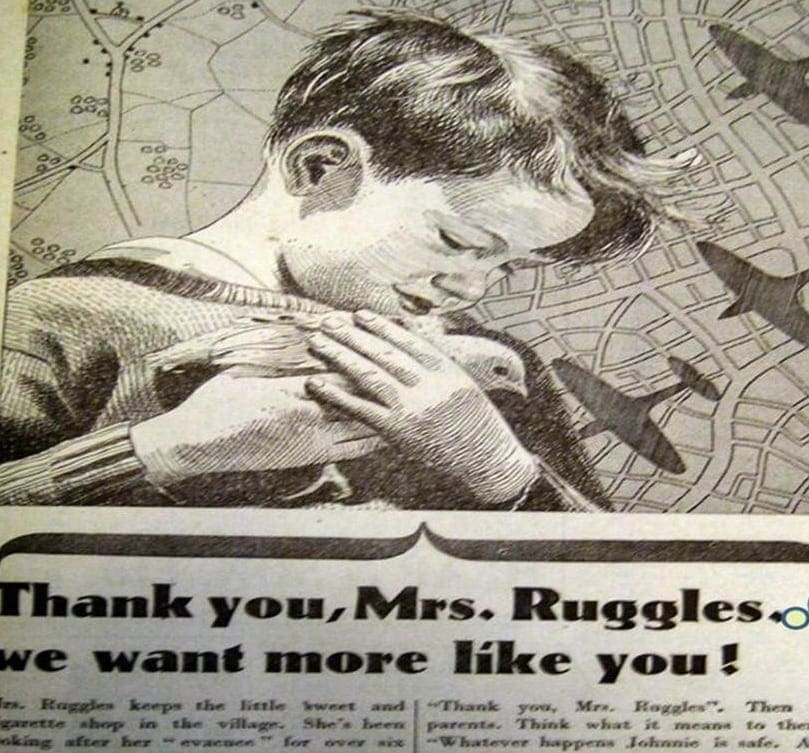
Y6 pupils play film detectives to learn about government propaganda SMART TASK
Using a short Ministry of Information film, which last just 8 minutes and can be accessed online here (please note we do not have copyright for this and you will…
Read MoreMayan civilisation – KQ6 – Additional information – Why did 90% of Maya ‘disappear’ around 900AD?
This article comes largely from the Historical Association website Around 900AD, most of the Maya disappeared from the historical record. Many of their cities were deserted. No more stelae [special…
Read MoreKS2 Islam -Today is anniversary of start of Building of Baghdad
If you are teaching Islamic civilization at KS2 you might like to watch a short podcast which looks at the start of the building of Baghdad on 31 July 762.
Read More
Brief 10 question diagnostic assessment task for KS2 Ancient Egypt
Pupils have to answer 10 fairly open ended questions for which answers are provided reflecting the knowledge and understanding outlined in the medium term planner. Q1 How can we know…
Read MoreWhat history skills should we be developing?
It is often helpful have a short list of key historical skills which is neither too daunting nor too convoluted. Here is one such list. But where do you think…
Read More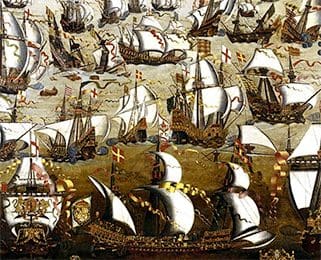
Spanish Armada: 430th anniversary- great lessons to enjoy for KS2 and 3
Those of you teaching the Spanish Armada at KS2 or 3, will know that today is the 430th anniversary of the decisive battle of Gravelines. You may not know that…
Read More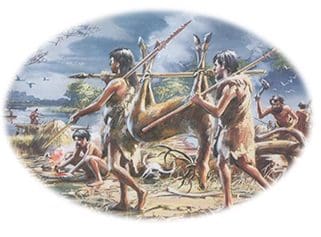
Teaching Stone Age to Iron Age at KS2 : Building your confidence
This excellent website offers you a very short, reliable summary of all the key points you need to teach to your KS2 pupils. Towards the end of the topic you…
Read More
Trump’s woeful ignorance of own country’s Cold War history
I know we shouldn’t be surprised when Trump commits another faux pas, but I can’t help admitting that my hackles rose particularly high this afternoon when I heard him claim…
Read More
Teaching KS3 History: Significant world society/issue
Area 7 of the new National Curriculum for history makes it mandatory for schools to teach at least one study of a significant society or issue in world history and…
Read More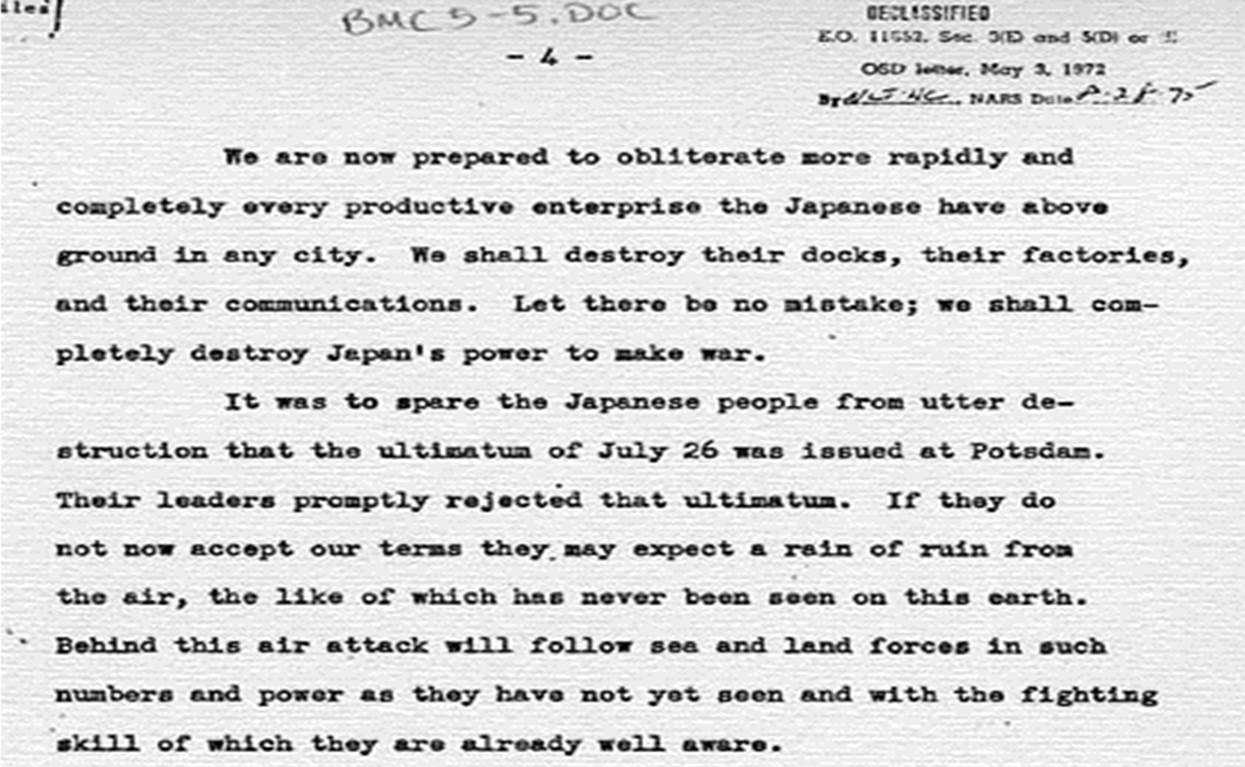
Why did President Truman drop the atomic bombs in August 1945? A study in interpretations SMART TASK KS3
This is a well-covered topic and most of you will already have your own favoured approach. For that reason I am not offering just one lesson but instead a series…
Read More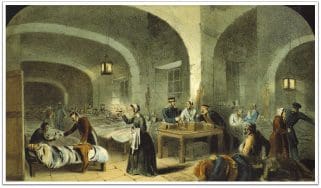
Fighting Fit. What did Florence do to improve the lives of the soldiers when she arrived in the Crimea?
In this lesson children compare the appalling conditions in the hospitals on Florence’s arrival at Scutari. With the help of animated rats!! They list the most significant problems and then…
Read More
Planning for teaching Ancient Greece KS2
The main foci throughout this planner are: Ideas, Beliefs, Attitudes (especially the role of women); Way of life (contrasting Athens with Sparta and grasping that ideas flourished in a society…
Read More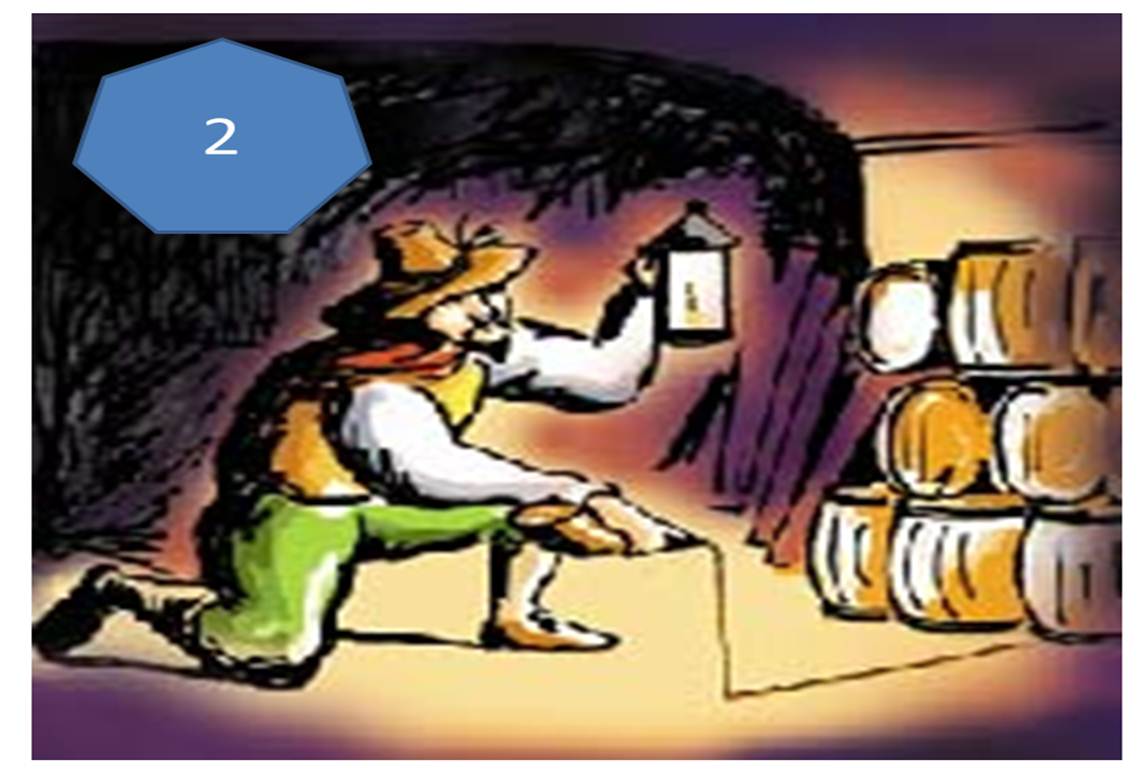
Using drama to teach the Gunpowder Plot at KS1: a big hat, a lantern and a sleeping guard
You may choose to use drama for any number of reasons. You might simply want to recap the story. Perhaps your aim is to deepen children’s understanding of the plotters’…
Read More
Ignorant minister Nick Gibb says history teachers don’t use textbooks
Nick Gibb climbed on his hobby horse again this week and criticised teachers for not using textbooks more. The replacement of textbooks with work sheets and hundreds of thousands of…
Read More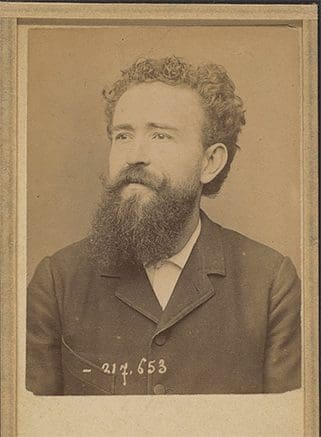
Great new GCSE Crime and Punishment resource
Some of the world’s first police mugshots have been revealed showing criminals caught more than 150 years ago, including the earliest joyrider jailed for stealing a horse and cart. The…
Read More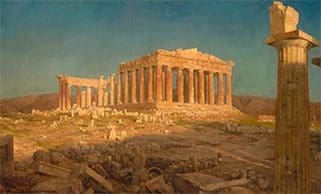
Ancient Greece – KQ1 Part 1 – How can we possibly know so much about the Ancient Greeks who lived over 2,500 years ago?
Any study of ancient Greek society must begin with an appreciation of the physical features of Greece. Landform and climate do not explain the vast and varied achievements of the…
Read More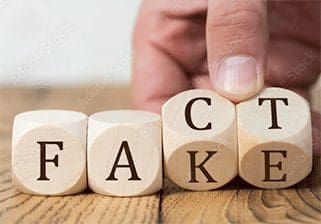
Only 1 in 50 children can spot fake news-teach them history
According to a survey published today only 1 in 50 primary pupils have sharp enough critical skills to detect fake news. It concluded : If we don’t take urgent action…
Read More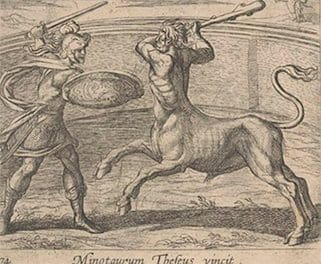
Ancient Greece – KQ1 Part 2 – Theseus and the Minotaur: Is there any evidence for the legend?
This KS2 smart task places pupils in the role of detectives trying to prove that the legend of Theseus and the Minotaur may actually have been been a fact. First…
Read MoreAncient Greece – KQ1 Part 2 – Background information
This short article provides some background information to support your teaching of Key Question 1 Part 2. Set the lesson in a chronological framework. It is probably worth chunking up…
Read More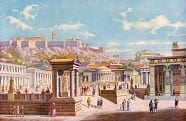
Ancient Greece – KQ2 Part 1 – What can we work out about everyday life in Ancient Athens?
There are three distinct parts to Key Question 2 but each centrally based around the need for pupils to use evidence of different forms. The introductory PowerPoint shows 4 contrasting…
Read More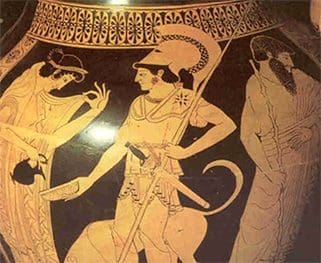
Ancient Greece – KQ2 Part 2 – Ancient Greek vases: the answer lies on the pot
This KS2 history lesson, in which the decoration of a Greek pot is slowly revealed, features two cracking activities designed to set pupils thinking deeply, laterally and creatively. It is…
Read More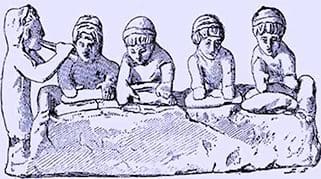
Ancient Greece – KQ2 Part 3 – What was life like for women in Ancient Greece?
This simple lesson on life for women in Ancient Greece, based around a PowerPoint presentation, makes an excellent contribution to literacy and also makes pupils aware of the nature of…
Read More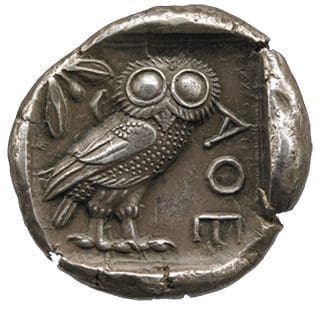
Ancient Greece – KQ3 Part 1 – Why was Athens able to be so strong in the 5th and 6th century BC?
As well as recapping Athens’ natural advantages (coastline to trade by sea, expand into colonies and capture slaves) and their natural resources (silver mines) pupils focus on the significance of…
Read More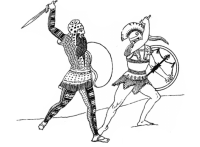
Ancient Greece – KQ3 Part 2 – The Battle of Marathon. A history mystery
This lesson on the Battle of Marathon makes a major contribution to pupils’ thinking skills. They are presented with a paradox. How could the David of Athens beat the Goliath…
Read More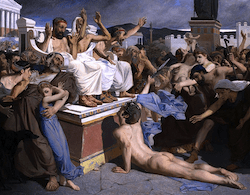
Ancient Greece – KQ3 Part 3 – comparing six contrasting interpretations of the original Marathon run
Interesting session comparing six contrasting interpretations of the original Marathon run, followed by analysis of which to believe and understanding of why we have so many versions. Introduce with slide…
Read MoreAncient Greece – KQ3 Part 3 – Additional Information – 10 Things Your Pupils Need To Know About Pheidippides ’Marathon’ Run
1. Herodotus makes no mention of the run from Marathon to Athens The principal source for the battle of Marathon is the Greek historian Herodotus. He makes no mention of…
Read More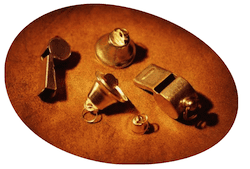
Ancient Greece – KQ3 Part 4 – Consequences of the battle of Marathon: Bells and whistles – Smart task
Really fun lesson called bells and whistles in which team have to make the appropriate sound depending on whether the consequence mentioned on the PowerPoint referred to Athens or Persia….
Read More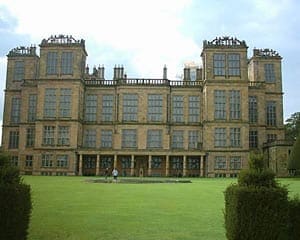
Excellent short video on Hardwick house for your enquiry on Tudor homes
Although designed for GCSE students i have watched the 3 minute video a number of times and its perfect for Y4/5 pupils, especially those using the numeracy enquiry on the…
Read More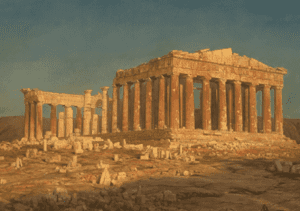
Ancient Greece – KQ4 Part 1 – role play on building the Parthenon
This full lesson is a role-play activity looking at Greek democracy in the context of the rebuilding of the Parthenon. It starts with a link to the building of the…
Read More
When outstanding is not outstanding
Ofsted’s director of corporate strategy, Luke Tryl, said yesterday: “What we can’t tell is if the levels of education in those schools judged outstanding 10 years ago are the same…
Read MoreAt last OFSTED is seeing sense with its lesson observations
For 7 of the most miserable years of my professional life, I had to carry out OFSTED inspections. Not because I wanted to but because Hampshire wanted me to. I…
Read More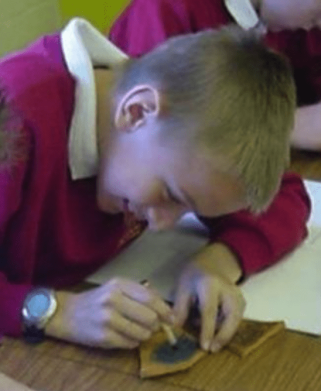
How to get high quality written answers from your KS2 pupils
As we all know, developing pupils’ extended written answers requires structures preparation. Pupils need to develop their own thinking on the topic. they then need to develop a vocabulary to…
Read More
Gove’s reply to my letter criticising his inane proposals for NC history,sent via my MP
You might be interested in Gove’s response to my criticism of the new NC proposals, sent via my local MP. He says that in recent years ” the national curriculum…
Read More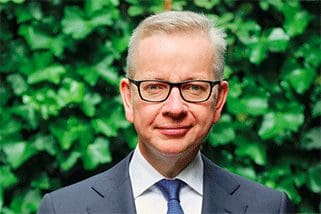
Gove’s attacks on ‘infantilised’ history teaching: sign of desperate man
Gove ridiculous lampooning of a couple of Russell Tarr and the Historical Associations’s suggested learning activities for history has all the hallmarks of someone far happier on the attack than…
Read MoreTop Tips for teaching….Stone Age to Iron Age
Stone Age to Iron Age The British Isles has been populated by humans for 750.000 years but only became an island when the ice sheets melted about 8,000 years ago….
Read MoreWritten by Neil Thompson
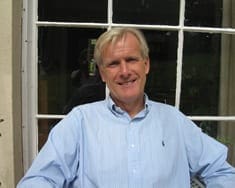
All content on Keystage history is written and quality assured by Neil Thompson, a former history teacher, county history adviser and Ofsted inspector with more than 30 years’ experience in history education.