Resources
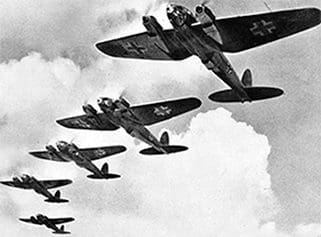
Myth of the Blitz: Professor Overy’s view: Writing in History Today, Richard Overy adds his own perspective on the vexed question of whether there was a truly Blitz spirit:
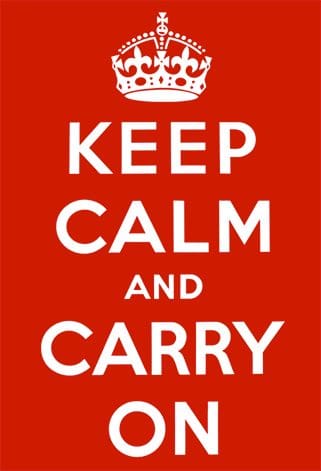
“For all the familiar story of Anderson shelters and ‘we-can-take-it’ mentality of the crowds clustered in the Underground system, the British state had failed to ensure effective protection for much of the civilian population and casualties were higher than they should have been. The result was predictable -thousands streamed out of the bombed towns and cities into neighbouring countryside. Social crisis was averted largely because bombing in 1940…provoked among the survivors a desire to protect and sustain their private sphere rather than engage in political protest. (Recent research) has shown not a growing sense of solidarity but a fragmentation born of powerlessness”.
“There was an exceptional bravery about those communities that had to cope with the experience, though like the soldiers of the Western Front, there was not much they could do about being there. That courage was often expressed in the way the media and the propaganda machine wanted it to be expressed. The reality on the ground, however, was a wide variety of responses to what were deeply traumatic events”.
“In a field still populated by myth-sustaining views of Cockney cheerfulness, Churchillian inspiration and the redoubtable ‘Few’ it is necessary to get back to a social and cultural history that can make real sense of the summer of 1940”.
Great Youtube video on the Jarrow March
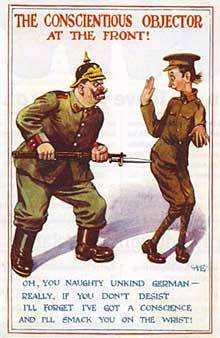
Conscientious objectors : A useful website is the Peace Pledge Union site which contains a separate project on Conscientious Objectors introduced by Jim Broadbent whose father was a CO. It offers background information as well as a number of interesting testimonies. There is even a ready-made playlet which could bring even greater variety to your GCSE lessons and I think it would bring home the moral dilemmas and alternatives open to COs.
Why the fifties ain’t what it used to be
David Kynaston’s account of daily life in Britain 1945-51 called Austerity now has a sequelFamily Britain. Its prognosis is not much better for the years 1951-57.
It challenges the view that before the Pill and mass immigration the Fifties were a time of relative innocence when family bonds and community spirit were stronger than they are today. He did find the 50s good in some respects: there was not such a superabundance of goods and choice. It meant people appreciated what they had more and there was less dissatisfaction. Streets were safer and there was more trust between strangers. “However”, he says, “if you were different it was difficult.”
Kynaston measured community spirit against 3 criteria: participation in activities and clubs; a sense of identity with local place and was there in everyday life a sense of mutuality between neighbours? Did neighbours help each other out? Only to a limited extent he argues and only then the middle classes.
On working class streets he asserts, there were great tensions and rivalries, what Gore calls “distant cordiality”.
As for family relations he, predictably, believes that there was a lot of bottling up of feelings. Now people are less inhibited. Progress? Discuss!