
Keystage history
Why did the US lose the war in Vietnam? A piece of cake?
In this lesson students focus on moving their understanding of the reasons for US defeat from simply listing and grouping, to prioritizing and linking. They are shown a variety of…
Read More
SMART TASK: Who said what at Versailles? A fun competitive team game with a serious purpose
This simple activity asks students to think who would be the most likely person to make this statement at the Paris peace conference that led to the Treaty of Versailles. …
Read More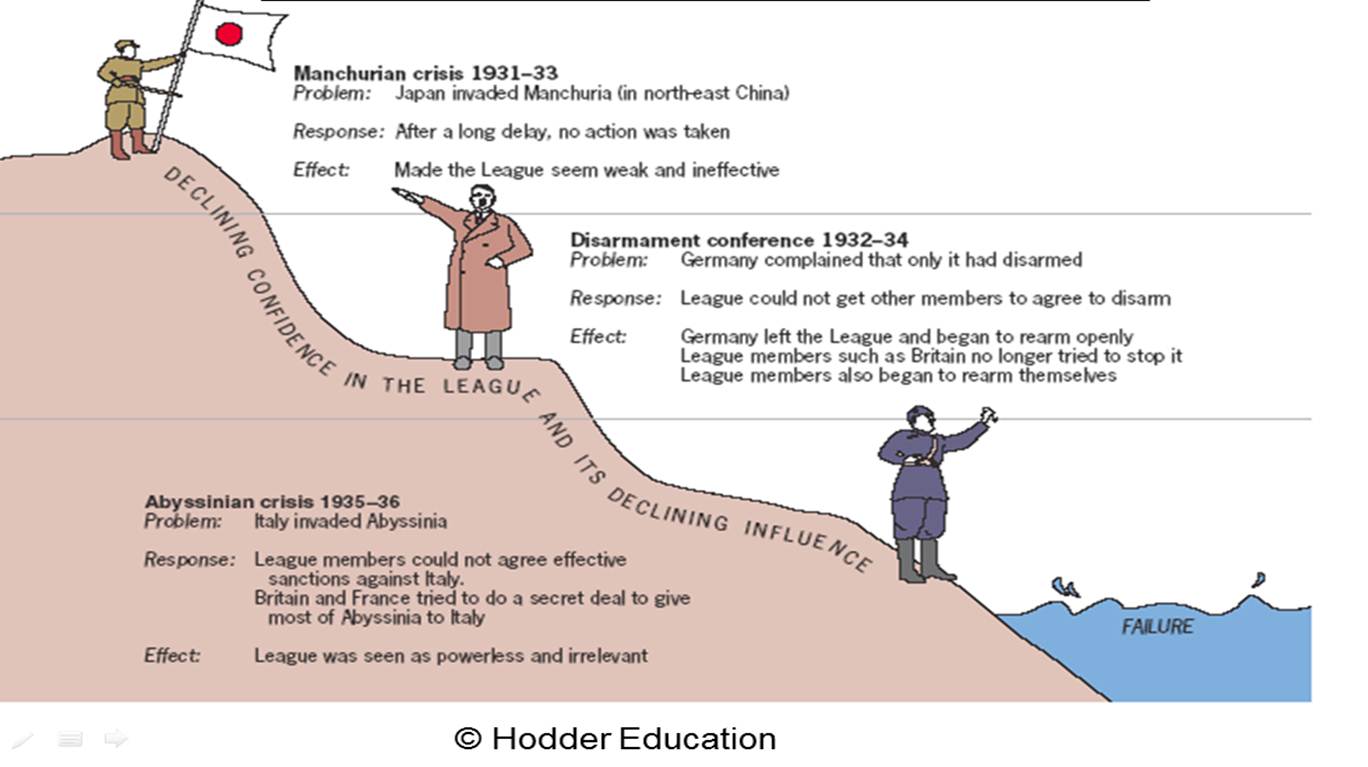
SMART TASK: At what stage would you say it was obvious that the League of Nations would fail to keep peace?
This short task and associated homework asks students to beat the textbook. First they are reminded of the record of the League. It was not a complete laughing stock as…
Read More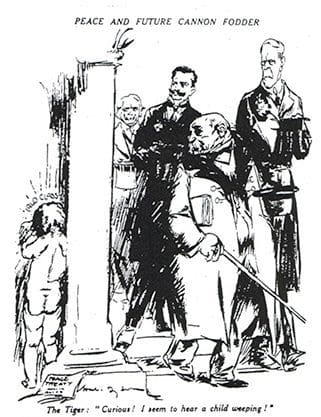
Could the Treaty of Versailles be justified at the time?
This lesson was taught by Claire Conley-Harper and her excellent team of history teachers at Court Moor School in Fleet, Hampshire. Context This lesson is taught at KS4, as part…
Read More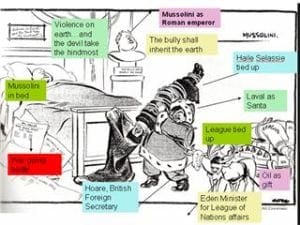
Was it the Manchurian or the Abyssinian crisis that spelled the end of the League of Nations?
There is a website that offers GCSE students this essay but at a cost. It is fairly accurately called www.cheat.com. We don’t want to cheat, and we certainly don’t want…
Read More
Why did the League of Nations fail?
It’s a piece of cake (F.A.I.L.U.R.E. is not an option) Students have already studied the major episodes in the history of the League up to 1939 and in passing have…
Read More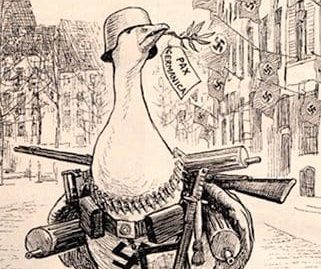
Invasion of the Rhineland 1936 – a study in political cartoon analysis
All too often when the students see political cartoons in textbooks they focus on an oval shape in the centre of the picture, often missing peripheral detail and occasionally ignoring…
Read More
Outstanding Lessons: Key Stage 4
There is probably more material already on the web for GCSE history teaching at KS4 than for any other key stage. Much of it is written for students. This section…
Read More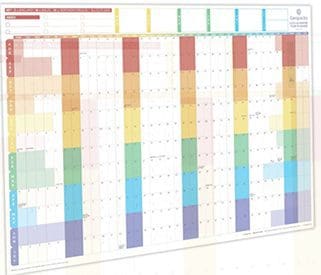
Forward planning in history at Key Stage 4
There are probably four separate strands that you need to weave into your forward planning. To start with there will be the need to plan for any externally imposed curriculum…
Read More
How might history targets be shared with students at Key Stage 4?
Target setting has now become a central feature of teachers’ professional life. With the advent of some pretty robust data for history, we can at last look at likely outcomes…
Read More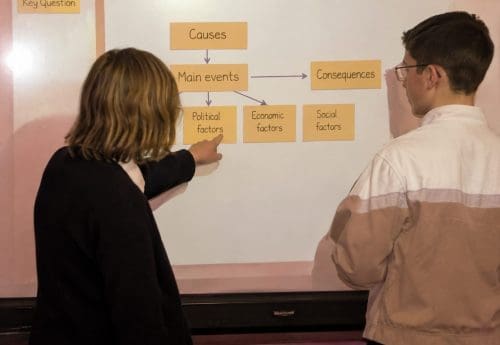
Progression in history at KS4 – general
Little has been written about progression in history at Key Stage 4, almost as if following the GCSE specification would take care of it. As many of you will know,…
Read More
APP in history: where are we now? Some key questions answered
Q1. What is APP? An old idea with a new name? A1. At present the plans to roll out APP across subjects have been stalled, even at KS3 let alone KS4…
Read MoreProgression in history at KS 4 – skill specific
It is interesting to note that most of the recent focus on progression has been placed firmly on Key Stage 3. Some of us might say that this is because…
Read More
Assessment for learning at KS4
This section focuses mainly on peer assessment as I firmly believe that this is the best way forward at KS4. Not only are the students usually more mature, they have…
Read MoreJudging students’ work at KS4
Most teachers will be familiar with marking KS4 answers. It is far less tricky than it used to be, given the publication of GCSE mark schemes and textbooks written by…
Read MoreAssessment tasks in Key Stage 4 history
Now that all the exam boards make past papers available on-line, and that textbooks written by Chief Examiners all now feature typical questions and answers, we are not short of…
Read MorePrinciples of assessment in history at KS4
The key issues to be aware of at Key Stage 4 relate mainly to the way students are involved in marking their own work. No longer a secret garden of…
Read More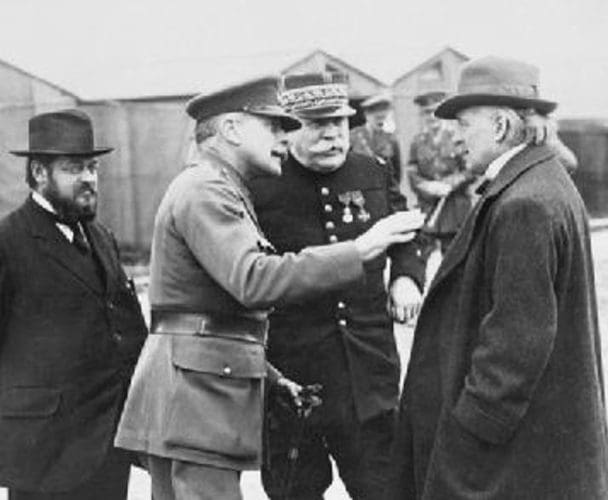
Explaining why there were so many casualties on the first day of the Battle of the Somme. SMART TASK
This task, suitable for KS3 Year 9 or KS4 students, presents them with something of a conundrum. When the Allies had far more men than the Germans and had fired…
Read More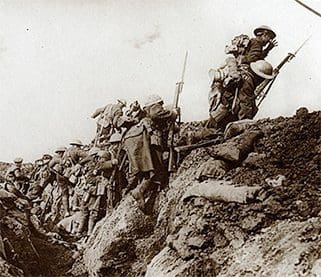
Why are these accounts of the Battle of the Somme, written by the same person, so different? SMART TASK
This task, suitable for Y9 in KS3 or KS4, drives at the heart of source evaluation. Students explore two sources, authored by the same journalist, Philip Gibbs, but written 4…
Read More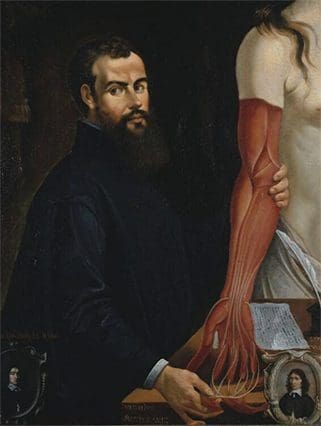
Vesalius’ claim to fame. Using the B.A.D formula to prepare for a BBC interview
The BBC is making a documentary on Renaissance medicine in which they have devoted two minutes to the work of Vesalius. Unfortunately, their Vesalius expert is ill and they thought…
Read More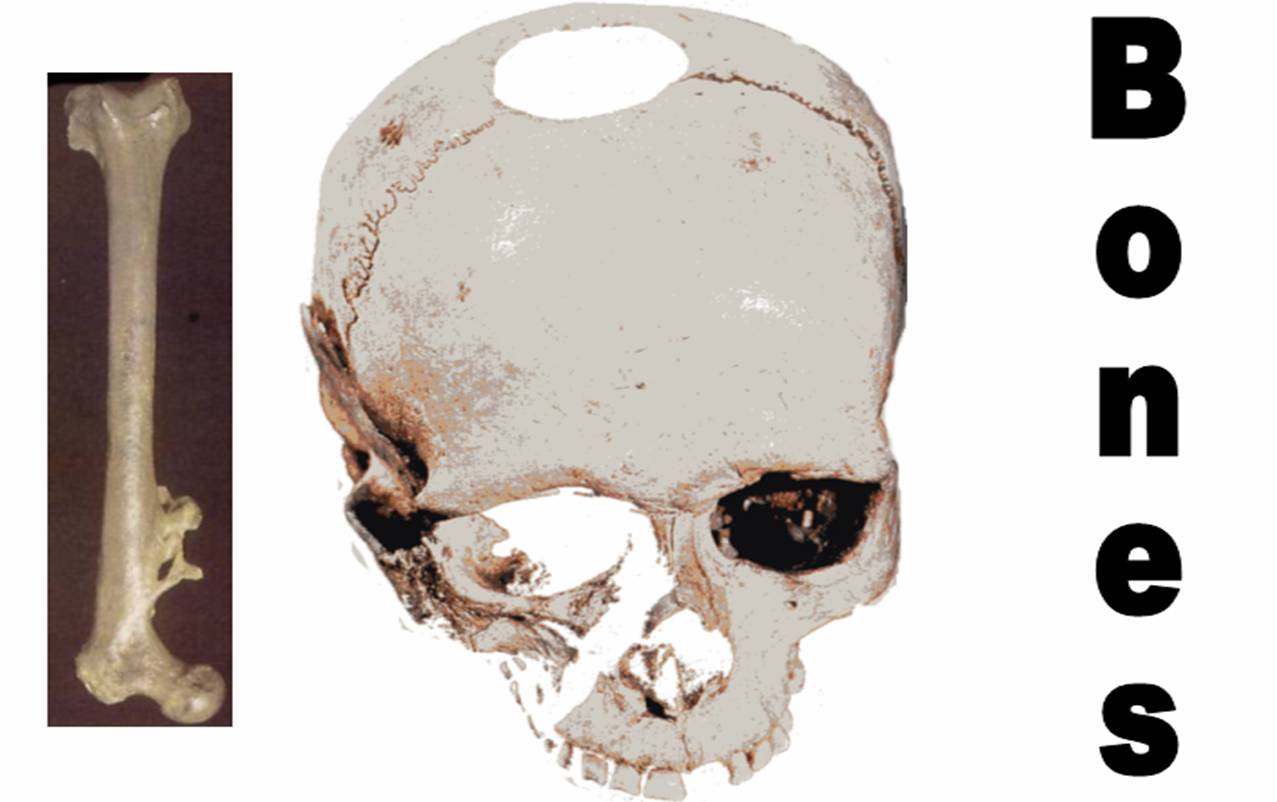
Prehistoric Medicine: Getting your GCSE course off to a great start
This lesson was taught by Mike Herrity when Head of History at Wildern School, Hedge End, near Southampton. On an OFSTED inspection the lead inspector pronounced the lesson quite outstanding…
Read More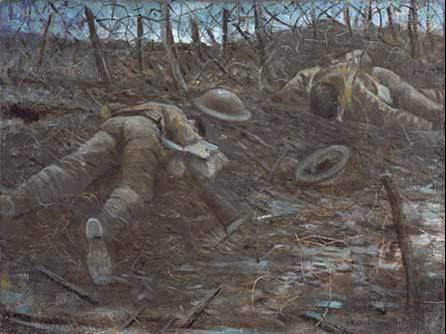
Why was this World War One painting censored?
Students studying Britain during World War One, whether it be for AQA, OCR or Edexcel, need to know about censorship. This deceptively simple lesson asks penetrating questions which both engage…
Read More
How have cartoonists portrayed the Liberals Old Age Pensions reforms?
This lesson takes a familiar cartoon but gives it an original twist. Instead of seeing the cartoon all at once, students see it in four separate parts, which in pairs…
Read More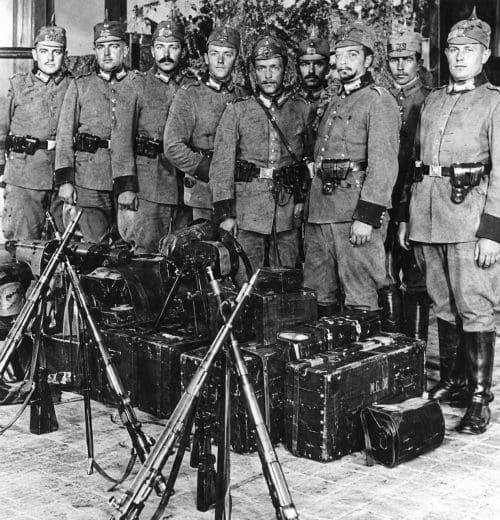
Battalion 101. Why did they shoot? A history mystery
This lesson could be used as part of a Year 9 course or with the Germany module of Y10/11 SHP or Modern World. Students are confronted with moral issues and…
Read More
What can we learn about the Empire from a Christmas pudding?
This lesson starts with a simple fun activity, working competitively in teams to locate the source of ingredients for an Empire Christmas pudding using a world map to help. Pupils…
Read More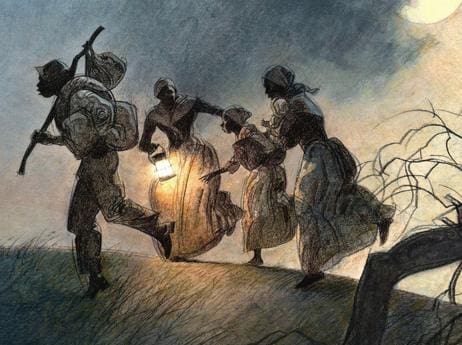
What made runaway slaves successful?
This short enquiry enables pupils to come up with their own ideas about runaway slaves working from first hand evidence of adverts for the slaves ‘arrest’. They work in pairs…
Read More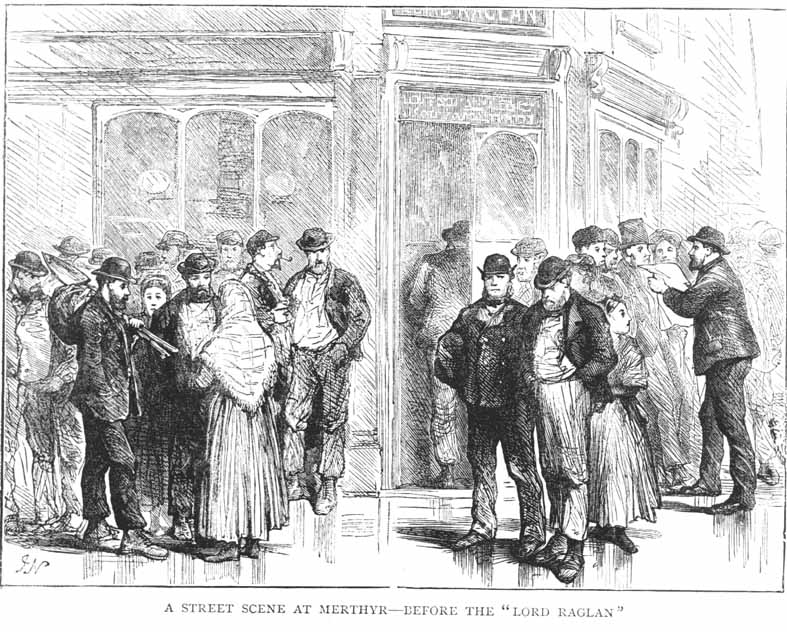
If life was so hard in Victorian cities, why did Wilf move his family there?
If life was so hard for families in the towns why did so many leave the countryside and move to the towns in Victorian times? – a history mystery Starting…
Read More
The mystery of the empty Saxon grave
This highly engaging lesson places pupils in the role of detectives. After a short briefing they have to work out the significance of the various clues found in the bodiless…
Read More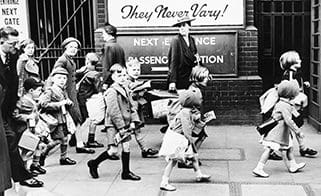
Eric the evacuee
Extending the BBC website on Eric the evacuee The BBC children’s history section has been in touch with the school asking for their help in extending their website section on…
Read More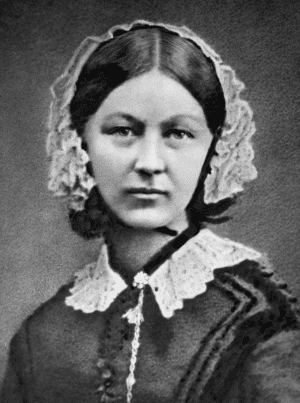
Florence Nightingale Lesson and sample planner
Fighting Fit. What did Florence do to improve the lives of the soldiers when she arrived in the Crimea? One example of a series of lessons for teaching Florence Nightingale…
Read More
Leadership in history
When looking at leadership in history a careful balance has to be created between offering generic advice (which you could get elsewhere) and very subject-specific advice, which in its attempt…
Read More
Assessment for learning in Primary history
Assessment for Learning is much vaunted and many faceted. If we break down what it means in its constituent parts, many of you will feel that you do most of…
Read More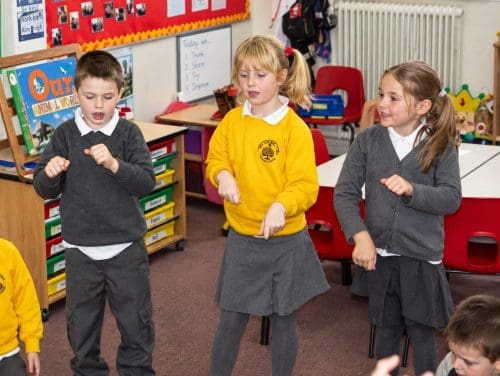
Target setting in history at Key Stage 1
The setting of targets with this age group for Foundation subjects is problematic., not least because pupils’ experience of history tends to be episodic rather than continuous. Setting a target…
Read More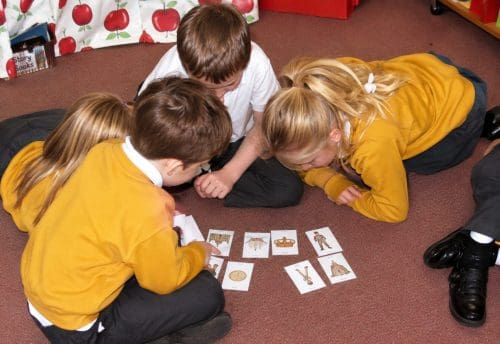
Progression in history at Key Stage 1
The problem Trying to secure progression within your Key Stage 1 history curriculum is not always as easy as it might seem. Sometimes it feels like trying to pick up…
Read More
Long term planning for history at Key Stage 1
Superficially, Key Stage 1 seems the least complex history curriculum to plan because the burden of content to be covered seems manageable. Scratch beneath the short section that describes the…
Read More
Medium-term planning for history at Key Stage 1
This part of the site contains a dozen detailed fully-developed enquiry-led, key question-driven medium term plans for all the major KS1 history -led topics. They have all been judged to…
Read More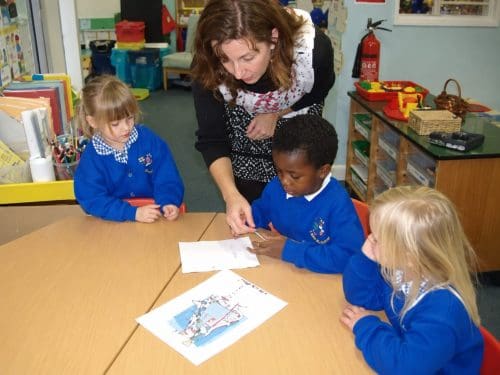
Short-term planning in history at KS1
This site does not favour the publication of short-term planning, preferring instead to focus on very detailed medium-term planning and allowing teachers the space to create their own short term…
Read More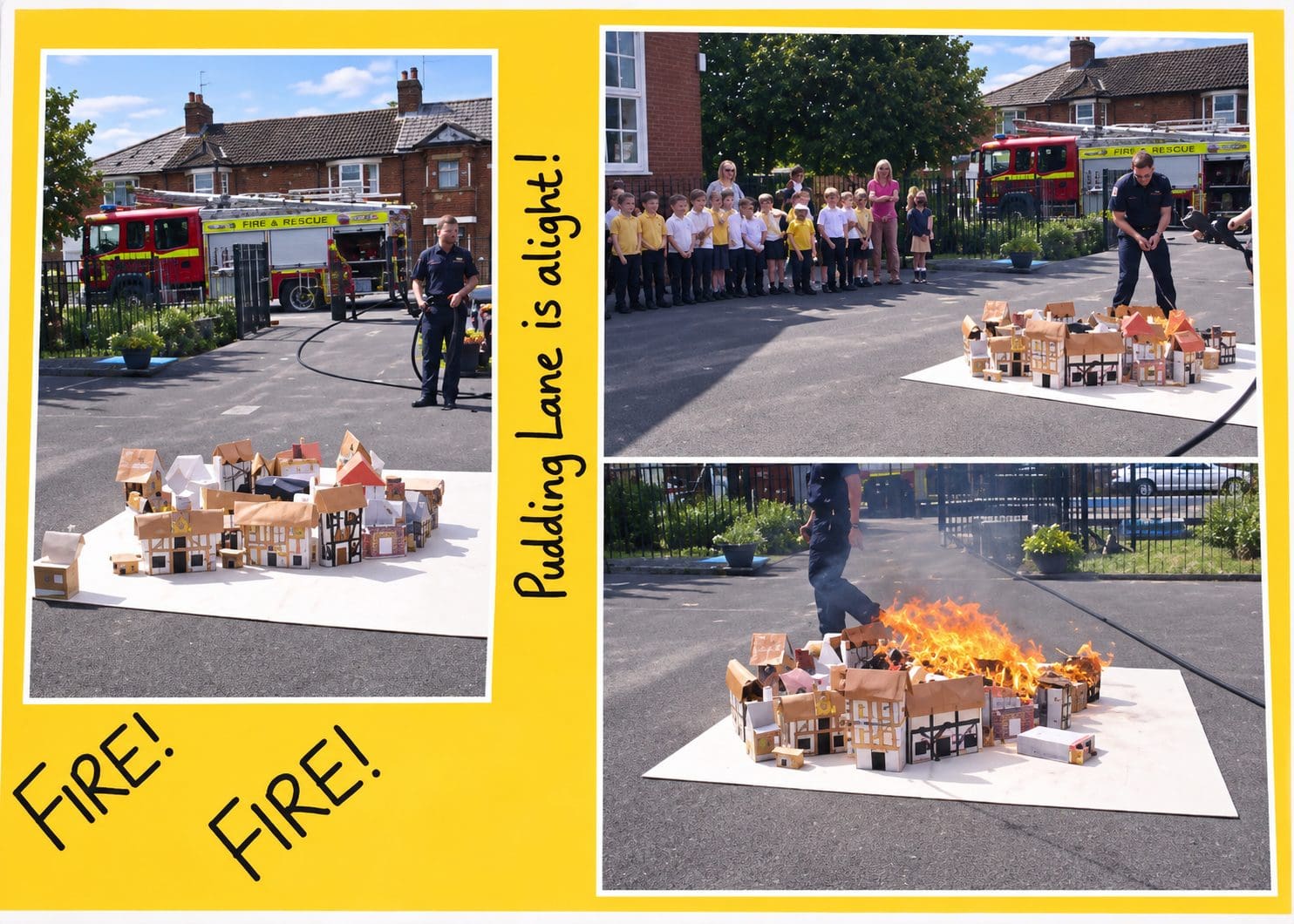
Creativity in History at KS1 and KS2
What follows below is an attempt to summarise the key points from recent research and to illustrate them with lively examples. I expect this area of the site will grow…
Read More
Thinking skills in history at Key Stage 1
There is nothing particularly radical about using a thinking skills approach to history at Key Stage 1, but there are certainly two main pitfalls that snare the unwary. The first…
Read MoreLinking history and literacy
There is now a considerable amount of advice available to schools on how to link history with literacy, but OFSTED still finds that the opportunities are not being sufficiently exploited….
Read MoreOpportunities for Citizenship Education in KS1 History
History offers an excellent context for developing many of the worthwhile skills and understanding that form part of the citizenship curriculum. If you want your pupils to see two sides…
Read More
Curriculum models for KS1 history
It seems a logical extension of the advice on long-term planning of the curriculum to offer you some models of what it might look like. As you know, the devil…
Read MoreCurriculum Rationale
Rationale for KS1 history planning The KS1 history curriculum offers you considerable choice in which topics you choose and how you sequence them. Nowadays it involves a more thematic approach…
Read More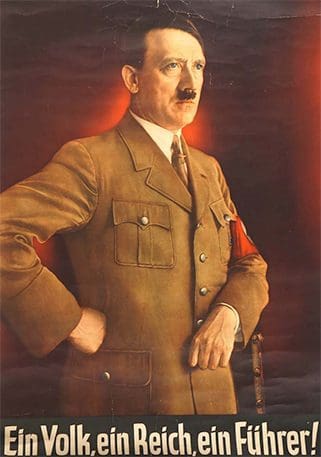
SMART TASK: Germany 1933-34 Revision Quickie
Which factors played their part in establishing Nazi dictatorship in 1933-4? Subscribers only: You must be logged in to view this content in full. Please Login or register
Read MoreViews of learners in history at KS4
Over the past six or seven years interest in the pupil or student voice has soared. We are now fortunate in having the data from two major surveys conducted by…
Read MoreRoles for Learners: Key Stage 4
When so much of Key Stage 4 time is spent making sure that students know enough to answer any GCSE question that might arise, it is tempting not to stray…
Read More
’50’ imaginative learning activities for Key Stage 4
We all know that the learning experience for students at Key Stage 4 could be more varied in some schools. Students have told us that, time and again. The lessons…
Read MoreThe learning approach in history at Key Stage 4
Learning in Key Stage 4 history lessons is nearly always good but rarely is it outstanding. Because we are so aware of the examination requirements and the need to induct…
Read More
Creativity in Key Stage 4 history
When the demands of the examination, and the results, loom large over our GCSE teaching, you might be forgiven for feeling that the last thing you want to be thinking…
Read MoreWhat is history at Key Stage 4?
You may be forgiven for thinking that this is a really crass question. If you don’t know by now, and you’ve been teaching GCSE for years, what can this possibly…
Read MoreWritten by Neil Thompson

All content on Keystage history is written and quality assured by Neil Thompson, a former history teacher, county history adviser and Ofsted inspector with more than 30 years’ experience in history education.