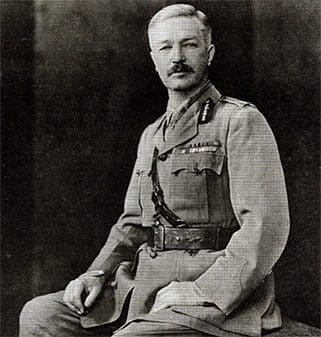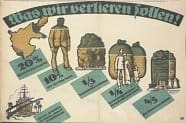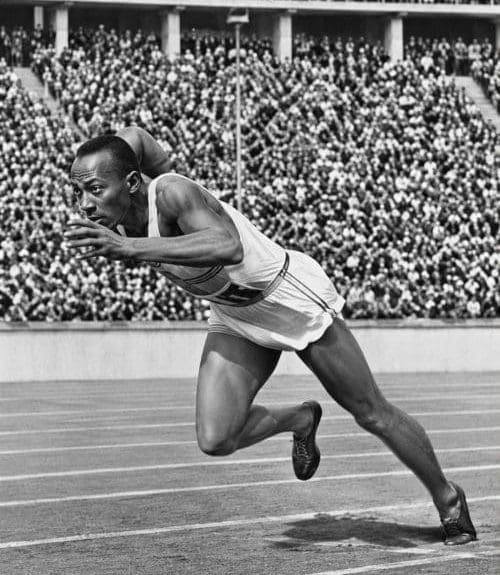
The modern Olympic Games offer a fascinating window into the history of the twentieth century. Behind the medals, record-breaking performances and memorable sporting moments lie stories of national pride, political rivalry, racial discrimination and protest. Exploring the Games helps pupils consider how an international sporting event can reflect the tensions and changing attitudes of the world around it.

This engaging KS3 Smart Task challenges pupils to identify significant Olympic Games, using the accompanying worksheet to connect individual events with their historical context. The question, ‘Which modern Olympic Games am I?’, provides an accessible starting point for discussion, encouraging pupils to draw on their knowledge, make connections and explain the reasoning behind their answers.

Once the Games have been identified, the enquiry can broaden to consider why particular Olympics became historically significant. Why might governments want to use sport to promote their country? How could athletes challenge prejudice or draw attention to injustice? And how far could the Olympic ideal of international cooperation survive political divisions? With a worksheet and answers provided, this short activity opens up wider discussion about the relationship between sport, politics and society.
Resources

Subscribers only: You must be logged in to view this content in full. Please Login or register
Lesson or enquiryHistorical focus
Teaching the 20th-century world to Key Stage 3Overview and planning
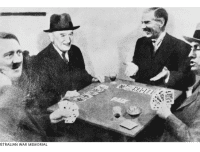
How well did Chamberlain play his cards at Munich?Appeasement and historical judgement
Rotten apple or…? How should we portray Dyer’s motivation in the Amritsar massacre?Motivation, empire and interpretations
How should Germany be treated at the Paris peace conference?Peacemaking after World War One
Why did President Truman drop the atomic bombs in August 1945?Causation and interpretations
Something about an ostrich – the assassination of Franz Ferdinand as a mystery to be solvedInvestigating the assassination of Franz Ferdinand
Did the number of deaths on the Western Front in World War One have any effect on the numbers joining up?Recruitment, casualties and using data
What’s the truth behind the Suffragette derby of 1913?Evaluating evidence about Emily Wilding Davison
How well do these cartoons cover the causes of World War One?Cartoon analysis and causation
Hitler’s propaganda: the cult of leader – reading internal cluesAnalysing Nazi propaganda
Why did Germany lose the Battle of Britain?Explaining Germany’s defeat
Was there really a Blitz spirit? Killer evidenceEvidence and interpretations of the Home Front
Market place: Why I didn’t oppose HitlerExplaining the lack of opposition to Hitler
Which modern Olympic Games am I?Chronology and the modern Olympic Games
The causes of World War One: The Blame GameCausation and responsibility for war
Explaining why there were so many casualties on the first day of the Battle of the SommeExplaining the heavy losses on 1 July 1916
Why are these accounts of the Battle of the Somme, written by the same person, so different?Source evaluation and contrasting accounts
Battalion 101. Why did they shoot? A history mysteryInvestigating perpetrators’ actions in the Holocaust
Evacuation: was it worth it?Evaluating wartime evacuation
How close to World War Three did the world come in the 65 years after World War Two?Post-war conflict and international tensions
Was the bombing of Dresden justified?Evaluating arguments about wartime bombing
Teaching Dunkirk at KS3 – Spinning DunkirkPropaganda and interpretations of Dunkirk
Why did 15-year-old boys want to join up in 1914?Motivation and recruitment in World War One
Share