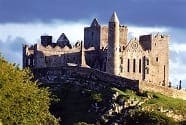
This short task focuses on an entry from a website used by lots of people today, mainly in Ireland, to find out about Cromwell’s time there. Pupils are asked to assess whether it is a reliable interpretation of Cromwell’s behaviour in Ireland in the early 1650s.
 

Resource

Subscribers only: You must be logged in to view this content in full. Please Login or register
Lesson or enquiryHistorical focus
Teaching KS3 history: Early Modern HistoryOverview of Britain, 1500–1750
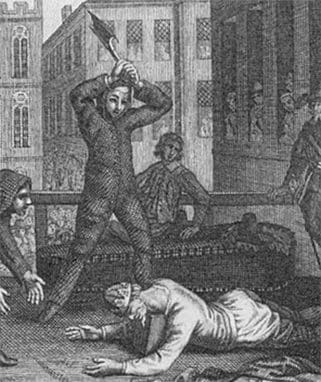
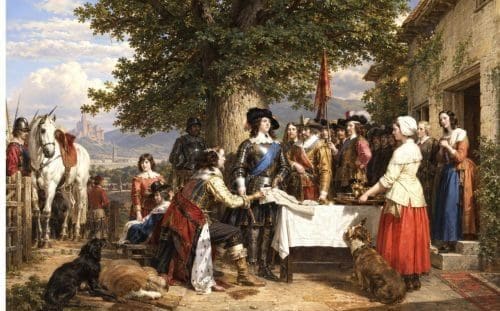
The execution of Charles I – advising a film directorSource analysis and evaluation
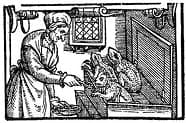
So you think your pupils know about witchcraft in early modern Britain?Challenging misconceptions about witchcraft
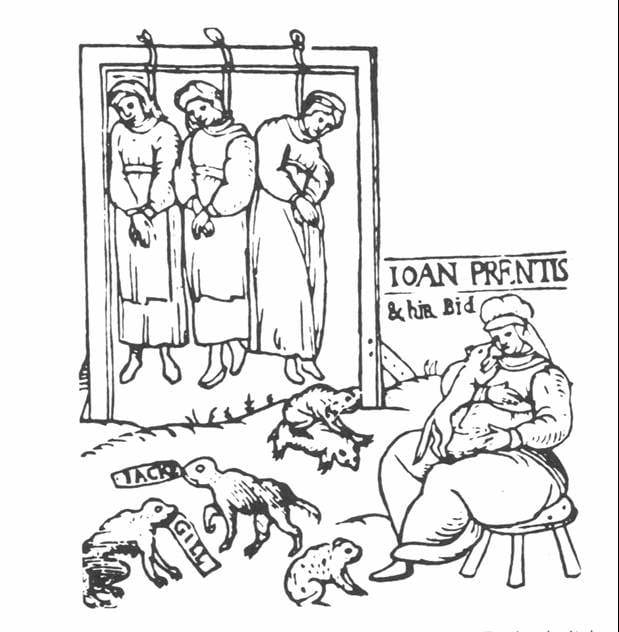
Why were so many witches hanged in the 16th and 17th centuries?Causation and evaluating explanations
How ‘Bloody’ was Mary Tudor?Interpretations and historical judgement
Why did sons kill fathers in the English Civil War? The Verneys enquiryCivil War loyalties and divided families
Religious change in the 16th century: did they do what they were told?The Reformation and responses to religious change
Parchment in the flames – the World Turned Upside DownUsing sources to explore the aftermath of the Civil War
Did the Great Fire really end the Great Plague of 1665?Testing explanations using statistics and maps
English Civil War enquiry: was the last year of the war more about sieges than pitched battles?Using data to investigate Civil War fighting
Starter activity on religious changes in the reign of Edward VIInterpreting images of religious change
Having lost his parliament, then his throne, why did Charles I have to lose his head?Prioritising causes of Charles I’s execution
Cromwell: a reputation deserved?Evaluating interpretations of Cromwell
Early Modern Britain 1500–1750: Editor’s PencilOverview and identifying historical errors
Were Cromwell’s actions at Drogheda as brutal as we’ve been led to believe? Ketchup on the wallsEvaluating evidence and interpretations of Drogheda
Share