
Keystage history
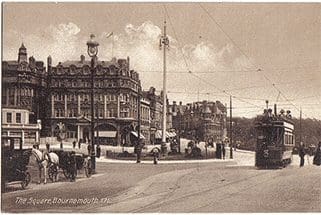
Bournemouth – significant people and events
Bournemouth is an influential coastal town known for its strategic location, natural environment, and contribution to learning and innovation. Established as a health resort in the 19th century, it attracted…
Read More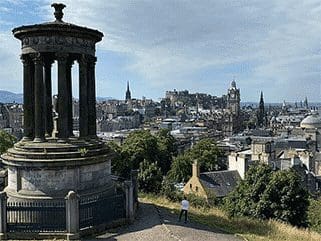
Edinburgh – significant people and events
Edinburgh is an influential city because it has long been a place where ideas grow and important decisions are made. Built around its famous castle, the city has seen kings,…
Read More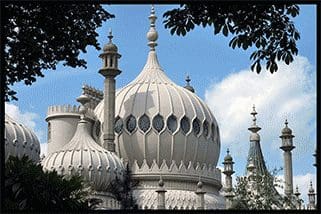
Brighton – significant people and events
Brighton is an influential seaside city known for its creativity, diversity and bold ideas. It grew as a popular resort in the 1800s, attracting visitors who came for fresh sea…
Read More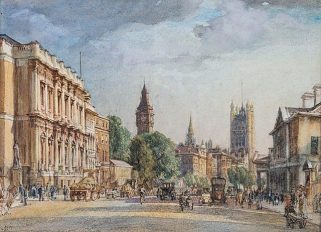
London – significant people and events
London is an influential city because it has been a centre of power, ideas and culture for hundreds of years. It is the capital of the United Kingdom, where important…
Read More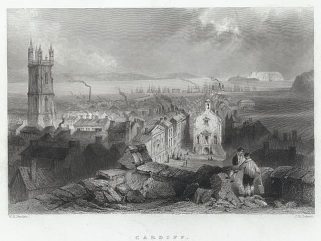
Cardiff – significant people and events
Cardiff is an influential capital city where ideas, leadership and culture meet. It grew from a small town into a busy port city, especially during the coal trade, when ships…
Read More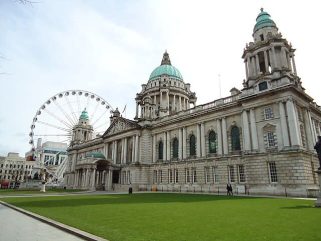
Belfast – significant people and events
Belfast is an influential city because it is a place of building, learning and big change. It grew quickly as an industrial city, famous for shipbuilding and engineering, where skilled…
Read More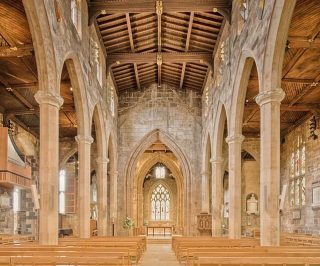
Sheffield – significant people and events
Sheffield is a city of makers, famous for “steel and skill.” For a long time, hot furnaces and busy workshops produced strong metal that became tools, cutlery and parts for…
Read More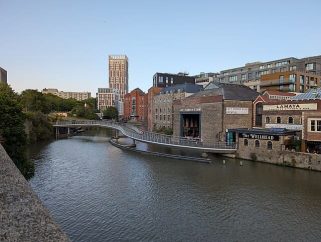
Bristol – significant people and events
Bristol is an influential city in the South West of England because it has been an important place for travel, trade and new ideas. For centuries, its busy harbour connected…
Read More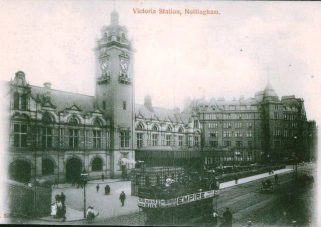
Nottingham – significant people and events
Nottingham is an influential city in England because it has inspired important ideas, stories and people for centuries. It is famous for the legend of Robin Hood, which reminds us…
Read More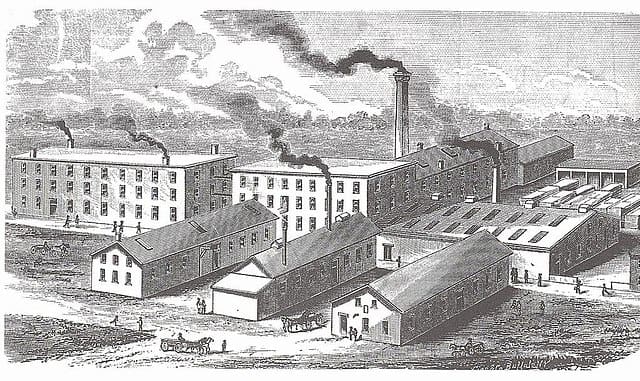
Newcastle – significant people and events
Newcastle is an influential city in the North East of England because it helped power Britain’s growth and inspired many important people. In the past, it became famous for coal…
Read More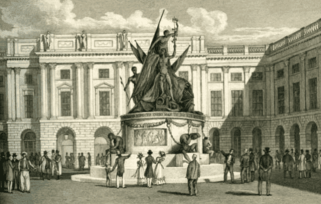
Liverpool – significant people and events
Liverpool is one of Britain’s most influential cities because its port is connected the country to the wider world and has brought new ideas, people and goods into the city…
Read More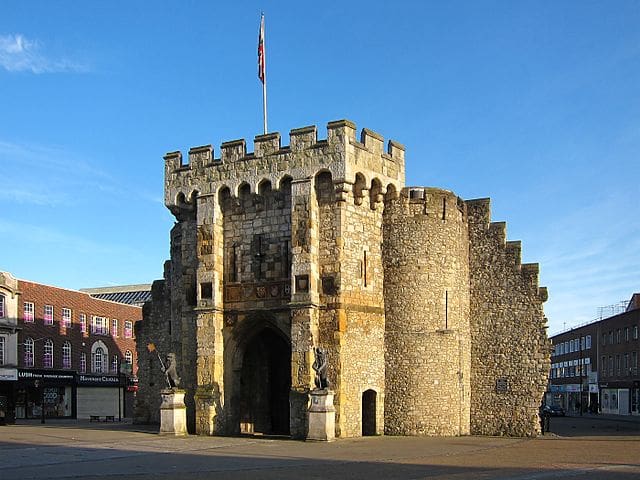
Southampton – significant people and events
Southampton is an influential city on England’s south coast because it has connected people, places and important events for centuries. Its busy port has welcomed travellers, soldiers and newcomers from…
Read More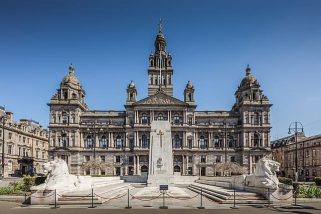
Glasgow – significant people and events
Glasgow is one of Scotland’s most influential cities because it has helped shape important ideas and people. In the past, it grew into a major centre for shipbuilding, trade and…
Read More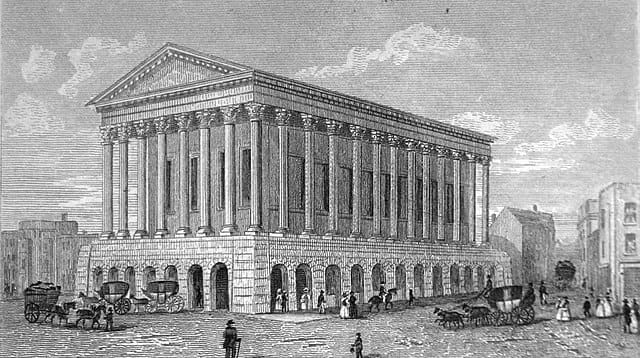
Birmingham – significant people and events
Birmingham is one of Britain’s most influential cities because it has helped shape big ideas and important people. In the past, it grew quickly during the Industrial Revolution, when inventors,…
Read More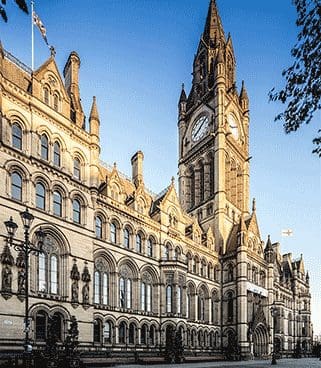
Manchester – significant people and events
Historically significant people associated with the city of Manchester and surrounding area. Manchester is one of Britain’s most historically influential cities: a place where new ideas, new machines, and new…
Read More
Swindon – significant people and events
Swindon is a town in Wiltshire with a history shaped by industry, transport, and change. For much of the Middle Ages, it was a small market town serving the surrounding…
Read More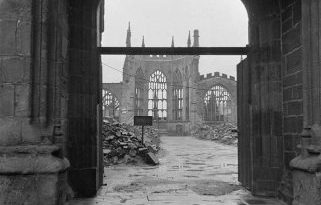
Coventry – significant people and events
Coventry’s history reflects some of the most important changes in British life. In the Middle Ages, Coventry grew rich through cloth and textile production, becoming one of England’s leading cities….
Read More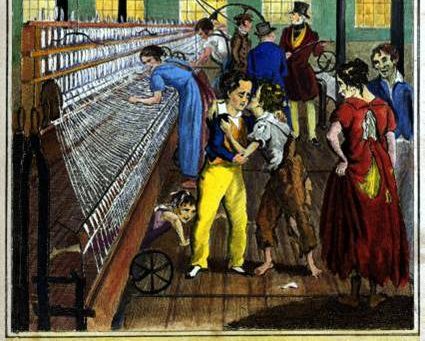
Victorians – end of unit quiz
Throughout this unit, we’ve explored what life was like in Britain during Queen Victoria’s long reign, from bustling factories and new inventions to strict school routines and life for rich…
Read More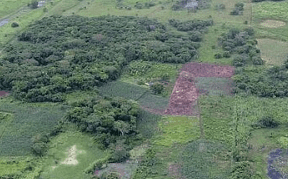
Using the Maya topic to look at changing interpretations
One of the hardest ideas to teach young children is that history is a construct and liable to changing interpretations. Many really dislike the fuzziness of not knowing for sure….
Read More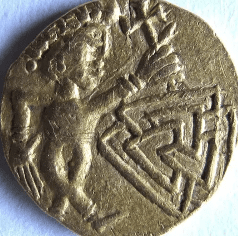
Looking for a new stimulus to teach arrival of Christianity in Saxon Britain?
Earlier this summer (2025) this very rare coin was found, one of the earliest Anglo-Saxon coins in existence. What makes it fascinating is the iconography used on the coin. You…
Read More
Reaction to new curriculum review – November 2025
In the Times today, 6 November, Michael Gove the architect of the existing National Curriculum, predictably weighed in with a blistering condemnation of Briget Philipson’s planned reforms. Curiously he left…
Read More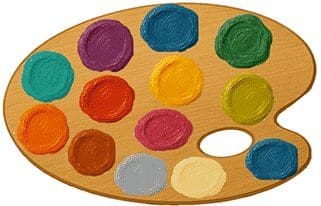
Historian’s palette – characteristics
We often talk about historical thinking on the site but what about historical writing. How do you help children to write as a historian. Obviously there is the opportunity to…
Read MoreHistorian’s palette – significance
We often talk about historical thinking on the site but what about historical writing. How do you help children to write as a historian. Obviously there is the opportunity to…
Read MoreHistorian’s palette – interpretations
We often talk about historical thinking on the site but what about historical writing. How do you help children to write as a historian. Obviously there is the opportunity to…
Read MoreHistorian’s palette – change and continuity
We often talk about historical thinking on the site but what about historical writing. How do you help children to write as a historian. Obviously there is the opportunity to…
Read More
History in the new curriculum review – November 2025
While you weep at the demise of the teaching of fronted adverbials! ( ha, ha) you will take comfort in the fact that the government’s review of the curriculum does…
Read More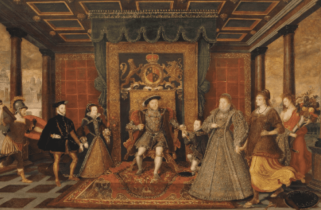
Mystery picture – hidden meanings in a Tudor painting
One of the exciting things about teaching history is watching the penny drop with pupils who discover that history is created and is not a single uncontested story. To get…
Read MoreHistorian’s palette – using sources
We often talk about historical thinking on the site but what about historical writing. How do you help children to write as a historian. Obviously there is the opportunity to…
Read MoreHistorian’s palette – causation
We often talk about historical thinking on the site but what about historical writing. How do you help children to write as a historian. Obviously there is the opportunity to…
Read More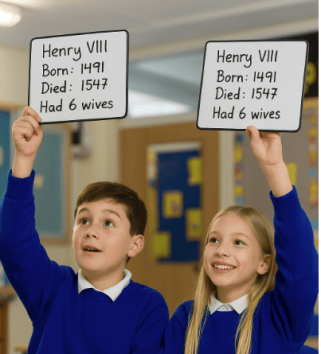
Using mini whiteboards in history
So you have you set of mini whiteboards, your zip bag of pens and your whiteboard cleaners. What next? Mini-whiteboards have multiple uses in primary history lessons. You don’t need…
Read More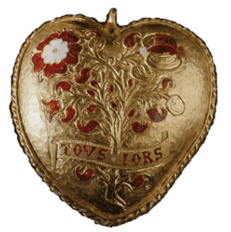
Henry and Katherine of Aragon: a love story less well told?
A recent find in a field in Warwickshire is to be sold and the hope is that the British Museum will be successful in their bid. Not only is this…
Read More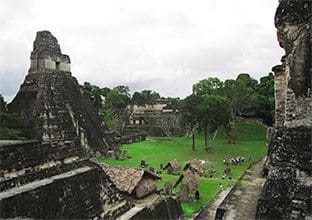
Mayan civilization KS2 – end of unit quiz
You’ve explored the incredible world of the ancient Maya — a people who built great cities, invented their own writing system, and studied the stars to make accurate calendars. Now…
Read More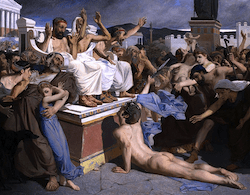
Ancient Greece – end of unit quiz
You’ve learned about the amazing people, places, and ideas from thousands of years ago — now it’s time to see what you remember! In this quiz, you’ll answer questions about…
Read More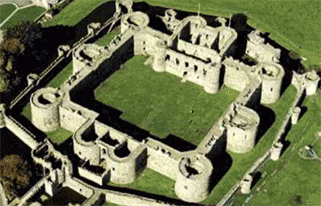
Castles end of unit quiz – KS1
You’ve discovered how castles were built, what life was like inside the walls, and how they were used to protect people long ago. Get ready to travel back in time…
Read More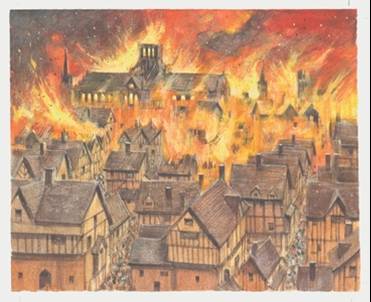
Great Fire of London end of unit quiz – KS1
In this quiz, you’ll test your knowledge about one of the most famous events in British history — the Great Fire of London in 1666. You’ll need to recall what…
Read More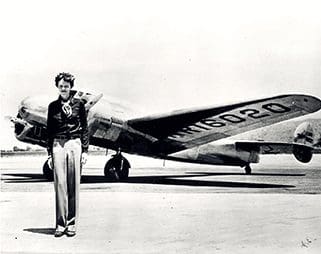
Amelia Earhart – assessment task
Disciplinary concept target: Significance Pupils draw on the 4 clues to underline why Amelia Earhart is seen as an important figure in history. They go beyond her as a daring…
Read More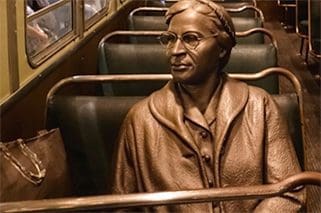
Rosa Parks – assessment task
This assessment task provides 3 images which should prompt pupils to show their knowledge and understanding of Rosa Parks’ significance. It should enable pupils to show not only the nature…
Read More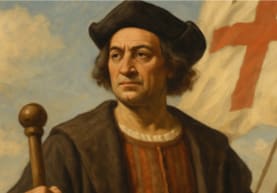
Christopher Columbus – assessment task
This assessment task provides clues to help pupils use their subject knowledge in order to explain why Columbus is still remembered today. The use of two images from the USA…
Read More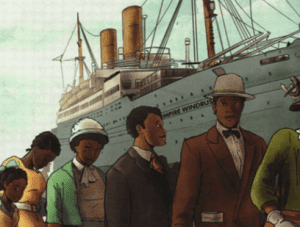
Black and British – assessment task
This assessment task is different from the others in the KS2 suite of tasks in that it comprises multiple questions rather than one single open-ended task, assessed by outcome. For…
Read More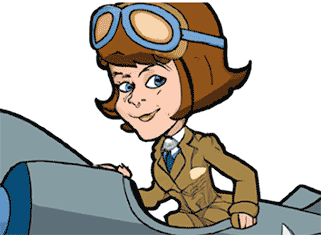
Amelia Earhart end of unit quiz – KS1
You’ve learned all about the amazing Amelia Earhart — the brave pilot who loved to explore the skies and follow her dreams. Now it’s time to see what you remember!…
Read More
Progression in primary history: Top 6 ideas
A lot of you have been tasked with trying to specify what progression looks like in history in your school. Better people than you have tried and failed. Any attempt…
Read More
Using AI to improve learning in history: need convincing?
Laura has just taken over as history subject leader from September. She has an interest in history but no qualifications, post-16. Her other interest is ICT and particularly the growth…
Read More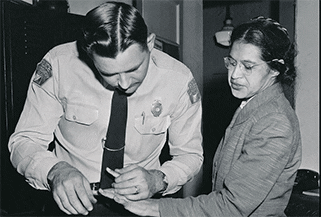
Rosa Parks end of unit quiz – KS1
This quiz will help you remember all the important things we have learned about Rosa Parks. She was a very brave woman who lived in America a long time ago….
Read More
Planner for KS2 thematic study Black Death to today: Keeping healthy over time
This intrinsically interesting topic has been chosen as a long-term development study as it not only builds on the fact that all pupils will have some experience of this issue,…
Read More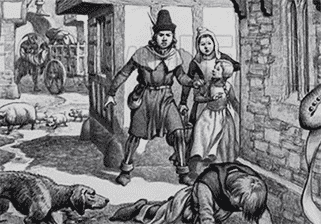
Keeping healthy – KQ1 – What does the Black Death of 1348 tell us about people’s knowledge of health 700 years ago?
Pupils are hooked in with a story of the impact of the Black Death on one family. This is followed by an engaging analysis of an artist’s impression of a…
Read More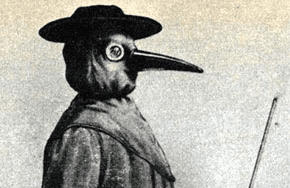
Keeping healthy – KQ2 – How much more did they know about keeping healthy by the time of the Great Plague of 1665?
Pupils’ attention is focused on the Great Plague of 1665. They consider the likely efficacy of methods used to combat the plague and then ask themselves whether any progress at…
Read More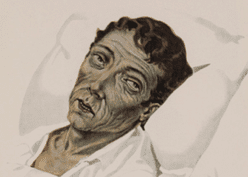
Keeping healthy – KQ3 – Did such huge changes in people’s health suddenly take place about 200 years ago?
Pupils’ attention is grabbed with a powerful story, supported by detailed analysis of two contemporary sources. Having had the changes which happened in that period explained, using a detailed PowerPoint…
Read More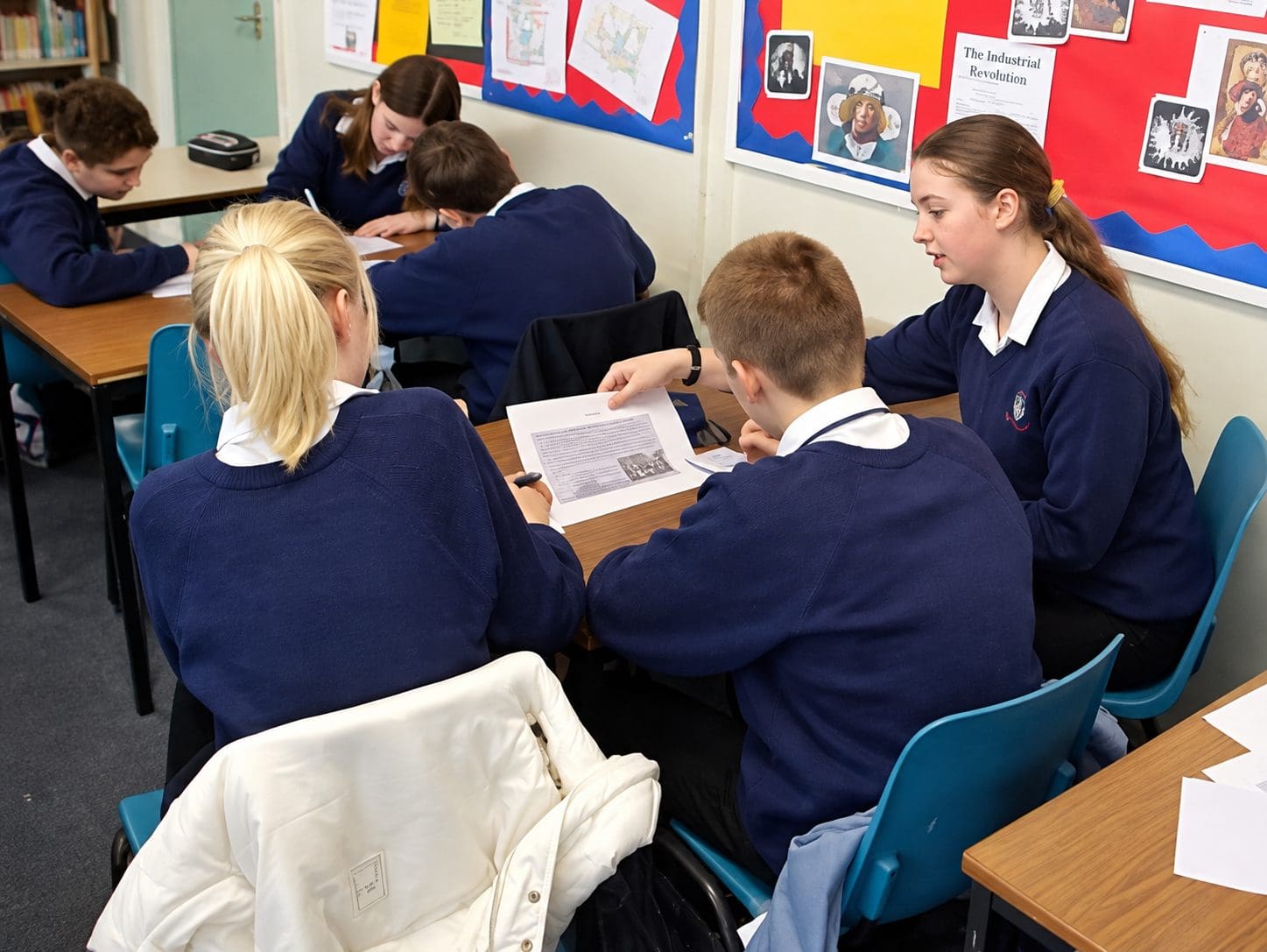
My 10 New Year (academic) Resolutions
They will probably all be broken by the end of October!! No plan survives its first encounter with the enemy. I will sort out the Key Stage 3 curriculum so…
Read More
Keeping healthy – KQ4 -Which were the biggest breakthroughs in people’s health in the 19th century?
In this session the focus moves to pupils’ working more independently, carrying out their own research in groups and then developing powers of advocacy. The lesson culminates in a role…
Read More
Keeping healthy – KQ5 – Has everyone become healthier in the last 100 years?
Starting with a contemporary cartoon analysis, which hints at highly relevant current life-style related health problems that still have not been eliminated, pupils explore some of the health hazards today…
Read MoreWritten by Neil Thompson

All content on Keystage history is written and quality assured by Neil Thompson, a former history teacher, county history adviser and Ofsted inspector with more than 30 years’ experience in history education.