
Outstanding Lessons for teaching GCSE history
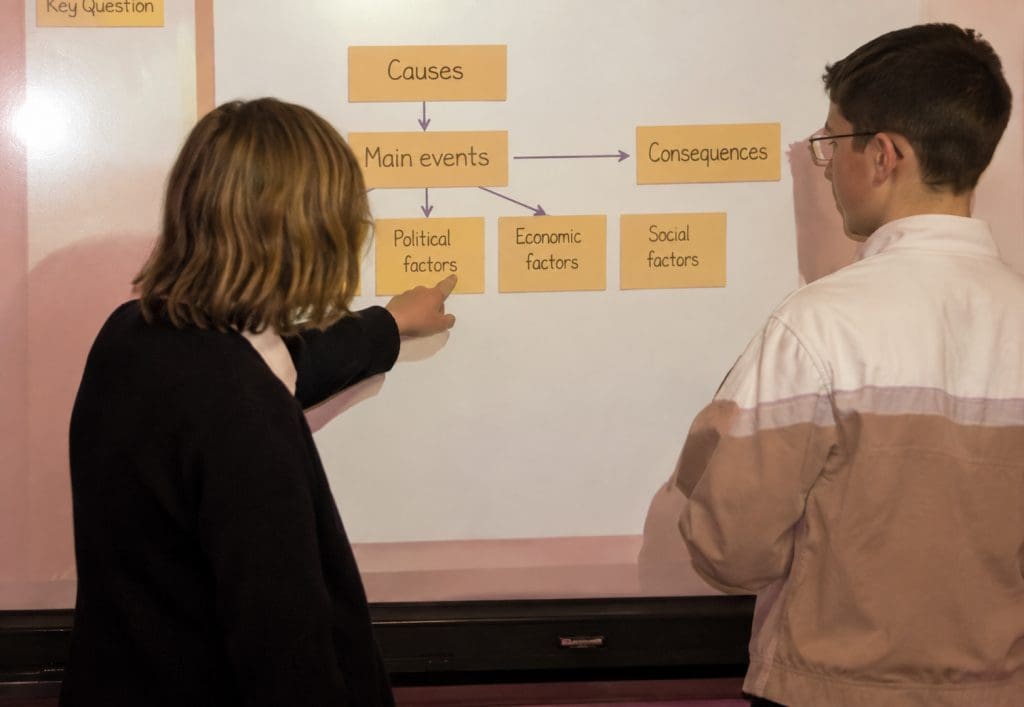 There is probably more material already on the web for GCSE history teaching at KS4 than for any other key stage. Much of it is written for students.
This section of the site is for teachers. The long and growing list of lessons on most sections of most specifications has been created from actual lessons, in the hope that it will stimulate even better ideas in your department. These lessons were taught by teachers whom I have seen in action and with whom I have discussed the lesson. You will find no lessons that have not been carefully validated by a highly experienced expert – me.
| GCSE History Topic | Historical focus |
|---|---|
| American West GCSE History | Westward expansion, Native Americans, settlement and conflict |
| Britain 1890–1975 GCSE History | Political, social and economic change in modern Britain |
| Crime and Punishment GCSE History | Crime, law enforcement and punishment through time |
| Elizabethan England GCSE History | Elizabeth I, religion, society and challenges to Tudor rule |
| Germany 1919–1945 GCSE History | Weimar Germany, Nazi rise to power and life under Hitler |
| Historic Environment GCSE History | Using sites, buildings and landscapes as historical evidence |
| International Relations 1890–1945 GCSE History | World War One, peace settlements and international tension |
| International Relations 1945–1990 GCSE History | Cold War origins, crises, conflict and the end of communism |
| Medicine Through Time GCSE History | Change and continuity in medicine, surgery and public health |
| Migration GCSE History | Migration to and from Britain and its causes and consequences |
| Russia 1905–1990 GCSE History | Revolution, Lenin, Stalin and the Soviet Union |
| USA 1900–1990 GCSE History | American society, economy, civil rights and political change |
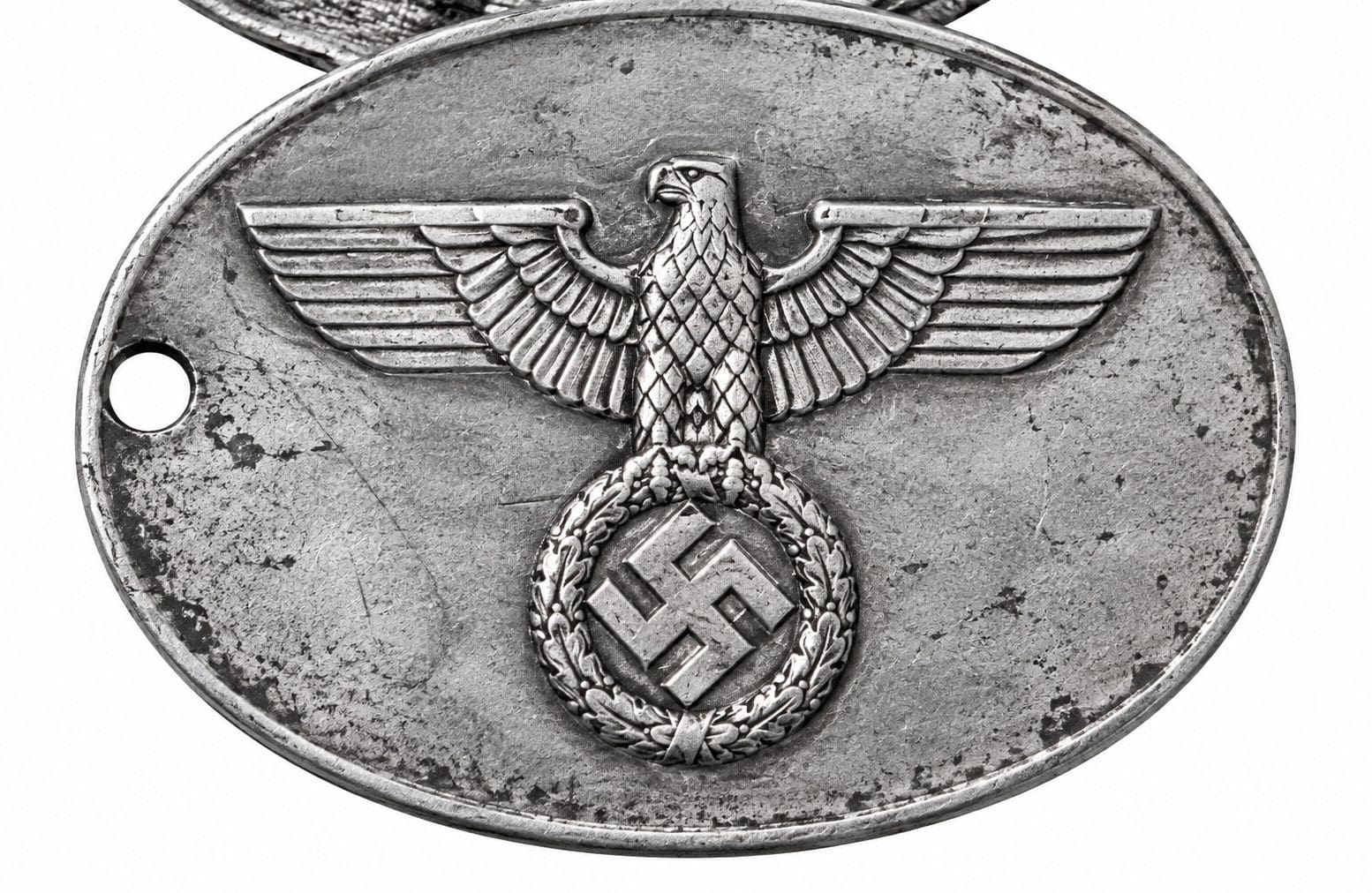
How much did the Gestapo really control people’s lives in Hitler’s Germany?
This enquiry-based lesson acquaints students with a live political controversy using an excerpt from ‘The Nazis: a warning from history’ video to stimulate students to consider how they would set about checking…
Read More
Did all Germans benefit equally from life under the Nazi regime 1933-45?
This GCSE lesson , which could also work at AS level, uses two principal activities, known as ‘market place’ and ‘spectrum’ to help students to work out how individuals, and…
Read More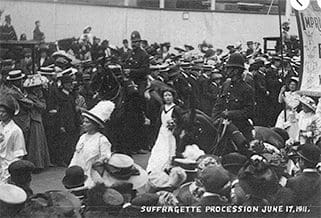
SMART TASK: A Suffragette procession: comparing the evidence
Whether you are studying the OCR unit, AQA or Edexcel you should find this activity helpful. The activity builds on an initial idea from the revised Edexcel Teacher’s Guide for…
Read More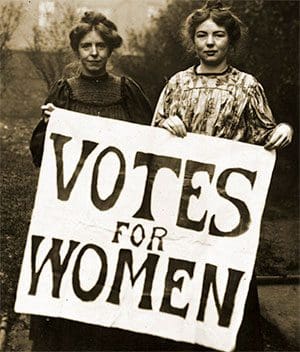
Why did some women get the vote in 1918? How do YOU see it?
This lesson provides an excellent example of active learning, combining thinking skills and work on interpretations. Students start with one historian’s construct. They have to read the historian’s mind, that…
Read More
How far did the Liberal government of 1906-14 improve the health of children?
This highly relevant lesson offers a major contribution to the Every Child Matters agenda on staying healthy, as well as picking up the Jamie Oliver’s school meals initiative. After a…
Read More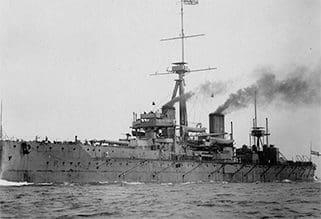
How serious was the German naval threat before the First World War?
This lesson launches an enquiry in which students work in teams to arrive at their own answer to this question. Following a very brief introduction, students are introduced to the…
Read More
How have cartoonists portrayed the Liberals Old Age Pensions reforms?
This lesson takes a familiar cartoon but gives it an original twist. Instead of seeing the cartoon all at once, students see it in four separate parts, which in pairs…
Read More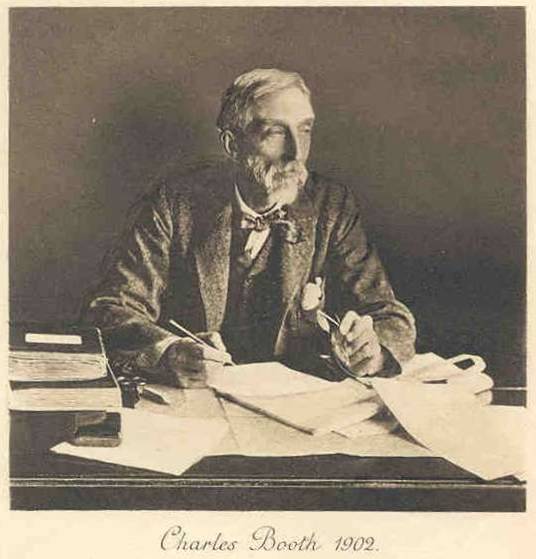
Reasons for reliability. How reliable a witness would Charles Booth make in an investigation into living conditions at the end of the 19th century ?
This lesson focuses on encouraging students to evaluate the testimony of just one man, Charles Booth. It opens with an analysis of the reasons why the Liberal government introduced its…
Read More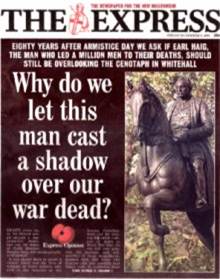
Should the statue to Haig be taken down from Whitehall?
This active lesson asks students to work in teams to weigh up the arguments for and against the proposal of the title. Initially students are either researchers or witnesses, i.e…
Read More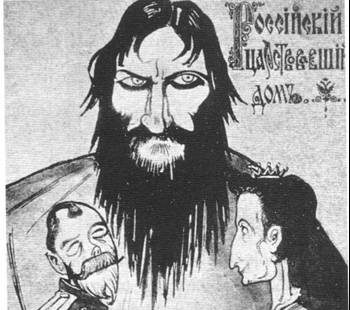
Downfall of the Tsar
This lesson, taught to a group of poorly motivated Y10 students followed a description of events leading to the February revolution of 1917. The overarching question was ‘Why was the…
Read More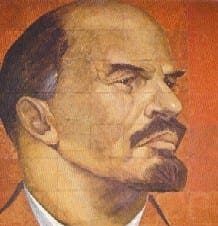
Lenin the Final Verdict
This lesson makes students active participators in the debate over Lenin’s contribution to the Russian Revolution. It comes at the end of the students study of the period 1917-24. Using…
Read More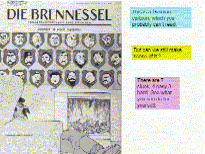
Interpreting a political cartoon of Stalin
This lesson revolves around a cartoon annotation and inference activity leading to a detailed and authoritative caption. It concludes the unit of work on Stalin’s purges and is used as…
Read More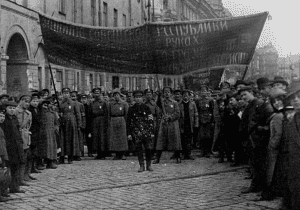
Why did the Reds win the Russian Civil War? A history mystery to explain why the reds were able to SLUG it out
This lesson encourages students to take their understanding of the events of the Russian Civil War to a new level by ‘making their own meaning’. They use history mystery cards…
Read More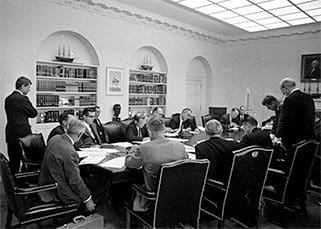
SMART TASK Key Stage 4 – Kennedy and the Cuban Missile Crisis
With the 50th anniversary of the Cuban Missile crisis in the news, it is worth spending time reviewing Kennedy’s reputation. Here is a short task to get GCSE students thinking….
Read More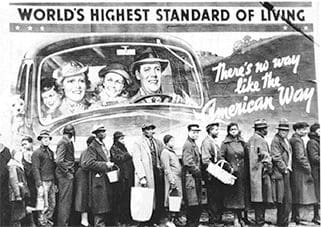
New Deal or No Deal? How has the New Deal been criticised?
This lesson is an active one in which students co-operate in order to put the best case they can against the New Deal. It is the first lesson on opposition…
Read More
Why was there a boom in the US economy in the 1920s?
This lesson was designed for Y10 students on the C/D borderline who were underachieving and were falling down on the factual recall required. The students were used to being spoon-fed…
Read More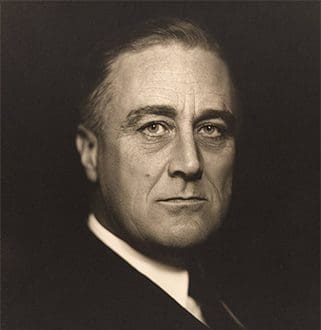
Roosevelt and the 1936 election: can you write his manifesto?
It is the year 1936 and Roosevelt wants to be re-elected. Students work in groups to create his campaign manifesto pulling together all the work they have done in previous…
Read More
Recommended Resources
The main headings focus on the historical background to Bloody Sunday and are organized as below. Division & Peace Ireland’s Bloody Past 1 – Lower Ireland’s Bloody Past 2 –…
Read More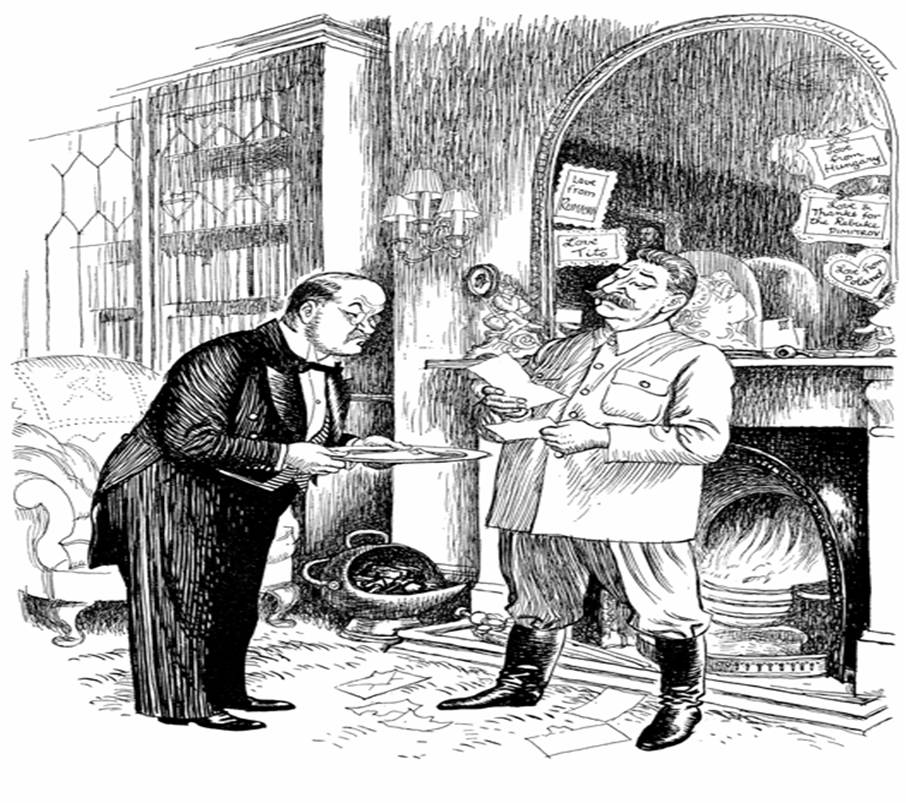
SMART TASK Russian take-over of Eastern Europe, 1946-9: Interpreting a political cartoon.
This simple activity encourages students to look at all the clues the cartoon provides, one at a time. As they work through them students discuss the nature of irony and…
Read More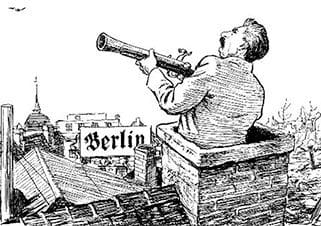
SMART TASK Key Stage 4 Deciphering a Cold War cartoon, using the slow reveal technique.
The interactive PowerPoint presentation of the famous Stalin’ The Birdwatcher’ cartoon encourages students to add layers of meaning as more and more of the cartoon is revealed. They then have…
Read MoreSMART TASK Key Stage 4: The Cuban Missile Crisis. Who was the real winner, Kennedy or Khrushchev?
Coming at the end of a study of the Cuban Missile crisis, students have to consider the ways in which the crisis might have been viewed by the USA and…
Read More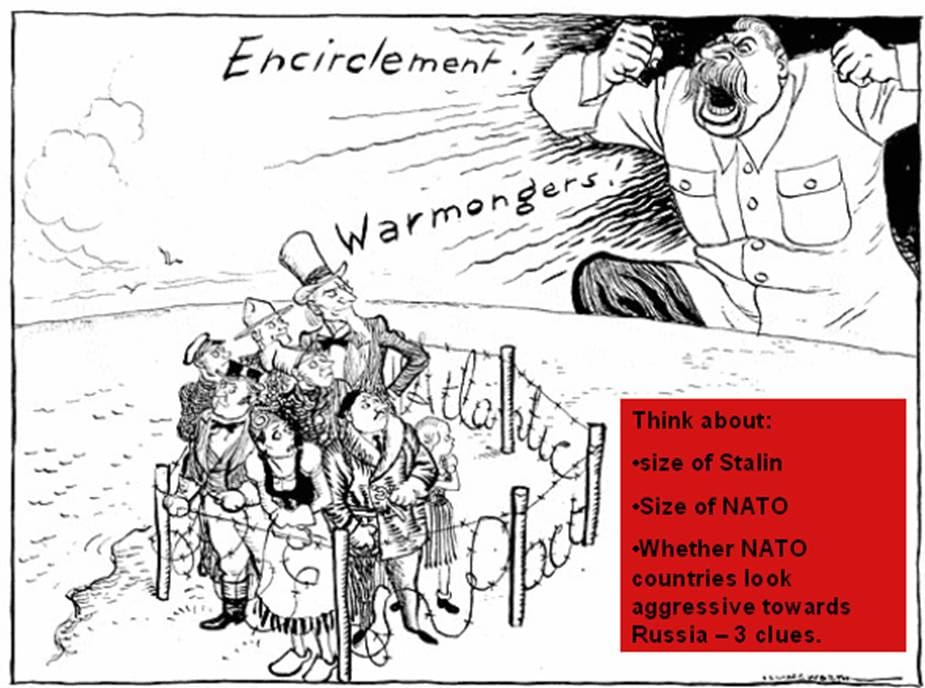
Who was more responsible for increasing Cold War tension between 1945 and 1949, the USA or the USSR?
This lesson challenges students to prepare a court case against both countries. The case against the USA will be made by one half of the class. That against the USSR…
Read More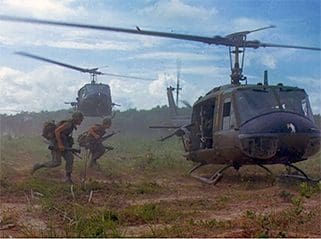
Why did the US lose the war in Vietnam? A piece of cake?
In this lesson students focus on moving their understanding of the reasons for US defeat from simply listing and grouping, to prioritizing and linking. They are shown a variety of…
Read More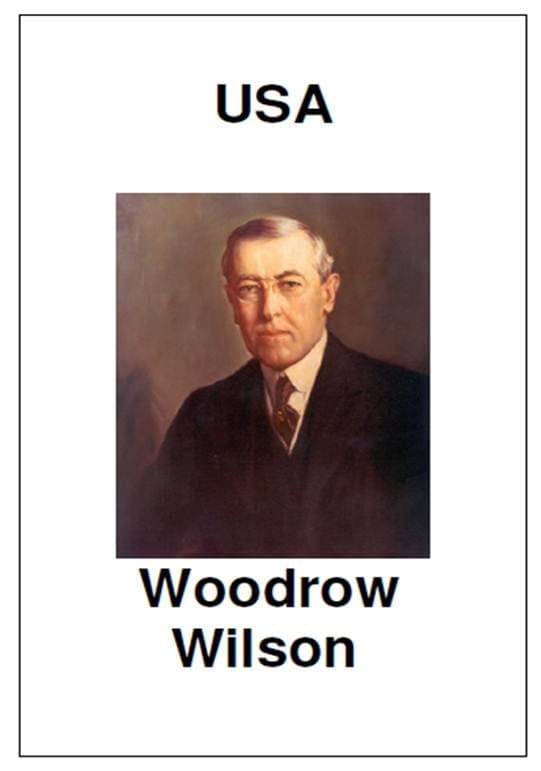
SMART TASK: Who said what at Versailles? A fun competitive team game with a serious purpose
This simple activity asks students to think who would be the most likely person to make this statement at the Paris peace conference that led to the Treaty of Versailles. …
Read More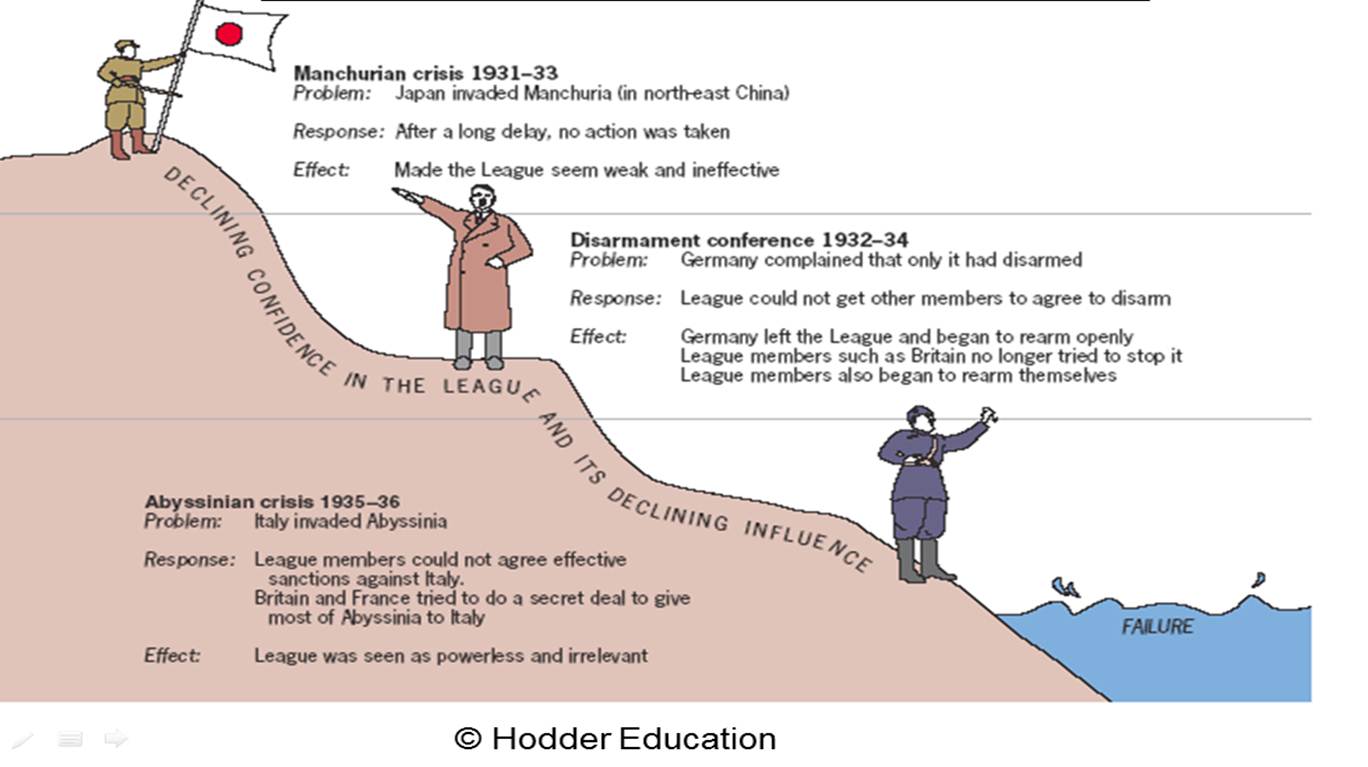
SMART TASK: At what stage would you say it was obvious that the League of Nations would fail to keep peace?
This short task and associated homework asks students to beat the textbook. First they are reminded of the record of the League. It was not a complete laughing stock as…
Read More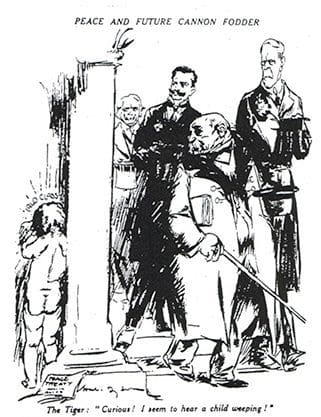
Could the Treaty of Versailles be justified at the time?
This lesson was taught by Claire Conley-Harper and her excellent team of history teachers at Court Moor School in Fleet, Hampshire. Context This lesson is taught at KS4, as part…
Read More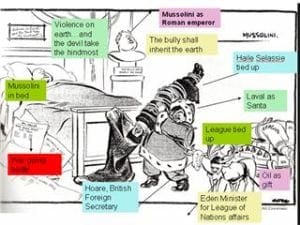
Was it the Manchurian or the Abyssinian crisis that spelled the end of the League of Nations?
There is a website that offers GCSE students this essay but at a cost. It is fairly accurately called www.cheat.com. We don’t want to cheat, and we certainly don’t want…
Read More
Why did the League of Nations fail?
It’s a piece of cake (F.A.I.L.U.R.E. is not an option) Students have already studied the major episodes in the history of the League up to 1939 and in passing have…
Read More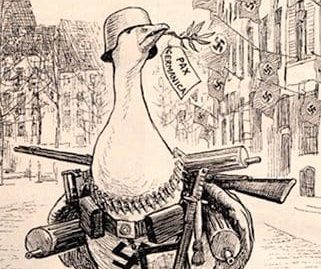
Invasion of the Rhineland 1936 – a study in political cartoon analysis
All too often when the students see political cartoons in textbooks they focus on an oval shape in the centre of the picture, often missing peripheral detail and occasionally ignoring…
Read More
Outstanding Lessons: Key Stage 4
There is probably more material already on the web for GCSE history teaching at KS4 than for any other key stage. Much of it is written for students. This section…
Read More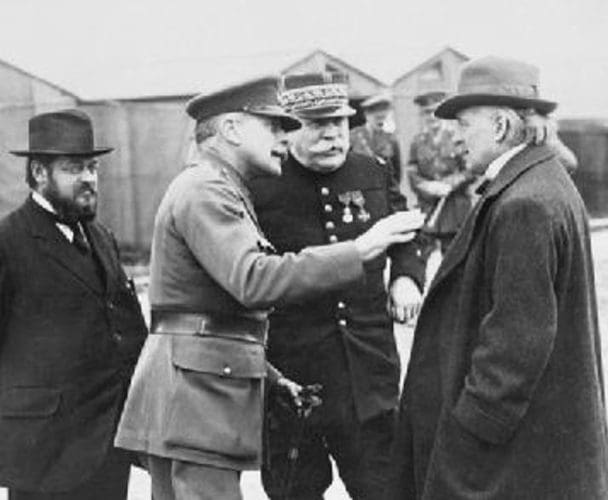
Explaining why there were so many casualties on the first day of the Battle of the Somme. SMART TASK
This task, suitable for KS3 Year 9 or KS4 students, presents them with something of a conundrum. When the Allies had far more men than the Germans and had fired…
Read More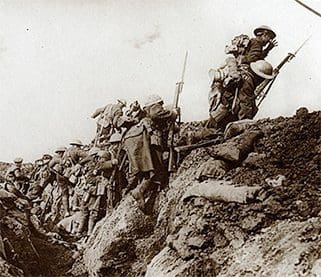
Why are these accounts of the Battle of the Somme, written by the same person, so different? SMART TASK
This task, suitable for Y9 in KS3 or KS4, drives at the heart of source evaluation. Students explore two sources, authored by the same journalist, Philip Gibbs, but written 4…
Read More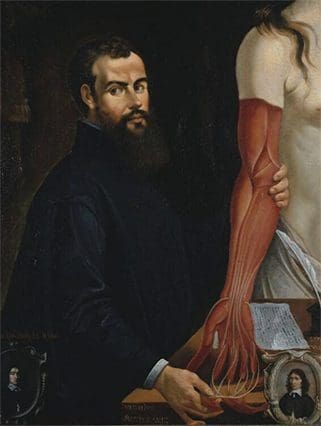
Vesalius’ claim to fame. Using the B.A.D formula to prepare for a BBC interview
The BBC is making a documentary on Renaissance medicine in which they have devoted two minutes to the work of Vesalius. Unfortunately, their Vesalius expert is ill and they thought…
Read More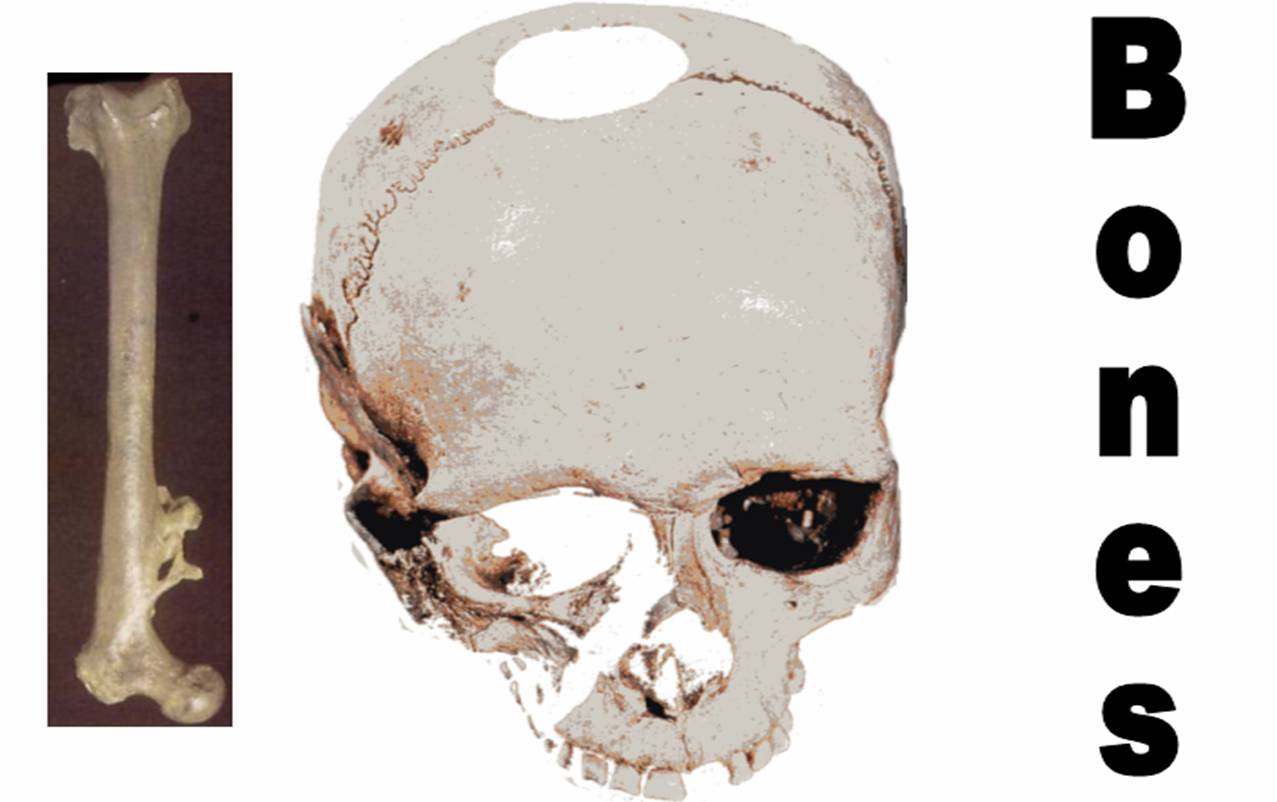
Prehistoric Medicine: Getting your GCSE course off to a great start
This lesson was taught by Mike Herrity when Head of History at Wildern School, Hedge End, near Southampton. On an OFSTED inspection the lead inspector pronounced the lesson quite outstanding…
Read More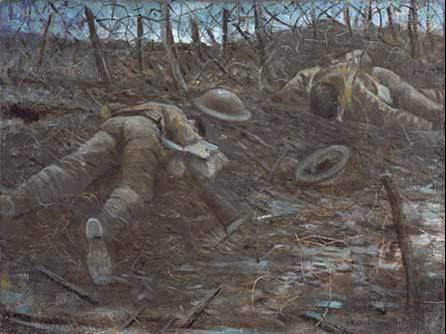
Why was this World War One painting censored?
Students studying Britain during World War One, whether it be for AQA, OCR or Edexcel, need to know about censorship. This deceptively simple lesson asks penetrating questions which both engage…
Read More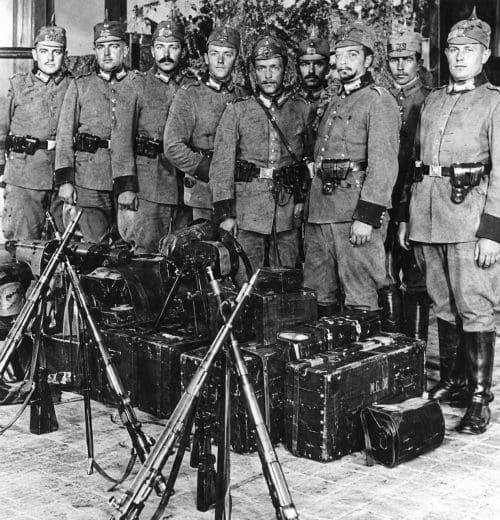
Battalion 101. Why did they shoot? A history mystery
This lesson could be used as part of a Year 9 course or with the Germany module of Y10/11 SHP or Modern World. Students are confronted with moral issues and…
Read More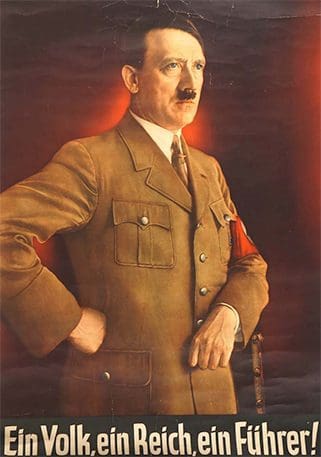
SMART TASK: Germany 1933-34 Revision Quickie
Which factors played their part in establishing Nazi dictatorship in 1933-4? Subscribers only: You must be logged in to view this content in full. Please Login or register
Read More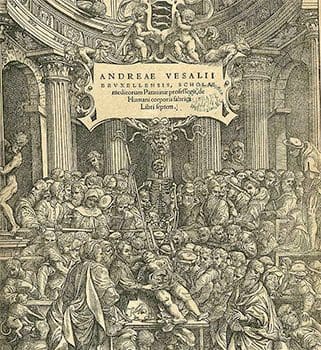
SMART TASK: GCSE questions on Renaissance Medicine
Using Zones of relevance to answer two possible questions on Renaissance Medicine. Have you ever despaired of GCSE history students who answer the question they want to answer rather than…
Read More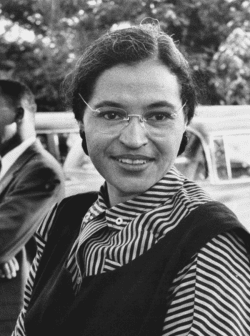
Rosa Parks – the true story
This open-ended enquiry explores one of the most abiding stories of American Civil Rights. Students are invited to advise a film director on what actually happened in Montgomery in December…
Read More
Smart Task: How close to World War Three did the world come in the 65 years after World War Two?
Helping pupils to develop overviews of different timescales is central to the Key Stage 3 curriculum. When so few carry on post-14 to study the 20th century (probably only 1…
Read More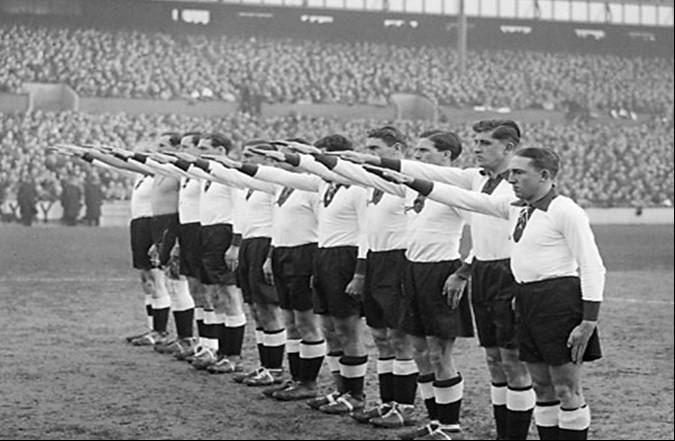
GCSE Modern World history: Using history of football to interest boys in Inter-war relations 1919-39
If you have ever found it difficult to motivate boys looking at the Inter-war years from 1919-39, why not try using football to tell the story. This quick activity, supported…
Read More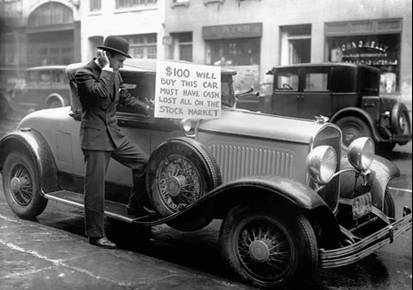
Marking the anniversary of the Wall Street Crash
To mark the 80th anniversary of the Wall St. Crash in 1929, the Guardian produced a simple guide to the crash told using 9 photographs. Could students do the same…
Read More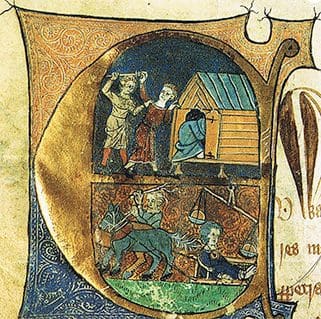
Were medieval crimes and punishments as brutal as people think? Two smart tasks
First students work collaboratively to distil from 16 pieces of evidence provided, the ones they think give them the most significant information they need to work into a 6 sentence…
Read MoreWritten by Neil Thompson

All content on Keystage history is written and quality assured by Neil Thompson, a former history teacher, county history adviser and Ofsted inspector with more than 30 years’ experience in history education.