
Outstanding Lessons for teaching GCSE history
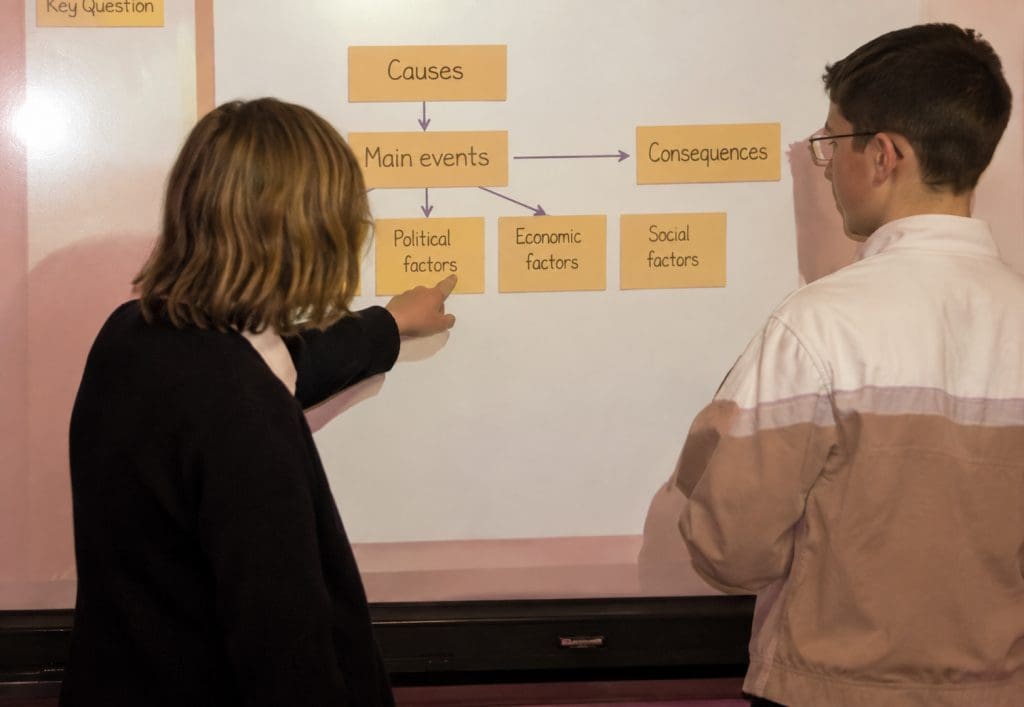 There is probably more material already on the web for GCSE history teaching at KS4 than for any other key stage. Much of it is written for students.
This section of the site is for teachers. The long and growing list of lessons on most sections of most specifications has been created from actual lessons, in the hope that it will stimulate even better ideas in your department. These lessons were taught by teachers whom I have seen in action and with whom I have discussed the lesson. You will find no lessons that have not been carefully validated by a highly experienced expert – me.
| GCSE History Topic | Historical focus |
|---|---|
| American West GCSE History | Westward expansion, Native Americans, settlement and conflict |
| Britain 1890–1975 GCSE History | Political, social and economic change in modern Britain |
| Crime and Punishment GCSE History | Crime, law enforcement and punishment through time |
| Elizabethan England GCSE History | Elizabeth I, religion, society and challenges to Tudor rule |
| Germany 1919–1945 GCSE History | Weimar Germany, Nazi rise to power and life under Hitler |
| Historic Environment GCSE History | Using sites, buildings and landscapes as historical evidence |
| International Relations 1890–1945 GCSE History | World War One, peace settlements and international tension |
| International Relations 1945–1990 GCSE History | Cold War origins, crises, conflict and the end of communism |
| Medicine Through Time GCSE History | Change and continuity in medicine, surgery and public health |
| Migration GCSE History | Migration to and from Britain and its causes and consequences |
| Russia 1905–1990 GCSE History | Revolution, Lenin, Stalin and the Soviet Union |
| USA 1900–1990 GCSE History | American society, economy, civil rights and political change |
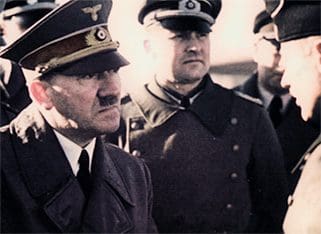
Why was Hitler able to consolidate his position in power between January 1933 and August 1934? Smart Task KS4
This smart task works as a starter. Students are given 7 reasons why Hitler came to power. In just 5 minutes, and working in pairs, they have to see if…
Read More
Thoroughly Modern Millie: How do we know this song is about Flappers? A quick musical starter
Students are given the lyrics of a song about flappers (copy provided) and have to find 10 references that prove the connection. The first is done together as a whole…
Read More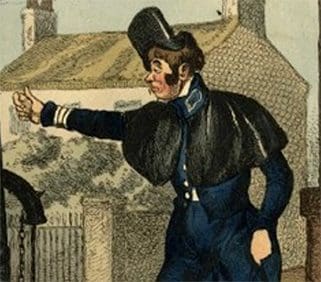
GCSE SHP Crime and Punishment: The Metropolitan police force in 1830: SMART TASK
This quick starter uses the slow reveal technique which encourages students to explore parts of a cartoon in a particular sequence, before revealing the whole. Using the animated PowerPoint presentation…
Read More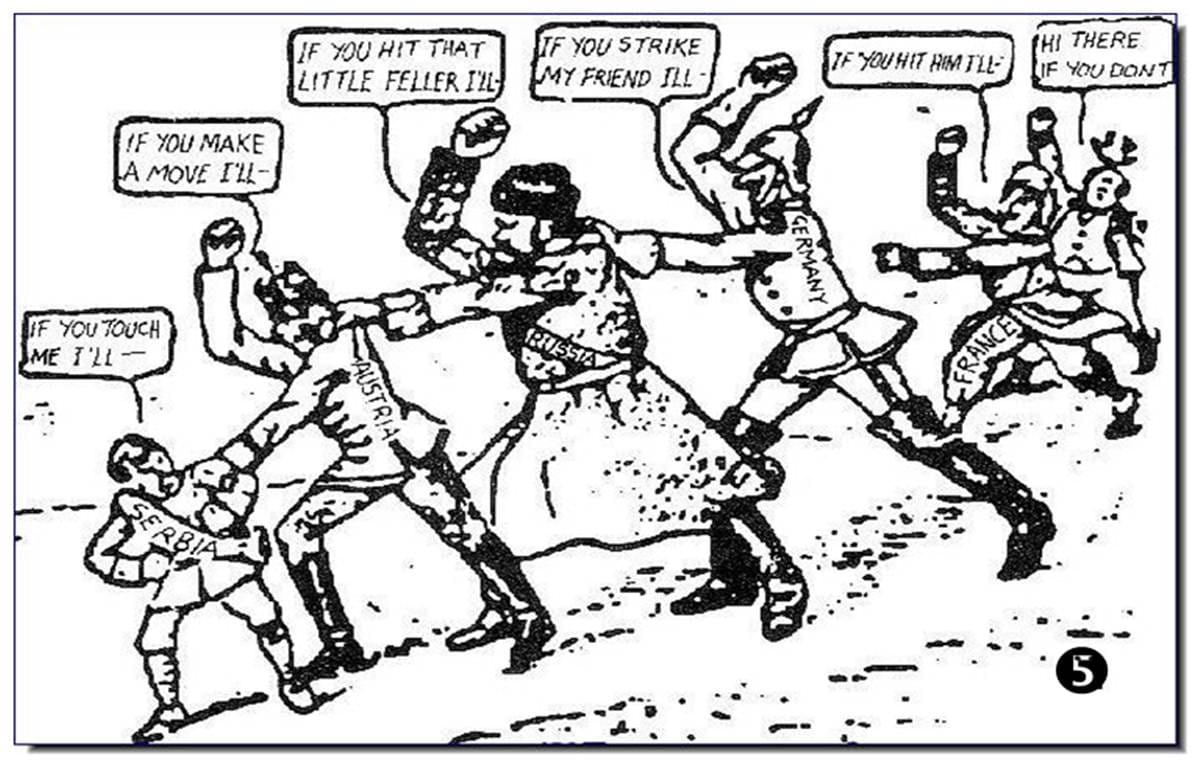
How well do these cartoons cover the causes of World War One?
In pairs, Y9/GCSE students visit 9 different cartoons posted around the wall. They have to work out: a. Which cause is being ‘covered’ in each cartoon – sometimes two. b….
Read More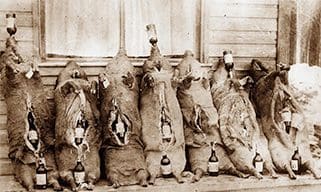
When Prohibition was so popular when it was introduced, why had it failed within 12 years? SMART TASK
In this varied series of activities, students predict from pictures, categorise influence cards, and create a tweet before structuring an answer that will impress a GCSE examiner. Starter Project slide…
Read More
Who started the Korean War? Smart Task
In this short starter smart task students are given two contradictory accounts of the start of the Korean War, both emanating from Korea. But which account do they think is…
Read More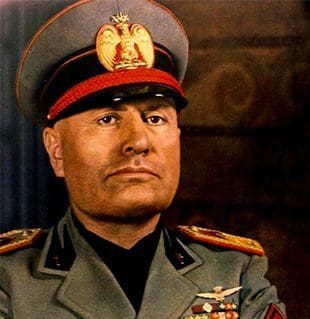
When Italy signed two peace treaties with Abyssinia just 7 years before, why then did Mussolini invade in 1935? Explanation builder
Students are given a short answer to this question that appeared as an answer on the Student Room website. It was not worth 9 marks. Students have to work out…
Read More
How the boards differ in their approach to the historic environment
AQA The historic environment is 10% of the overall course which equates to approximately 12 hours out of 120 guided learning hours. Students will be examined on a specific site in…
Read MoreAssessing students’ understanding of the historic environment in the new GCSE history courses
As we await the verdict of OFQUAL on the draft submissions for the new 2016 GCSE history courses, one of the more interesting outcomes will be that relating to the…
Read More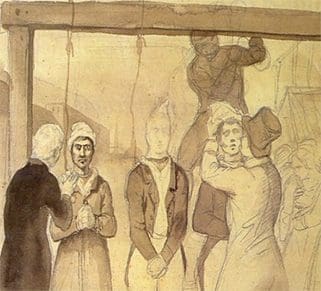
If the Bloody Code made so many offences punishable by death, why were so few criminals hanged? SMART TASK
Fun lesson in which small groups have to predict punishments meted out for specific crimes in 1786 using original documents and then see if they were correct. They then try…
Read More
The Marshall Plan: How should we interpret it? Just how philanthropic was it?
The activities in this very varied lesson ask students to raise questions, place sources on a continuum, add analysis to a short descriptive account and quickly tweet a caption to…
Read More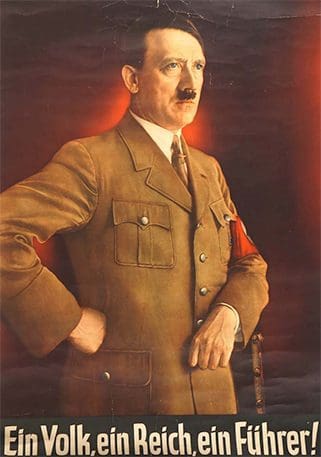
Hitler’s propaganda: the cult of leader. Reading internal clues. KS3 & 4 Smart Task
The aim of this short task is to encourage students to look really closely at images for what is there, not what they think should be there. Students are asked…
Read More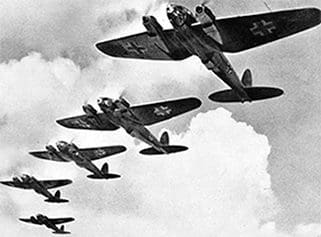
Why did Germany lose the Battle of Britain?
If Britain was only a few days away from defeat in August 1940 how on earth did she win the Battle of Britain a month later? PLEASE NOTE – This…
Read More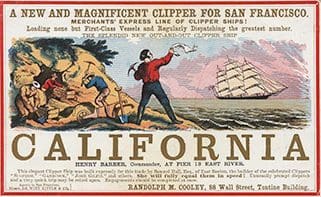
What was the impact of the Californian Gold Rush 1848-9? GCSE SMART TASK
In this series of short tasks GCSE students predict, infer, gather information and then improve existing explanations of the impact of the Californian Gold Rush. Firstly, students have to use…
Read More
Migration: Online resources
Great new Migration site www.ourmigrationstory.org.uk Our Migration Story: The Making of Britain is an Arts and Humanities Research Council-funded collaboration between the Runnymede Trust and academics based at the universities…
Read More
Link between Elizabethan theatre and bear-baiting
Historic England schedulded several of London bear pits so they will not now be built over. The listing of these baiting areas in Bankside near the Globe theatre has highlighted…
Read More
Was there really a Blitz spirit? Killer evidence. Smart Task
Historians to this day still argue as to whether there was a Blitz spirit or not. Much depends on the evidence they use. This ‘Killer evidence’ Smart Task enables you…
Read More
The end of the Cold War for new GCSE history: taking a fresh look
In a recent article in Teaching History David Reynolds offers some clear insights into this period which might help to clarify issues for your GCSE students. Firstly , he identifies…
Read More
Elizabeth and the Catholic threat: Elizabethans GCSE Smart Task
Asking questions in history Elizabeth’s policy towards the Catholics: students use a graph to raise their own enquiry questions which are then researched. Working in pairs, students study the graph…
Read More
Historic Environment GCSE: Castles
Castles: 2 Smart Tasks Those of you who are studying the castles topic, maybe as part of the OCR specification, might be interested in two smart tasks on the development…
Read MoreMarket place: Why I didn’t oppose Hitler.
To help pupils to understand why so few people opposed Hitler in the 1930s the use of this market place activity has proved to be really effective. Give every student…
Read More
KS3 & 4 The Causes of World War One: The Blame Game
This smart task which can be used from Y9 or for GCSE can be used as a form of diagnostic assessment to see to what extent students can attribute blame…
Read More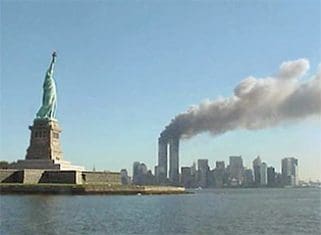
Teaching GCSE History: Terrorism and the Iraq war
This section is included mainly to help teaching of the new OCR’s History Modern World unit entitled A New Age 1948-2005 which deals with terrorism and the Iraq war. Centres…
Read MoreWhy was the Metropolitan Police Force set up in 1829? Smart Tasks
This activity forms the central spine of a lesson on the reasons for setting up the Metropolitan Police Force in 1829. Students work in pairs to come up with a…
Read More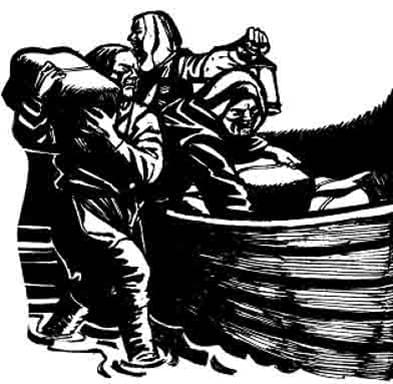
Crime and Punishment starter: Smuggling – SMART TASK
This simple smart task uses the rather unusual source of a famous Kipling poem to ascertain what students already know about smuggling and what they need to know. The lesson…
Read More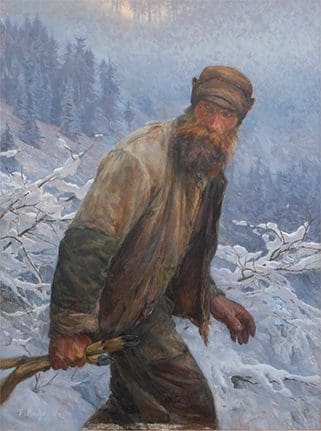
Poaching: Need or Greed? A 3 minute starter SMART TASK KS4
Throughout history, people have had different views of poachers. Were they: a. Starving labourers, snaring game to keep body and soul together, OR b. Members of gangs targeting places such…
Read More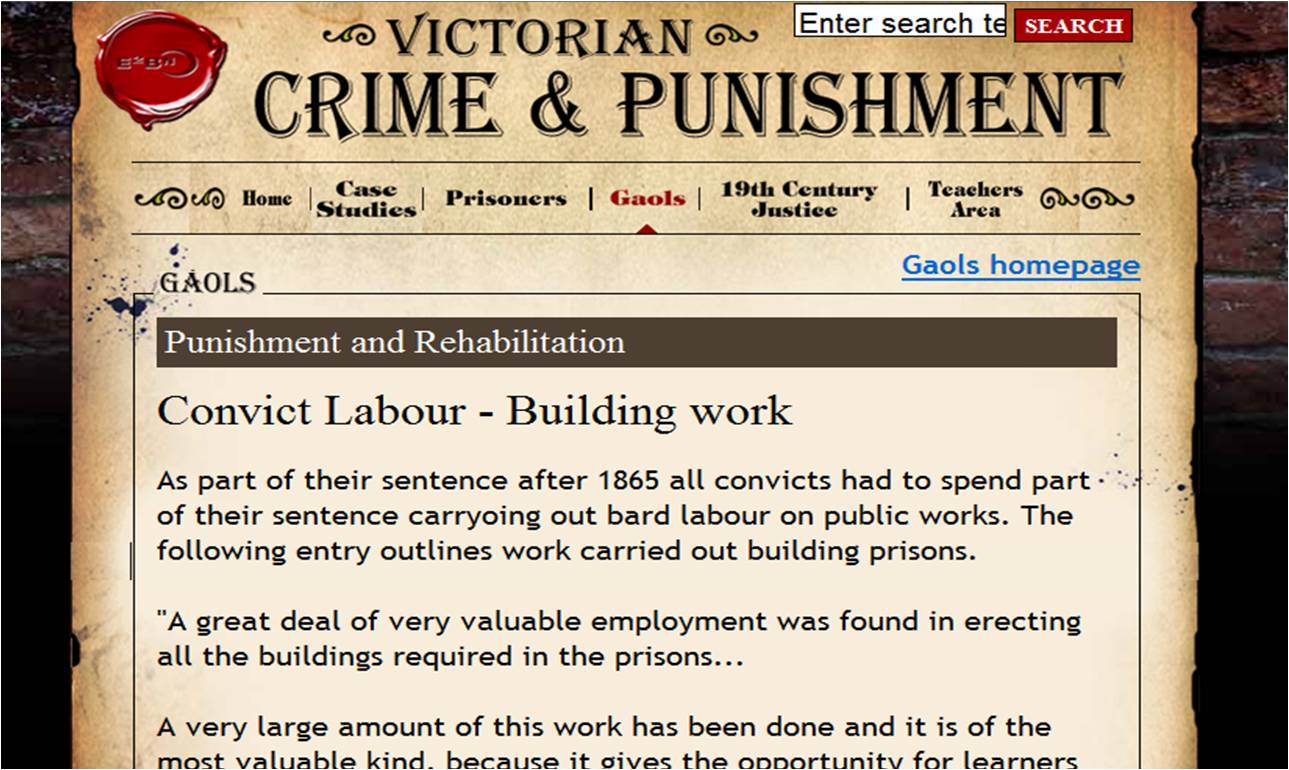
GCSE SHP Crime and Punishment: How and why did Victorian prisons change in the first half of Victoria’s reign
Introduction The Chief Examiner’s report for OCR made the following point: “A number of reports have identified 19C prison reform as an area of difficulty, because : a. there was…
Read More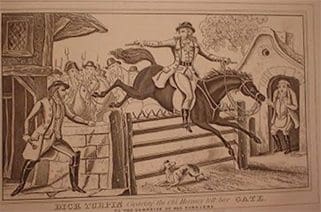
Would you have liked to have been a highwayman? Why would you have stopped?
In this lesson students have to persuade others to become a highwayman and then have to work out why they would have stopped. It is highly active, involving students in…
Read MorePosting punishments in periods: an active approach to creating overviews in crime and punishment
This lesson draws on, and extends, an idea developed by Ian Dawson at Trinity and All Saints College. Students work in groups to post punishment cards in the right period,…
Read MoreHow effective was the Metropolitan police force and how would we find out?
This enquiry-led activity focuses on students considering the possible evidence base, as well as knowing how to evaluate existing evidence intelligently. It starts with a humorous cartoon which is slowly-revealed…
Read More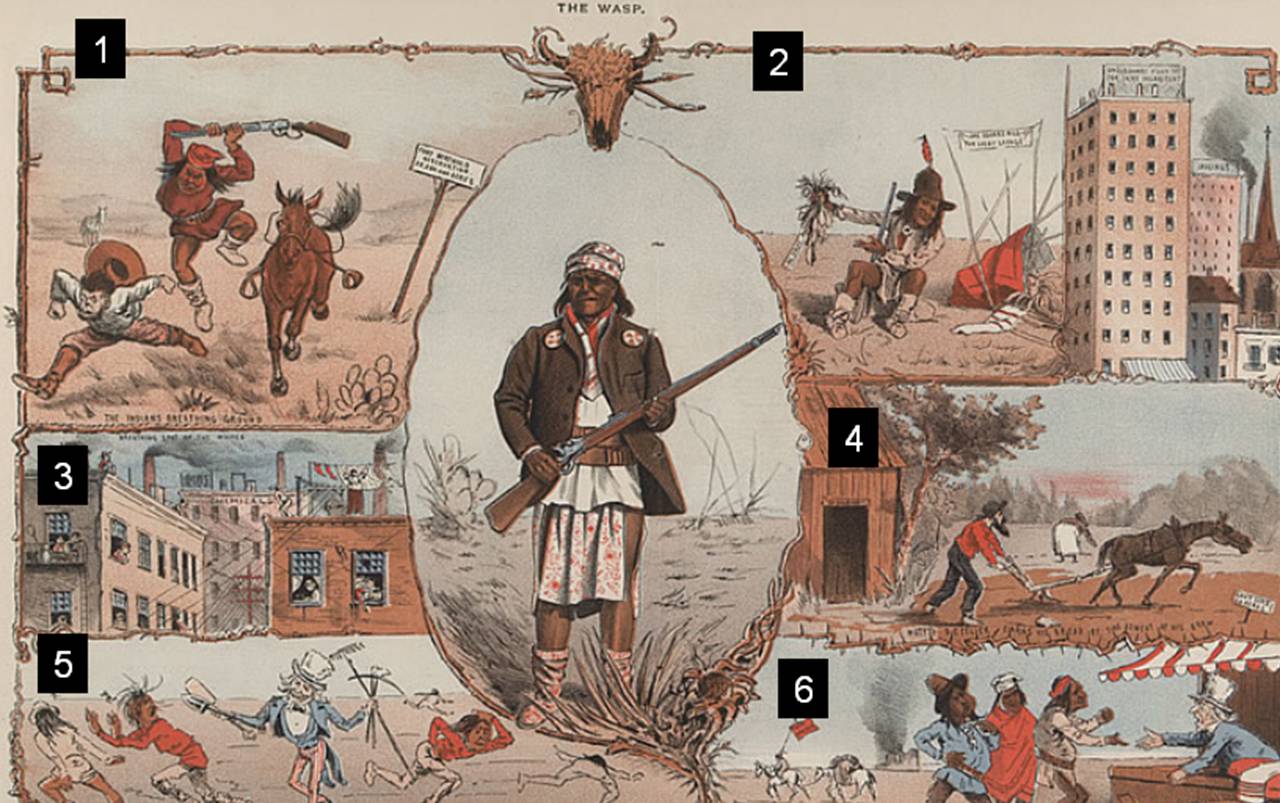
Attitudes of the US government to the native Americans: milking an image for meaning
The simple PowerPoint presents students with an image which has six separate panels for them to investigate. Only by exploring each in turn can the true meaning of the document…
Read More
Why did the Indians lose control of the Great Plains? I want that for my essay SMART TASK KS4
Students work in pairs to answer a GCSE question. They have cards of relevant information to sort through to help prepare their answer. But there is a snag. The questions…
Read More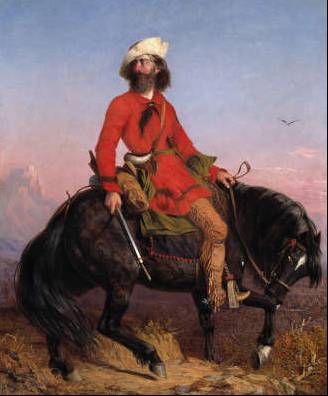
Mountain Men – Myth and Reality SMART TASK KS4
Having looked at the role of Indian trappers who had been supplying skins to British, French and Spanish traders on the Missouri river for decades, students now turn their attention…
Read More
Phases of Native American life on the Plains 1840-1890: What patterns can YOU see?
This lesson comes at the end of work the students have done on the Native Americans and their interaction with white settlers and the army. Students recall key events which…
Read More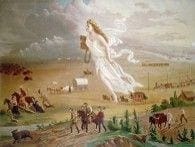
Manifest destiny: beat the textbook/expert caption
Students find this a fun lesson in which they not only consolidate their knowledge of the people who crossed the Plains but also present their understanding of the order in…
Read More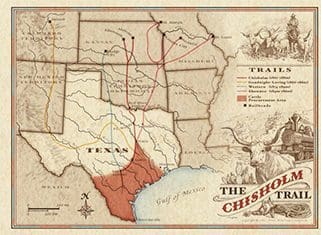
How can we explain the rise and boom in the cattle industry?
This enquiry starts with students posing 7 expert historical questions, stimulated by a graph. They then set about investigating their questions using a set of written clues supported by a…
Read More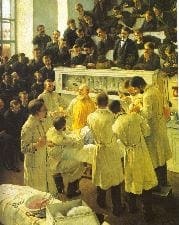
Changes in surgery; late 19th century: a puzzle. Can students use all the contextual clues to work out when it was painted?
This lesson was kindly provided by Barbara Seymour who trialled it when she was Head of History at John Hunt of Everest School, Basingstoke. This lesson follows on from the…
Read More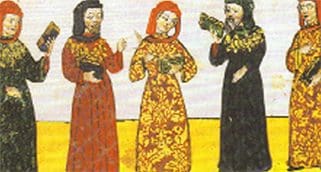
Who mattered most in medieval medicine? Who would you have on your textbook front cover from 1500?
One way of getting students to think about change and continuity in medieval times is to show them textbooks that were used at the end of the period. Instead of…
Read More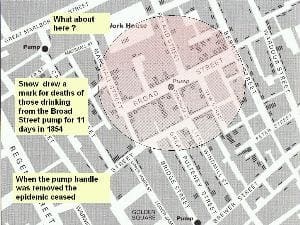
How did John Snow make the breakthrough with cholera?
This lesson focuses on problem-solving. Instead of simply telling students how clever John Snow was, or showing them a video explaining his breakthrough, students have to see if they can…
Read More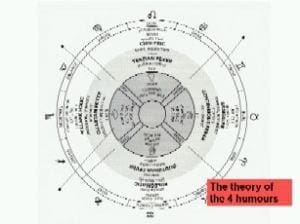
The impact of the theory of the four humours on medicine: the case of the three tadpoles!
This lesson was conceived, taught and evaluated by Simon Harrison, when he was an Advanced Skills Teacher, Swanmore Technology College in Spring 2007. Students have to consider ways of representing…
Read More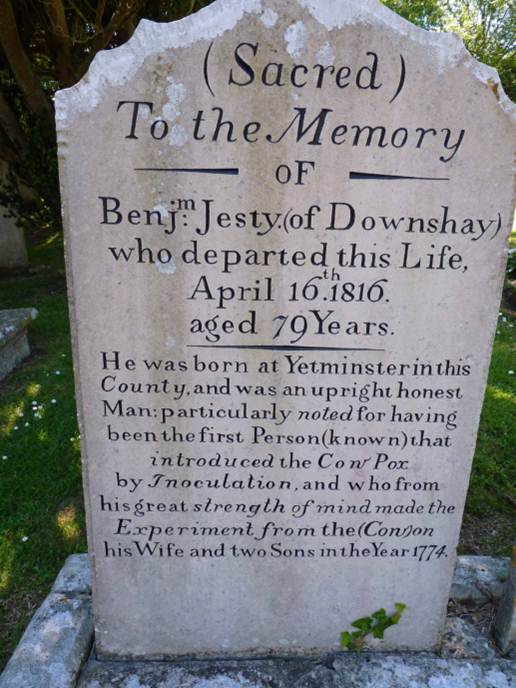
Who deserves to be remembered as the inventor of vaccination: Jenner or Jesty?
During this enquiry students work in two teams one using textbooks and websites to put forward the traditional claim that it was Jenner, the other using a wallet of resources…
Read More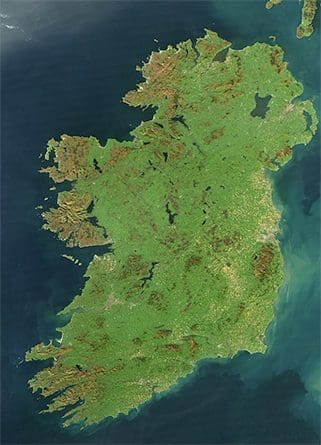
SMART TASK: Overview of Irish history; a question of perspectives.
This smart task looks at iconic moments in Irish history and then challenges students to think how well each event is known by the Catholic and Protestant communities. 1. Start…
Read More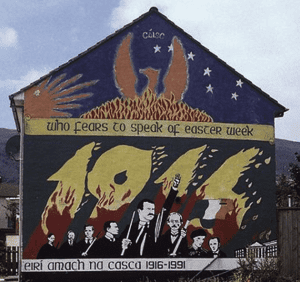
SMART TASK Key Stage 4: How should we remember the Easter Rising?
Recap This is the concluding lesson on the Easter Rising. If you want a good recap so that students hit the ground running this short Open University film fits the bill very…
Read More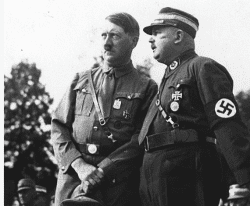
SMART TASK Key Stage 4: Why was Rohm murdered?
If Ernst Rohm was one of Hitler’s closest allies, as you can see in this photo, why then did he have him and other members of the SA murdered in…
Read More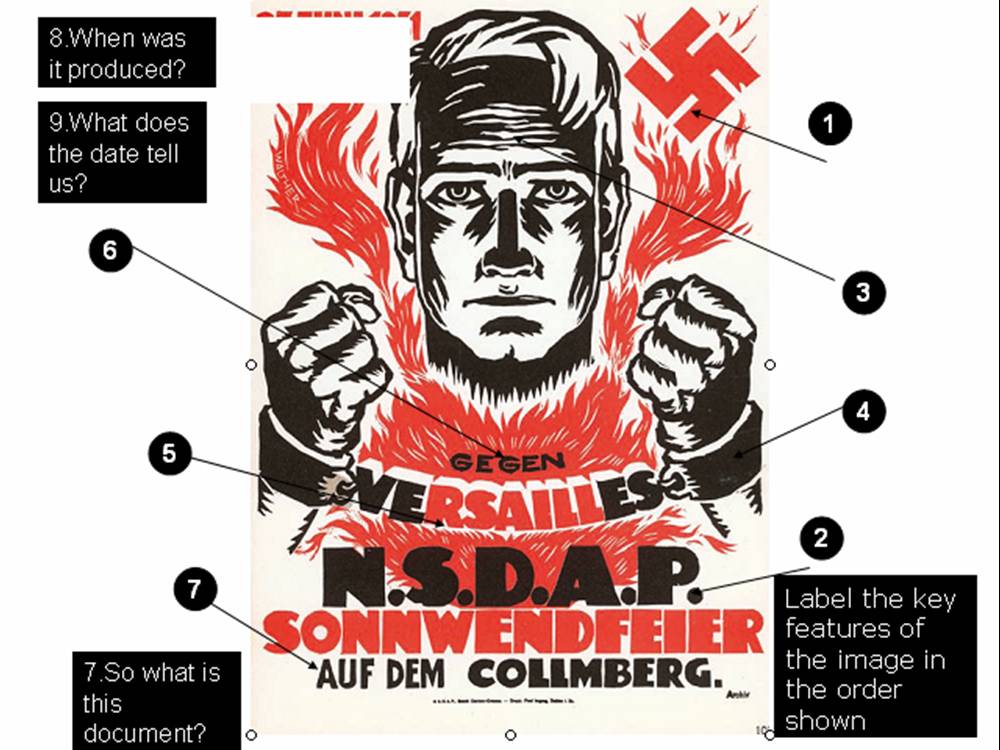
Treaty of Versailles: could it possibly be to blame for the Weimar Republic’s defeat nearly 14 years later?
This SMART task revolves around 6 slides on one PowerPoint presentation. It comes as a penultimate activity prior to students writing an extended answer to the question. The first slide…
Read More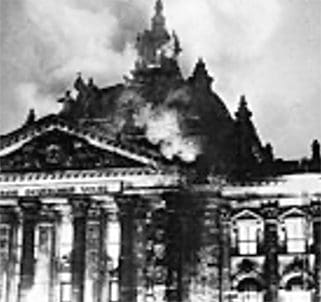
SMART TASK: Weighing up the evidence for who caused the Reichstag Fire
This task follows a more open-ended investigation of written sources on the Reichstag Fire. Most of you will already do this and there is no shortage of source material available. …
Read More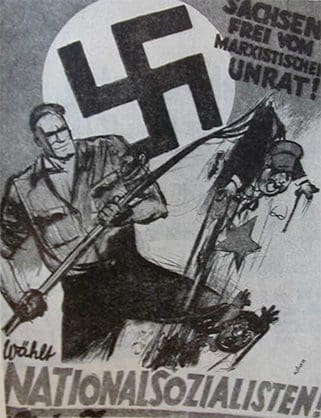
SMART TASK Key Stage 4: Working out what the election posters tell us about Who Voted Nazi
This simple task engages students in thinking for themselves why people voted for Hitler in the 1930s. It uses the simple but visually appealing medium of election posters. Students work…
Read More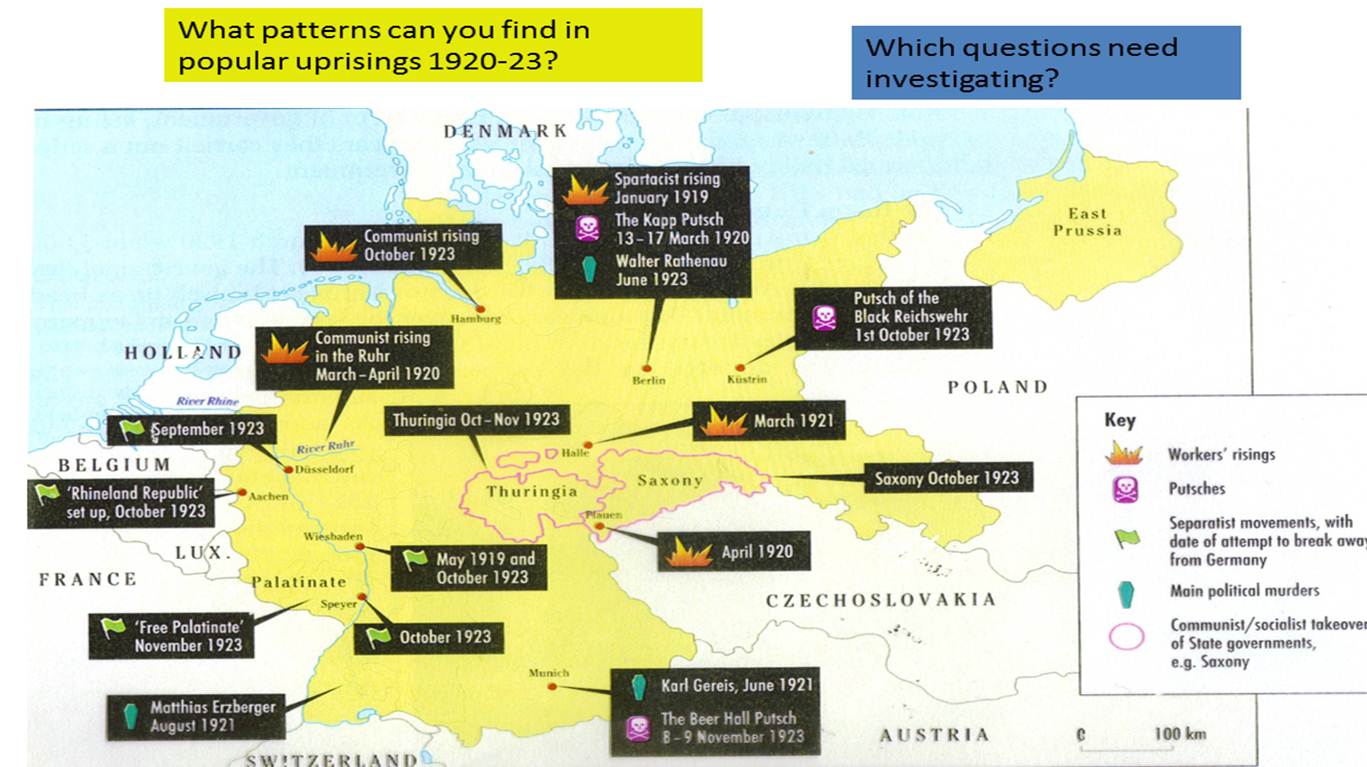
SMART TASK Key Stage 4: Germany 1920-23; problems facing Weimar
This activity was designed for more able students working towards a Modern World History GCSE in Year 10. It leads towards the election poster lesson that features on the outstanding…
Read More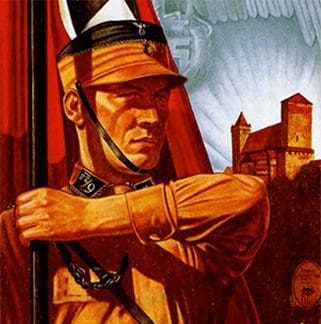
Was Leni Riefenstahl’s ‘Triumph of the Will’ a Documentary or Propaganda?
This Y10 lesson provides a very good balance between thought and activity. Having discussed the differences between a propaganda film and a documentary, students have to find as many as…
Read More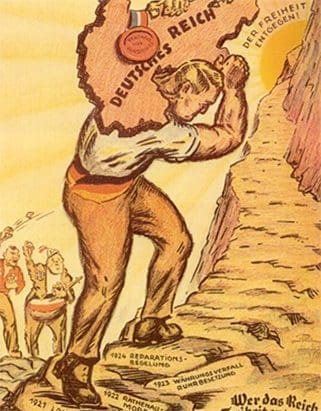
What were the main threats facing the Weimar Republic?
Students often fail to look carefully at ALL parts of a cartoon, photograph or poster. To help them to take all significant features into account, this image of an election…
Read MoreWritten by Neil Thompson

All content on Keystage history is written and quality assured by Neil Thompson, a former history teacher, county history adviser and Ofsted inspector with more than 30 years’ experience in history education.