
Outstanding History Lessons For teaching history at KS3
 Our outstanding KS3 history lessons are designed to bring history to life through challenging enquiries, engaging source work and imaginative activities. Covering a wide range of British and world history, the lessons encourage pupils to investigate the past, question evidence, explore different interpretations and develop well-supported historical arguments.
Each enquiry combines secure historical knowledge with the disciplinary thinking pupils need to become confident and independent historians.
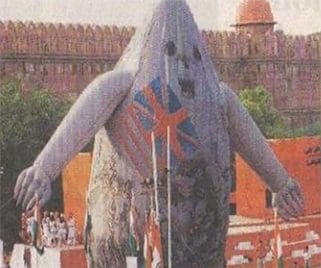
The Empire strikes back! SMART TASK KS3
Having previously investigated the criticism of empire, students now set about defending it. After studying a contemporary Indian view of Empire, which they critique in terms of usefulness, students explore…
Read More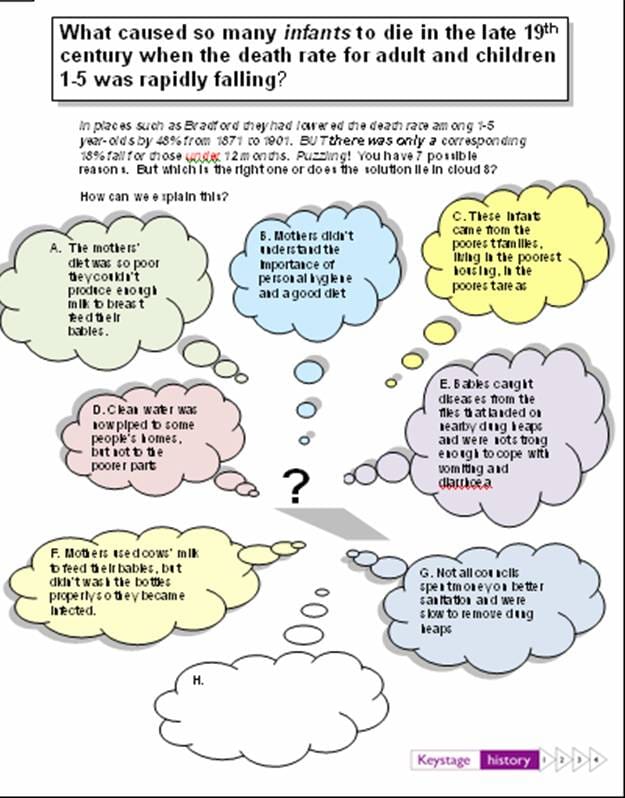
Smart Task Puzzle Corner – Why did so many infants die when the death rate was falling?
Puzzle corner: SMART thinking skills task on why so many infants continued to die before their first birthday at a time when the death rate was falling rapidly. This short…
Read More
Approach to teaching Significant Societies at Key Stage 3
As part of the current curriculum schools are required to teach at least one significant issue or society. Several options are offered by the DfE but you are not bound…
Read More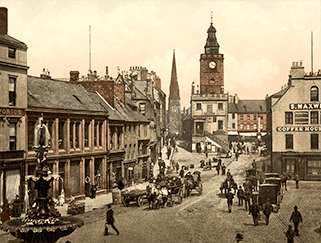
Teaching local history at Key Stage 3
What does it mean by local? The current curriculum makes it mandatory to include a local history study in your KS3 history curriculum. For example: a depth study linked to…
Read More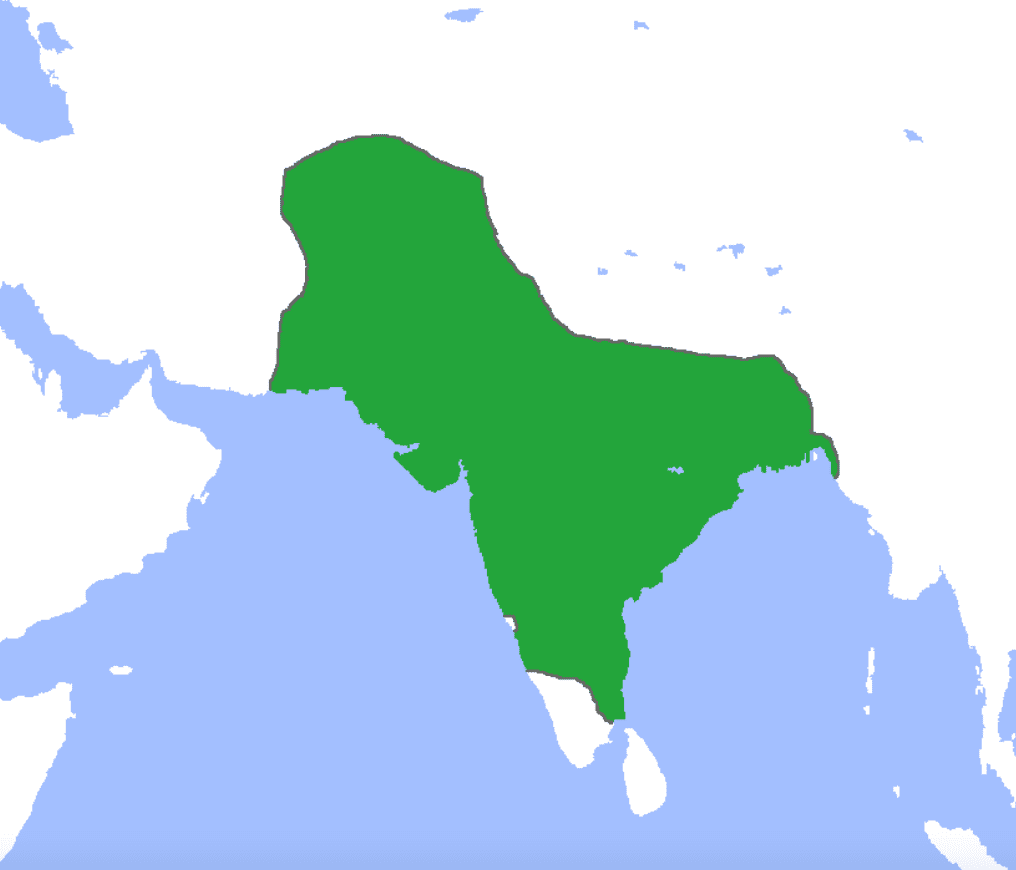
Why study the Mughal Empire at Key Stage 3?
Reasons for studying this period above the other tempting options are: The Mughal Empire was the greatest of the Muslim empires of the early modern period. The Mughal Emperor ruled…
Read More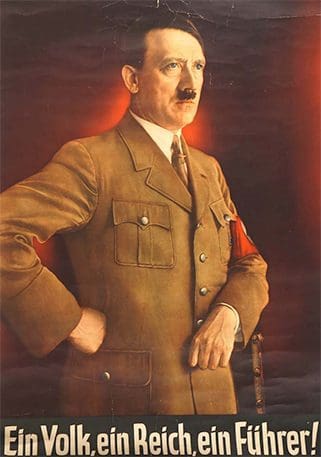
Hitler’s propaganda: the cult of leader. Reading internal clues. KS3 & 4 Smart Task
The aim of this short task is to encourage students to look really closely at images for what is there, not what they think should be there. Students are asked…
Read More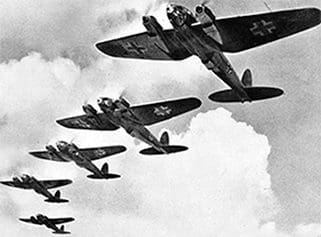
Why did Germany lose the Battle of Britain?
If Britain was only a few days away from defeat in August 1940 how on earth did she win the Battle of Britain a month later? PLEASE NOTE – This…
Read More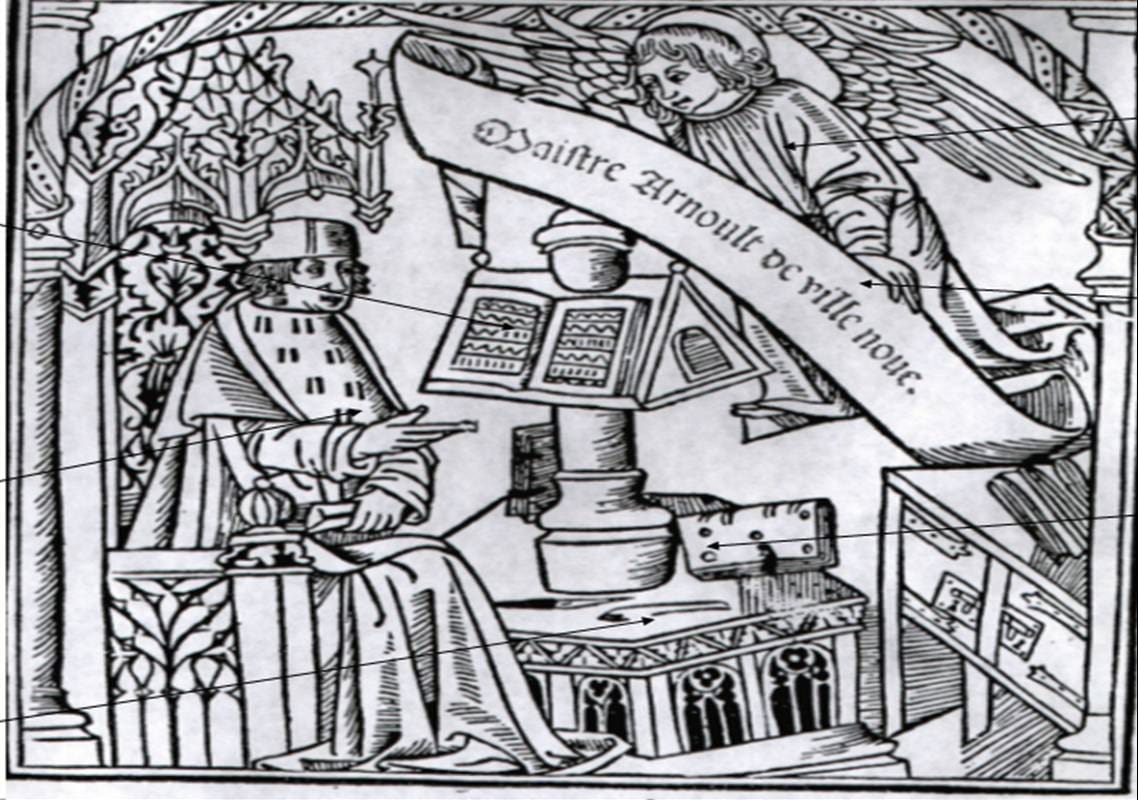
How well do your pupils know Medieval Britain? A short diagnostic smart task called truth detector
Pupils are given 18 statement cards (provided as RS2) about the Middle Ages on Britain to place on the truth spectrum (provided as RS1), labelled ‘made up’ to ‘definitely true’,…
Read More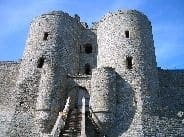
Castle design. Would I lie to you? Fun smart task
This enjoyable session has serious intent: to question some careless assumptions about castle building that often creep into Y7 teaching about castles. The idea is that pupils start to seriously…
Read More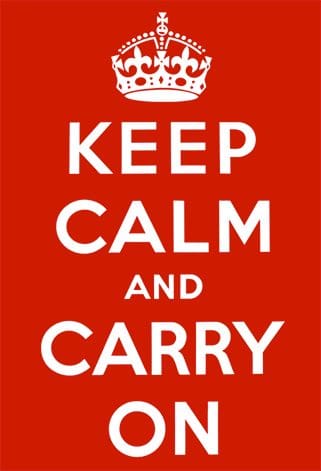
Was there really a Blitz spirit? Killer evidence. Smart Task
Historians to this day still argue as to whether there was a Blitz spirit or not. Much depends on the evidence they use. This ‘Killer evidence’ Smart Task enables you…
Read More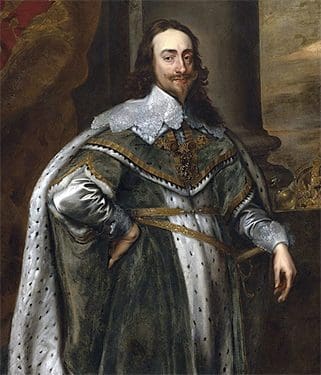
Having lost his parliament, then his throne, why did Charles I have to lose his head?
This diamond-9 prioritising causes activity concludes pupils’ investigation of the reasons for the trial and execution of Charles I. Pupils are presented with 9 ideas which they have to rank…
Read More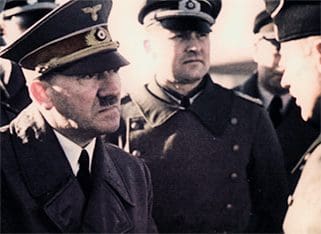
Market place: Why I didn’t oppose Hitler.
To help pupils to understand why so few people opposed Hitler in the 1930s the use of this market place activity has proved to be really effective. Give every student…
Read More
Cromwell a reputation deserved. KS3 Smart Task
This short task focuses on an entry from a website used by lots of people today, mainly in Ireland, to find out about Cromwell’s time there. Pupils are asked to…
Read More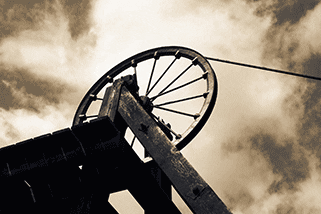
Industrial Britain KS3 Smart Task on the changes brought about by industrialisation
This task helps pupils to develop an overview of the changes ushered in by industrialisation. The aim is to get pupils to generalise from the particular, identifying which groups of…
Read More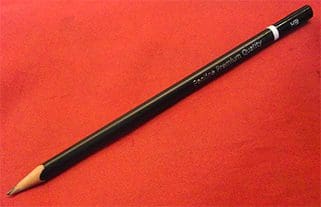
Early Modern Britain 1500-1750 Smart Task: Editor’s Pencil
A quick overview activity in which pupils have to spot and correct 20 deliberate mistakes. Pupils are given an activity with a summary of the changes that took place in Britain…
Read More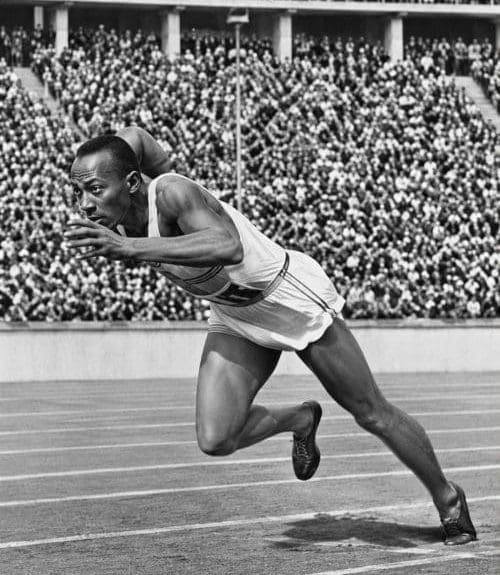
Which modern Olympic Games am I? Short KS3 Smart Task
The modern Olympic Games offer a fascinating window into the history of the twentieth century. Behind the medals, record-breaking performances and memorable sporting moments lie stories of national pride, political…
Read More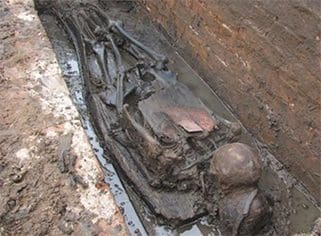
Industrial Revolution KS3 Smart Task: The Mystery of the Blackburn Cemetery
Why not start your class investigation into life during the Industrial Revolution with a mystery? Based on a recent discovery of 800 child skeletons in a cemetery in Blackburn, pupils…
Read More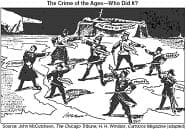
KS3 & 4 The Causes of World War One: The Blame Game
This smart task which can be used from Y9 or for GCSE can be used as a form of diagnostic assessment to see to what extent students can attribute blame…
Read More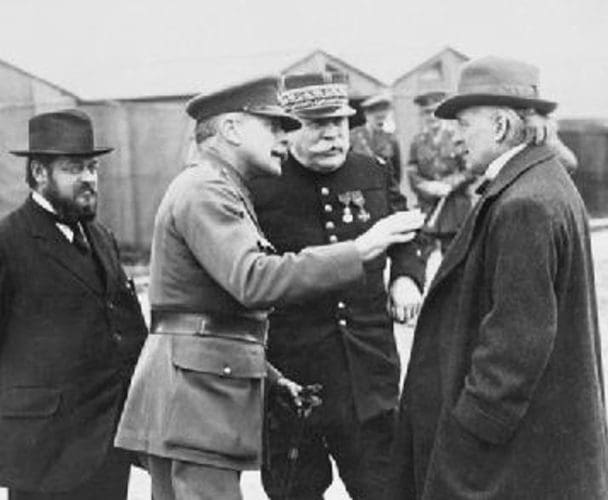
Explaining why there were so many casualties on the first day of the Battle of the Somme. SMART TASK
This task, suitable for KS3 Year 9 or KS4 students, presents them with something of a conundrum. When the Allies had far more men than the Germans and had fired…
Read More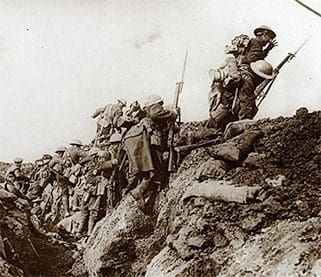
Why are these accounts of the Battle of the Somme, written by the same person, so different? SMART TASK
This task, suitable for Y9 in KS3 or KS4, drives at the heart of source evaluation. Students explore two sources, authored by the same journalist, Philip Gibbs, but written 4…
Read More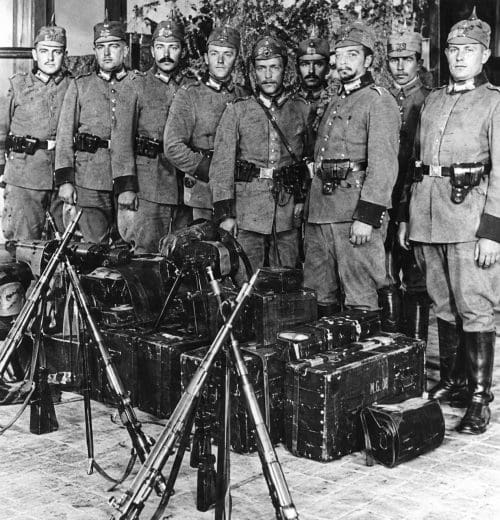
Battalion 101. Why did they shoot? A history mystery
This lesson could be used as part of a Year 9 course or with the Germany module of Y10/11 SHP or Modern World. Students are confronted with moral issues and…
Read More
What can we learn about the Empire from a Christmas pudding?
This lesson starts with a simple fun activity, working competitively in teams to locate the source of ingredients for an Empire Christmas pudding using a world map to help. Pupils…
Read More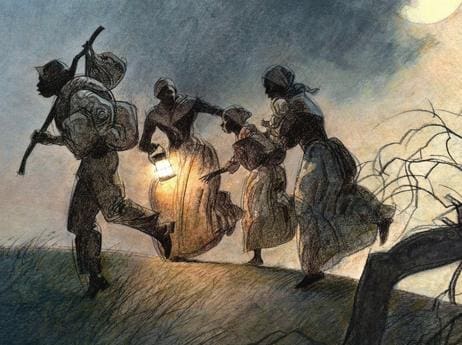
What made runaway slaves successful?
This short enquiry enables pupils to come up with their own ideas about runaway slaves working from first hand evidence of adverts for the slaves ‘arrest’. They work in pairs…
Read More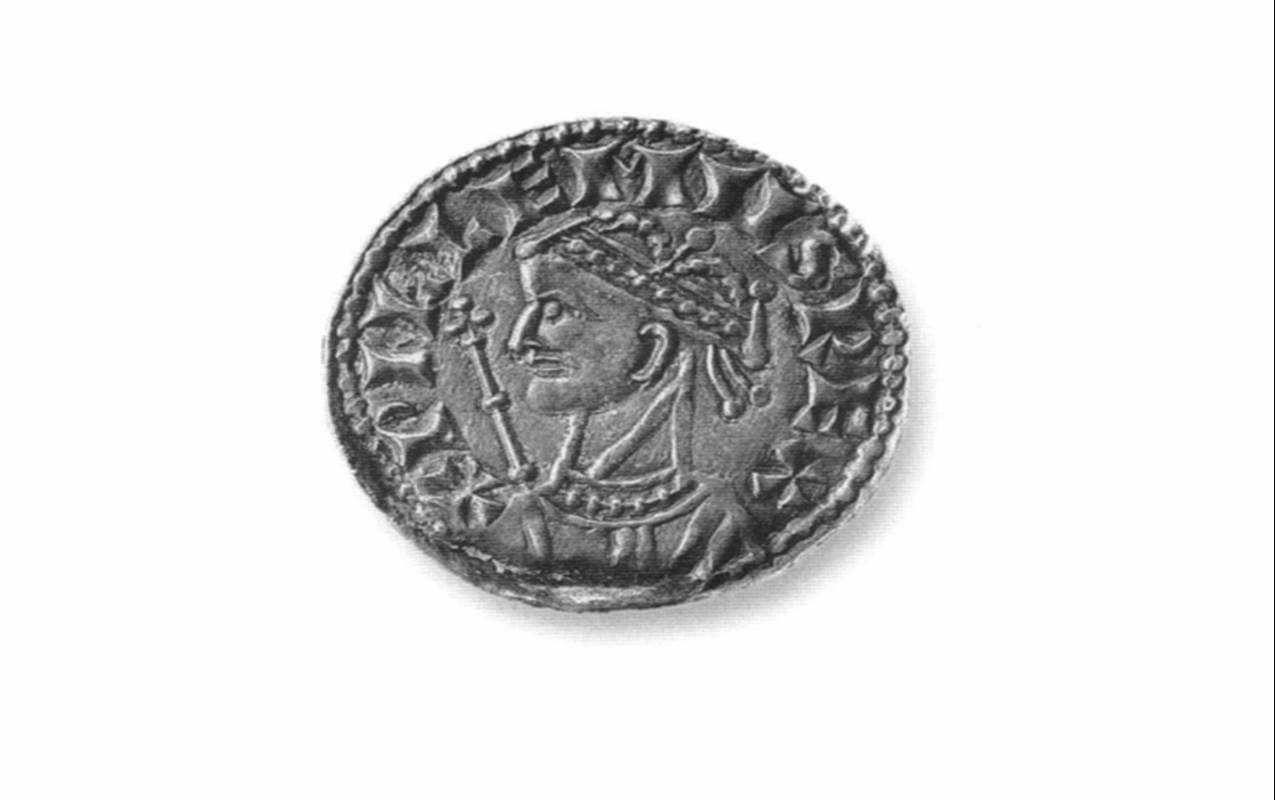
Smart Tasks – Minted: Telling the story of changing British rulers by exploring 10 significant coins
If you are looking for an interesting way of offering pupils overviews or of looking at the concept of significance, then you might find the accompanying PowerPoint helpful. The theme…
Read More
Dread of the lash: How harsh were punishments on slave plantations?
This enquiry-led lesson really does make pupils think as historians. Not only are they introduced to authentic slave punishment records, they also have to test and then raise hypotheses of…
Read More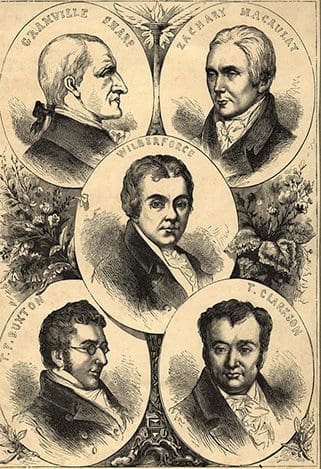
Reasons for the abolition of the slave trade: poacher turned gamekeeper
This lesson turns on a paradox. If the transatlantic slave trade was prospering in 1787, why was it abolished just 20 years later? This more challenging enquiry question forces pupils…
Read More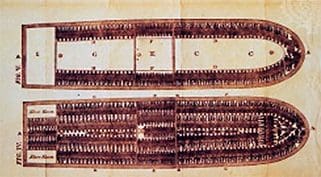
How should we film the Middle passage? How accurate are Roots and Amistad?
This varied lesson challenges pupils to use evidence constructively to create their own version of conditions on the Middle Passage. They do this as if advising a film director. In…
Read More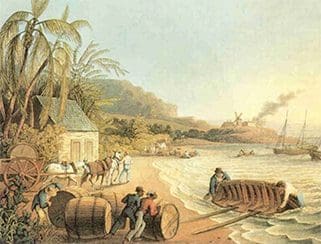
What can we learn about the slave trade from just one poem?
This lesson uses a very simple source to help pupils to get a feel for some of the issues they will be investigating in the weeks ahead in their slavery…
Read More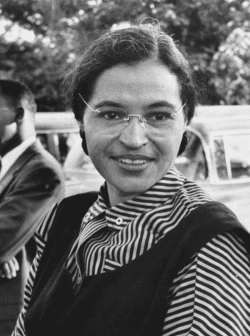
Rosa Parks – the true story
This open-ended enquiry explores one of the most abiding stories of American Civil Rights. Students are invited to advise a film director on what actually happened in Montgomery in December…
Read More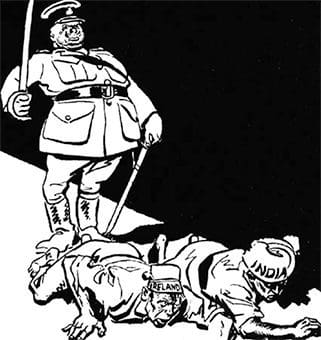
SMART TASK – How did a small country on the edge of North West Europe manage to rule a quarter of the world’s land surface and 400 million people?
This lesson asks an important question that the textbooks rarely cover and comes after students have looked at events in Africa and India in depth. Pupils are presented with an…
Read More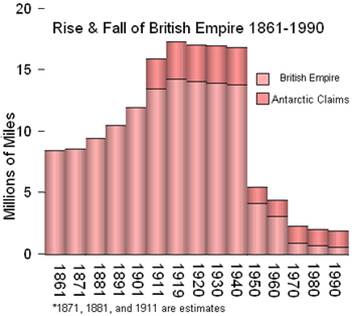
Smart Task: End of Empire: Why did it all end so quickly?
This SMART task ask pupils to classify a number of different smaller reasons why The Empire declined and fell, under four bigger headings. But they are not told what these…
Read More
Smart Task: Popping corks? What is the best analogy to explain the causes of the French Revolution
A smart task for Gifted and Talented pupils in Y9. Towards the end of your study of the causes of the French Revolution, why not ask your G&T pupils to…
Read More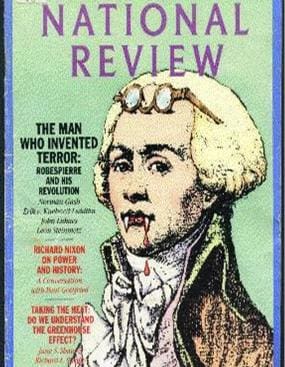
What should we write on Robespierre’s plaque?
In his home town of Arras, the plaque commemorating his achievements has been vandalised and replaced so often that it is clear that people still feel strongly about him. Can…
Read More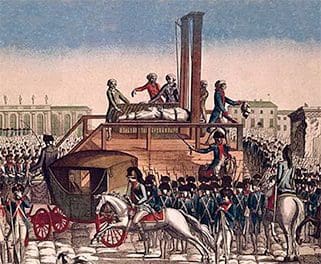
Execution of Louis XVI
Enquiry question: When the French Revolution started in 1789, few wanted the death of the king or the end of monarchy. But just 4 years later the king’s head has…
Read More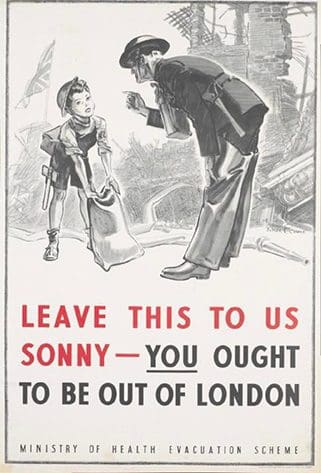
Smart Task: Evacuation: was it worth it?
Many primary schools look in detail at evacuation in World War Two and you may not want to go over old ground again but there is nothing to stop you…
Read More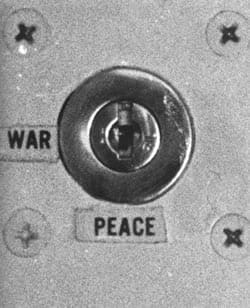
Smart Task: How close to World War Three did the world come in the 65 years after World War Two?
Helping pupils to develop overviews of different timescales is central to the Key Stage 3 curriculum. When so few carry on post-14 to study the 20th century (probably only 1…
Read More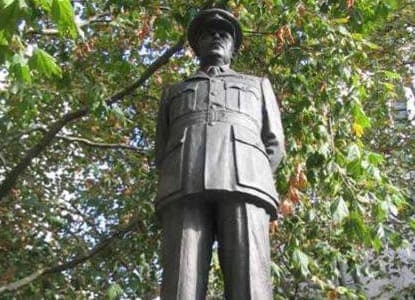
Smart Task: Was the bombing of Dresden justified?
Should the statue to Bomber Harris be removed? It is now 20 years since the statue to Bomber Harris was erected in Trafalgar Square. Pupils are asked to consider whether…
Read More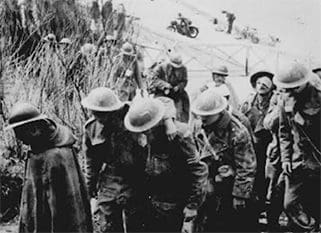
Teaching Dunkirk at KS3 – WW2 – Spinning Dunkirk
Rather than simply asking pupils passively to read examples of propaganda surrounding the evacuation of Dunkirk they are asked to put a positive spin on it for themselves. Having been…
Read More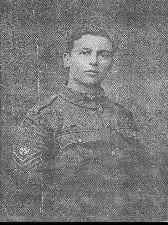
Why did 15 year-old boys want to join up in 1914?
At the heart of this lesson lies a history mystery. Many of you will have seen something similar in Peter Fisher’s book on thinking skills in history. Whilst the core…
Read More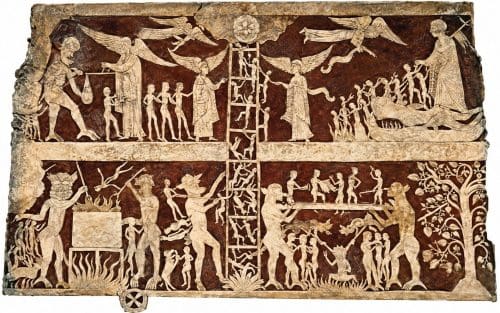
What can we learn about medieval churches from the outside and inside?
This innovative lesson uses the gallery strategy in which pupils compare a range of fascinating colour images to discover what Doom paintings have in common. After annotating and captioning different…
Read More
Teaching Pre-1066 thematic topic
What shall we do with Area 6 pre-1066 thematic unit? Here are some questions to ask yourself. Do you look at a topic that is not only engaging but one…
Read More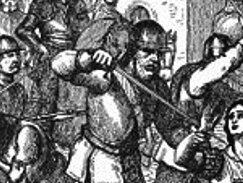
Were Cromwell’s actions at Drogheda as brutal as we’ve been led to believe? Ketchup on the walls. SMART TASK KS3
This Y8 courtroom drama blends a study of a couple of original sources, one in facsimile form, with evidence from the most recent historical interpretations. All pupils appear as unique…
Read MoreTeaching KS3 History: Local Study
The current history curriculum makes it mandatory to include a local history study in your KS3 history curriculum. For example: a depth study linked to one of the British areas…
Read MoreTeaching Thematic from pre-1066
Area 6 of the National Curriculum for history requires that you include the study of an aspect or theme in British history that consolidates and extends pupils’ chronological knowledge from…
Read More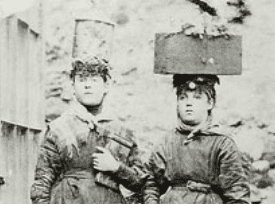
Puzzle Corner 2: Analysing Victorian photographs: the puzzle of the Tredegar patch girls.
Beguilingly simple, but actually quite thought-provoking, this short smart task teaches pupils not to take things at face value – a key skill if they are to progress in history. …
Read MoreWritten by Neil Thompson

All content on Keystage history is written and quality assured by Neil Thompson, a former history teacher, county history adviser and Ofsted inspector with more than 30 years’ experience in history education.