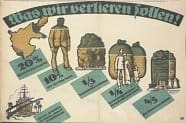
For many pupils this will be their last topic in KS3 history, though some history departments prefer to end with a retrospective long term study. Most pupils enjoy the 20th century, though we need to ensure it is not just one war after another. Almost inevitably the first lesson showcases the assassination of Archduke Franz Ferdinand, but this time as a murder mystery. There are also a couple of engaging lessons on recruitment, with hypotheses to test (involving numeracy) and posters to analyse.
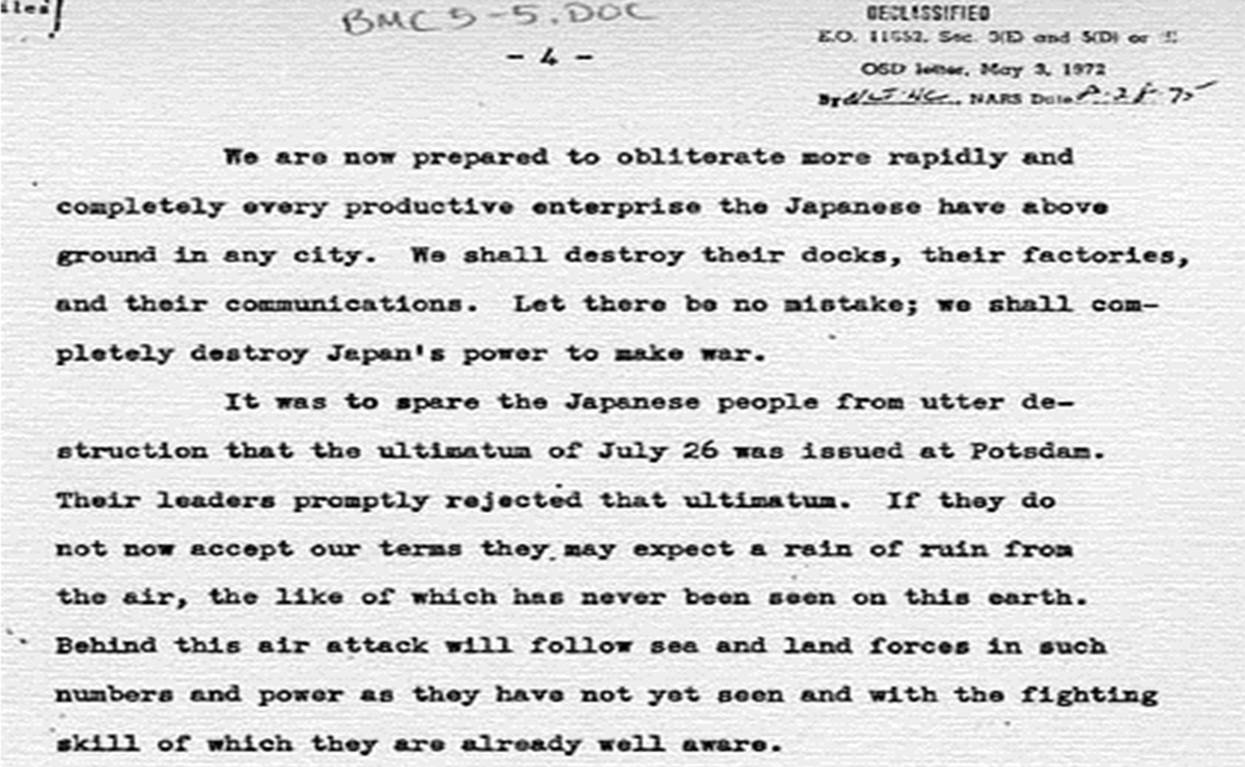
The case study of Earnest Coleman provides a familiar history mystery, but with a twist. The lesson with the fantastic PowerPoint presentation of First World War soldier’s songs has pupils creating a graph to show soldiers’ changing attitudes as the war progresses. A novel lesson on Battalion 101 has already proved a hit, combining a history mystery with excellent opportunities for the development of pupils’ emotional intelligence. Similar skills are developed through a study of the dropping of the atomic bombs. The post-war period, so rarely taught in sufficient detail, is approached by an overview using a tension graph and more original use of the 20th and 21stC Olympic Games as a reflection of the changing world from 1914-2008.
Work on 20C Britain can also be found in the enquiry into why women achieved the vote and the Suffragette Derby, as well as forthcoming lessons comparing Civil Rights in post-war USA with post-war immigration into Britain.
Prior to the London Olympics we added a range of different cameos for KS2 and KS3 showing how the history of the Olympics could be imaginatively integrated into your current teaching which can still be accessed here
KS3 Outstanding History Lessons
The following Key Stage 3 history lessons for teaching the 20th Century World have all been judged to be outstanding according to OFSTED criteria. You will find a wide variety of teaching and learning activities and full lesson plans as well as a rich array of teaching resources including PowerPoint® presentations.
- Recruitment in World War One enquiry. Did the number of deaths on the Western Front have any impact on recruitment? A study of graphs using contextual knowledge.
- Why did so many 15 year old boys want to sign up in 1914? A history mystery regarding Ernest Coleman.
- Something about an ostrich. The Assassination of Franz Ferdinand. An interesting variation on this popular topic places pupils in the role of detectives investigating the murder scene before going on to asssess the events wider significance.
- Battalion 101: Why did they shoot? Emotional intelligence meets contextual knowledge. A stunning example of pupils getting involved in the debate about willing executions.
- The Suffragette Derby; What really happened? Good use is made of images of artefacts which pupils have to interpret in order to reconstruct their version of what really happened.
- Spinning Dunkirk. Pupils study stylistic features of media coverage before attempting their own account in the style of 1940.
Smart Tasks
- Why did President Truman drop the atomic bombs in August 1945? A study in interpretations.
- Was the bombing of Dresden justified? Should the statue to Bomber Harris be removed? In-depth analysis of contemporary evidence, encouraging Y9 pupils to select and deploy information.
- How well do these cartoons cover the causes of World War One? In pairs, Y9/GCSE students visit 9 different cartoons posted around the wall. They have to work out which cause is being ‘covered’ in each cartoon and which causes are NOT covered
- How close to World War Three did the world come in the 65 years after World War Two? Designed for Key Stage 3 higher attaining Year 8/9 pupils. Helping pupils to develop overviews. When so few carry on post-14 to study the 20th century (probably only 1 in 5 pupils), it is essential that we help them to gain a clearer understanding of the changing world their grandparents grew up in and relate it directly to ‘their’ world today. This task uses the idea of a class tension graph or doomsday clock to look at these changes in perspective. NB This is a set of sequenced ideas for you to work on, not an actual lesson.
- Puzzle corner: the strange case of the steel helmet
- Evacuation: was it worth it? Taking pupil’s understanding
from KS2 to a deeper level.