
Assessment and Progression
 The issue of assessment and progression in history at KS2 still remains a problem in primary schools-nearly 30 years after the introduction of the national Curriculum . It is given too low a priority, not least because there is no statutory requirement to use numerical levels and because many classroom teachers believe that it is not really necessary.
As a consequence OFSTED has recently found that “Fewer than one quarter of schools have good systems for assessing history at Key Stages 1 and 2. Where it is good, schools have developed a structured approach linked to progression and pupils’ work is marked using subject specific comments. These schools are developing portfolios of work to illustrate standards and guide teachers in making accurate age related assessments. Such good practice is rare.”
The most frequent criticism by inspectors is of poor marking in general, rather than subject specific and often setting insufficiently high expectations.
“Often individual teachers assess history in their own way so that the outcomes are unsystematic and of doubtful reliability and validity. Such weakness needs to be tackled at whole school level, and drawing on expertise available from outside if it is not to be found within. It starts with straightforward good practice, that tasks should have objectives, and that pupils, teachers and others should know how well they have done on significant individual pieces of work, and over a period of time”.
The solution
The site offers a very practical set of solutions based on a set of easy to manage, easy to mark, short tasks on key concepts covering most topics. You will find examples of tasks and mark schemes which are tried and tested and ready to use. You will also find in the judging pupils’ work section examples of work of pupils who have actually used these tasks. Each carries a definitive commentary to help you gauge the standard in relation to national expectations. You will NOT find National Curriculum levels being used, as these are far too blunt for measuring performance in individual tasks. They were only ever intended to be used at the end of the key stage, years ago, and then only as best fit. Now that the requirement to use them has passed, their use is mainly restricted to helping with progression.
There is a also a helpful section on assessment for learning.
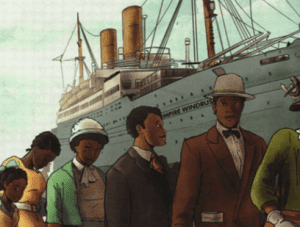
Black and British – assessment task
This assessment task is different from the others in the KS2 suite of tasks in that it comprises multiple questions…
Read More
Progression in primary history: Top 6 ideas
A lot of you have been tasked with trying to specify what progression looks like in history in your school….
Read More
Your Key Stage 2 history portfolio – What should it contain?
20 questions for you to ponder and answer What should my KS2 history portfolio contain? What sort of work do…
Read More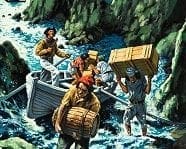
Crime and punishment – assessment task
This task is provisional and adopts a different approach to the assessment task on the site you might have tried…
Read More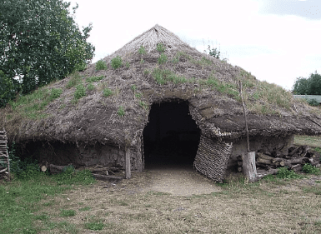
Stone Age to Iron Age – assessment task
Very short diagnostic assessment in which pupils are the teachers. They have to correct a pupil’s description of the Bronze…
Read More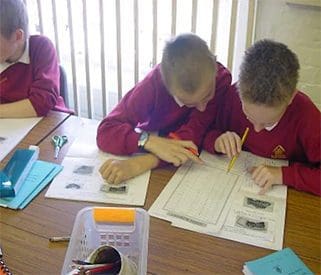
Assessment for learning in history at Key Stages 1and 2 (some key ideas from the Primary Strategy)
Elements of AfL Ethos Attitudes Learning environment Routines and behaviours More focus should be placed on: Use of curricular targets…
Read More
Ancient Egypt – assessment task – The afterlife
Key Elements: ideas, attitudes and beliefs This assessment tasks focuses on a single picture. Pupils are asked how the image…
Read More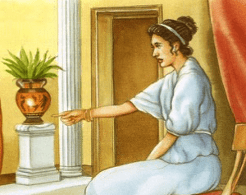
Ancient Greece – assessment task – Life for women in Ancient Greece
This is a Year 6 task which focuses on Key Element 2a : characteristic features of life for men women…
Read More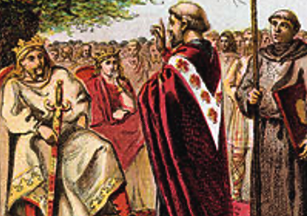
Anglo-Saxons – assessment task – What were the main changes that took place in Anglo-Saxon England?
Focus: significance and change Using 3 images to help you, what were the most important changes that took place in…
Read More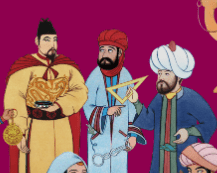
Early Islamic Civilisation – assessment task – Why was life in 10th century Baghdad was so significant
Using two contrasting illustrations to help them, pupils have to explain why life in 10th century Baghdad was so significant….
Read More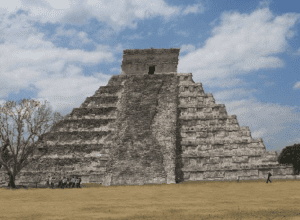
Mayan civilization – assessment task – What can we tell about Mayan society 1,000 years ago?
Focus skill/concept: Understanding characteristic period features and cultural diversity Using 3 images pupils are set the task to explain what…
Read More
Roman Britain – assessment task – interpretations of Boudicca
Focus: interpretations Another Year 4 task in which pupils have to compare two unseen illustrations from books about Boudicca. Having…
Read More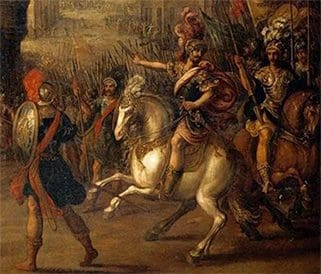
Roman Britain – assessment task – Why did the Romans invade?
Focus: causation Short written explanation or, for some, the completion of two speech bubbles. What did the Romans / Claudius…
Read More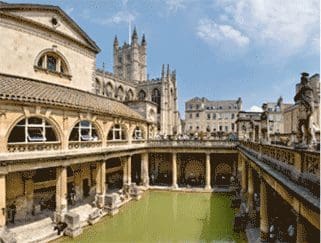
Roman Britain – assessment task – Roman legacy
Assessing pupils’ understanding of the legacy of the Roman Empire on life in Britain This task is designed to elicit…
Read More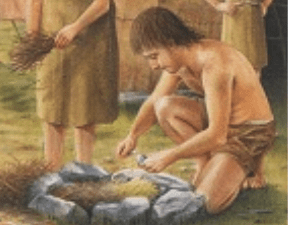
Stone Age to Iron Age – assessment task – changes from Stone Age to Iron Age
Focus: sequencing This Y3/4 task is highly visual and entails simple sequencing of unseen images followed by reason why changes…
Read More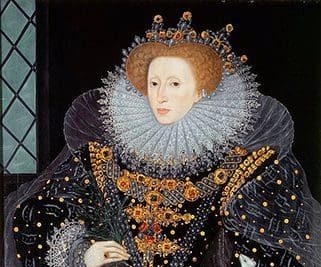
Tudor Britain – assessment task – What can we learn about the way Elizabeth ruled the country from portraits
Focus: evaluation of sources Children work on an unseen portrait after the teacher has read out the caption which explains…
Read More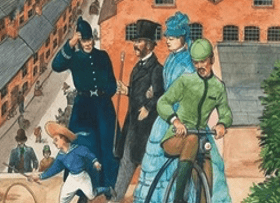
Victorian Britain – assessment task – How do we know this picture shows Victorian Britain?
Pupils are given artist’s impression of a typical Victorian scene which they have never seen before. They have to identify…
Read More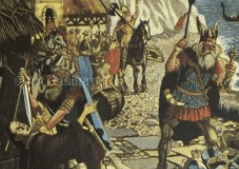
Vikings – assessment task – Depictions of the Vikings
Focus: historical interpretation After looking at similarity and difference between two depictions of the Vikings, pupils then offer reasons why…
Read More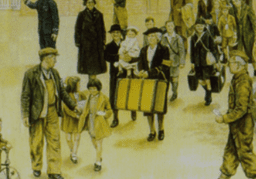
WW2 – Assessment task – How do we know that this picture shows England at the beginning of the Second World War?
Focus: characteristic features of life for men, women and children Once again based on a very detailed and colourful artists’…
Read More
What should I be doing?
OFSTED’s recent report ( 2023) highlighted the following 5 key messages about assessment in primary history. Over the next few…
Read MoreAssessment in history at Key Stage 2 – your questions answered
What are the statutory requirements to assess history at KS2? There are no statutory requirements for end of Key Stage…
Read More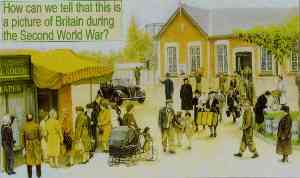
Common assessment tasks in history at Key Stage 2
Many colleagues who have been sceptical about assessing history at Key Stage 2 have been won over by this simple…
Read More
Assessment for learning in Primary history
Assessment for Learning is much-vaunted and many-faceted. If we break down what it means in its constituent parts, many of…
Read MorePrinciples of good assessment in history at Key Stage 2
As OFSTED reports have pointed out for many years, assessment in history is not strong in most schools and the…
Read More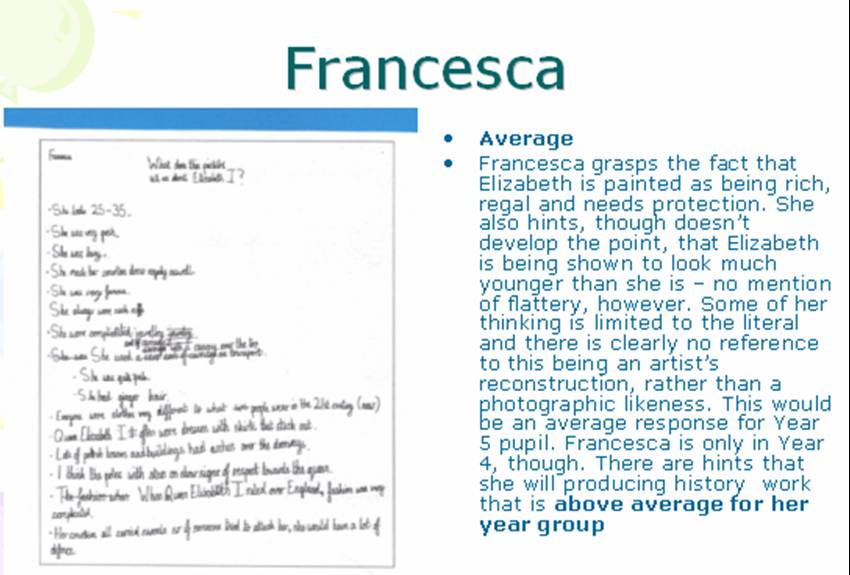
Judging pupils’ work at Key Stage 2
Teachers’ failure to carry out any useful diagnostic, formative or summative assessment in history at Key Stage 2 has come…
Read MoreTarget setting in history at Key Stage 2
With the emphasis that the Primary Strategy places on Assessment for Learning and the sharing of objectives, it would seem…
Read MoreGeneral advice regarding progression in history at Key Stage 2
A definitive paper explaining exactly what I think you should be doing in the realms of progression to help ensure…
Read MoreProgression by strand in history at KS2: a key element of deep dives
One of the most important tasks that a history subject leader carries out is that of helping colleagues to build…
Read MoreEverything you wanted to know about progression in history at KS2 but couldn’t find anywhere!
Progression in history at KS2: part of your preparation for an OFSTED history deep dive Planning for progression in history…
Read More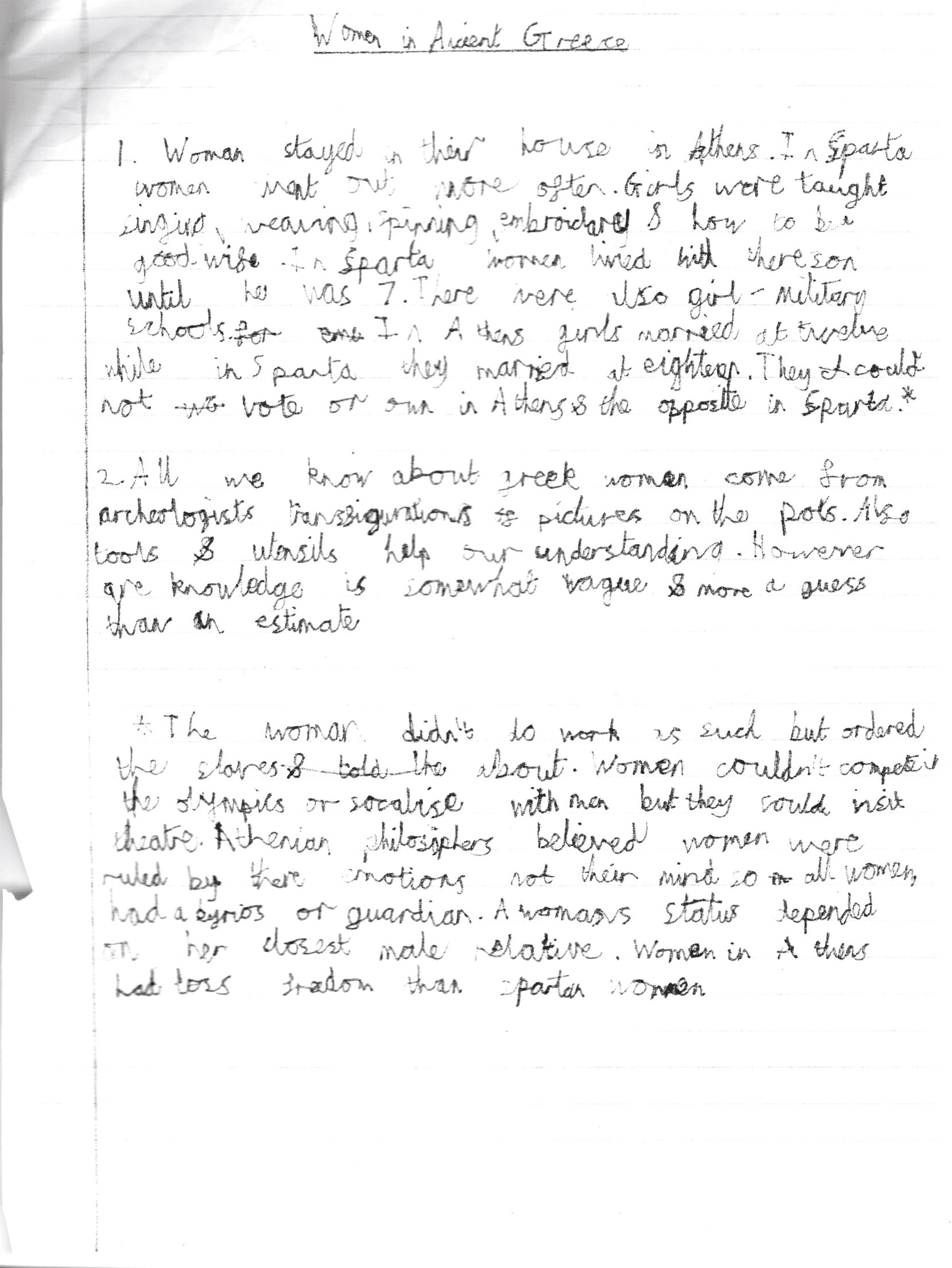
A pupil response to KS2 assessment task on women in Ancient Greece
Karl is in Y5 and has been taught in a school where standards are high but progress is slightly below…
Read More
What would your pupils say about getting better at history, when they leave your school?
Recently two university education departments carried out a broad-sweep survey of primary pupils’ experience of history at KS1 and 2…
Read MoreI’m a new subject leader. How do I know if pupils are making the progress they should in history?
Getting a handle on progression is complicated. There are lots of superficially appealing lists of competencies that link to each…
Read MoreHow to assess pupils’ progress in KS2 history. At last the answer that not only works but will work for you too.
Even though we will have had the National Curriculum for history ( albeit in different guises) for nearly 30 years,…
Read MoreAPP in history: where are we now? Some key questions answered
NB. This section is no longer current, so please don’t base your action on its contents. It has been left…
Read More